Best Cutting Fluids for CNC Milling Aluminum in 2026?

Time:2026-07-02 Author:Ethan
0%

When considering CNC milling aluminum in 2026, one critical question arises: what is the best cutting fluid for CNC milling aluminum? The right cutting fluid can enhance efficiency and prolong tool life. With advancements in technology, the options for cutting fluids are expanding. However, not all fluids are created equal. Choices vary based on factors like cooling ability, lubrication, and environmental impact.

Cutting fluids must effectively dissipate heat to prevent tool wear. They also play a role in enhancing surface finish. Many manufacturers are developing new formulas to meet these demands. There is a trade-off between performance and safety. Some cutting fluids may be harmful, leading to strict regulations.

Selecting an optimal fluid requires analysis. Users must consider their specific machining conditions. Factors such as material type and machining speed come into play. While some fluids seem promising, effectiveness can vary widely in real-world applications. Ultimately, determining the best cutting fluid requires a blend of experience and experimentation.
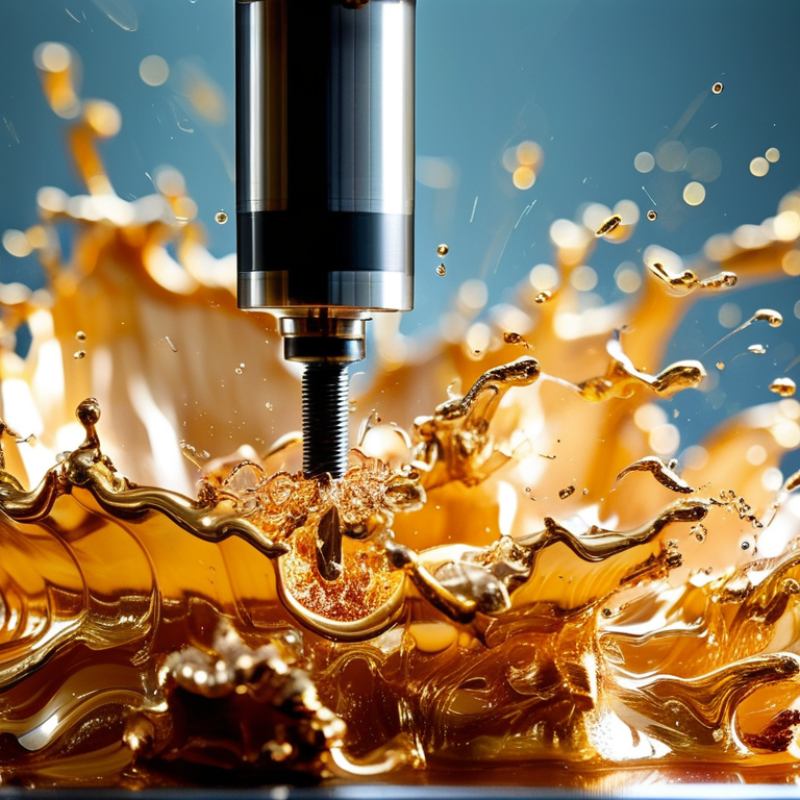
Best Cutting Fluids for CNC Milling Aluminum in 2026?

Understanding CNC Milling and Its Applications for Aluminum

CNC milling of aluminum is a precise and versatile machining process. The application of cutting fluids plays a critical role in enhancing efficiency. This is particularly important when working with aluminum alloys, which are known for their excellent thermal conductivity. A report from the International Journal of Mechanical Engineering states that proper cooling during machining can reduce tool wear by up to 40%.

Effective cutting fluids not only improve tool life but also enhance surface finish. The right choice can lead to smoother surfaces with reduced friction. Experts highlight that selecting fluids with high lubrication properties is essential for aluminum milling. The performance of these fluids significantly impacts production rates and operational costs.

However, not every fluid performs equally well in all scenarios. Some cutting fluids may leave residues that require additional cleaning. Environmental concerns also arise with certain synthetic fluids. The industry's move towards eco-friendly alternatives is commendable, yet it raises questions about performance trade-offs. Research in machining practices continuously evolves, urging professionals to reflect on their choices and adapt to new findings.

Importance of Cutting Fluids in CNC Milling Processes

Cutting fluids play a crucial role in CNC milling, especially when working with aluminum. They lubricate and cool the cutting tools, enhancing their lifespan and efficiency. According to a study by the Manufacturing Technology Association, using the right cutting fluid can increase tool life by up to 50%. This impact significantly reduces production costs.

Effective cutting fluids reduce friction and heat generation during the milling process. Higher temperatures can lead to tool wear and deformation of the workpiece. A well-chosen fluid can maintain optimal temperatures, ensuring precision. However, not all fluids are suitable for every milling operation. Factors such as aluminum alloys and cutting speeds must be considered.

Tips: Choose a fluid that offers both cooling and lubrication. Water-soluble fluids are popular for their cooling properties. Consider biodegradable options, as sustainability is becoming essential in manufacturing.

While many operators rely on traditional fluids, new formulations are emerging. Some options might work well in theory but perform poorly in practice. Test different fluids on your specific materials and machinery. Reflect on their effectiveness regularly; what worked for one project may not suit another. Stay informed about industry advancements to remain competitive.

Best Cutting Fluids for CNC Milling Aluminum in 2026

Fluid Type Viscosity (cP) Cooling Properties Lubrication Properties Biodegradability Recommended Dilution Ratio
Water-Soluble Oil 10-20 Excellent Good Moderate 5:1 to 10:1
Synthetic Fluid 8-15 Very Good Excellent High 10:1 to 20:1
Straight Oil 20-40 Good Excellent Low N/A
Emulsifiable Oil 15-25 Good Good Moderate 7:1 to 15:1
Coolant Additives Varies Excellent Variable High Use as recommended

Top Characteristics of Effective Cutting Fluids for Aluminum

Effective cutting fluids play a crucial role in CNC milling of aluminum. They enhance surface finish and extend tool life. To achieve optimal results, the ideal cutting fluid should possess specific characteristics. One key trait is its cooling ability. Good cutting fluids effectively dissipate heat during the milling process. This prevents thermal deformation in both the tool and the workpiece.

Another important aspect is lubrication. Fluids that reduce friction between the tool and aluminum enhance machining efficiency. This leads to smoother cuts and better surface quality. Additionally, a good cutting fluid should have effective chip removal properties. It should help clear swarf from the cutting area to maintain visibility and accuracy.

Stability is also vital. A fluid that doesn't break down easily ensures consistent performance over time. However, finding a balance in these characteristics can be challenging. Some fluids may excel in cooling but lack lubrication. Others might provide great lubrication but struggle with chip removal. It’s essential to evaluate which properties matter most for your specific milling tasks. Each situation may require a different approach, leading to ongoing adjustments in fluid selection.

Evaluation of Leading Cutting Fluids Available in 2026

Selecting the right cutting fluid for CNC milling aluminum is crucial. In 2026, several cutting fluids stand out based on recent evaluations. Data from the Metalworking Fluid Conference reveals that high-performance fluids significantly improve cutting efficiency. Those fluids often contain additives that enhance cooling and lubrication.

A study showed that the optimal viscosity range for these cutting fluids is between 20 to 40 cSt at 40°C. Using fluids within this range can reduce tool wear by up to 30%. However, it's notable that some users reported inconsistent results with certain compositions. This variability highlights the importance of testing various fluids tailored to specific operations.

On the environmental front, many cutting fluids are evolving. Water-soluble options are gaining traction due to lower toxicity levels. Nevertheless, some manufacturers are still lagging in developing biodegradable solutions. As sustainability becomes more critical, this gap in the market needs addressing. Continuous evaluation of these cutting fluids is essential. Understanding their performance can drive advancements and meet growing industry demands.

Future Trends in Cutting Fluids for CNC Milling Aluminum

The landscape of cutting fluids for CNC milling aluminum is evolving rapidly. Manufacturers are increasingly focusing on sustainability. Biodegradable and eco-friendly fluids are becoming essential in the industry. These options reduce environmental impact while maintaining effectiveness. In 2026, users may lean towards fluids that promote worker safety. Non-toxic and non-irritating formulas are expected to gain popularity.


Another crucial aspect is performance enhancement. Many cutting fluids now offer advanced cooling properties. This minimizes thermal distortion and prolongs tool life. Some newer formulations also include additives that improve lubrication. This leads to smoother machining processes and better surface finishes. Research is ongoing to optimize these properties without compromising safety standards.


However, challenges remain. Cutting fluids often require regular maintenance to ensure optimal performance. This maintenance can sometimes be overlooked, leading to issues like contamination. As industries shift towards high-speed machining, the demand for reliable cutting fluids rises. Continuous innovation will be necessary to keep up with these advancements and meet changing industry needs.

FAQS

: What is CNC milling?

: CNC milling is a precise machining process used for shaping materials like aluminum.

Why are cutting fluids important in CNC milling?

Cutting fluids improve efficiency, enhance cooling, and reduce tool wear during aluminum machining.

How much can proper cooling reduce tool wear?

Proper cooling can decrease tool wear by up to 40%.

What are the benefits of using effective cutting fluids?

They improve tool life and achieve smoother surfaces with lower friction.

Do all cutting fluids perform equally well?

No, some fluids can leave residues and may not work well in every scenario.

Are synthetic cutting fluids environmentally friendly?

Some synthetic fluids raise environmental concerns, prompting a shift to eco-friendly alternatives.

What is the optimal viscosity range for cutting fluids?

The ideal viscosity range is between 20 to 40 cSt at 40°C.

Can users experience inconsistent results with cutting fluids?

Yes, different compositions can yield varying results, emphasizing the need for testing.

What trend is observed in cutting fluid development?

Water-soluble options are becoming popular due to lower toxicity levels.

How important is continuous evaluation of cutting fluids?

It's crucial for driving advancements and addressing growing demands in the industry.

Conclusion

In exploring the question of "what is the best cutting fluid for CNC milling aluminum," it is crucial to understand the specific needs of aluminum milling processes. CNC milling is a precise manufacturing technique widely used for creating intricate designs in aluminum components. Effective cutting fluids play an integral role in enhancing the efficiency and surface finish of milled parts. Key characteristics of successful cutting fluids for aluminum include high lubricity, excellent cooling properties, and minimal residue formation, which collectively contribute to a better machining performance.

As we evaluate the leading cutting fluids available in 2026, it is evident that advancements in formulations are prioritizing eco-friendliness and performance enhancements. Future trends indicate a movement towards bio-based fluids and synthetic options that not only meet the stringent demands of CNC milling aluminum but also address environmental concerns. By staying informed about these developments, manufacturers can optimize their CNC milling operations and achieve superior outcomes in aluminum machining.

Ethan

Ethan

Ethan is a seasoned marketing professional with a deep expertise in our company's innovative product line. With a passion for sharing knowledge and insights, he takes the lead in regularly updating our corporate blog, where he explores industry trends, product features, and effective marketing......