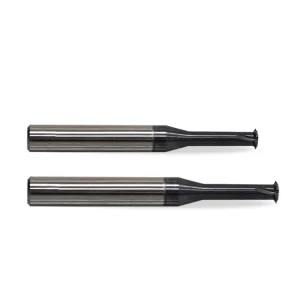
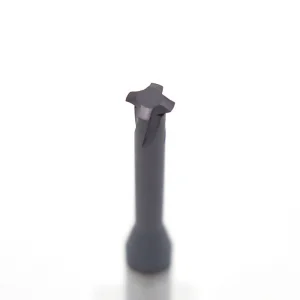
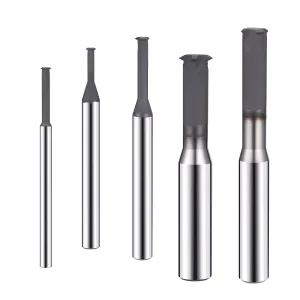
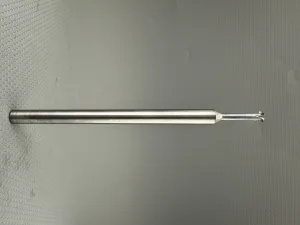
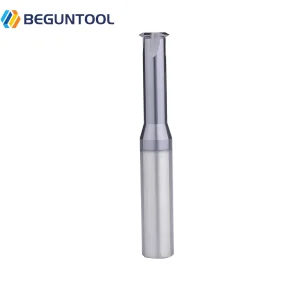
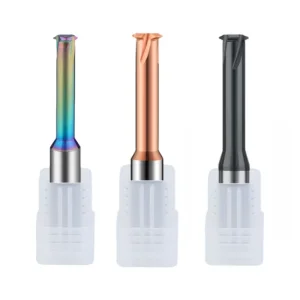
Single Point Thread Mills: Advanced CNC Engineering & Global Factory Procurement Guide

Providing industrial-grade precision cutting solutions for internal and external micro-threading, hardened steel machining, and aluminum alloys.

Featured Single Point Thread Mills (Series A)

Explore our premium grade micro-grain solid carbide and high-speed steel thread mills designed for precise pitching and high component yield.
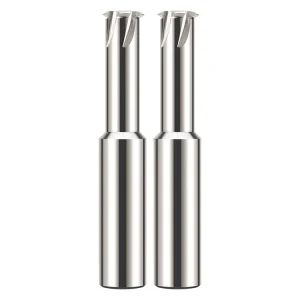
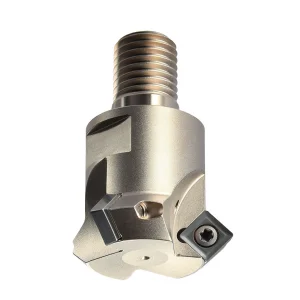
HSS Single Point Aluminum Thread Mill
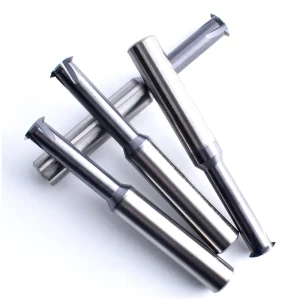
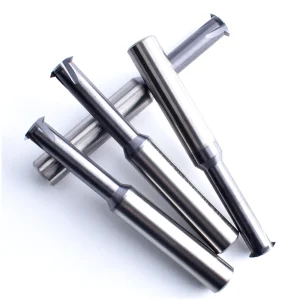
High Speed Steel Single Point Thread Milling Cutter for Aluminum Alloy 4 Flutes Sharp Cutting Edge ODM OEM Customized Support
View Details
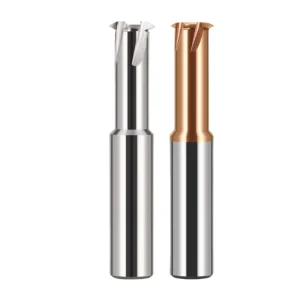
Tungsten Carbide ACME Thread Mill
Factory Direct Tungsten Carbide Single-Point ACME (29°) Thread Mill. Delivers High Wear Resistance and Superior Surface Finish
View Details
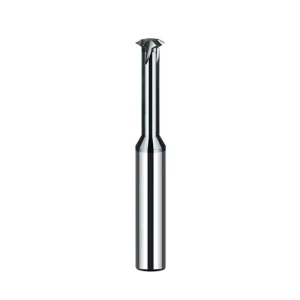
Solid Carbide Thread Endmill
Solid Carbide Thread Endmill ISO Metric Thread Mill | Single Profile for Steel/Aluminum
View Details
CNC Threading End Mill Single Profile
CNC Threading End Mill Single Profile Thread Mills Endmills Carbide End Mill
View Details
Diamond-Coated Metric Thread Milling Cutter
Diamond-Coated Single-Point Metric Thread Milling Cutter Series
View Details
Tungsten Carbide Single Point Thread Mill
Factory Direct Tungsten Carbide Single Point Thread Mill, High Wear Resistance for Steel & Stainless, Superior Surface Finish
View Details
Solid Carbide Black Coating Single Teeth Thread Mill ODM
Solid Carbide Black Coating Single Teeth Thread Milling Cutter Customizable ODM/OEM Single Teeth Thread Cnc Bits
View Details
Solid Carbide Black Coating Single Teeth Thread Mill OEM
Solid Carbide Black Coating Single Teeth Thread Milling Cutter Customizable Odm/oem Single Teeth Thread Bits
View Details
16+
Years Experience
Established in 2008, optimizing solid carbide tooling.
65HRC
Max Hardness
Capable of machining ultra-hardened dies and aerospace materials.
<3μm
Manufacturing Runout
Ensuring extreme precision for critical thread pitch demands.
50+
Global Regions
Exporting cutting tools to top automotive and aerospace hubs.

Technical White Paper: The Industrial Application of Single Point Thread Mills

An in-depth analysis of tool geometries, wear behaviors, and mechanical advantages over traditional multi-point tooling.

1. Executive Summary & The Mechanics of Single Profile Threading

In high-precision manufacturing, the execution of internal and external threads stands as a critical operation. While traditional tapping and multi-point thread milling remain standard configurations for high-volume, standardized geometries, the integration of single-point thread mills (also designated as single profile thread mills) offers unmatched performance flexibility. Operating via 3-axis CNC helical interpolation, single-point tools engage a single row of cutting teeth to sweep the thread shape from the bottom of the bore upward.

This localized engagement dynamically limits the radial cutting forces exerted on the tool shank. In conventional tapping or multi-pitch thread milling, the simultaneous engagement of multiple cutting edges generates substantial cumulative deflection forces, increasing the risk of tap breakage, tool deflection, and cumulative pitch errors. By reducing radial load to a single cutting tooth profile, operators can maintain superior concentricity and profile accuracy even at high depth-to-diameter ratios.

"Because the thread pitch is controlled completely by the CNC system's helical interpolation pitch parameters rather than the physical design of the tool itself, a single single-point mill can generate a vast range of different pitch diameters across various hole sizes, reducing tooling inventory overhead by up to 60%."

2. Global Industrial Landscape and Sector-Specific Demands

The global demand for high-end CNC machining tools is growing rapidly, driven by industrial upgrading in the following sectors:

Aerospace & Defense

Machining complex superalloys like Inconel 718, Titanium (Ti-6Al-4V), and cobalt-chrome. The extreme tensile strength of these materials causes massive thermal accumulation, making single profile carbide mills crucial for thermal dissipation and reducing scrap rates on highly expensive structural components.

Medical Devices

Micro-manufacturing of orthopedic implants, bone screws, and specialized surgical tools. The tolerance requirements of medical components require burr-free threads at metric sizes as small as M1 to M3, where diamond-coated and ultra-fine micrograin carbide tools are mandatory.

Oil & Gas (Valves & Fittings)

Cutting deep, coarse internal ACME or API threads in thick-walled pipelines. The high stiffness of single point configurations prevents taper errors that frequently compromise thread seals under high-pressure conditions.

3. Tool Geometries, Coatings, and Substrate Engineering

Achieving a reliable, high-performance thread finish depends directly on the configuration of the tool's carbide matrix and its functional PVD (Physical Vapor Deposition) or CVD (Chemical Vapor Deposition) coatings. Substrates must feature a balance of high hardness (to withstand abrasive wear) and excellent transverse rupture strength (to prevent micro-chipping under intermittent cut cycles).

  • Micro-grain Solid Carbide: Forms the foundation of our thread milling series. Featuring grain sizes down to 0.4 microns with optimized cobalt binder ratios, this substrate maintains sharp cutting edges under severe shearing actions.
  • TiAlN (Titanium Aluminum Nitride) Coatings: Designed for general steel, stainless steel, and iron machining. At high speeds, the aluminum elements oxidize to form a hard, thermally insulating aluminum oxide layer, protecting the substrate at temperatures up to 800°C.
  • AlTiN (Aluminum Titanium Nitride): Optimized for dry machining, hard steel alloys (>55 HRC), and exotic materials, providing enhanced oxidation stability and extreme surface hardness.
  • CVD Diamond Coatings: Crucial for high-silicon aluminum alloys, carbon fiber composites, and ceramics, reducing chemical affinity and preventing built-up edge (BUE) formation.

4. Optimized CNC Programming & Toolpath Calculations

Implementing successful thread milling requires meticulous parameter management. Unlike drilling or tapping, the toolpath of a thread mill describes a continuous spiral trajectory. Because the tool center path differs from the actual cutting edge path (the major/minor diameter boundary), the feed rate must be compensated. Failure to program the correct internal feed rate will result in over-feeding the tool, leading to rapid wear or catastrophic fracture.

Climb Milling vs. Conventional Milling: For the vast majority of materials, climb milling is highly recommended. It creates a thick-to-thin chip geometry, allowing the cutting force to hold the spindle firmly in place and yielding a superior surface finish. Conversely, conventional milling causes the tool to rub before initiating the cut, causing friction-induced heat and accelerated flank wear.

Parameter Category Recommended Range
Cutting Speed (SFM) - Alum 400 - 1200 SFM
Cutting Speed (SFM) - Stainless 150 - 350 SFM
Feed per Tooth (IPT) 0.0005" - 0.003"
Radial Depth of Cut 1 - 3 Passes (Hard alloys)

Suzhou Tier Tool Co., Ltd.

A National High-Tech Enterprise Specializing in Advanced Solid Carbide Cutting Tools.

Suzhou Tier Tool Co., Ltd. was established in 2008 and is a national high-tech enterprise specializing in the design, manufacturing, and technical support of precision solid carbide cutting tools.

Since its foundation, Tier Tool has been deeply committed to the precision machining industry, focusing on delivering high-performance, high-efficiency cutting solutions for hole-making and metalworking applications. Through continuous technological innovation and manufacturing excellence, the company has earned the trust of customers across a wide range of industries worldwide.

Advanced Manufacturing Capabilities

To ensure the highest levels of precision and consistency, Tier Tool has invested extensively in advanced manufacturing equipment and production technologies. The company operates multiple imported CNC tool grinding machines and precision inspection systems, enabling complete in-house capabilities from tool design and prototyping to small-batch testing and large-scale production.

Our manufacturing process is built upon strict process control and traceability standards. Every production stage is carefully monitored to ensure repeatability, quality consistency, and reliable delivery performance. Through systematic process management and standardized operating procedures, Tier Tool has established a robust manufacturing system capable of meeting the demanding requirements of modern precision machining.

Commitment to Quality & Partnership

Quality is the foundation of Tier Tool's long-term success. We adhere to the principle of "Quality First, Continuous Improvement", implementing rigorous quality control procedures throughout the entire production cycle.

From raw material selection and incoming inspection to final product verification, every tool undergoes comprehensive quality checks to ensure it meets strict dimensional, geometrical, and performance requirements. By continuously optimizing our manufacturing and inspection processes, we deliver products that provide exceptional accuracy, reliability, and consistency in real-world machining applications.

We understand that in precision manufacturing, stable quality is not only a requirement but also the key factor that determines our customers' productivity and competitiveness.
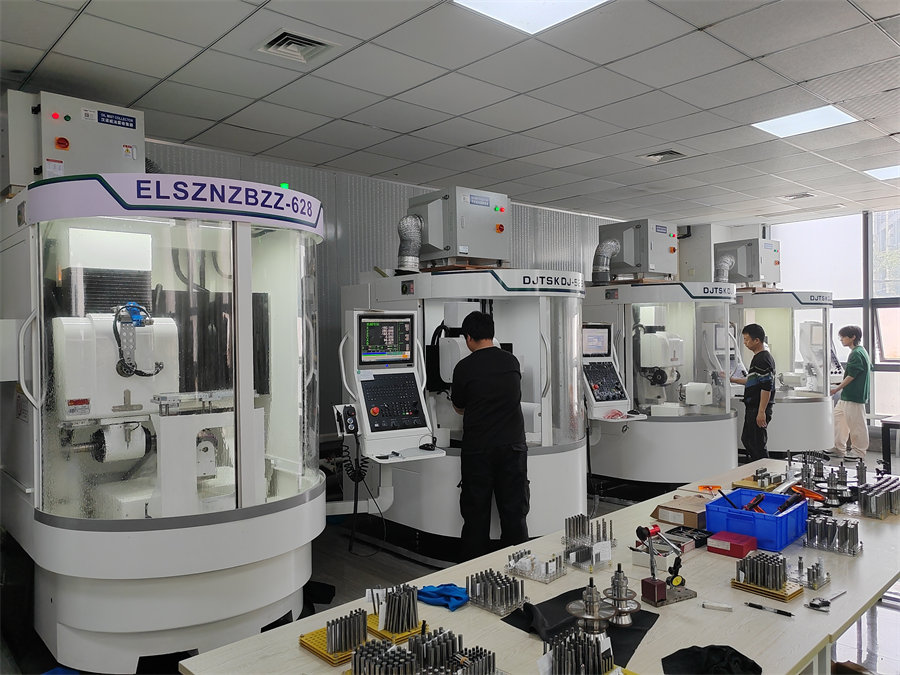
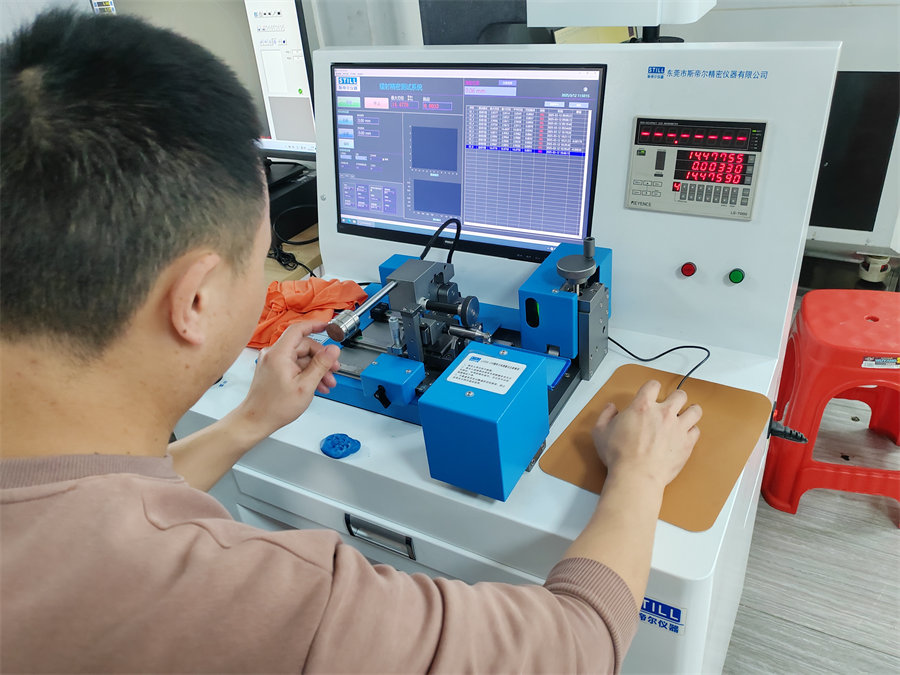
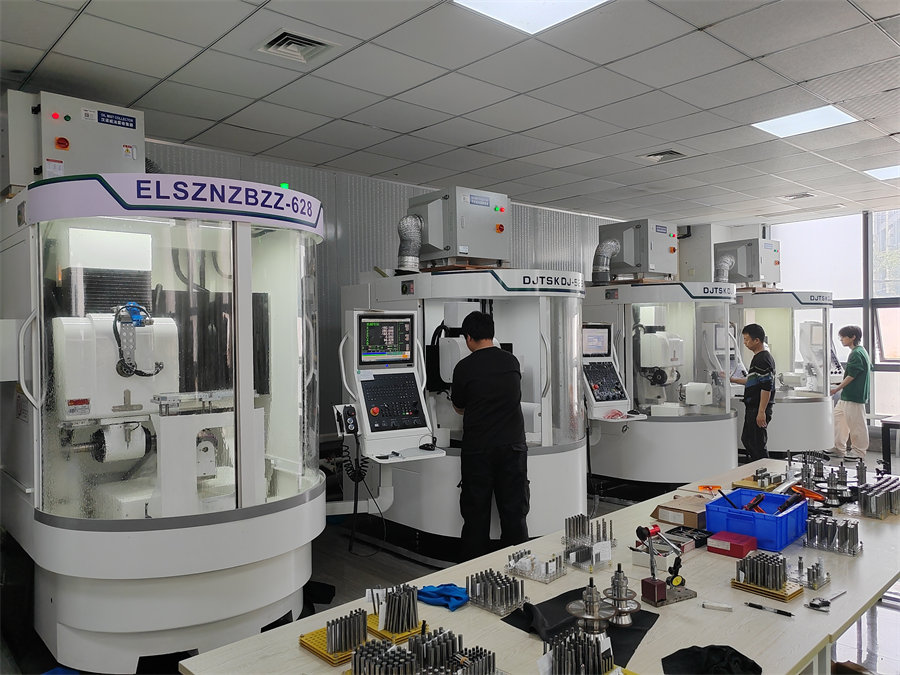
Precision Tool Machining
Precision Machining
Quality Inspection
Quality Inspecting
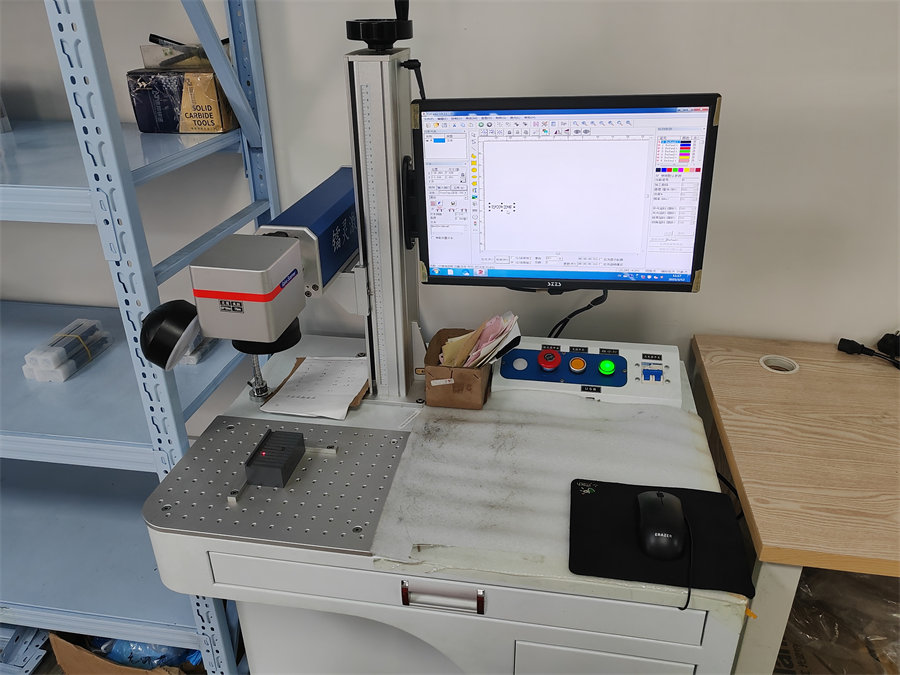
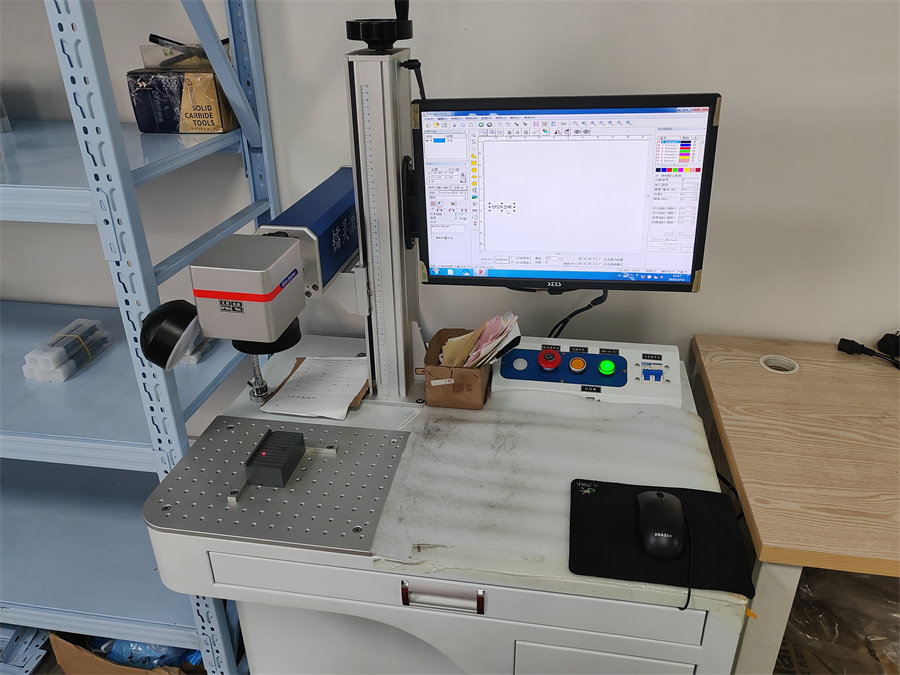
Logo Marking Process
Logo Marking
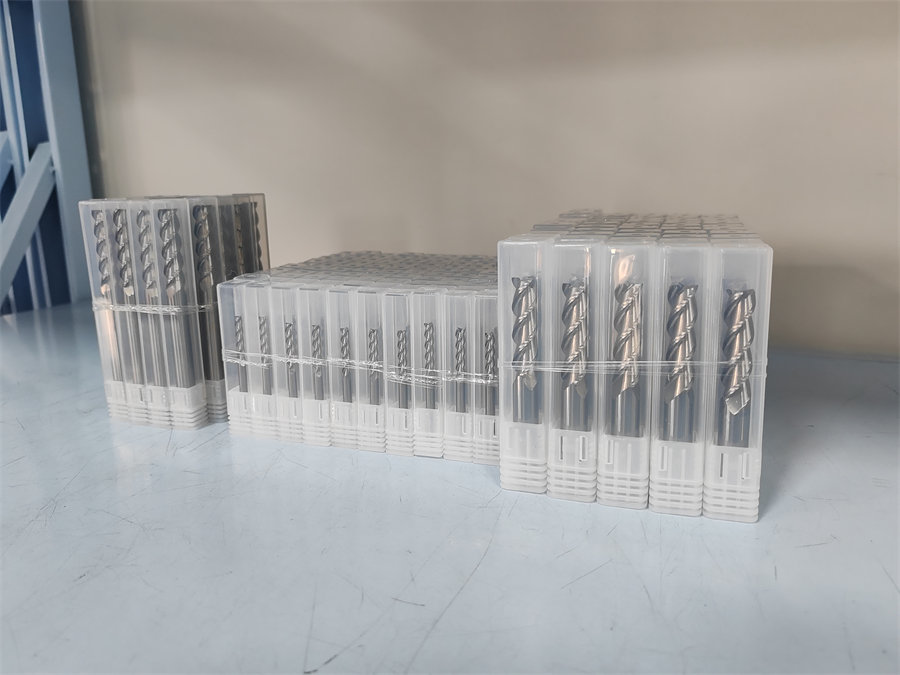
Packaged Products Ready for Shipping
Packaged Products
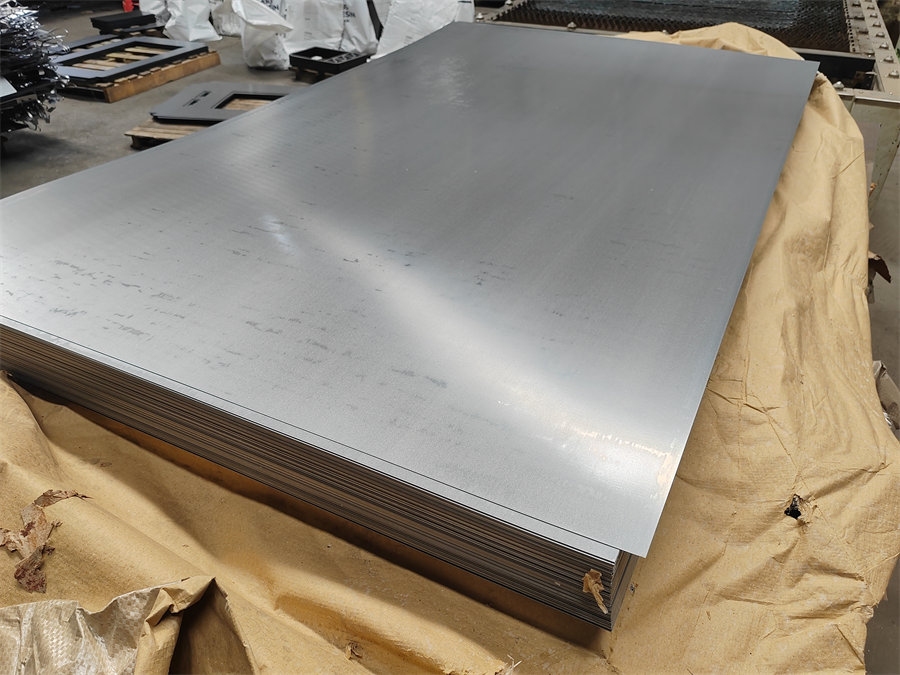
Raw Steel Sheets Stock
Steel Sheets Stock
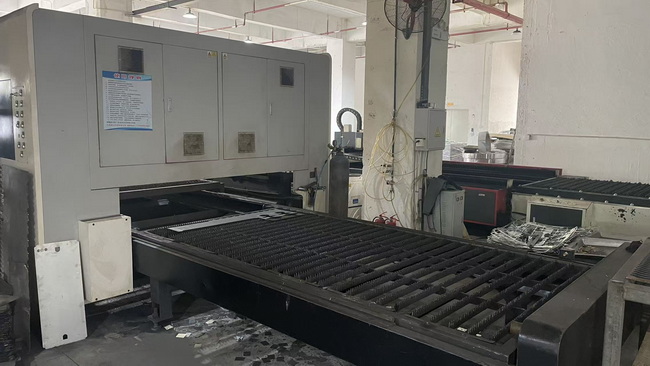
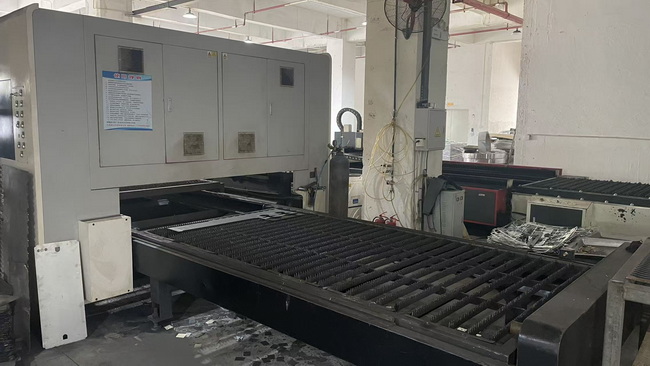
Laser Cutting Operations
Laser Cutting
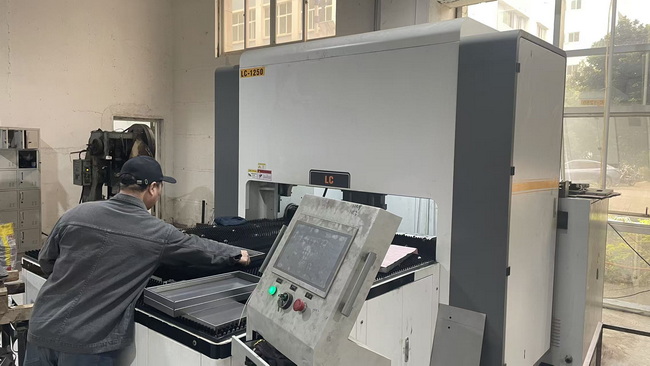
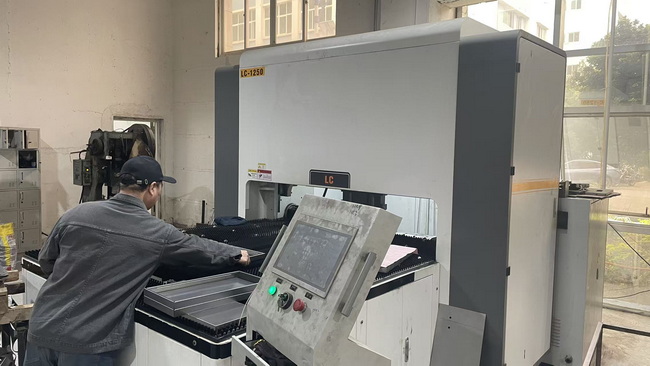
Precision Bending Equipment
Precision Bending
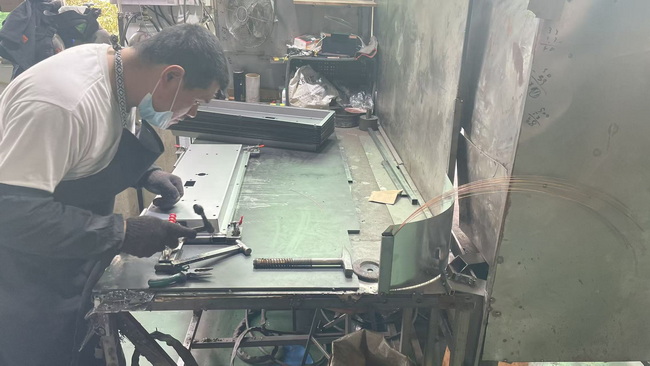
Robotic Welding Assembly
Welding Assembly
Final Packaged Products
Packaged Tools Inventory
Advanced Machining Equipment
Machining Centers
Automated Logo Marking Machine
Logo Marking Machinery
High Power Laser Cutting Machine
Laser Cutting System
CNC Bending Machine
Industrial CNC Bending Machine

5. China's Factory Advantages: Elevating OEM/ODM Tool Sourcing

Global supply chain optimization is no longer just about raw unit costs; it focuses on time-to-market, custom development speeds, and consistent metallurgical quality. In this context, Chinese tooling manufacturers, centered in clusters like Suzhou, have established world-class competencies. By operating integrated design and production facilities, we significantly shorten the loop between CAD prototyping and physical application validation.

Tier Tool integrates the following core advantages to serve demanding international buyers:

  • Highly Integrated Industrial Cluster: Proximity to world-class steel, tungsten carbide supply houses, and specialized heat treatment facilities allows for rapid raw material provisioning.
  • Agile Design Iteration: Our engineering departments can take a client's 2D/3D part drawing, extract the target thread profile (such as custom ACME or Buttress threads), model the tool geometry, perform virtual stress testing, and program the 5-axis grinding path within 48 hours.
  • Strict Metrology Verification: Utilizing European optical inspection equipment (such as Walter Helicheck systems), we inspect each finished cutter to ensure helix angles, relief clearances, and concentricity values align with specified tolerances.

6. Global Sourcing Strategies: Minimizing Total Cost of Ownership (TCO)

Procuring cutting tools requires evaluating factors beyond the initial invoice price. To minimize overall production costs, global purchasing managers should focus on three critical dimensions: Tool Life Predictability, Technical Application Support, and Inventory Buffering.

Unpredictable tool wear results in unscheduled CNC spindle downtime, which can disrupt production lines and increase machining costs. Tier Tool addresses this challenge by utilizing micro-grain carbide substrates and customized PVD coatings, providing predictable wear curves across large production runs. Additionally, our application engineering support ensures clients receive precise recommendations for cutting feeds, speeds, and toolpath parameters, maximizing tool efficiency and processing consistency.

Technical Q&A (FAQ) – Engineering & Procurement

Get professional insights from our tool design experts to resolve your everyday thread milling challenges.

What are the primary operational benefits of a single point thread mill over a multi-point thread mill?
Single-point (single profile) thread mills exhibit significantly lower cutting forces because only a single tool profile shape is engaged with the workpiece material at any given moment. This drastically minimizes tool deflection, making it highly suitable for deep internal threads, thin-walled workpieces, or long overhang setups. Additionally, a single-point mill is not locked to one specific pitch, meaning the same tool can cut multiple pitches and sizes by adjusting the CNC program's helical pitch.
Can one single-point tool cut both internal and external threads?
Yes. Because the thread profile is guided completely by the CNC control system via helical interpolation, a single-point tool can generate external threads (milling around the outside diameter) as well as internal threads (milling inside a bored hole), provided the profile geometry (such as 60-degree metric or 29-degree ACME) is compatible.
What is the advantage of TiAlN and AlTiN coating on carbide tools when machining stainless steels?
Stainless steels are notorious for strain-hardening and high thermal conduction back into the cutting tool edge. TiAlN/AlTiN coatings are engineered with high levels of aluminum, which reacts with oxygen at high temperatures to form a microscopic, protective aluminum oxide layer. This ceramic barrier blocks heat from transferring directly into the tungsten carbide substrate, preserving tool hardness and preventing thermal cracking.
Why should I choose climb milling over conventional milling for thread interpolation?
Climb milling ensures that the cutting edge engages the material at its maximum chip thickness and leaves at minimum thickness. This generates less friction-induced heat, lowers tool wear, and ensures a cleaner thread surface finish. Conventional milling causes the tooth to slide and rub against the hardened surface of the previous cut, rapidly dulling the cutting tip and creating micro-chipping.
How does Suzhou Tier Tool Co., Ltd. ensure the concentricity of its custom micro carbide mills?
Every custom and standard batch is manufactured on advanced multi-axis CNC grinding machines (e.g., Swiss Rollomatic and Australian ANCA platforms) operating in temperature-stabilized environments. The tools undergo rigorous optoelectronic testing on high-precision metrology machines to verify that runout (concentricity) remains below 3 microns, preventing uneven tooth loading and ensuring long tool life.
What parameters are critical when configuring CNC toolpaths for internal thread milling?
When calculating feed rates for internal paths, the linear feed rate must be compensated to reflect the difference between the tool centerline and the outer cutting radius. If you do not apply this calculation (often handled natively by modern CAM software or CNC controllers via G41/G42 tool compensation), the actual feed rate at the cutting edge will be much higher than programmed, leading to immediate tool breakage.
How does single-point milling help when processing blind holes?
In blind holes, traditional taps must leave a space at the bottom for chips to pile up, and the threat of the tap bottoming out and fracturing is high. Single-point thread mills can machine threads right down to the bottom of a blind hole, with excellent chip evacuation as coolant forces the chips out of the top of the hole, mitigating packing failures.
What lead times can international procurers expect for customized ODM tool designs?
Thanks to our integrated manufacturing infrastructure in Suzhou, we typically finalize engineering blueprints within 2 to 3 business days. Once approved, the physical production, coating application, and final testing of custom batches require approximately 10 to 15 business days, followed by air or sea shipping to your facilities.

Industrial Threading Solutions Catalog (Series B)

Review our specialized and customizable CNC single tooth thread cutters designed to handle specific thread forms and demanding machining environments.
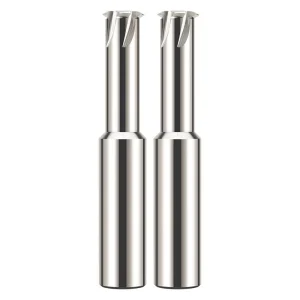
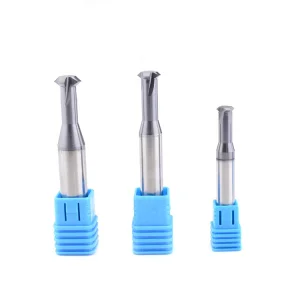
Carbide Single-Thread Mill for Aluminum
Carbide Single-Thread Thread Mill for Aluminum Universal for Internal/External Threads & Blind Holes
View Details
PG German Standard CNC Thread Mill
PG German Standard CNC Solid Carbide Single Tooth Thread Milling Cutter
View Details
TA4505 Mill Coated Altin
TA4505 Mill with 45° Flute Coated Altin for Smoothing Retrosmoothing Svasature Single Filetted Shank 3.175mm Diameter Ttake
View Details
1PCS CNC Machine Solid Carbide Single Tooth
1PCS CNC Machine Solid Carbide Single Tooth Thread Milling M1 M1.6 M2 M3 M4 M5 M6 M8 M10 M12 M14 M16 18 20 M24 Mill Mills Cutter
View Details
Customizable Solid Carbide Thread Mill
Customizable Solid Carbide Thread Milling Cutter CNC Tungsten Steel Single Tooth End Mill for Metric/UN Threads
View Details
2025 TiALN Coated Thread Mill
2025 Single Tooth Solid Carbide Single Teeth Thread End Mills Cutter Thread Milling Cutter with TIALN Coating
View Details
Tungsten Steel Thread End Mills
Single Tooth Tungsten Steel Thread End Mills CNC Threading Mill Cutter Solid Carbide Tungsten Thread Milling Tools
View Details
Solid Carbide Single Tooth Thread Mill 55 Degree
Solid Carbide Single Tooth Thread Milling Cutter 55 Degree CNC Machine P 1.058 1.27 0.907-1.411 1.336 -1.814Threading ODM OEM
View Details
All Single Point Thread Mills Products