Explore our top-tier catalog of solid carbide milling cutters optimized for aerospace-grade aluminum, micro-machining, and composite fabrication.
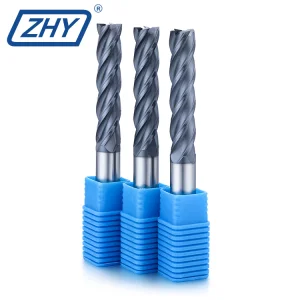
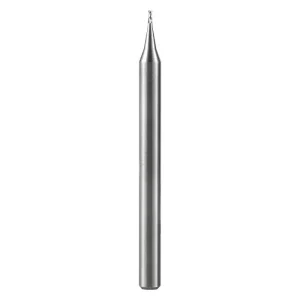
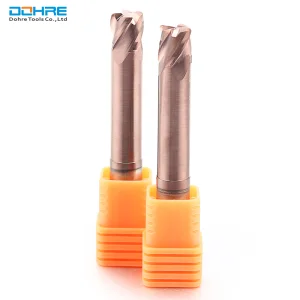
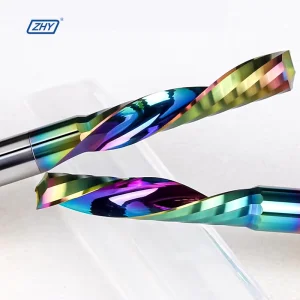
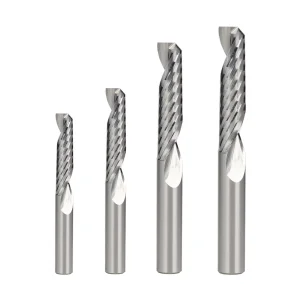
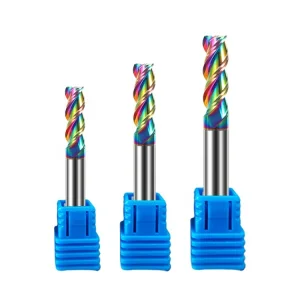
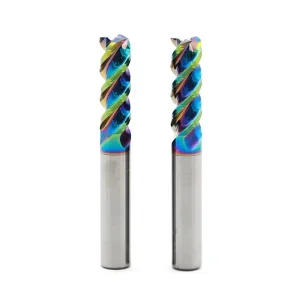
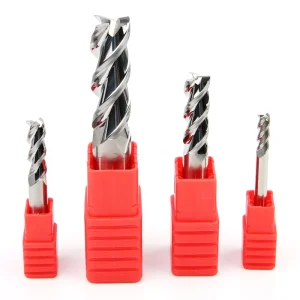
Machining aluminum and its diverse alloys (ranging from the soft, ductile 1000-series to structural 6061-T6 and high-strength 7075-T6 aerospace grades) presents unique engineering bottlenecks that differ fundamentally from ferrous metal processing. The key physical constraint in milling aluminum is not tool hardness, but rather chemical affinity, friction, and chip evacuation dynamics.
Aluminum alloys exhibit low melting points and a high tendency to cold-weld onto the carbide substrate under pressure. This phenomenon is known as the development of a Built-Up Edge (BUE). When a BUE forms, the cutting edge of the tool is effectively replaced by a hardened layer of oxidized aluminum, leading to rapid degradation of surface finish (Ra values), increased cutting forces, vibrational chatter, and eventual catastrophic tool failure.
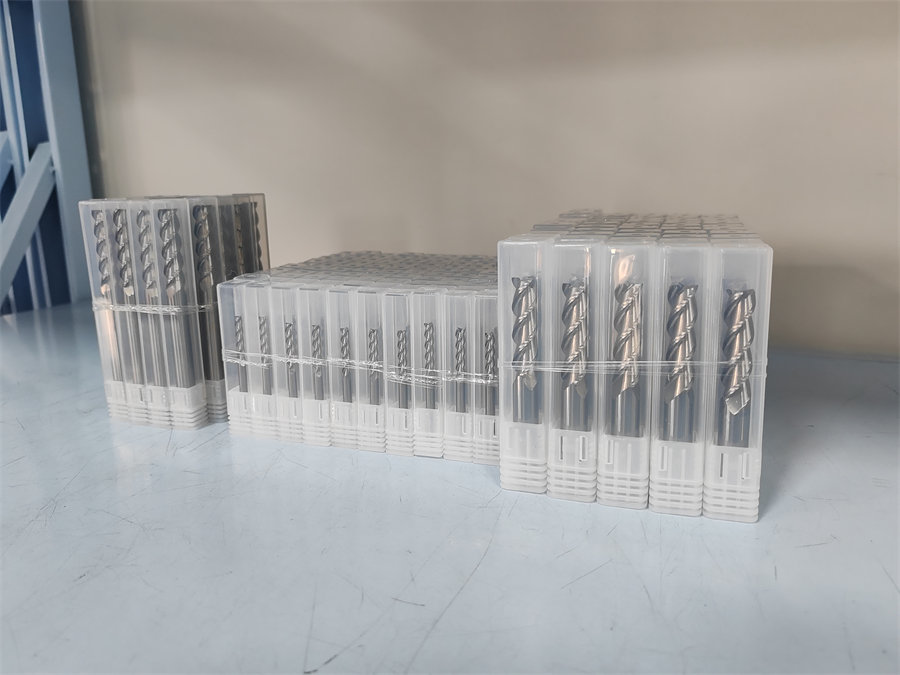
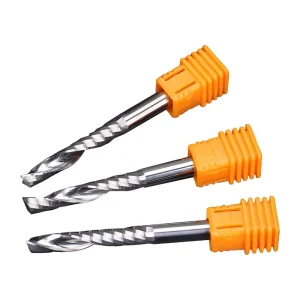
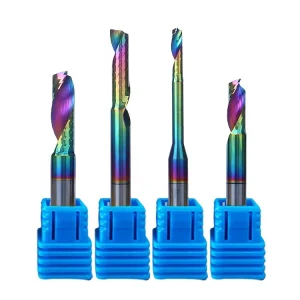
To combat this, the single-flute design geometry has emerged as the premier industry standard. By utilizing a single cutting edge, the tool maximizes the cross-sectional area of the flute valley. This open geometric profile provides the maximum volumetric space for chip formation and immediate evacuation. High-speed machining (HSM) generates massive volumes of chips per second. The single-flute configuration prevents the chips from clogging the tool’s gullet, thereby eliminating the risk of chip recutting—which is the leading cause of heat build-up and tool fracture in high-speed CNC routers.
Maximizes chip gullet area, ensuring immediate extraction of large-volume chips during high-velocity feeds without material clogging.
Polished cutting margins and optimized rake angles prevent Built-Up Edge (BUE) formation by lowering surface friction values.
Engineered symmetry profiles balanced up to G2.5 grades for vibration-free execution at spindle speeds exceeding 24,000 RPM.
Premium single-flute aluminum end mills are not defined by layout simplicity, but by extreme structural micro-geometries. Standard tooling substrates quickly degrade when subjected to the high abrasive loads of architectural or cast aluminum components. Modern manufacturing facilities utilize ultra-fine micrograin tungsten carbide (WC-Co) matrices to achieve an optimal balance between structural fracture toughness and hardness (typically ranging from 91.5 HRA to 94 HRA).
Key geometric specifications that dictate cutting performance include:
| Geometric Parameter | Standard Specs for Aluminum | Engineering Significance |
|---|---|---|
| Helix Angle | 35° to 45° (Standard vs. High Helix) | Balances axial thrust force and chip evacuation velocity. A higher 45° angle provides cleaner shear in thin-walled profiles. |
| Rake Angle | 12° to 18° Positive Rake | Reduces cutting resistance, mitigates cutting heat transfer to the workpiece, and ensures smooth chip shearing. |
| Core Diameter | 50% - 55% of Cutter Diameter | Optimized to provide adequate rigidity against bending stress while leaving ample volume for chip containment. |
| Cutting Margin | Cylindrical / Mirror-Polished Land | Eliminates tool rubbing marks on the finished wall, reducing the surface roughness value (Ra) down to sub-micron levels. |
Moreover, the selection of the cutting edge treatment is critical. Unlike tools designed for steel, which feature edge hone profiles (radii to protect the edge from chipping), aluminum cutters require an extremely sharp, ground-only cutting edge. The introduction of any edge radius increases friction and triggers immediate plastic deformation of the aluminum, reducing tool efficiency and raising power consumption on the spindle motor.
The application of specialized thin-film coatings can extend tool life by 300% to 500% compared to uncoated tools. For single-flute end mills, three primary configurations dominate the global supply landscape:
1. DLC (Diamond-Like Carbon) Coatings: Utilizing physical vapor deposition (PVD) to lay down a carbon-based amorphous film with a high concentration of sp3 diamond bonds. DLC coatings exhibit a micro-hardness up to 80 GPa and an exceptionally low coefficient of friction (typically <0.1). This creates a slick barrier that prevents aluminum atoms from bonding to the tool surface, making it ideal for dry machining or minimum quantity lubrication (MQL) processing.
2. ZrN (Zirconium Nitride) Coatings: Specifically engineered for non-ferrous applications, ZrN offers excellent resistance to adhesive wear and displays a high thermal oxidation temperature. It creates a pale brass-colored barrier that performs extremely well in high-silicon casting alloys where abrasive wear on the cutting corner is a major issue.
3. Mirror-Polished Uncoated Tools: For ultra-precision machining where the absolute sharpest cutting edge is required, uncoated tungsten carbide remains highly competitive. The tools are subjected to multi-stage grinding wheels and specialized chemical-mechanical polishing (CMP) of the flutes to achieve a mirror finish, reducing sliding friction to near zero.
Microhardness: 60 - 80 GPa
Friction Coefficient: 0.05 - 0.1
Optimized for high-speed dry milling of aerospace 6000/7000 plates. Highest adhesion resistance available.
Microhardness: 30 - 35 GPa
Friction Coefficient: 0.3 - 0.4
Best suited for structural abrasive cast alloys (high-silicon) and general wet-milling setups.
Microhardness: ~18 GPa (Substrate)
Friction Coefficient: 0.2 (Polished)
Delivers the sharpest cutting edge profile. Ideal for finishing plastic-extrusion composites and thin foils.
Large-scale industrial procurement for single-flute end mills has evolved beyond catalog sourcing. Precision factories in regions like Europe, North America, and East Asia demand tooling partners that can guarantee lot-to-lot consistency. Tooling inconsistencies (even variations in edge radius of 2 microns) can result in unexpected downtime in highly automated machining cells.
Corporate procurement departments prioritize several strategic metrics:
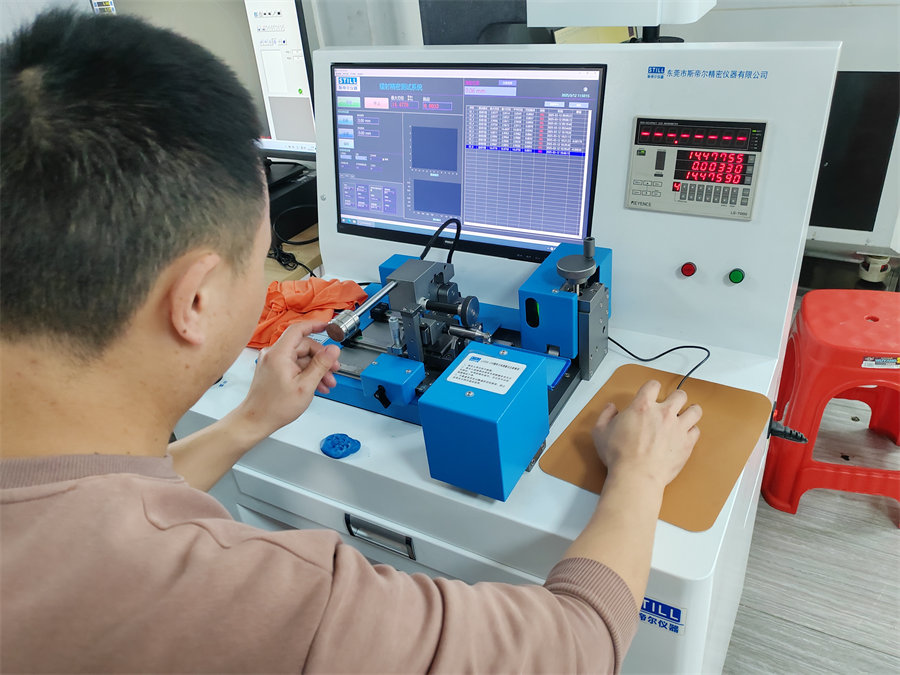
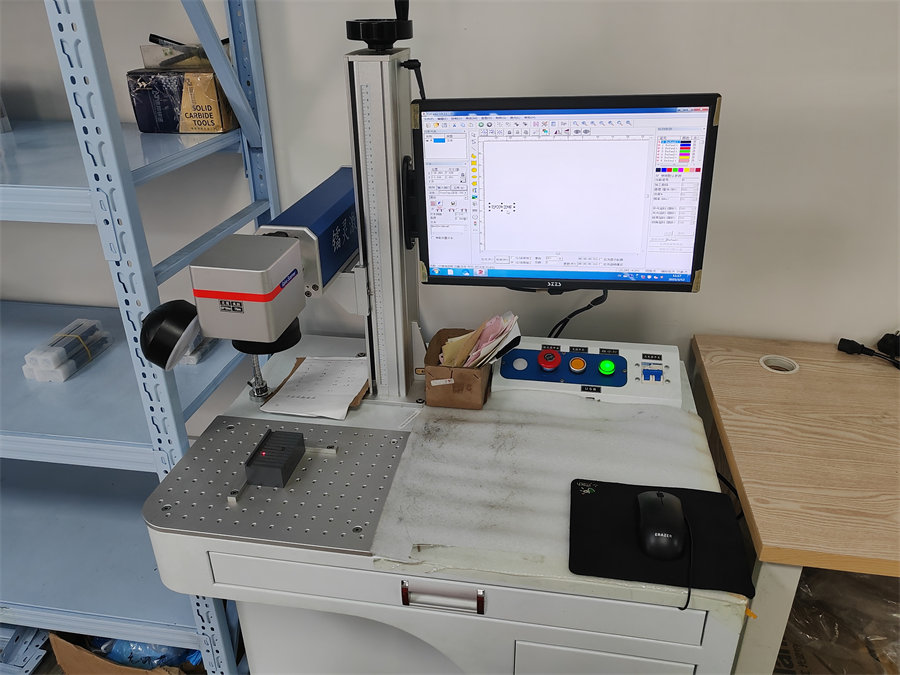
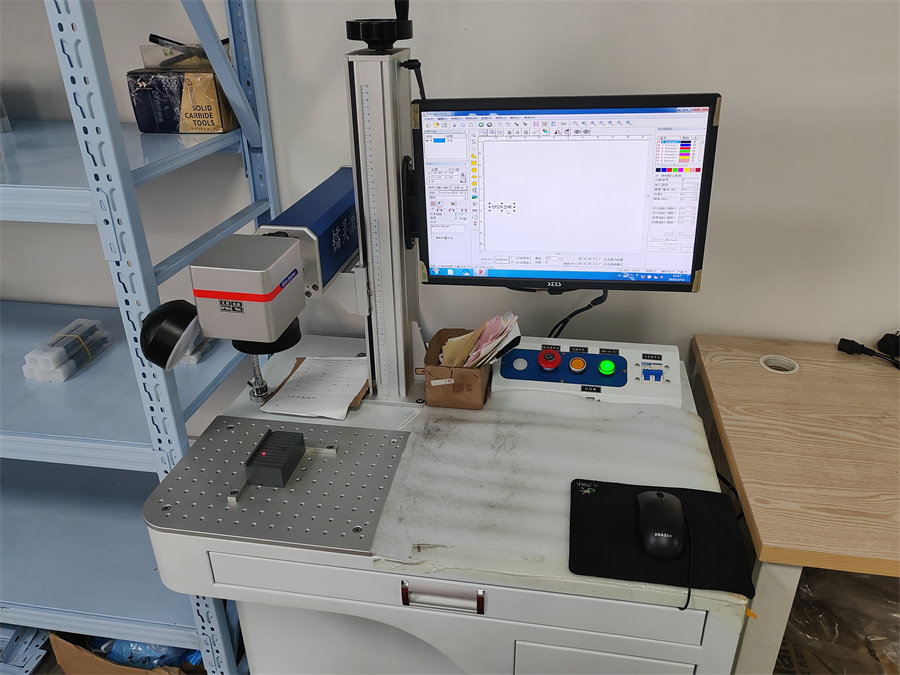
To meet these needs, leading manufacturers implement automated optical inspection systems (like Zoller Genius machines) and laser-marking systems directly integrated with the ERP network, enabling full traceability of raw materials and machining parameters for every individual end mill produced.
Established in 2008, Suzhou Tier Tool Co., Ltd. is a national high-tech enterprise specializing in the design, manufacturing, and technical support of precision solid carbide cutting tools. Over more than a decade of deep involvement in the precision machining industry, Tier Tool has focused on delivering high-performance, high-efficiency cutting solutions for hole-making and metalworking applications. Through continuous technological innovation and manufacturing excellence, the company has earned the trust of customers across a wide range of industries worldwide.
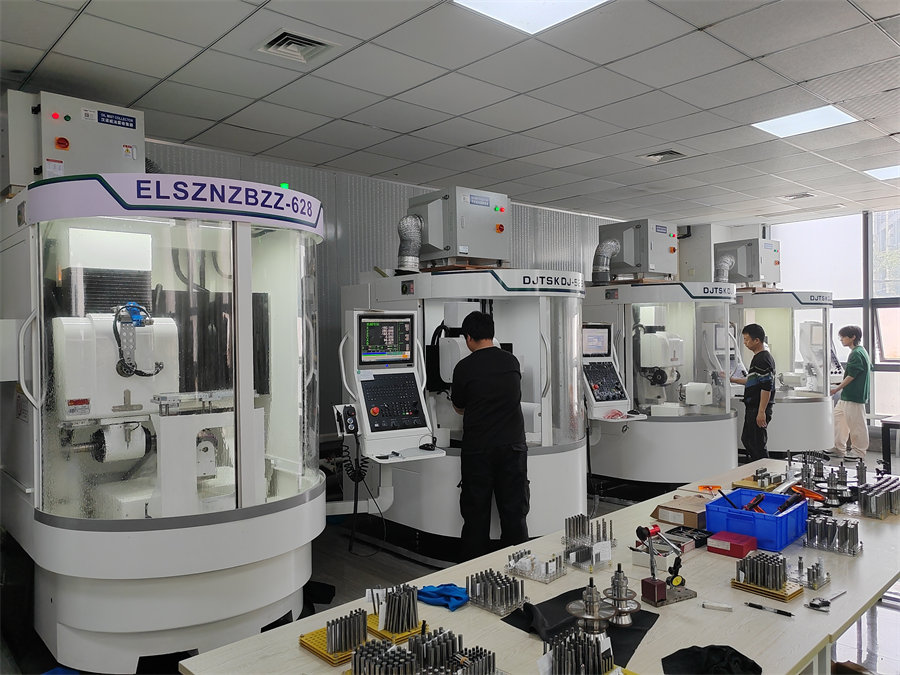
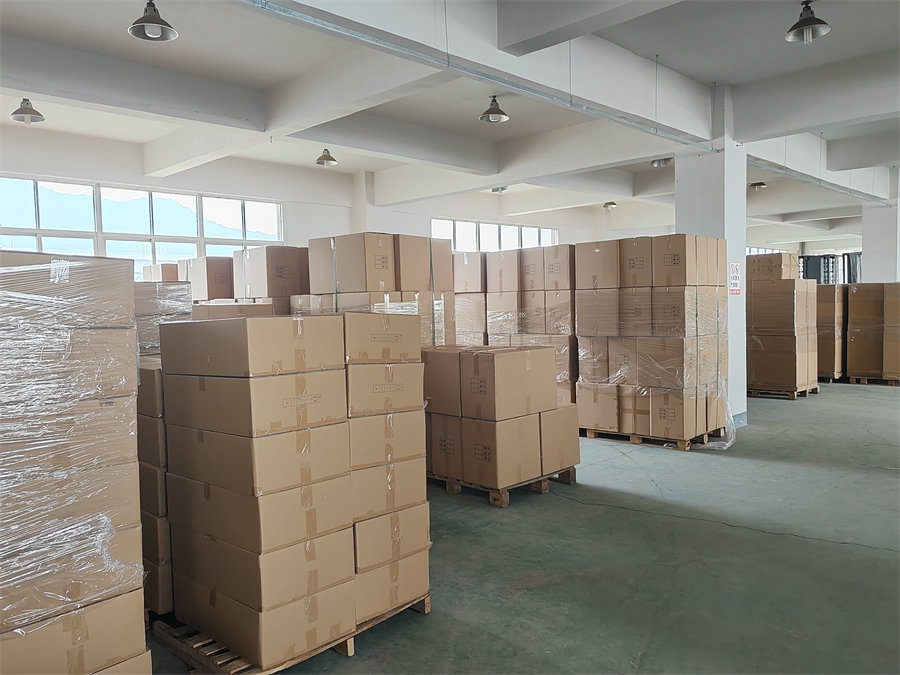
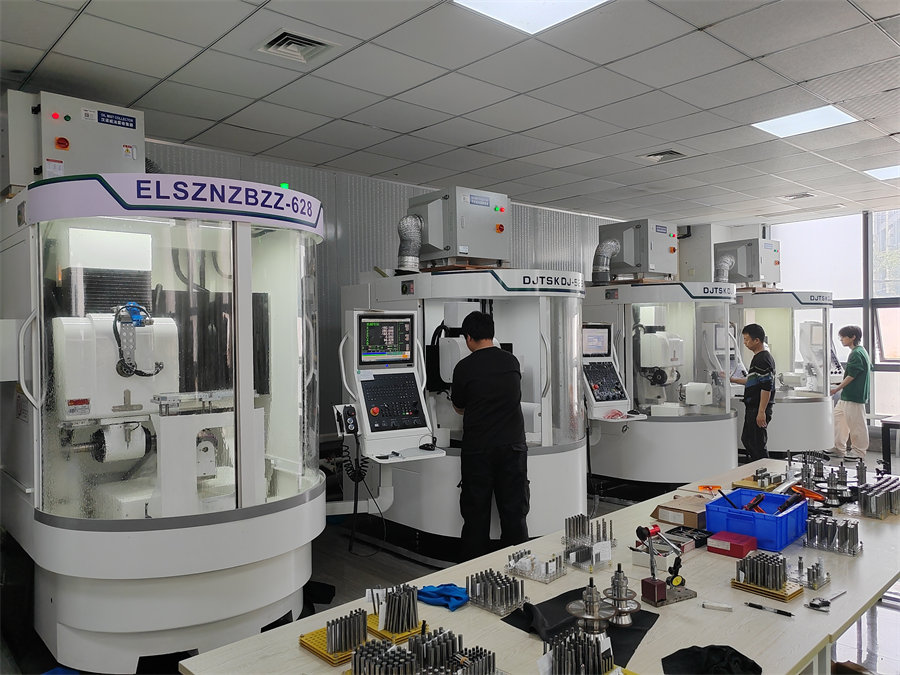
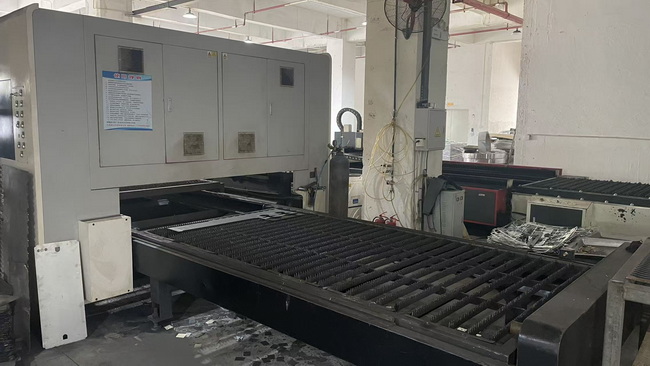
To ensure the highest levels of precision and consistency, Tier Tool has invested extensively in advanced manufacturing equipment and production technologies. The company operates multiple imported CNC tool grinding machines and precision inspection systems, enabling complete in-house capabilities from tool design and prototyping to small-batch testing and large-scale production. Our manufacturing process is built upon strict process control and traceability standards. Every production stage is carefully monitored to ensure repeatability, quality consistency, and reliable delivery performance. Through systematic process management and standardized operating procedures, Tier Tool has established a robust manufacturing system capable of meeting the demanding requirements of modern precision machining.
Quality is the foundation of Tier Tool's long-term success. We adhere to the principle of "Quality First, Continuous Improvement", implementing rigorous quality control procedures throughout the entire production cycle. From raw material selection and incoming inspection to final product verification, every tool undergoes comprehensive quality checks to ensure it meets strict dimensional, geometrical, and performance requirements. By continuously optimizing our manufacturing and inspection processes, we deliver products that provide exceptional accuracy, reliability, and consistency in real-world machining applications. We understand that in precision manufacturing, stable quality is not only a requirement but also the key factor that determines our customers' productivity and competitiveness.
At Tier Tool, we believe that supplying cutting tools is only the beginning of our partnership with customers. Beyond delivering products, we provide comprehensive technical support and application engineering services to assist customers in optimizing their manufacturing processes. Our technical specialists work directly with customers to analyze machining conditions, recommend suitable tooling strategies, and develop solutions that maximize efficiency, reliability, and cost-effectiveness. By understanding our customers' production goals and competitive challenges, we strive to become a trusted long-term manufacturing partner rather than simply a tooling supplier.
Looking ahead, Suzhou Tier Tool Co., Ltd. will continue to focus on the development of high-performance carbide cutting tools and deepen its expertise in automotive, aerospace, precision engineering, and advanced manufacturing industries. Driven by professionalism, innovation, and customer commitment, we are dedicated to creating greater value for our customers through reliable products, flexible services, and advanced manufacturing technologies. Tier Tool will continue to grow as a trusted global partner in precision cutting solutions, helping customers achieve higher productivity, better quality, and stronger competitiveness in an ever-evolving manufacturing world.
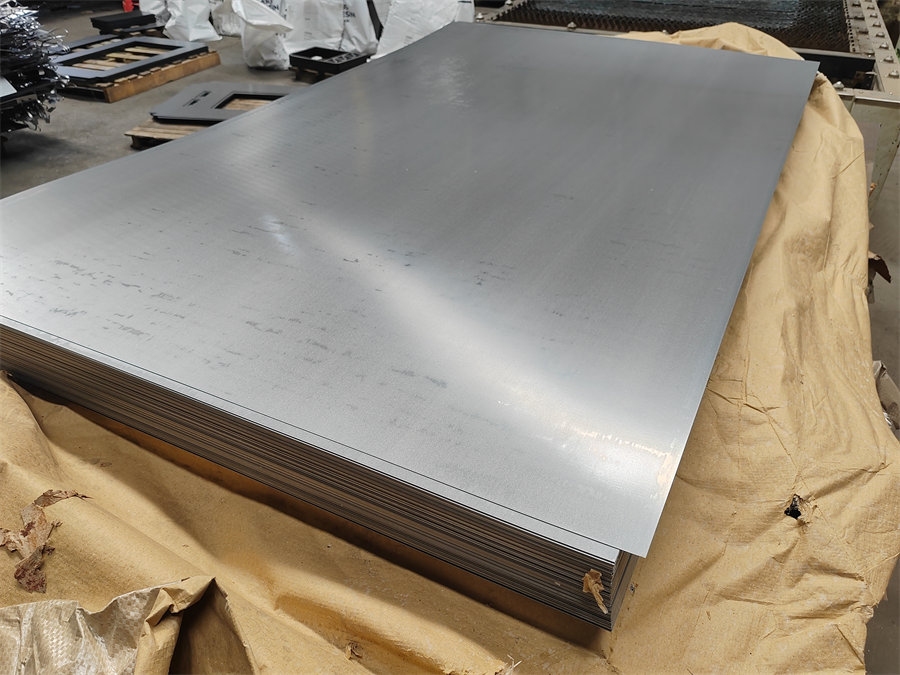
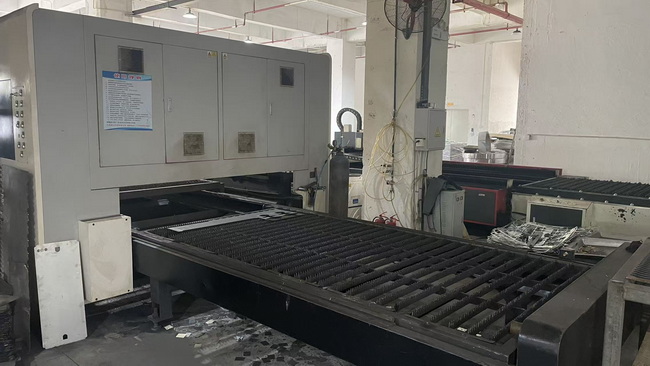
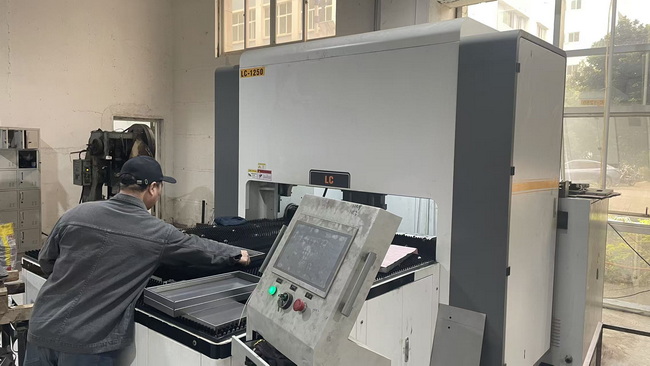
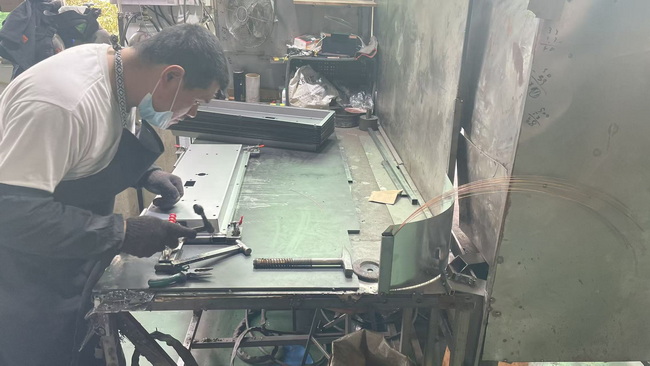
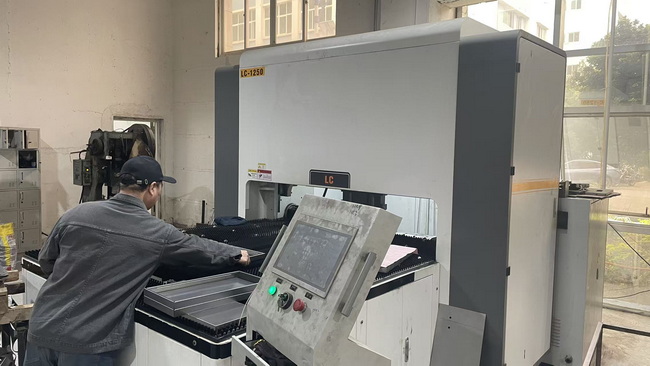
Single-flute aluminum end mills serve as key enablers across critical vertical markets globally. These tools are optimized to deliver high performance in specific engineering environments:
Modern structural components are increasingly machined from solid billets of aluminum-lithium alloys to reduce weight. These monolithic components feature complex rib geometries and ultra-thin walls. Standard milling strategies introduce significant deflecting stress. Single-flute geometry, when running at extremely high spindle RPMs, cuts clean and maintains structural wall stability without deflection or workpiece cracking.
The global transition to Electric Vehicles (EVs) has accelerated the need for light alloys to manufacture battery enclosures, electric motor housings, and suspension linkages. Single-flute routing solutions provide rapid pocketing and drilling in structural extrusions, lowering cycle times by up to 40% compared to traditional multi-flute tools.
Architectural doors, window framing systems, and exterior facade composite panels require consistent machining across long extruded profiles. These profiles are often manufactured using relatively soft aluminum grades that are prone to melting and burring. Sharp, polished single-flute tools produce clean, burr-free cuts that eliminate the need for secondary manual deburring, directly lowering production costs.
The solid carbide cutting tool industry is undergoing a transition driven by smart manufacturing and sustainability goals. Key trends shaping the future of single-flute aluminum end mills over the next decade include:
1. Advanced Cobalt-Depleted Substrates: Development of ultra-fine grain carbide structures with reduced cobalt content. These structures utilize alternative metallic binders to enhance tool life and resist electrochemical wear in harsh environments.
2. Micro-machining Geometries: With the miniaturization of consumer electronics and semiconductor chassis, demand for single-flute micro-flat end mills (with diameters down to 0.1 mm) is expanding. Maintaining geometric concentricity and balancing at this scale requires advanced grinding systems.
3. Smart Tooling Integration: Embedding miniaturized RFID chips or laser-engraved data matrices on the tool shank. This allows smart CNC systems to automatically adjust feed rates and spindle speeds based on real-time tool runout and wear metrics.
Expert technical insights to optimize your high-speed aluminum machining workflows and maximize tooling life cycle performance.
Explore our specialty milling cutters engineered to handle demanding setups in wood, composites, acrylics, and structural steels.
 Tier Tool