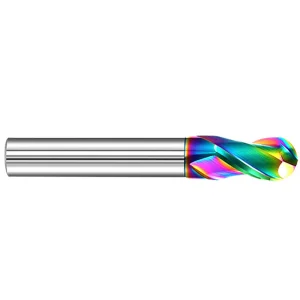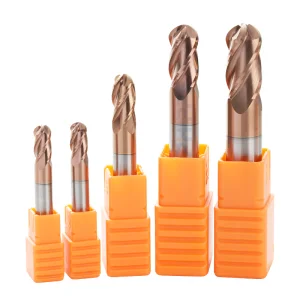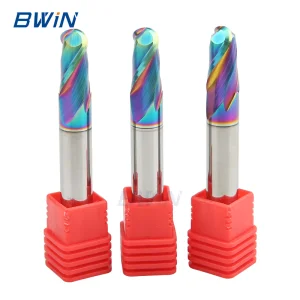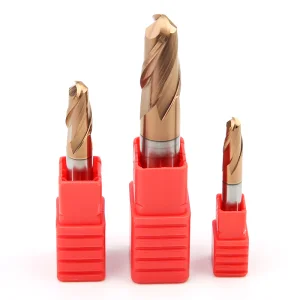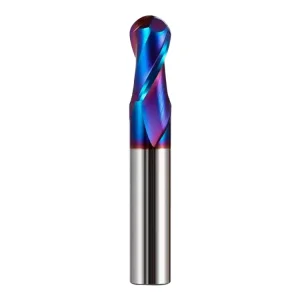
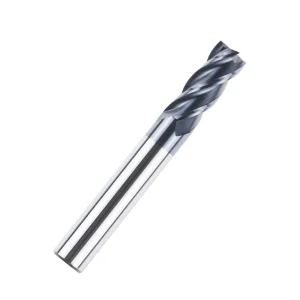
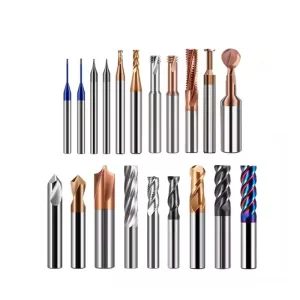
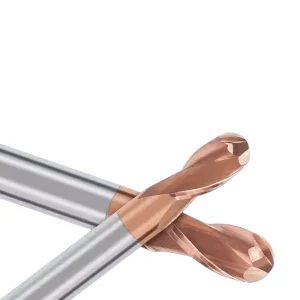
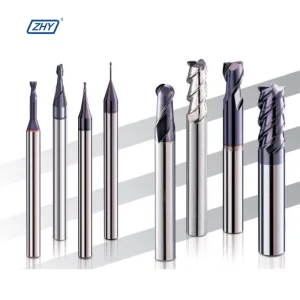
In the precision-driven ecosystem of mold and die manufacturing, the choice of cutting tools directly dictates the quality, longevity, and geometric conformity of the end-product. The ball nose end mill stands out as a critical geometry for generating complex three-dimensional contours, complex cavities, and high-tolerance profiles. From a mechanical perspective, the defining characteristic of a ball nose end mill is its spherical tip, which merges seamlessly with the peripheral cutting edges. Understanding how to manage the variables at play with this geometry is key to achieving optimal tool life and surface finish.
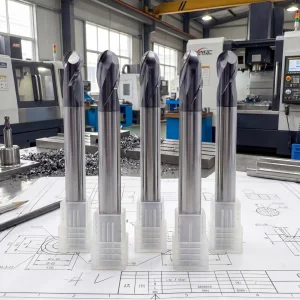
When selecting a ball nose mold end mills supplier, tier-one manufacturers must evaluate not just the basic dimensions of the tool, but the metallurgy of the solid carbide substrate, the micro-geometry of the cutting edge, and the adhesion quality of the wear-resistant coatings. Solid carbide tools rely heavily on sub-micron and ultra-fine tungsten carbide grains, which provide a high density of binder cobalt. This configuration optimizes the balance between hardness (needed to resist abrasive wear in hardened mold steels) and toughness (required to handle high-frequency shock loads during interrupted cuts).
A major failure mode in deep cavity mold machining is tool deflection and subsequent chatter, which causes dimensional inaccuracies and poor surface finish. Advanced ball nose end mills employ a tapered core design. As the flute extends toward the shank, the core thickness increases, which significantly increases stiffness. Additionally, variable helix angles and unequal index pitch configurations are engineered into the flutes. This breaks the harmonic frequency generated during milling, suppressing chatter and allowing for higher feeds and speeds even in hardened tool steels such as H13, D2, and NAK80.
Suzhou Tier Tool Co., Ltd. was established in 2008 and is a national high-tech enterprise specializing in the design, manufacturing, and technical support of precision solid carbide cutting tools. Operating from the heart of China's advanced manufacturing corridor, Tier Tool represents the integration of Factory 4.0 methodologies with specialized toolmaking expertise.
Since its foundation, Tier Tool has been deeply committed to the precision machining industry, focusing on delivering high-performance, high-efficiency cutting solutions for hole-making and metalworking applications. Through continuous technological innovation and manufacturing excellence, the company has earned the trust of customers across a wide range of industries worldwide.
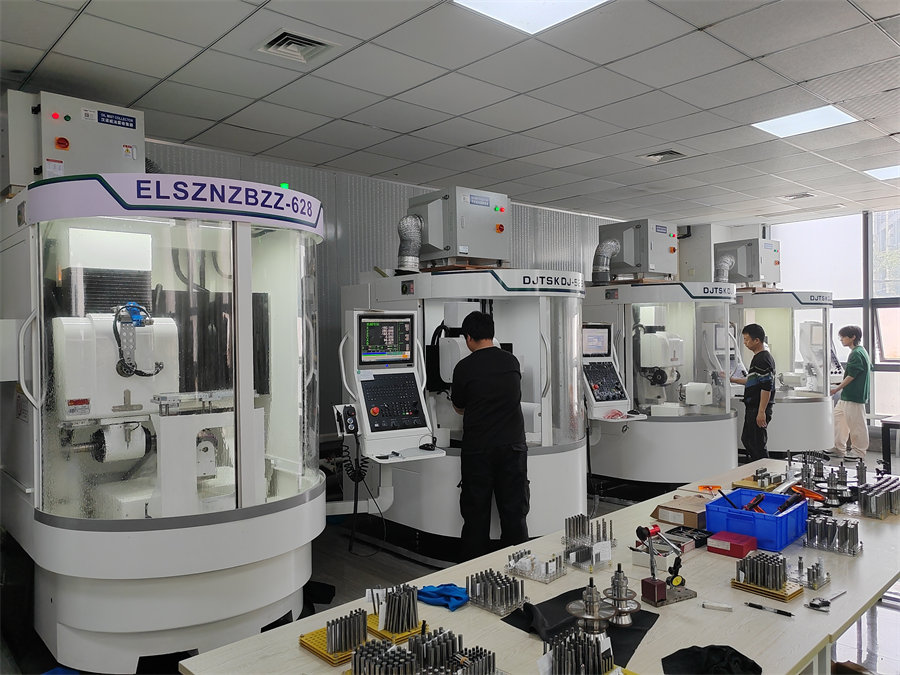
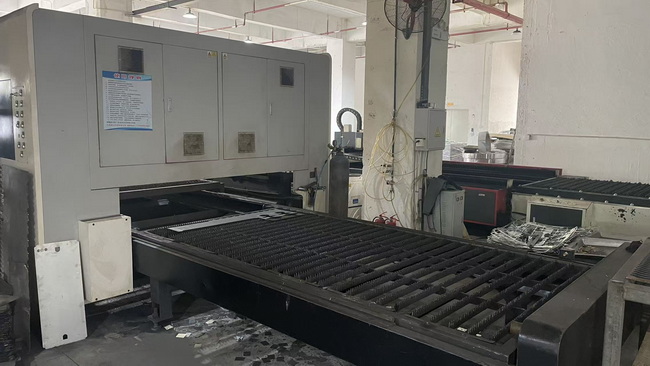
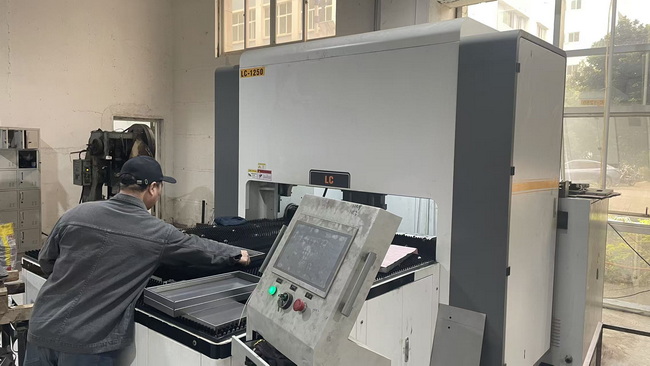
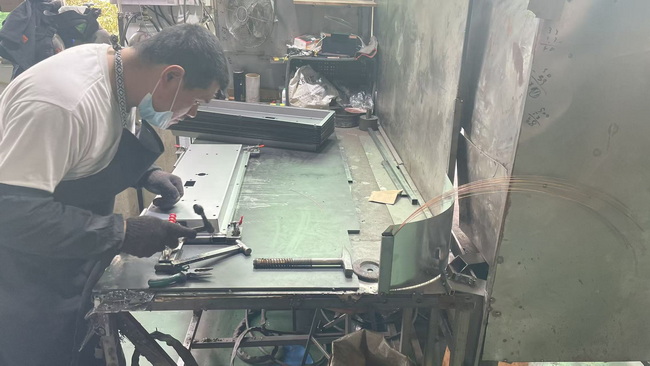
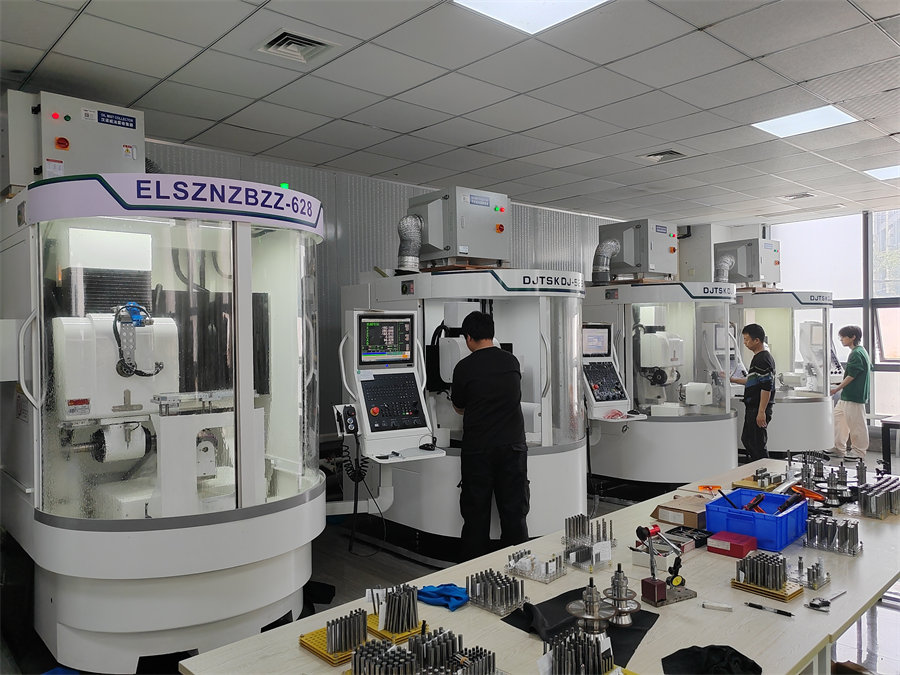
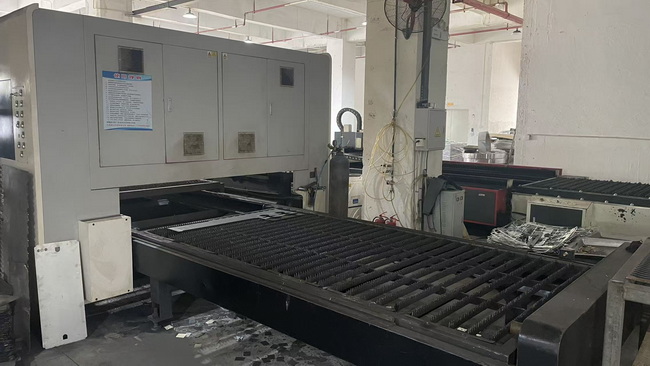
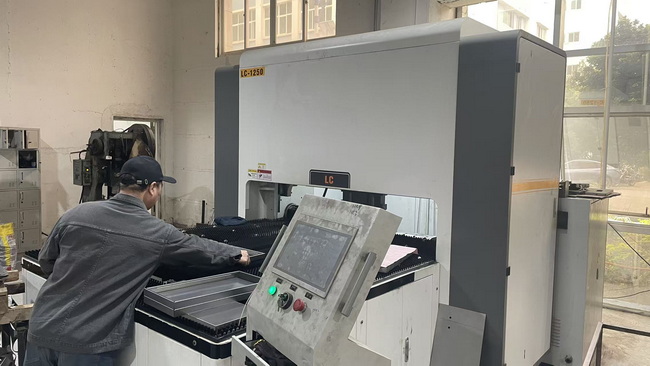
To ensure the highest levels of precision and consistency, Tier Tool has invested extensively in advanced manufacturing equipment and production technologies. The company operates multiple imported CNC tool grinding machines and precision inspection systems, enabling complete in-house capabilities from tool design and prototyping to small-batch testing and large-scale production.
Our manufacturing process is built upon strict process control and traceability standards. Every production stage is carefully monitored to ensure repeatability, quality consistency, and reliable delivery performance. Through systematic process management and standardized operating procedures, Tier Tool has established a robust manufacturing system capable of meeting the demanding requirements of modern precision machining.
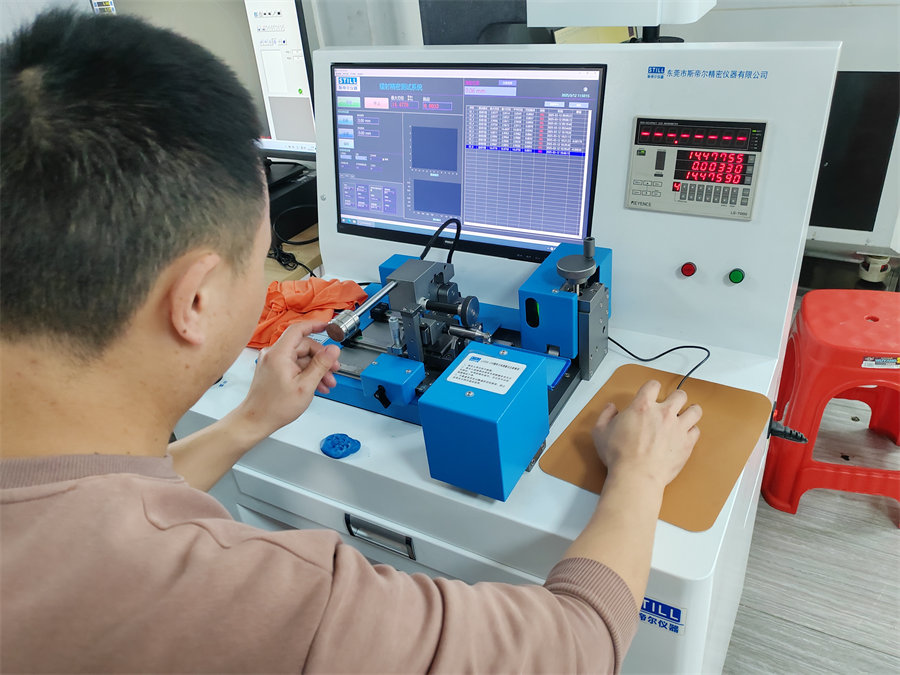
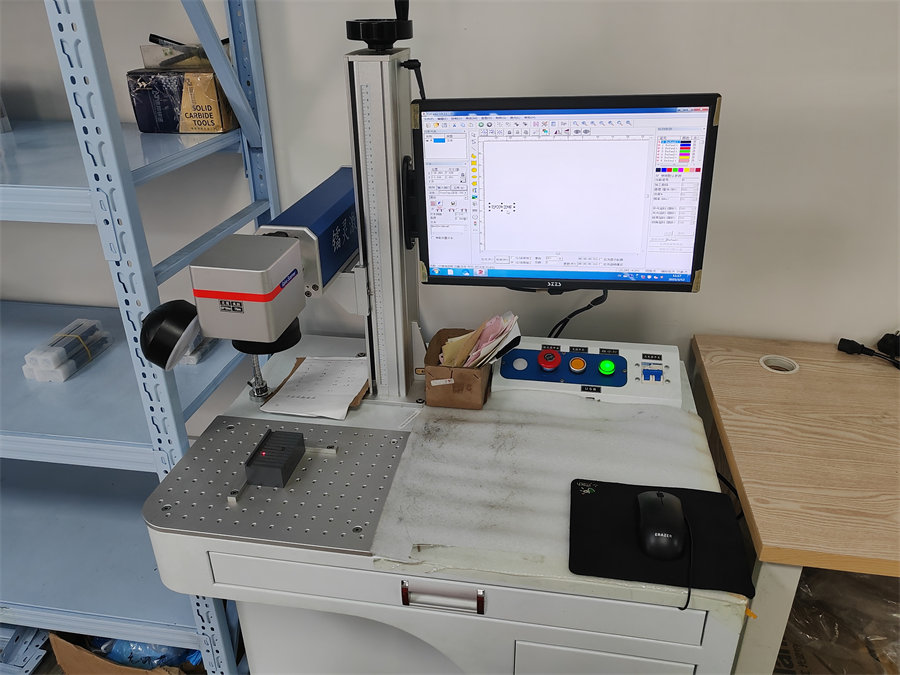
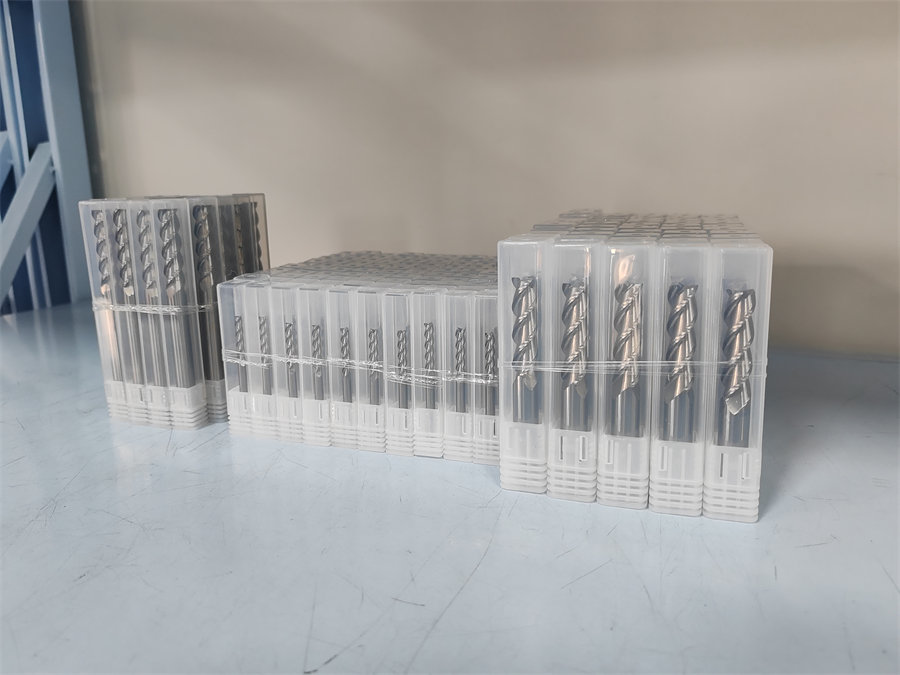
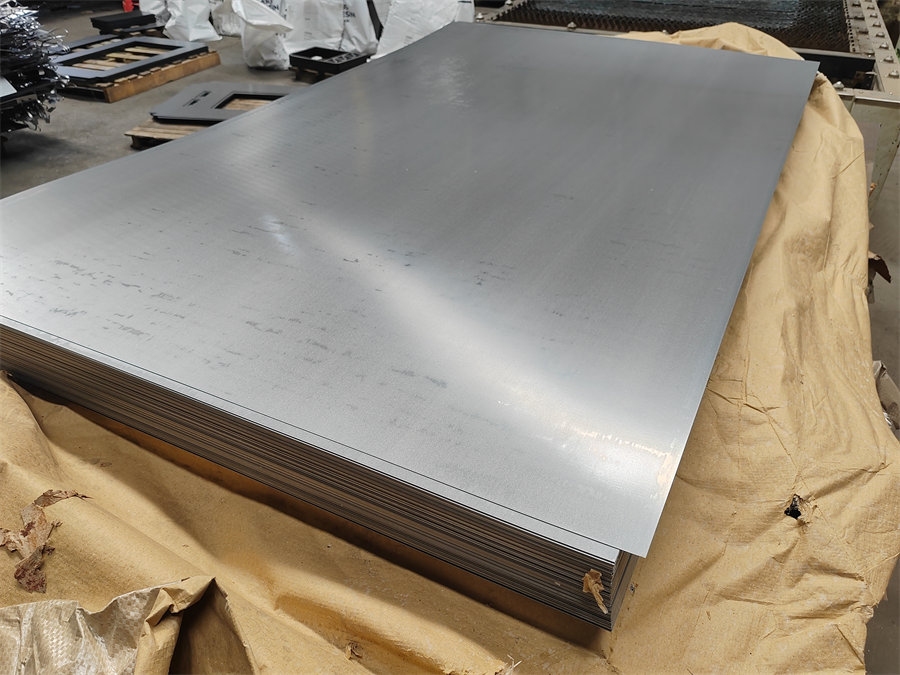

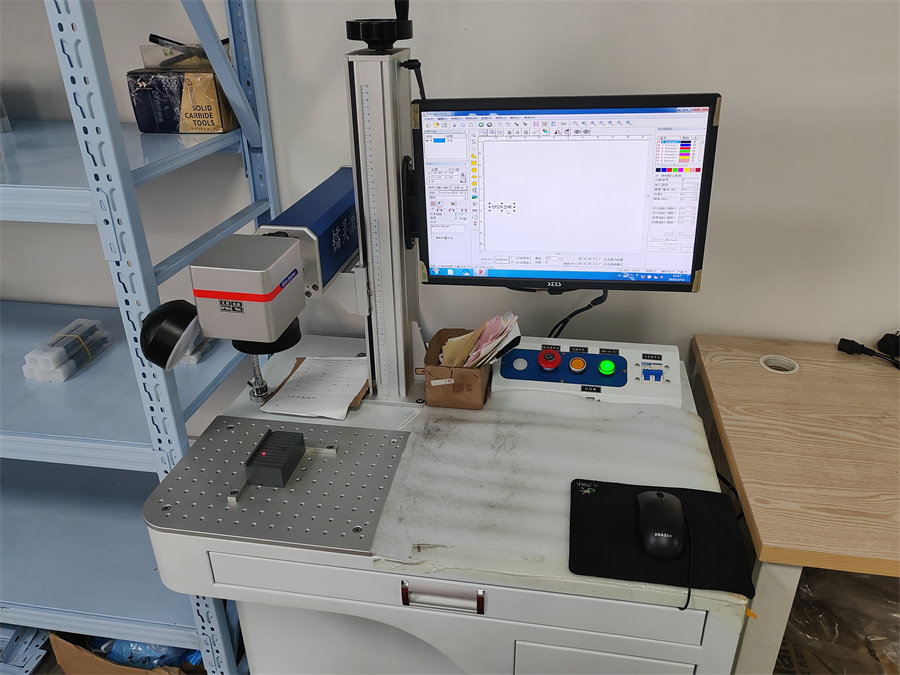
Quality is the foundation of Tier Tool's long-term success. We adhere to the principle of "Quality First, Continuous Improvement", implementing rigorous quality control procedures throughout the entire production cycle.
From raw material selection and incoming inspection to final product verification, every tool undergoes comprehensive quality checks to ensure it meets strict dimensional, geometrical, and performance requirements. By continuously optimizing our manufacturing and inspection processes, we deliver products that provide exceptional accuracy, reliability, and consistency in real-world machining applications. We understand that in precision manufacturing, stable quality is not only a requirement but also the key factor that determines our customers' productivity and competitiveness.
Different manufacturing sectors face distinct challenges when milling molds and precision cavities. A robust tooling supplier must offer targeted solutions that match the metallurgical and structural requirements of each sector.
Automotive outer panels require highly complex stamping dies made from cast iron or hardened tool steels (such as Cr12MoV or SDK11). These large-scale molds require tools that can withstand long cycles without tool wear. For these applications, Tier Tool supplies HRC55 and HRC65 rated ball nose end mills coated with multi-layer AlTiN (Aluminum Titanium Nitride) or silicon-based nano-composite coatings. These coatings maintain chemical stability and hardness at temperatures exceeding 900°C, supporting dry high-speed machining (HSM).
Aerospace components are increasingly machined from lightweight, high-strength metals like titanium alloys (Ti-6Al-4V) and nickel-based superalloys (Inconel 718). These materials are difficult to machine due to their low thermal conductivity and high chemical reactivity at cutting temperatures. Tier Tool's customizable 3-flute and 4-flute solid carbide ball nose end mills feature optimized chip-grooves and positive rake angles, which reduce shear forces and direct heat away from the workpiece.
The medical technology sector relies on micro-precision components for implants, orthotics, and surgical instruments. Machining titanium, cobalt-chrome, or surgical-grade stainless steels requires extremely small tool diameters. Tier Tool's micro-diameter ball nose end mills (ranging down to R0.1 and R0.2) feature optimized edge preparation and high-adhesion DLC (Diamond-Like Carbon) coatings to deliver the necessary accuracy and surface finish.
| Industry Sector | Common Material | Workpiece Hardness | Recommended Coating | Critical Geometry Requirements |
|---|---|---|---|---|
| Automotive Injection Molds | NAK80, P20, H13 | HRC 30 - 52 | AlTiN / Nano-Blue | Variable helix, reinforced core |
| Aerospace Structural Parts | Ti-6Al-4V, Inconel 718 | HRC 36 - 45 | AlTiCrN / TiAlN | Sharp edge preparation, positive rake |
| Precision Medical Implants | 316L, Ti-ELI, Co-Cr | HRC 28 - 42 | DLC / Nano-Composite | Micro-diameter (down to R0.1), micro-polished flutes |
| Consumer Electronics Molds | S136 (Mirror finish) | HRC 48 - 54 | Super-finished AlTiN | High-precision runout control < 0.002mm |
As manufacturing moves toward autonomous production and cyber-physical systems, solid carbide cutting tools must adapt. Tier Tool is aligning its technical roadmap with these emerging trends in precision machining.
Advanced tool design no longer relies solely on physical prototyping. Finite Element Analysis (FEA) is used to simulate cutting forces, stress distribution, and thermal profiles. This enables engineers to optimize variables such as core taper, flute geometry, and relief angles for specific workpiece materials before grinding begins. This approach accelerates development cycles and ensures reliable tool performance in demanding applications.
Rather than leaving cutting edges sharp or using standard deburring, modern manufacturing relies on precise edge preparation. Edge honing rounds the cutting edge to a controlled radius (typically between 5 to 25 microns). This micro-geometry stabilizes the edge, preventing chipping and improving coating adhesion, which translates to longer, more predictable tool life in tough materials.
With increasing focus on sustainability, many manufacturers are adopting Minimum Quantity Lubrication (MQL) or dry cryogenic machining (using liquid nitrogen or carbon dioxide). These setups put high thermal stress on cutting tools. Future tool coatings must offer high chemical resistance and thermal insulation to protect the underlying carbide substrate from thermal shock.
Procuring industrial tooling requires looking beyond the initial purchase price of the tool. Experienced procurement officers evaluate suppliers using a Total Cost of Ownership (TCO) model, which considers several key variables:
By focusing on process control, raw material quality, and modern production technology, Suzhou Tier Tool provides industrial-grade tools that help global manufacturers optimize their TCO and maintain competitive, reliable operations.
At Tier Tool, we believe that supplying cutting tools is only the beginning of our partnership with customers. Beyond delivering products, we provide comprehensive technical support and application engineering services to assist customers in optimizing their manufacturing processes.
Our technical specialists work directly with customers to analyze machining conditions, recommend suitable tooling strategies, and develop solutions that maximize efficiency, reliability, and cost-effectiveness. By understanding our customers' production goals and competitive challenges, we strive to become a trusted long-term manufacturing partner rather than simply a tooling supplier.
Looking ahead, Suzhou Tier Tool Co., Ltd. will continue to focus on the development of high-performance carbide cutting tools and deepen its expertise in automotive, aerospace, precision engineering, and advanced manufacturing industries. Driven by professionalism, innovation, and customer commitment, we are dedicated to creating greater value for our customers through reliable products, flexible services, and advanced manufacturing technologies. Tier Tool will continue to grow as a trusted global partner in precision cutting solutions, helping customers achieve higher productivity, better quality, and stronger competitiveness in an ever-evolving manufacturing world.
 Tier Tool