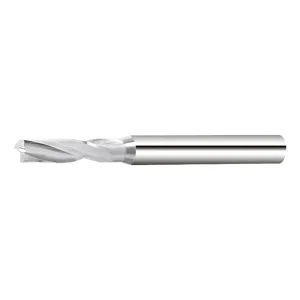
An analytical overview of substrate metallurgy, structural rigidity, and heat management in high-velocity manufacturing systems.
In the landscape of modern subtractive manufacturing, the hole-making process accounts for over 30% of all machining operations. As target materials evolve toward extreme tensile strengths, advanced lightweight profiles, and highly abrasive composites (such as aerospace CFRPs, hardened alloys, and medical-grade titanium), the demand for high-reliability drilling solutions has never been more critical. Traditional High-Speed Steel (HSS) tools and cobalt-infused variations are rapidly reaching their thermal and mechanical thresholds. Today, the manufacturing sector relies heavily on solid carbide twist drill bits to achieve sustainable material removal rates (MRR), structural surface integrity, and tight dimensional tolerances.
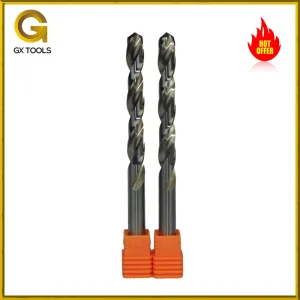
Solid carbide drills are not simple, monolithic structures. They represent a complex synthesis of physical metallurgy, thermodynamic design, and advanced geometry. By blending sub-micron tungsten carbide (WC) grains with a cobalt (Co) metal binder, tooling engineers can tailor structural hardness (up to 1800 HV or higher) and fracture toughness to suit specific applications. The physical stability of tungsten carbide ensures that tool deflection is minimized under high load conditions, resulting in holes with exceptional cylindrical accuracy, minimized burr formation, and superior surface finish.
SEO Intent Focus: For industrial procurement teams and manufacturing plants, sourcing solid carbide drill bits directly from a specialized factory ensures consistency in substrate material selection, cutting-edge geometries, and repeatable batch tolerance. As a certified supplier, Suzhou Tier Tool Co., Ltd. provides customized designs that address specific wear mechanics in modern CNC machining centers.
The performance of a solid carbide drill is heavily dictated by its substrate's grain size. Tooling manufacturers categorize tungsten carbide substrates into coarse, medium, fine, sub-micron, and ultra-fine classifications. In general, smaller grain sizes translate directly to higher hardness and compressive strength, although they may sacrifice some fracture toughness if not combined with the correct volume of cobalt binder.
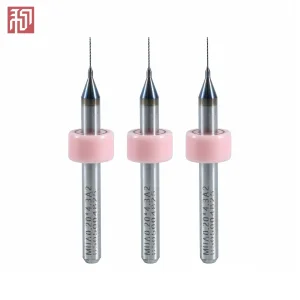
For applications such as PCB micro-drilling (using tools with diameters down to 0.4mm or 0.7mm), ultra-fine and sub-micron grain substrates are essential. These materials provide the necessary edge retention and wear resistance to withstand abrasive fiberglass (FR4) substrates without micro-chipping. Conversely, for heavy-duty metal drilling, such as HRC55 hardened steel or tough structural steel sheets, an optimized balance of sub-micron grain size and a slightly higher cobalt percentage (typically 10% to 12%) is chosen to prevent premature cutting edge chipping under shock loading.
Suzhou Tier Tool Co., Ltd. was established in 2008 and is a national high-tech enterprise specializing in the design, manufacturing, and technical support of precision solid carbide cutting tools.
Since its foundation, Tier Tool has been deeply committed to the precision machining industry, focusing on delivering high-performance, high-efficiency cutting solutions for hole-making and metalworking applications. Through continuous technological innovation and manufacturing excellence, the company has earned the trust of customers across a wide range of industries worldwide.
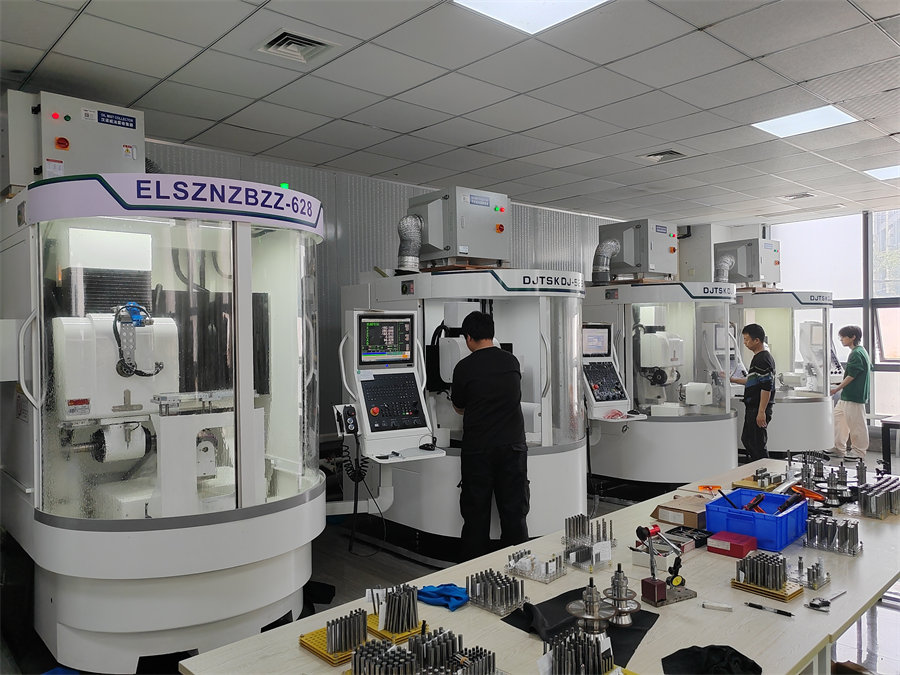
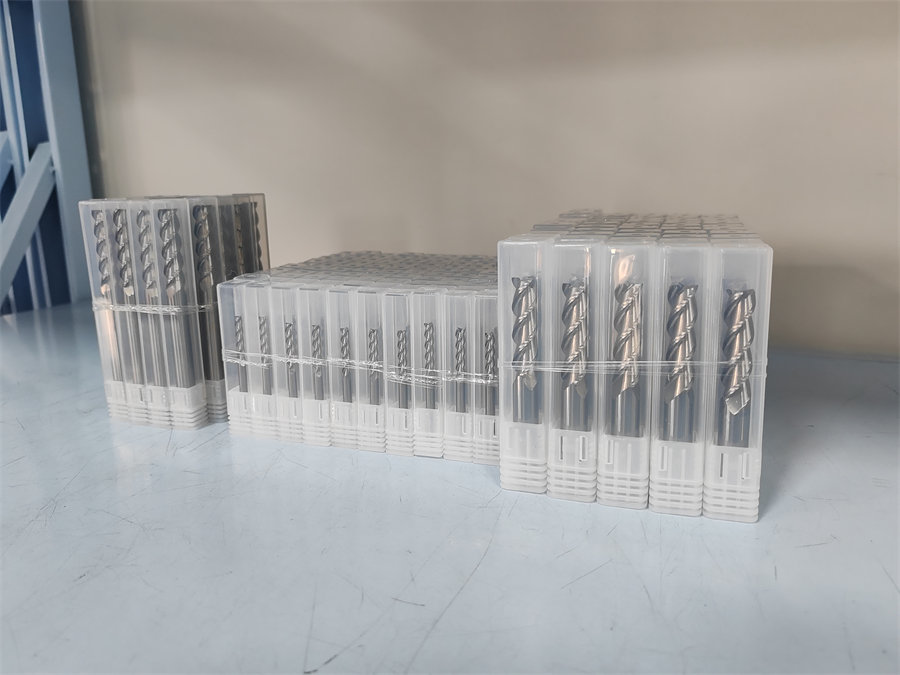
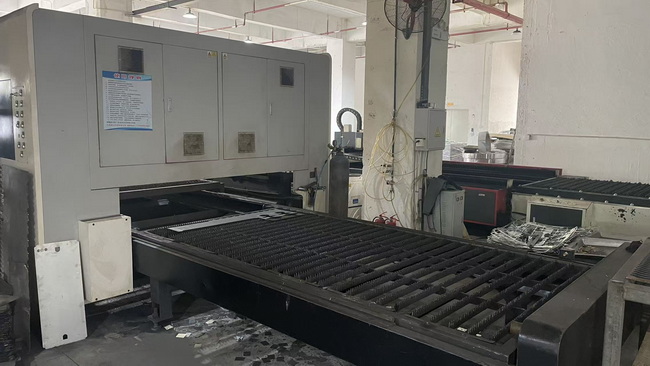
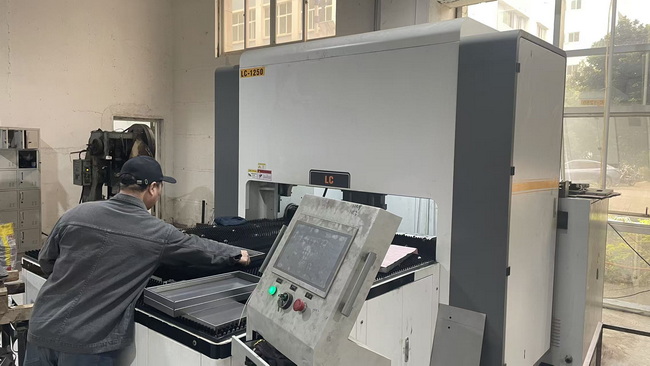
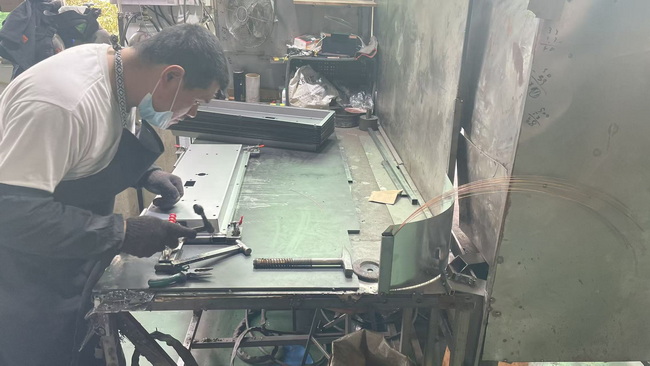
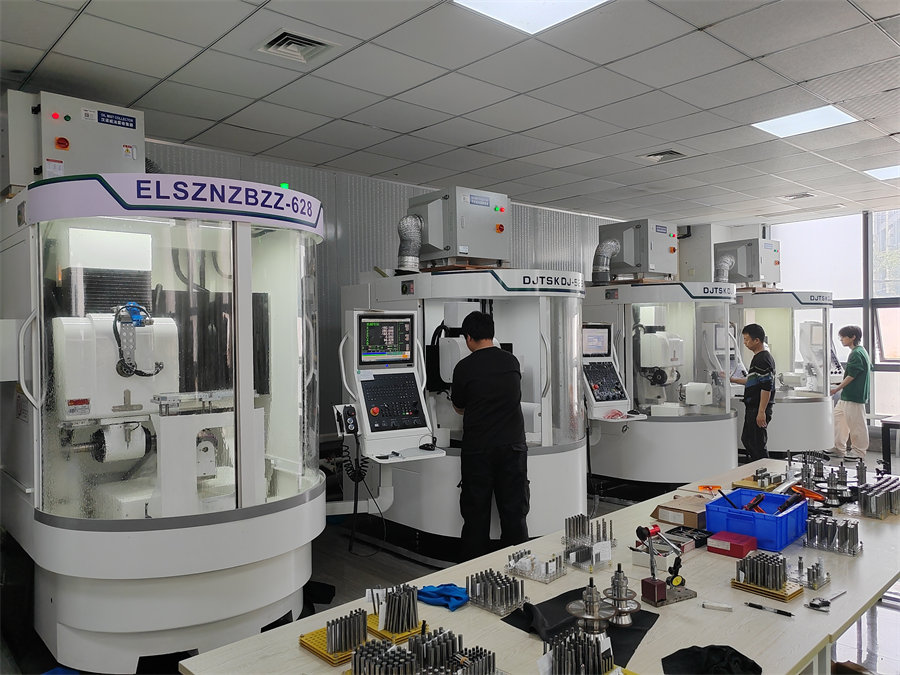
To ensure the highest levels of precision and consistency, Tier Tool has invested extensively in advanced manufacturing equipment and production technologies. The company operates multiple imported CNC tool grinding machines and precision inspection systems, enabling complete in-house capabilities from tool design and prototyping to small-batch testing and large-scale production.
Our manufacturing process is built upon strict process control and traceability standards. Every production stage is carefully monitored to ensure repeatability, quality consistency, and reliable delivery performance. Through systematic process management and standardized operating procedures, Tier Tool has established a robust manufacturing system capable of meeting the demanding requirements of modern precision machining.
Quality is the foundation of Tier Tool's long-term success. We adhere to the principle of "Quality First, Continuous Improvement", implementing rigorous quality control procedures throughout the entire production cycle.
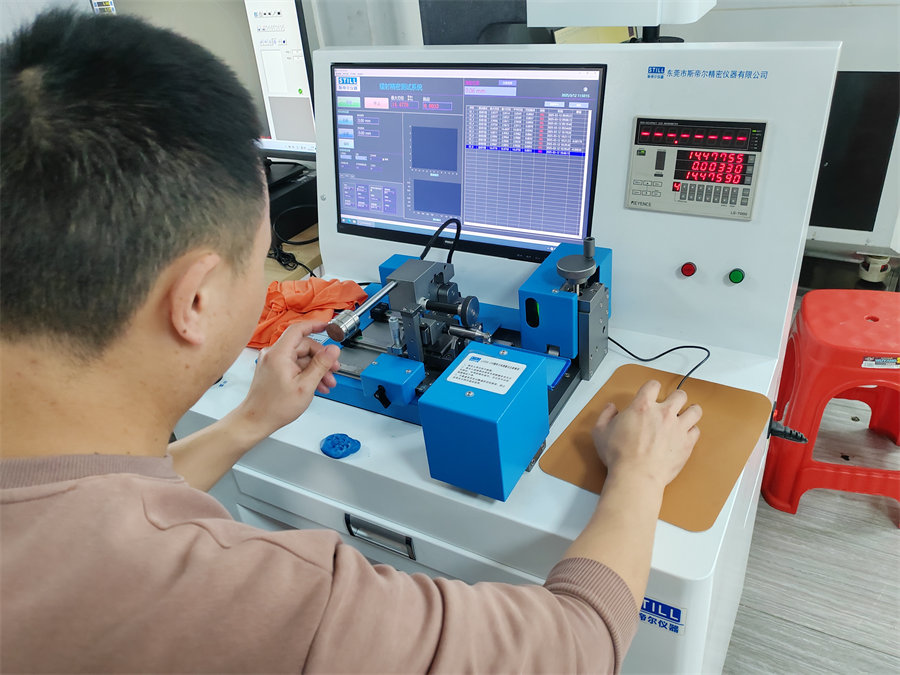
From raw material selection and incoming inspection to final product verification, every tool undergoes comprehensive quality checks to ensure it meets strict dimensional, geometrical, and performance requirements. By continuously optimizing our manufacturing and inspection processes, we deliver products that provide exceptional accuracy, reliability, and consistency in real-world machining applications.
We understand that in precision manufacturing, stable quality is not only a requirement but also the key factor that determines our customers' productivity and competitiveness.
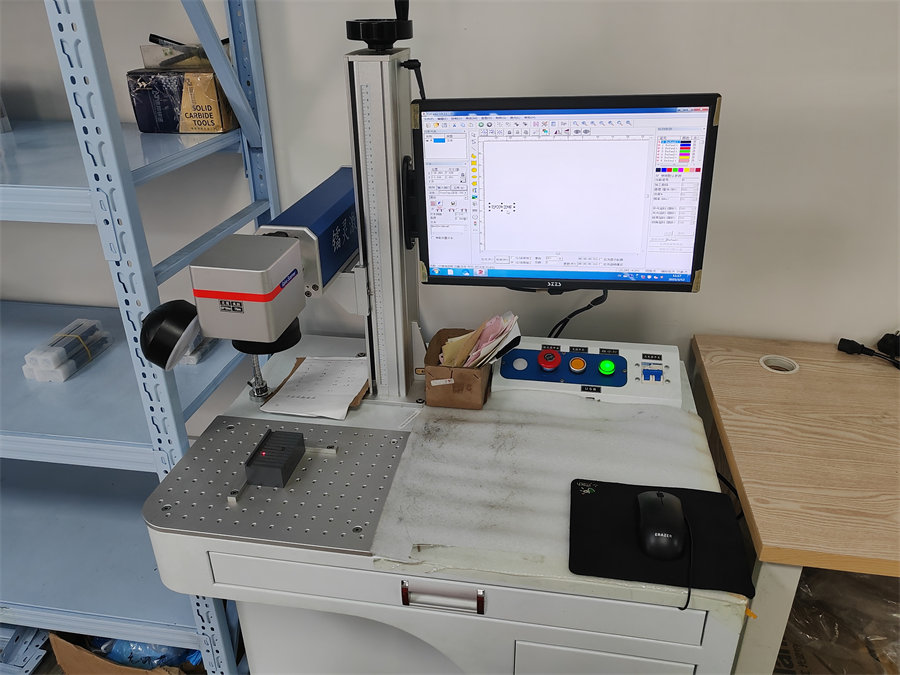
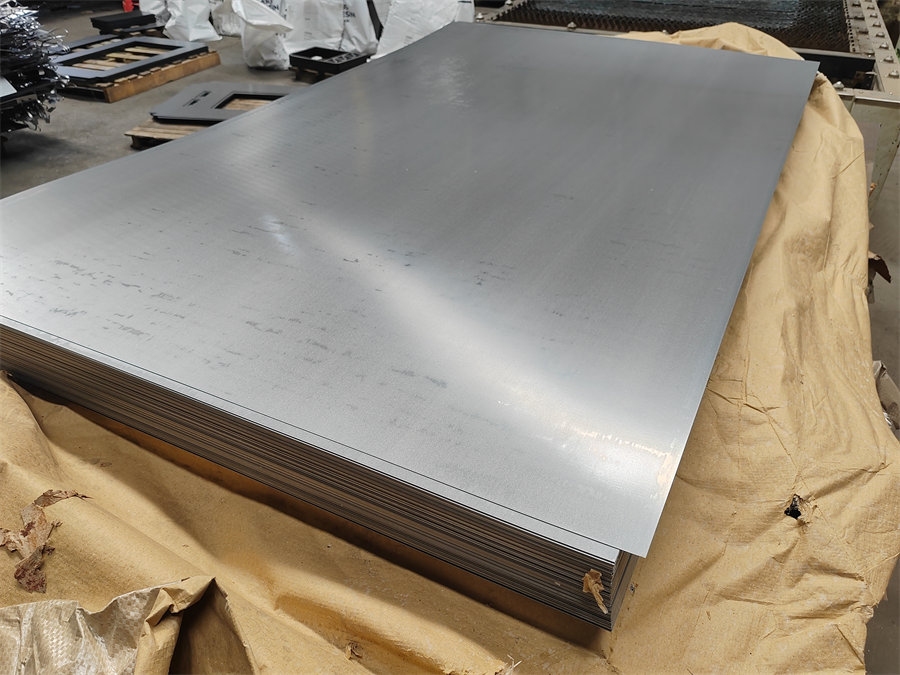
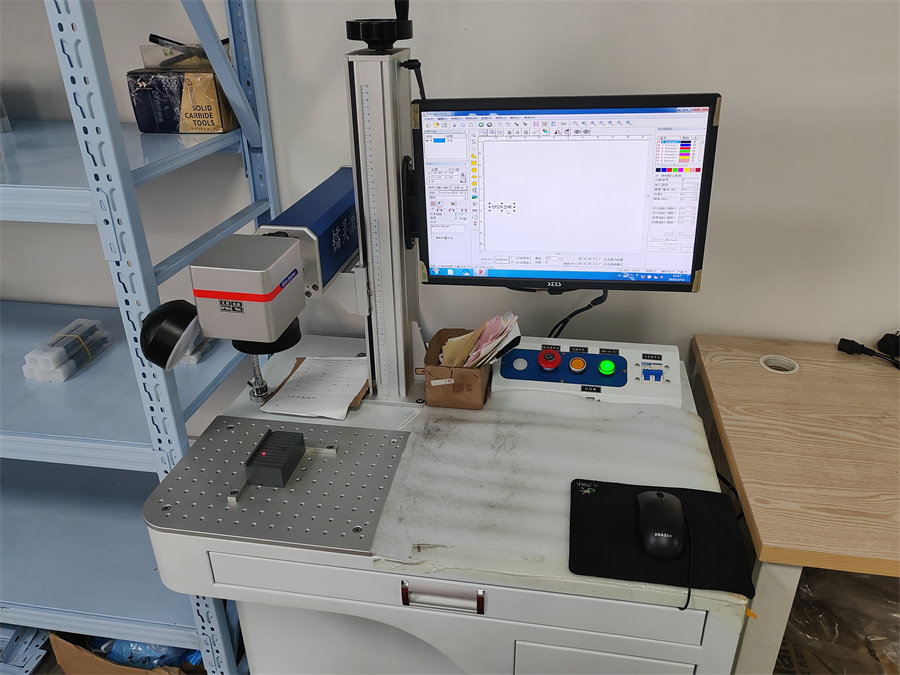
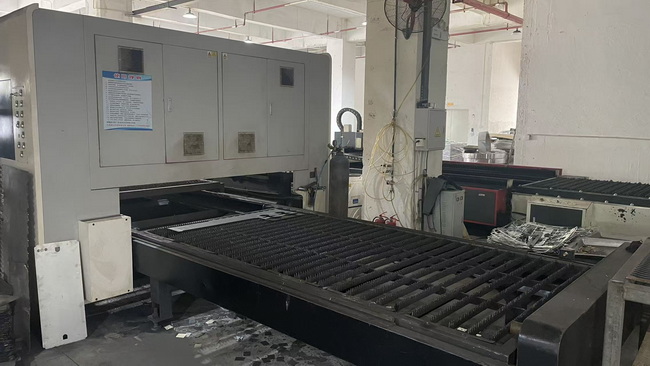
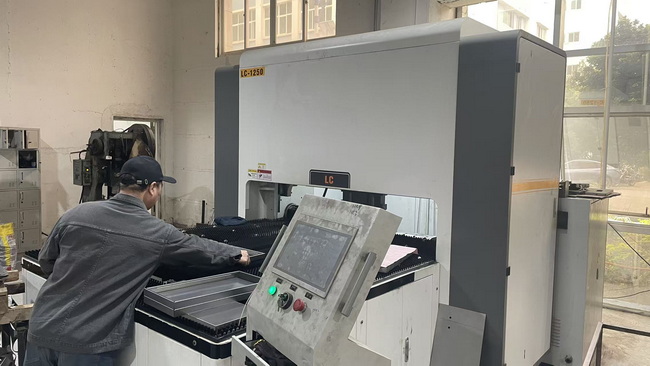
A transparent view of Suzhou Tier Tool's end-to-end manufacturing workflow, featuring advanced CNC grinding, precision metrology, laser cutting, and robotic bending.

The global market for precision cutting tools is experiencing a significant structural transition. Driven by the demands of the automotive, aerospace, defense, consumer electronics, and heavy infrastructure sectors, the global market for solid carbide cutting tools is projected to expand at a compound annual growth rate (CAGR) of over 5.8% in the coming decade. Industry analysts attribute this steady expansion to the rapid growth of high-precision CNC multi-axis machining and the progressive replacement of obsolete tooling technologies.
From a regional perspective, demand is heavily concentrated in major manufacturing hubs. China, Japan, Germany, and the United States continue to be the primary consumers and technological innovators in this space. Emerging manufacturing economies in Southeast Asia (such as Vietnam and Malaysia) and Latin America (Mexico) are also showing rapid adoption of high-performance solid carbide tooling to meet the stringent quality standards of international supply chains. This shift highlights a critical industrial truth: to compete in the global market, manufacturers must prioritize minimizing downtime and maximizing throughput. High-quality carbide drill bits play a key role in achieving these goals.
To design an optimized solid carbide tool, manufacturers must coordinate three main areas of engineering: substrate composition, tool geometry, and surface treatment (coatings). Tier Tool continuously updates its engineering parameters to ensure all three aspects work in synergy.
Our raw materials are composed of high-purity tungsten carbide powder (WC) combined with a cobalt binder. A lower cobalt percentage (around 6%) yields maximum hardness and wear resistance, which is ideal for abrasive materials like cast iron or fiberglass. A higher cobalt percentage (10% to 12%) provides the fracture toughness needed for interrupted cuts, tough stainless steels, and deep-hole drilling configurations. By using ultra-fine micro-grain compositions, we ensure our drill bits retain sharp, stable cutting edges longer than standard, coarse-grained alternatives.
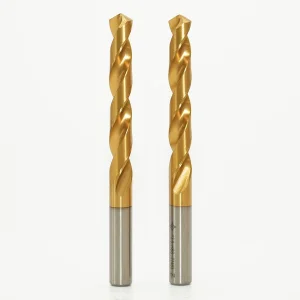
The geometries of our drill bits are designed to reduce cutting forces and manage heat generation. We design our drills with a 135-degree split point angle to improve self-centering capabilities, eliminating the need for center punch operations. The flute layout is engineered to optimize chip shape and evacuation speed. Dynamic flute helix angles help maintain steady chip flow, while specialized edge prep operations remove microscopic defects and build a stronger, more stable cutting edge.
Precision solid carbide tooling is critical in many heavy industries. Here is a breakdown of how customized carbide drills address specific manufacturing challenges in different sectors:
Mass producing automotive powertrain parts, engine blocks, and brake cylinders requires high-reliability tooling. Our PCD reamers and multi-stepped solid carbide drills enable high-volume production with minimal downtime, ensuring dimensional accuracy across thousands of cycles.
Carbon Fiber Reinforced Polymers (CFRP) can cause rapid tool wear due to their abrasive nature. Diamond-coated solid carbide drill bits maintain sharp cutting edges, reducing delamination, fiber breakout, and structural defects in critical structural components.
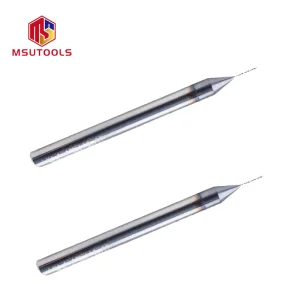
For PCB manufacturing, micro drills with diameters like 0.4mm and 0.7mm are standard. Our ultra-fine grain micro drills are engineered to withstand high speeds and prevent drill breakage, ensuring clean hole walls for reliable electrical plating.
Using the correct parameters is essential to maximize tool life and prevent premature failure. The table below lists general recommendations for solid carbide twist drills with internal coolants:
| Workpiece Material | Brinell Hardness (HB) | Cutting Speed (Vc - m/min) | Feed Factor (f - mm/rev for Ø10mm) |
|---|---|---|---|
| Carbon Steel (Low/Medium) | < 180 HB | 90 - 130 | 0.20 - 0.30 |
| Alloy Steel / Hardened Steel | HRC 30 - 45 | 60 - 90 | 0.15 - 0.22 |
| Stainless Steel (304/316) | < 200 HB | 40 - 70 | 0.12 - 0.18 |
| Cast Iron (GG25 / GGG40) | < 250 HB | 80 - 120 | 0.22 - 0.35 |
| Aluminum Alloys (<12% Si) | < 120 HB | 150 - 250 | 0.25 - 0.40 |
Note: These figures are starting parameters. Actual values may vary depending on tool holder rigidity, coolant pressure (recommended > 15 bar for deep holes), and specific CNC setup conditions.
Practical answers to common questions about industrial sourcing and application engineering.
Solid carbide is significantly harder and more rigid than cobalt-alloyed high-speed steel (M35/M42). This allows carbide tools to operate at cutting speeds 3 to 4 times faster than cobalt drills. However, carbide is more brittle, requiring rigid CNC setups. Cobalt drills offer higher elasticity and are more forgiving in manual or less rigid machining setups, but wear out faster under high-heat, high-speed conditions.
Internal coolant drills are highly recommended for drilling depths greater than 3 times the diameter (3D). The internal channels deliver pressurized coolant directly to the cutting edges. This design flushes out chips, reduces tool temperature, and prevents thermal cracking and premature tool failure.
At temperatures above 800°C, these coatings form a protective, hard aluminum oxide (alumina) layer at the tool surface. This layer shields the underlying carbide from heat, reduces chemical wear, and maintains cutting edge sharpness when drilling tough, heat-resistant materials.
Consistency is maintained through our ISO-compliant production workflow. We use multi-axis CNC grinding machines, premium carbide rods, and advanced optical measuring systems. This allows us to maintain tolerances within a few microns across large production runs.
Yes. We offer fully customized tooling design and manufacturing services. Our team works with customers to evaluate machining requirements, workpiece materials, and machinery setup to design custom tool lengths, step profiles, coolant paths, and edge preparations.
Standard lead times range from 2 to 4 weeks depending on the order volume and design complexity. Standard tools in stock can be shipped immediately, while custom geometries require prototyping, technical verification, and quality testing.
 Tier Tool