When machining stainless steel, many manufacturers face a common challenge: "why do my carbide end mills keep chipping on stainless steel?" This issue can stem from various factors that affect tool performance and longevity. Carbide end mills are known for their durability and precision. However, they are not invincible.
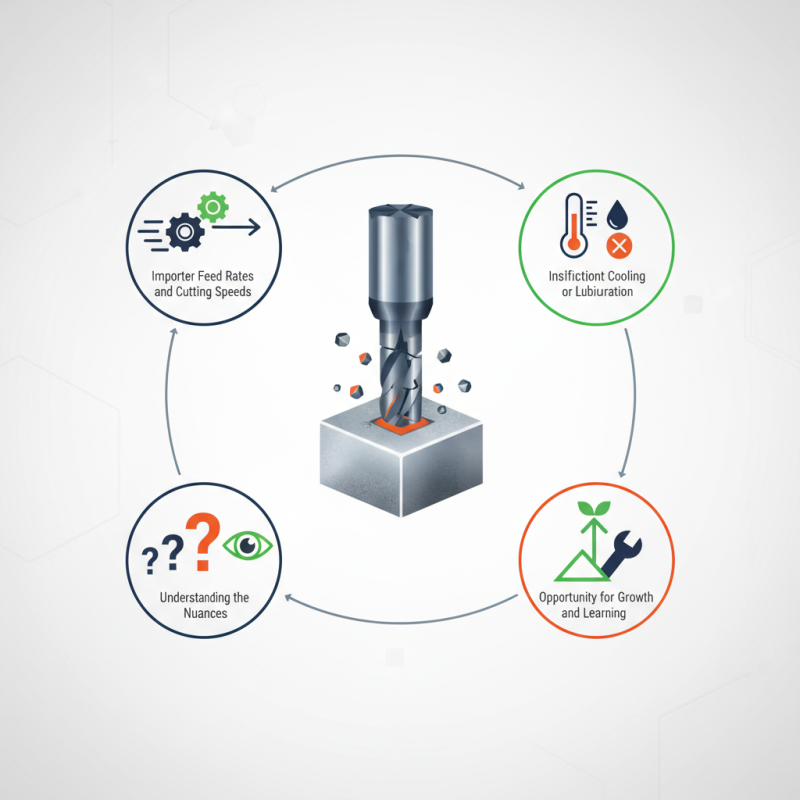
Improper feed rates and cutting speeds can lead to chipping. Harder stainless steel grades require a balanced approach to machining. Insufficient cooling or lubrication can accelerate wear, causing premature chipping. Operators must assess these conditions closely while working with carbide tools.
Understanding these nuances is crucial. Reflecting on your processes may uncover simple yet effective solutions. Each chipped end mill can represent an opportunity for growth and learning. Investigating the root causes and making adjustments can lead to better results and longer tool life.
Carbide end mills are essential tools for machining stainless steel, but they can chip unexpectedly. Understanding their construction and properties can help mitigate this issue. Carbide end mills are made from tungsten carbide, known for its hardness and wear resistance. However, the geometry of the tool plays a vital role in its performance. Sharp cutting edges are essential, but they can become dulled or damaged quickly when cutting tough materials like stainless steel.
The design of an end mill affects its ability to handle heat and pressure during machining. A suitable helix angle and proper flute design can improve chip evacuation and reduce cutting forces. When using carbide end mills, operators should monitor for overheating. This is a common cause of chipping. Using an inadequate coolant strategy can exacerbate the problem. A well-placed coolant can extend tool life and enhance cutting performance.
However, not all carbide tools are made the same. Some users may find that their end mills chip frequently, even after following best practices. This could indicate a mismatch between tool selection and material. Each type of stainless steel has unique machining requirements. It's crucial to reflect on the specific application and material properties to optimize performance. Adjustments in speed, feed rates, and tool geometry may be necessary to achieve better results.
This bar chart illustrates the chipping severity of different types of carbide end mills when used on stainless steel. The data shows the number of reported chipping incidents for each end mill type, highlighting potential issues in performance or material selection.
Chipping in carbide end mills during stainless steel machining is a common issue. Several factors can contribute to this problem. One major cause is the cutting speed, which often needs adjustment. According to machining studies, cutting speeds that are too high may lead to premature wear and chipping. A speed reduction can improve tool life.
Another factor is tool geometry. End mills with improper flute designs can struggle with chip removal. This can increase heat and stress, causing chipping. Research shows that a positive cutting angle can enhance performance when cutting tough materials like stainless steel.
**Tip: Always check the tool's geometry before starting your machining process. Ensure the end mill is suitable for stainless steel applications.**
Material hardness also plays a crucial role. Stainless steel has varying hardness levels, which can lead to chipping if the end mill is not designed for it. Data indicates that carbide tools are ideal for harder materials, but they still require careful management.
**Tip: Use coolant to reduce temperature and improve chip evacuation, minimizing the risk of chipping.**
Proper machine setup is essential. Vibration during machining can exacerbate chipping issues. Regular maintenance of the machine’s components can ensure smoother operations.
**Tip: Monitor machine vibrations and perform routine checks on the spindle and tool holder for stability.**
When machining stainless steel, carbide end mills often face chipping issues. One significant factor influencing tool performance is cutting parameters. Depth of cut, feed rate, and spindle speed play critical roles. If these parameters are not optimized, the end mills can chip more easily.
Using a higher feed rate may seem efficient but can lead to excessive tool wear. A slow feed might enhance tool life but risks poor surface finish. Spindle speed also has a profound impact. Too high a speed generates heat, harming the cutting edge. Scrutinizing these elements is essential for extending tool life.
Some machinists overlook the effects of coolant use. Inadequate lubrication can exacerbate tool wear. Conversely, the right type and amount of coolant can improve tool life and performance by reducing friction. Reflecting on these details helps refine machining practices. Adjusting the cutting parameters based on real-time observations can lead to better outcomes.
| Cutting Parameter | Value | Impact on Tool Life | Chipping Occurrence |
|---|---|---|---|
| Cutting Speed (m/min) | 30 | Optimal | Low |
| Feed Rate (mm/rev) | 0.1 | Moderate | Moderate |
| Depth of Cut (mm) | 2 | Acceptable | High |
| Coolant Type | Water-Soluble | Improves | Low |
| Tool Geometry | 4 Flute | Good | Moderate |
Carbide end mills are essential for machining stainless steel. However, they often chip, leading to inefficiency and wasted resources. Maintaining these tools with care can significantly reduce chipping incidents.
One crucial practice is to monitor the speed and feed rates. Operating too fast may cause excessive heat, leading to premature wear. A slower feed can improve tool life. Also, make sure your coolant is effective. An appropriate coolant reduces friction and heat during machining.
Additionally, inspect end mills regularly. Look for chips or cracks before use. Even small imperfections can escalate issues during machining. Proper storage of tools is another factor. Store them in protective cases to avoid accidental damage. Lastly, don't forget to replace dull end mills promptly. A dull tool increases the likelihood of chipping, affecting overall performance.
When machining stainless steel, carbide end mills can chip often due to their hardness and brittleness. This leads to costly downtime. Choosing the right tooling is essential for efficiency and quality. According to a 2021 report by the National Tooling and Machining Association, around 35% of machining failures are linked to improper tooling selection.
Alternative tooling options exist for this challenging material. High-speed steel (HSS) tools, for instance, can offer greater toughness. They exhibit better wear resistance compared to standard carbide tools in certain stainless steel grades. Additionally, the use of coated tools can enhance performance, with reports indicating a 25% increase in tool life. Other choices, like ceramic or carbide-tipped tools, may also yield favorable results. However, they are not suitable for all types of stainless steel.
Machinists often overlook the importance of optimizing cutting parameters. Even slight adjustments in speed and feed rates can prevent chipping. Using a coolant effectively can also mitigate tool wear and heat buildup. Regular monitoring of tool condition is crucial, as neglect can lead to performance degradation. Understanding the material properties of the stainless steel being machined is vital for making informed tooling decisions.
: Carbide end mills are primarily made from tungsten carbide, known for its hardness and wear resistance.
Chipping can occur due to improper tool geometry or unsuitable cutting parameters.
The design, including helix angle and flute shape, impacts heat handling and chip evacuation.
Adequate coolant reduces friction and extends tool life, while insufficient lubrication can worsen wear.
Depth of cut, feed rate, and spindle speed must be optimized to prevent excessive chipping and wear.
Yes, it might seem efficient but can lead to tool wear and chipping issues.
Excessive speed generates heat, which can damage the cutting edge and reduce tool life.
Regular assessment can highlight mismatches in tool selection and material requirements, improving outcomes.
Frequent chipping despite following best practices suggests that adjustments in tool choice or geometry are needed.
Fine-tuning speed, feed rates, and tool design based on observations can enhance performance and tool longevity.
The article "Why Do My Carbide End Mills Keep Chipping on Stainless Steel?" provides a comprehensive exploration of the factors contributing to chipping in carbide end mills during stainless steel machining. It begins by examining the construction and properties of carbide end mills, highlighting how these features can affect their performance. Common causes of chipping are discussed, including inappropriate cutting parameters, tool wear, and material inconsistencies, which can significantly impact tool life and quality of the cut.
Further, the article emphasizes the importance of optimizing cutting parameters—such as speed, feed rate, and depth of cut—to enhance the longevity and effectiveness of carbide end mills. Best practices for maintaining these tools are presented, including proper storage and handling techniques. Finally, the article introduces alternative tooling options for machining stainless steel, offering insights for machinists who encounter challenges with chipping. Overall, this resource serves as a valuable guide for those seeking answers to the question of why do my carbide end mills keep chipping on stainless steel, providing practical solutions to improve machining outcomes.

Tier Tool