Why Does Carbon Fiber Delaminate During CNC Routing?

Time:2026-07-09 Author:Madeline
0%

The question of "why does carbon fiber delaminate during CNC routing" is critical in the aerospace and automotive industries. Carbon fiber composites are favored for their strength-to-weight ratio, yet delamination remains a significant issue. A study by the Composite Materials Handbook reports that up to 30% of machined carbon fiber components might exhibit delamination, impacting structural integrity.

During CNC routing, improper tool selection and feed rates can exacerbate this problem. Sharp tools can create stress concentrations, leading to delamination. Mechanical properties of carbon fiber play a role too; its anisotropic nature makes it susceptible to delamination under certain machining conditions.

Industry reports indicate that advanced machining techniques, such as laser-assisted milling, are being developed to minimize these risks. However, many manufacturers still rely on traditional methods, exposing them to potential failures. This reluctance to adapt can hinder innovation and safety in high-stakes applications. The need for deeper understanding and improved techniques is evident when addressing delamination issues in carbon fiber composites.
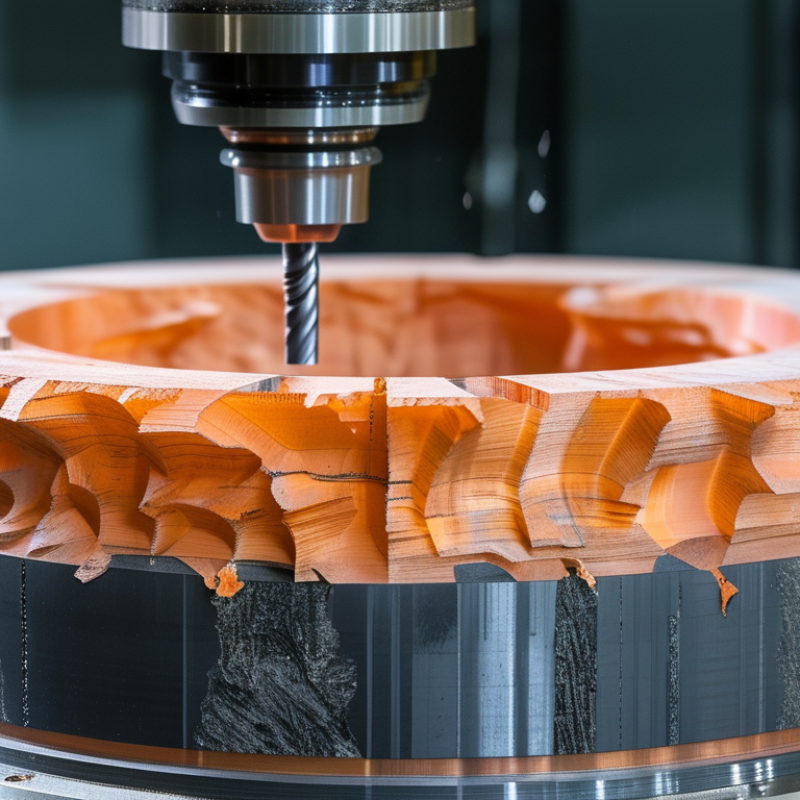
Why Does Carbon Fiber Delaminate During CNC Routing?

Understanding Carbon Fiber Structure and Composition

Carbon fiber is known for its impressive strength-to-weight ratio. However, its structure plays a crucial role in the machining process. The material consists of thin strands of carbon atoms, bundled together to form fibers. These fibers are woven into a matrix, often using a resin. This combination results in a strong yet delicate material that can be easily compromised during CNC routing.

During machining, the layers of carbon fiber can separate or delaminate. This is often due to the inherent properties of the material. The bonds between the fibers may not be as strong as the fibers themselves. When subjected to high-speed routing, vibrations and heat can weaken these bonds. Additionally, if the router bits are not optimized for carbon fiber, they can exacerbate the delamination issue. Finding the right balance between speed and pressure is essential for effective machining.

It’s also important to consider the CNC routing techniques used. Different techniques yield varying results. Some may lead to more delamination than others. The choice of cutting tools and strategies greatly affects the quality of the finished product. Understanding these nuances can help in refining machining processes and achieving better results.

Carbon Fiber Delamination Causes During CNC Routing

The CNC Routing Process and Its Impact on Materials

The CNC routing process is critical for shaping carbon fiber materials. During routing, high-speed cutting tools interact with layered composites. This interaction can lead to delamination, a major concern in manufacturing.

Research shows that factors like cutting speed and feed rates significantly affect delamination. A study by the Journal of Composite Materials indicates that improper settings can increase the risk of separation in layers by up to 40%. These findings emphasize the need for precise control during machining.

Additionally, the type of tools used influences the quality of the cut. It’s vital to select the right bit design and material. Even slight misalignments can exacerbate issues. Many manufacturers overlook these details, leading to flawed products. Proper training in CNC operations is essential. This ensures that operators understand the intricacies of carbon fiber processing. Without this knowledge, the risk of delamination increases and can compromise integrity.

Common Causes of Delamination in Carbon Fiber

Carbon fiber is renowned for its strength and lightweight properties. However, during CNC routing, delamination is a recurring issue. This phenomenon can be attributed to several key factors that often arise during machining processes. High stress on the material is one of the primary causes. When excessive pressure is applied, it can cause the layers of carbon fiber to separate. A study by the Composite Materials Handbook indicates that operational loads should not exceed 60% of the material's tensile strength to avoid potential delamination.

Another significant factor is the quality of the cutting tools used in CNC routing. Dull or improperly aligned tools lead to uneven cuts. This inconsistency can increase the risk of delamination. According to a report from the American Composites Manufacturers Association, using sharp, high-quality tools can reduce delamination rates by up to 30%. Proper tool selection is crucial for maintaining the structural integrity of carbon fiber.

Vibration during the machining process is also an important consideration. Excessive vibration can exacerbate the delamination process. Research suggests that vibration frequency should be monitored closely. Frequencies exceeding 50 Hz can cause significant damage to the carbon fiber layers. Taking measures to reduce vibration can lead to improved outcomes and fewer instances of delamination.

Preventive Measures to Mitigate Delamination During CNC Routing

Carbon fiber is widely praised for its strength-to-weight ratio, yet during CNC routing, delamination often occurs. To combat this, there are several preventive measures that manufacturers can adopt. First, optimizing the cutting parameters is essential. A study conducted by the Composite Materials Association revealed that increasing the spindle speed while reducing feed rates minimizes fiber breakage. This simple adjustment can significantly improve the integrity of each layer during the routing process.

Using specialized tools also plays a crucial role. Router bits designed specifically for composite materials can reduce heat generation and promote cleaner cuts. According to a report by the International Journal of Advanced Manufacturing Technology, utilizing carbide tools can enhance durability and prevent delamination by up to 30%. Additionally, applying appropriate cooling methods, such as mist cooling, helps to manage temperatures, reducing the risk of thermal damage.

It's important to acknowledge that even with these measures, perfect results are not guaranteed. Factors like material quality and environmental conditions can still lead to unexpected outcomes. Continuous monitoring of the CNC machine's performance is vital. High levels of vibration and misalignment can exacerbate delamination issues. Regular maintenance and calibration can only go so far, emphasizing the need for experienced operators to identify and address potential problems swiftly.

Best Practices for CNC Routing of Carbon Fiber Components

CNC routing of carbon fiber components requires meticulous attention to detail. One common issue is delamination, which can jeopardize the structural integrity of the final product. To mitigate this, it is crucial to select the right router bits. Solid carbide bits are often recommended due to their ability to maintain sharp edges longer. This sharpness reduces the likelihood of heat buildup, which can cause adhesive breakdown.

The feed rate is another critical factor. A slower feed can reduce delamination risks but may lead to longer machining times. Conversely, a faster feed can create excessive friction and lead to heat damage. It's important to find a balance that ensures effective routing while preserving the material's properties.

Cooling systems can help manage heat more efficiently. Using air or mist cooling can prevent overheating. Additionally, regularly inspecting the components during machining allows for adjustments. Mistakes often occur when operators aren’t attentive to the material’s response. Learning from these experiences can help improve the process over time. Each project presents unique challenges, and reflecting on past results is vital for mastering CNC routing of carbon fiber.

Why Does Carbon Fiber Delaminate During CNC Routing? - Best Practices for CNC Routing of Carbon Fiber Components

Issue Description Solution
Inappropriate Tooling Using the wrong type of cutter can lead to delamination due to excessive heat and vibration. Use sharp, proper carbide tools designed for composite materials.
Improper Feed Rate Feeding the material too quickly can generate heat and cause separation between layers. Adjust the feed rate to a slower speed to reduce heat buildup.
Unsupported Edges Weak support on cut edges can lead to chipping and delamination. Implement proper fixturing to securely hold the component during cutting.
Excessive Tool Pressure Applying too much pressure can damage the composite structure. Use a lighter touch and optimize tool depth to minimize pressure.
Inadequate Cooling Insufficient cooling can result in overheating of the material, leading to delamination. Utilize coolant or air blast systems to keep the cutting area cool.

FAQS

: What is carbon fiber made of?

: Carbon fiber consists of thin strands of carbon atoms that are bundled together.

Why is the structure of carbon fiber important?

The structure affects its strength and can impact machining, especially during CNC routing.

What issue often arises during CNC routing of carbon fiber?

Delamination is a common problem that can compromise the product's integrity.

How can delamination be mitigated when machining?

Selecting the right router bits, like solid carbide, can help maintain sharp edges.

What role does feed rate play in CNC routing?

A slower feed reduces delamination but increases machining time.

How can overheating be prevented while routing carbon fiber?

Implementing cooling systems, like air or mist cooling, helps manage heat effectively.

What should operators do to ensure better machining outcomes?

Regularly inspect components and adjust processes based on the material's response.

Why is it important to reflect on past CNC routing projects?

Learning from past challenges can improve future processes and results.

Are there specific router bits recommended for carbon fiber?

Yes, solid carbide bits are preferred for their durability and effectiveness.

What can happen if the cutting tools are not optimized?

Misaligned tools can lead to increased delamination and poor product quality.

Conclusion

The article "Why Does Carbon Fiber Delaminate During CNC Routing?" explores the structural and compositional properties of carbon fiber that contribute to its susceptibility to delamination during machining processes. It outlines the CNC routing process and how various factors, such as cutting speed, feed rate, and tool selection, can significantly impact the integrity of carbon fiber materials.

Additionally, the article identifies common causes of delamination, including inadequate tool wear management and improper clamping techniques. To address these issues, it recommends preventive measures such as optimizing routing parameters and using appropriate cutting tools. By implementing best practices during the CNC routing of carbon fiber components, manufacturers can effectively minimize delamination, leading to enhanced product quality and longevity. Understanding why does carbon fiber delaminate during CNC routing is crucial for achieving optimal results in composite manufacturing.

Madeline

Madeline

Madeline is a dedicated marketing professional with a wealth of expertise in our company's core offerings. With a keen understanding of the industry, she brings a unique perspective to her role, consistently delivering high-quality content that highlights the superior aspects of our products. As......