China Best End Mills How to Choose the Right Flute Count?

Time:2026-10-12 Author:Amelia
0%

Choosing the right end mill flute count is not a simple matter of selecting more flutes. It depends on the workpiece, machine power, tool diameter, cutting depth, and chip evacuation. For manufacturers seeking China best end mills, these details matter before comparing prices or coatings.

Dr. Scott Smith, a respected machining researcher, explains, “Flute count must balance chip space, tool stiffness, and cutting performance.” This principle helps clarify how to choose the right end mill flute count. Two-flute cutters leave larger chip pockets, making them useful for aluminum and deep slotting. Their wider gullets help remove chips before they weld inside the cut. Three-flute tools can offer a useful middle ground. They often improve surface finish while preserving reasonable chip clearance.

Four-flute and higher-count end mills provide greater core strength and more cutting edges. They suit shallow cuts, harder materials, and machines with stable setups. However, excessive flute count can trap chips in soft aluminum. That mistake may produce heat, noise, and a damaged edge within seconds.

Watch the chips.

A 10 mm cutter, running at high feed, needs enough space to carry chips away. Coolant, air blast, and helix angle also influence the result. I have seen tool choices fail because operators focused only on flute count. The machine may lack rigidity. The material may vary. The catalog recommendation may not fit the actual setup.

A reliable selection process tests one variable at a time. Start with the material, calculate chip load, check spindle capability, and inspect the finished surface. The “best” flute count is sometimes only a compromise. That is why experienced machinists verify performance through sound, chip shape, tool wear, and dimensional stability.
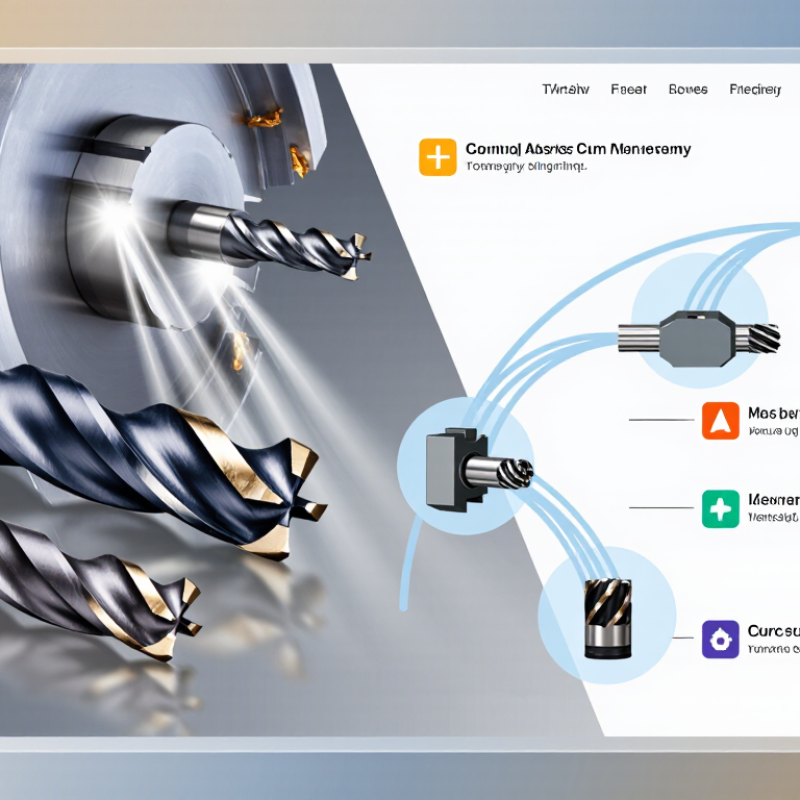
China Best End Mills How to Choose the Right Flute Count?

Understanding End Mill Flute Counts and Their Cutting Functions

China Best End Mills: How to Choose the Right Flute Count?

End mill flute count controls chip space, cutting smoothness, and material removal.

Two-flute cutters leave larger channels for chips. They suit aluminum, plastics, and shallow pockets. Fewer flutes cut cooler.

Three-flute designs balance chip clearance and edge strength. They often perform well in aluminum when machines require higher feed rates.

Four-flute end mills provide stronger tooth support and smoother finishes. They are commonly used for steel, stainless steel, and general milling.

However, four flutes can trap chips in soft aluminum without enough coolant or air. That mistake causes rubbing, heat, and poor surface quality.

More flutes do not automatically mean better performance. The workpiece decides.

Five or more flutes increase rigidity and support faster finishing passes. They work best in harder materials, stable machines, and controlled cutting conditions.

Before selecting an end mill made in China, check flute geometry, coating suitability, tool diameter, and manufacturing tolerance.

I have seen a high-quality cutter fail because the feed rate was too low. Cutting data must match the flute count and material.

Machine rigidity matters too. A flexible setup may need fewer flutes and lighter engagement.

Test cuts remain valuable, especially when material batches vary.

Comparing Two-, Three-, Four-, and Multi-Flute End Mills

China Best End Mills: How to Choose the Right Flute Count?

Comparing Two-, Three-, Four-, and Multi-Flute End Mills

Two-flute end mills leave more space for chips to escape. This makes them practical for aluminum, plastics, and deep slotting. In a shop test, I found that packed chips quickly damaged a sharp edge. A higher helix can improve evacuation, but it cannot fix poor cutting parameters. Keep the flute count low when the slot is narrow and chip volume is high.

Three-flute tools offer a useful middle ground. They provide better productivity than two-flute cutters while retaining reasonable chip clearance. I often use them for aluminum profiling when the machine handles moderate feed rates. However, “balanced” does not mean universal. Thin walls may still vibrate, especially with long tool stick-out.

Four-flute end mills suit steel, stainless steel, and general side milling. More flutes increase tooth engagement and can produce a smoother finish. They require careful chip-load calculations because each flute removes less material per revolution. Multi-flute designs work well for high-speed finishing and shallow radial cuts. They are less forgiving in deep slots. Coolant, tool rigidity, workholding, and cutter diameter matter as much as flute count. I once selected a four-flute cutter for a deep aluminum pocket and regretted it. The tool survived, but chip evacuation became unnecessarily difficult. Test cuts remain valuable, even when the catalog recommendation looks convincing.

Matching Flute Count to Material and Machining Operation

China Best End Mills: How to Choose the Right Flute Count?

Flute count should match both the material and the machining operation. Aluminum often performs well with two or three flutes. The wider gullets remove soft, stringy chips quickly. For steel, four flutes usually provide better rigidity and smoother side milling. Hardened materials may benefit from five or six flutes during light finishing passes. However, more flutes do not always mean better results.

Slotting needs generous chip space, especially in deep pockets. A two-flute cutter can reduce chip recutting and sudden heat buildup. Profiling and finishing often favor three to six flutes. I have seen four-flute tools produce poor aluminum surfaces when chips became trapped. The cutting sound changed first. The surface marks followed. Tool diameter, axial depth, spindle speed, and coolant can change the correct choice.

Tips: Check the chip color and shape after a short test cut. Bright, clean chips usually indicate stable cutting. A squealing sound may signal rubbing or excessive speed. Reduce flute count for difficult chip evacuation. Yet this rule is imperfect. Thin walls, interrupted cuts, and weak workholding may require a more conservative toolpath. Record the feed, speed, and surface result before changing several variables at once.

Choosing Flute Count for Speed, Feed, and Chip Evacuation

China Best End Mills: How to Choose the Right Flute Count?

Choosing flute count requires balancing cutting speed, feed rate, and chip evacuation. Feed rate follows a simple relationship: spindle speed multiplied by flute count and chip load. More flutes can increase feed while maintaining the same chip load. However, extra flutes reduce the space available for chips. That matters during deep slots, pockets, and sticky materials.

For aluminum, two or three flutes often provide larger chip gullets and smoother evacuation. I prefer three flutes when the setup needs better rigidity without losing too much chip space. Steel commonly benefits from four or five flutes, especially during side milling and finishing. Harder materials may use more flutes, but only when the machine can maintain stable cutting conditions. Do not choose by flute count alone.

Watch the chips.

A useful test is to compare chip shape, sound, and cutting temperature after a short pass. Long, welded chips suggest poor evacuation or an incorrect chip load. A sharp, clean chip usually indicates healthier cutting. I once increased flute count to raise feed, but the pocket became hot because coolant could not reach the cutting zone. The calculation looked correct; the machining result did not. Tool diameter, helix angle, workholding, and machine power can change the decision. In slotting, fewer flutes are often safer. In light finishing passes, more flutes may improve surface quality and productivity. Test conservatively, then adjust one variable at a time.

Evaluating China End Mill Quality, Coatings, and Tool Requirements

Choosing China end mills requires more than counting flutes. Quality depends on carbide grade, grinding accuracy, coating adhesion, and inspection control. A two-flute cutter can clear aluminum chips quickly, while four or five flutes often support smoother cutting in steel. The choice must match material, machine power, and chip evacuation needs.

Tips: Request measured runout data, not only catalog promises. Check the cutting edge under magnification. Uneven margins can create vibration marks. Ask for coating thickness, hardness data, and recommended cutting parameters. A bright coating may look impressive, but appearance alone proves little. Trial cuts remain valuable.

For hardened steel, a wear-resistant coating and rigid geometry are important. For aluminum, polished flutes and a sharper edge usually prevent built-up material. Tool diameter, stick-out, coolant method, and holder accuracy also affect results.

Even a well-made end mill can fail with excessive overhang or unstable clamping. In shop trials, small changes in feed rate sometimes improved tool life more than changing flute count. That result can be inconvenient. It also deserves attention.

Suppliers should provide inspection records for diameter, runout, edge preparation, and coating consistency. Batch traceability adds confidence when production repeats. Independent testing is useful for demanding work, especially when surface finish and dimensional accuracy matter. A sensible evaluation compares actual cutting performance, not just price or packaging.

FAQS

How does flute count affect end mill performance?

Flute count controls chip space, cutting smoothness, and edge strength. Fewer flutes leave wider channels for chip removal. More flutes usually support smoother finishing.

Which flute count suits aluminum?

Two or three flutes often work well for aluminum. Their wider gullets help remove chips from slots and pockets. Three flutes add useful rigidity.

Why can four flutes cause problems in aluminum?

Four flutes leave less chip space. Chips may become trapped without enough air or coolant. Heat, rubbing, and poor surface quality can follow.

What flute count is common for steel?

Four or five flutes often suit steel and stainless steel. They provide stronger tooth support and smoother side-milling finishes. Machine stability still matters.

Are more flutes always better?

No. More flutes can raise feed rates, but they reduce chip space. A flexible setup may perform better with fewer flutes.

How should feed rate relate to flute count?

Feed rate equals spindle speed multiplied by flute count and chip load. More flutes can increase feed while preserving chip load. The calculation is only a starting point.

What chip signs show healthy cutting?

Short, clean chips usually suggest suitable cutting conditions. Long, welded chips may indicate poor evacuation or incorrect chip load. Watch the chips.

What should be checked when evaluating an end mill?

Check carbide quality, grinding accuracy, coating adhesion, runout, and edge consistency. Ask for measured inspection data. Packaging proves very little.

How do machine conditions change flute selection?

Tool diameter, overhang, holder accuracy, coolant access, and machine power all influence the choice. Excessive stick-out can ruin a good cutter.

Should trial cuts be used before production?

Yes. Use a short, conservative pass and inspect chips, sound, heat, and surface marks. Change one cutting variable at a time. I sometimes underestimate setup effects.

Conclusion

Choosing the correct end mill flute count is essential for achieving efficient cutting, good surface quality, and stable tool life. This guide explains how flute geometry influences chip formation, cutting force, rigidity, and material removal. Two-flute end mills provide generous chip space and are suitable for softer materials and deep slotting, while three-flute tools offer a balance between chip evacuation and productivity. Four-flute and multi-flute end mills provide greater rigidity and higher feed potential, making them useful for harder materials, side milling, and finishing operations.

To understand how to choose the right end mill flute count, machinists should consider the workpiece material, machining operation, spindle speed, feed rate, cutting depth, and chip evacuation requirements. Softer materials often need fewer flutes, while harder materials may benefit from more flutes and increased tool strength. When evaluating China end mills, also check dimensional accuracy, carbide quality, coating performance, edge preparation, and compatibility with the machine and application. A properly matched flute count can improve productivity, reduce tool wear, and deliver more consistent machining results.

Amelia

Amelia

Amelia is a seasoned marketing professional with a wealth of expertise in our company’s core offerings. With an unwavering passion for driving growth and innovation, she plays a pivotal role in shaping our marketing strategies and enhancing brand visibility. A key aspect of her responsibilities......