How to Drill Deep Holes in Titanium Without Breaking the Bit?

Time:2026-06-22 Author:Isabella
0%

Drilling deep holes in titanium presents unique challenges. It requires precision, the right tools, and expertise. Renowned metallurgist Dr. Emily Carter emphasizes, "To master how to drill a deep hole in titanium without breaking the bit, understanding material properties is essential."

Titanium, known for its strength and light weight, can quickly wear down or break drill bits. This is especially true when the techniques are not adapted to its characteristics. When drilling, the right speed and feed are crucial. Using the wrong parameters may lead to failure and wasted materials.

Many professionals struggle with this task. They often overlook key practices that could prolong bit life. A common mistake is not cooling the bit adequately. This oversight can cause overheating and bit breakage. It’s essential to balance pressure with speed. This requires a bit of trial and error. Addressing these factors will improve outcomes in achieving deep holes in titanium without damaging your equipment.
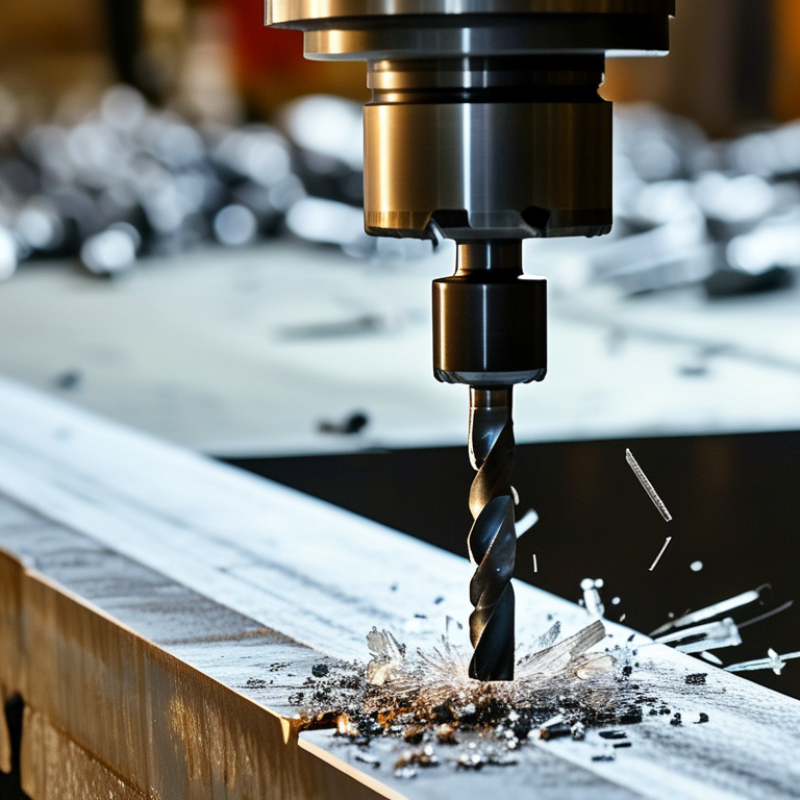
How to Drill Deep Holes in Titanium Without Breaking the Bit?

Understanding the Properties of Titanium and Its Challenges in Drilling

Drilling deep holes in titanium presents unique challenges due to its properties. Titanium is strong, lightweight, and has excellent corrosion resistance. However, its hardness can lead to rapid wear on drill bits. According to industry reports, the cutting force required to machine titanium is significantly higher than that of other metals. This can cause bits to overheat and break if not managed properly.

Tool selection is crucial when dealing with titanium. High-speed steel or carbide bits are often recommended for this material. The speed of the drill should be optimized; too fast can lead to bit failure, while too slow may not effectively remove material. Keep in mind that drilling in titanium often generates excessive heat, so proper cooling is vital. Employing a coolant or lubricant helps dissipate heat, enhancing bit longevity.

Tips: Use a lower feed rate to minimize friction. This will help extend the life of your drill bits. Regularly inspect and replace worn bits to maintain precision. Lastly, ensure your drilling setup is stable to reduce vibrations, which can also lead to bit breakage. Each variable plays a role in achieving successful drilling in titanium.

How to Drill Deep Holes in Titanium Without Breaking the Bit? - Understanding the Properties of Titanium and Its Challenges in Drilling

Property Value Challenge in Drilling
Density 4.51 g/cm³ Material removal rate is lower than steel.
Tensile Strength 240-800 MPa High strength can lead to bit breakage.
Thermal Conductivity 21.9 W/m·K Heat generated can damage bits.
Young's Modulus 110-120 GPa Rigid structure can resist drilling forces.
Hardness 170-250 HV Higher hardness leads to rapid tool wear.
Machinability Rating 20% (compared to aluminum) Difficult to machine without proper tools.

Selecting the Right Drill Bit Material and Coatings for Titanium

Drilling deep holes in titanium requires careful consideration of drill bit materials and coatings. Titanium is known for its strength and toughness, which poses unique challenges. Studies show that improper tooling can lead to early bit failure, with up to 30% of bits breaking during deep-hole drilling.

Selecting the right drill bit material is crucial. High-speed steel (HSS) and carbide options are commonly used. HSS bits perform well at lower speeds but may struggle with heat build-up. Carbide bits, on the other hand, offer greater hardness and thermal stability, making them ideal for high-speed applications. A report from the Metalworking Industry shows that carbide bits can achieve a lifespan increase of up to 50% compared to HSS when used properly in titanium.

Coatings also play a significant role. Titanium nitride (TiN) and titanium aluminum nitride (TiAlN) are popular choices. These coatings reduce friction and increase hardness. They also help in reducing built-up edge, which is common when drilling titanium. However, it is important to monitor the wear level of the bits. Continuous use of a worn bit can lead to poor hole quality and increased risk of breakage. Engaging in regular maintenance and inspection is essential to ensure optimal performance.

Optimal Drilling Techniques to Prevent Bit Breakage

Drilling deep holes in titanium can be tricky. The right techniques are crucial to avoid breaking the bit. When starting, proper bit selection matters. Use a high-quality cobalt or carbide bit. These types can withstand the harshness of titanium. Keep your speed low. A drill bit that spins too fast may overheat. This can lead to rapid wear and tear.

Lubrication is essential. Apply cutting fluid to reduce friction. This helps cool the bit, prolonging its lifespan. Additionally, consider the drill angle. A perpendicular approach minimizes stress on the bit. Throughout the process, watch for signs of wear. If you're feeling excessive resistance, stop and reassess. Adjusting your technique might just save your bit from breaking.

Drilling deep holes in titanium isn't easy. A bit can break with one wrong move. Practice makes perfect, but always maintain focus. Evaluate your setup regularly. Keep learning from each attempt. It's all part of the journey.

Optimal Drilling Techniques for Titanium

This bar chart illustrates the optimal parameters for drilling titanium, including recommended speeds, feed rates, coolant usage, and bit material hardness. Following these guidelines can help prevent bit breakage during the drilling process.

Utilizing Lubricants and Coolants for Enhanced Drilling Performance

Drilling deep holes in titanium presents unique challenges. The hardness and toughness of titanium can easily dull drill bits. Utilizing lubricants and coolants is crucial for improving drilling performance. According to industry reports, proper lubrication can increase the life of the drill bit by up to 40%.

Water-soluble coolants are particularly effective for titanium. They reduce friction and temperature during drilling. A study found that using coolants can decrease the heat generated by 30%. This helps maintain the integrity of the bit. Furthermore, the choice of lubricant affects the chip removal process. Properly managing chips can prevent them from re-entering the hole, which could lead to bit damage.

Many machinists underestimate the role of cooling methods. Some use minimal lubrication, thinking it saves time. However, this often results in more frequent bit replacements. The cost of downtime can be significant. Balancing cooling and feed rates is essential. Underestimating this can impact the overall precision and quality of drilled holes. Monitoring drilling conditions regularly helps to optimize processes and improve efficiency.

Maintaining Drill Bit Sharpness and Proper Alignment During Operations

When drilling deep holes in titanium, maintaining drill bit sharpness is crucial. A sharp bit creates fewer vibrations, which reduces the risk of breaking. Regularly inspect your bits to ensure they are in top condition. If you notice signs of wear, sharpen or replace them promptly. It's easy to overlook this step, but neglecting it can lead to costly mistakes.

Proper alignment during operations is vital. Misalignment can cause excessive heat and increase friction, making it easier to break the bit. Use a reliable drill press that offers precise control. Manual drilling should be approached cautiously. A slight tilt can turn a successful operation into a disaster. Misalignment might seem minor, but it has significant consequences.

**Tips:** Always check your setup before starting. A few moments spent ensuring proper alignment can save time and resources. Additionally, coolant usage helps in reducing heat buildup. Employing a steady and controlled feed rate is key. If you encounter resistance, slow down. This approach can prevent the drill from overheating.

FAQS

: What challenges are faced when drilling titanium?

: Titanium is strong and tough, leading to rapid drill bit wear. It requires high cutting forces, risking bit overheating.

Why is tool selection important for drilling titanium?

Proper tool selection can prevent early bit failure. High-speed steel and carbide are preferred for their properties.

How does drill speed impact titanium drilling?

A faster drill speed can lead to bit failure. Conversely, a slow speed might not efficiently remove material.

What role do lubricants and coolants play?

They significantly enhance drilling performance. Proper lubrication can increase drill bit life by up to 40%.

How do coatings help drill bits?

Coatings like titanium nitride reduce friction and increase hardness. They also lower the chances of built-up edges.

What are common mistakes machinists make?

Underestimating lubrication needs can cause more frequent bit replacements. This leads to increased costs and downtime.

How often should drill bits be inspected?

Regular inspections are essential. Worn bits can compromise hole quality and increase the risk of breakage.

What is the effect of cooling methods on drilling?

Effective cooling can decrease heat generation by 30%. It maintains the bit's integrity and improves drilling precision.

Why is a stable drilling setup necessary?

A stable setup reduces vibrations. This allows for more precise drilling and less chance of bit breakage.

What impact do feed rates have?

Using a lower feed rate minimizes friction. This approach can extend the lifespan of drill bits significantly.

Conclusion

Drilling deep holes in titanium presents unique challenges due to the material's strength and low thermal conductivity. Understanding these properties is crucial for successfully achieving your goal. When learning how to drill a deep hole in titanium without breaking the bit, selecting the right drill bit material and coatings is essential. High-speed steel or carbide bits with appropriate coatings can enhance durability and reduce wear during drilling.

Adopting optimal drilling techniques, such as a slow feed rate and appropriate speed settings, helps prevent bit breakage. Additionally, utilizing lubricants and coolants during the drilling process can significantly improve performance and extend tool life. Lastly, maintaining drill bit sharpness and ensuring proper alignment during operations will further enhance the drilling process, ensuring successful results with minimal risk of damage.

Isabella

Isabella

Isabella is a dedicated marketing professional with a sharp focus on driving brand growth and engagement through strategic content creation. With an extensive background in digital marketing, she combines her passion for storytelling with her keen understanding of industry trends to deliver......