Top 10 Ways to Identify Tool Wear on Diamond Coated Cutters?

Time:2026-06-29 Author:Liam
0%

Understanding how to identify tool wear on diamond coated cutters is crucial for optimizing their performance. Diamond coated cutters are favored in various industries for their durability and efficiency. However, like all tools, they undergo wear over time, impacting precision and quality.

Identifying wear early can prevent costly errors and enhance productivity. Users often overlook subtle signs of wear. This can lead to unexpected downtime and increased operational costs. Regular monitoring not only extends tool life but also ensures consistent results in machining applications.

In this overview, we will explore the top 10 ways to spot wear on diamond coated cutters. Each method will highlight practical steps and real-world applications. By addressing these aspects, we aim to foster better tool management and maintenance practices. Understanding these indicators is vital for both seasoned professionals and newcomers alike.
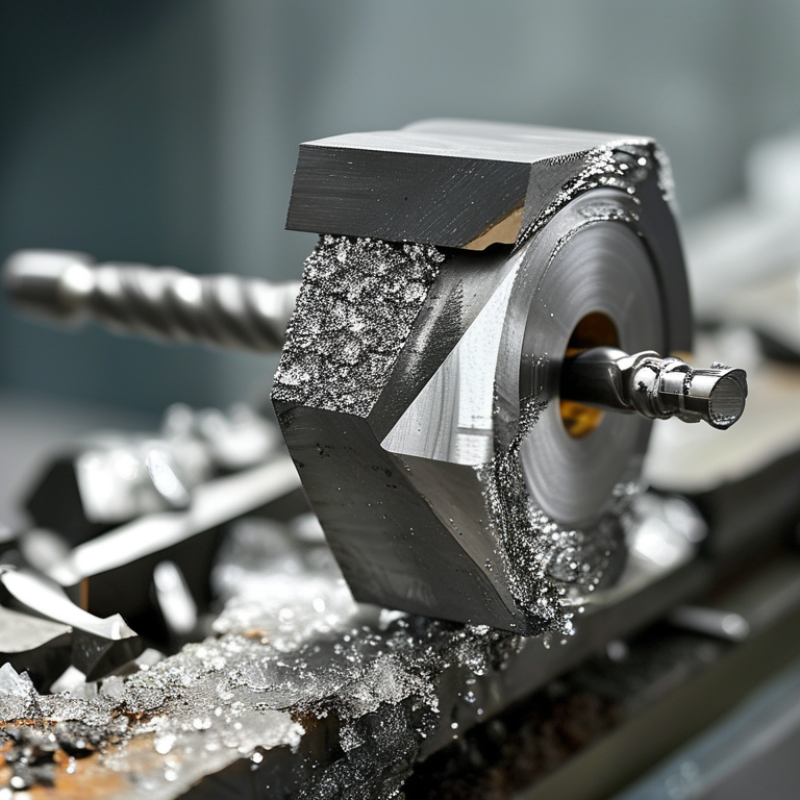
Top 10 Ways to Identify Tool Wear on Diamond Coated Cutters?

Methods for Visual Inspection of Diamond Coated Cutters

When inspecting diamond-coated cutters, visual inspection plays a critical role in identifying tool wear. Experienced operators can spot signs of wear through detailed observation. Look for changes in the cutter's surface texture. A worn cutter may appear dull or show micro-chipping. These features indicate that the cutting performance is deteriorating.

Another useful method involves examining the chip formation on machined workpieces. Inconsistent chip size and shape can signal that the cutter is losing its effectiveness. Also, be aware of any changes in cutting sound. A noticeable shift in sound can suggest that the tool is no longer performing optimally.

It's important to remain vigilant during inspections. Sometimes, subtle signs can be overlooked. A small fracture on the diamond surface might not be immediately apparent. Relying solely on visual cues may not always provide a complete picture. Regular inspections should become part of your routine to ensure optimal performance. Taking a proactive approach can prevent unexpected failures and costly downtime.

Top 10 Ways to Identify Tool Wear on Diamond Coated Cutters

Method Description Indicators of Wear Frequency of Inspection
Visual Inspection Observe the cutter's surface for any signs of damage or wear. Nicks, discoloration, or surface roughness. Regularly before and after use.
Microscopic Examination Use a microscope to detect fine wear and damage. Micro-cracks and erosion. Monthly.
Measurement of Cutting Edge Measure the geometry of the cutting edge to assess wear. Changes in angles and dimensions. After a specific number of cuts.
Performance Monitoring Monitor the tool's performance over time. Increased cutting forces and reduced quality of cut. Continuous.
Heat Generation Check Check the temperature of the cutter during operation. Excessive heat indicates wear. Whenever in operation.
Sound Inspection Listen for abnormal sounds during cutting. Unusual grinding or chattering noises. During cutting.
Cutting Fluid Analysis Analyze cutting fluids for wear particles. Metal shavings or black particles in fluid. Periodic checks.
Surface Roughness Testing Measure the surface finish of the material cut. Rougher surfaces than expected. After substantial cutting sessions.
Edge Chip Inspection Check for chips or breaks on the cutter edges. Visible chips or missing pieces. Every use.
Vibration Measurement Assess vibration levels during operation. Increased vibration can indicate an issue. Whenever in operation.

Techniques for Measuring Tool Geometry Changes

Accurate measurement of tool geometry changes is crucial for identifying wear on diamond-coated cutters. Studies indicate that worn tools can lead to increased machining time and reduced part accuracy. Regular monitoring helps prevent production delays and material wastage. Techniques such as optical microscopy and scanning electron microscopy can provide detailed insights into surface conditions. These methods allow for the identification of wear patterns, leading to better predictive maintenance.

Tips: Use a microscope regularly to trace wear rates. Consider integrating automated image analysis for efficiency.

Another effective technique involves laser scanning for geometric changes. This non-contact method delivers precise data. It can highlight even minor deviations in tool geometry. Data from industry reports show that consistent geometric checks can reduce tool replacement costs by up to 30%. Understanding how diamond coatings degrade over time is essential. Each tool will exhibit unique wear characteristics based on materials and conditions.

Tips: Collect wear data comprehensively. Create a database to track tool performance over time.

Top 10 Ways to Identify Tool Wear on Diamond Coated Cutters

This chart displays the effectiveness of various techniques used to identify tool wear on diamond coated cutters. The effectiveness is measured on a scale of 1 to 10, with higher values indicating more reliable methods.

Analyzing Surface Finish Quality for Wear Detection

Analyzing surface finish quality is crucial for detecting wear on diamond-coated cutters. Recent studies indicate that subtle changes in surface texture can signal significant tool degradation. A report from the International Journal of Advances in Manufacturing Technology highlighted that roughness parameters, such as Ra and Rz, are reliable indicators of wear. An increase in these values often correlates with loss of cutting efficiency.

Inspecting surface finish using optical measurement techniques can enhance wear detection. High-resolution microscopy can reveal micro-level wear patterns before they impact production. For instance, a typical diamond-coated cutter may show a 20% increase in Ra values within the first 100 cutting hours. This data reflects the wear mechanisms at play, necessitating regular analysis to maintain optimal performance.

However, not all surface finish variations are straightforward. Some alterations might be influenced by machining variables rather than tool wear. For example, changes in feed rates or material properties could affect surface roughness independently of cutter condition. Thus, it is essential to take a holistic view of the data, combining surface analysis with operational feedback to accurately assess tool wear.

Utilizing Acoustic Emission Monitoring for Wear Assessment

Acoustic emission monitoring is an effective method for assessing wear on diamond-coated cutters. This technique detects high-frequency sound waves produced by material deformation. When a tool wears, it emits specific acoustic signals. Analyzing these sounds helps identify the wear state of the cutter.

The beauty of this approach lies in its non-destructive nature. Unlike traditional wear measurement techniques, it doesn’t interfere with the cutting process. Operators can observe tool wear in real-time. However, interpreting the acoustic signals requires expertise. Not every sound correlates with damage. Some may result from normal operations, leading to potential confusion.

Implementing this method will require an understanding of its limitations. The sensitivity of acoustic emission systems can vary. Misinterpretation of data may result in unnecessary tool changes. There’s always room for improvement in refining the data analysis process. Embracing new technologies can enhance wear assessment methods. Continuous monitoring and adjustment are essential for achieving reliable results.

Implementing Tool Life Prediction Models for Diamond Cutters

Implementing tool life prediction models for diamond-coated cutters can significantly enhance productivity and reduce costs. These advanced models utilize data from various sources, including cutting speed, feed rates, and material properties. The aim is to forecast when tool wear will reach critical levels. By accurately predicting tool life, operators can schedule maintenance effectively and avoid unexpected downtime.

Utilizing models involves analyzing historical wear data. These insights help in understanding how different factors influence tool longevity. Regularly updating data is crucial for improving prediction accuracy. However, there can be challenges such as variations in material hardness or environmental conditions. These discrepancies may lead to unexpected wear patterns that models might not predict accurately.

Regular monitoring of cutting conditions and adjusting parameters is essential. Operators should remain attentive to the signs of wear during machining. Although prediction models provide guidance, real-world conditions often differ. Thus, a blend of technology and hands-on experience proves most effective. Adapting the model based on practical observations can lead to better results.

FAQS

: Why is measuring tool geometry changes important?

: Measuring tool geometry changes helps identify wear on diamond-coated cutters. It prevents increased machining time and reduces part accuracy.

What are some methods for monitoring wear on tools?

Optical microscopy and scanning electron microscopy are effective for detailed surface condition insights. They help identify wear patterns.

How can laser scanning benefit tool measurement?

Laser scanning is a non-contact method that provides precise data. It can detect even minor geometric deviations in tools.

What can consistent geometric checks achieve?

Consistent checks may reduce tool replacement costs by up to 30%. It also helps in maintaining tool efficiency.

What role do tool life prediction models play?

Tool life prediction models enhance productivity. They forecast critical wear levels to schedule maintenance, avoiding unexpected downtime.

How should operators handle prediction model limitations?

Operators need to monitor cutting conditions regularly. Adjustments based on real observations can address unexpected wear patterns.

What data is crucial for prediction accuracy?

Historical wear data alongside cutting speed, feed rates, and material properties is crucial. Regularly updating this data is important.

What challenges may arise when using prediction models?

Variations in material hardness and environmental conditions can lead to unexpected wear. These discrepancies may affect prediction accuracy.

What is a practical tip for monitoring tool wear?

Use a microscope regularly to trace wear rates. Automated image analysis can enhance efficiency and help in decision-making.

How should wear characteristics be documented?

Collect wear data comprehensively and create a database. Tracking tool performance over time leads to better maintenance strategies.

Conclusion

Identifying tool wear on diamond coated cutters is crucial for maintaining efficiency and ensuring high-quality machining processes. This article presents multiple methods to effectively recognize wear, starting with visual inspection techniques that reveal surface damage or irregularities. Additionally, measuring changes in tool geometry offers insights into wear progression, while surface finish analysis helps evaluate the quality of machined components as an indicator of cutter condition.

Advanced approaches include utilizing acoustic emission monitoring, which provides real-time data on tool performance and wear patterns. Implementing tool life prediction models enables operators to forecast cutter lifespan based on wear metrics and usage conditions. Collectively, these methods not only enhance the ability to identify tool wear on diamond coated cutters but also facilitate better decision-making regarding maintenance and replacement.

Liam

Liam

Liam is a dedicated marketing professional with a profound expertise in the industry, where he excels at highlighting the unique advantages of our core products. With a keen understanding of market trends and consumer needs, Liam frequently updates our company’s professional blog, providing......