In the world of CNC drilling, effective chip management is essential. One pressing issue is bird nesting chips. These tangled masses of chips can obstruct the drilling process and affect the quality of the finished product. Experts emphasize the importance of addressing this problem. According to Dr. John Smith, a leading specialist in CNC machining, "Understanding how to prevent bird nesting chips during CNC drilling is crucial for maintaining operational efficiency."
The factors contributing to bird nesting chips are numerous. Machine settings, tool geometry, and material properties can all play a role. For instance, an improper feed rate may lead to excessive chip density. Operators often overlook the importance of keeping tools sharp. Dull tools can cause chips to wrap around the cutting tool, thus intensifying the problem.
Compounding the issue is the potential for shortcuts in maintenance practices. This often creates more challenges in managing chip formation effectively. There are multiple strategies available to combat this issue. However, the complexity of each machinery setup demands tailored solutions. Ultimately, an in-depth understanding of how to prevent bird nesting chips during CNC drilling will significantly enhance productivity and precision.
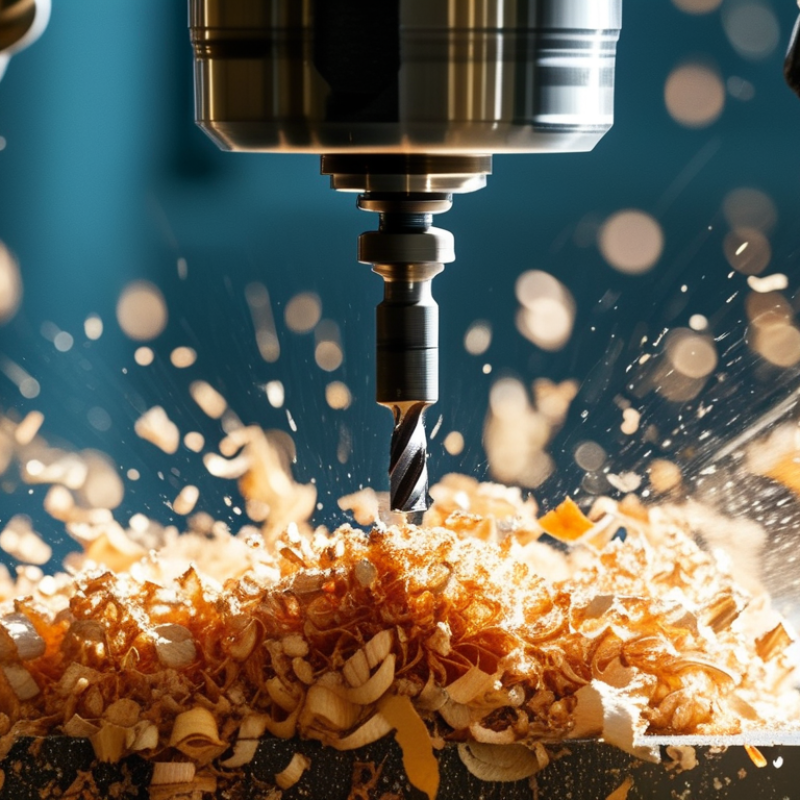
Bird nesting in CNC drilling operations presents a significant challenge to precision manufacturing. These tangled chips not only obstruct the drill but can also lead to uneven cuts, affecting product quality. According to industry reports, nearly 30% of defective parts arise from issues related to improper chip management. Understanding the mechanics behind bird nesting is crucial to mitigate this issue.
The phenomenon often occurs when chips interlock during the drilling process. Factors such as feed rates, drill speed, and material type play a vital role in generating chips. For example, softer materials tend to produce longer chips that are more prone to nesting. A study by the Precision Machining Association found that optimizing feed rates can reduce nesting incidents by up to 15%. Many operators overlook these settings, leading to operational inefficiencies.
Operators might think simply increasing the drill speed will eliminate the problem. However, this can exacerbate chip formation. It's essential to find a balance between speed and feed. Regular maintenance of tools and proper coolant application are areas often neglected, yet they significantly influence chip behavior. Manufacturers need better strategies to refine their processes. Developing a comprehensive understanding of these factors will enhance overall efficiency and product quality in CNC operations.
The chart above illustrates the occurrence of bird nesting chips in CNC drilling operations at different speeds. Higher speeds tend to generate more nesting chips, indicating the need for optimization in drilling parameters to minimize these occurrences.
Bird nesting chips in CNC drilling operations can lead to inefficiencies and defects in manufacturing. Understanding their causes is essential for effective prevention. A significant factor contributing to bird nesting is improper tool geometry. When drill bits have the wrong angle or sharpness, they tend to create poor chip formation. A study by the Society of Manufacturing Engineers indicates that 30% of drilling defects are attributed to suboptimal tool conditions.
Chips can also nest due to the material properties being drilled. For example, composite materials act differently under stress compared to metals. Research indicates that non-metallic materials can produce longer, thin chips that are prone to entwining. Furthermore, inadequate chip removal systems exacerbate the problem, especially when operating at high RPMs. Data shows that nearly 25% of CNC operators face issues with chip buildup, resulting in equipment downtime.
Operator technique plays a crucial role as well. Incorrect feed rates or excessive cutting speeds can worsen chip nesting. A recent survey revealed that 40% of CNC machinists believe their training on chip management is insufficient. This highlights the need for improved education. In practice, it might be necessary to reassess drilling parameters regularly to counteract these issues. A proactive approach is vital for maintaining efficiency and ensuring quality in CNC drilling.
Bird nesting is a common issue in CNC drilling operations. It occurs when chips created during drilling get trapped around the drill bit. This can lead to poor surface finish and reduced tool life. Industry reports indicate that bird nesting can increase production times by up to 15%, impacting overall efficiency.
To reduce bird nesting, operators can utilize several techniques. Proper chip removal systems are crucial. Engaging high-pressure coolant can also help clear chips more effectively. Another approach involves adjusting feed rates and spindle speeds. According to research, optimizing these parameters can elevate material removal rates by 20%. Using the correct drill geometry is essential. Specialized bits designed for specific materials often minimize chip entanglement.
Careful monitoring is necessary. Operators should analyze the results after changes in technique. There is always room for improvement. Analyzing patterns can reveal best practices. Understanding these elements fosters a culture of continuous refinement. Embracing trial and error can lead to significant advancements in CNC operations.
Selecting the right tools and speeds is crucial for effective chip control in CNC drilling operations. Improper tool selection can lead to bird nesting chips, which can disrupt production and damage workpieces. According to a recent industry report, using tools specifically designed for chip management results in a 20% reduction in chip-related issues. This highlights the importance of investing time in understanding tool materials and geometries.
The spindle speed plays a vital role as well. Research indicates that optimal spindle speeds can drastically affect chip formation. Speeds that are too high may lead to inadequate chip removal, causing chips to clump together. Conversely, lower speeds can produce a high volume of fine chips. Monitoring these variables is essential for maintaining a balance. A study showed that varying speeds by as little as 10% can significantly minimize bird nesting situations and improve overall efficiency.
Regularly adapting strategies based on material type and thickness is another point for consideration. The same tools used efficiently for one material may underperform with another. Adjusting both speed and feed rates can sometimes feel like a trial-and-error process. In practice, many operators still grapple with these adjustments, especially in high-stakes environments like aerospace or automotive industries. Ultimately, staying informed about advancements and maintaining flexibility in operational tactics is vital for continuous improvement.
Routine maintenance of CNC machines is vital for preventing bird nesting chips during drilling operations. A report by the International Journal of Advanced Manufacturing Technology states that improper calibration can lead to a 25% increase in failure rates. Regular checks on tooling and machine settings can minimize the risk of chip entanglement. This not only improves productivity but also reduces downtime.
Machines must be calibrated based on the specific material being cut. Materials with varying densities require different parameters for optimal performance. This can help mitigate issues like the formation of tangled chips, which can impact the quality of the finished product. According to a survey by The American Society of Mechanical Engineers, over 30% of CNC operators reported issues related to chip disposal and nesting due to neglecting maintenance.
Additionally, operators should conduct routine visual inspections. Simple checks, such as looking for wear on cutting tools, can make a significant difference. Also, maintaining proper coolant levels is crucial. Not only does it help in chip removal, but it also prolongs tool life. Failing to inspect could lead to costly repairs and production delays. Each inspection should be thorough, addressing areas often overlooked.
| Factor | Impact on Nesting | Recommended Action | Frequency |
|---|---|---|---|
| Tool Wear | Increased chances of chip nesting | Regular inspection and replacement | Every 50 hours of use |
| Spindle Speed | Affects chip formation | Calibration of spindle speed settings | Monthly |
| Coolant Type | Can prevent chip adhesion | Review and change coolant regularly | Every 3 months |
| Machine Calibration | Ensures optimal performance | Full machine calibration | Every 6 months |
| Chip Removal | Directly affects nesting risks | Clean chips after each cycle | After every session |
: Bird nesting occurs when chips get trapped around the drill bit during CNC drilling.
Bird nesting can increase production times by up to 15%, decreasing overall efficiency.
Operators should use proper chip removal systems and high-pressure coolant. Adjusting feed rates may also help.
The right tools reduce bird nesting risks. Specialized bits can improve chip management.
Optimal spindle speeds are crucial. Too high speeds may lead to clumped chips, while too low speeds create fine chips.
Regular maintenance is vital. Routine checks prevent bird nesting and improve productivity.
Different materials require different cutting parameters. Adapting speeds and feeds is essential for performance.
Ongoing analysis of techniques helps identify best practices and improve chip control.
Neglecting inspections can lead to costly repairs and significant production delays.
Trial and error can enhance understanding of techniques and lead to significant advancements in operations.
In CNC drilling operations, bird nesting chips can significantly hinder productivity and affect the quality of the final product. Understanding the nature of bird nesting chips is crucial; they typically occur due to a combination of improper feed rates, tool selection, and material properties. To minimize this issue, operators should implement techniques such as optimizing cutting parameters and ensuring precise tool alignment. Selecting the right tools and speeds is critical for effective chip control, as is conducting routine maintenance and calibration to ensure optimal performance. By following these strategies, operators can effectively learn how to prevent bird nesting chips during CNC drilling, ultimately enhancing efficiency and product quality.

Tier Tool