When working with thread mills, achieving a smooth surface finish is crucial. If you're wondering, "why am I getting poor surface finish with my thread mill?", you are not alone. Many machinists face similar challenges. Understanding the reasons behind poor surface quality can significantly improve your results.
Several factors can contribute to this issue. Tool wear, incorrect speeds, and feed rates often lead to unsatisfactory finishes. For instance, a dull cutting edge can create uneven surfaces. Additionally, improper alignment of the workpiece may cause vibrations, further compromising the finish.
Reflecting on these aspects can be beneficial. Regularly inspecting your tools and carefully adjusting parameters can enhance the quality of the finished product. It's essential to know that even small errors can lead to significant quality issues. By addressing these concerns proactively, you can work towards achieving better results with your thread mill.
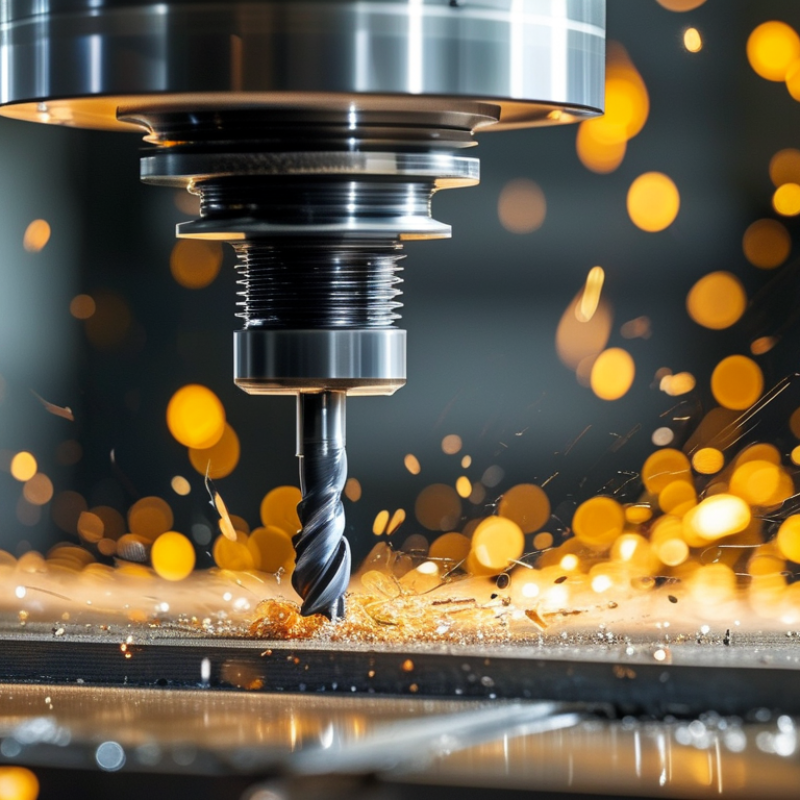
When it comes to thread milling, achieving a smooth surface finish is crucial. Poor surface finish can stem from several factors. One common issue is tool wear. Dull tools can leave rough edges and uneven surfaces. Regularly inspect and replace tools to maintain quality.
Another factor is cutting parameters. Incorrect feed rates can lead to chattering, resulting in a rough surface. Adjusting the spindle speed and feed rate according to material type helps in fine-tuning the result. Additionally, inadequate coolant flow can elevate temperatures, affecting the finish. Ensure proper coolant application to manage heat and improve surface quality.
Finally, the workpiece setup can influence the finish. An unstable workpiece may vibrate, causing undesired patterns and marks. Securely clamping the part ensures better precision. It’s essential to reflect on these aspects regularly to prevent reoccurring issues. The journey to a superior surface finish requires ongoing attention and adjustments.
Choosing the right tool for thread milling can significantly affect surface quality. A common mistake is using a tool that is not suitable for the material being machined. For example, a tool with insufficient cutting edge geometry might cause a rough surface finish. This geometry needs to be tailored to both the material and the thread specifications.
Tool wear is another critical factor. As tools wear down, their ability to produce a smooth finish diminishes. Regular monitoring of tool condition is essential. Using worn tools can lead to inconsistent results and require frequent rework, which adds costs.
Understanding the cutting speed and feed rate also plays a role. If these parameters are not optimal, the surface may appear uneven. Sometimes, operators may overlook the coolant type and flow rate, which can further exacerbate surface finish issues. A holistic approach is vital for achieving better results in thread milling.
When it comes to thread milling, cutting parameters play a pivotal role in the quality of the surface finish. Speed, feed rate, and depth of cut are critical variables. According to the SME (Society of Manufacturing Engineers), optimizing these parameters can enhance the surface finish by up to 40%. However, many machinists overlook these settings, leading to subpar results.
The feed rate, for example, should be adjusted according to material type and tooling conditions. A slower feed rate often results in a finer finish but can increase cutting time. Meanwhile, a deeper cut may remove more material but can lead to tool chatter. Inadequate adjustments can harm tool life and surface quality, as noted in studies by the American Society of Mechanical Engineers.
Tool wear is another element that must be monitored closely. A worn tool contributes to dimensional inaccuracies and surface defects. Regularly inspecting and replacing tools based on usage data can prevent these issues but is frequently neglected due to time constraints. Balancing these parameters demands both skill and experience, and missteps can lead to costly errors and poor finishes.
When evaluating the surface finish of workpieces produced by a thread mill, material choice is critical. Different materials react uniquely to cutting conditions, impacting the final finish. For example, softer materials like aluminum often yield smoother finishes, while harder materials such as titanium can lead to a rougher surface due to wear and tool chatter. According to industry reports, a significant percentage of surface imperfections can be traced back to the material's properties rather than tooling issues.
Tips: Select the workpiece material with finishing in mind. Consider machining soft materials where possible, especially for intricate designs.
Tool wear is another factor influenced by workpiece material. Harder materials tend to dull tools quickly, affecting surface quality. Keeping an eye on tool conditions can prevent unexpected surface finishes. Moreover, the surface integrity can be compromised if the workpiece material is not adequately prepared. Ensure materials are free from contaminants to avoid adding to imperfections.
Tips: Regularly inspect tooling and replace worn tools to maintain finish standards. A routine maintenance schedule can improve output consistency.
This chart illustrates the surface finish quality (measured in Ra, µm) for various workpiece materials commonly used in thread milling. Aluminum shows the best surface finish, while titanium displays the roughest surface finish among the materials tested.
Thread mills require specific attention to maintenance and setup for optimal performance. A well-maintained tool can prevent production of poor surface finishes. Regular cleaning is crucial. Debris build-up can affect performance significantly. Ensure that the cutting edges are free from chips and buildup after each use.
Setup procedures must also be precise. Verify that the machine is calibrated correctly. Misalignments can lead to inconsistent thread quality. Use proper feeds and speeds based on the material being machined. Overheating can blunt cutting edges quickly, worsening surface finish.
Consider the tool's geometry as well. Each thread mill design serves a specific purpose. Make sure you are using the right tool for your material and thread requirements. Fine-tuning the depth of cut and adjusting the coolant flow can enhance surface quality. Reflect on these practices regularly to ensure continuous improvement in your machining process.
| Aspect | Description | Best Practice |
|---|---|---|
| Tool Condition | Worn or damaged cutting edges | Regularly inspect and replace tools as needed |
| Feed Rate | Improper feed rate leading to poor finishes | Optimize feed rate according to material and tool |
| Coolant Usage | Insufficient coolant can lead to overheating | Ensure proper coolant flow and selection |
| Machine Calibration | Misalignment or improper calibration | Calibrate machines regularly to maintain precision |
| Material Factors | Variability in material can affect finish | Use consistent material and check specifications |
| Setup Stability | Unstable setup can cause vibrations | Secure and stabilize the workpiece properly |
: Choosing the right tool is essential. A wrong tool can lead to a rough finish.
Worn tools produce inconsistent surfaces. Regular monitoring helps maintain quality.
Different materials react differently. Softer materials yield smoother finishes.
Uneven surfaces may occur. Proper adjustments are crucial for a smooth finish.
Ignoring coolant flow can worsen finish issues. Choosing the right type is important.
Regular cleaning is vital. Debris can affect performance and surface quality.
Misalignments lead to inconsistency. Proper calibration is essential for accuracy.
Contaminated materials cause surface imperfections. Ensure cleanliness before machining.
Each tool design has a specific purpose. Using the wrong tool can lead to problems.
Regular reflection on practices helps. Adjustments can enhance overall performance and quality.
In the quest to understand "why am I getting poor surface finish with my thread mill," it’s crucial to identify the common causes that lead to this issue. Factors such as tool selection, cutting parameters, and workpiece materials significantly influence the surface quality achieved during thread milling. Choosing the right tool is essential; inappropriate tools can lead to ineffective cutting and undesirable finishes. Additionally, cutting speed, feed rate, and depth of cut must be evaluated, as these parameters directly affect tool performance and surface results.
Furthermore, the type of material being machined plays a pivotal role in determining finish quality. Each material presents unique challenges that require specific approaches to achieve optimal results. Regular maintenance and proper setup of thread mills are also vital practices that can improve performance and reduce poor surface finishes. By addressing these elements, one can effectively enhance the quality of the surface finish produced by thread milling operations.
Tier Tool