Are you frustrated with your workout routine? Wondering, "why are my treadmill inserts wearing out so fast?" This question haunts many fitness enthusiasts. It's disheartening to invest in quality equipment only to see it degrade quicker than expected.
Several factors contribute to this issue. The intensity of your workouts matters. High mileage and frequent use can accelerate wear. Additionally, consider your body weight and running style. Heavier runners often experience faster wear on treadmill inserts. Environmental factors, like humidity and temperature, can also play a significant role.
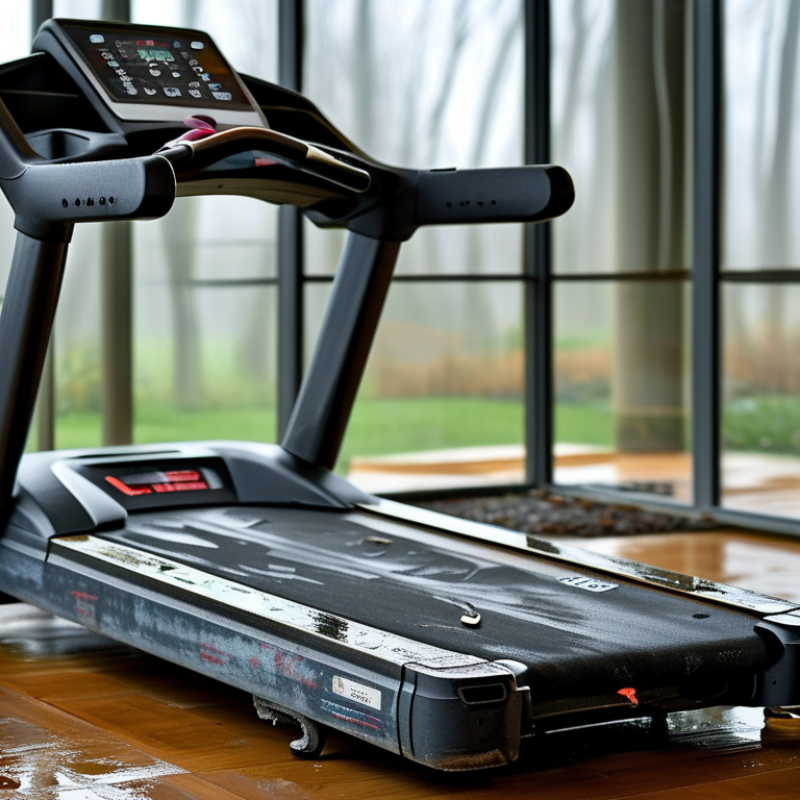
Neglecting maintenance is another critical aspect. Regular cleaning and proper storage extend equipment life. Reflecting on your treadmill's placement can reveal more. Is it near a window or in a damp basement? These factors can impact durability. Identifying these areas can help you make better choices and enjoy longer-lasting inserts.
Factors Contributing to Treadmill Insert Wear and Tear
When you notice your treadmill inserts wearing out quickly, several factors may be at play.
One significant contributor is the frequency of use.
If you’re using your treadmill daily or for extended sessions, the insert undergoes more stress.
This can lead to rapid deterioration. Your body weight also plays a role.
Heavier users exert more pressure, causing wear to progress faster.
Another factor is the environment where the treadmill is used.
High humidity or dirt accumulation can damage the surface.
Moisture can lead to mold or degradation, while dirt creates friction.
Inspecting and maintaining your treadmill regularly is essential.
This can help identify problems before they escalate.
Additionally, the type of shoes you wear while using the treadmill matters.
Shoes not designed for walking or running may have rough soles,
leading to increased wear on the insert.
Consider adjusting your footwear for better longevity. Lastly, reflect on your workout habits.
Are you pushing the limits too often?
A moderate approach could prolong the life of your treadmill inserts.
Common Materials Used in Treadmill Inserts and Their Durability
Treadmill inserts come in various materials, each with different durability levels. Common options include foam, rubber, and gel. Foam is lightweight and provides good cushioning. However, it tends to compress over time, losing support with each use. This can lead to faster wear and tear, especially for runners.
Rubber inserts offer more durability than foam. They resist wear better and maintain shape longer. However, they might lack the softness some users prefer. Gel options provide excellent shock absorption. Yet, they can be prone to punctures and tears, which may compromise their lifespan. Choosing the right material is essential for longevity.
It's also important to consider your treadmill usage. Heavier users may find their inserts wear out quickly. Regular maintenance can help extend their life. Some users overlook cleaning, which can lead to dust buildup and deterioration. Taking care of your treadmill affects insert durability significantly.
Why Are My Treadmill Inserts Wearing Out So Fast? - Common Materials Used in Treadmill Inserts and Their Durability
| Material |
Durability (Years) |
Wear Resistance |
Cost (per unit) |
| Rubber |
2-4 |
Moderate |
$20-$30 |
| Polyvinyl Chloride (PVC) |
3-5 |
Low |
$15-$25 |
| Polyurethane (PU) |
5-8 |
High |
$30-$50 |
| Nylon |
4-7 |
Moderate |
$25-$35 |
| Teflon |
8-10 |
Very High |
$50-$70 |
Impact of User Behavior on Treadmill Insert Longevity
User behavior significantly impacts the longevity of treadmill inserts. Each time you step onto the machine, your weight and movements create stress on the surface. Many users don’t realize that their running or walking style can lead to accelerated wear. For example, people who run with heavy footfalls tend to wear out their inserts faster.
Maintenance habits also play a crucial role. Users often neglect regular cleaning, which can lead to debris accumulation. This debris can create friction, causing premature wear. Additionally, not adjusting the incline or speed settings according to personal fitness levels can strain the insert, further shortening its lifespan. Addressing these behaviors could help extend the life of your treadmill.
Over time, users may develop habits that are detrimental. For instance, using improper footwear or failing to follow guidelines can increase the likelihood of damage. Being aware of how you use the treadmill can encourage better practices. Simple changes, like adjusting your running technique and maintaining a consistent cleaning routine, can positively impact your treadmill experience.
Maintenance Tips to Extend the Life of Treadmill Inserts
Treadmill inserts face significant wear if not properly maintained. Regular cleaning helps prevent dust and debris buildup, which can abrade the surface. Research from the Fitness Equipment Manufacturers Association (FEMA) shows that regular maintenance can increase the lifespan of treadmill parts by up to 30%. Inspecting the inserts for cracks or fraying should be part of your routine. Small issues can escalate quickly if ignored.
Lubrication is essential for treadmill inserts. According to the American Council on Exercise, a well-lubricated treadmill can reduce friction by up to 50%. This not only protects the belt but also enhances the user experience. Consider using products specifically designed for treadmill maintenance. Even the most durable inserts require care. When you notice uneven wear, it could signal deeper issues. Addressing these promptly can save money and time on replacements down the line.
Store your treadmill in a climate-controlled area. Excess humidity can worsen wear. Many users overlook this detail, leading to faster deterioration. Proper airflow should also be maintained around the equipment. Even if you invest in high-quality inserts, improper conditions can undermine their longevity. Your commitment to these practices makes a significant difference. Embrace the need for consistent upkeep.
Why Are My Treadmill Inserts Wearing Out So Fast?
Signs Your Treadmill Inserts Need Replacement and When to Act
Treadmill inserts experience wear over time, affecting your workout comfort. Noticing signs of wear is crucial for maintaining performance and safety. If you see cracks, splits, or uneven surfaces, it’s time to consider replacement. These issues can escalate, leading to more significant problems during your workouts.
When do you need to act? If your treadmill starts making unusual noises or feels unstable, inspect the inserts immediately. Regular checks can prevent sudden failures. Look for excessive friction or resistance while running. This can indicate that the inserts are losing their effectiveness.
Tips to extend the life of your treadmill inserts include keeping the area clean and free of debris. Wipe down the surface after each use. Regular maintenance can help catch issues early. Additionally, avoid excessive weight or impact, which can hasten wear. Be mindful of your running style. Gentle footfalls can make a difference in prolonging the life of your treadmill inserts.
FAQS
: Frequent use and body weight contribute significantly to quicker wear.
High humidity and dirt can damage the surface, leading to rapid deterioration.
Regular cleaning and inspection can prevent minor issues from escalating into major problems.
Shoes with rough soles can increase friction and cause more wear on the inserts.
Look for cracks, splits, or uneven surfaces as key indicators for replacement.
Inspect them immediately if you hear unusual noises or feel instability during use.
Lubrication can reduce friction significantly, improving performance and prolonging insert life.
Address uneven wear promptly to avoid further damage and costly replacements.
Heavier users exert more pressure, which can lead to quicker degradation of the inserts.
Gentle footfalls can help extend the life of the inserts compared to heavy usage.
Conclusion
If you've ever wondered "why are my treadmill inserts wearing out so fast," several factors likely contribute to this issue. These include the materials used in the inserts, where some are more durable than others, and the impact of user behavior such as excessive weight or incorrect usage. Additionally, maintenance practices play a crucial role in prolonging the life of treadmill inserts. Regular cleaning and proper lubrication can significantly reduce wear.
It’s also essential to recognize the signs that indicate your treadmill inserts may need replacement, such as excessive noise, reduced cushioning, or visible damage. Understanding these factors and taking proactive measures can help maintain the longevity of your treadmill inserts, ensuring a safer and more enjoyable workout experience.

 Tier Tool