Understanding the difference between climb milling and conventional milling is crucial for manufacturers. Many machinists face challenges choosing the right milling technique for specific projects. These two methods have distinct characteristics that affect manufacturing efficiency and product quality.
Climb milling, or down milling, engages the workpiece and cutter simultaneously. This results in a smoother finish and reduced tool wear. In contrast, conventional milling, or up milling, often leads to a rougher surface and more friction. What is the difference between climb milling and conventional milling? It's not just about technique; it's about material properties, machine capabilities, and desired outcomes.
While climb milling generally provides better outcomes, it may not be suitable for every scenario. For instance, it can lead to issues with thin or delicate materials. Understanding when to use each milling method is vital for maximizing productivity and product quality. The choice between climb milling and conventional milling requires careful consideration of various factors, including workpiece material and the desired finish.
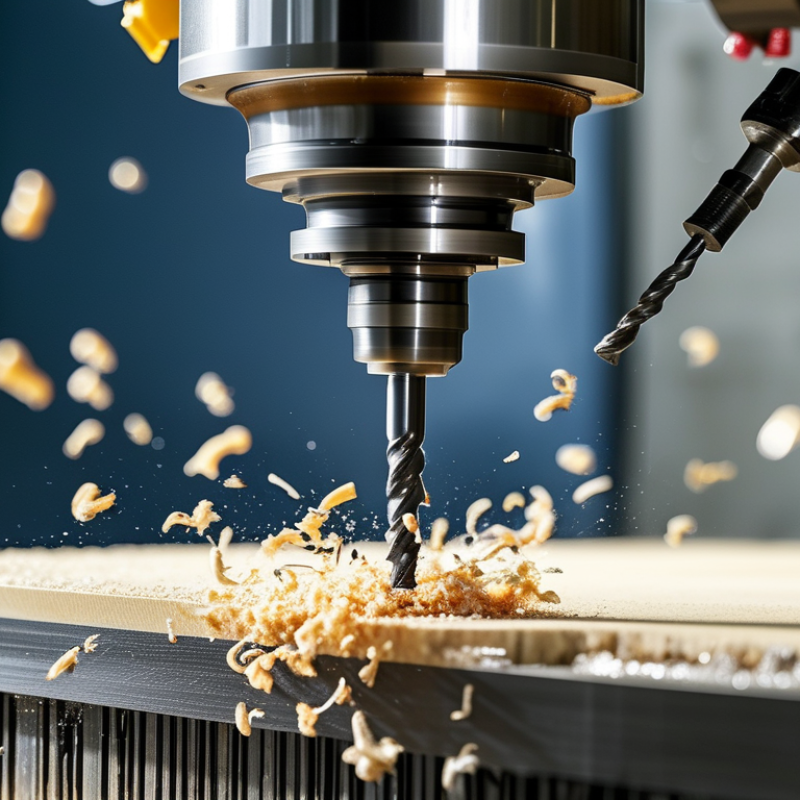
Milling operations are essential in manufacturing. Among these, climb milling and conventional milling are two primary techniques. Understanding these methods can optimize machining processes. Climb milling moves the cutter in the same direction as the workpiece, while conventional milling does the opposite. This fundamental difference impacts material removal rates, tool life, and surface finish.
Industry reports indicate that climb milling allows for higher material removal rates. A report from the American Machinists' Association notes that using climb milling can improve productivity by up to 20%. This is due to reduced cutting forces and backlash, leading to a smoother operation. However, climb milling may not be suitable for all materials. Some soft materials can be prone to deformation or chatter, resulting in uneven surfaces.
Tips: Ensure proper tool selection for climb milling. A sharp tool is crucial because dull tools can cause issues. Moreover, monitor the feed rate. Too high a feed could lead to tool breakage. For conventional milling, maintaining a steady feed rate is equally important. If the machining process feels unsteady, reassess your milling strategy. Sometimes, reverting to conventional methods may yield a better finish. Each method has unique advantages. Balancing them based on project requirements is key.
Climb milling, also known as down milling, is a technique where the cutting tool moves in the same direction as the feed. This results in a consistent cutting depth. The key characteristic is that the tool engages the material at its thickest point, which allows for a smoother finish. This method generates less heat and reduces tool wear. It is especially effective for operations involving aluminum and soft metals.
Applications of climb milling are vast. It is commonly used in CNC machining, particularly for creating intricate parts in the aerospace and automotive industries. However, it's important to note that climb milling can be risky. If the machine experiences backlash, the tool may dig into the workpiece, causing undesirable outcomes. Understanding the setup is crucial. Proper alignment and maintenance of the equipment can significantly enhance results and ensure reliability.
Conventional milling, also known as up milling, is a widely-used machining process in manufacturing. In this method, the cutter rotates against the direction of the feed. This technique is suitable for various materials and applications, providing reliable cutting performance. The cutting tool engages the workpiece at the highest point, gradually decreasing the depth as it continues through the material. This allows for better chip removal and can lead to smoother finishes.
Characteristics of conventional milling include its ability to minimize tool wear and maintain better control during machining. The upward movement can lead to tool chatter, though, which might affect precision. Skilled operators often rely on this method when working with softer materials, where precision is crucial. Factors like feed rate and depth of cut should be adjusted carefully to avoid surface defects or excessive wear.
While conventional milling has its advantages, it may not be the best choice for all scenarios. There are situations where climb milling could yield better results, especially with harder materials. It’s essential to evaluate the specific job requirements and choose the right milling technique for optimal outcomes. Understanding these characteristics helps operators make informed decisions about their machining processes.
This chart illustrates the differences in characteristics and applications between Climb Milling and Conventional Milling based on cutting forces, surface finish, and material removal rate.
When comparing climb milling and conventional milling, understanding tool path directions is crucial. In climb milling, the cutter's rotation moves in the same direction as the feed. This method often produces a smoother finish and generates less tool wear. The tool engages with the material more efficiently. Studies show climb milling can enhance material removal rates by 20% to 30% compared to conventional milling.
In contrast, conventional milling sees the cutter rotating against the direction of the feed. This can lead to increased vibrations and tool wear, particularly in softer materials. Conventional milling tends to be safer for less rigid setups. However, it may result in a rougher finish, requiring additional processing steps. An industry report indicated that 60% of machinists prefer climb milling for high-precision tasks, while 40% stick with conventional milling for safety or material considerations.
Both methods have their pros and cons and require reflection on specific use cases. The decision often rests on machine rigidity, type of material, and desired finish quality. Balancing efficiency and safety remains a challenge in machining practices. Understanding these nuances can significantly impact overall production and quality in manufacturing environments.
Climb milling and conventional milling are two distinct techniques in machining. Understanding their benefits and drawbacks is crucial for effective manufacturing. Climb milling tends to produce a smoother finish. The cutting tool engages the workpiece as it bites into the material. This reduces tool wear but requires proper machine rigidity. On the downside, climb milling can cause issues if the setup isn’t secure. It might lead to pull-in effects, making it less predictable.
On the other hand, conventional milling works differently. The tool rotates against the direction of feed. This technique can handle tougher materials better. However, it often leaves a rougher surface finish. Tools may wear out faster due to increased friction. It's vital to evaluate the workpiece material and desired finish before choosing. Each technique has its place, but compromises might arise. Balancing between finish quality and tool longevity can be challenging. Consulting with experienced machinists can help streamline the decision-making process.
: Climb milling is a technique where the cutting tool moves in the same direction as the feed.
It engages the material at its thickest point, creating a smooth finish and generating less heat.
It's widely used in CNC machining for aerospace and automotive parts.
Backlash in the machine can cause the tool to dig into the workpiece, leading to issues.
Conventional milling, or up milling, involves the cutter moving against the feed direction.
It can minimize tool wear, but may lead to tool chatter that affects precision.
Climb milling is often better for softer materials, while conventional milling suits tougher materials.
Yes, climb milling requires secure setups, while conventional milling might produce rough finishes.
Evaluate the workpiece material, desired finish, and adjust parameters carefully for optimal results.
They can help streamline the process by providing insights into the best techniques for specific jobs.
This article explores what is the difference between climb milling and conventional milling, providing a comprehensive overview of both methods. Climb milling, characterized by the tool moving in the same direction as the feed, offers better surface finish and tool life but can be prone to issues with stability. In contrast, conventional milling sees the tool move against the direction of the feed, which may result in more stability but is less efficient and can cause increased tool wear.
The article also compares the tool path directions of both techniques, highlighting how these differences impact the quality of the finished product. Additionally, it examines the specific applications where each method excels, along with their respective benefits and drawbacks. Understanding these distinctions is essential for selecting the most suitable milling technique for a given machining task.

Tier Tool