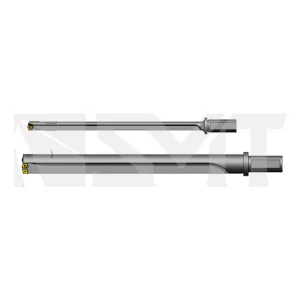
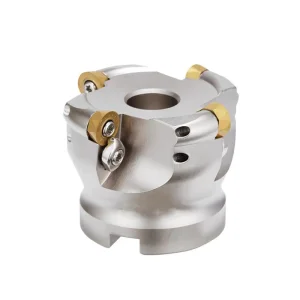
Explore our CE-compliant, ultra-precision tungsten carbide tooling engineered for maximum metal removal rates (MRR) and superior tool longevity under aggressive CNC machining parameters.
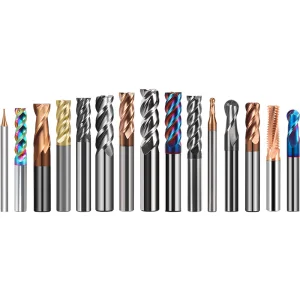
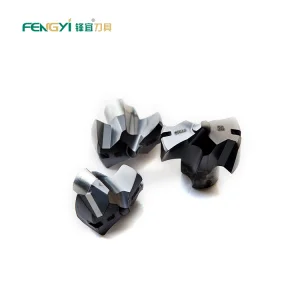
An authoritative analysis of chip thinning physics, market growth trajectories, and CE compliance standards shaping modern metalworking.
High Feed Milling (HFM) operates on the physical principle of chip thinning. By utilizing a small lead angle (typically 10° to 17°), the actual chip thickness ($h_m$) generated during cut is substantially thinner than the nominal feed per tooth ($f_z$). This mechanical behavior allows machine operators to dramatically elevate feed rates up to 500% compared to traditional 90° shoulder end mills without overloading the cutting edge.
Traditional milling exerts heavy radial forces that lead to chatter, spindle deflection, and premature tool wear. High feed cutters redirect up to 80% of cutting forces axially into the machine spindle. This structural deflection management makes HFM ideal for long-overhang setups, deep pocket cavity roughing, and light-duty CNC machinery seeking maximum volumetric metal removal rates (MRR).
The global demand for high feed milling solutions is projected to expand at a CAGR of 6.8% through 2030, driven by rapid advancements in aerospace titanium structure fabrication, automotive injection mold production, and renewable energy turbine machining. Tier-1 manufacturing hubs in China, certified under European CE directives, represent the vanguard of cost-efficient, high-precision exports.
Deep-dive insights into solid tungsten carbide substrates, physical vapor deposition (PVD), and micro-geometry optimization for high-stress industrial applications.
The foundation of premium High Feed Cutters lies in ultra-fine nano-grain tungsten carbide ($WC$) matrixes. Utilizing grain sizes between 0.4µm to 0.6µm, engineered with 6% to 12% Cobalt co-binder ratios, our tooling achieves an optimal balance between extreme transverse rupture strength (TRS > 4,000 MPa) and high Rockwell hardness (HRA 92.5 to 93.8).
This high-density substrate eliminates internal micro-voids, preventing micro-chipping under cyclic thermal shock and intense mechanical stress generated during high-speed trochoidal slotting or pocket roughing.
High feed metal cutting generates severe interface temperatures exceeding 900°C. To withstand extreme oxidative wear, our tools feature state-of-the-art nanocomposite coatings like n-AlTiN/a-Si3N4 and multi-layered AlCrN.
| Parameter Category | Conventional Milling Cutters | High Feed Cutters (HFM Series) | Engineering Advantage |
|---|---|---|---|
| Lead / Entering Angle ($\kappa_r$) | 90° or 45° | 10° to 17° | Dramatically thins chip profile; redirects axial forces. |
| Feed Rate per Tooth ($f_z$) | 0.08 - 0.20 mm/t | 0.50 - 2.50 mm/t | Up to 5x higher table feed rate ($V_f$). |
| Axial Depth of Cut ($a_p$) | 1.0 - 1.5 x Diameter | 0.3 - 2.0 mm (Shallow) | Minimizes lateral spindle stress and tool deflection. |
| Radial Force Distribution | 60% - 85% Radial Force | 15% - 25% Radial Force | Eliminates chatter in long overhang setups (>6xD). |
| Tool Life Expectancy | Baseline (100%) | 180% - 260% | Lower thermal loads prolong carbide cutting edge life. |
Established in 2008, a national high-tech enterprise dedicated to precision solid carbide cutting tool design, advanced hole-making technologies, and global industrial partnership.
Suzhou Tier Tool Co., Ltd. was established in 2008 and is a certified national high-tech enterprise specializing in the design, manufacturing, and technical support of precision solid carbide cutting tools.
Since its foundation, Tier Tool has been deeply committed to the precision machining industry, focusing on delivering high-performance, high-efficiency cutting solutions for hole-making and metalworking applications. Through continuous technological innovation and manufacturing excellence, the company has earned the trust of customers across a wide range of industries worldwide.
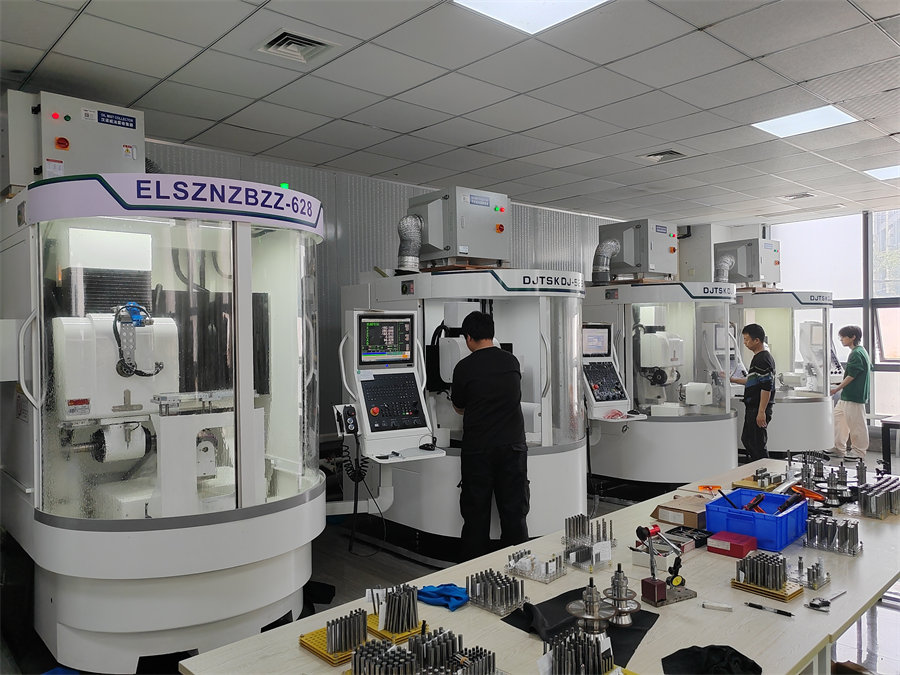
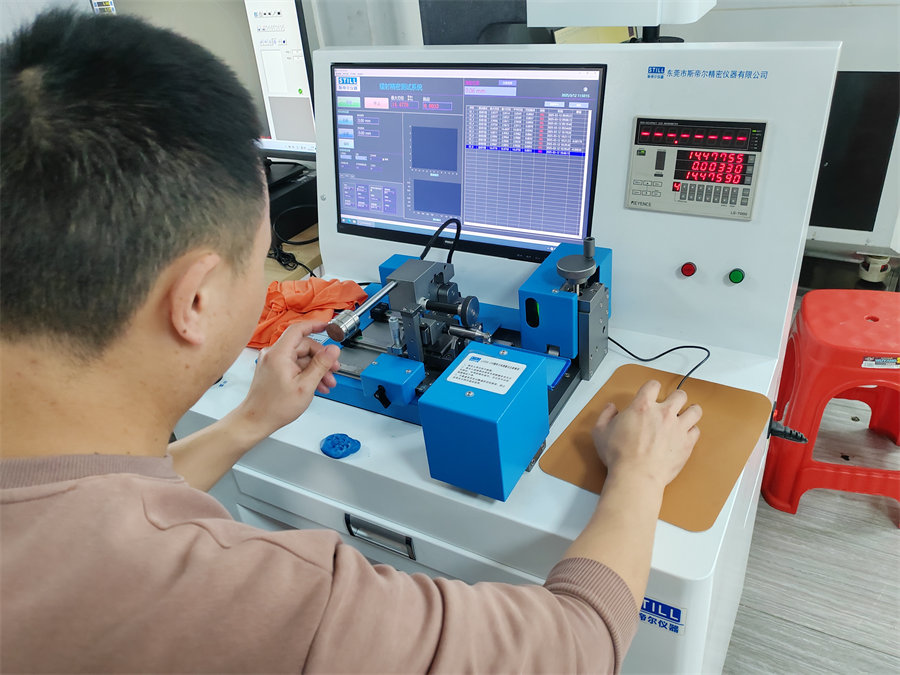
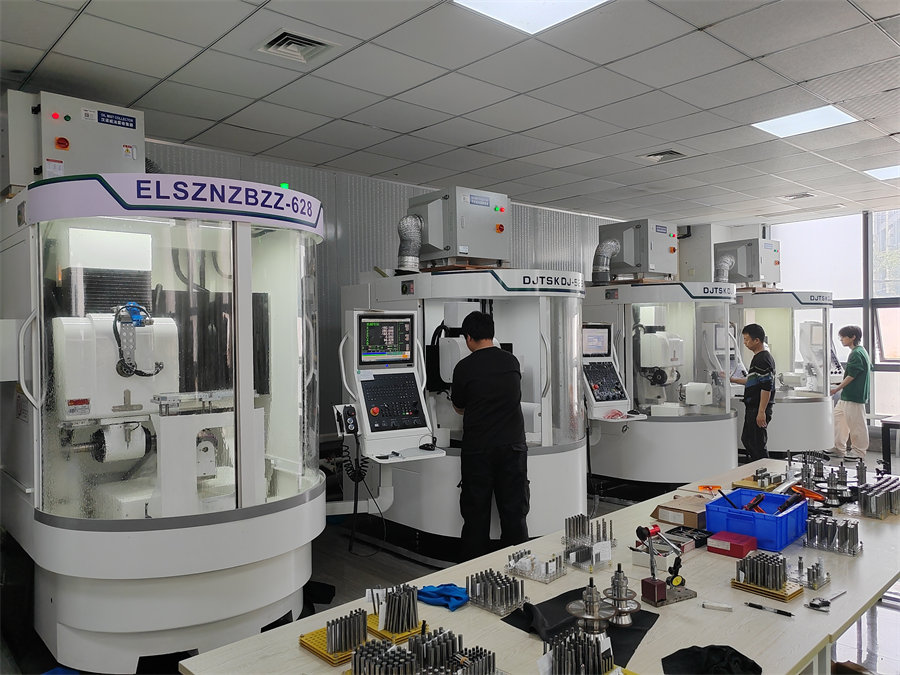
To ensure the highest levels of precision and consistency, Tier Tool has invested extensively in advanced manufacturing equipment and precision production technologies. The company operates multiple imported CNC tool grinding machines and precision optical inspection systems, enabling complete in-house capabilities from tool design and prototyping to small-batch testing and large-scale production.
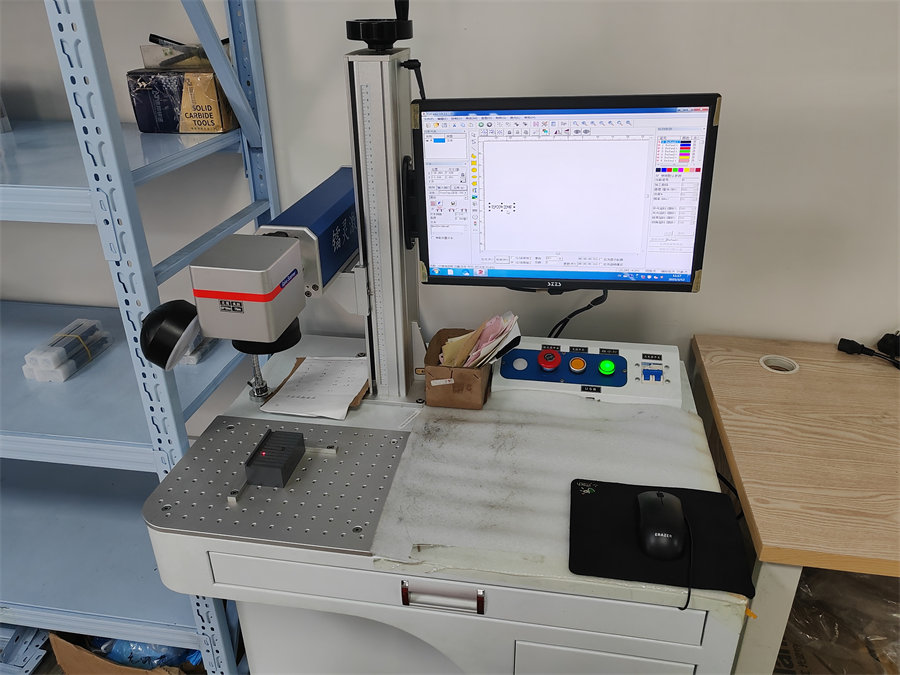
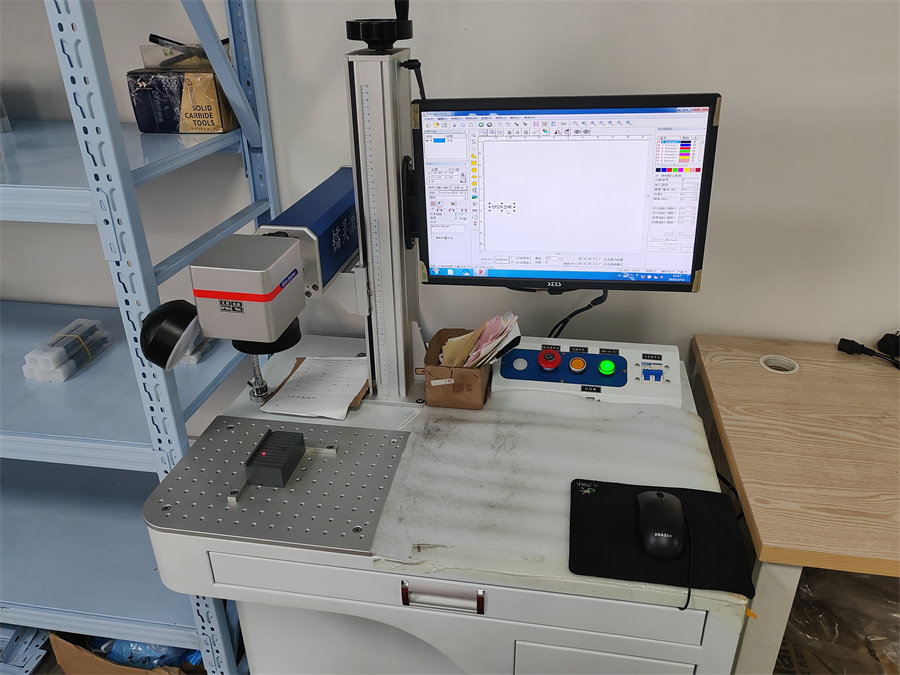
We adhere strictly to the principle of "Quality First, Continuous Improvement". Raw material selection, grinding, laser etching, and PVD coating stages undergo strict process control and 100% full-traceability standards to deliver absolute dimensional and geometrical repeatability.
At Tier Tool, we believe that supplying cutting tools is only the beginning of our partnership with customers. Beyond delivering products, we provide comprehensive technical support and application engineering services to assist customers in optimizing their manufacturing processes.
Our technical specialists work directly with customers to analyze machining conditions, recommend suitable tooling strategies, and develop customized solutions that maximize efficiency, reliability, and cost-effectiveness. We aim to be your trusted long-term manufacturing partner rather than simply a tooling supplier.
Looking ahead, Suzhou Tier Tool Co., Ltd. will continue to focus on the development of high-performance carbide cutting tools and deepen its expertise in automotive, aerospace, precision engineering, and advanced manufacturing industries.
Driven by professionalism, innovation, and customer commitment, we create greater value for global partners through reliable products, flexible OEM/ODM capabilities, and advanced manufacturing technologies—helping customers achieve higher productivity, superior part quality, and stronger market competitiveness.
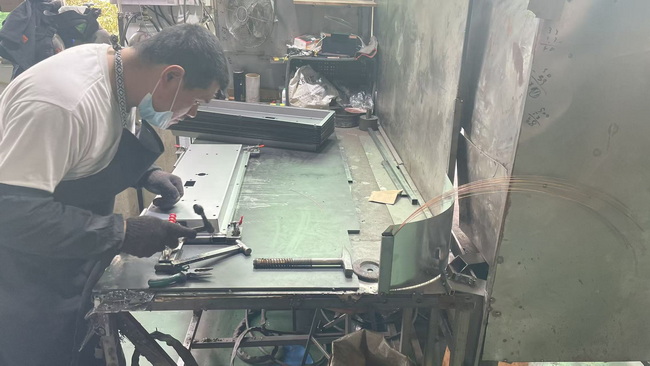
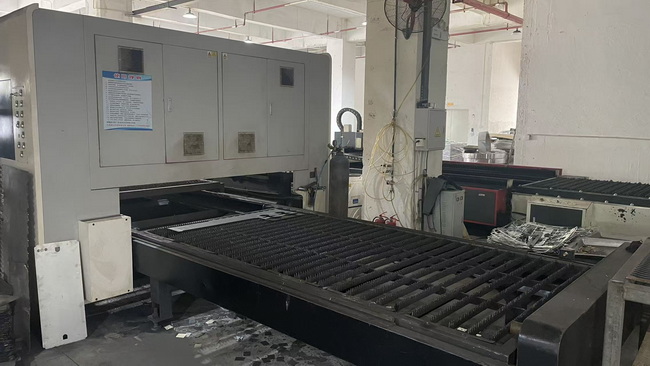
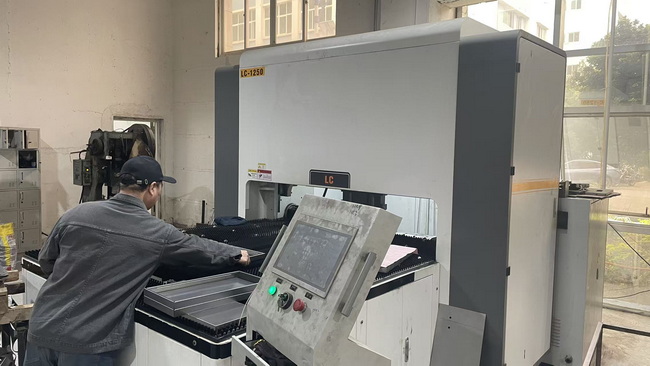
Visual verification of our state-of-the-art grinding line, multi-axis laser cutting, precision sheet metal fabrication, quality inspection, and automated packaging systems.
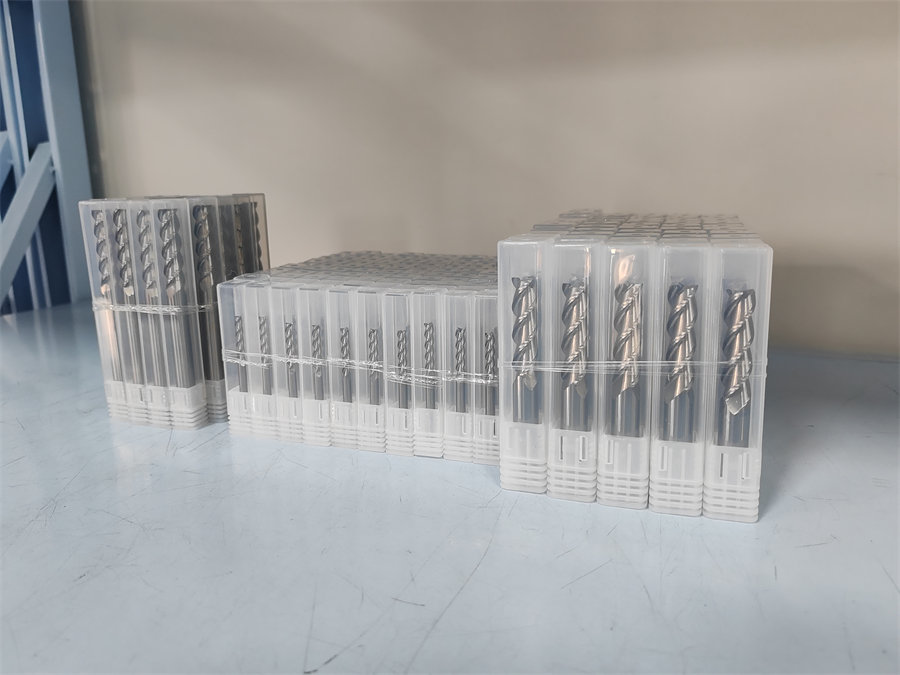
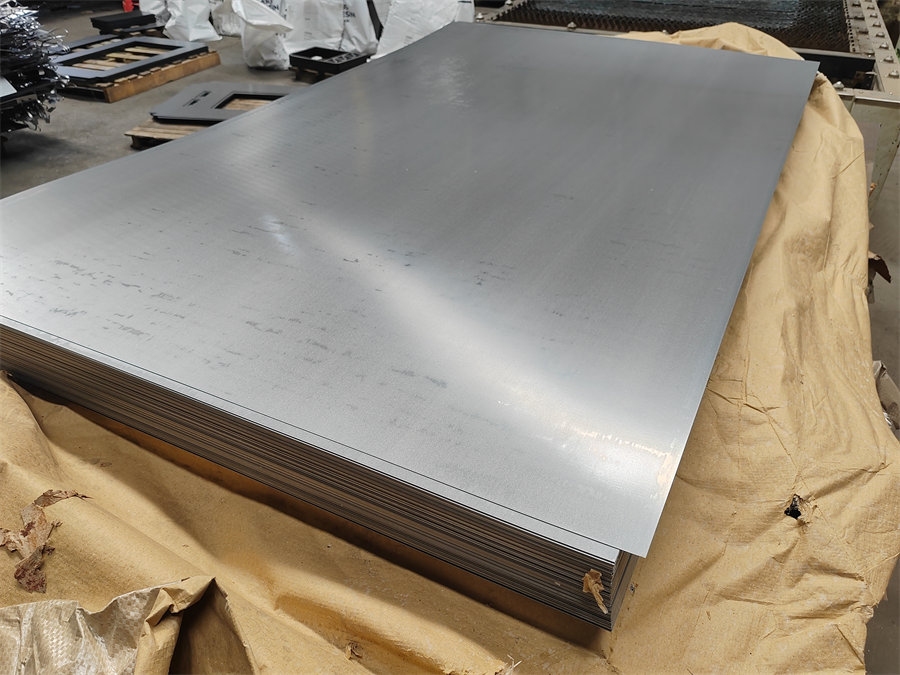
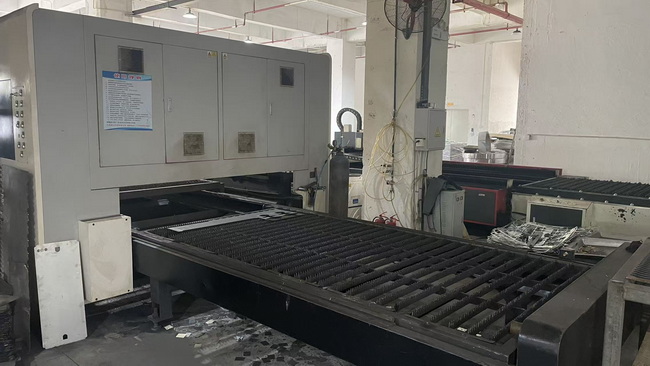
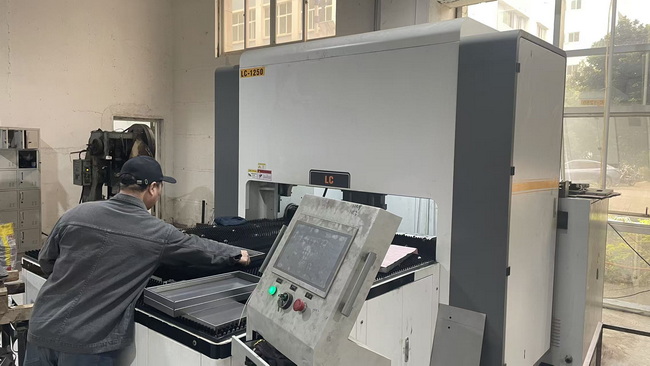

Tailored high-feed milling and precision hole-making tool architectures optimized for challenging industrial materials and production environments.
Machining difficult-to-cut superalloys like Ti-6Al-4V and Inconel 718 poses extreme thermal challenges. Our high feed cutters utilize specialized 12° lead angles with internal cool-through channels, efficiently evacuating chips, reducing thermal buildup at the cutting zone, and boosting tool life by up to 220% during deep cavity pocketing.
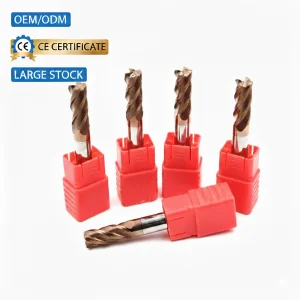
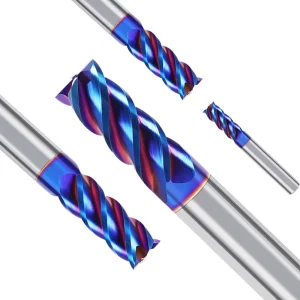
Hardened die steel components (P20, H13, NAK80 up to 55-65 HRC) require rapid roughing to minimize cycle times. Suzhou Tier Tool's 4-flute Altin-coated carbide end mills allow mold makers to run high table speeds ($V_f > 8,000 \text{ mm/min}$) with minimal tool deflection, maintaining tight tolerances prior to semi-finishing operations.
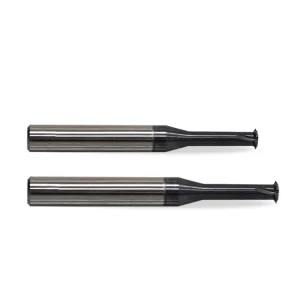
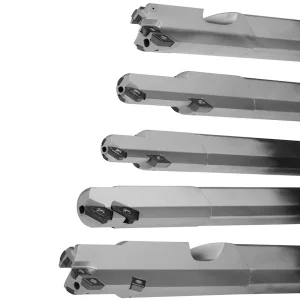
Large structural steel flanges, valve bodies, and pump housings made from Duplex Stainless Steel 2205 require heavy metal removal. Indexable deep-hole gun drills and solid carbide thread mills from Tier Tool provide vibration-free performance even under extreme tool overhang length-to-diameter ratios ($L/D > 10$).
Strategic advancements in intelligent tool geometry, sensor-integrated machining, and eco-friendly dry cutting substrates.
Integrating machine learning algorithms into tool grinding software allows for real-time micro-geometry optimization. By analyzing chip formation mechanics across thousands of simulated cuts, future High Feed Cutters feature variable helix and uneven flute spacing designed specifically to disrupt harmonic chatter frequencies during ultra-high-speed operations.
With environmental regulations accelerating globally, cutting tool designs must adapt to Minimum Quantity Lubrication (MQL) and dry machining environments. Advanced AlTiSiN multi-layer coatings developed by Tier Tool exhibit ultra-low thermal conductivity, preventing heat transfers into the cutter body during waterless milling.
Next-generation indexable high feed cutters will incorporate embedded micro-sensors capable of measuring cutting edge temperatures, real-time vibration amplitude, and axial strain. This telemetry feeds directly into CNC controller interfaces, enabling automated feed-rate adjustments before tool breakage occurs.
Ensuring operational safety, high-speed dynamic balance standards, and international compliance for European and global machine shops.
Compliance with European Conformity (CE) standards is mandatory for advanced CNC tooling operated across European industrial facilities. High feed cutters operating at spindle speeds upwards of 20,000 RPM must satisfy strict centrifugal stress safety parameters outlined under EN ISO 15641 (Milling cutters for high speed machining - Safety requirements).
Suzhou Tier Tool Co., Ltd. ensures all produced tool shanks, cutter heads, and carbide inserts undergo non-destructive ultrasonic flaw detection and stress analysis, preventing structural failure under intense centrifugal acceleration.
High-speed milling chatter is often caused by micro-unbalance in the tool assembly. Every high feed end mill and indexable cutter produced by Tier Tool is balanced to G2.5 grade at 25,000 RPM according to ISO 1940-1 standards.
Expert answers addressing cutting parameters, chip thinning calculations, tool wear mitigation, and custom tooling procurement.
To calculate the effective chip thickness ($h_m$) for high feed cutters with a small lead angle ($\kappa_r$), use the formula:
h_m = f_z * sin(κ_r)
For example, with a 15° lead angle, $\sin(15^\circ) \approx 0.2588$. If your desired chip thickness $h_m$ is 0.15 mm, your calculated table feed per tooth $f_z$ should be:
f_z = 0.15 / 0.2588 = 0.58 mm/tooth.
This enables high table speeds ($V_f$) while preserving tool geometry edge strength.
While HFM directs forces axially into the spindle (reducing spindle strain), the machine tool must possess high table acceleration rates and rapid feed capability ($V_f > 10,000 \text{ mm/min}$). Standard CNC machines with high-rigidity spindles (BT40, CAT40, HSK-A63) excel with high feed cutters. High controller processing speeds are also vital for smooth cornering without deceleration slowdowns.
Standard 90° square end mills experience heavy radial deflection when overhang ratios exceed 4xD, leading to vibration, poor surface finish, and tool breakage. Tier Tool's high feed cutters minimize radial force to under 20%, allowing stable machining at extended reach overhangs up to 8xD to 10xD without chatter.
For optimal productivity, axial depth of cut ($a_p$) should remain shallow (typically 0.5 mm to 1.5 mm depending on cutter diameter), while radial step-over ($a_e$) should be maximized between 60% to 75% of the cutter diameter. This combination maintains constant tool engagement and optimized heat dissipation.
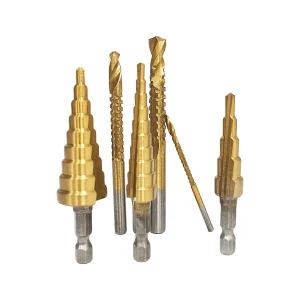
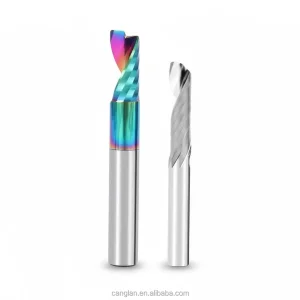
Yes. Tier Tool specializes in custom tool development, including tailored helix angles, specialized nanolayer coatings (AlTiN, AlCrN, DLC), multi-step drilling geometries, and custom shank dimensions. We provide technical drawings, rapid prototyping, and batch testing supported by complete ISO/CE quality documentation.
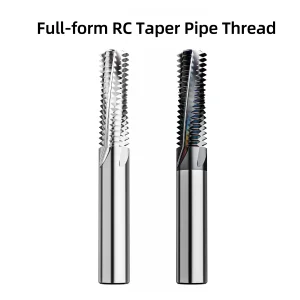
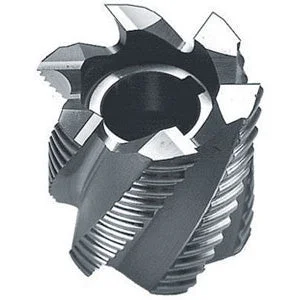
Complete your tooling suite with our full-profile thread mills, anti-vibration cutters, and heavy-duty indexable face milling systems.
 Tier Tool