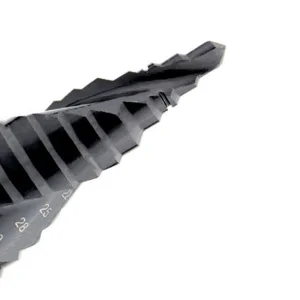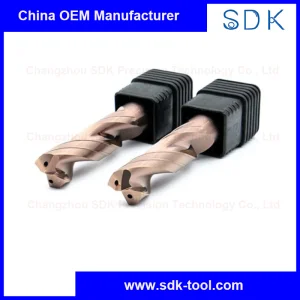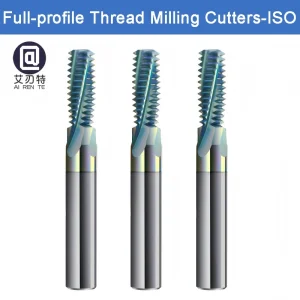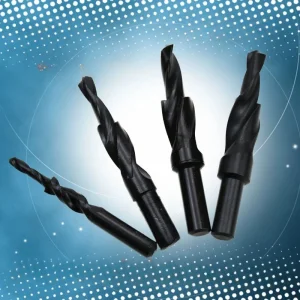
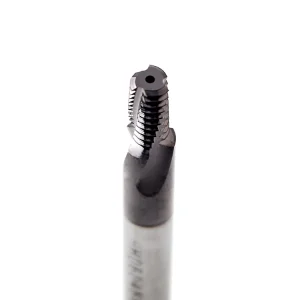
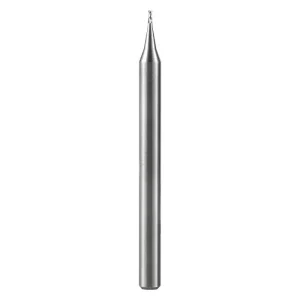
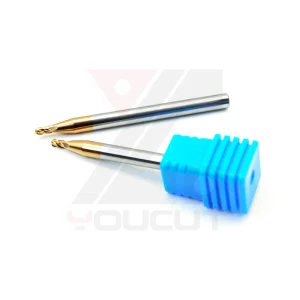
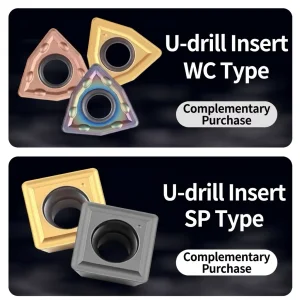
Established in 2008, Suzhou Tier Tool Co., Ltd. is a national high-tech enterprise specializing in the design, manufacturing, and technical support of precision solid carbide cutting tools. Operating at the pinnacle of modern machining tolerances, Suzhou Tier Tool has spent decades perfecting the synchronization between carbide microstructures and superabrasive grinding technologies.
The manufacturing of ultra-precise carbide cutting tools is fundamentally dependent on the quality of the Diamond Grinding Wheels used to shape them. Because solid carbide features extreme hardness and heat resistance, standard abrasives wear out rapidly, resulting in poor edge quality and dimension drift. Diamond grinding wheels (superabrasives) provide the necessary micro-chipping mechanics to contour carbide flutes, margins, and cutting faces to sub-micron accuracy.
By leveraging advanced CNC tool grinding systems and premium vitrified, resin, and metal-bonded diamond wheels, Suzhou Tier Tool ensures its tools achieve flawless surface integrity. This integrated understanding of grinding physics, material science, and tool design allows the company to serve the most demanding global supply chains in aerospace, automotive engineering, and semiconductor machining.
As the global hub for raw synthetic diamond synthesis and advanced materials engineering, China dominates the manufacturing landscape for industrial superabrasives. Chinese factories offer unmatched systemic advantages to global buyers, combining raw material monopolies with rapid-prototype customization and industrial-scale manufacturing economies.
China accounts for over 90% of the world's synthetic diamond supply. This localized raw material abundance guarantees Chinese grinding wheel factories direct access to high-grade monocrystalline and polycrystalline diamonds, bypassing international tariffs and shipping delays to keep raw material costs highly competitive.
Leading factories in China have transitioned from simple electroplated and basic resin-bonded configurations to highly engineered vitrified, hybrid, and metal-bonded matrices. These advanced matrices hold the abrasive grains firmly, enabling optimal self-sharpening properties and minimal wear under thermal duress.
By operating in close proximity to machine builders and high-precision tooling brands like Suzhou Tier Tool Co., Ltd., diamond grinding wheel manufacturers run real-world R&D cycles. This collaborative feedback loop accelerates optimization of bond profiles for high-speed machining and custom geometries.
Precision grinding is not a one-size-fits-all process. Depending on the material, geometry, and production speed, engineers must configure distinct diamond grinding wheel specifications. Below are the macro-industrial solution frameworks deployed across global supply chains:
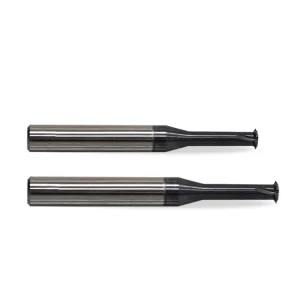
Scenario: Generating helical flutes, relief angles, and gash geometries on micro-mills, step drills, and thread mills.
Solution: Hybrid-bonded diamond wheels. These wheels combine the high material removal rates of resin bonds with the thermal resistance and edge retention of metal bonds, preventing thermal damage to the carbide margins.
Scenario: Back-grinding silicon wafers, dicing sapphire substrates, and slicing structural engineering ceramics.
Solution: Ultra-fine grit vitrified diamond wheels. The porous structure of vitrified matrices permits efficient coolant delivery directly to the cutting zone, suppressing micro-cracking and chipping on brittle materials.
Scenario: Profiling and polishing hardened steel gears, cam lobes, and hydraulic valves to sub-micron surface finishes.
Solution: Vitrified CBN (Cubic Boron Nitride) wheels or metal-bonded diamond wheels designed to handle elevated temperatures while maintaining extreme dimensional stability.
The diamond grinding wheel industry is undergoing a digital and ecological revolution. To keep pace with Industry 4.0 and global environmental mandates, modern factories are implementing advanced technological changes:
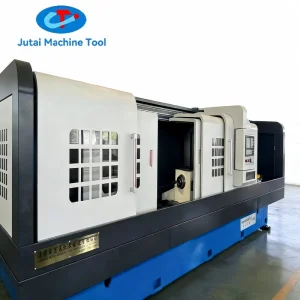
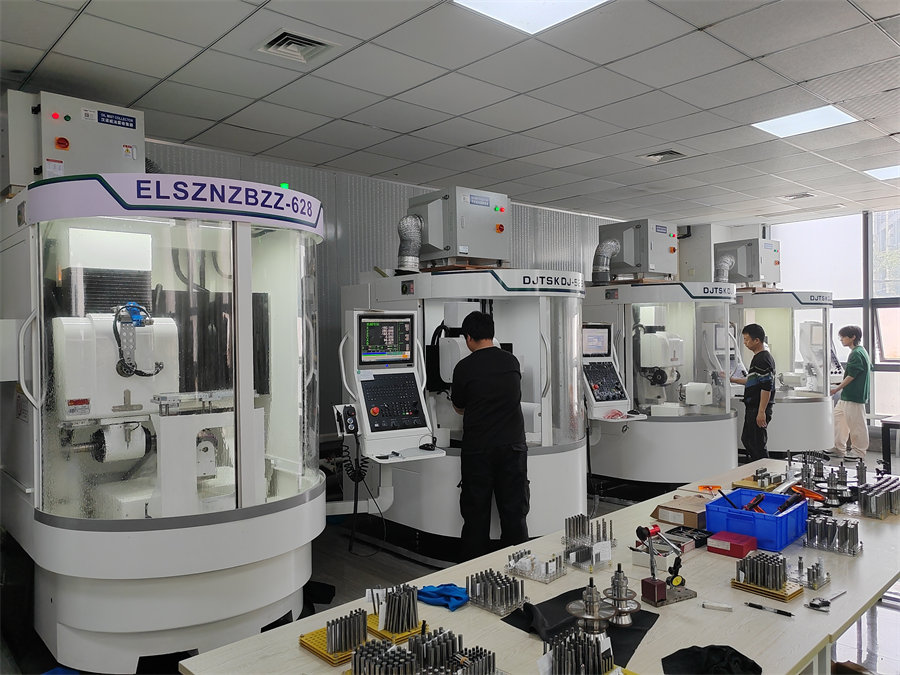
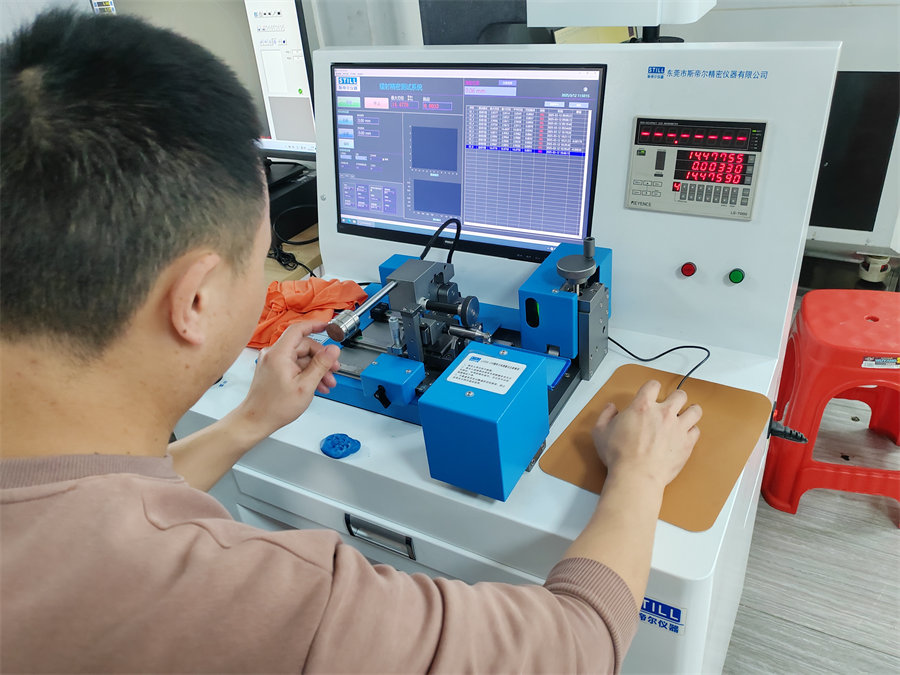
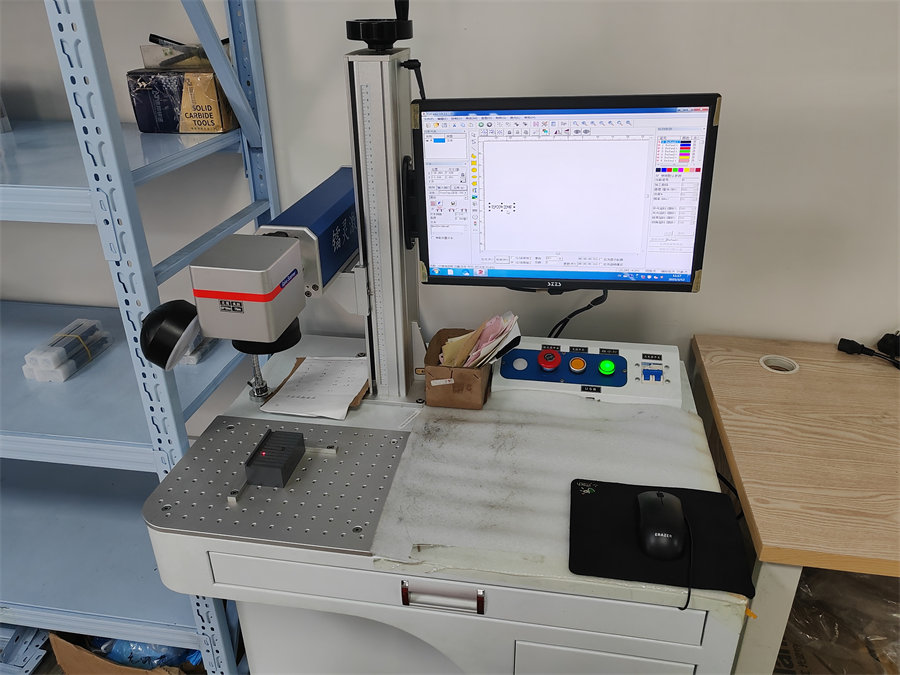
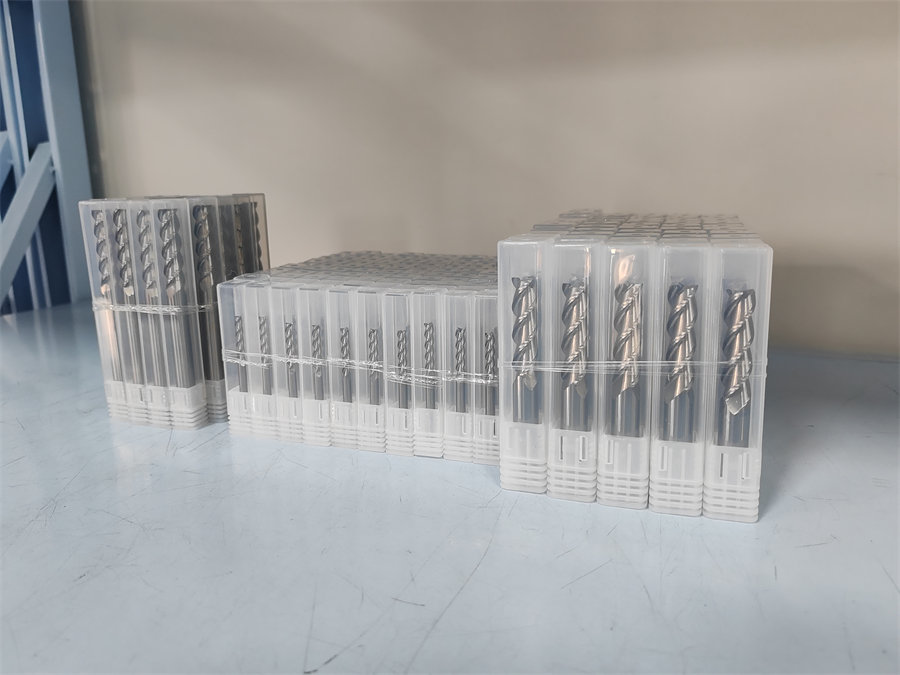
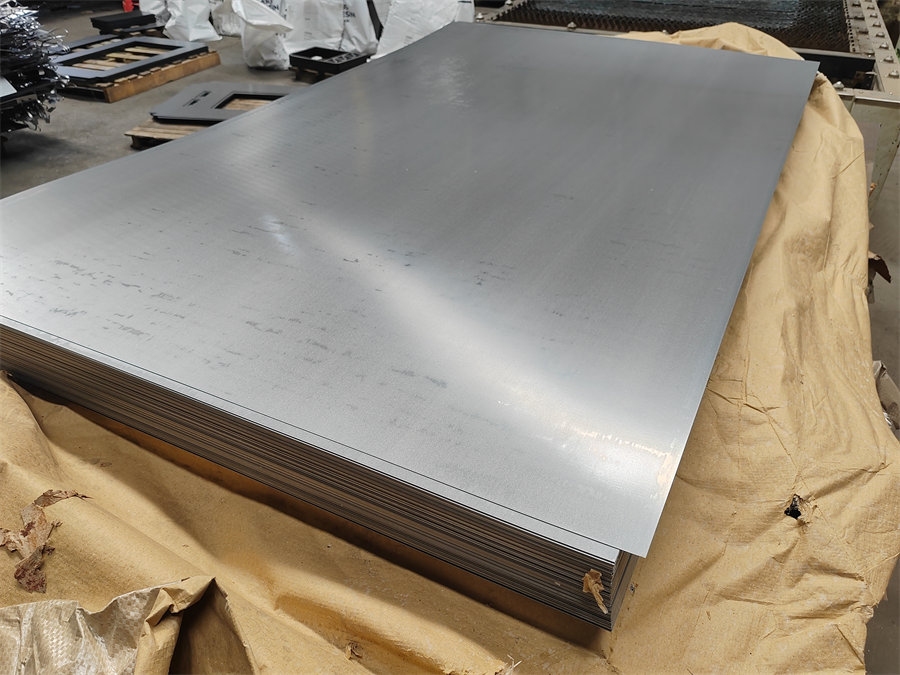
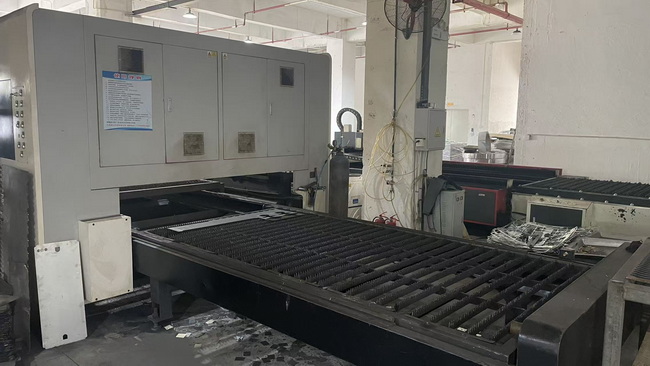
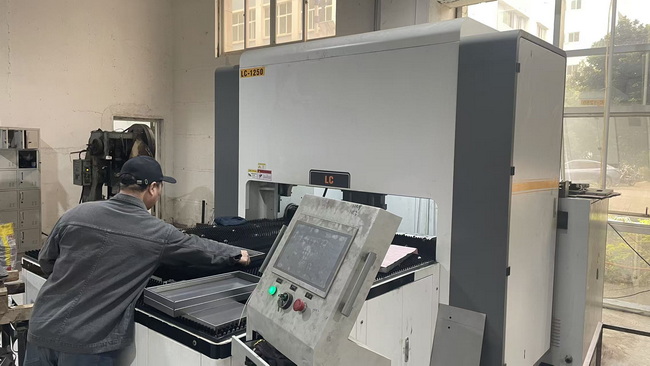
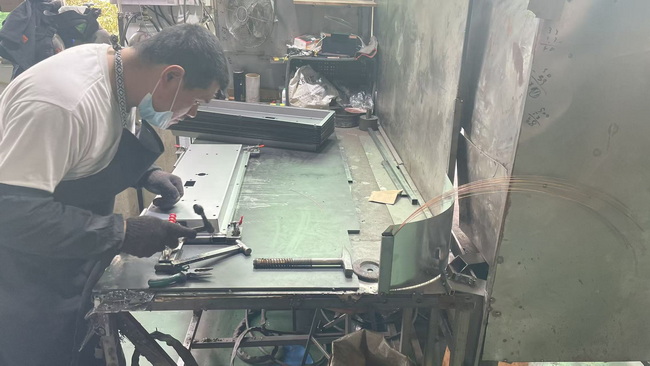
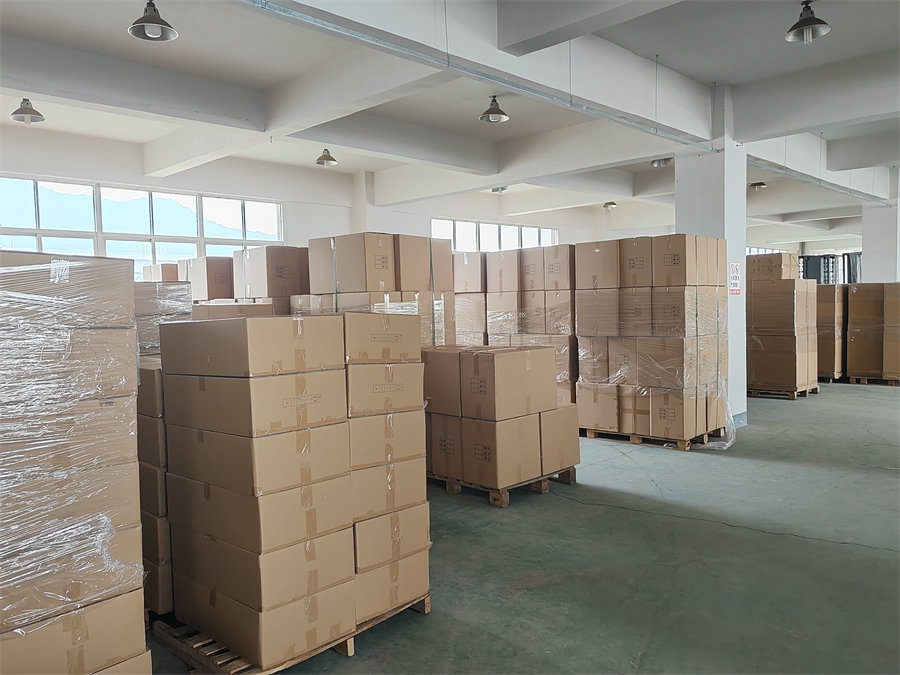
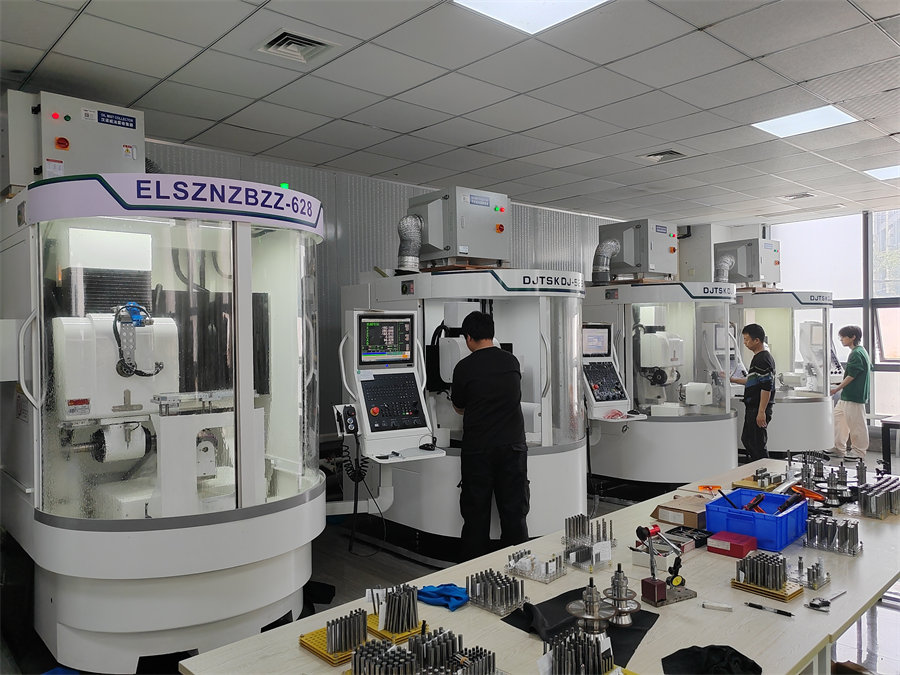
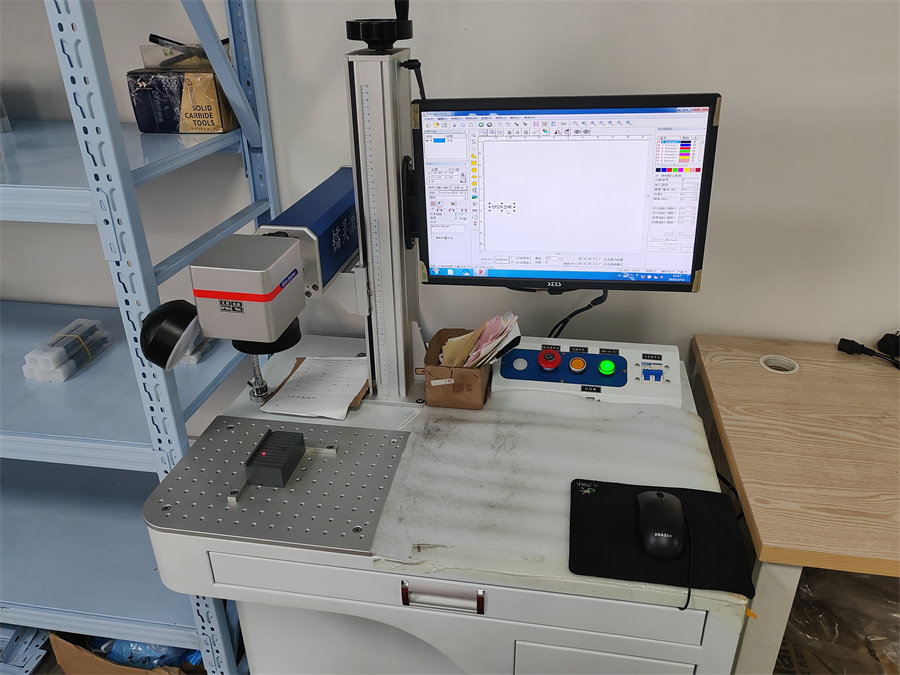
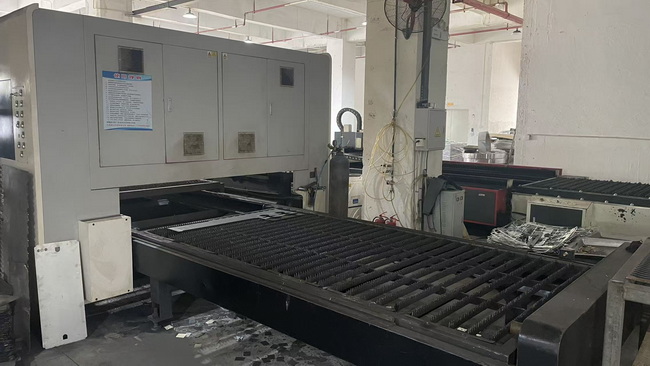
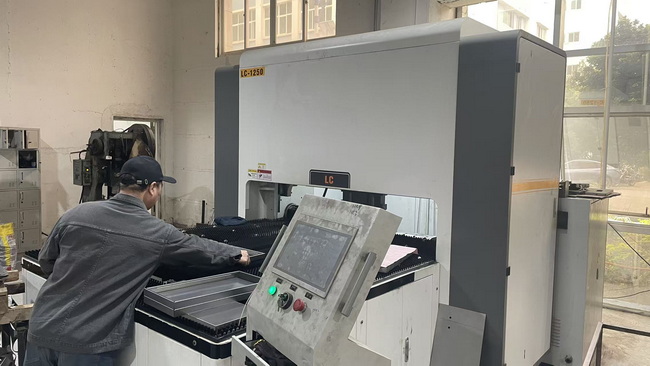
The synergy between cutting-edge tool grinding machinery and elite grinding wheels is fully realized at the Suzhou Tier Tool manufacturing complex. From incoming raw materials to final laser marking, every process is optimized for repeatability, performance, and stability.
Explore the specialized, state-of-the-art facility processes that ensure our tools maintain absolute geometric precision and long lifetimes in high-volume industrial environments.
When procuring diamond grinding wheels or high-end carbide tooling from China, procurement officers and engineering directors must evaluate prospective suppliers on key technical metrics. Standardizing your audit process guarantees continuous operation, safety, and consistent part quality:
The volume percentage of diamond particles inside the bond matrix determines both the tool's lifespan and processing speed. Typical industrial ranges span from 75% to 150% concentration. High-density roughing wheels require up to 125%–150% concentrations, while super-polishing finish wheels rely on lower grit sizes (less than 15 microns) at balanced concentrations to avoid loading.
High-speed grinding generates intense localized heat, which can cause micro-fracturing in carbide tooling (thermal cracking). Verify that wheels undergo dynamic balancing to less than G2.5 at maximum operational RPM. Dynamic unbalance leads to spindle wear, chatter marks on finished parts, and uneven wheel wear.
Top-tier suppliers do not merely ship catalog products; they customize the bond chemistry, diamond particle size distribution, and wheel core geometry to suit specific machines (such as ANCA, Walter, Rollomatic, and Helitronic). A supplier's engineering department should provide detailed technical support, including wheel design drafts and cooling simulation data, prior to starting bulk production.
Diamond is composed of carbon and reacts chemically with iron-based materials at elevated temperatures (producing iron carbide), which rapidly dulls the abrasive grain. Therefore, Diamond wheels are utilized for non-ferrous metals, tungsten carbide, ceramics, glass, and silicon. Cubic Boron Nitride (CBN) does not contain carbon and is highly recommended for grinding hardened steels, cast iron, and superalloys.
Resin bonds offer excellent elasticity, fine finishes, and superior self-sharpening properties, making them ideal for tool sharpening and finishing. Vitrified bonds are highly porous, rigid, and efficient at heat dissipation, which works best for high-efficiency production grinding of ceramics and carbide parts. Metal bonds are exceptionally hard, wear-resistant, and retain their profile under heavy loads, making them suitable for roughing, cutting glass, and profiling hard materials.
The wheel's lifespan depends on the volume of material removed, cooling efficiency, and dressing frequency. Premium hybrid and vitrified wheels used in automated CNC environments can process thousands of solid carbide tools before requiring dynamic redressing, thanks to their optimized wear resistance.
By operating advanced CNC grinding centers and utilizing strictly calibrated diamond wheels, we control every variable of the tooling geometry. This rigorous manufacturing and inspection cycle guarantees consistent tool performance, minimal wear, and exceptional reliability.
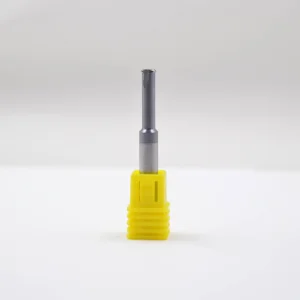
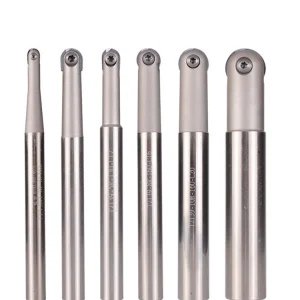

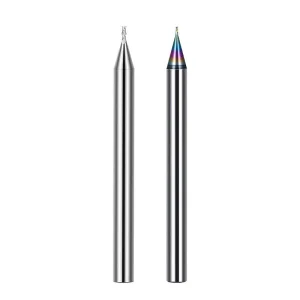
 Tier Tool