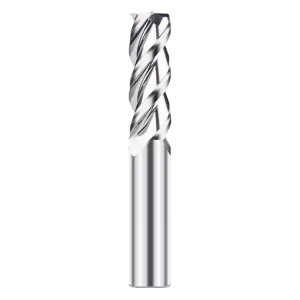
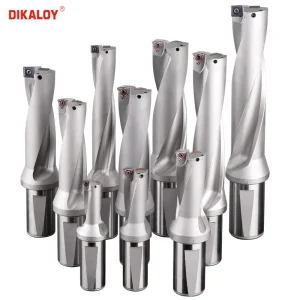
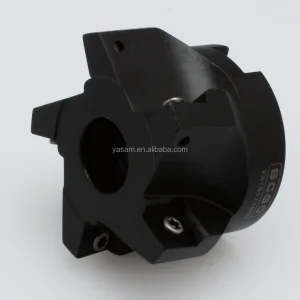
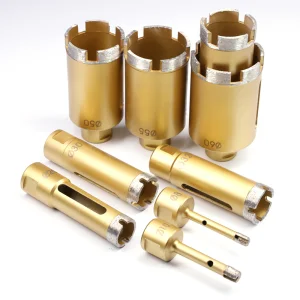
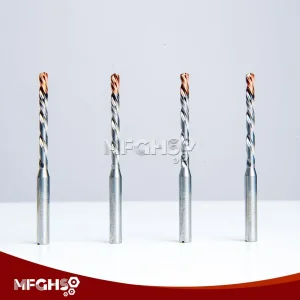
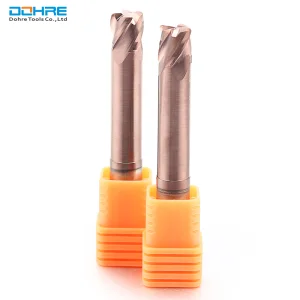
Explore our premium product portfolio designed for CNC metalworking, mold processing, and high-efficiency cutting operations.
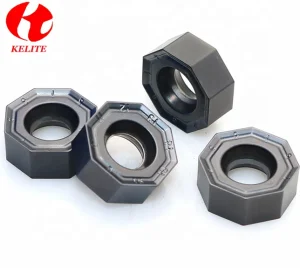
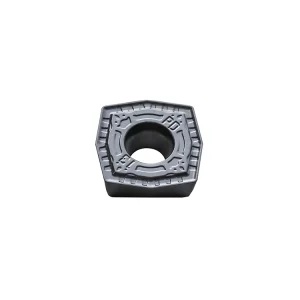
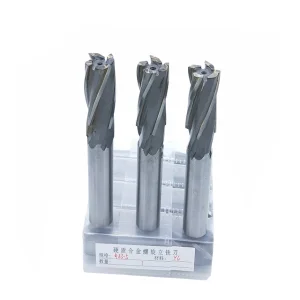
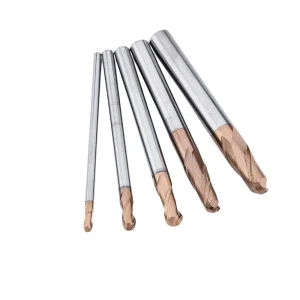
Precision insertion tools are the backbone of high-efficiency metal cutting operations. In the modern manufacturing landscape, industrial productivity depends directly on tool longevity, cutting parameters, and exchangeability. As a global supplier, we analyze structural transformations in heavy industries to deliver targeted tooling systems.
Machining complex parts from titanium alloys, Inconel, and high-strength aluminum requires insert materials that handle severe thermal loads and resist chipping. Our multi-flute and indexable tool configurations deliver high feed rates while maintaining geometric accuracy and mechanical integrity under extreme cutting forces.
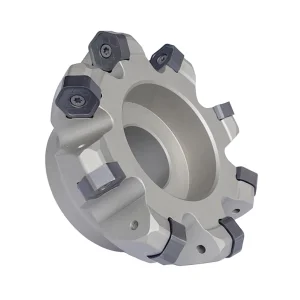
In high-volume cast iron and aluminum engine milling, tool life predictability is critical. Indexable face milling tools with micro-grained carbide grades optimize cost-per-part ratios. Our tools minimize downtime through repeatable insert indexes, maintaining tight tolerances on sealing surfaces.
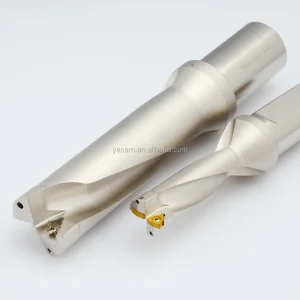
Heavy duty structural profiles require high-stability indexable U-drills and large-diameter face mills. High mechanical vibration resistance and optimized chip evacuation paths ensure deep hole drilling integrity and reduce physical load on CNC machine spindles.
The indexable and solid carbide cutting tool market is shifting towards integrated industrial value chains. Manufacturers are demanding localized inventory, technical application support, and customizable tool configurations to mitigate supply chain disruptions.
China's Advanced Manufacturing Hub: China's CNC tooling sector has evolved from high-volume base manufacturing to advanced metallurgical research. By using local tungsten ore resources and investing in Swiss and German multi-axis CNC grinding systems, leading manufacturers like Suzhou Tier Tool produce tools with equivalent metallurgical and physical parameters to premium European brands.
Our global distribution network guarantees tool availability for manufacturing centers in Europe, North America, and Southeast Asia. We help industrial clients stabilize cost structures while upgrading tool performance to support high-efficiency dry machining and high-speed cutting (HSC).
Suzhou Tier Tool Co., Ltd. was established in 2008 and is a national high-tech enterprise specializing in the design, manufacturing, and technical support of precision solid carbide cutting tools.
Since its foundation, Tier Tool has been deeply committed to the precision machining industry, focusing on delivering high-performance, high-efficiency cutting solutions for hole-making and metalworking applications. Through continuous technological innovation and manufacturing excellence, the company has earned the trust of customers across a wide range of industries worldwide.
In-house design, prototyping, small-batch testing, and large-scale manufacturing systems.
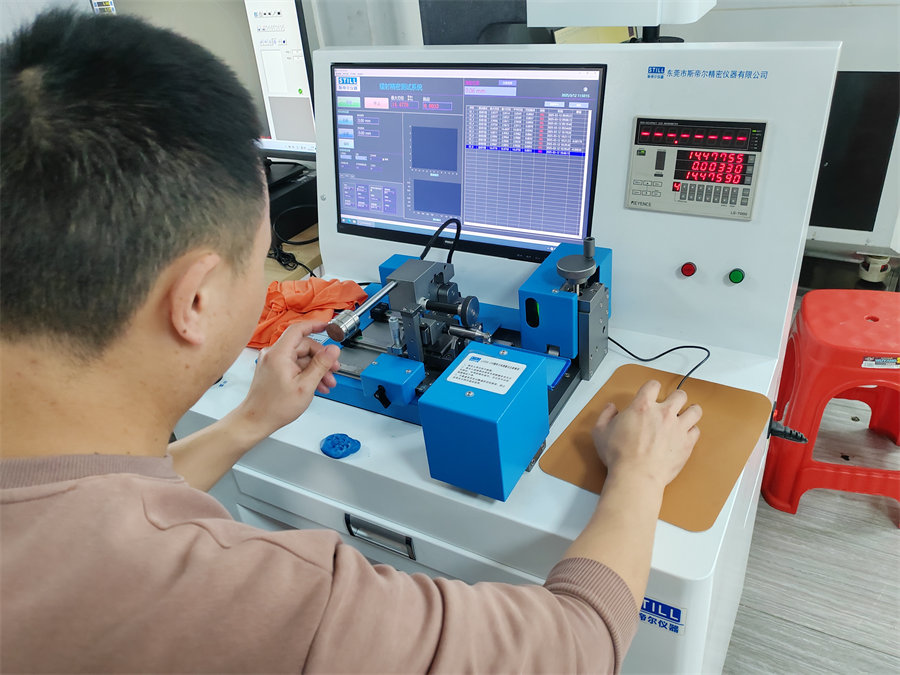
Comprehensive verification from incoming raw material to final finished tool geometries.
Application engineers work directly with you to optimize CNC cutting parameters.
Focusing on advanced coatings and ultra-fine grain substrates for extreme applications.
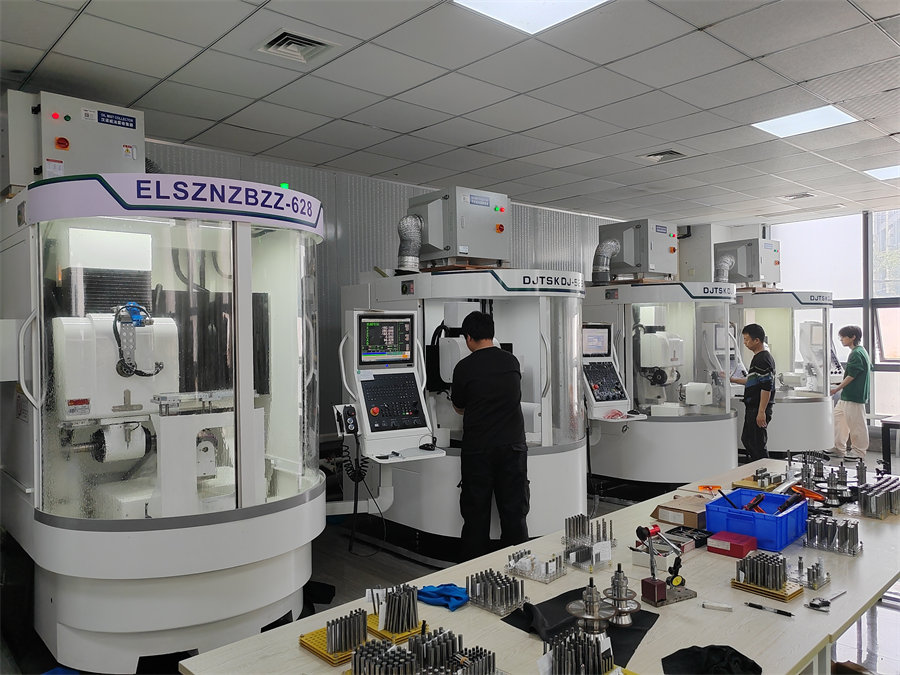
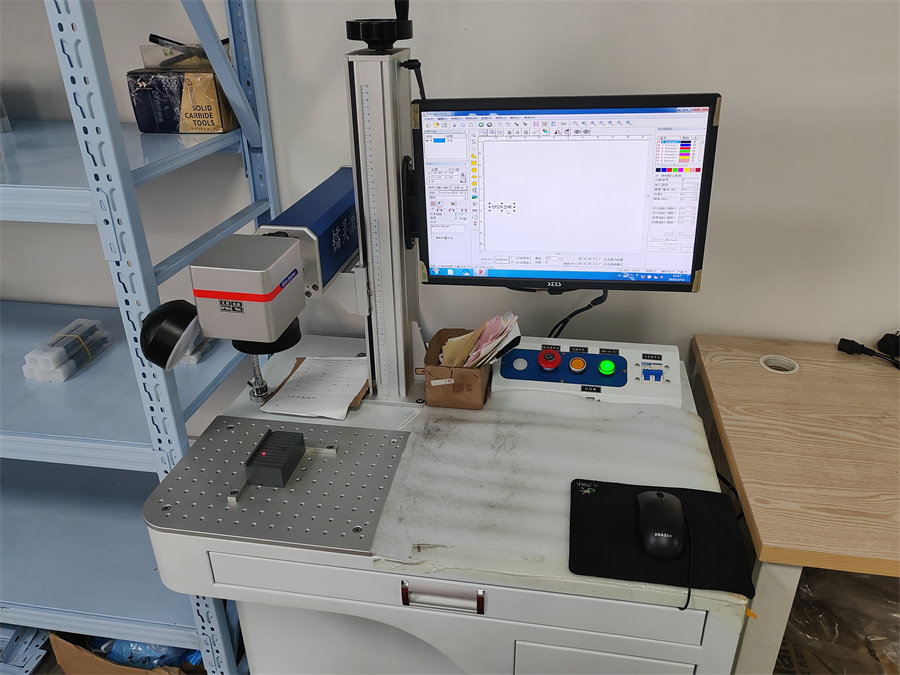
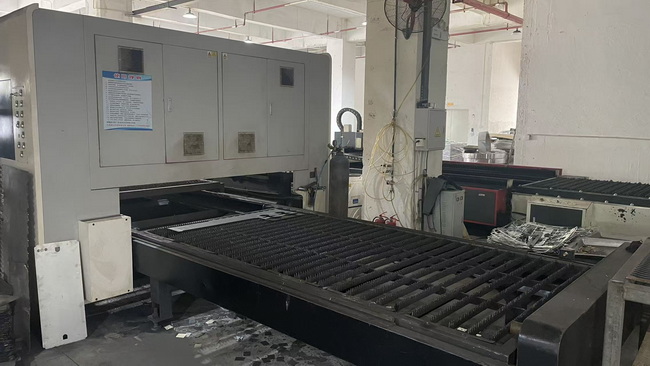
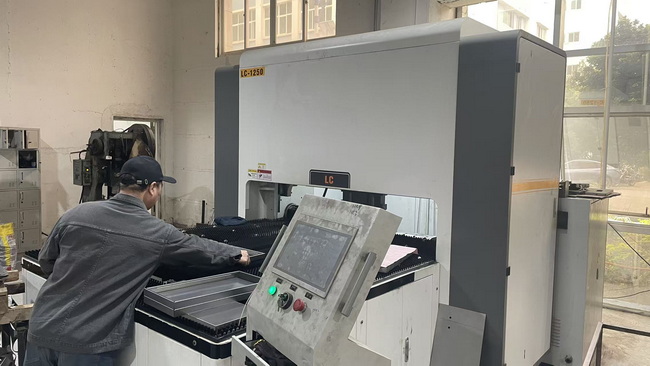
To ensure high precision and consistency, Tier Tool operates imported CNC tool grinding machines and quality inspection systems. Our process control and traceability standards track every tool from sintering through packaging.
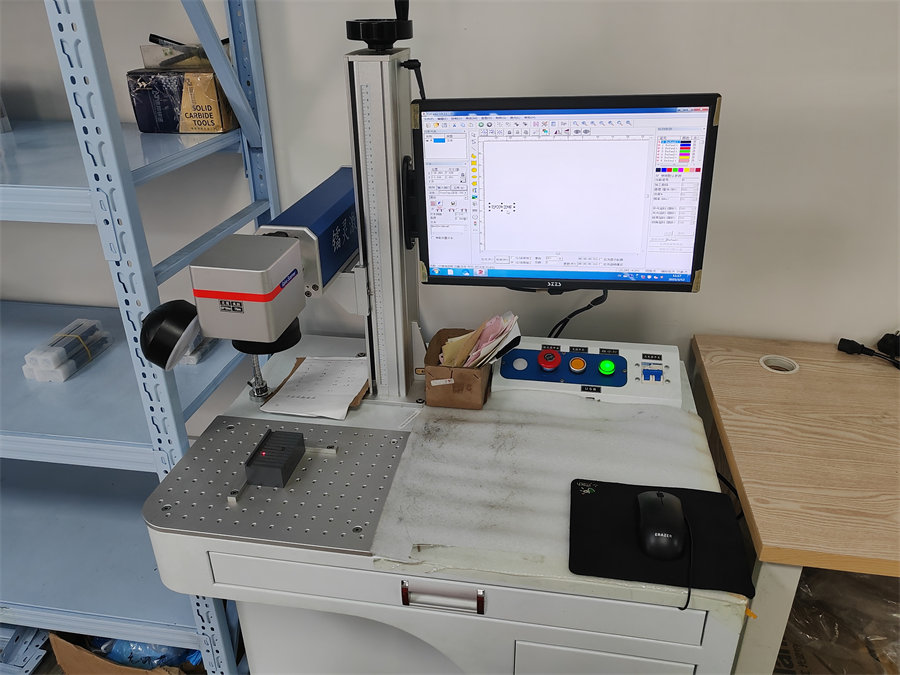
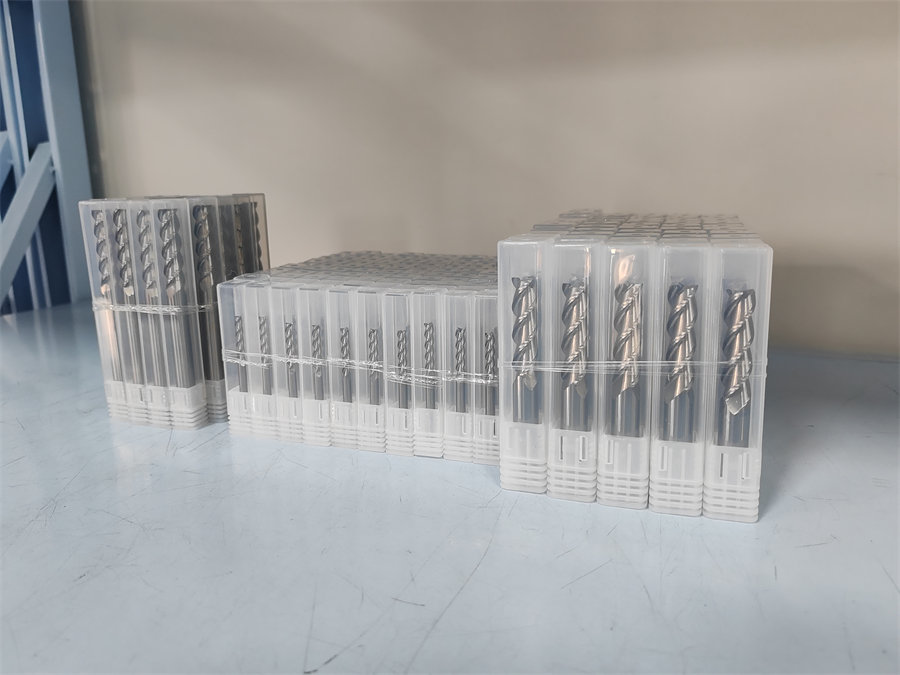
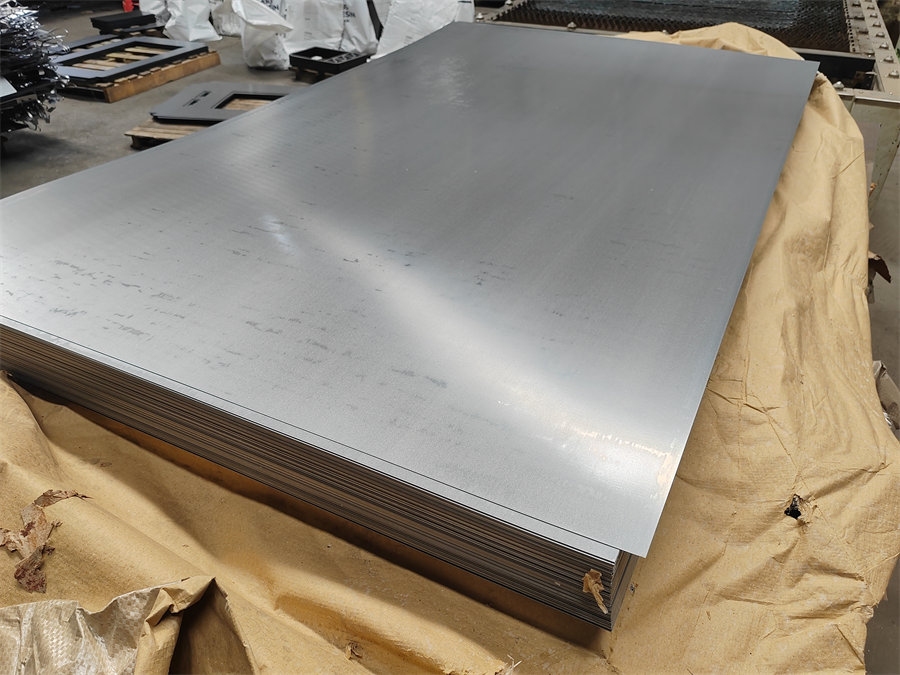
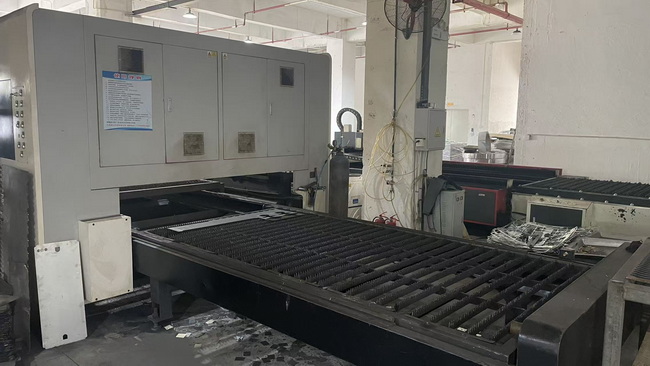
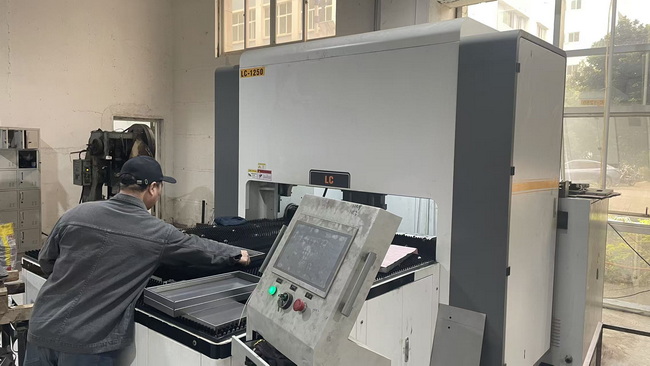
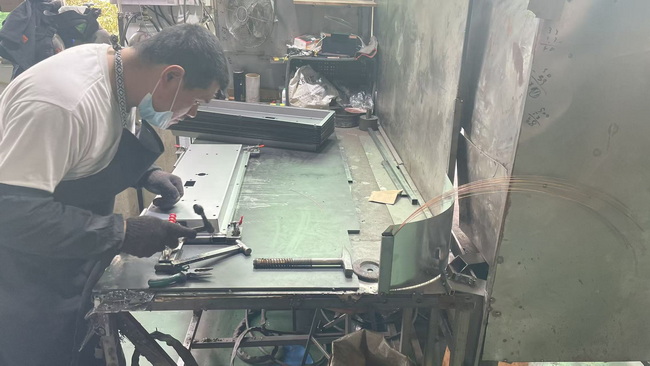
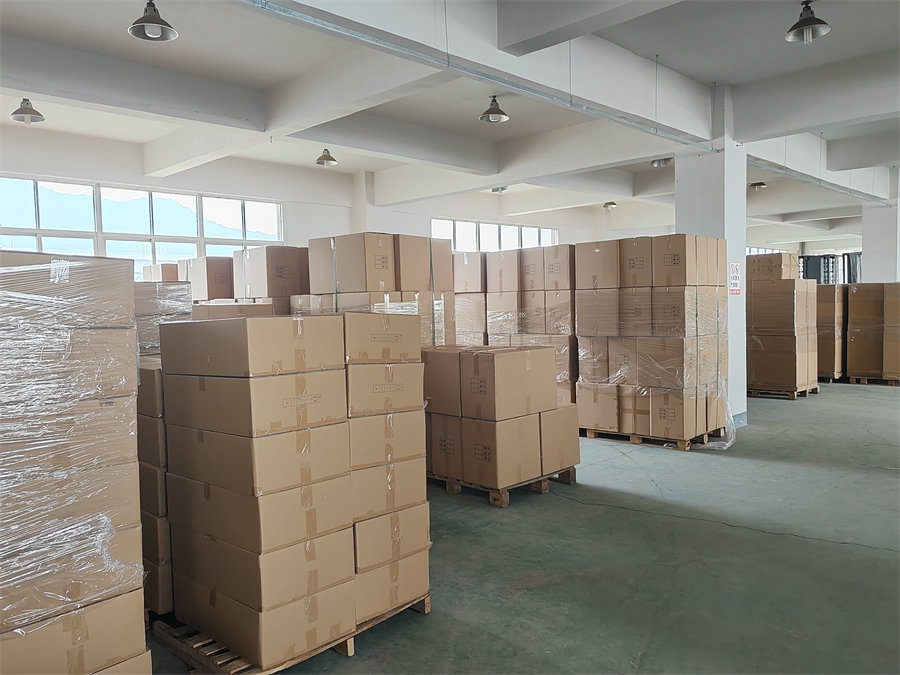
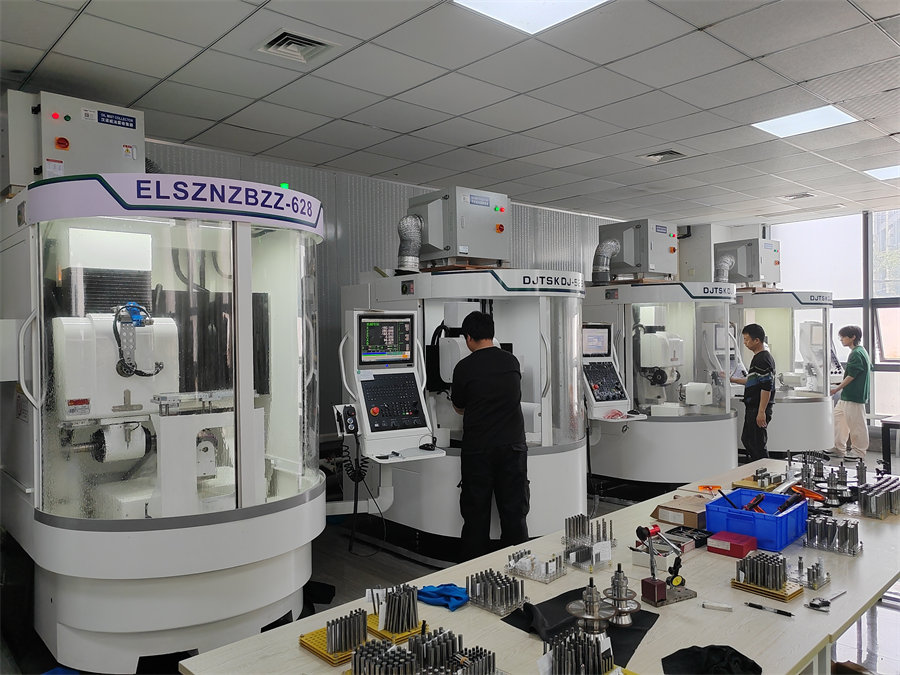
Precision tools require correct deployment strategies. Suzhou Tier Tool provides engineering support to integrate our products with global standards and CNC platforms.
Our tools are manufactured to DIN, ISO, and ANSI specifications. This ensures compatibility with standard indexable toolholders and tool storage carousels worldwide.
Our technicians help configure milling parameters, including feed-per-tooth, cutting speeds (Vc), and chip load calculations to maximize tool life on specific alloys.
We build customized solid carbide step drills, variable-helix end mills, and indexable profiles to print, with rapid turnaround times from raw material to finished product.
Cutting tool design relies on advanced materials science. Tier Tool invests in research to improve substrate performance, tool geometries, and edge preparation methods.
We are expanding the use of TiAlN and AlCrN multi-layered PVD coatings. These coatings create a hard aluminum oxide barrier under heat, isolating the carbide substrate from friction and thermal stress during high-speed dry milling.
Standard tool grades suffer from cobalt leaching and micro-cracking at high feed rates. Our upcoming tool grades use sub-micron tungsten carbide grains, which improve wear resistance without making the cutting edge brittle.
We are using 3D modeling to optimize chip-breaker geometry on indexable inserts. This controls chip behavior when processing difficult materials, protecting the work surface and preventing chip wrapping.
Expert insights on tool selection, machining parameters, and manufacturing practices.
Explore our single-point and multi-point indexable cutters, thread milling systems, and performance-grade solid carbide tools.
 Tier Tool