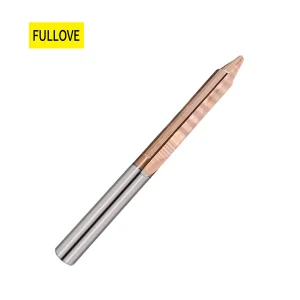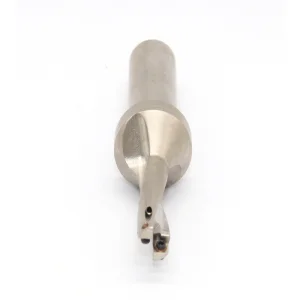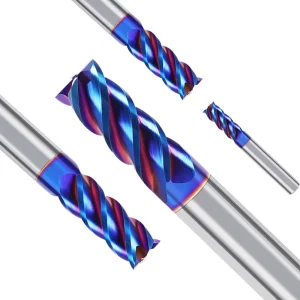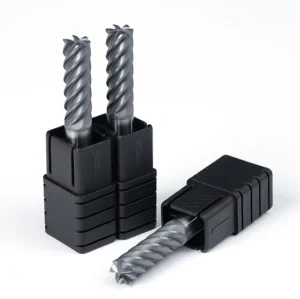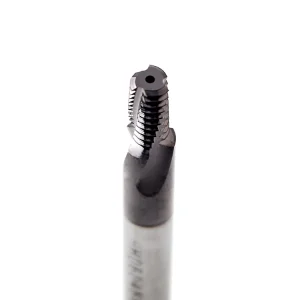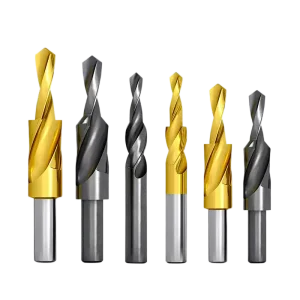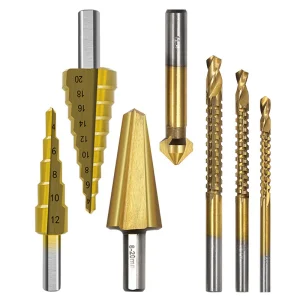
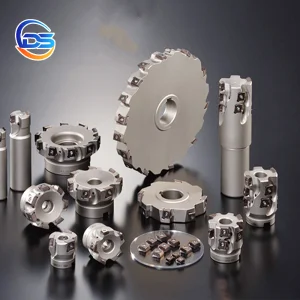
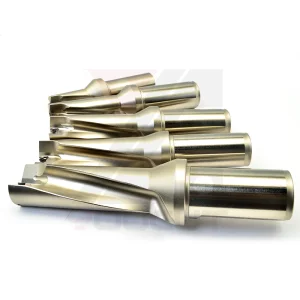
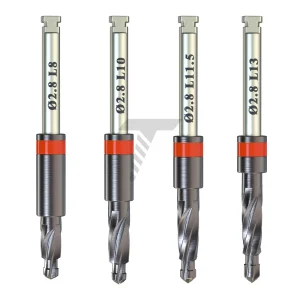
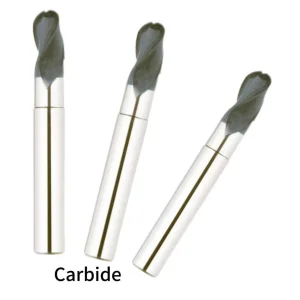
In high-precision mechanical engineering, final dimension finishing is the critical factor that dictates system reliability and performance longevity. Hole finishing, in particular, requires dimensional precision within single-micron limits (tolerances spanning IT7 to IT5 classes) along with smooth surface finishes ($R_a$ values lower than 0.4 microns). For decades, global industrial manufacturing has relied heavily on precision reaming tools to achieve these demanding specifications. By combining multi-edge radial geometries with submicron solid carbide substrates, state-of-the-art reamers deliver dimensional correctness that single-point boring tools and conventional drills cannot achieve consistently at high volumes.
As a leading China Reaming Tools Factory & Supplier, Suzhou Tier Tool Co., Ltd. addresses the evolving technological challenges faced by modern manufacturing plants worldwide. Industrial demand has shifted away from general-purpose machinery toward custom-tailored, alloy-specific geometries. Factors such as the growth of global EV platforms, lightweight materials in commercial aviation, and medical implant fabrication have driven the industry to transition from traditional High-Speed Steel (HSS) to ultra-dense tungsten carbide configurations. Understanding this shift is essential to selecting tooling strategies that control cycle times and reduce production costs.
Suzhou Tier Tool Co., Ltd. was established in 2008 and is a national high-tech enterprise specializing in the design, manufacturing, and technical support of precision solid carbide cutting tools.
Since its foundation, Tier Tool has been deeply committed to the precision machining industry, focusing on delivering high-performance, high-efficiency cutting solutions for hole-making and metalworking applications. Through continuous technological innovation and manufacturing excellence, the company has earned the trust of customers across a wide range of industries worldwide.
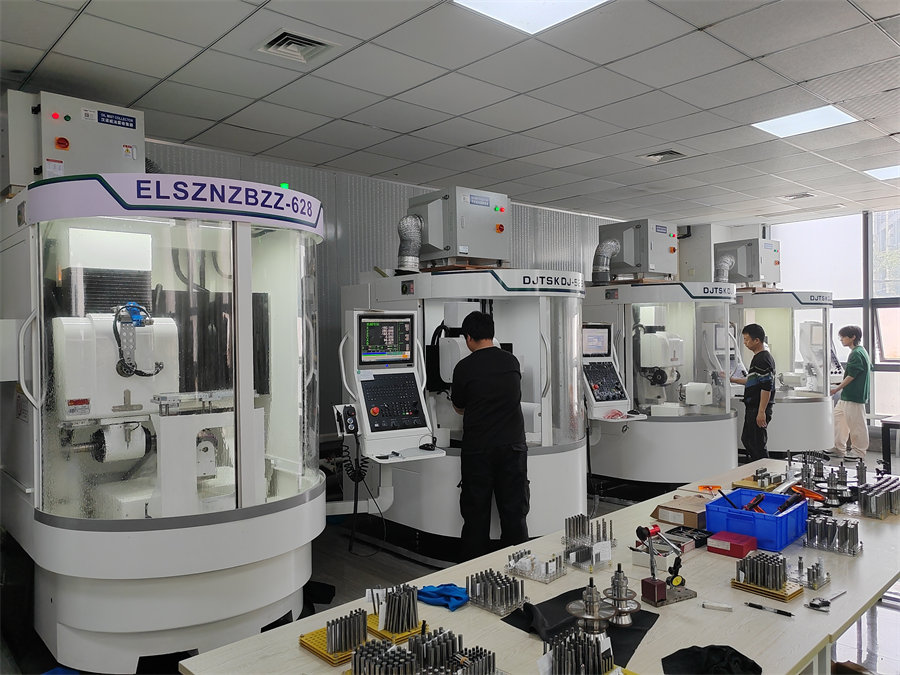
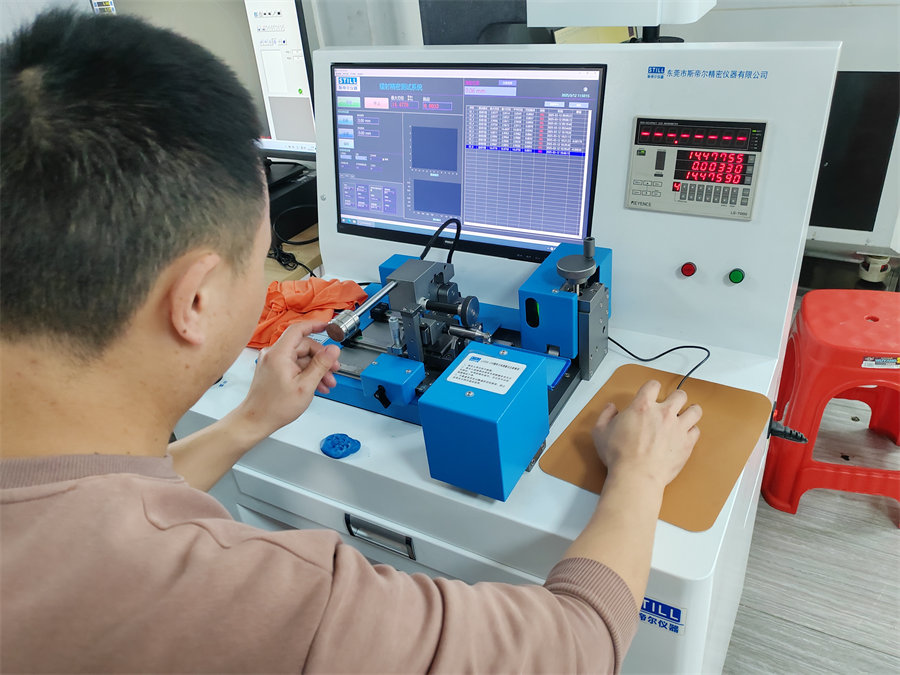
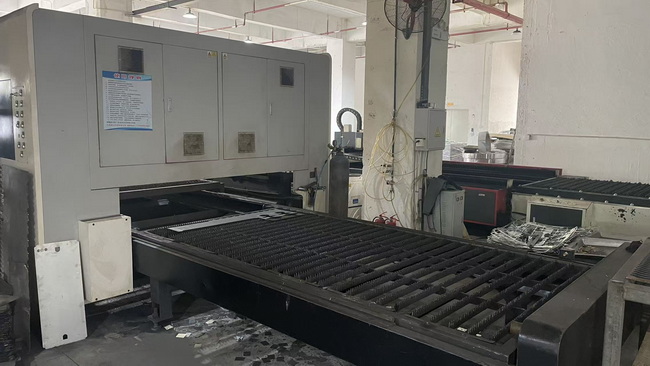
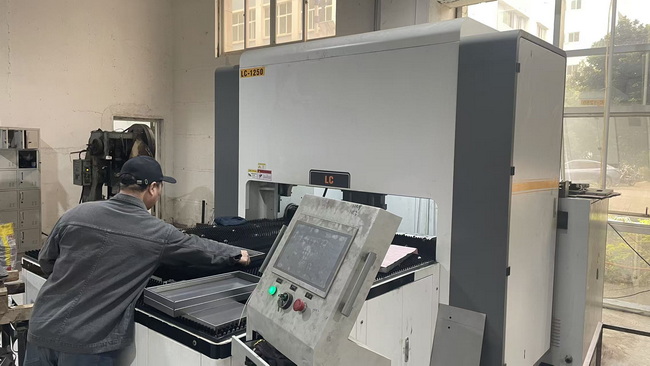
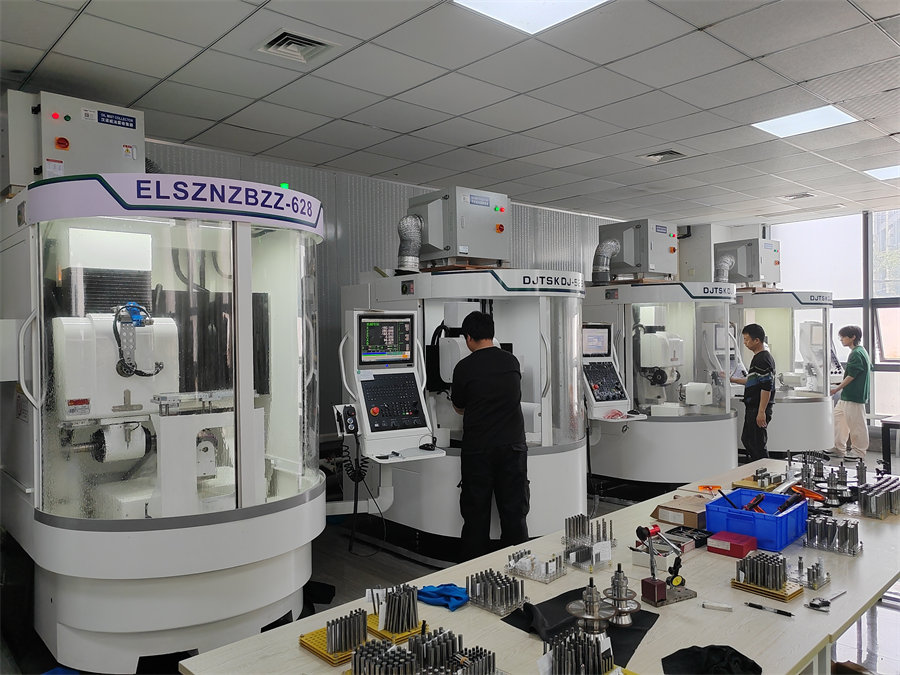
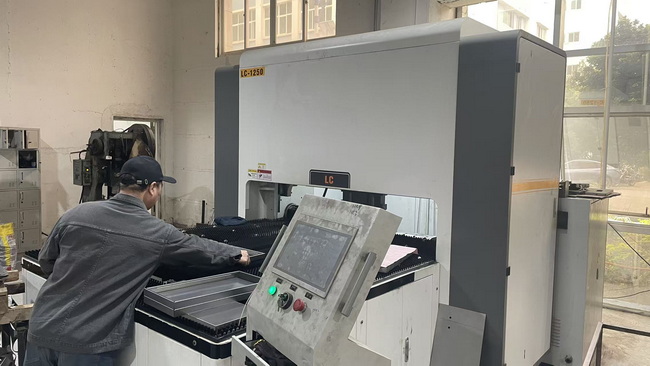
To ensure the highest levels of precision and consistency, Tier Tool has invested extensively in advanced manufacturing equipment and production technologies. The company operates multiple imported CNC tool grinding machines and precision inspection systems, enabling complete in-house capabilities from tool design and prototyping to small-batch testing and large-scale production.
Our manufacturing process is built upon strict process control and traceability standards. Every production stage is carefully monitored to ensure repeatability, quality consistency, and reliable delivery performance. Through systematic process management and standardized operating procedures, Tier Tool has established a robust manufacturing system capable of meeting the demanding requirements of modern precision machining.
Quality is the foundation of Tier Tool's long-term success. We adhere to the principle of "Quality First, Continuous Improvement", implementing rigorous quality control procedures throughout the entire production cycle.
From raw material selection and incoming inspection to final product verification, every tool undergoes comprehensive quality checks to ensure it meets strict dimensional, geometrical, and performance requirements. By continuously optimizing our manufacturing and inspection processes, we deliver products that provide exceptional accuracy, reliability, and consistency in real-world machining applications.
We understand that in precision manufacturing, stable quality is not only a requirement but also the key factor that determines our customers' productivity and competitiveness.
At Tier Tool, we believe that supplying cutting tools is only the beginning of our partnership with customers. Beyond delivering products, we provide comprehensive technical support and application engineering services to assist customers in optimizing their manufacturing processes.
Our technical specialists work directly with customers to analyze machining conditions, recommend suitable tooling strategies, and develop solutions that maximize efficiency, reliability, and cost-effectiveness. By understanding our customers' production goals and competitive challenges, we strive to become a trusted long-term manufacturing partner rather than simply a tooling supplier.
Looking ahead, Suzhou Tier Tool Co., Ltd. will continue to focus on the development of high-performance carbide cutting tools and deepen its expertise in automotive, aerospace, precision engineering, and advanced manufacturing industries.
Driven by professionalism, innovation, and customer commitment, we are dedicated to creating greater value for our customers through reliable products, flexible services, and advanced manufacturing technologies. Tier Tool will continue to grow as a trusted global partner in precision cutting solutions, helping customers achieve higher productivity, better quality, and stronger competitiveness in an ever-evolving manufacturing world.
Achieving micron-level tolerances consistently during high-speed cutting requires high-grade materials and precise tool geometries. To construct high-durability tools, we use ultra-fine and nano-grain tungsten carbide (WC) substrates mixed with cobalt (Co) binders ranging from 6% to 12% by weight. A lower cobalt percentage increases hardness (up to 94 HRA) for processing high-temp alloys, while a higher cobalt content adds impact toughness to withstand interrupted cuts and varying feed rates.
Tool performance is further enhanced by advanced surface coatings. By using Physical Vapor Deposition (PVD) and Chemical Vapor Deposition (CVD), we apply thin, high-hardness protective barriers:
Our tool design also features variable helix angles and unequal flute spacing. Standard equal-flute reamers can develop resonant harmonics during operation, leading to chatter marks on the workpiece. By using unequal flute spacing, we break up these harmonic waves to minimize vibration, maintaining surface roundness and consistency even in challenging boring applications.
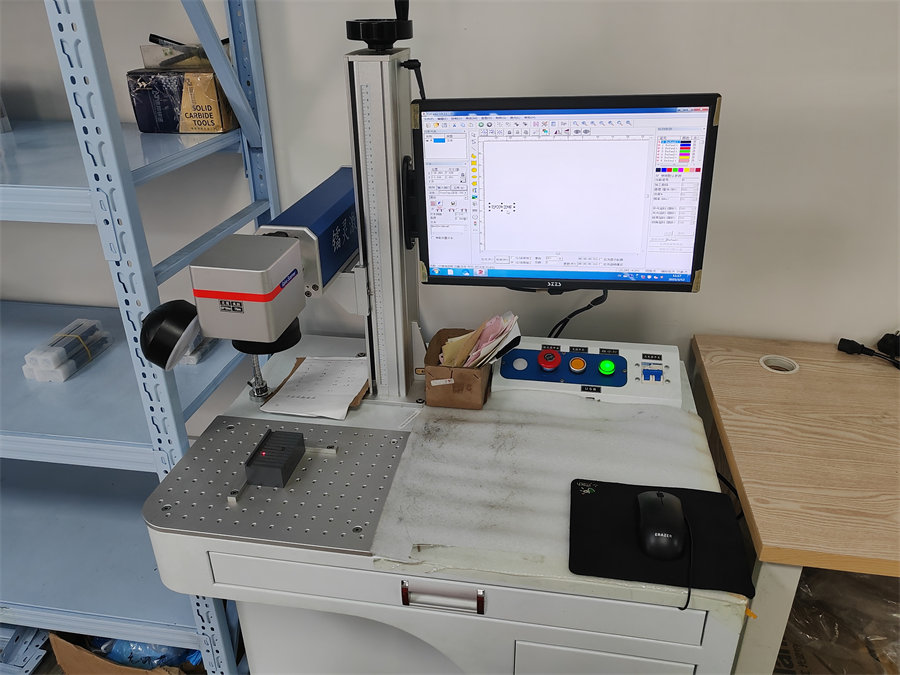
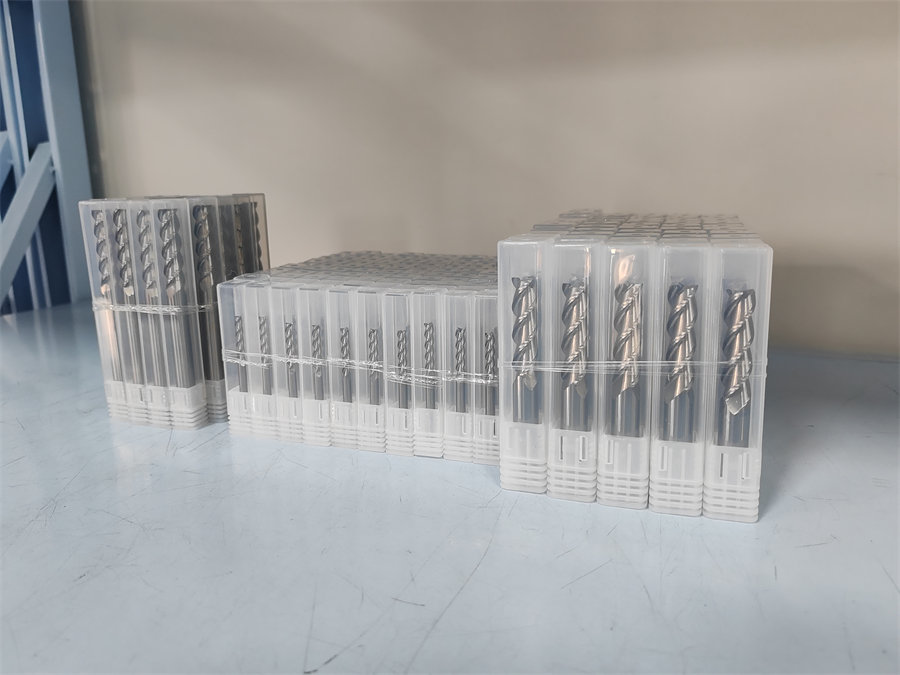
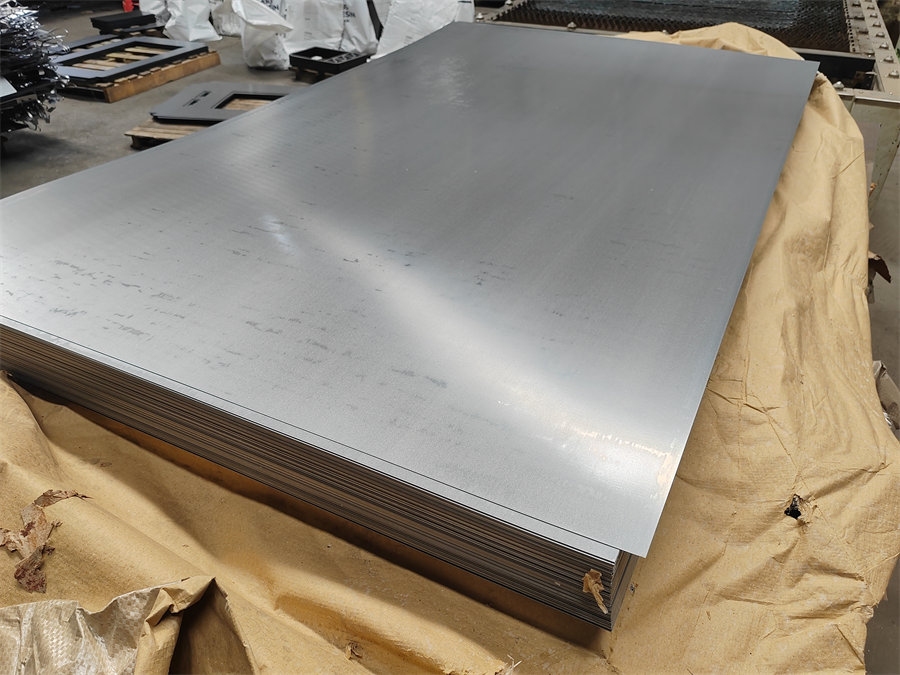
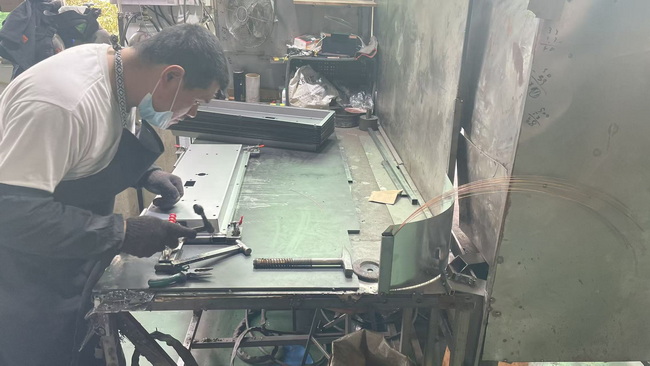
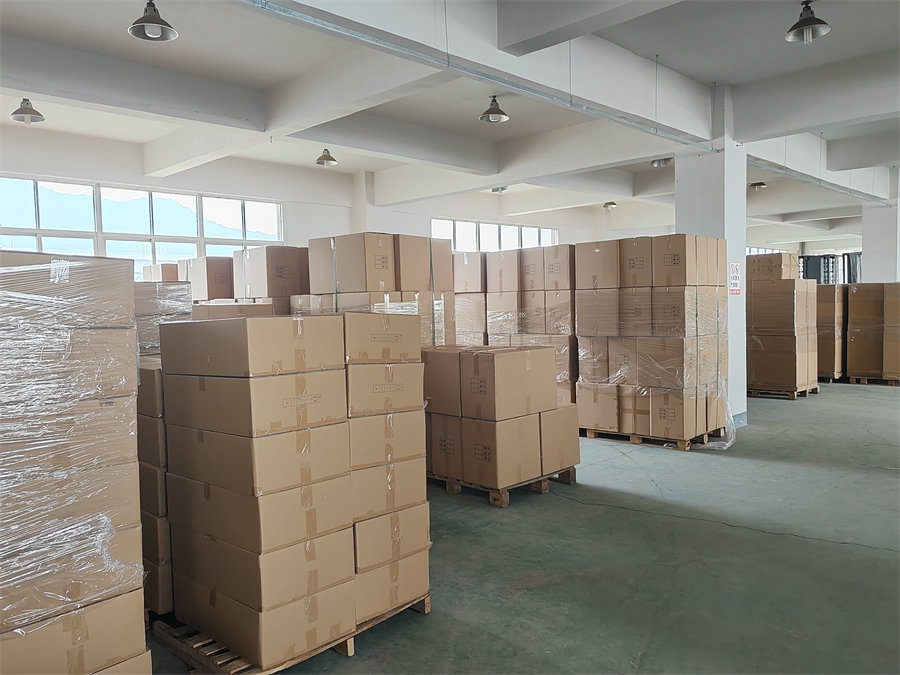
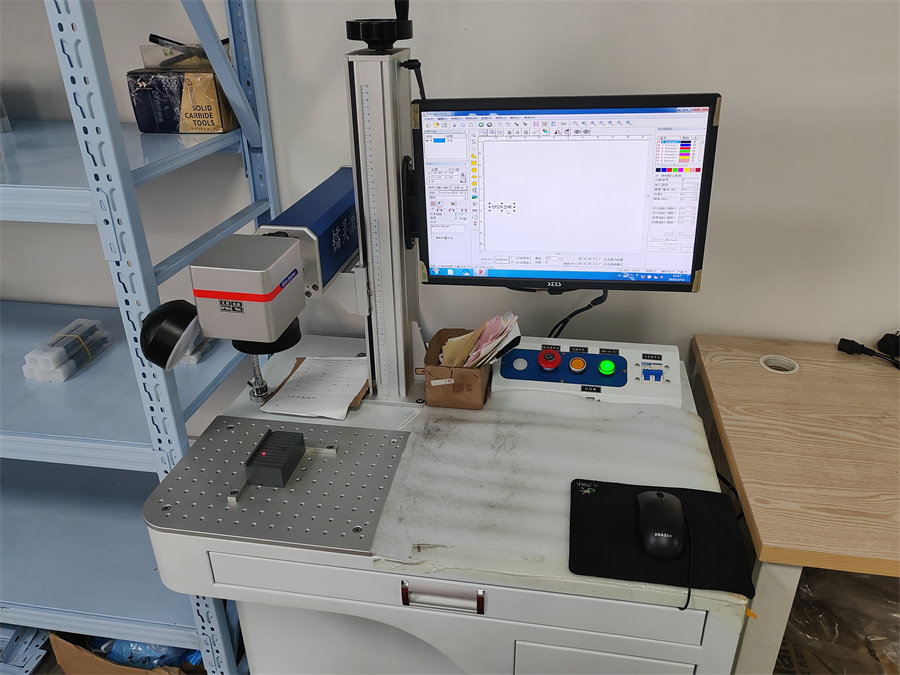
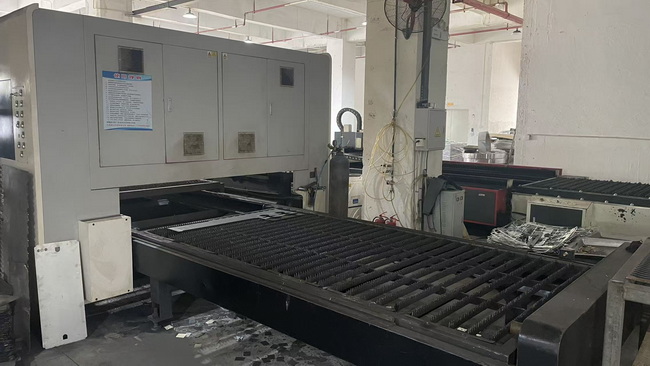
Our production facilities integrate raw material preparation, CNC machining, automated inspection, laser marking, and final packaging. This complete vertical integration keeps lead times short, maintains product consistency, and ensures supply chain reliability for our global partners.
Modern engine blocks, transmission housings, and steering knuckles require close cylinder-roundness tolerances. Multi-stepped carbide reamers allow operators to machine spark plug threads, valve guide pathways, and cylinder walls in a single process step, improving concentricity and shortening overall cycle times.
Aerospace components are built from high-strength materials like Ti-6Al-4V titanium and nickel-based superalloys. These tough materials work-harden quickly under thermal stress. Our specialty coolant-through reamers deliver fluid directly to the cutting edges, lowering temperatures and preventing micro-cracking in fuselage and landing gear parts.
Orthopedic bone screws, surgical instruments, and titanium implants require precise, burr-free finishes. Our micro-diameter carbide tools are designed for small-part medical manufacturing, ensuring consistent geometry down to nominal diameters of 0.8 mm.
Modern machine shops are moving rapidly toward unmanned production and adaptive control networks. Cutting tool technology is evolving in step to meet these digital demands. Tier Tool's R&D is focused on three primary areas:
 Tier Tool