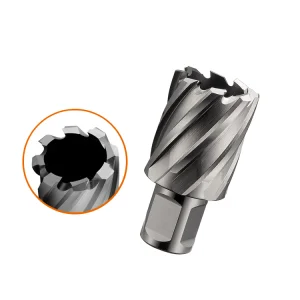
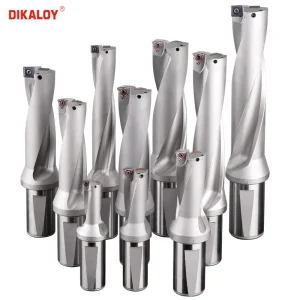
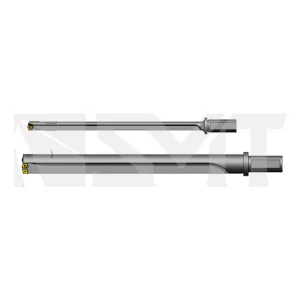
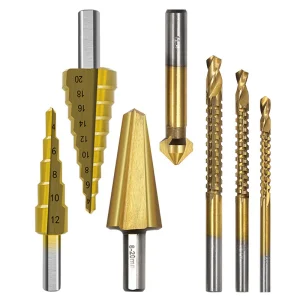
High-precision solid carbide, step drills, indexable face mills, and annular cutters engineered for extreme reliability and tool life.
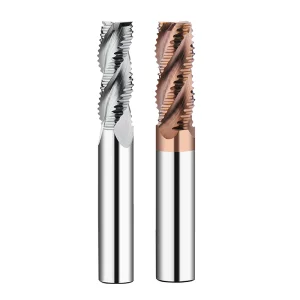
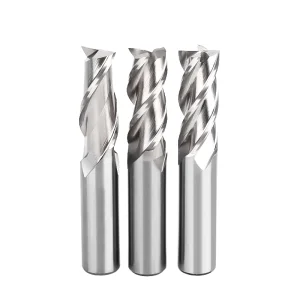
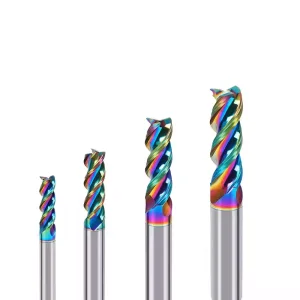
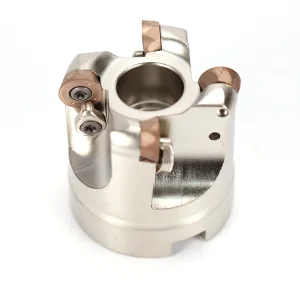
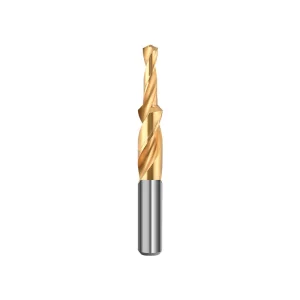
In modern high-speed machining, face cutting tools represent the core technology determining structural integrity, surface finish quality, and cycle-time efficiency. Face cutting—primarily executed through indexable face mills, end mills, and specialized hole-making systems—requires an optimal combination of metallurgy, heat treatment, substrate structural integrity, and physical vapor deposition (PVD) or chemical vapor deposition (CVD) coatings.
For international sourcing managers and mechanical engineers, finding a reliable manufacturer in China is not merely about sourcing cheaper alternatives; it is about finding a technology partner capable of delivering consistent dimensional accuracy. Industry 4.0 dictates that tool consistency must approach a 100% yield rate to prevent automated CNC machine downtime. This whitepaper analyzes the manufacturing capabilities, metallurgy, coatings, and macro-industrial solutions provided by advanced Chinese factories, focusing on the quality-first framework of Suzhou Tier Tool Co., Ltd.
Over the past two decades, China's industrial tooling infrastructure has evolved from copycat manufacturing to pioneering patent-pending metallurgical designs. Sourcing face cutting tools from premium Chinese factories offers three core competitive advantages:
Proximity to raw tungsten carbide and high-speed steel processing plants ensures access to pure micro-grain and nano-grain powder substrates, improving tool wear resistance.
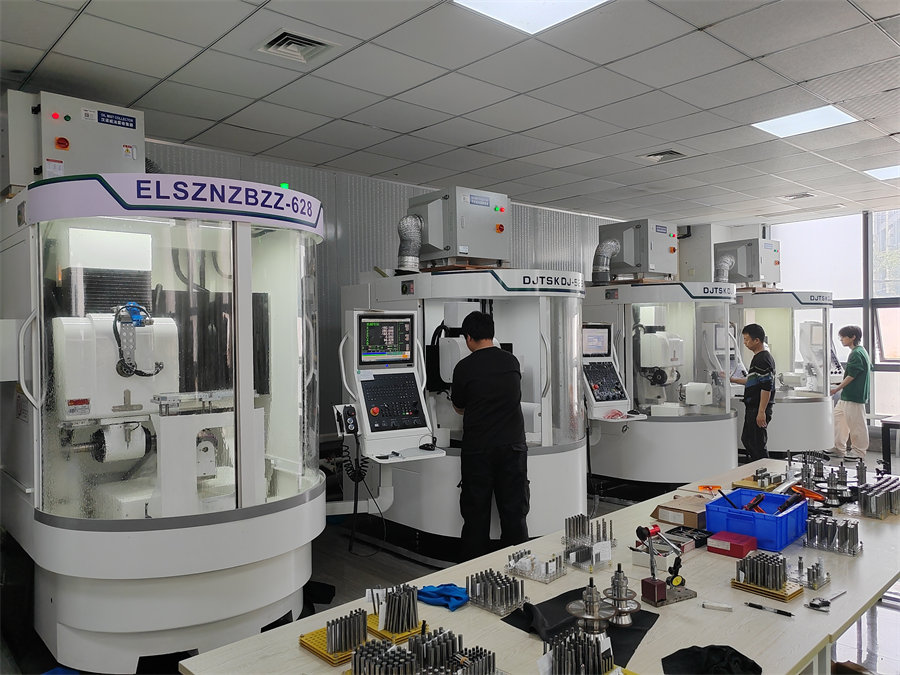
Leading factories like Suzhou Tier Tool invest heavily in Swiss Rollomatic, German Walter, and Australian ANCA multi-axis grinding units, matching Western manufacturing precision.
Fast-turnaround tooling customization based on 3D CAD models allows global buyers to implement tailored geometries for non-standard aerospace and automotive parts.
Information Gain Metric: High-performance Chinese face milling cutters (like the EMR6R indexable mill or HRC55 carbide wave edge cutters) maintain a 92-95% efficiency-to-cost ratio compared to top Japanese and German brands, reducing overall tool-cost-per-part by up to 40% in large-scale automotive manufacturing lines.
The cutting edge of a face tool experiences mechanical shear stress up to 1,000 MPa and thermal spikes exceeding 900°C. Achieving high tool life requires precise coating deposition. Suzhou Tier Tool leverages specific coatings for varied application environments:
Established in 2008, Suzhou Tier Tool Co., Ltd. is a national high-tech enterprise specializing in the design, manufacturing, and technical support of precision solid carbide cutting tools.
Since its foundation, Tier Tool has been deeply committed to the precision machining industry, focusing on delivering high-performance, high-efficiency cutting solutions for hole-making and metalworking applications. Through continuous technological innovation and manufacturing excellence, the company has earned the trust of customers across a wide range of industries worldwide.
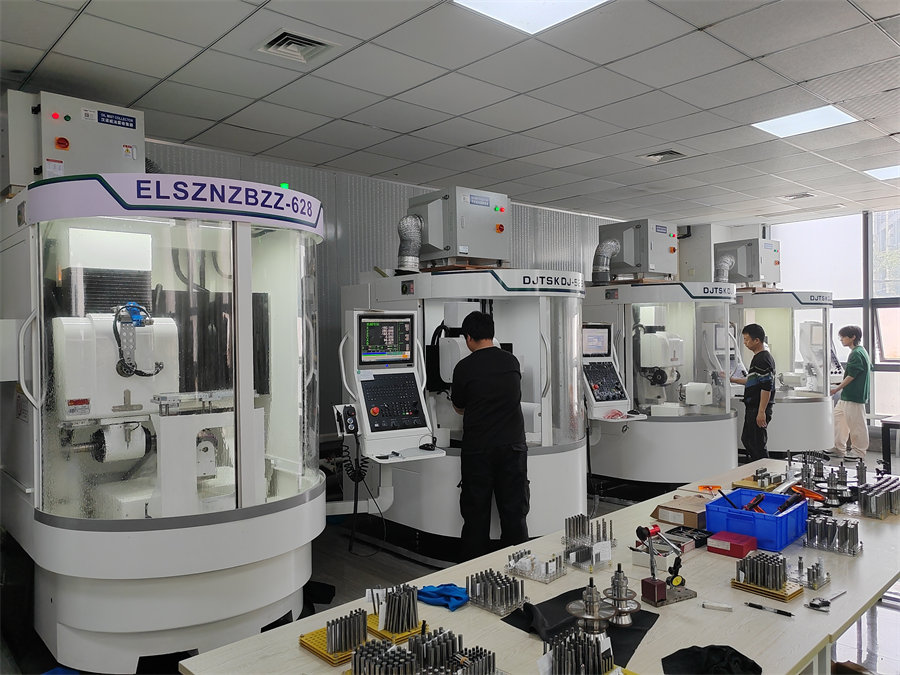
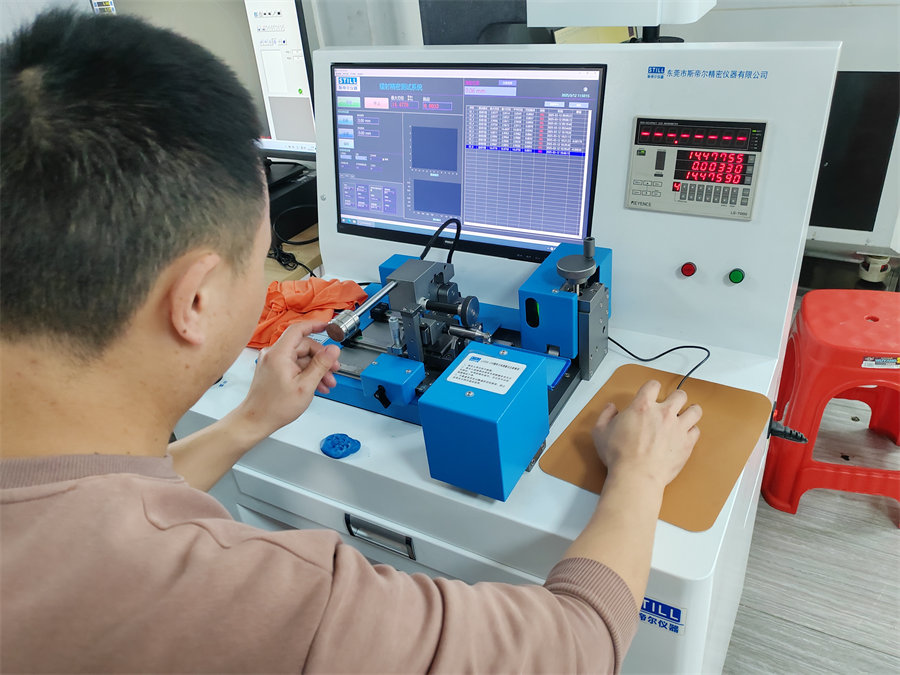
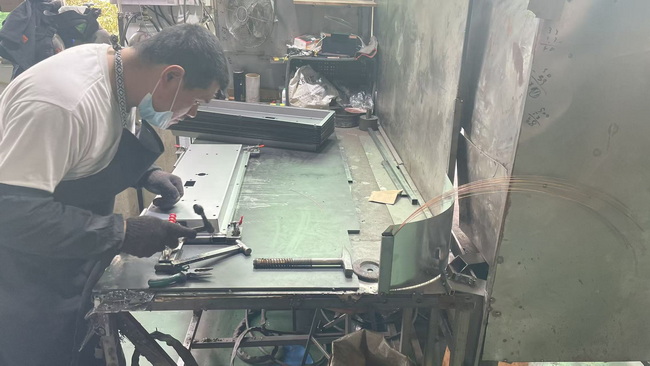
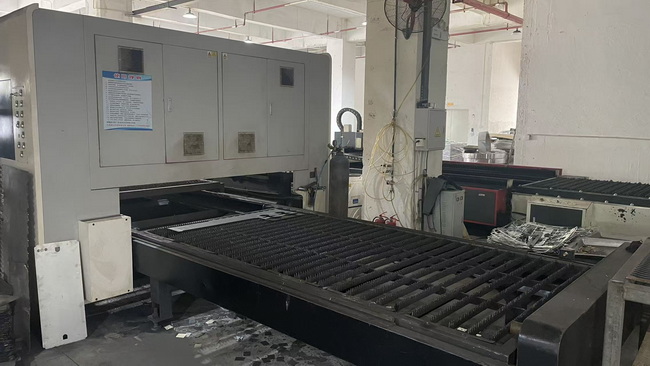
To ensure the highest levels of precision and consistency, Tier Tool has invested extensively in advanced manufacturing equipment and production technologies. The company operates multiple imported CNC tool grinding machines and precision inspection systems, enabling complete in-house capabilities from tool design and prototyping to small-batch testing and large-scale production.
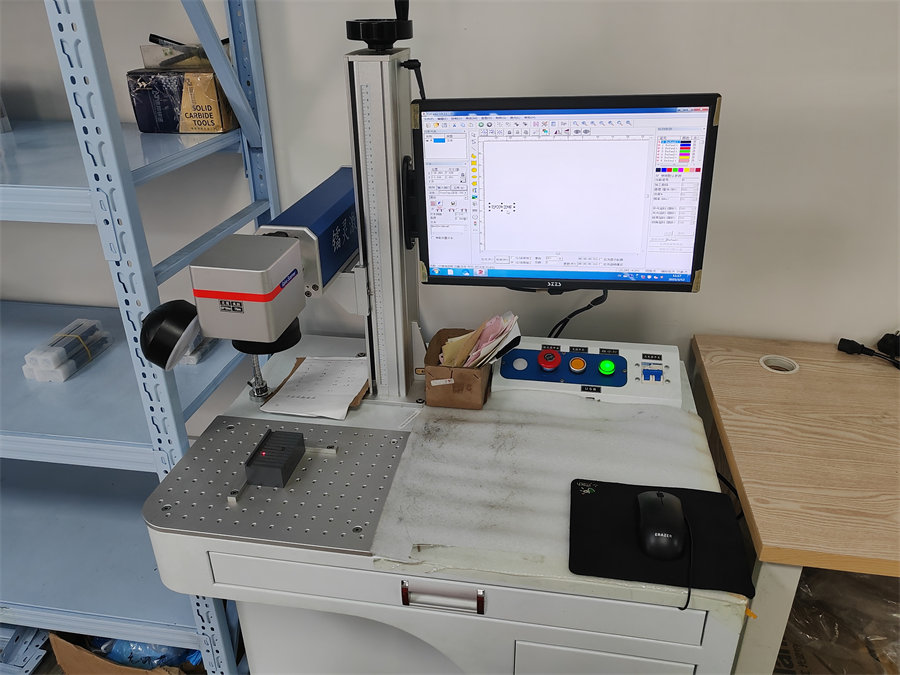
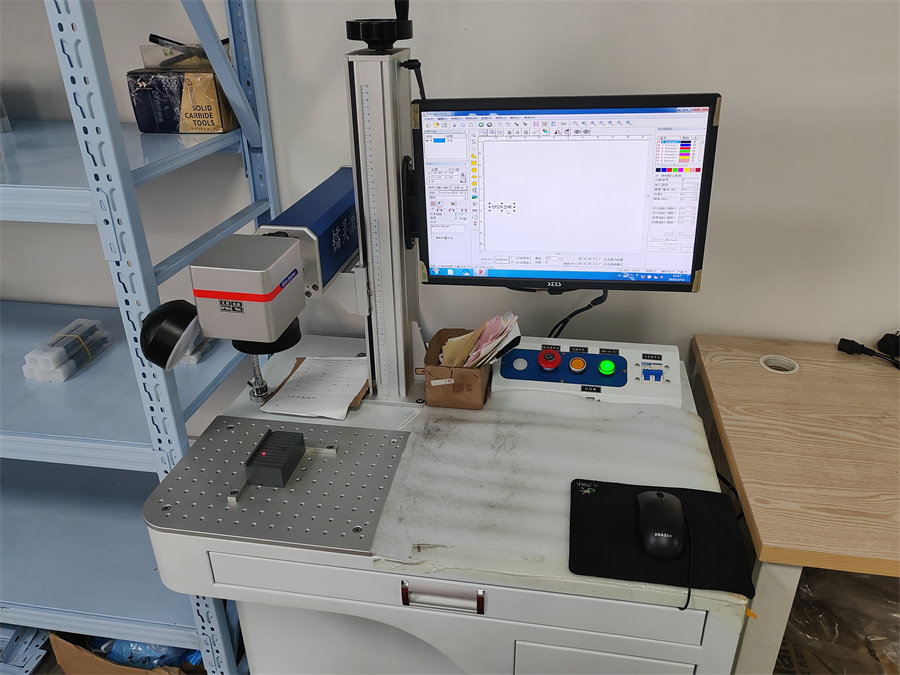
Our manufacturing process is built upon strict process control and traceability standards. Every production stage is carefully monitored to ensure repeatability, quality consistency, and reliable delivery performance. Through systematic process management and standardized operating procedures, Tier Tool has established a robust manufacturing system capable of meeting the demanding requirements of modern precision machining.
Quality is the foundation of Tier Tool's long-term success. We adhere to the principle of "Quality First, Continuous Improvement", implementing rigorous quality control procedures throughout the entire production cycle. From raw material selection and incoming inspection to final product verification, every tool undergoes comprehensive quality checks to ensure it meets strict dimensional, geometrical, and performance requirements.
At Tier Tool, we believe that supplying cutting tools is only the beginning of our partnership with customers. Beyond delivering products, we provide comprehensive technical support and application engineering services to assist customers in optimizing their manufacturing processes. Looking ahead, Suzhou Tier Tool Co., Ltd. will continue to focus on the development of high-performance carbide cutting tools and deepen its expertise in automotive, aerospace, precision engineering, and advanced manufacturing industries.
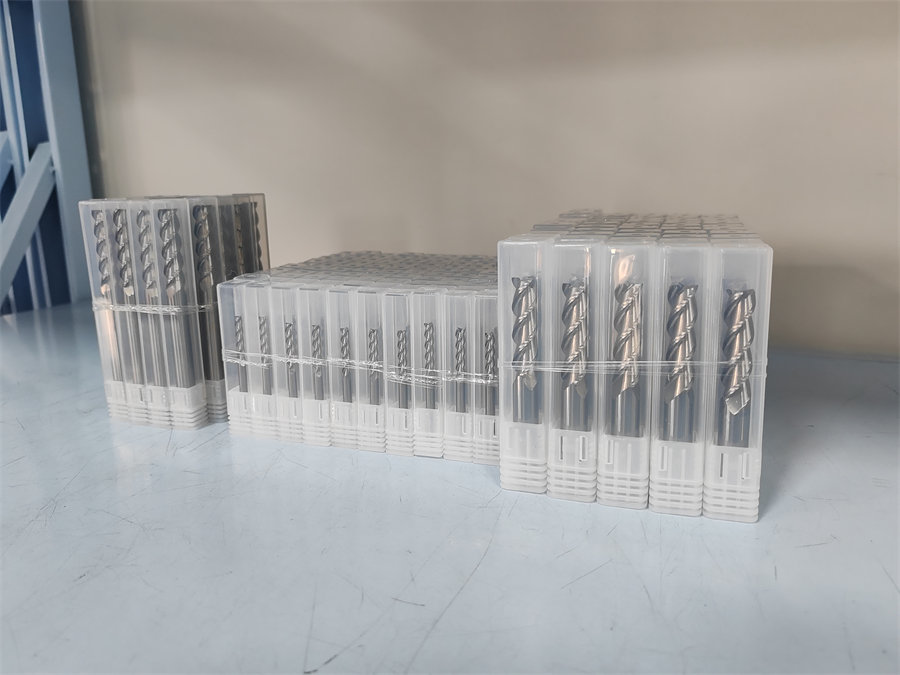
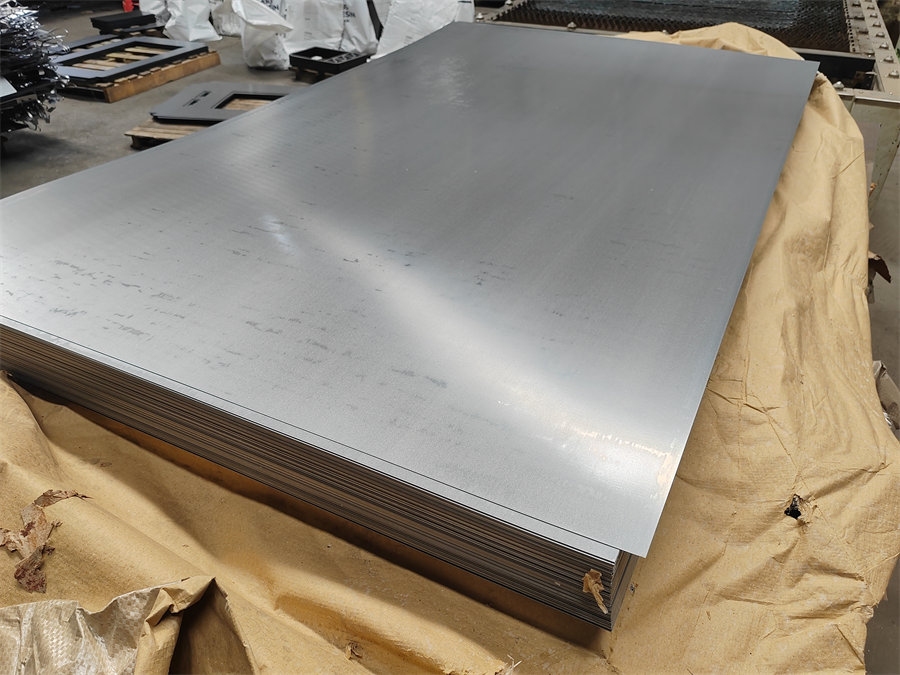
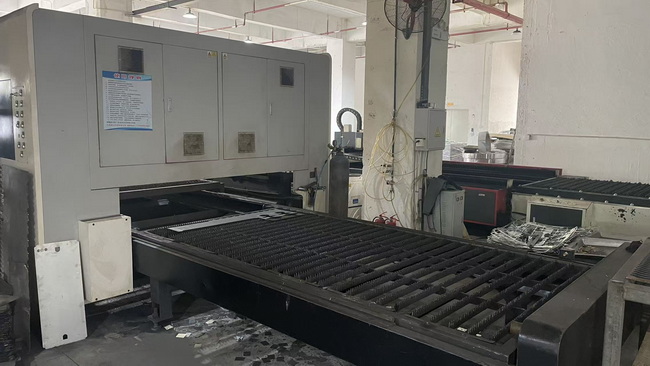
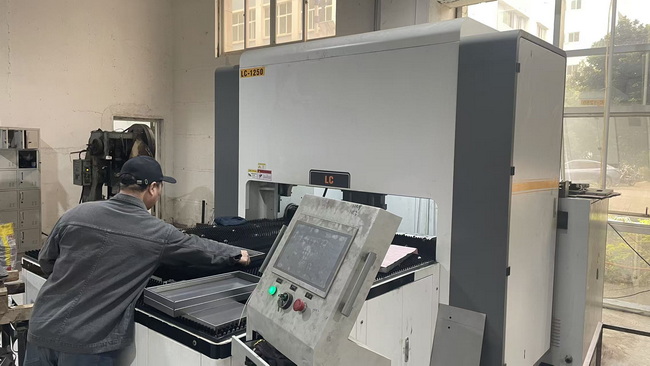

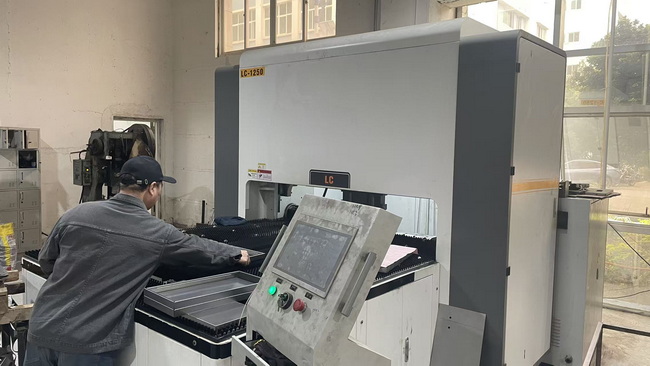
Modern CNC machine centers require distinct configurations depending on the workpieces involved. Below are the macro-solutions optimized by engineers to maximize throughput:
Aerospace parts demand minimal thermal deformation. Using HRC55 or higher solid tungsten carbide wave-edge end mills with unequal index geometries disrupts harmonics and eliminates chatter. This permits high material removal rates (MRR) without causing structural cracking or surface finish degradation in thin-walled structures.
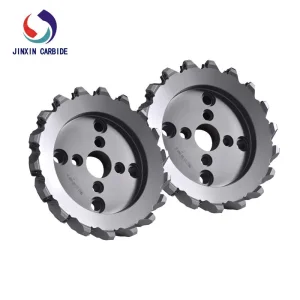
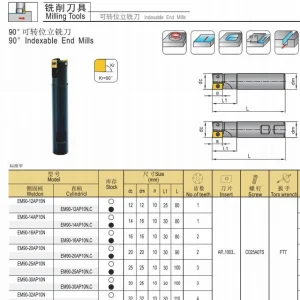
For heavy-duty face milling of engine blocks (gray cast iron or cast aluminum), indexable face mill cutters such as the EMR6R Series are highly effective. Using replaceable carbide inserts coated with thick AlTiN layers, these systems allow milling feeds to exceed 1200 mm/min, decreasing the cost-per-part index.
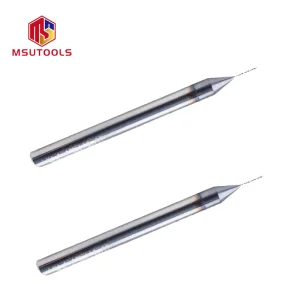
Printed circuit board substrates contain abrasive glass fibers and copper layers. Tier Tool’s micro carbide drills (down to 0.1 mm diameters) ensure roundness tolerances within 2 microns. This prevents delamination of layers during high-speed spindle operations (60,000–100,000 RPM).
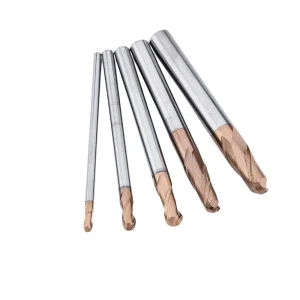
Finishing 3D mold cavities demands absolute precision over 20-30 hours of continuous machining. Our 3D Mold Cavity Finishing 2-Flute Ball Nose End Mills, coated in Nano-Blue, maintain radius tolerances of ±0.005mm, preventing dimensional drift caused by progressive edge wear.
The cutting tool industry is adapting to three primary structural developments:
Procurement Pro-Tip: When ordering wholesale cutting tools, do not evaluate price alone. Request testing data for Cost-Per-Part (CPP). A tool costing 20% more that achieves a 50% longer run time reduces overall operational cost by decreasing downtime during batch swaps.
Answers to common engineering and procurement questions regarding face cutting tools, custom specifications, and performance optimization.
Indexable face mills use replaceable carbide inserts. When a cutting edge wears down, you rotate or replace the insert instead of scrapping the whole tool. This makes indexable options much more cost-effective for large-diameter face milling. Solid carbide end mills, on the other hand, are better for smaller diameters, complex geometries, and applications requiring tight tolerances.
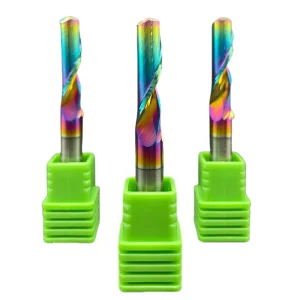
AlTiN (Aluminum Titanium Nitride) is a high-temperature coating suitable for hard steels, cast iron, and stainless steel. It forms a protective layer of aluminum oxide when exposed to high heat. DLC (Diamond-Like Carbon) coatings are amorphous carbon films with very low friction coefficients, making them ideal for aluminum and copper alloys because they prevent material from welding to the cutting edge.
You must choose an ultra-fine grain tungsten carbide substrate with high cobalt content for fracture toughness, combined with a thermal-barrier coating like Nano-Blue or AlTiN. In addition, the tool geometry should feature a reinforced cutting edge and a negative rake angle to distribute cutting forces and prevent chipping.
We operate imported Walter and ANCA CNC grinding machines along with Zoller laser measuring systems. Every batch of raw carbide rods is checked for purity and grain structure, and we maintain full production traceability so that each tool meets its exact dimensional specifications.
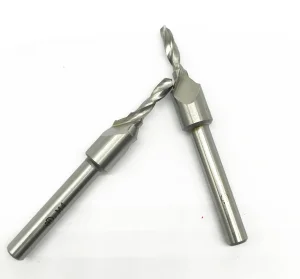
Yes. Suzhou Tier Tool offers full OEM and ODM services. Our engineering team can design custom step drills, multi-diameter cutters, and specialty profiles based on your CAD files, with typical turnaround times of 7 to 15 days from design approval to delivery.
Chipping is typically caused by insufficient coolant flow, spindle vibration, or incorrect feed rates. To prevent it, ensure your setup is rigid, use continuous internal coolant to flush chips, and follow the manufacturer's recommended speeds and feeds.
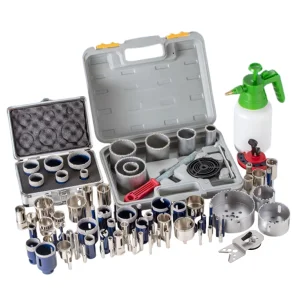
Industrial-grade tooling including indexable gun drills, micro-drills for PCBs, diamond core drills, and high-precision side face milling systems.
 Tier Tool