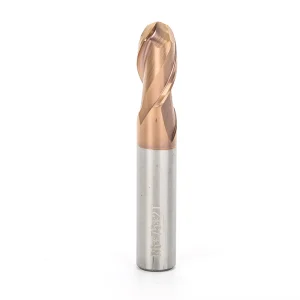
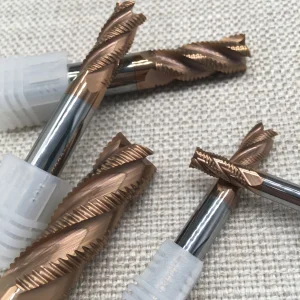
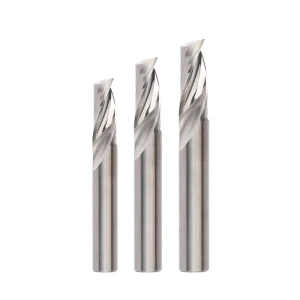
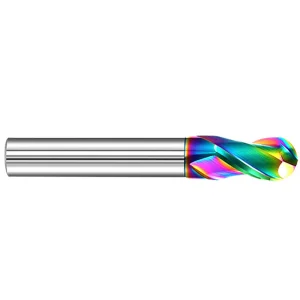
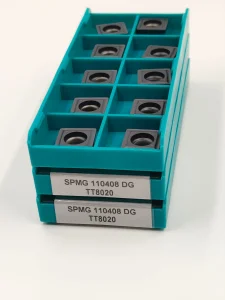
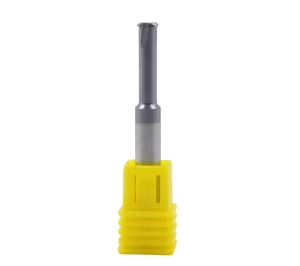
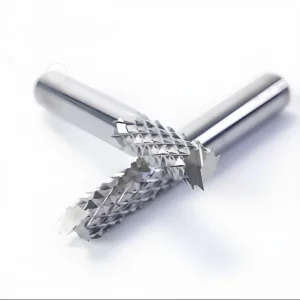
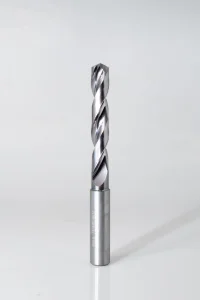
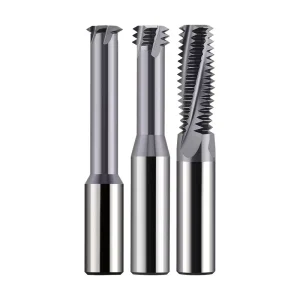
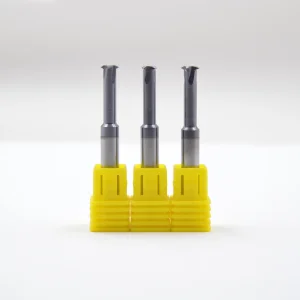
Explore our premium selection of solid carbide and high-speed steel components engineered for CNC milling, drilling, and high-efficiency tooling assemblies.
A comprehensive analysis of metallurgy, micro-geometries, and structural optimization driving modern industrial drilling processes.
Modern manufacturing requires cutting tools to withstand intense friction and elevated thermal loading. High-Speed Steel (HSS) has evolved beyond basic binary alloys. The incorporation of Cobalt (HSS-E, Co5%, or Co8%) increases red hardness, ensuring the tool maintains its structural integrity at temperatures exceeding 600°C. Powder Metallurgy HSS (PM-HSS) provides a uniform carbide distribution, eliminating grain boundary segregation and boosting fracture toughness relative to standard cast-and-wrought steels.
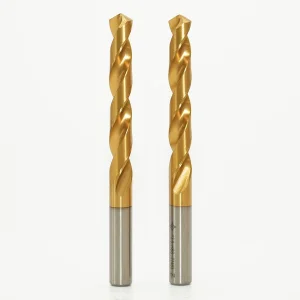
The efficiency of a twist drill is defined by its cutting lip, chisel edge, and flute profile. Split-point geometries (DIN 1412 Form C) mitigate the centering errors associated with traditional chisel points. By introducing secondary clearances, the thrust force required during the initial penetration phase is reduced by up to 30%. Parabolic flute configurations enhance chip evacuation profiles, facilitating non-stop deep-hole drilling (pecking elimination) in sticky alloys.
Uncoated HSS tools are limited by physical wear boundaries. To optimize performance, modern OEM twist drills feature multi-layered Physical Vapor Deposition (PVD) coatings. Titanium Aluminum Nitride (TiAlN) and Aluminum Titanium Nitride (AlTiN) coatings develop a protective surface aluminum oxide layer under high operating temperatures, shielding the substrate and allowing for dry machining or mist-coolant applications.
For global industrial supply chains, sourcing twist drills extends beyond unit prices. Professional buyers evaluate tools on a **Total Cost of Ownership (TCO)** basis. The primary operational objectives in volume assembly and machining facilities focus on tooling lifetime predictability, batch-to-batch structural uniformity, and overall cycle-time reduction.
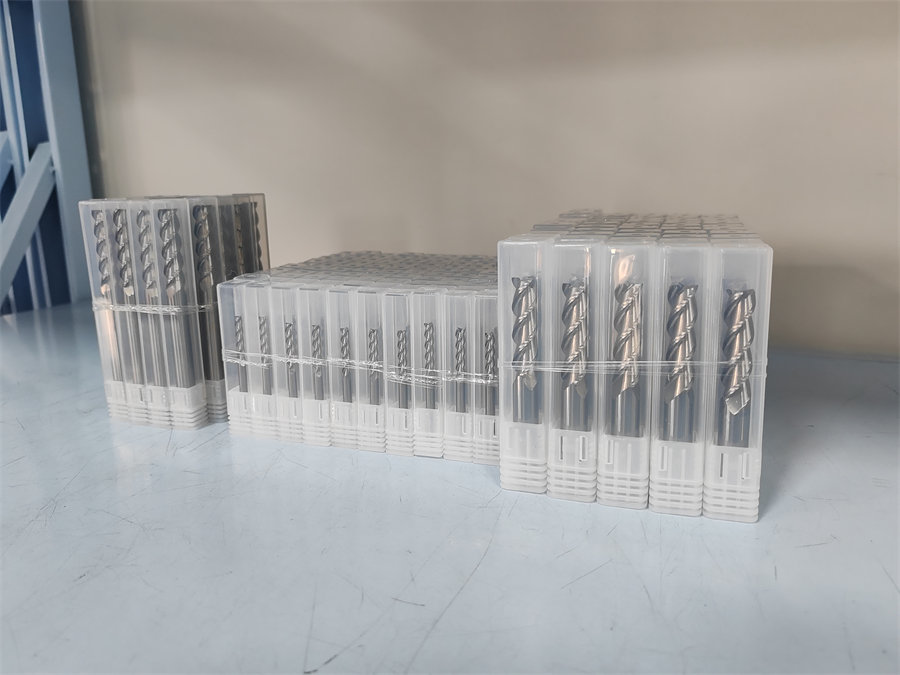
When implementing custom OEM drilling configurations, tolerances must remain consistent. Slight variations in shank diameters or point symmetry can generate vibrations, causing early wear on CNC spindle components and micro-fractures along the cutting edges. Our ISO-certified manufacturing protocols minimize dimensional deviations, ensuring that each twist drill performs reliably from the first setup to the last.
How modern infrastructure and automated production models drive competitiveness and quality control.
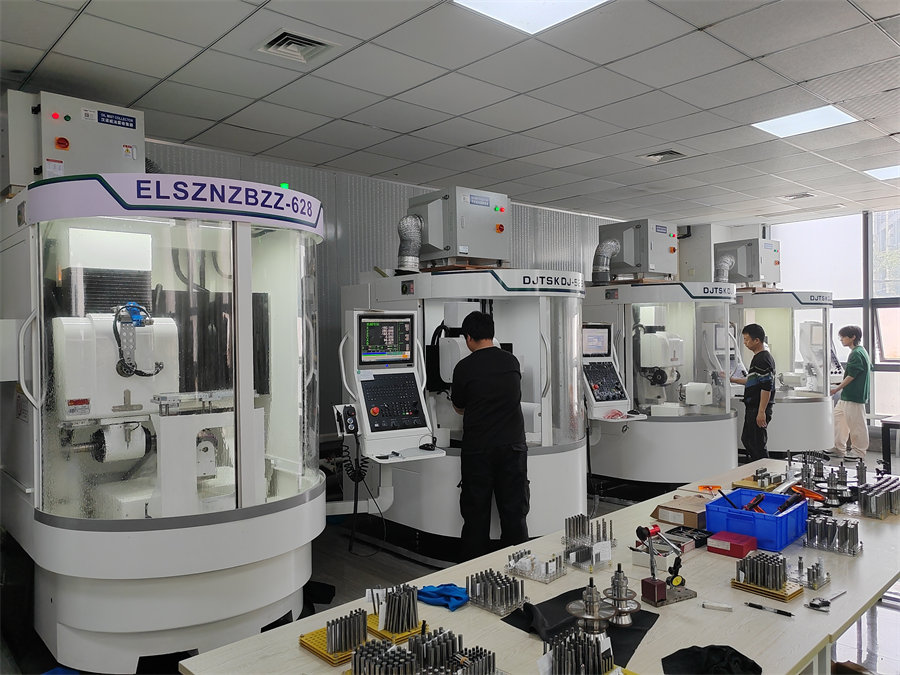
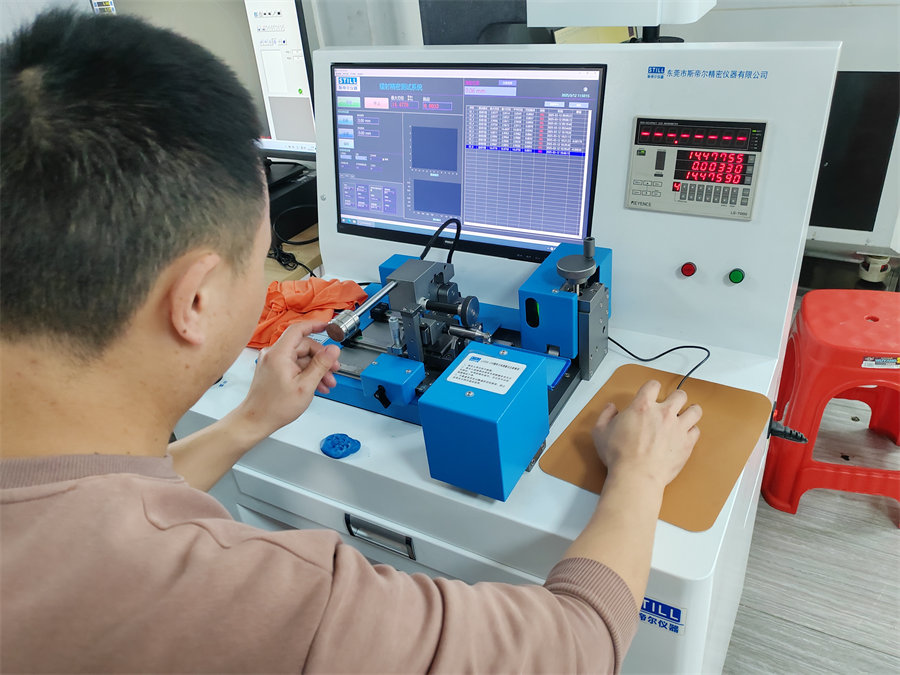
Integrating advanced CNC systems, automated loading robots, and optical measurement devices enables a continuous, feedback-driven production process. In-line laser inspection systems check geometrical parameters in real time, adjusting CNC parameters automatically to prevent deviations before they impact the production line.
With direct access to high-grade local alloy refineries and chemical coating processors, China's tool manufacturing hubs provide robust supply chain resilience. This integrated network limits exposure to global logistics disruptions, shortens R&D iterations, and reduces delivery times for custom-engineered tools.
Suzhou Tier Tool Co., Ltd. was established in 2008 and is a national high-tech enterprise specializing in the design, manufacturing, and technical support of precision solid carbide and high-performance cutting tools.
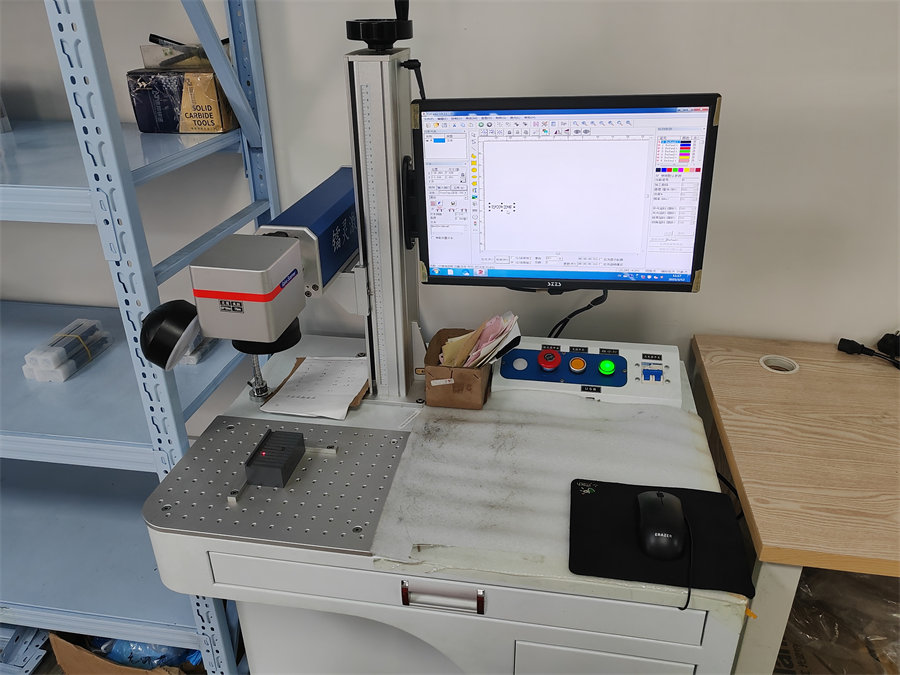
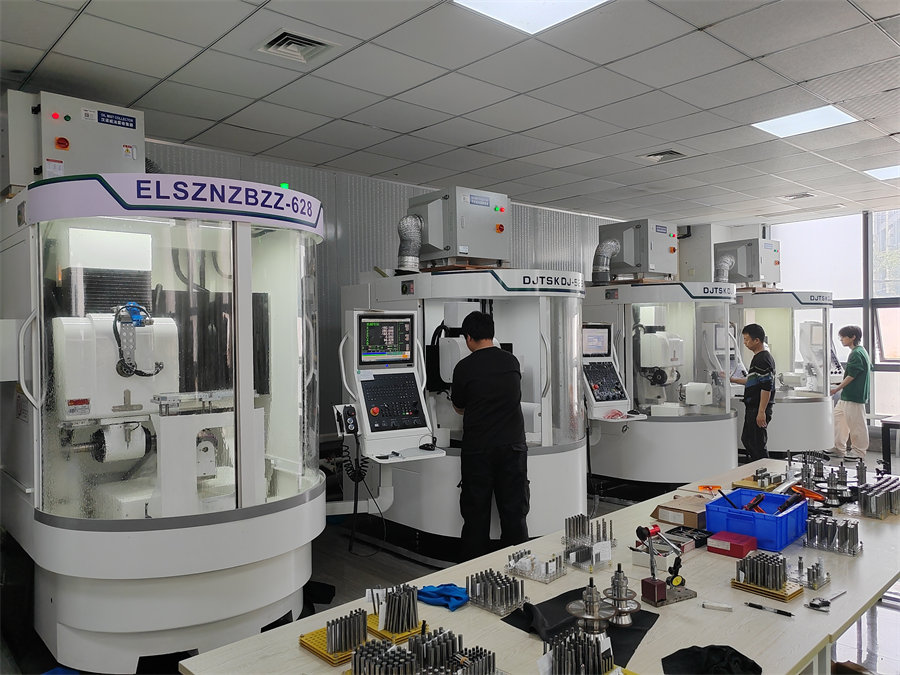
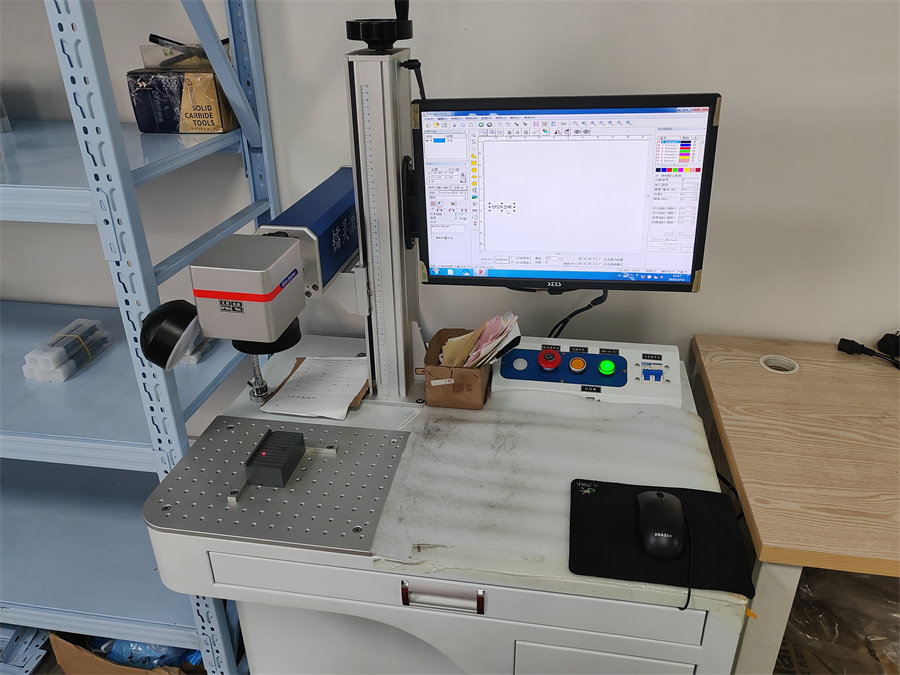
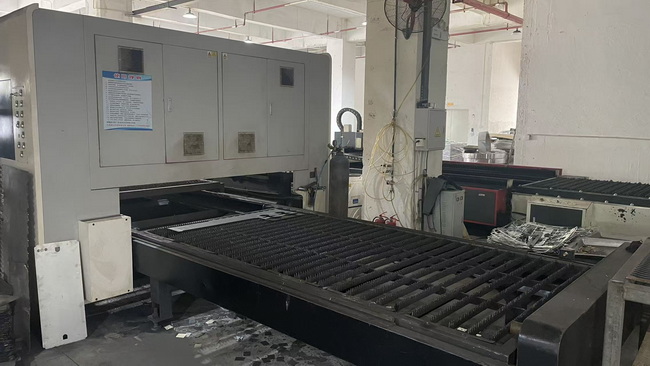
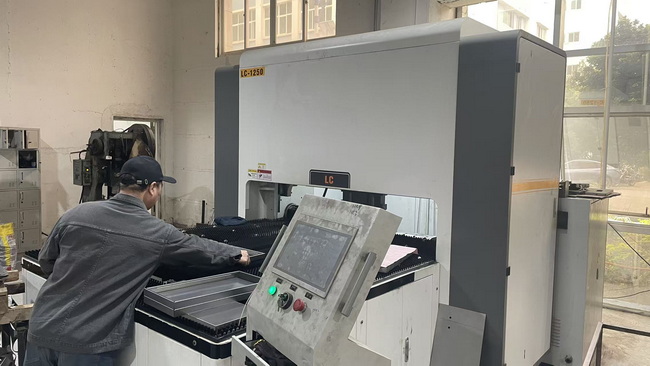
To ensure the highest levels of precision and consistency, Tier Tool has invested extensively in advanced manufacturing equipment and production technologies. The company operates multiple imported CNC tool grinding machines and precision inspection systems, enabling complete in-house capabilities from tool design and prototyping to small-batch testing and large-scale production.
Our manufacturing process is built upon strict process control and traceability standards. Every production stage is carefully monitored to ensure repeatability, quality consistency, and reliable delivery performance. Through systematic process management and standardized operating procedures, Tier Tool has established a robust manufacturing system capable of meeting the demanding requirements of modern precision machining.
Quality is the foundation of Tier Tool's long-term success. We adhere to the principle of "Quality First, Continuous Improvement", implementing rigorous quality control procedures throughout the entire production cycle.
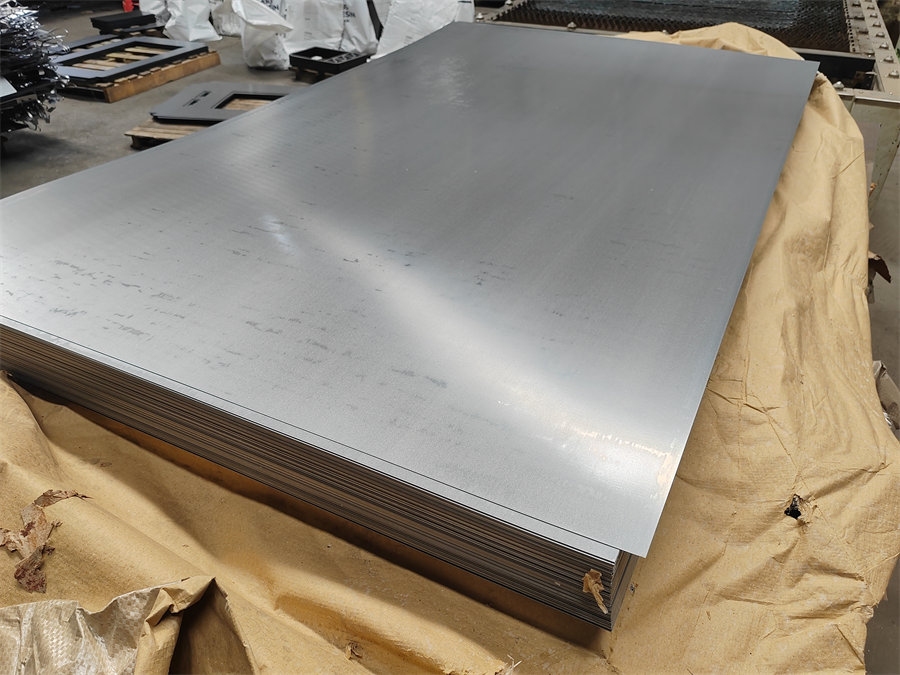
From raw material selection and incoming inspection to final product verification, every tool undergoes comprehensive quality checks to ensure it meets strict dimensional, geometrical, and performance requirements. By continuously optimizing our manufacturing and inspection processes, we deliver products that provide exceptional accuracy, reliability, and consistency in real-world machining applications.
We understand that in precision manufacturing, stable quality is not only a requirement but also the key factor that determines our customers' productivity and competitiveness.
At Tier Tool, we believe that supplying cutting tools is only the beginning of our partnership with customers. Beyond delivering products, we provide comprehensive technical support and application engineering services to assist customers in optimizing their manufacturing processes. Our technical specialists work directly with customers to analyze machining conditions, recommend suitable tooling strategies, and develop solutions that maximize efficiency, reliability, and cost-effectiveness.
Looking ahead, Suzhou Tier Tool Co., Ltd. will continue to focus on the development of high-performance carbide and cutting tools, deepening its expertise in automotive, aerospace, precision engineering, and advanced manufacturing industries. Driven by professionalism, innovation, and customer commitment, we are dedicated to helping customers achieve higher productivity, better quality, and stronger competitiveness.
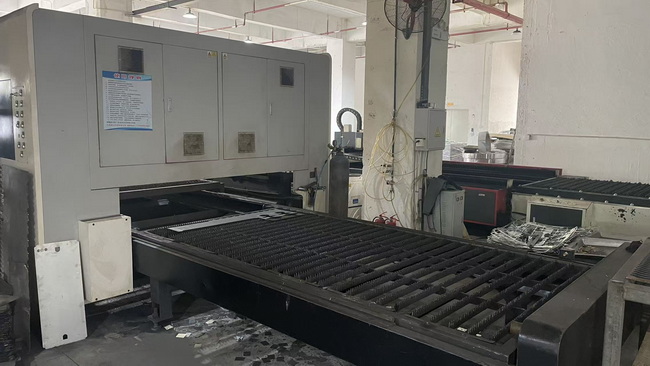
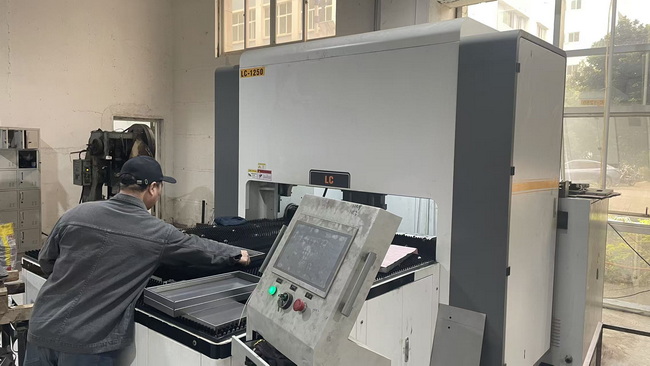
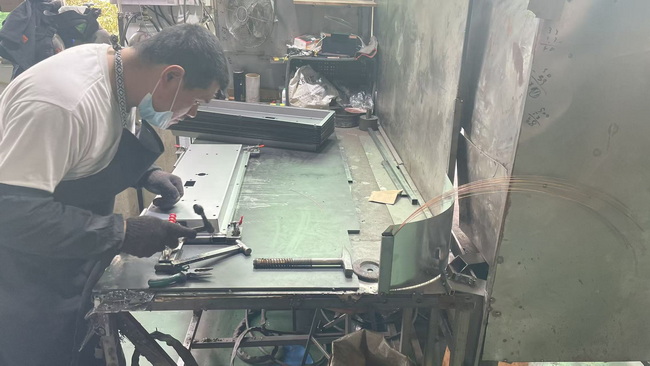

Tailoring cutting geometries and coatings to meet the challenges of diverse manufacturing environments.
High-speed production lines require structural reliability for cylinder head drilling, crankcase assembly, and mild-steel mount integrations. In these applications, M35/M42 HSS-Co twist drills help prevent thermal deformation, ensuring consistent concentricity across extended production cycles.
Drilling stacked materials, such as CFRP (Carbon Fiber Reinforced Polymer) paired with titanium or aluminum structures, presents significant wear challenges. Custom OEM profiles with adapted web thinning and specialized point designs minimize entry deflections and reduce exit burrs.
Structural steel fabrication, heavy piping flanges, and die-set processing require robust tools capable of handling variable mechanical shock. Custom HSS twist drills balance high wear resistance with core toughness, minimizing chip formation failures during deep-hole operations.
Technical insights to help you select, configure, and maintain industrial cutting tools.
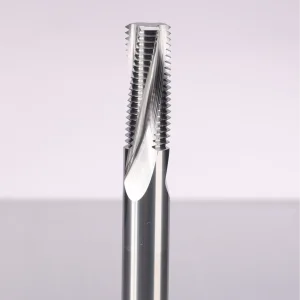
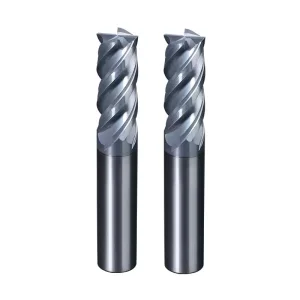
Explore our secondary line of specialized milling inserts, carbide thread mills, and high-feed processing cutters.
 Tier Tool