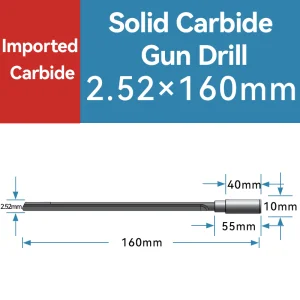
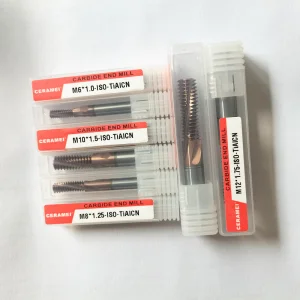
Explore our premier engineered tooling solutions designed for maximum mechanical structural rigidity and tight tolerance requirements.
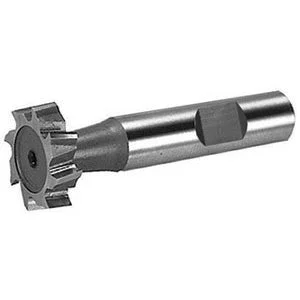
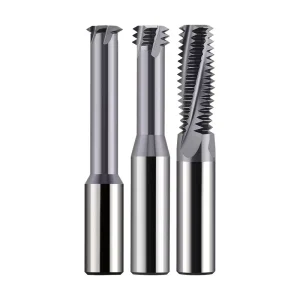
An authoritative assessment of solid carbide cutting technologies and tool holder performance criteria.
Established in 2008, Suzhou Tier Tool Co., Ltd. is a designated national high-tech enterprise. We are dedicated to engineering, micro-tool designs, and high-performance metalworking optimization.
Modern manufacturing demands minimum runout (T.I.R). Our tool holding ecosystems stabilize rotation, reduce harmonic vibrations, and extend the lifespan of high-feed solid carbide milling tools.
We bridge local machining challenges with structural global supply solutions, exporting premium-grade standard and customized shrink-fit, ER collet chucks, and custom-tailored arbor adaptors.
In the highly competitive landscape of global subtractive manufacturing, the integration between the machine spindle, the cutting tool holder, and the solid carbide end mill serves as the primary gateway to structural efficiency. Established in 2008, Suzhou Tier Tool Co., Ltd. has evolved into a premier national high-tech enterprise focused systematically on the design, manufacturing, and validation of precision tooling systems. As industrial production paradigms shift toward high-speed cutting (HSC) and high-efficiency machining (HEM), standard-grade components no longer satisfy the strict tolerance frameworks demanded by aerospace, automotive EV, and medical engineering components.
Our long-term commitment to the precision machining industry centers on resolving the complex problems associated with metalworking and deep hole-making. Over the past decade, Tier Tool has targeted technological innovation to eliminate mechanical deflection and micro-fretting. By controlling design, metallurgy, and final grinding protocols in-house, we supply high-performance cutting solutions that ensure global operators run operations continuously without catastrophic tool failures or dimension drift.
Key structural data proving our manufacturing scalability and strict dedication to quality assurance standards.
Analyzing structural transitions from traditional mechanical clamping to hydraulic and shrink-fit systems.
The modern smart factory requires tool holders with built-in sensors (RFID/NFC) to track cycle counts, runout drift, tool wear, and thermal stresses in real-time, preventing unexpected downtime.
With raw spindle speeds frequently exceeding 20,000 RPM, vibration attenuation via hydraulic oil chambers or mechanical mass dampers is vital to prevent harmonic ripples on workpieces.
Shrink-fit systems offer a slim profile and uniform 360-degree gripping force. This provides superior axisymmetry, making it the preferred choice for 5-axis mold and die machining.
The primary physics challenge in high-speed milling is centripetal acceleration. Any microscopic mass eccentricity in a tool holder rotating at high speeds generates massive centrifugal force, causing rotational instability and excessive spindle wear. Academic research and industrial tests confirm that every 0.0001-inch (2.54µm) reduction in T.I.R at the cutting tip extends tool lifetime by roughly 10%. Our OEM/ODM tool holders are designed and balanced to G2.5 balance grades at up to 25,000 RPM, protecting expensive spindle bearings while ensuring excellent surface finish on hard-to-machine alloys.
Global procurement teams in Europe, North America, and Southeast Asia are shifting away from single-source procurement models. High-feed CNC operations demand reliable supplier networks to prevent sudden stockouts. Procurement directors prioritize factories that offer both standard catalog items and custom modifications (ODM). Suzhou Tier Tool fills this role by combining flexible raw material sourcing, rapid prototyping capabilities, and bulk manufacturing capacity. This helps international partners maintain stable safety stock levels and avoid line stoppages.
How advanced automation, integrated operations, and quality control systems protect global product supply chains.
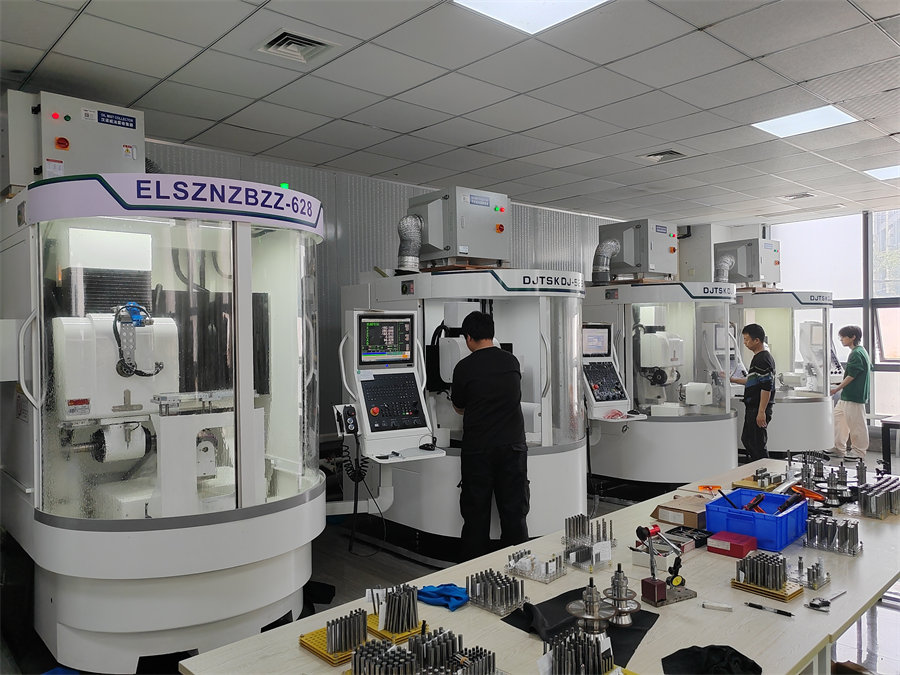
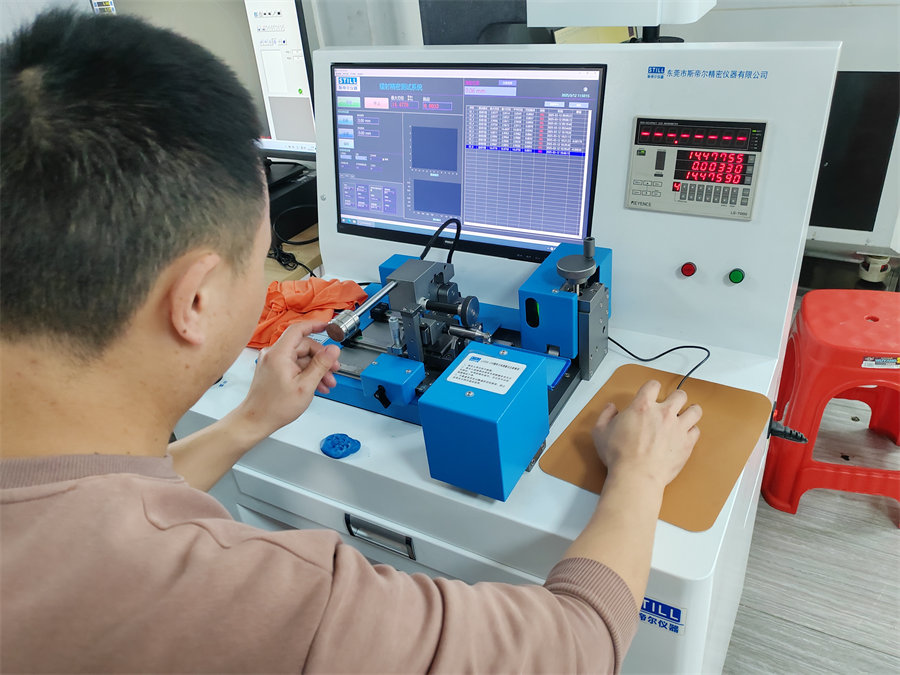
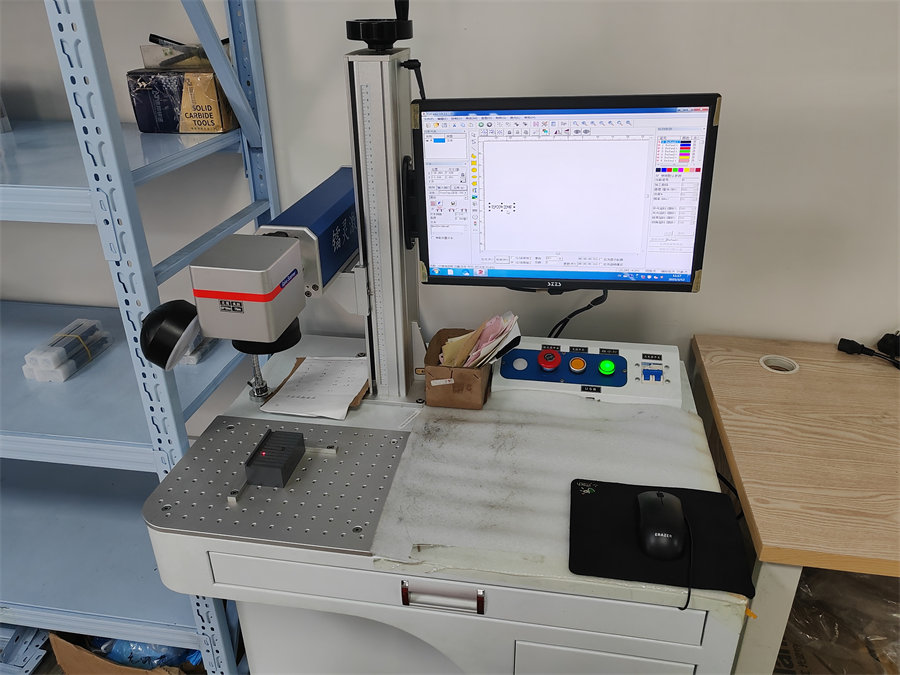
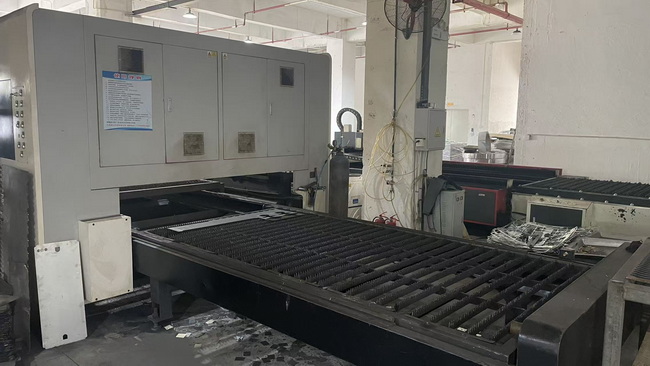
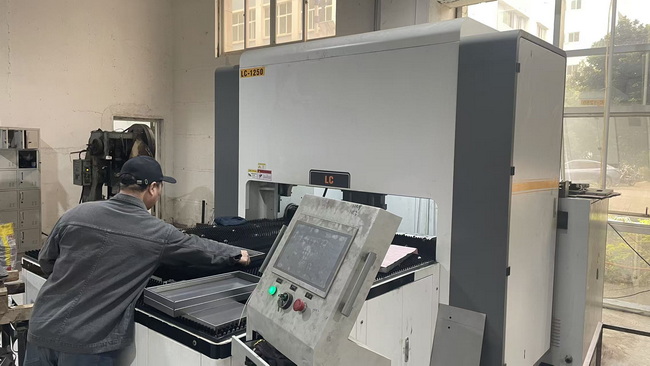
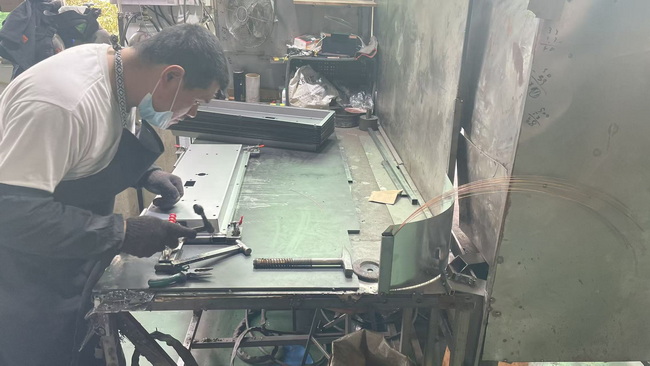
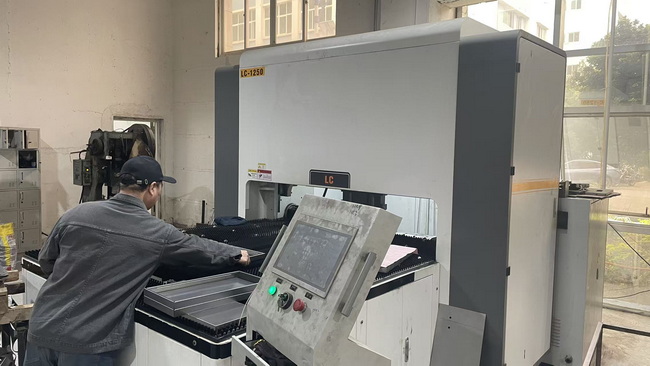
To ensure high precision and consistency across product lines, Suzhou Tier Tool has invested in advanced manufacturing machinery and inspection equipment. The facility integrates design, prototyping, testing, and volume production under a unified quality management system. Strict process control and complete traceability allow us to meet demanding international engineering standards.
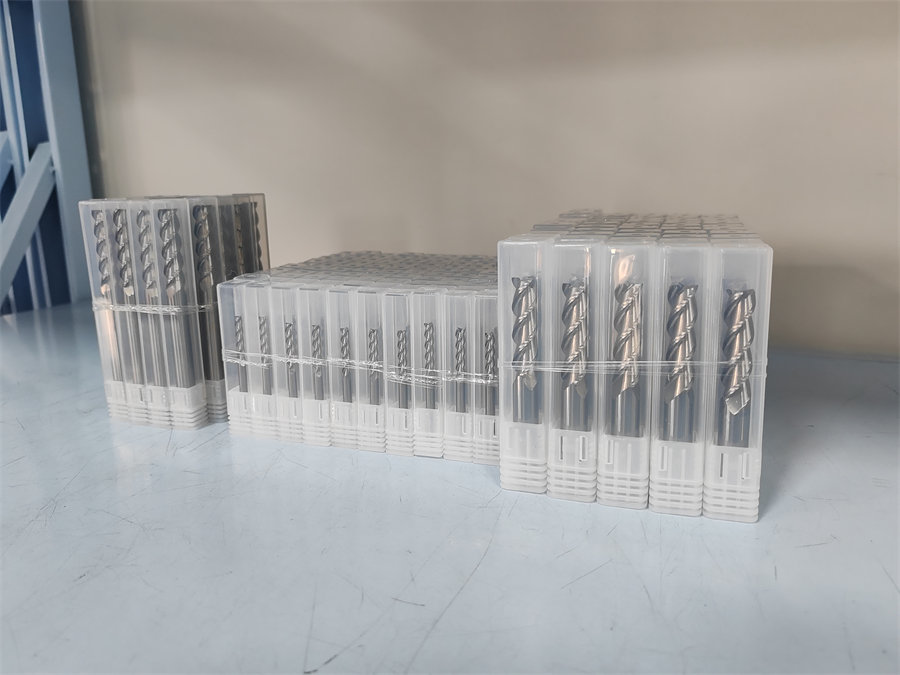
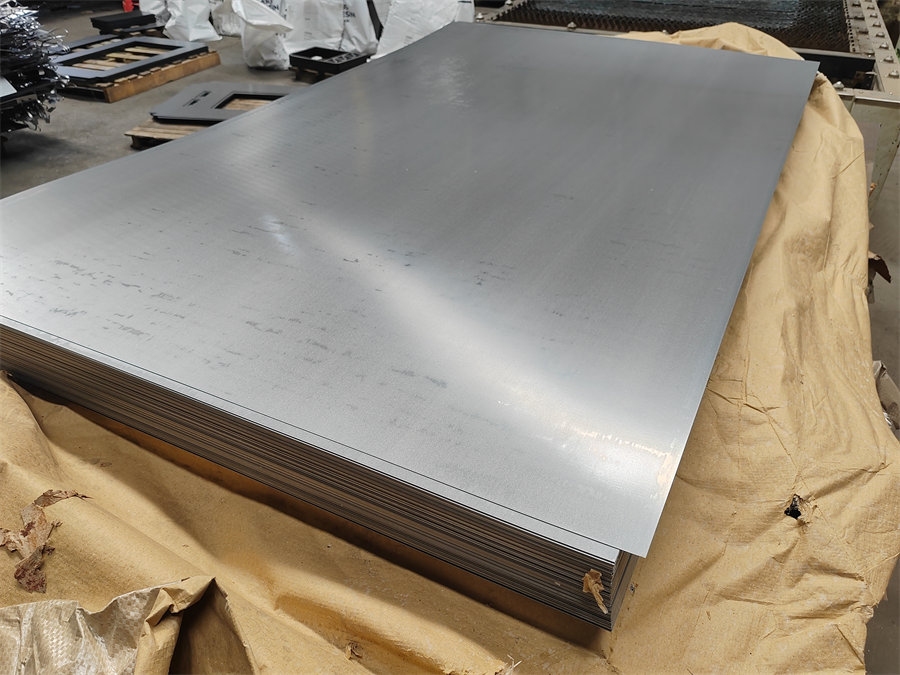
Our production floor uses multi-axis CNC grinding machines, automated laser cutting, bending, and specialized welding lines. This combination of advanced equipment enables the company to manufacture complex cutting tools and customized tool-holding components with excellent dimensional consistency. Every batch of tools undergoes rigorous inspections, ensuring that out-of-the-box runout and balance values meet design specifications.
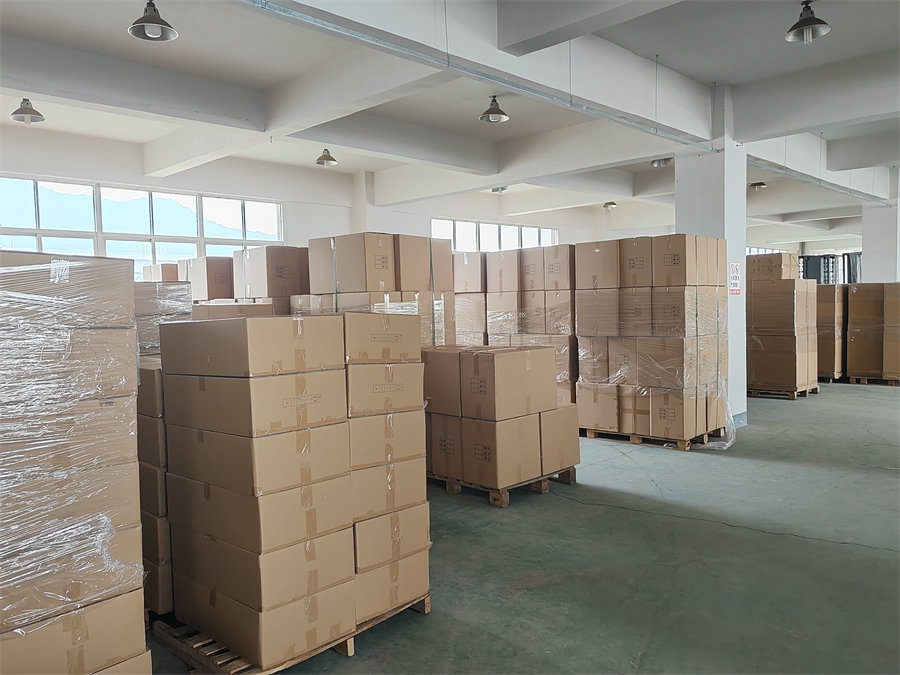
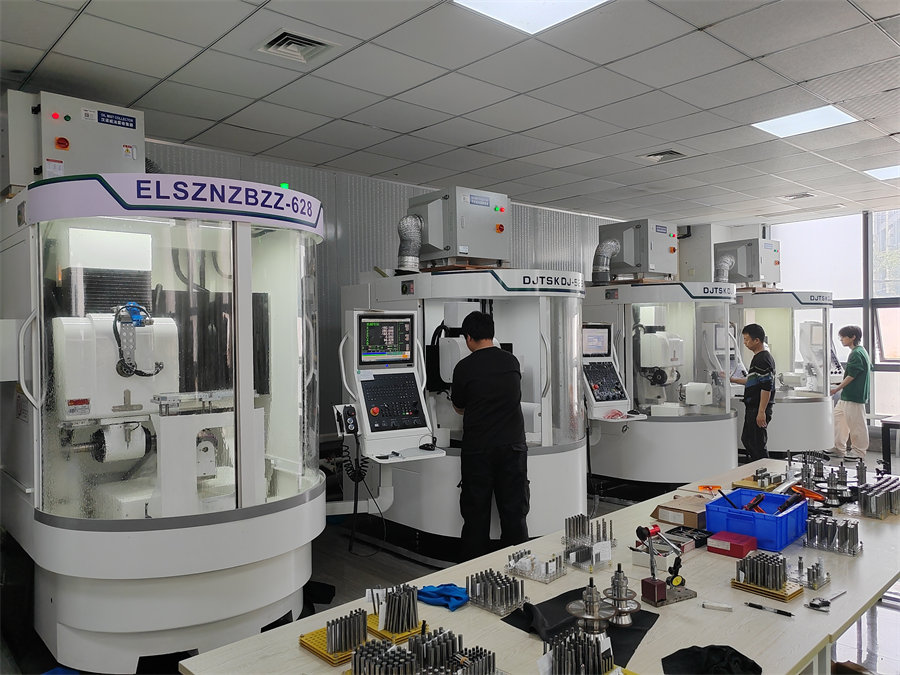
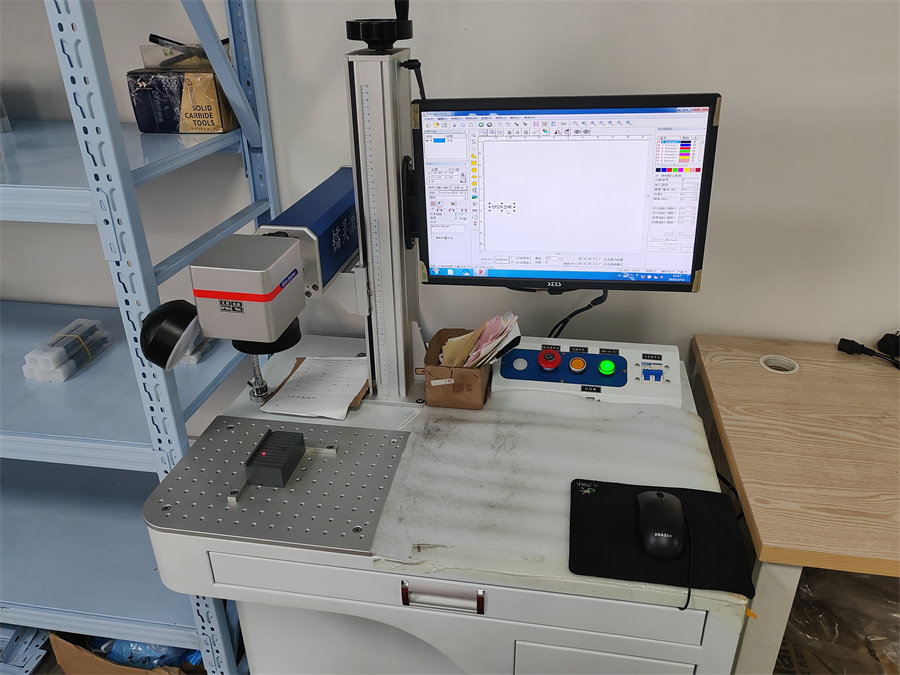
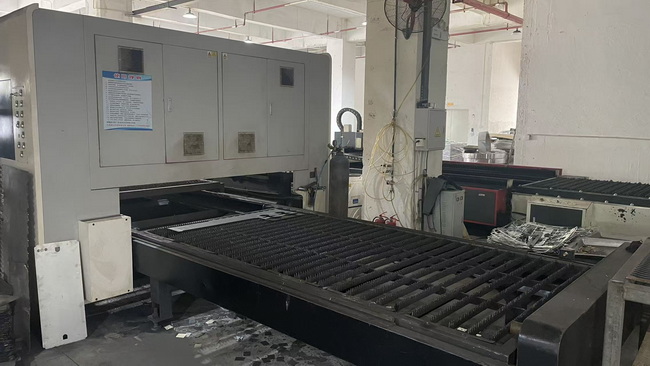
Designing customized tooling interfaces to handle specific engineering challenges and high-density materials.
Machining titanium alloys like Ti-6Al-4V generates high heat and cutting forces. Our heavy-duty HSK100A shrink-fit holders provide the required thermal stability and pull-out resistance to prevent workpiece damage.
Modern electric vehicle powertrain components require repeatable tolerances at high speeds. Our hydraulic clamping systems reduce vibration harmonics, ensuring dimensional accuracy across long production runs.
Manufacture of orthopedic implants and surgical instruments relies on small-diameter tools. Our ultra-precision ER11 collet chucks keep runout within 3 microns, ensuring clean cuts and avoiding tool breakage.
Detailed answers addressing primary engineering and procurement questions regarding tool-holding systems.
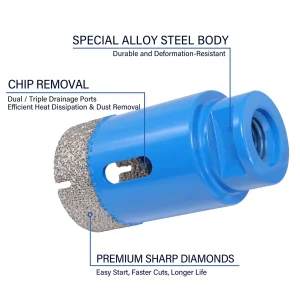
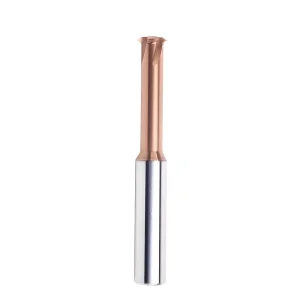
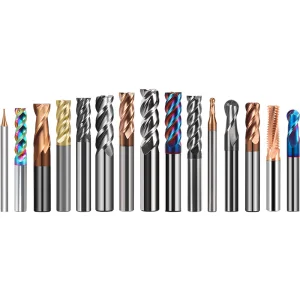
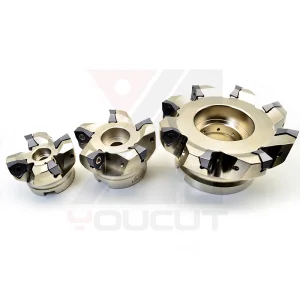
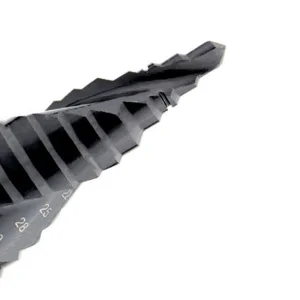
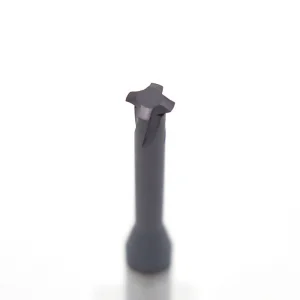
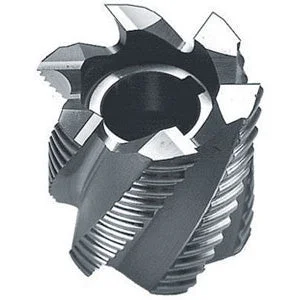
A comprehensive selection of drilling, threading, and cylindrical milling tools designed for high-feed applications.
 Tier Tool