Explore our top-performing precision cutting tools designed for high durability, superior chip extraction, and precise dimensional control.
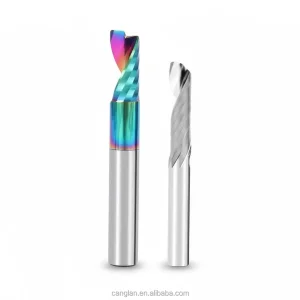
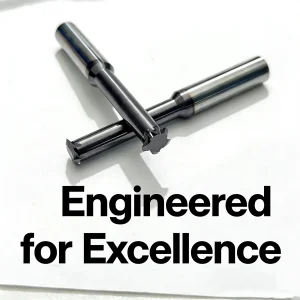
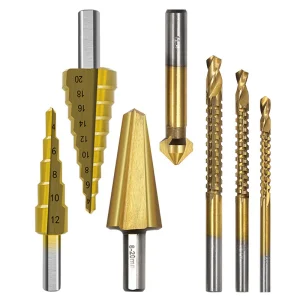
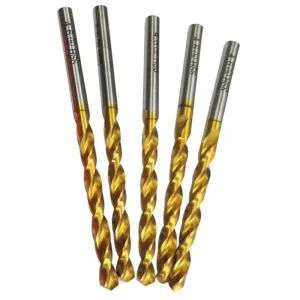
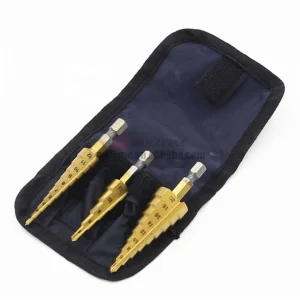
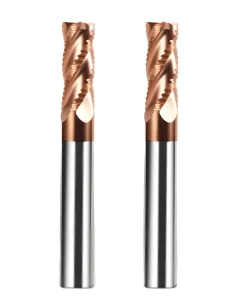
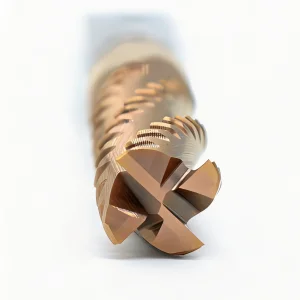
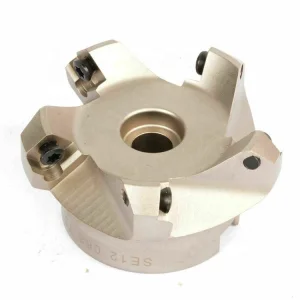
Within heavy engineering, precision aerospace assembly, and mass automotive production, the preparation of fastener holes is a critical operation that directly impacts structural integrity. The use of Countersink Drills is essential in ensuring that screws, rivets, and bolts lie flush with the contact surface. This flush alignment is crucial for reducing aerodynamic drag, eliminating structural interference, and enhancing structural load distribution.
Globally, the demand for precision chamfering and multi-functional step-drills is growing rapidly. Advanced manufacturing sectors have transitioned from multi-step tool changes to single-pass custom composite tools. In high-speed automated environments, even micro-level errors in chamfer angles can cause joint failure. As a result, the market has shifted toward high-hardness solid tungsten carbide substrates and specialized PVD coatings capable of operating under high thermal stresses without dimensional deformation.
Research indicates that tool longevity and process reliability are key drivers in global procurement. Standard HSS tools struggle with modern high-strength materials like Ti-6Al-4V titanium alloys, high-nickel superalloys, and carbon-fiber-reinforced polymers (CFRP). These materials require tools with optimized rake angles and variable helix designs to control heat buildup.
By using sub-micron carbide grades coupled with advanced coatings (such as AlTiN and TiAlN), modern countersinking tools are designed to handle dry machining and high-speed cutting (HSC) environments, helping to reduce production downtime in automated factories.
| Material Family | Recommended Coating | Cutting Speed (SFM) |
|---|---|---|
| Alloy Steels (<HRC 45) | AlTiN / TiAlN | 250 - 450 |
| Stainless Steel (304/316) | TiAlN Coated Carbide | 150 - 280 |
| Aluminum & Alloys | Uncoated / ZrN / DLC | 600 - 1500 |
| Titanium Alloys | AlTiN / Nano-Composite | 80 - 150 |
China's modern manufacturing hubs offer vertical integration, advanced equipment, and competitive production speed.
With access to major tungsten ore deposits and advanced powder metallurgy refining in regions like Hunan and Jiangxi, Chinese tool manufacturers secure high-quality carbide substrates at stable pricing, insulating global buyers from supply fluctuations.
Leading Chinese tool factories utilize imported 5-axis CNC grinding systems (such as Walter, ANCA, and Rollomatic) alongside high-precision inspection devices to maintain outer diameter tolerances down to ±0.002mm.
Chinese factories offer flexible custom tool engineering. Using client-submitted 2D/3D files, engineers can quickly design and manufacture custom step drills and countersinks, reducing prototyping lead times.
A national high-tech enterprise specializing in the design, manufacturing, and technical support of precision solid carbide cutting tools.
Established in 2008, Suzhou Tier Tool Co., Ltd. specializes in producing solid carbide and high-speed steel cutting tools. Deeply committed to the precision machining industry, the company delivers high-efficiency cutting solutions for hole-making, chamfering, and milling applications. Through continuous technological innovation and manufacturing excellence, Tier Tool has earned the trust of customers across a wide range of industries worldwide.
To ensure high precision and consistency, Tier Tool operates multiple imported CNC tool grinding machines and precision inspection systems. The company handles complete in-house capabilities, from tool design and prototyping to small-batch testing and large-scale production. Standardized operating procedures ensure repeatability and consistent product quality.
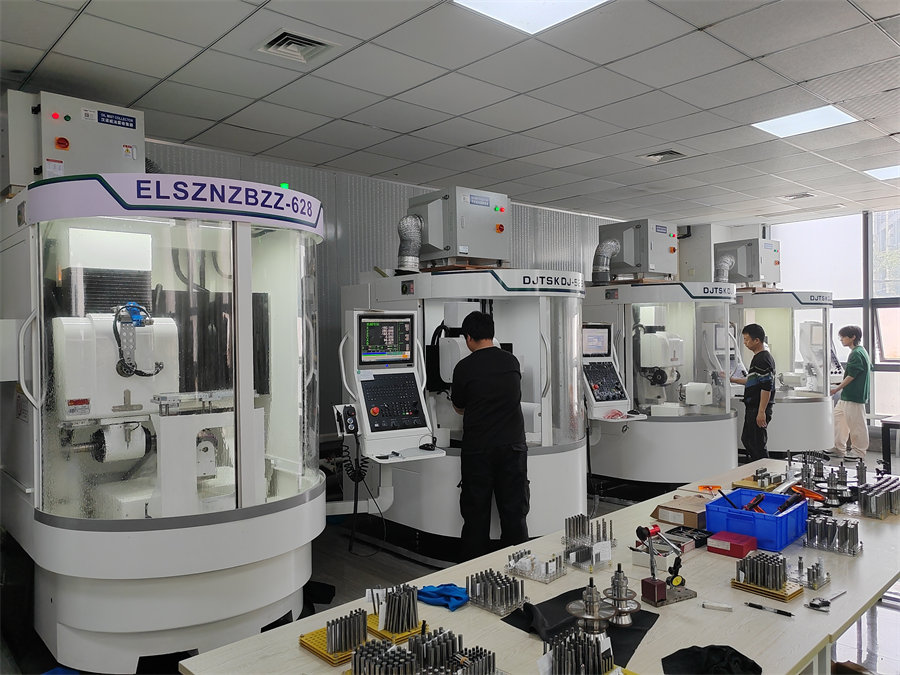
Machining
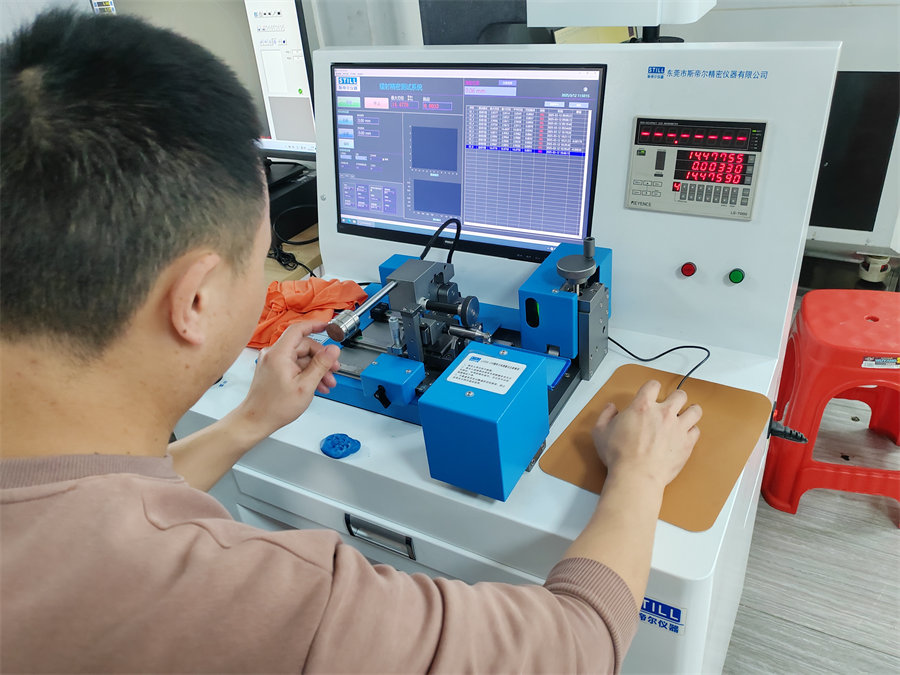
Inspecting
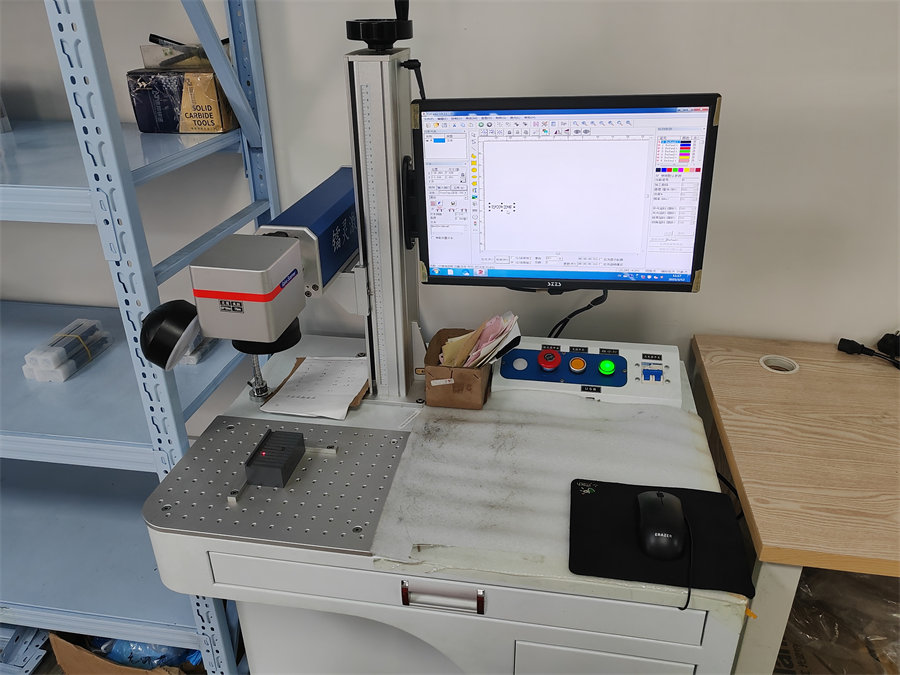
Logo Marking
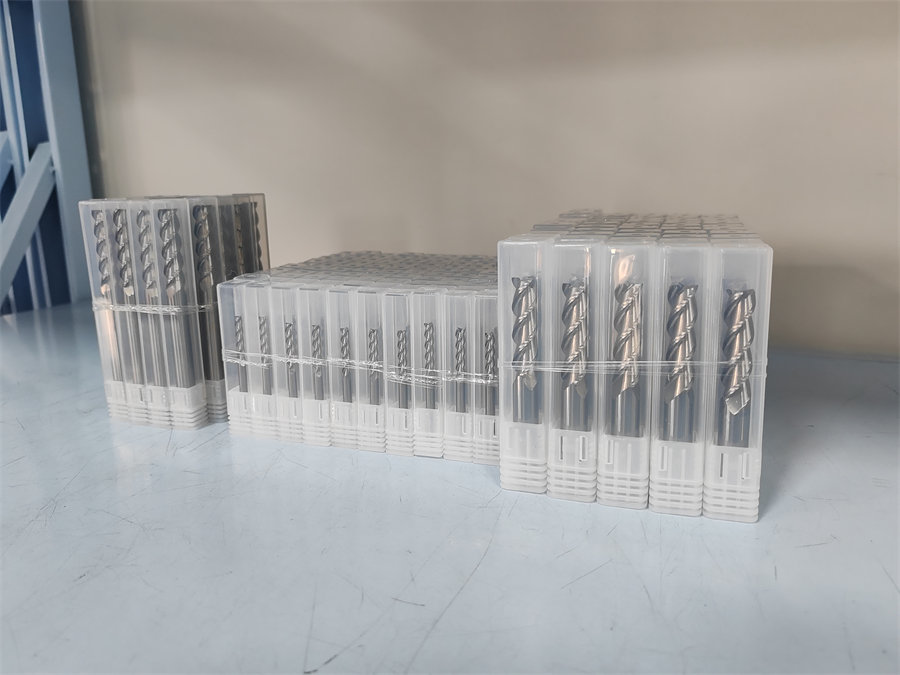
Packaged Products
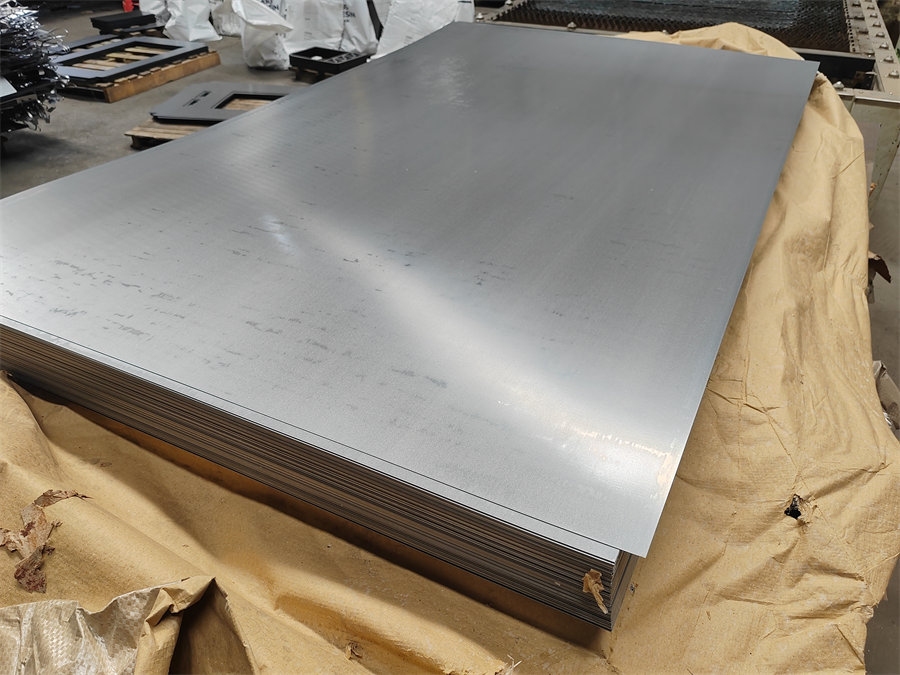
Steel Sheets
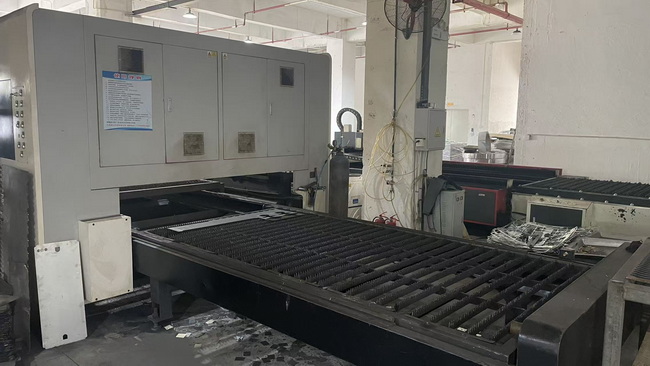
Laser Cutting
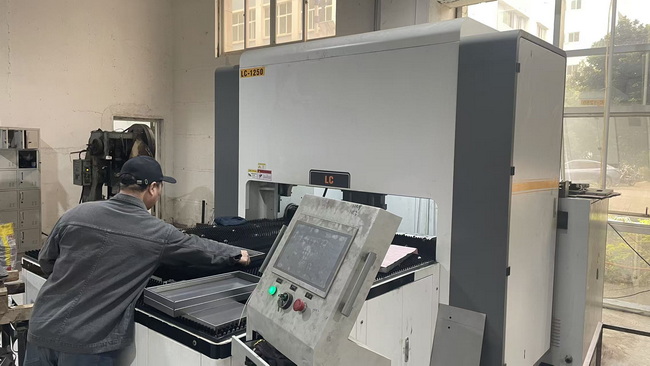
Bending
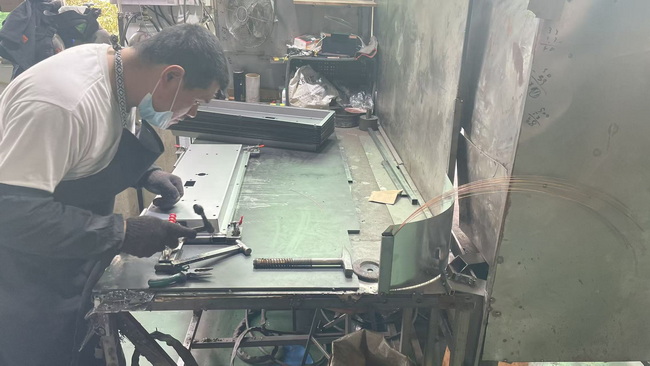
Welding

Packaged Products
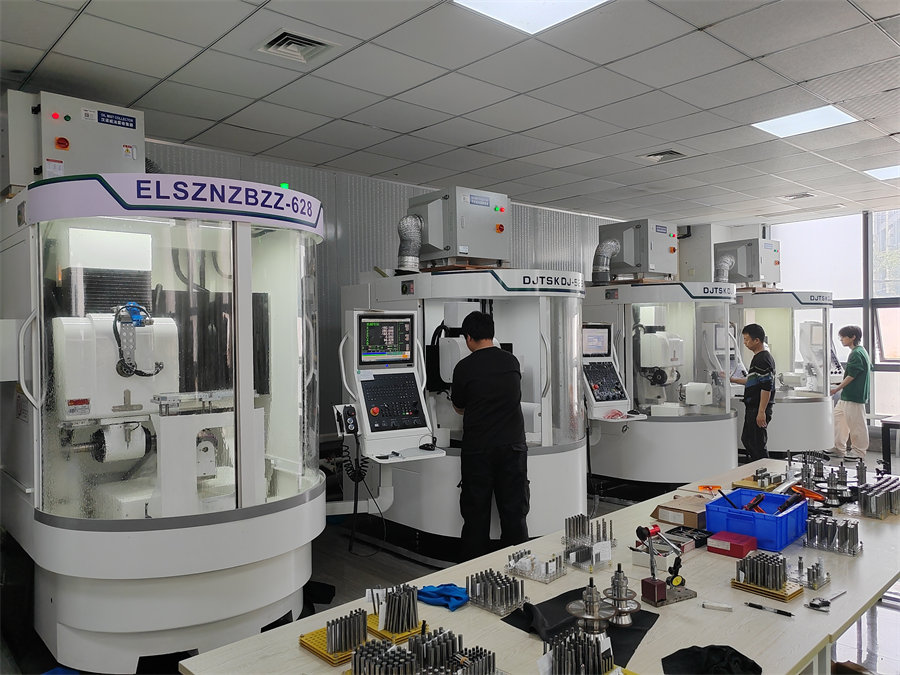
Machining Machine
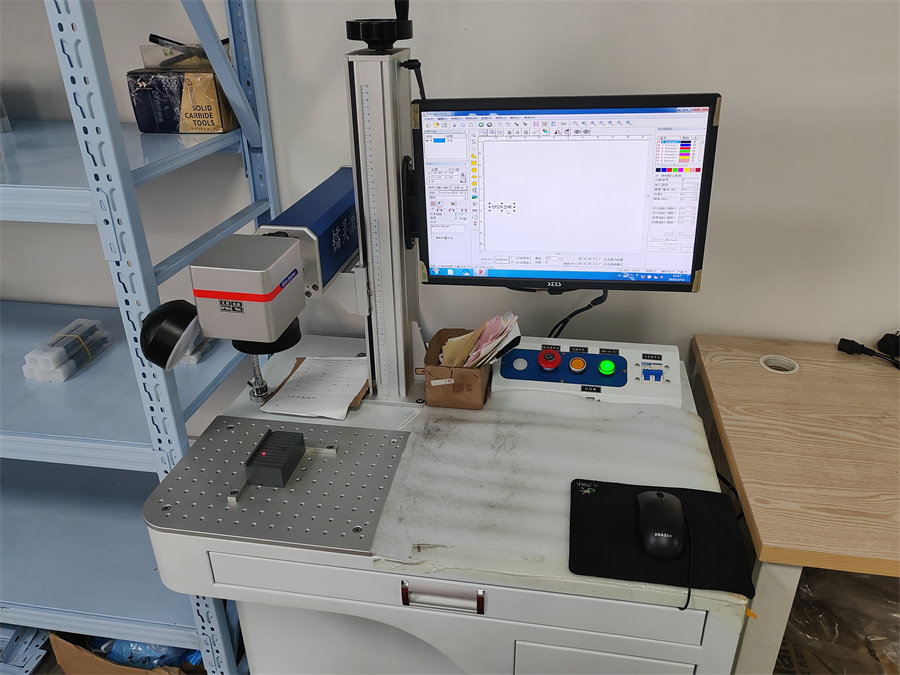
Logo Marking Machine
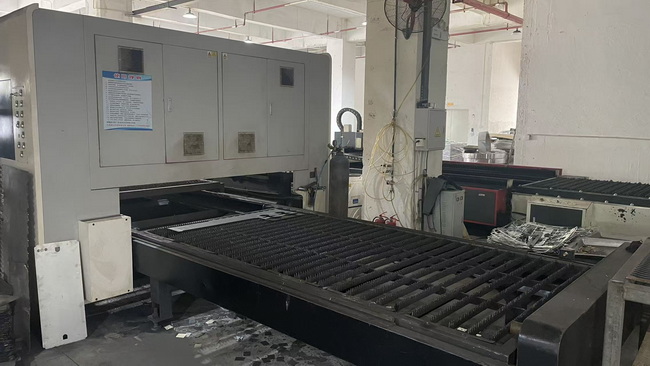
Laser Cutting Machine
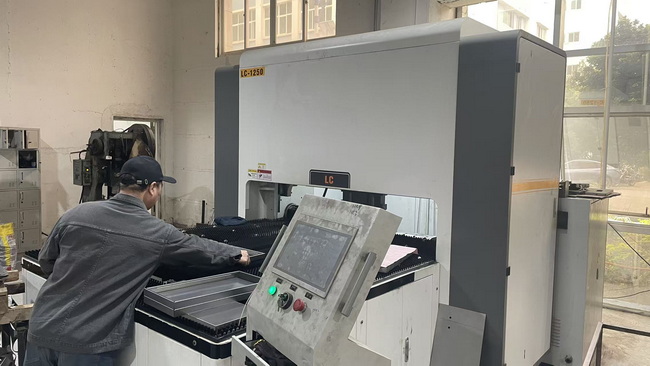
Bending Machine
Selecting the appropriate tool parameters prevents chatter, guarantees dimensional accuracy, and maximizes tool life across different materials.
The choice of countersink angle must match the head angle of the fastener being used. The most common standard angles include:
The number of flutes on a countersink tool determines its stability, cutting feed rate, and chip-evacuation efficiency:
Raw steel or carbide tools can degrade quickly under the high friction generated during dry chamfering operations. Specialized PVD (Physical Vapor Deposition) coatings help protect the tool's substrate:
From micro-electronics to heavy structural engineering, precision countersinking is crucial to component assembly and performance.
Aerospace manufacturing requires flat-head rivets and screws to lie perfectly flush with skin panels to minimize aerodynamic resistance. Precision 100-degree solid carbide countersinks are used on titanium and carbon fiber wing structures to prevent delamination and micro-stress cracks.
Automotive assembly lines use high-tensile steels and aluminum castings. In these environments, composite step-drills perform drilling and chamfering in a single pass. This reduces cycle times and ensures the precision required for automated assembly systems.
The assembly of laptops, smartphones, and telecommunication hardware requires micro-diameter step drills. Micro-grain carbide drills down to 0.7mm prepare structural frames to ensure internal components fit within compact enclosures.
A step-by-step checklist to help supply chain managers optimize lead times, verify tool quality, and reduce the total cost of ownership (TCO).
Industrial tool sourcing involves more than comparing unit prices. Purchasing departments must evaluate the total cost of ownership (TCO), tool life, and technical support. The checklist below outlines key factors for evaluating potential manufacturing partners:
Solutions for common machining issues encountered during precision countersinking and drilling operations.
Chatter is often caused by lack of rigidity in the setup, incorrect cutting speeds, or selecting the wrong tool geometry. To minimize vibration, try using a single-flute or zero-flute countersink in soft materials. Alternatively, you can use a variable-pitch or 3-flute tool to break up harmonic resonances.
Reducing the cutting speed (SFM) while increasing the feed per tooth (IPT) can also help stabilize the tool and maintain constant cutting pressure.
Solid carbide tools offer high hardness and thermal stability, allowing them to operate at significantly higher cutting speeds and maintain sharp cutting edges longer when machining abrasive materials. However, carbide is brittle and requires rigid setups to prevent chipping.
Cobalt-alloyed High-Speed Steel (HSS-E) provides higher toughness and impact resistance, making it suitable for manual machining operations or setups with less rigidity.
AlTiN (Aluminum Titanium Nitride) or specialized nano-composite coatings are recommended for high-temperature alloys and stainless steel. These coatings form a protective oxide layer at high temperatures, shielding the underlying carbide tool from thermal degradation.
Yes. Custom composite step-drills are designed to drill the pilot hole and cut the chamfer or countersink in a single operation. This eliminates the need for tool changes, ensures concentricity, and reduces cycle times in mass-production environments.
Soft materials tend to stick to the cutting edge, leading to built-up edge (BUE) and tool failure. To prevent this, use tools with polished flutes, sharp cutting angles, and low-friction coatings like DLC (Diamond-Like Carbon), or run them uncoated with adequate coolant delivery.
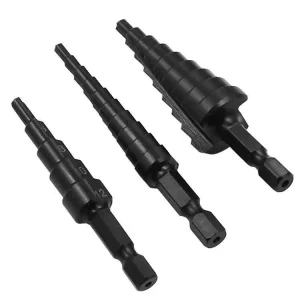
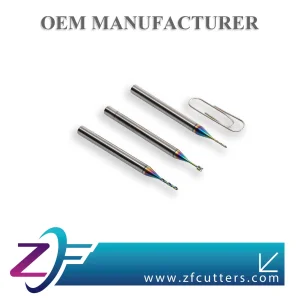
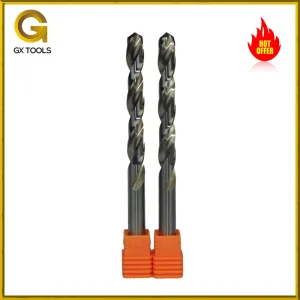
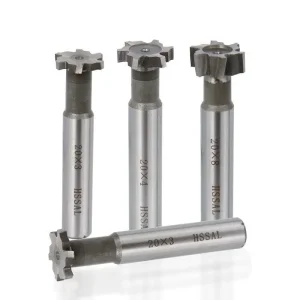
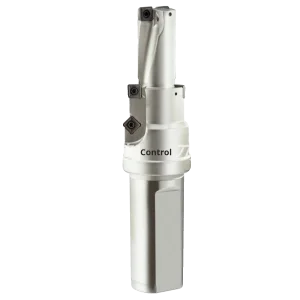
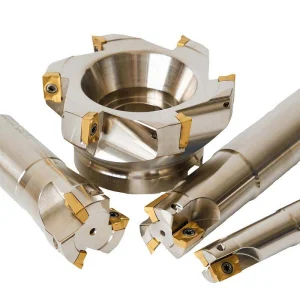
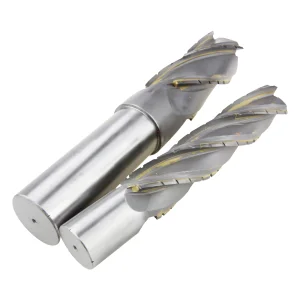
Our comprehensive catalog includes carbide drills, step drills, thread mills, and indexable cutters to cover your metalworking needs.

 Tier Tool