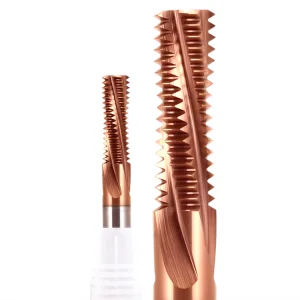
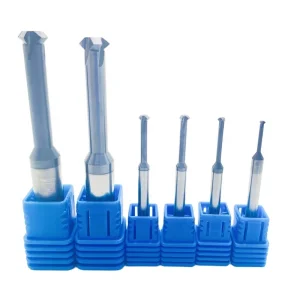
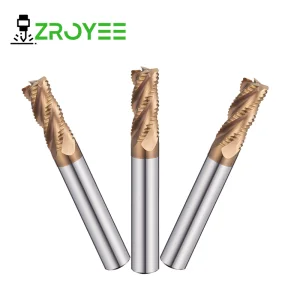
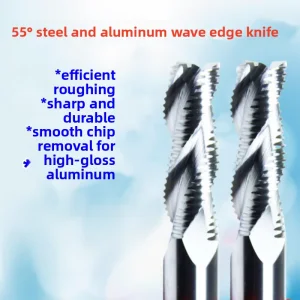
Explore our high-performance solid carbide indexable and rotary cutting systems engineered for maximum metal removal rates and prolonged service life.
In high-precision manufacturing sectors such as aerospace, automotive drivetrain engineering, and micro-die tooling, the mechanical integrity of angled profiles, chamfer contours, and V-grooves directly dictates component quality and operating life. Demanding applications require precise tools capable of executing operations at high feed rates without initiating micro-cracking or localized heat stress. Angle cutters, chamfer mills, and multi-axis rotary tools function as critical components in minimizing cycle times and eliminating finishing steps.
For international sourcing coordinators and production engineers, specifying the correct angle cutter goes beyond geometry. It requires analyzing substrate chemistry, grain boundaries, and physical vapor deposition (PVD) coating configurations. Suzhou Tier Tool Co., Ltd. delivers the metallurgical engineering, tool design expertise, and manufacturing consistency required to optimize these challenging processes.
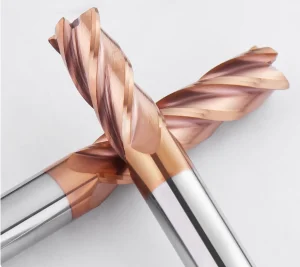
By focusing on solid carbide metallurgy and advanced multi-layer coatings (such as AlTiN and TiAlN), our production methods ensure that our tools handle the extreme mechanical stresses common in CNC centers worldwide. Operating with low radial runout and optimal chip geometry, our tools provide the thermal isolation necessary to prevent structural degradation in heat-resistant superalloys and hardened steels up to HRC65.
The performance of any angle cutter or rotary tooling system starts with the raw tungsten carbide (WC) substrate. At Suzhou Tier Tool, we select micrograin and sub-micrograin carbide structures paired with optimized cobalt content (typically 10% to 12% by weight) to achieve the necessary balance of hardness and fracture toughness.
We use sub-micron carbide grain configurations down to 0.4μm, providing dense, uniform carbide distribution that prevents edge chipping under high dynamic loads.
Advanced AlTiN and TiAlN coatings create a thermal barrier layer. Under high cut zone temperatures, this layer transforms into a protective aluminum oxide (Al2O3) skin.
Varied helix designs and positive rake angles assist in smooth chip evacuation. This prevents chip packing and reduces power draw on CNC spindles.
High-performance milling requires managing the transition from the cutting edge to the workpiece. Proper edge preparation, or "honing," removes microscopic burrs left from grinding, increasing the mechanical strength of the edge. When our tool contacts high-hardness alloys, the honed edge maintains its geometry, preventing premature chipping.
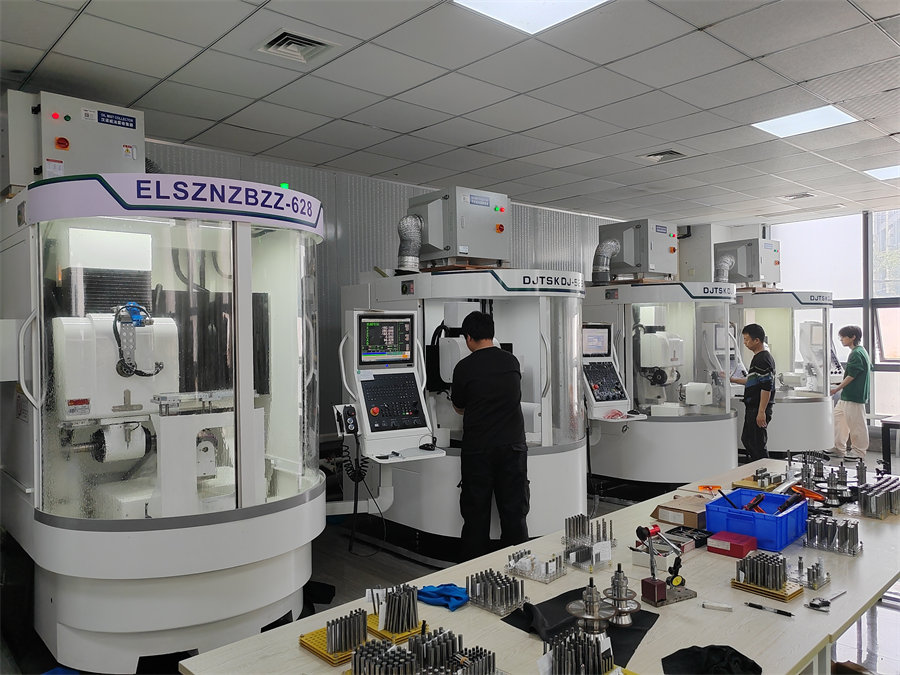
Suzhou's high-tech industrial manufacturing ecosystem is a premier global hub for precision tooling development. Suzhou Tier Tool leverages this hub to source premium carbide raw materials, run advanced German and Swiss CNC grinding centers, and access skilled engineering talent.
This regional consolidation of the supply chain enables us to shorten development cycles for non-standard, custom tooling solutions. With local access to specialized thermal treatment, coating, and micro-blasting services, we can compress prototyping turnarounds. High-volume export production remains efficient, helping global procurement managers maintain low total cost of ownership (TCO) without sacrificing tool quality.
Additionally, the region's shipping infrastructure links our production lines directly with major international logistics channels. By utilizing nearby deepwater ports and air freight hubs, we coordinate shipping timelines to integrate smoothly with global inventory systems. This reduces safety stock requirements for our distribution partners and large-scale manufacturing facilities.
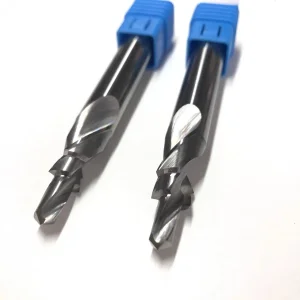
Enterprise-level manufacturing organizations require suppliers capable of matching rigorous technical compliance with reliable delivery. Our OEM and ODM services are designed to handle non-standard requirements, providing custom step drills, multi-angle chamfer mills, and combined profiling tools tailored to specific CNC lines.
Our design-to-delivery workflow ensures that custom tool blueprints are validated through simulation before production begins:
This systematic approach eliminates trial-and-error on the customer's production floor, allowing new tooling configurations to integrate smoothly into automated lines.
At Suzhou Tier Tool, our partnership extends beyond product delivery. We provide global clients with technical support and process optimization services. Our application engineers analyze cutting parameter data to resolve issues like chatter, rapid flank wear, and thermal cracking.
Furthermore, our manufacturing processes comply with strict regulatory frameworks. We operate in accordance with ISO 9001:2015 quality management systems, and our raw materials meet environmental standards like RoHS and REACH. By maintaining clean, compliant manufacturing processes, we ensure that our tools are ready for integration into the supply chains of automotive, aerospace, and medical device manufacturers worldwide.
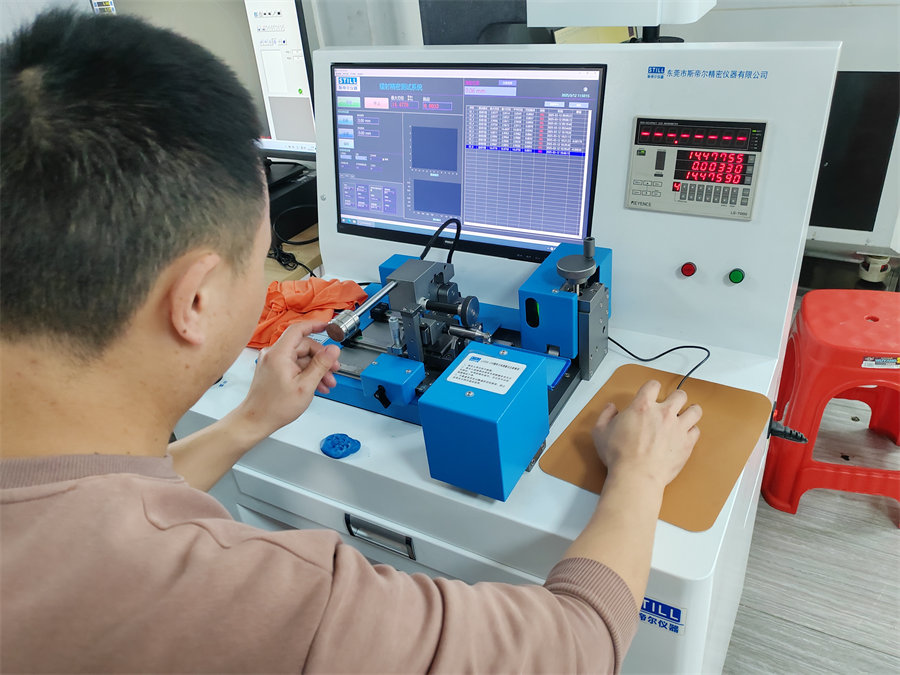
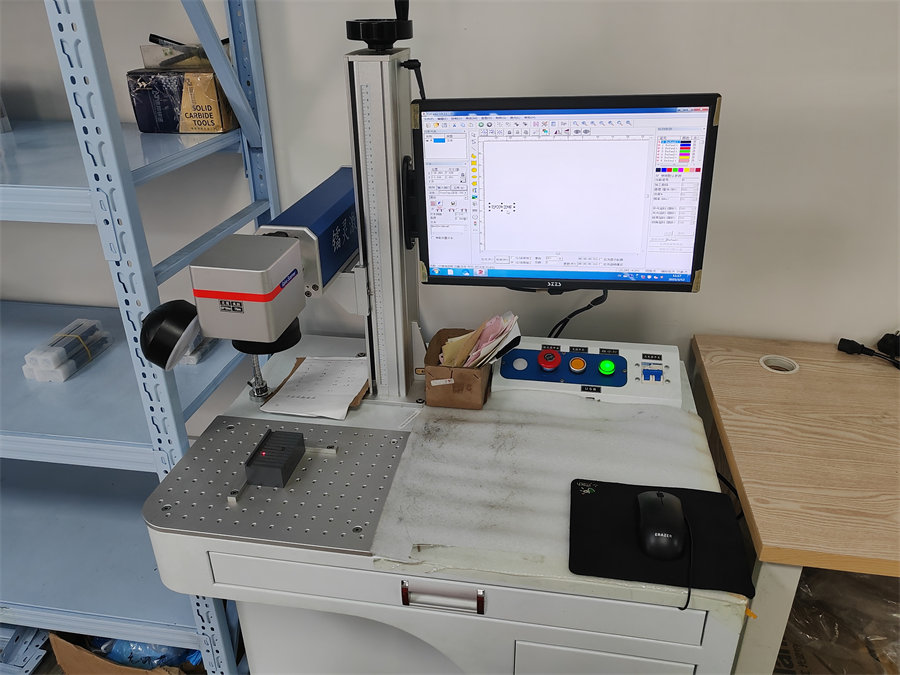
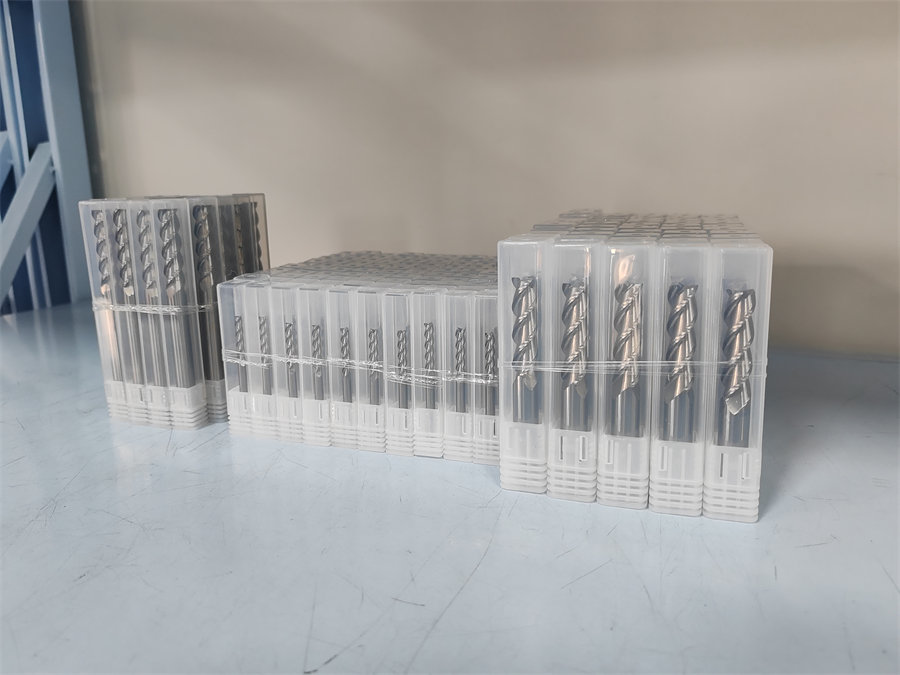
A look inside Suzhou Tier Tool's production lines, showcasing our fabrication, inspection, and packaging workflows.
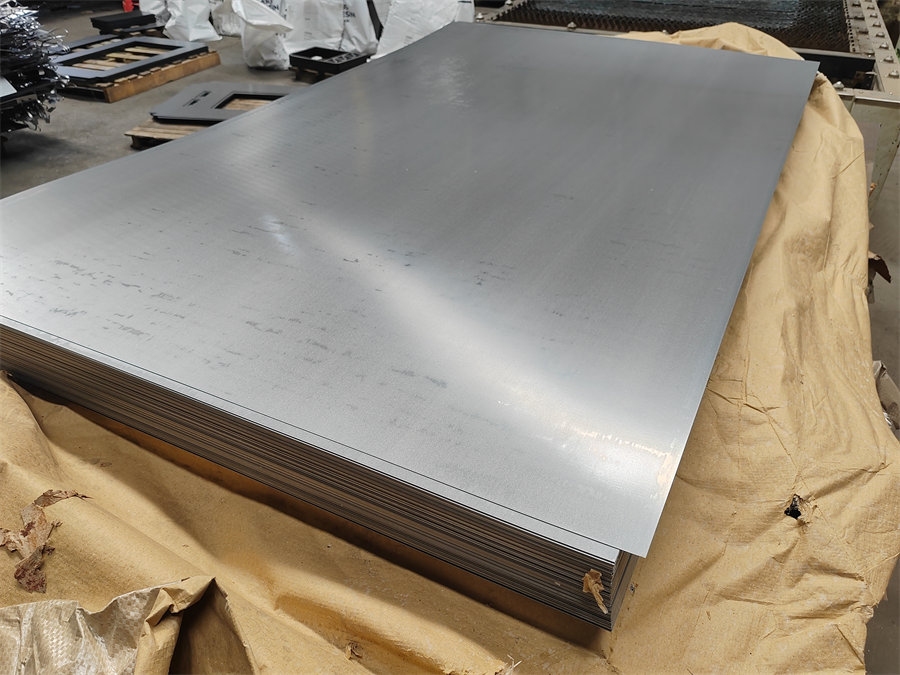
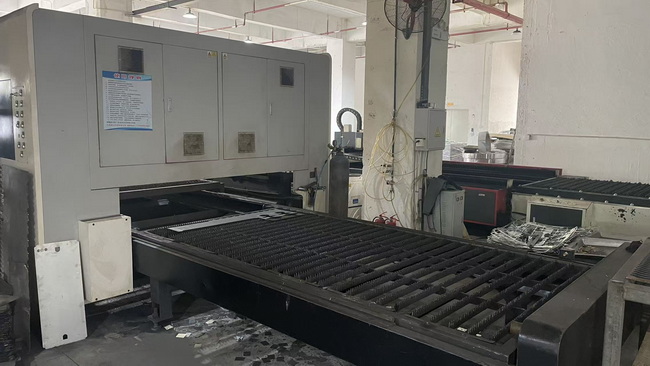
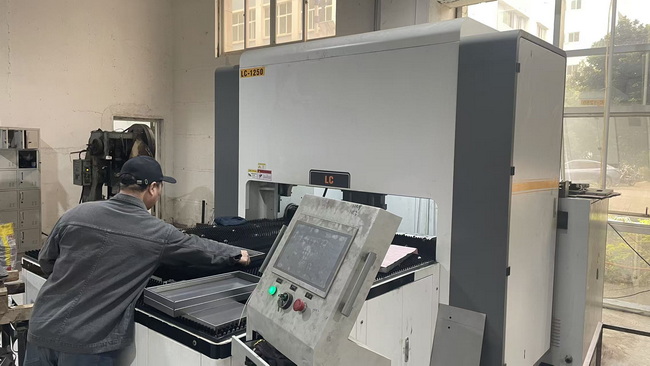
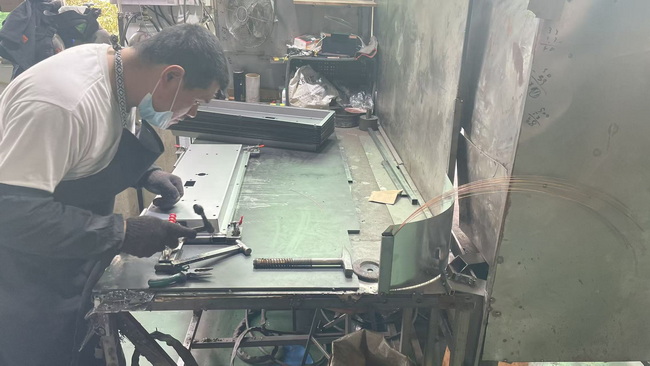
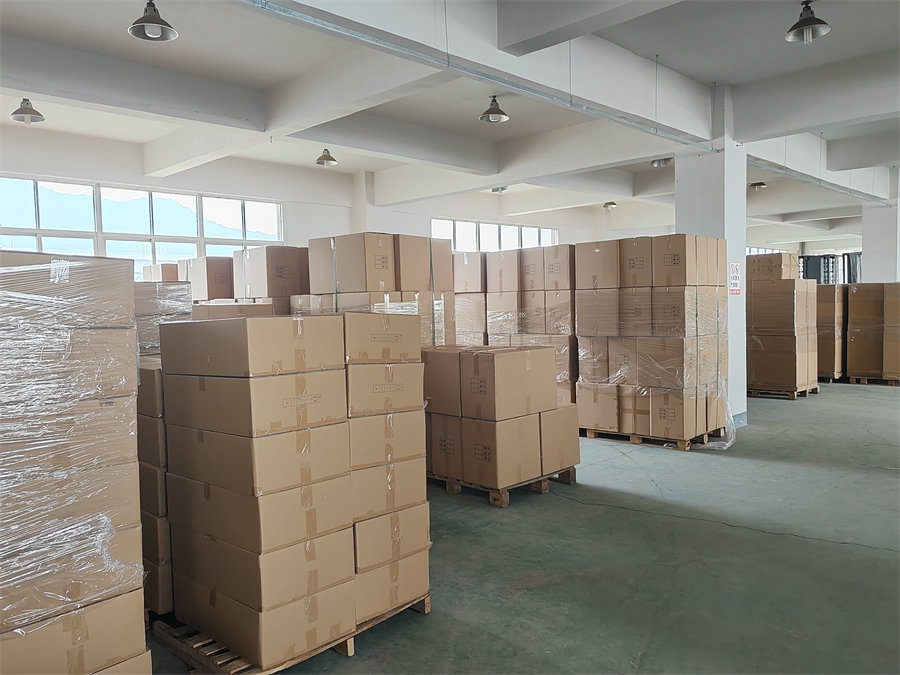
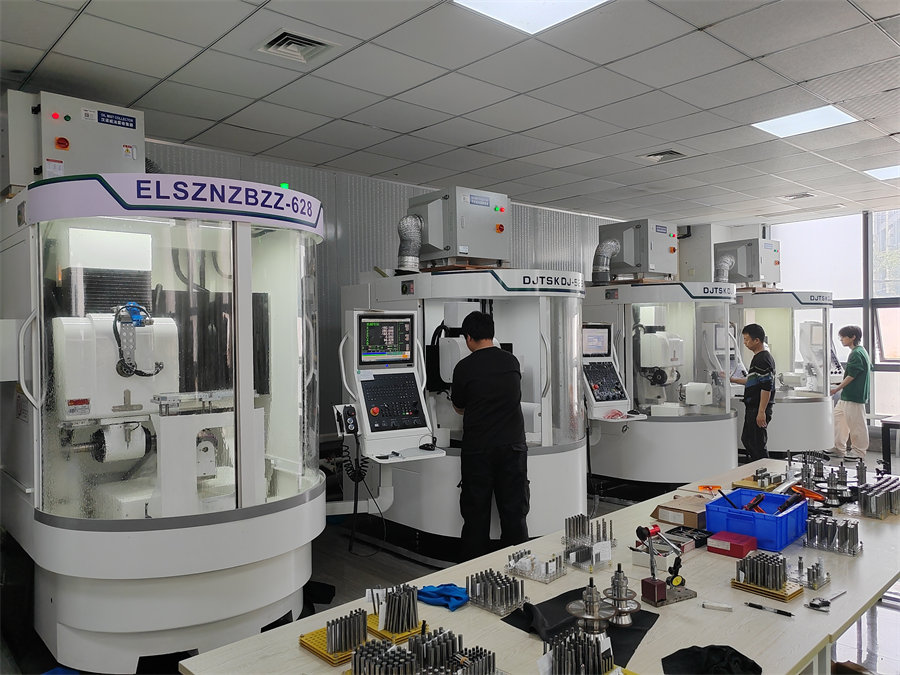
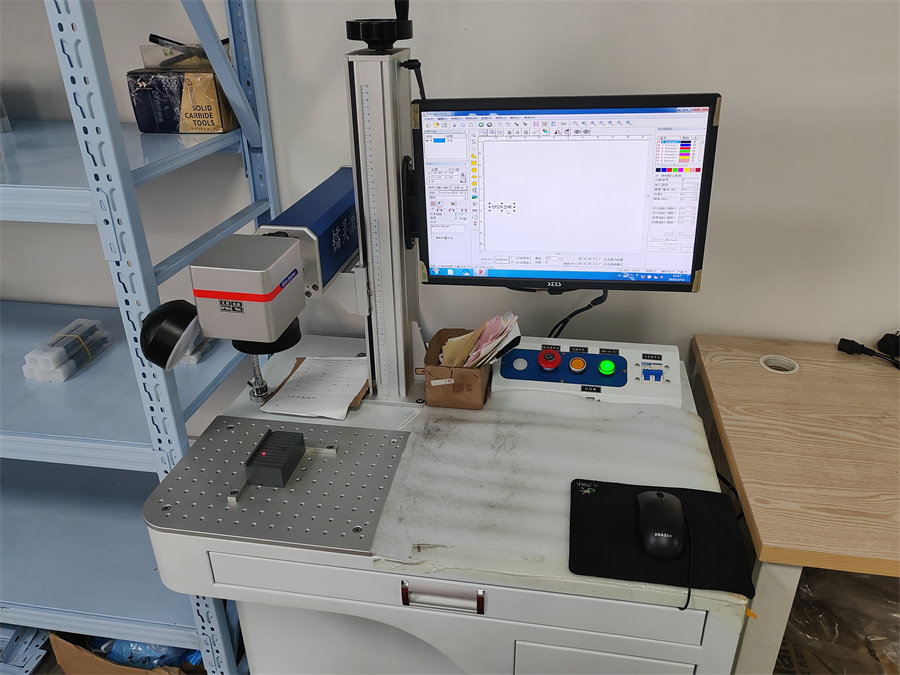
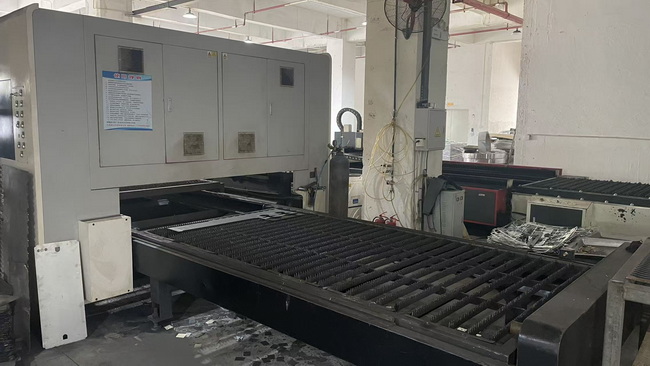
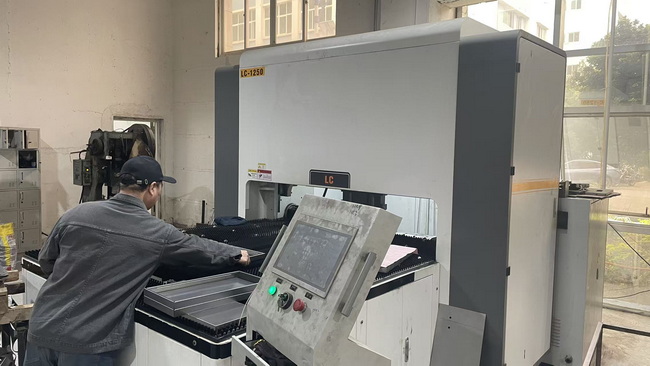
Our solid carbide cutters operate across a wide range of industrial applications:
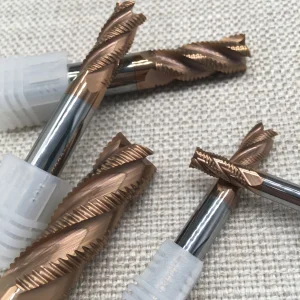
Machining tough titanium structural parts requires tools that minimize heat buildup. Our roughing end mills are engineered with high thermal resistance and optimized rake profiles to maintain edge integrity during heavy titanium milling operations.
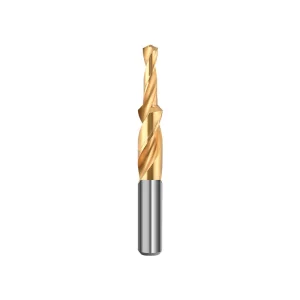
High-volume automotive components, like transmission housings and cylinder blocks, require highly consistent tool dimensions. Our composite step drills allow multiple features to be machined in a single stroke, improving throughput on automated assembly lines.
Achieving smooth surface finishes on aluminum thin-walled casings requires high cutting speeds and balanced tools. Our 3-flute carbide mills reduce vibrations at high speeds, providing clean surface finishes and reducing post-machining treatment steps.
The cutting tool industry is evolving alongside advances in automation and manufacturing technology. Key trends shaping tool design include:
Answers to common technical questions about tool selection, machining parameters, and custom ordering processes.
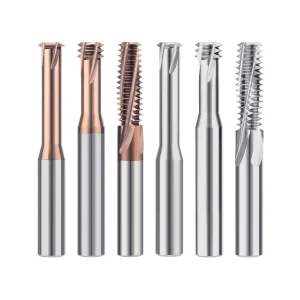
Our specialized drilling and threading systems are engineered to improve tool life and efficiency in high-precision setups.
 Tier Tool