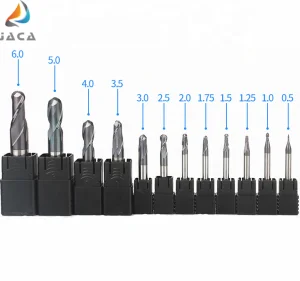
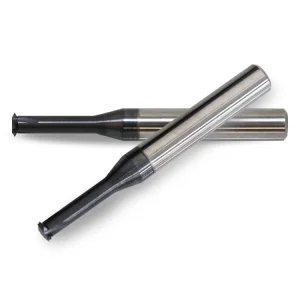
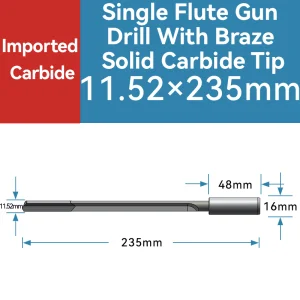
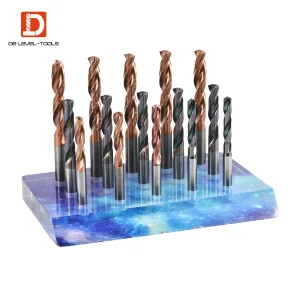
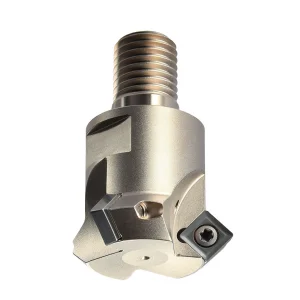
Explore our top-tier solid carbide cutting solutions designed to achieve exceptional surface finishes across diverse industrial applications.
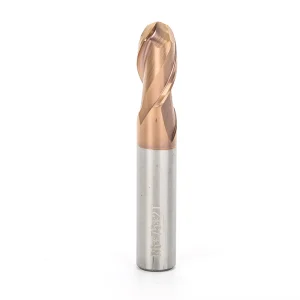
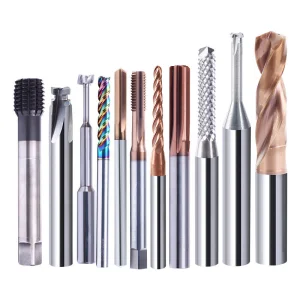
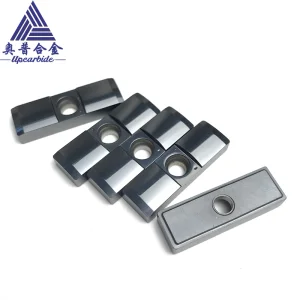
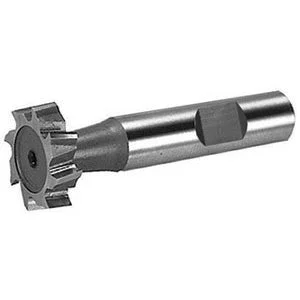
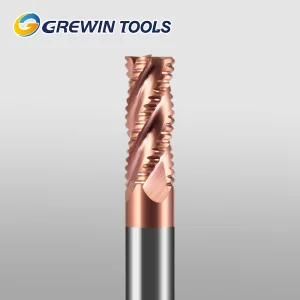
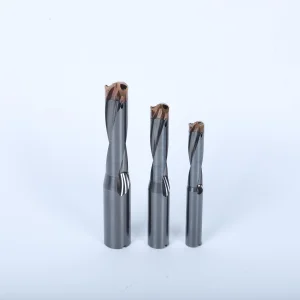
In modern CNC machining and high-speed metalworking, the surface integrity of components is a primary driver of operational efficiency and product lifetime. Precision machining facilities worldwide are shifting from simple metal removal strategies to complex high-efficiency surfacing techniques that demand extreme dimensional consistency and thermal resistance. Global procurement agents face the critical task of sourcing carbide tools that reduce surface roughness values (Ra) below critical tolerances while maintaining predictable wear cycles.
Surfacing processes, including 3D molding, keyway contouring, and deep-hole finishing, directly determine the friction coefficient, wear resistance, and fatigue life of the final manufactured components. Tools must withstand severe mechanical stresses and localized heat development exceeding 1000°C without plastic deformation. Consequently, partnering with a certified manufacturer of sub-micron grain carbide substrate tools is no longer a cost consideration, but a fundamental strategy to maximize plant uptime.
A national high-tech enterprise specializing in the design, manufacturing, and technical support of precision solid carbide cutting tools.
Established in 2008, Suzhou Tier Tool Co., Ltd. is a national high-tech enterprise dedicated to engineering excellence in precision solid carbide cutting tools. Since our foundation, Tier Tool has been deeply committed to the precision machining industry, focusing on delivering high-performance, high-efficiency cutting solutions for hole-making and metalworking applications. Through continuous technological innovation and manufacturing excellence, the company has earned the trust of customers across a wide range of industries worldwide.
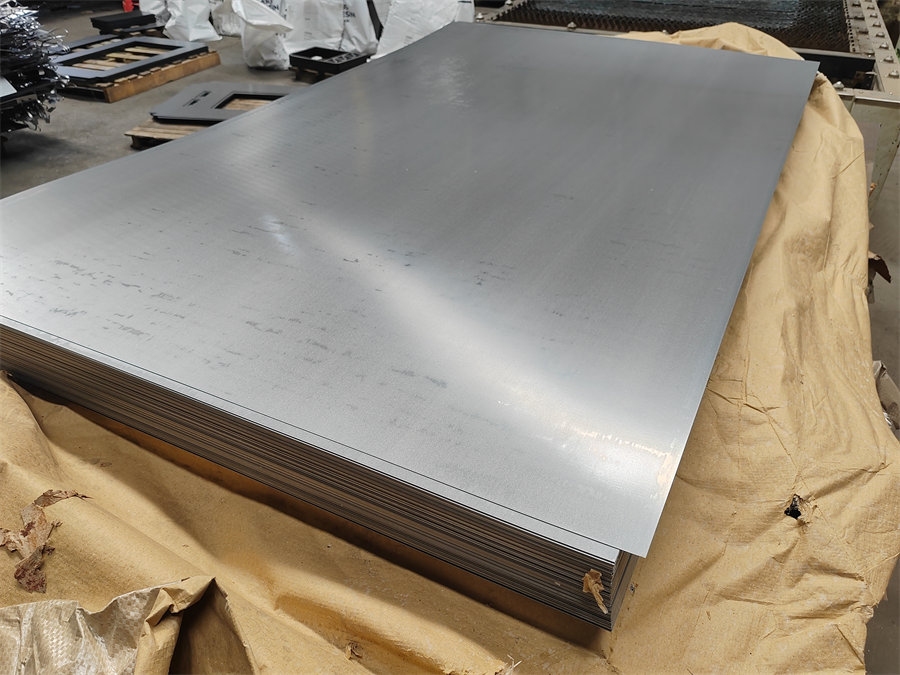
Our manufacturing ecosystem integrates premium raw material selection, advanced geometry design, state-of-the-art CNC tool grinding, and specialized coating applications. By controlling every variable in the design-to-delivery pipeline, we ensure that our global partners receive cutting tools characterized by exceptional dimensional accuracy, optimized chip evacuation, and prolonged tool life, even under severe cutting parameters.
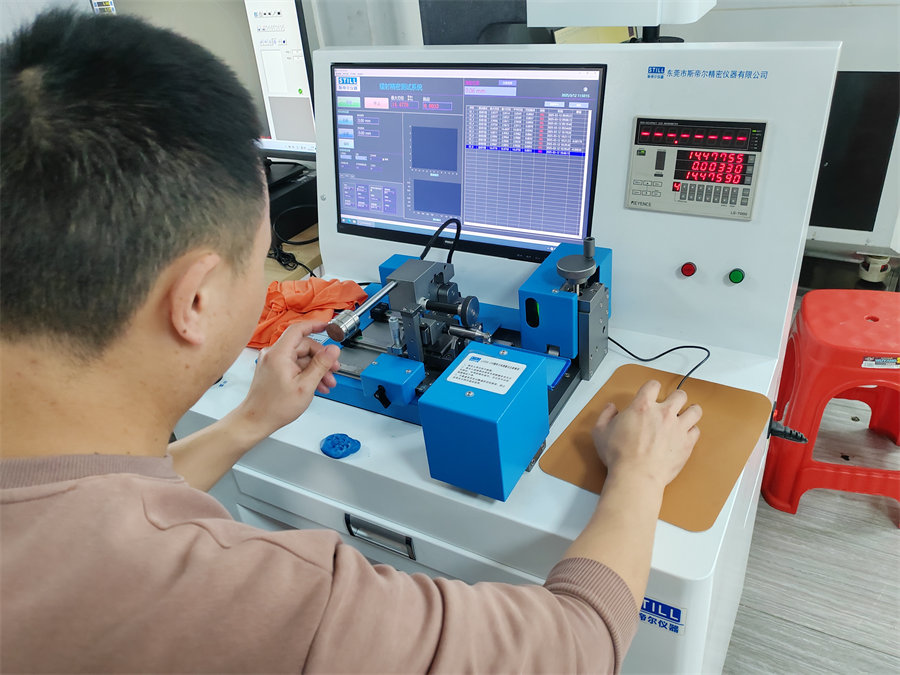
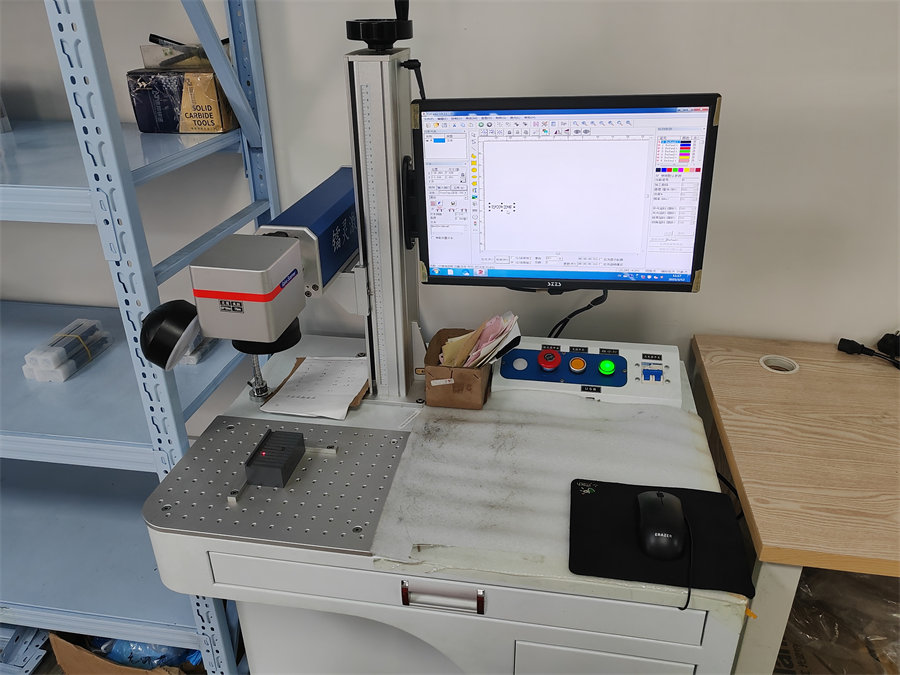
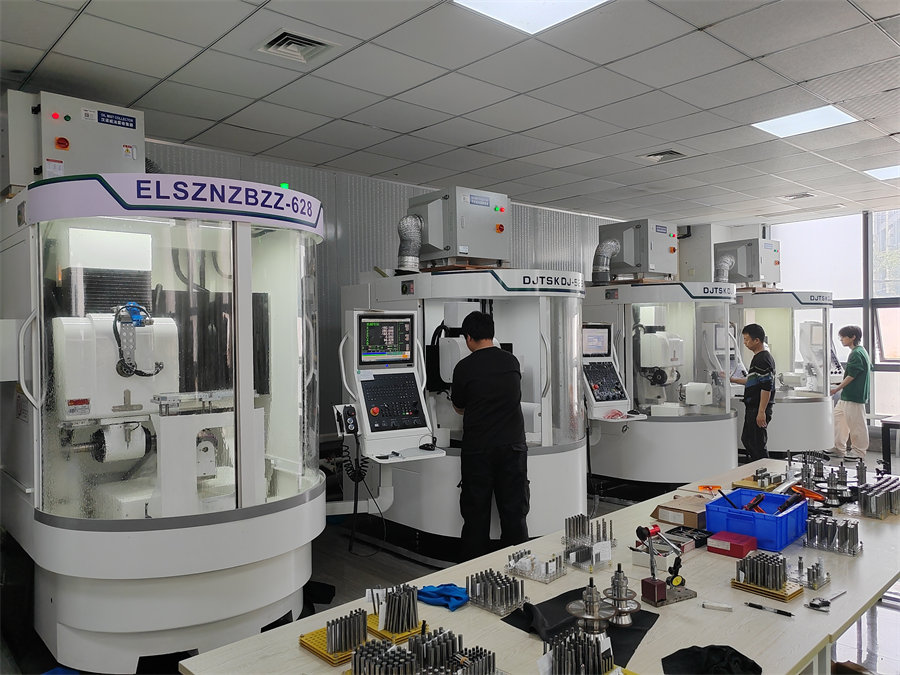
To ensure the highest levels of precision and consistency, Tier Tool has invested extensively in advanced manufacturing equipment and production technologies. The company operates multiple imported CNC tool grinding machines and precision inspection systems, enabling complete in-house capabilities from tool design and prototyping to small-batch testing and large-scale production.
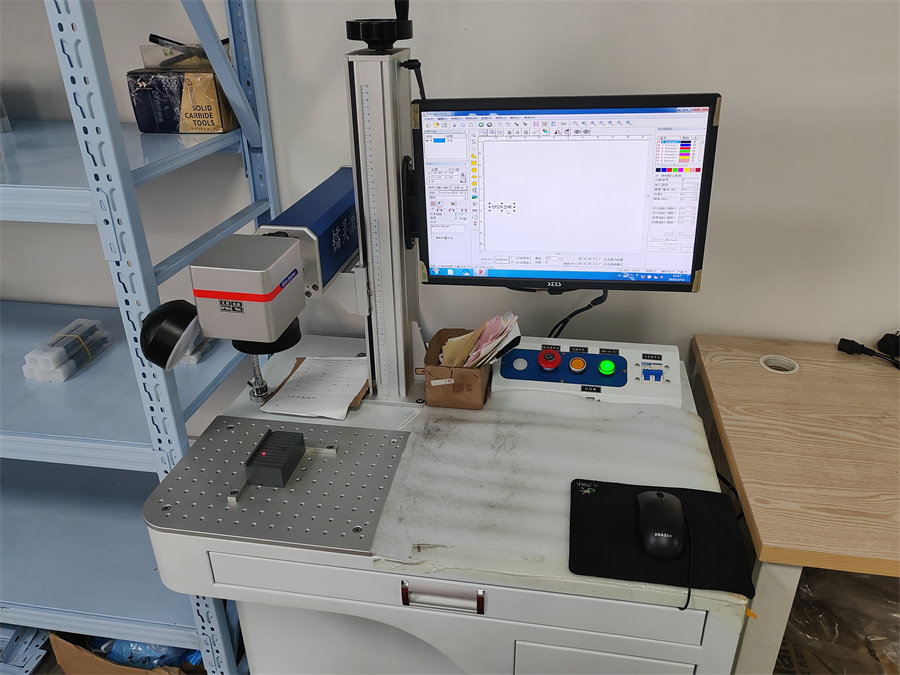
Our manufacturing process is built upon strict process control and traceability standards. Every production stage is carefully monitored to ensure repeatability, quality consistency, and reliable delivery performance.
Quality is the foundation of Tier Tool's long-term success. We adhere to the principle of "Quality First, Continuous Improvement", implementing rigorous quality control procedures throughout the entire production cycle.
From raw material selection and incoming inspection to final product verification, every tool undergoes comprehensive quality checks to ensure it meets strict dimensional, geometrical, and performance requirements.
At Tier Tool, we believe that supplying cutting tools is only the beginning of our partnership with customers. Beyond delivering products, we provide comprehensive technical support and application engineering services to assist customers in optimizing their manufacturing processes.
Our technical specialists work directly with customers to analyze machining conditions, recommend suitable tooling strategies, and develop solutions that maximize efficiency, reliability, and cost-effectiveness.
Providing tailored tooling designs to overcome production hurdles in high-reliability sectors.
The machining of Titanium (Ti-6Al-4V), Inconel 718, and carbon-fiber-reinforced polymers (CFRP) demands tools with extreme thermal stability. Our solid carbide drills and ball nose mills minimize heat transfer to the workpiece, eliminating surface cracks and microstructural changes.
By designing tools with variable pitch and optimized radial rake angles, we suppress chatter during thin-wall structural milling, maintaining consistent surface integrity.
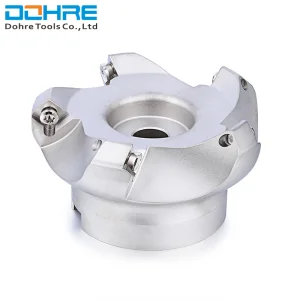
High-volume production lines require tools that guarantee long tool life under interrupted cuts. Tier Tool designs specialized indexable inserts and high-speed drills that facilitate fast cutting speeds ($v_c$) in gray cast iron and hypereutectic aluminum engine blocks, drastically reducing cycle times.
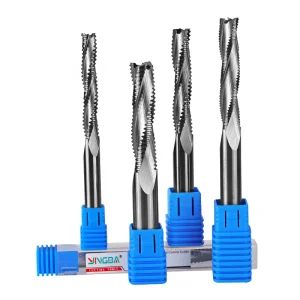
Generating complex 3D profiles in hardened tool steel (HRC50-HRC65) requires robust ball nose and roughing end mills. Our sub-micron carbide cores resist micro-chipping, allowing toolmakers to execute finish milling directly after hardening. This path eliminates costly EDM operations and shortens lead times.
Medical implants constructed from titanium and cobalt-chromium alloys require perfect surface finishes to prevent tissue irritation and ensure biostability. Tier Tool’s micro-milling and drilling tools deliver highly polished cutting edges, preventing burr formation and maintaining geometrical accuracy.
Understanding the mechanical configurations and coating technologies that define high-productivity machining.
Our tools utilize ultra-fine tungsten carbide grains ($0.2\mu m$ to $0.6\mu m$ range) bonded with precise cobalt percentages. This configuration maximizes hardness without compromising transverse rupture strength (TRS), offering high resistance to mechanical shock.
Coating adhesion is crucial. Using advanced Physical Vapor Deposition (PVD), we apply multi-layer AlTiN and nano-coatings. These elements provide high thermal barrier insulation, allowing tools to maintain dry-machining setups up to $1100^\circ C$.
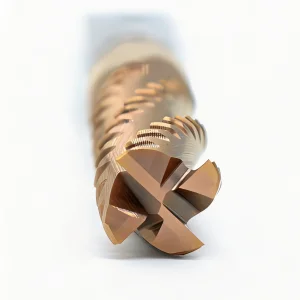
Unequal flute spacing (variable helix) disrupts the rhythmic vibrations generated during high-speed cuts. This geometrical configuration reduces harmonic chatter, resulting in excellent surface finishes and protecting the spindle of your CNC machine center.
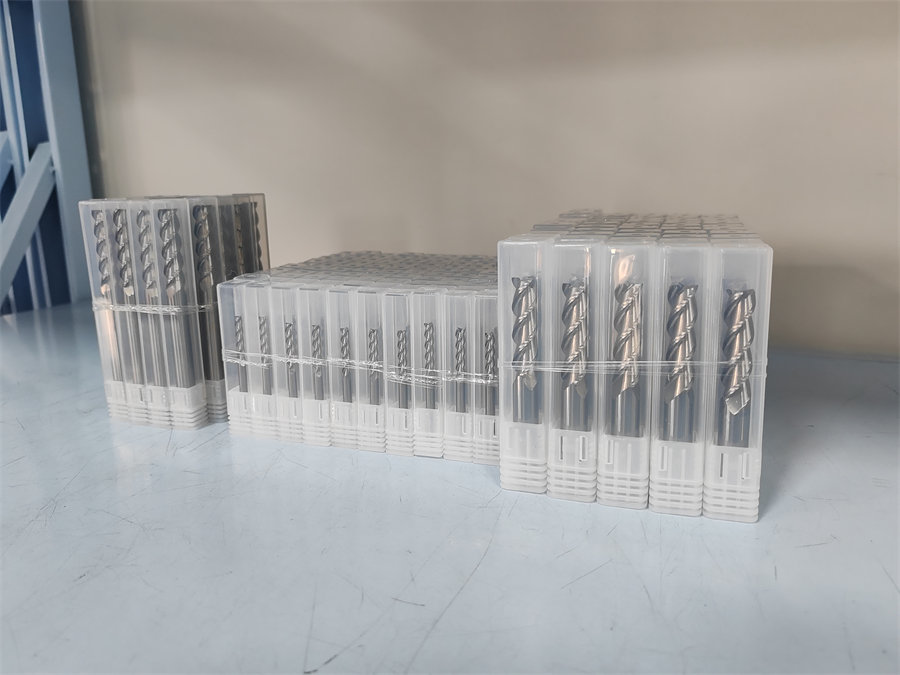
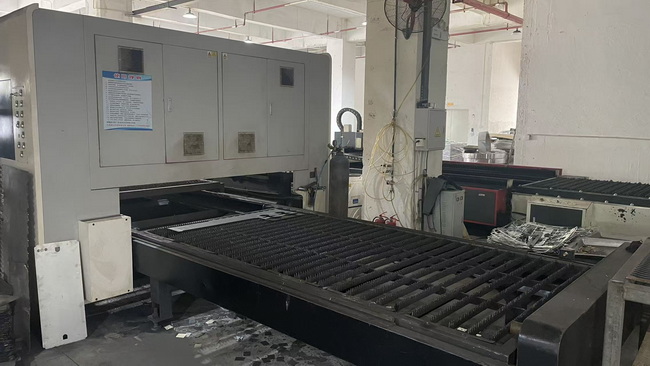
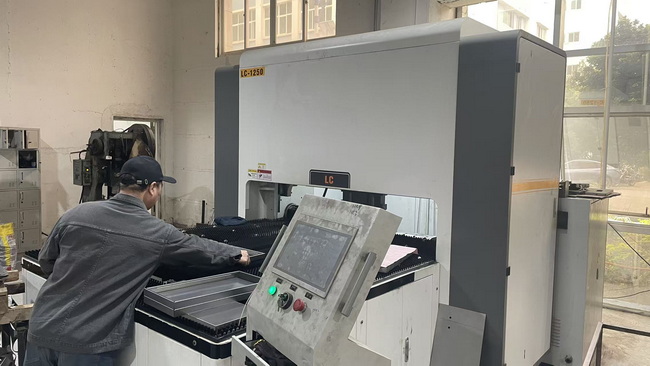
A transparent view of Suzhou Tier Tool's state-of-the-art production floors, advanced fabrication technologies, and strict QA protocols.
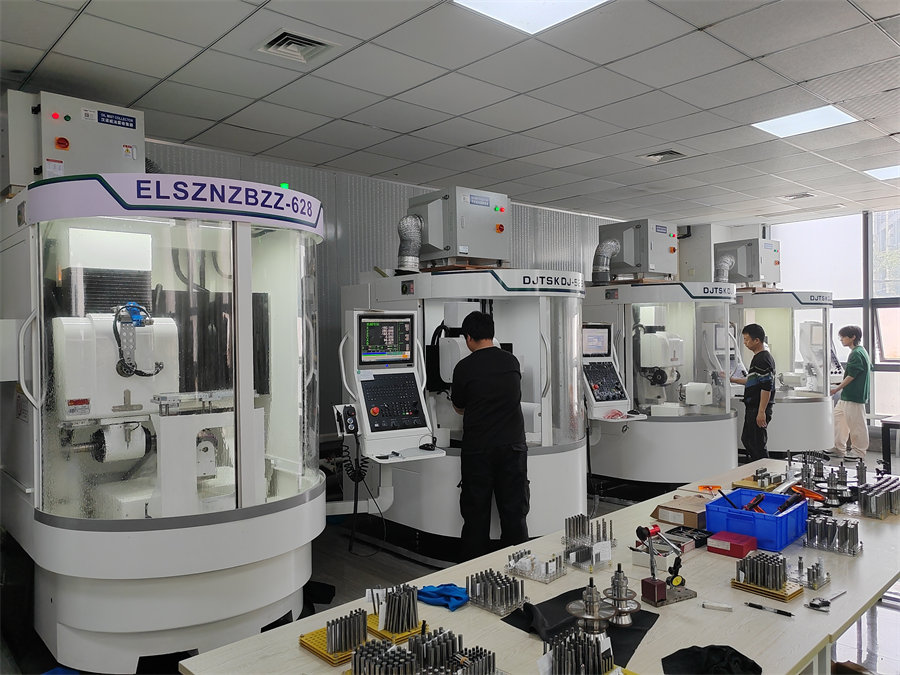
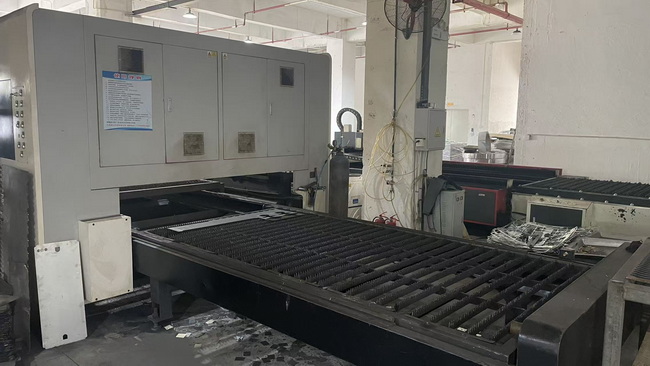
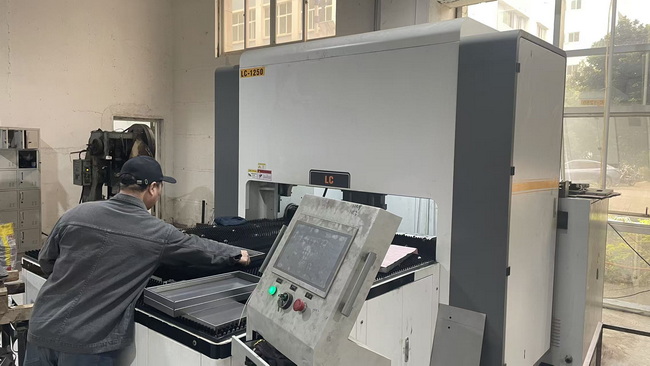
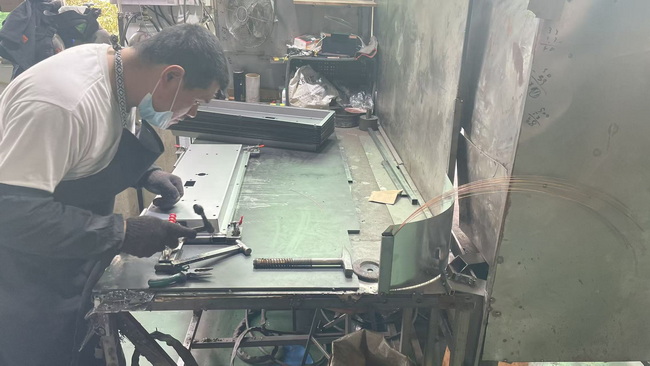
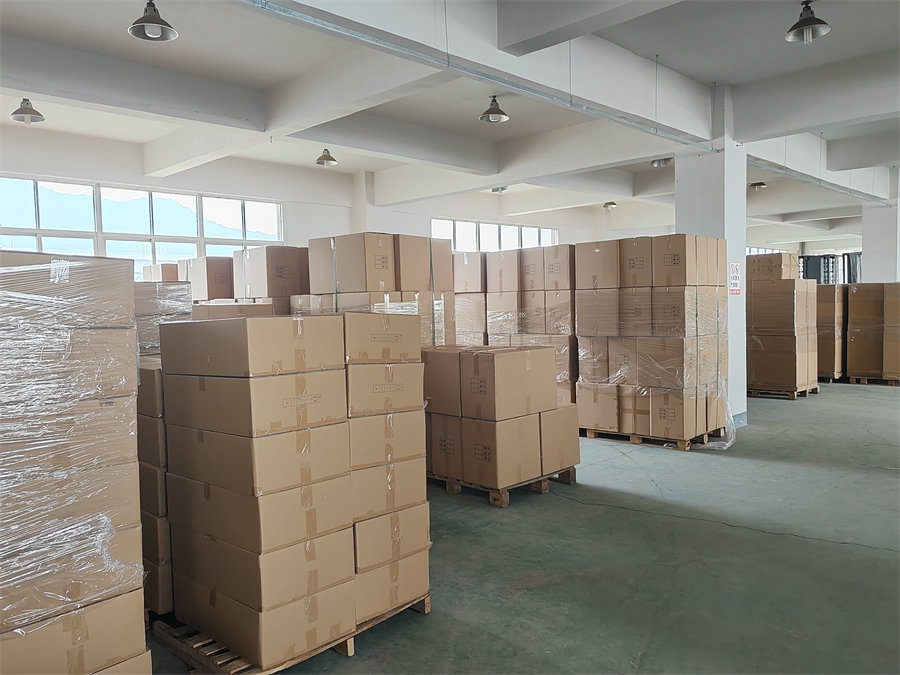
In international trade, supply chain stability is dependent on regulatory compliance. Suzhou Tier Tool Co., Ltd. ensures that all manufacturing runs conform to the ISO 9001:2015 quality standards. This tracking assures customers that our tool batches are fully inspectable, repeatable, and verifiable.
We supply Conflict-Free Minerals Declaration documents, and fully support REACH and RoHS environmental compliance frameworks. Our European and American distributors benefit from swift customs processes, robust cargo packaging, and complete customs documentation, guaranteeing direct-to-factory delivery with zero delays.
Whether you require tailored neck lengths for deep cavity reach, specialized tool coatings for dry-machining titanium, or specific shank configurations for shrink-fit holders, Tier Tool’s FAE department provides complete customization. We draft 3D blueprints and engineer test batches to ensure tool performance matches your production metrics before moving to high-volume manufacturing.
Expert answers to common engineering questions regarding parameters, tool wear, and surface optimizations.
Premium solutions engineered to reduce cycle times and achieve superior metal surface finishes.
 Tier Tool