Directly supporting demanding precision tolerances, structural fabrication, and metalworking applications across Saudi Arabia.
Saudi Arabia is experiencing an unprecedented industrial expansion under the framework of Saudi Vision 2030 and the National Industrial Development and Logistics Program (NIDLP). As the Kingdom diversifies its economic landscape away from raw hydrocarbon exports, it is building world-class manufacturing zones, maritime complexes (such as the King Salman International Complex for Maritime Industries and Services), and smart megaprojects like NEOM. This shift requires domestic manufacturing precision to match international aerospace, defense, and nuclear component machining standards.
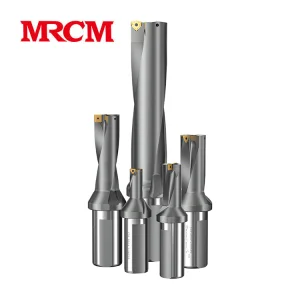
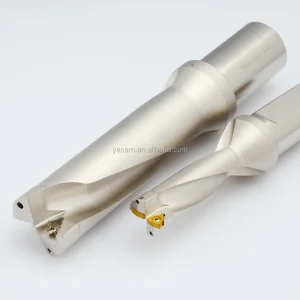
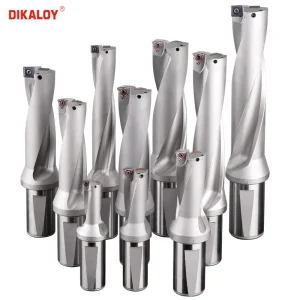
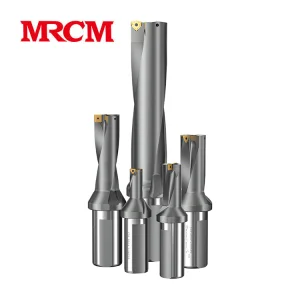
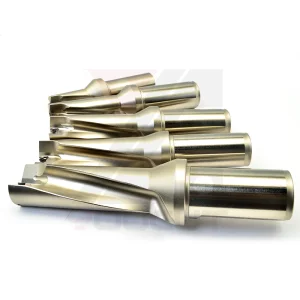
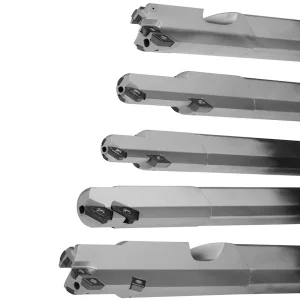
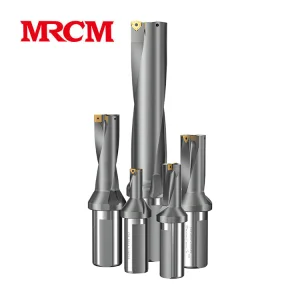
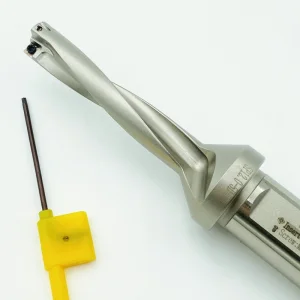
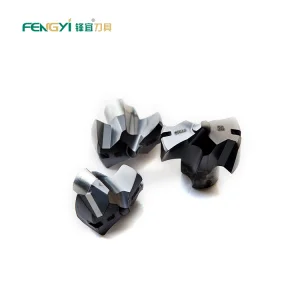
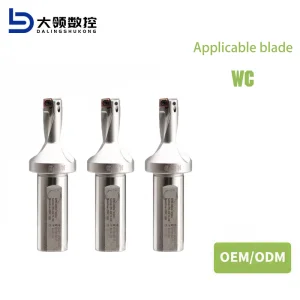
In this high-stakes industrial environment, hole-making operations represent one of the most critical manufacturing steps. In heavy equipment manufacturing, petrochemical valve production, and heat exchanger assembly, thousands of deep holes must be machined through difficult materials like duplex stainless steels, titanium alloys, and high-strength structural steels. Traditional solid cutting tools are no longer economically viable due to high downtime, regrinding overheads, and cycle-time bottlenecks. Indexable insert drills (often referred to as U-drills or indexable spade drills) have emerged as the standard tooling architecture to maximize material removal rates (MRR), assure process reliability, and control cost-per-hole parameters.
We configure tooling pathways that align with Aramco's In-Kingdom Total Value Add (IKTVA) objectives, optimizing machining configurations to minimize raw tool scrap rates locally.
Optimized chip evacuations and customized grade coatings to enable batch drilling of multi-thousand-hole arrays in clad steel configurations without insert breakdown.
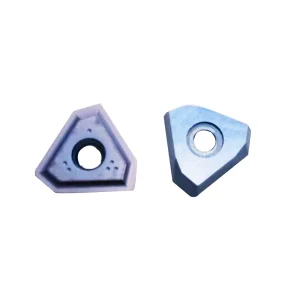
Submicron substrate compositions specifically engineered to withstand mechanical shock and thermal variations during heavy dry or MQL (Minimum Quantity Lubrication) drilling.
To realize the full performance envelope of an indexable insert drill, it is essential to understand the structural physics of the tool body and the mechanical forces at play. Indexable insert drills utilize a dual-insert asymmetry: the central insert cuts the zero-speed core of the hole, while the peripheral insert cuts the outer diameter, defining the finished bore dimension. This configuration creates balanced, opposing radial forces that stabilize the drill body during entry, preventing pilot-less walking.
However, the asymmetrical loading imposes strict operational parameters:
| Tool Category | Typical Feed Rate (mm/rev) | Ideal Depth Ratios | Main Advantage | Limitation |
|---|---|---|---|---|
| Indexable U-Drills (SPMG/WCMT) | 0.06 - 0.20 mm/rev | 2D, 3D, 4D, 5D | Maximum feed rates, cost-effective insert replacement | Stiffness decreases at 5D+ depths |
| Replaceable Tip Drills | 0.12 - 0.35 mm/rev | 3D, 5D, 8D, 12D | Higher hole tolerance, closer to H8/H9 finish | Higher replacement head cost |
| Solid Carbide Drills | 0.15 - 0.50 mm/rev | 3D to 30D+ | Maximum precision and concentricity | Expensive tool scrap upon edge failure |
| BTA / Gun Drills | 0.01 - 0.10 mm/rev | 10D to 100D+ | Extreme depth straightness and surface finish | Requires specialized deep-hole machines |
Get direct technical recommendations from our specialized application engineers. We provide comprehensive cycle-time calculations and customized tooling setups.
Send Inquiry NowProcuring high-performance drilling tools for heavy industries within the Kingdom requires more than just catalog selection; it demands absolute supply chain integrity, regulatory compliance, and localized technical field support. At Suzhou Tier Tool Co., Ltd., we run integrated logistics pipelines directly linking our state-of-the-art Chinese manufacturing facilities to main Saudi logistics terminals in Dammam, Jeddah, and Jubail Industrial City.
Our operational processes comply with all major regional frameworks:
Established in 2008, Suzhou Tier Tool Co., Ltd. is a national high-tech enterprise specializing in the design, manufacturing, and technical support of precision solid carbide and indexable cutting systems. Operating out of our modern production facility, we maintain absolute control over the manufacturing value chain.
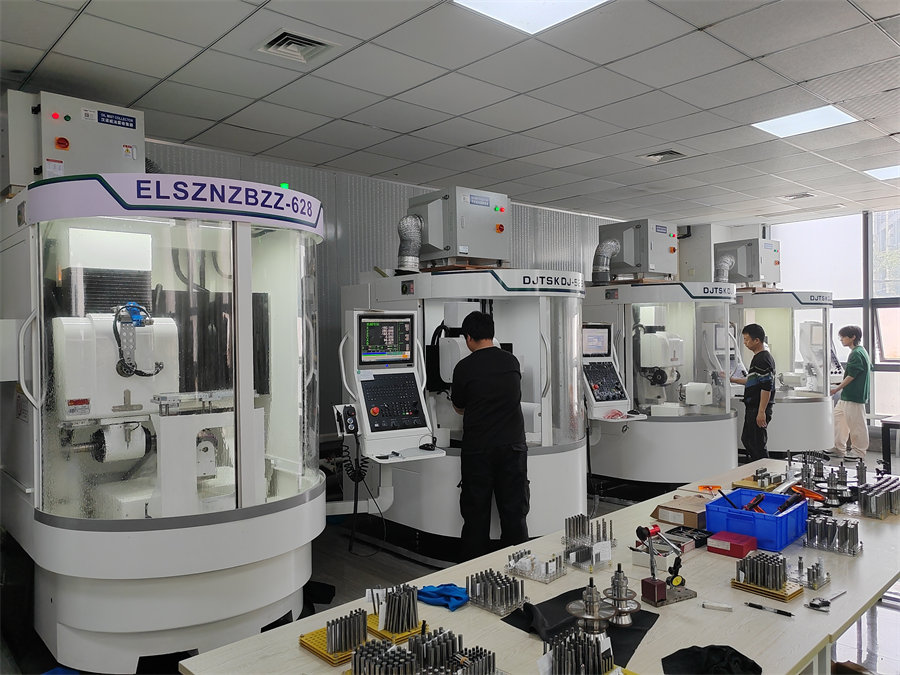
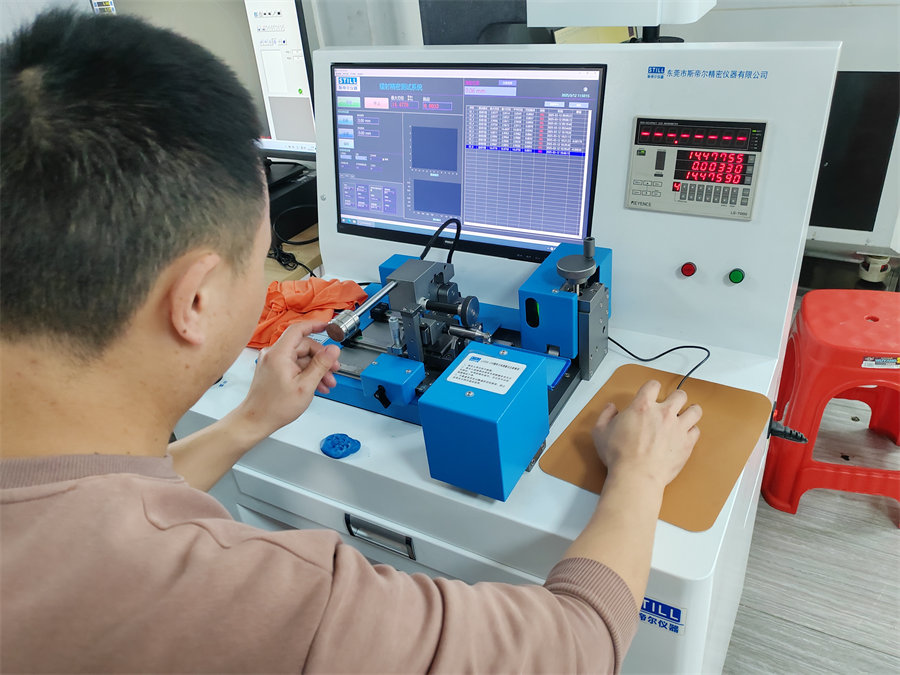
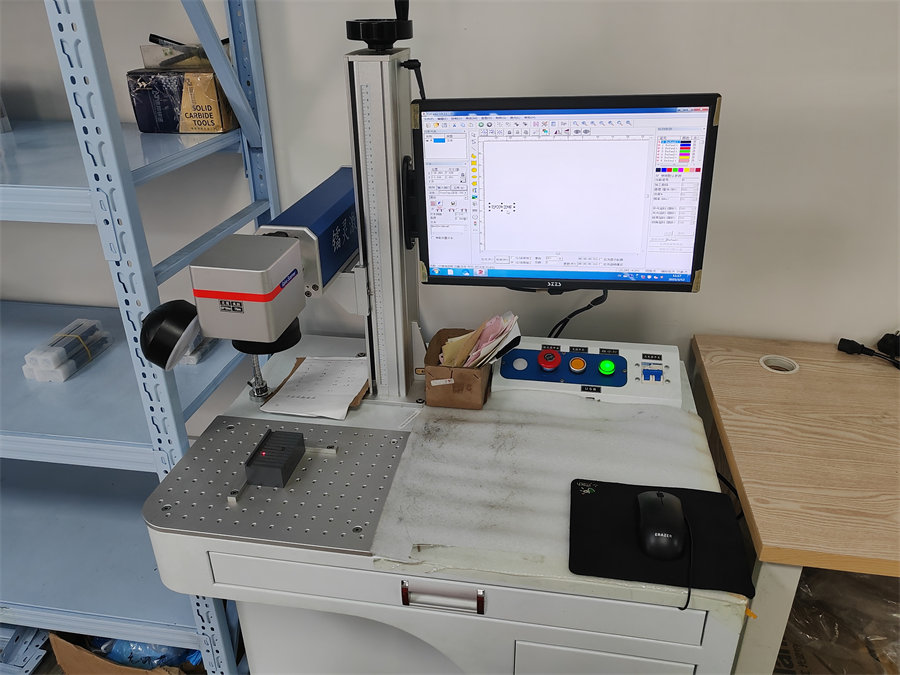
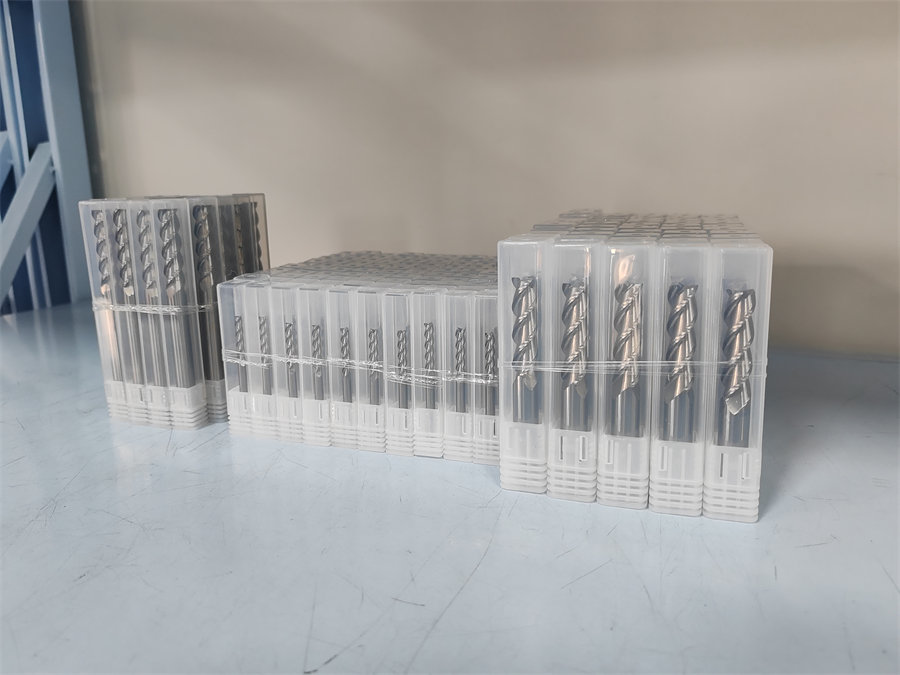
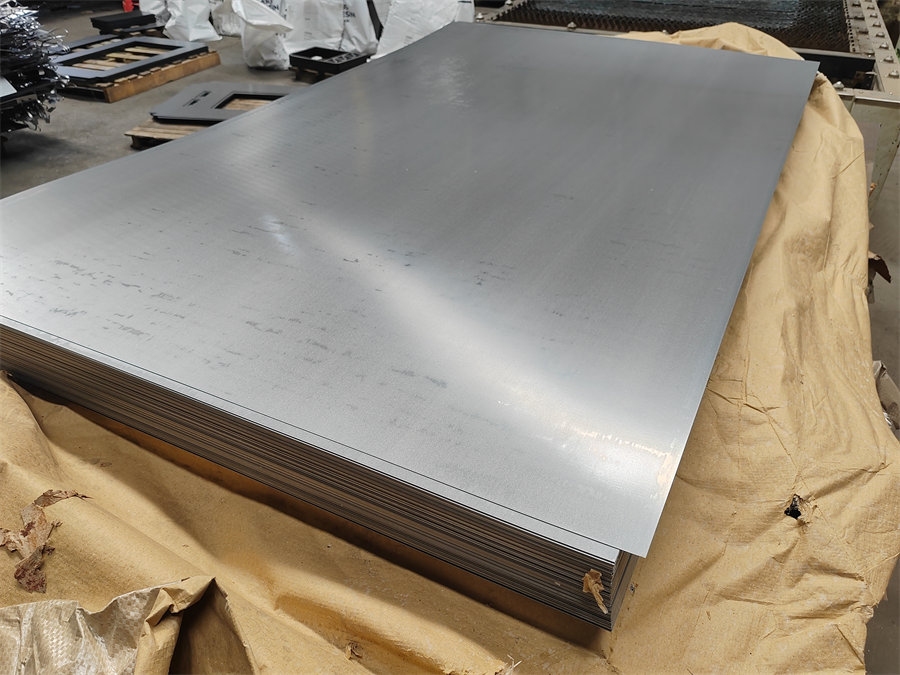
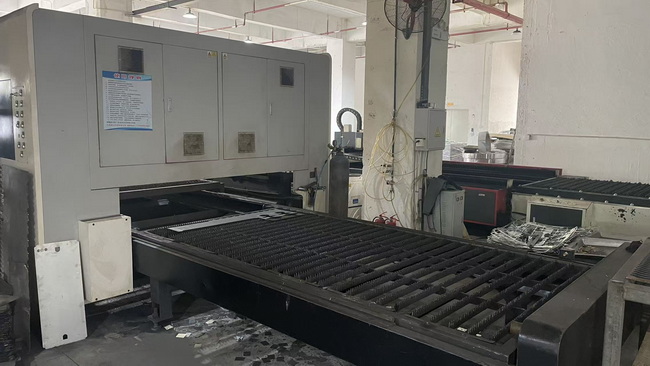
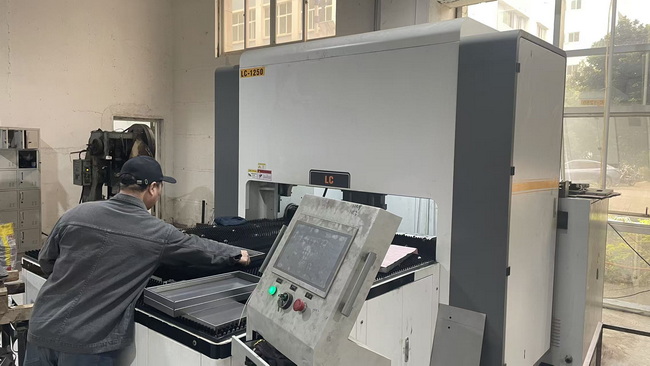
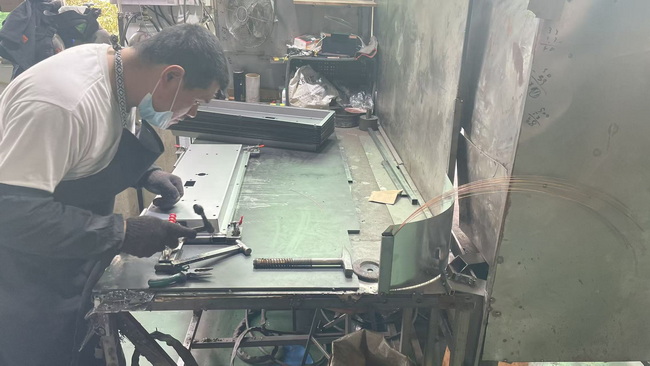
Our production floor features multi-axis CNC grinding systems, laser cutting machines, high-precision inspection suites, and specialized coating stations. We run rigorous dimensional testing on every batch of indexable drill bodies and carbide inserts to guarantee absolute radial symmetry and concentricity. This industrial rigor translates to consistent tool life and predictable performance when machining critical oilfield flanges, structural beams, or pressure vessels in Saudi Arabia.
As Saudi engineering operations venture into higher pressure ratings, sour gas environments, and deeper offshore extraction, the materials specified continue to increase in mechanical complexity. Traditional carbon steels are frequently replaced with Super Duplex Stainless Steels (e.g., UNS S32750) and high-nickel superalloys (e.g., Inconel 625 and Inconel 718). These materials present extreme machining challenges: severe work hardening, high shear strength, and extreme thermal transfers directly to the cutting tip.
Suzhou Tier Tool's ongoing technical roadmap addresses these factors through three specific engineering pillars:
Browse our robust portfolio of high-precision BTA systems, deep-hole gun drills, and custom-carbide indexable heads designed for the Kingdom's manufacturing sectors.
Our application engineering department has compiled solutions to the most common holemaking challenges faced by operators in Saudi manufacturing facilities.
Premature peripheral insert wear in duplex stainless steels is typically caused by work hardening and excessive cutting speeds ($V_c$). Duplex alloys require rigid setups and consistent feed rates to ensure the cutting edge stays beneath the work-hardened zone from previous passes. We recommend utilizing TiAlSiN PVD-coated inserts, reducing cutting speed by 15-20%, and increasing feed rate ($f_n$) to keep the tool engaged.
High ambient shop temperatures affect coolant concentration, leading to accelerated water evaporation and reduced lubrication effectiveness. This leads to chip sticking on the drill body and accelerated thermal cracking on the carbide inserts. Operators should monitor coolant concentration, maintain a minimum concentration of 8% to 10% for drilling operations, and use chiller units to keep coolant reservoirs below 30°C.
External flood coolant is incapable of reaching the cutting zone when drilling depths exceed 1.5 times the tool diameter. Without the force of through-spindle coolant, chips will nest at the bottom of the bore, causing the drill to re-cut chips. This leads to immediate chip clogging, tool body deflection, and catastrophic failure. For deep hole drilling, through-spindle pressure of at least 15 bar is essential for continuous chip evacuation.
Standard indexable drill bodies and replacement inserts are shipped via air cargo for delivery within 7-10 working days to major industrial zones like Dammam, Jubail, and Yanbu. Custom specialized configurations involving BTA tooling or custom length-to-diameter ratios undergo expedited engineering validation, fabrication, and shipping via air freight to minimize lead times.
Get in touch with our team today to discuss bulk supply rates, custom tool configurations, and local logistics solutions for Saudi Arabia.
Send Inquiry Now Tier Tool