Engineered for immediate tool deployment across Berlin's demanding CNC production sectors.
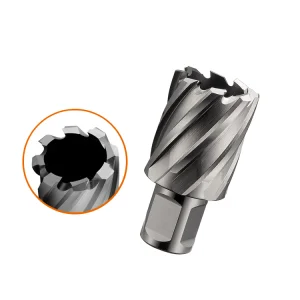
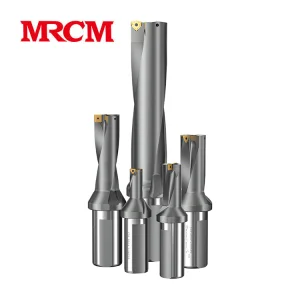
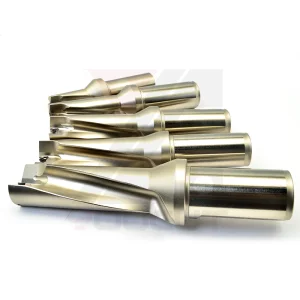
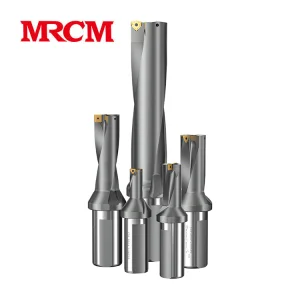
Modern high-performance machining environments in Berlin and the wider Brandenburg region are undergoing an intensive industrial renaissance. With the expansion of electric vehicle manufacturing, advanced turbine engineering, aerospace suppliers in the Adlershof technology cluster, and heavy rail machinery production, the requirement for ultra-precise, high-efficiency machining has peaked. Holemaking represents up to 60% of all metal-cutting operations by volume, making the reliability of indexable insert drills (commonly referred to as U-drills) a decisive factor in production economics.
For German manufacturers, tool failures do not merely represent tool replacement costs; they translate directly into downtime on multi-million Euro 5-axis CNC machining centers, scrap components in high-alloy steels, and supply chain bottlenecks. Suzhou Tier Tool Co., Ltd. offers a robust and technologically advanced paradigm, bridging the gap between local German quality standards (DIN/ISO compliance) and the manufacturing speed and cost advantages of China's Factory 4.0 infrastructure. This whitepaper analyzes the engineering geometry, material science, procurement dynamics, and operational guidelines critical to achieving high efficiency in holemaking operations within Berlin's manufacturing framework.
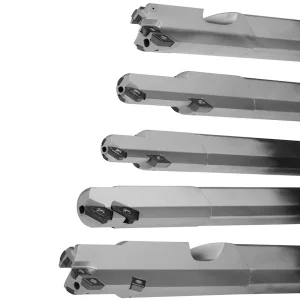
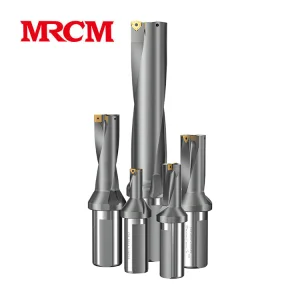
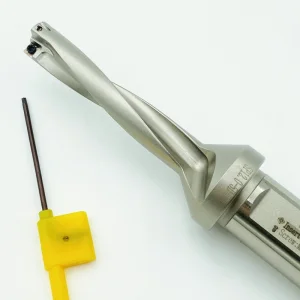
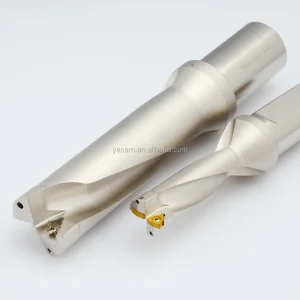
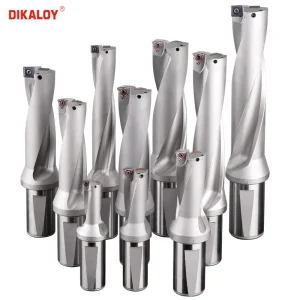
The history of high-speed drilling has transitioned from high-speed steel (HSS) and brazed carbide to modular exchangeable heads and indexable inserts. Indexable insert drills represent the state-of-the-art for hole diameters ranging from 12.00 mm to over 80.00 mm and depths from 2D up to 8D.
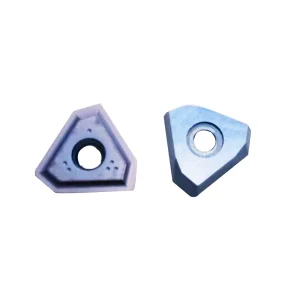
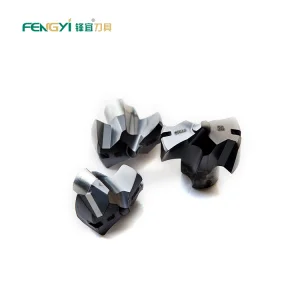
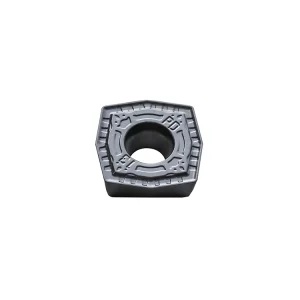
Unlike symmetrical twist drills, an indexable insert U-drill uses two distinct inserts: an inner (central) insert and an outer (peripheral) insert. The inner insert is responsible for cutting the core axis of the hole, operating at zero surface cutting speed (Vc = 0 m/min). It must possess exceptional toughness to withstand high compressive stresses and chip deformation. The outer insert cuts the finished diameter, running at maximum peripheral speed. It requires high wear resistance and thermal stability. Symmetrical design balancing is critical; the tool path must be engineered so the radial forces generated by the inner and outer inserts counteract each other, eliminating deflection.
At high penetration rates, chip packing leads to instantaneous tool failure. Modern indexable drills incorporate helical or straight internal coolant paths directed precisely at the cutting zones. Liquid coolant (at pressures from 10 bar up to 70 bar) performs three roles:
Selecting the correct substrate-coating combination and insert shape is essential to optimize machining processes. The following table provides direct alignment recommendations for common industrial metals processed in Berlin CNC plants.
| ISO Material Group | Common Berlin Applications | Tool Body Structure | Insert Grade Selection | Coolant Strategy |
|---|---|---|---|---|
| ISO P (Steel) | Automotive shafts, structural steel hubs | Medium alloy steel body (HRC 45-50) | TiCN + Al2O3 CVD Coated Carbide | Internal, standard pressure (15-20 Bar) |
| ISO M (Stainless Steel) | Food processing machinery, medical parts | High-rigidity body, chrome-plated | Ultra-fine PVD AlCrN Coated (high toughness) | High-pressure (40+ Bar) to prevent work hardening |
| ISO K (Cast Iron) | Wind turbine housings, gearbox frames | Wear-resistant flutes, hard surface treatment | Thick TiAlN PVD or thick CVD Al2O3 coating | Internal emulsion or dry (compressed air) |
| ISO S (Superalloys / Titanium) | Aerospace engines, turbine impellers | Reinforced core body | Uncoated micrograin or thin PVD TiAlN | High-pressure through-spindle coolant directly to zone |
By matching insert coatings to the metallurgical properties of the workpiece, machinists can balance feed rate (fn) against cutting speed (Vc) to optimize tool life. The goal is to minimize flank wear and build-up edge (BUE) formation, which are the main causes of dimensional variance in precision CNC machining.
Supply chain integration in Germany requires strict adherence to European manufacturing standards. Tools sold in Berlin and Germany must comply with European safety and digital representation standards.
Furthermore, our technical team provides swift, expert assistance for complex setups, minimizing down-time and maximizing the performance of your machining center.
Operating out of Suzhou, China’s primary industrial precision tooling cluster, Suzhou Tier Tool Co., Ltd. has been manufacturing premium cutting tools since 2008. As a certified National High-Tech Enterprise, our facility blends automated production technology with ISO 9001:2015 quality control systems.
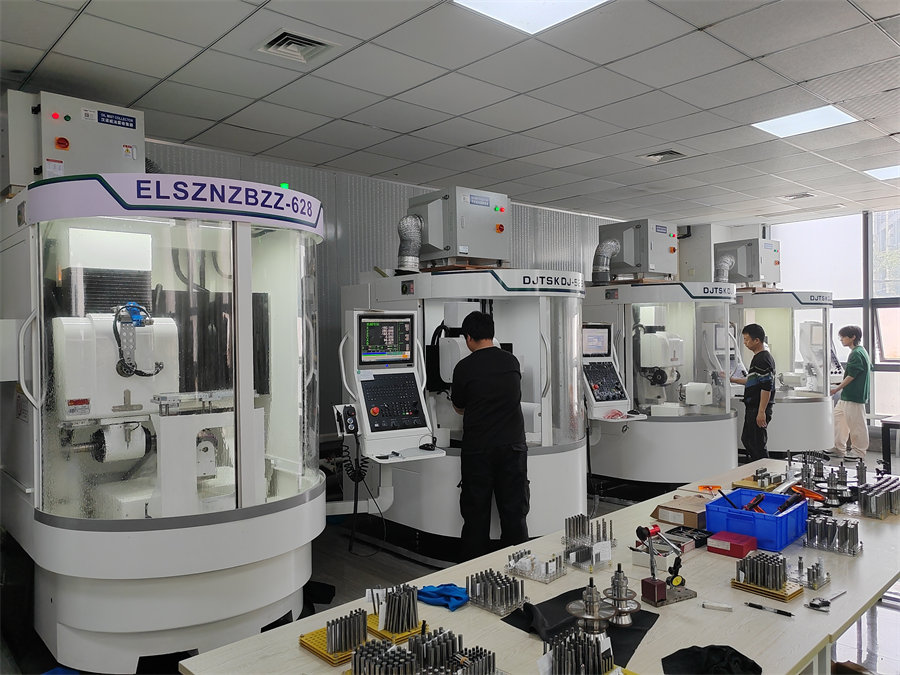
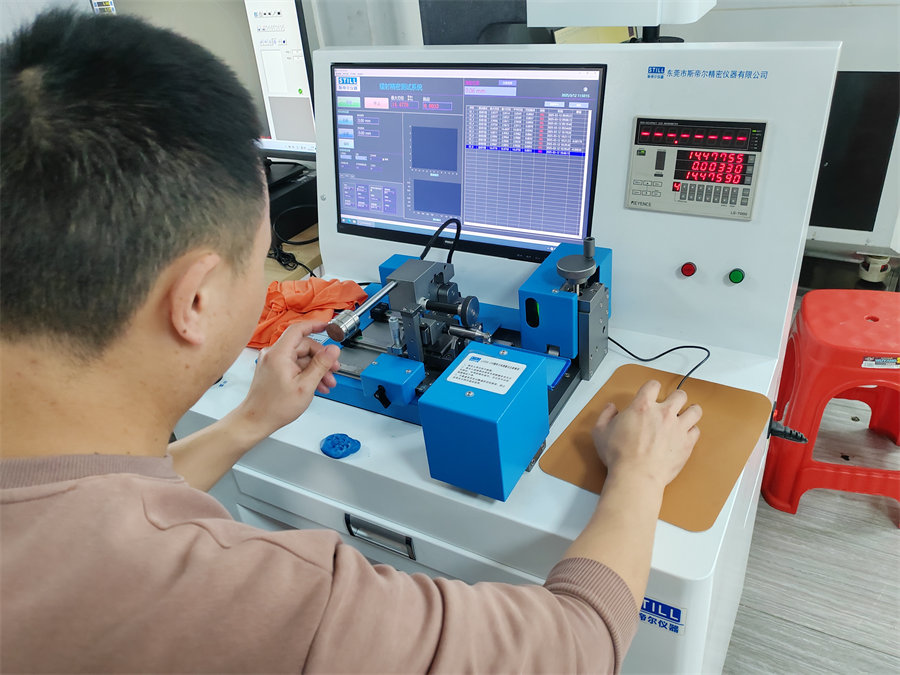
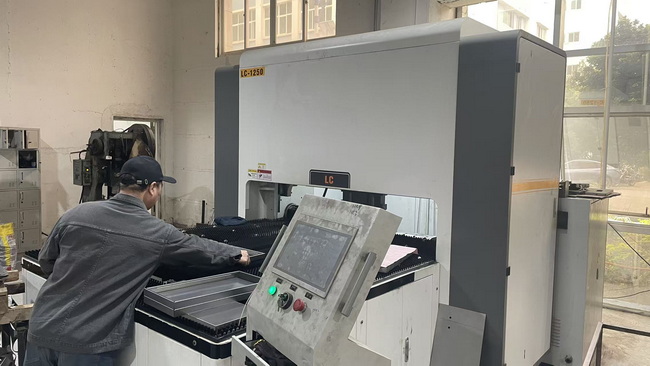
The manufacturing philosophy of Suzhou Tier Tool is built on modern Factory 4.0 principles. We utilize automated production lines to maintain consistency in our tooling geometries. This helps prevent tool vibration and dimensional variations during heavy cutting cycles in your facility.
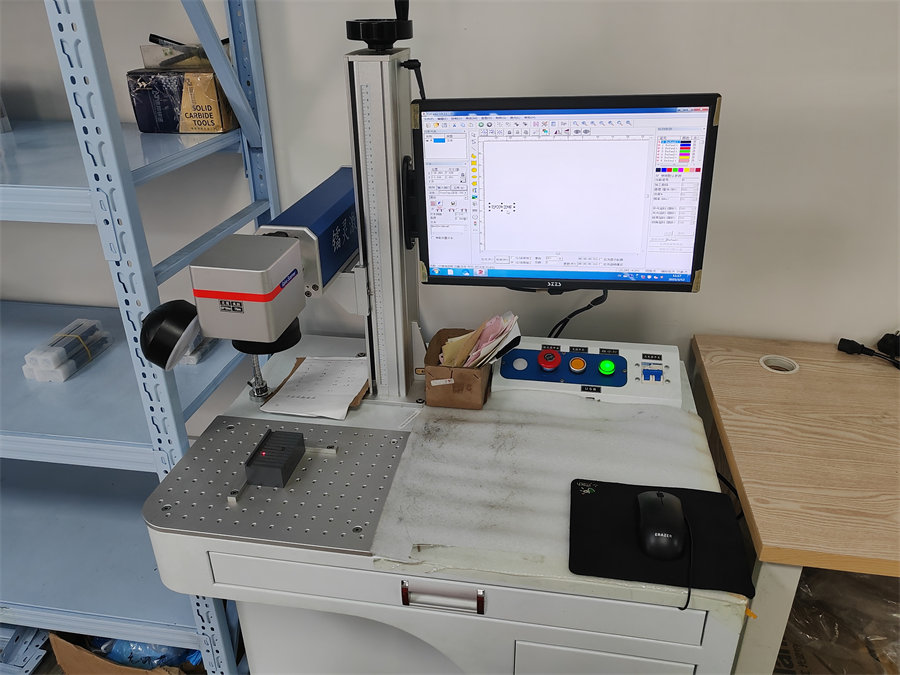
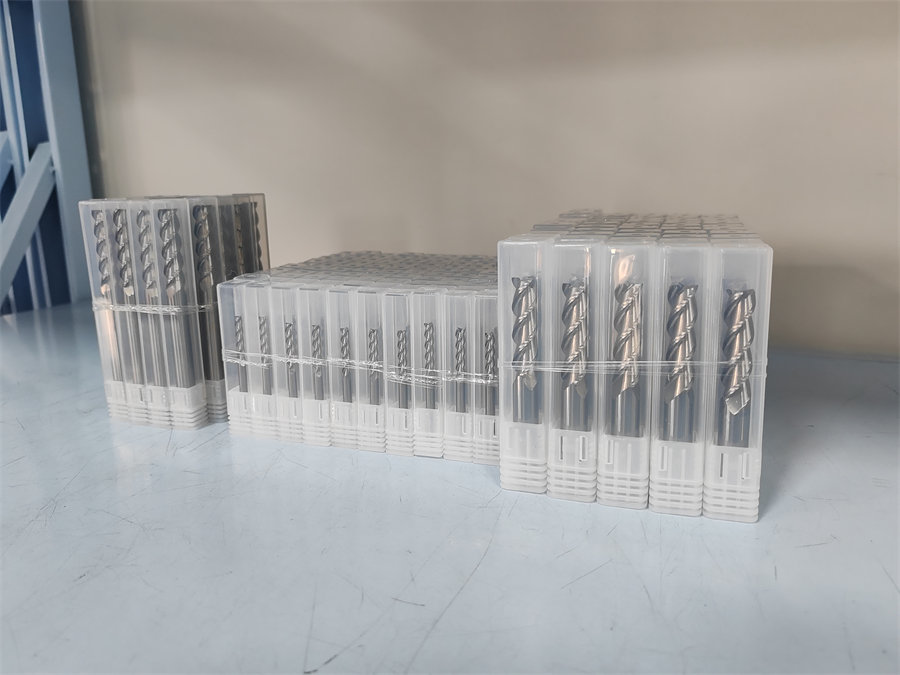
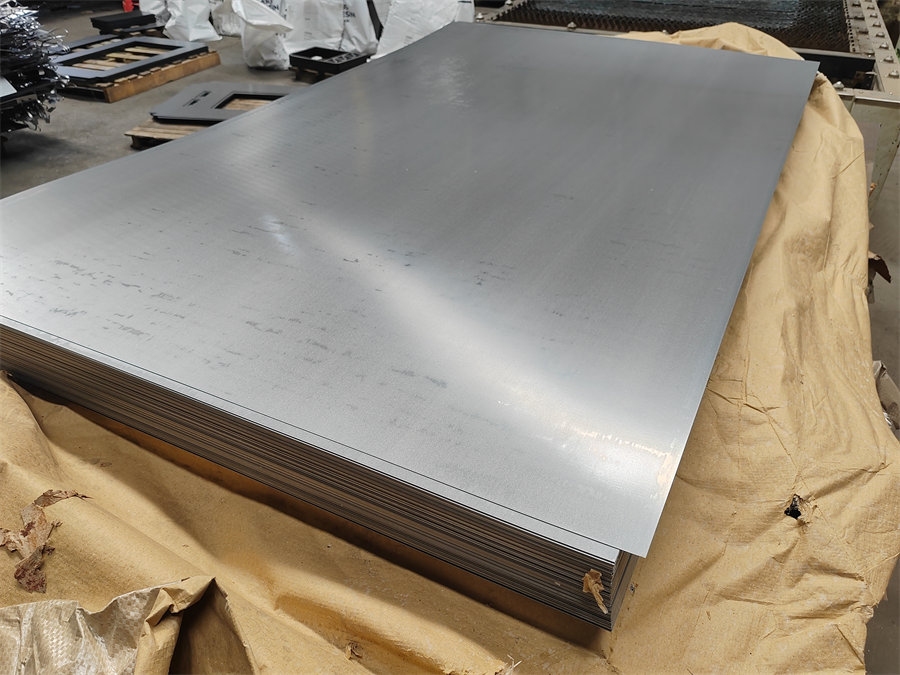
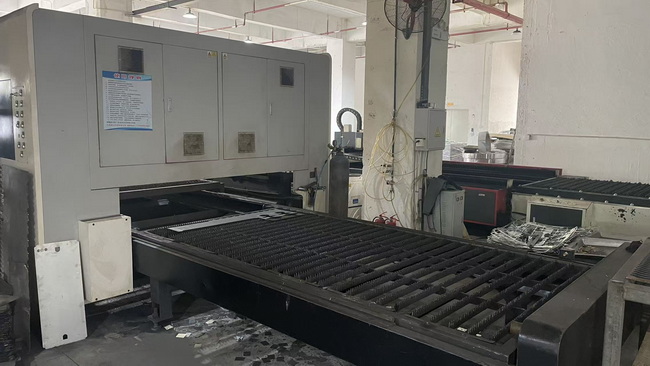
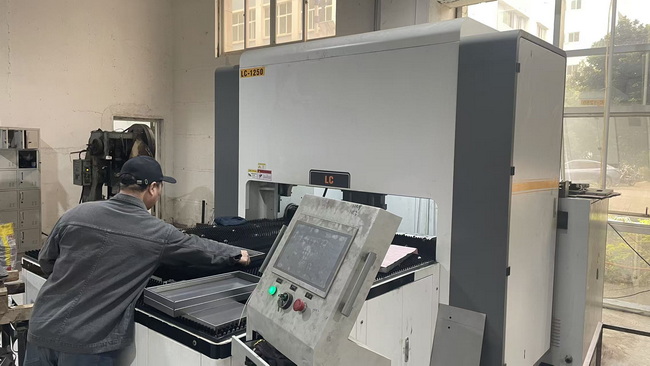
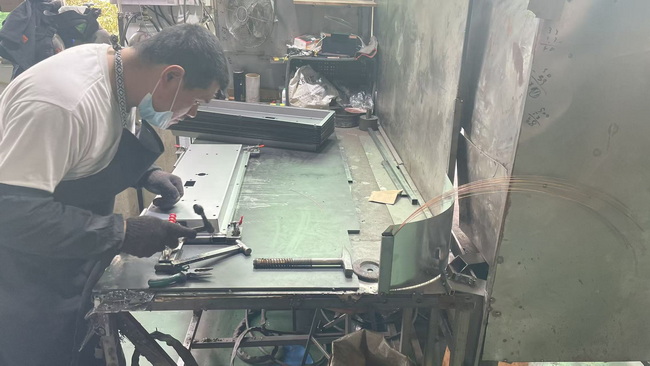
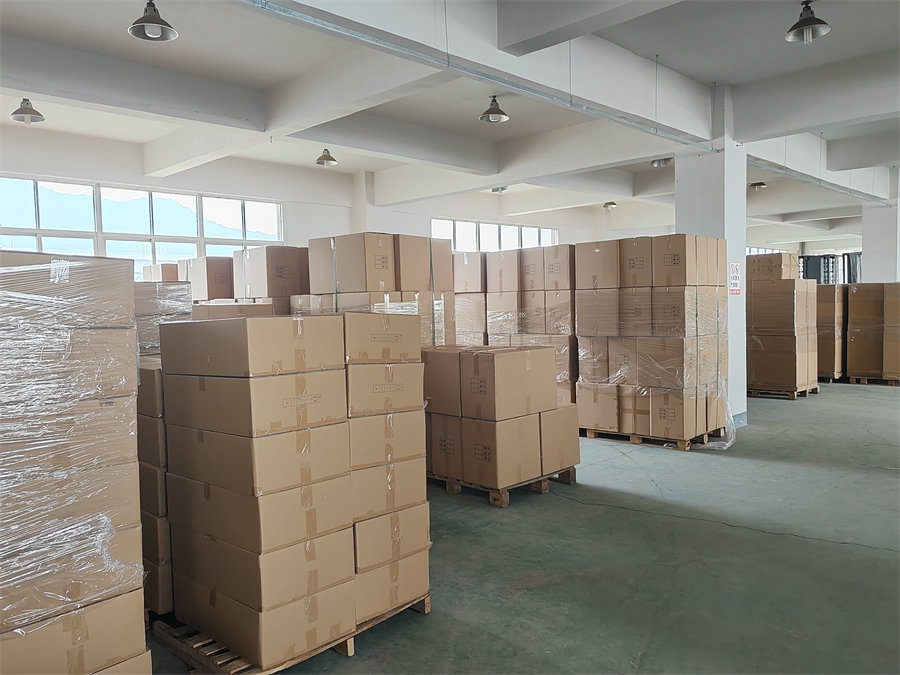
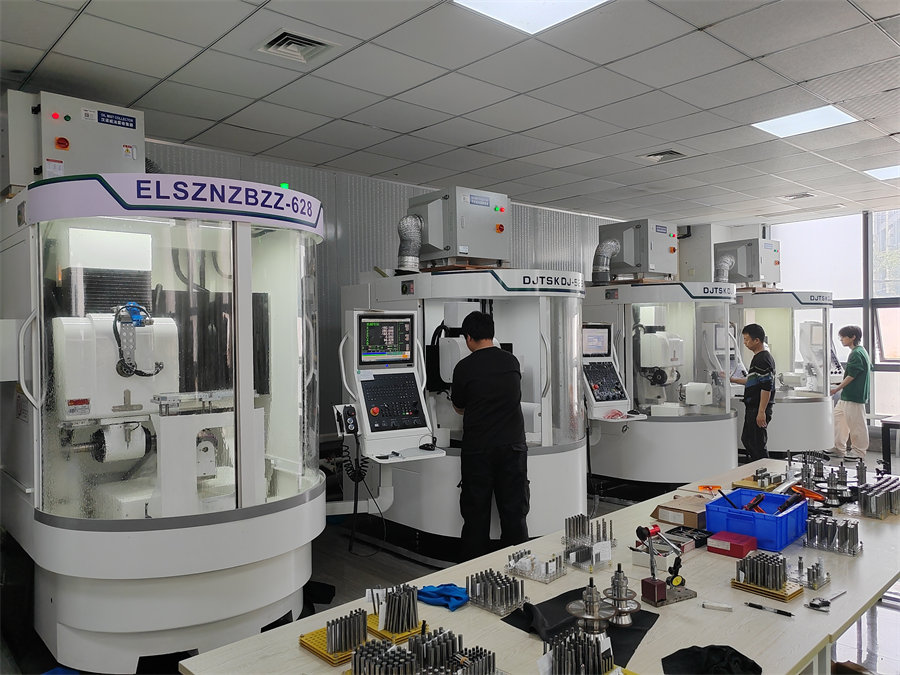
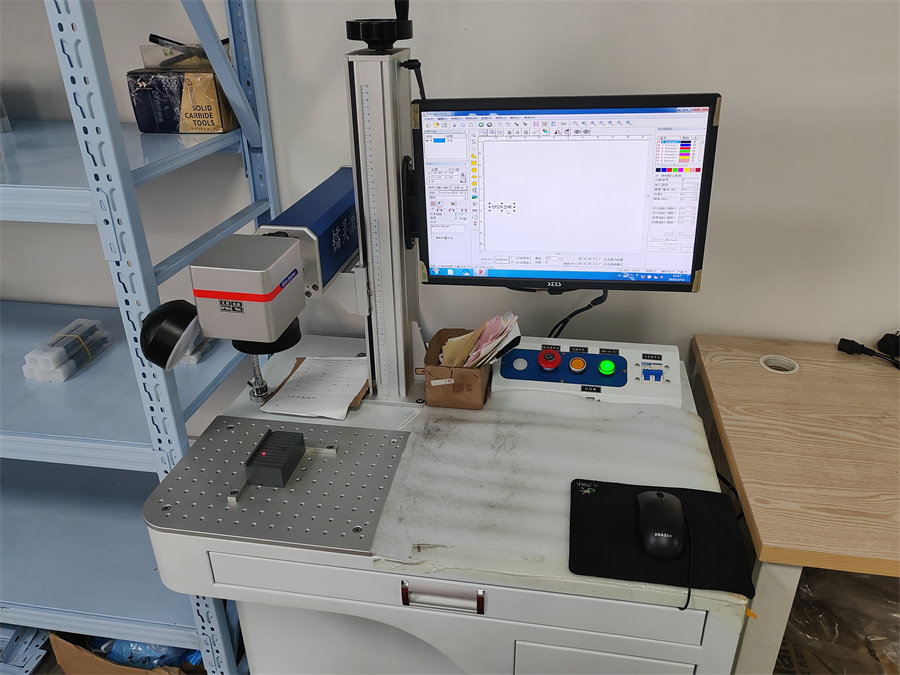
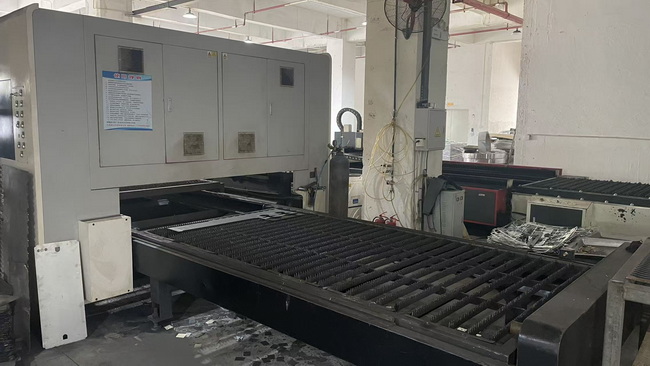
Below is a visual overview of our production stages, highlighting our advanced machinery, quality control, and packing systems.
Achieving process reliability requires careful optimization of cutting parameters and rapid troubleshooting of common wear mechanisms. Below is a guide for operating indexable insert drills on CNC machining centers:
Rapid wear on the outer insert is typically caused by high cutting speeds (Vc). Under high temperatures, the carbide substrate loses hardness, leading to abrasive wear.
Because the cutting speed drops to zero near the center line, materials like low-carbon steel and aluminum can fuse to the insert cutting edge. This causes micro-chipping and poor surface finish.
Long, stringy chips can wrap around the drill body, blocking the hole opening. This prevents coolant from reaching the cutting zone and can cause tool breakage.
Heavy-duty tooling solutions designed for modern industrial manufacturing centers in Berlin.
 Tier Tool