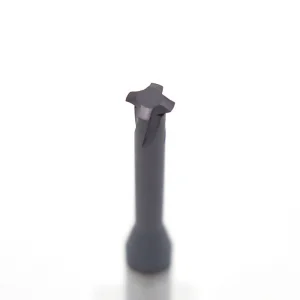
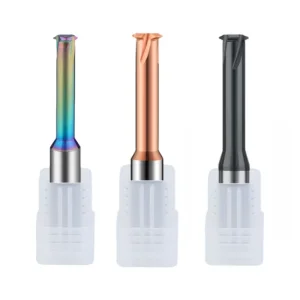
In highly demanding CNC shops across Jakarta, Bekasi, and Surabaya, precision and surface finish are paramount. These featured single-point carbide and HSS-Co threading tools represent the top-tier configurations optimized for machining complex engineering alloys, heavy pipes, and custom valve assemblies in Indonesian key industrial zones.
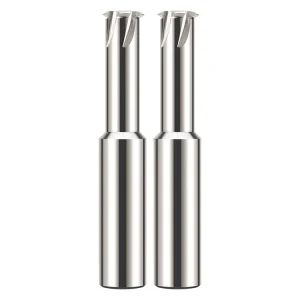
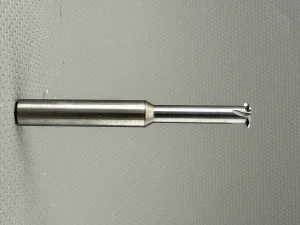
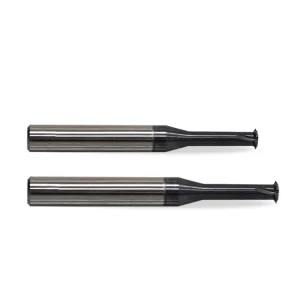
As the largest economy in Southeast Asia, Indonesia is undergoing an unprecedented industrial modernization. Driven by the government's "Making Indonesia 4.0" roadmap, key sectors including automotive manufacturing in West Java (Karawang, Bekasi, and Cikarang), mineral processing in Morowali, oil and gas exploration in Balikpapan, and aerospace components in Bandung are shifting toward high-end CNC manufacturing systems. In these environments, traditional tapping methods are rapidly showing physical limitations when handling tough alloys like stainless steels (SUS304/SUS316), high-tensile carbon steels, structural aluminum, and nickel-base superalloys.
One of the primary machining hurdles faced by local shops is threading. Internal threads on expensive casting parts or large marine components cannot afford the risk of tap breakage, which often ruins the entire workpiece. The introduction of Single Point Thread Mills has solved this risk. By using a single profile cutter, CNC operators can cut varied pitch sizes with one tool, reduce spindle torque requirements, and safely machine blind holes. In case of tool failure, a thread mill does not get locked inside the part; it can easily be withdrawn and replaced, preserving high-value machined parts.
For procurement officers and manufacturing engineers sourcing tools for Indonesian operations, understanding the mechanical advantages of single-point carbide thread mills delivers substantial "information gain" and cost-efficiency. Let us analyze the comparative metrics of different threading strategies in high-performance CNC environments.
| Evaluation Parameter | Single-Point Thread Mills (Carbide) | Multi-Point Thread Mills | Traditional High-Speed Steel Taps |
|---|---|---|---|
| Pitch Versatility | Unlimited. One tool can mill different pitches of the same profile (e.g., Metric, UN, ACME). | Fixed. Restricted to a single designated pitch size. | Fixed. Completely restricted to a single thread dimension. |
| Spindle Load / Torque | Extremely Low. Small contact area reduces radial force and machine load. | Medium to High. Requires higher machine horsepower. | Extremely High. Requires rigid tapping, heavy torque, and low speed. |
| Workpiece Security | Excellent. Tool breakage does not jam the bore. Easily retractable. | Good. However, breaking can still lodge the tool. | Poor. Taps easily seize and snap, often scrapping the workpiece. |
| Chip Evacuation | Outstanding. Generates small helical chips easily cleared by air/coolant. | Moderate. Chips can pack in deep blind holes. | Poor. High friction; chips roll inside the thread grooves. |
| Surface Finish Quality | Ultra-Precise (Micro-finish). Helical interpolation prevents burrs. | Very good, but requires extremely rigid setup to avoid chatter. | Variable. Rips and tears occur in gummy materials like aluminum. |
Single-point threading tools operate through CNC helical interpolation. The tool enters the pre-drilled hole, descends to the desired depth, moves radially to the thread profile, and performs a 360-degree helical circle while moving upward along the Z-axis by one pitch. This single-profile cutting path distributes mechanical stress evenly, ensuring minimal deflection even when machining hard-to-cut metals (such as structural steel or hardened dies up to HRC 60). In the volcanic mineral-rich industrial sectors of East Java and Kalimantan, where structural robustness is critical, utilizing high-quality carbide tooling ensures consistent tolerances and zero downtime.
Established in 2008, Suzhou Tier Tool Co., Ltd. is a verified national high-tech enterprise specializing in the design, manufacturing, and advanced engineering support of precision solid carbide cutting tools. With a core commitment to the precision machining industry, Tier Tool has delivered high-performance hole-making and metalworking solutions worldwide. Through intensive manufacturing control and top-tier materials sourcing, we provide stable quality that optimizes productivity and enhances competitiveness in the global market.
Our facility runs advanced CNC grinding centers and state-of-the-art optical and laser inspection systems. We implement strict quality controls at every stage of production—from checking raw material micro-grain tungsten carbide, to precision cutting, multi-axis grinding, AlTiN coating application, and final packaging. This complete in-house manufacturing process ensures that every tool shipped to our Indonesian partners meets strict dimensional and geometric standards.
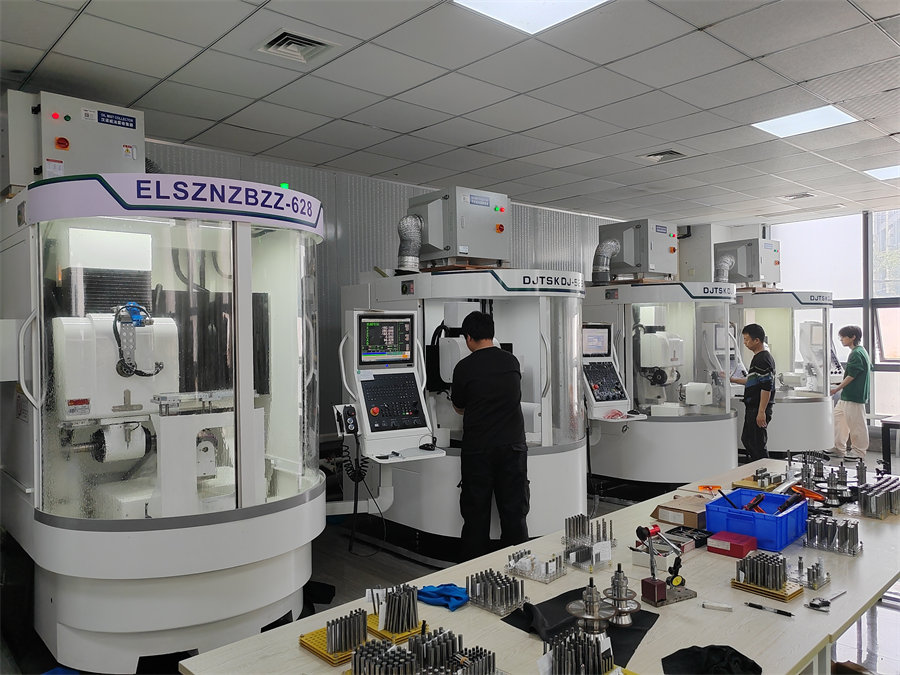
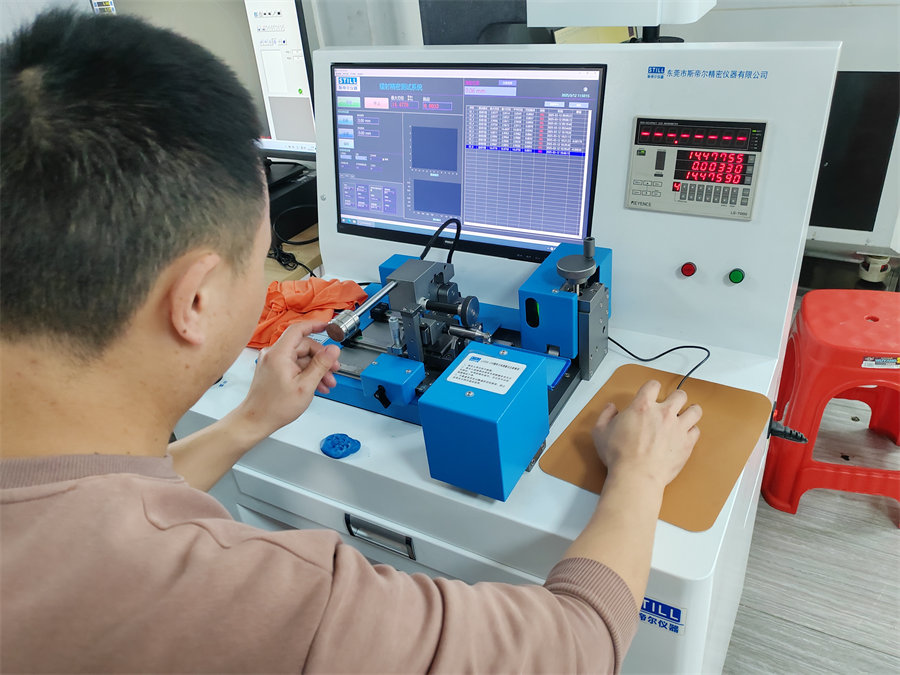
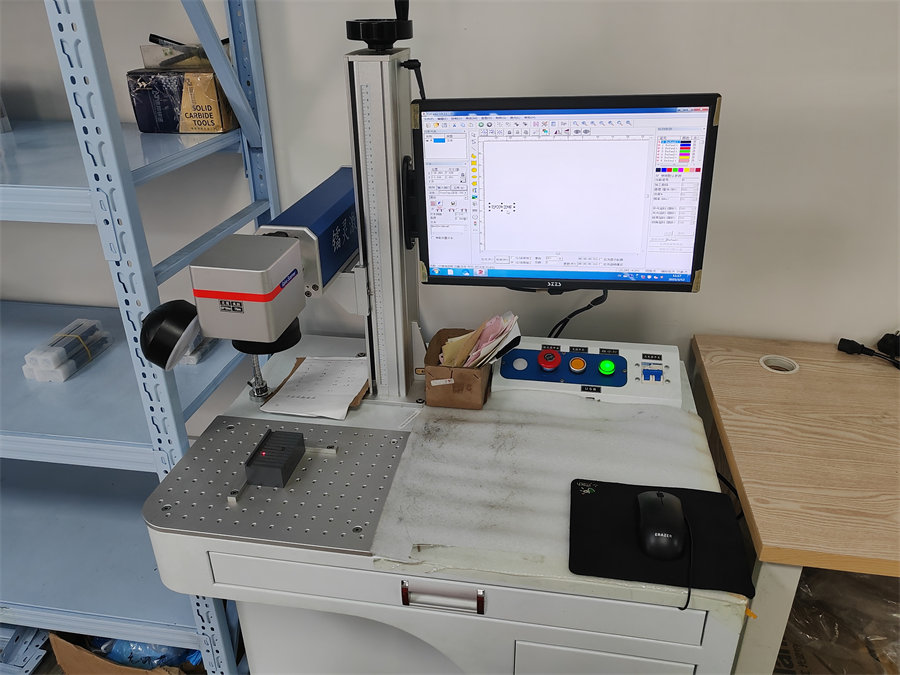
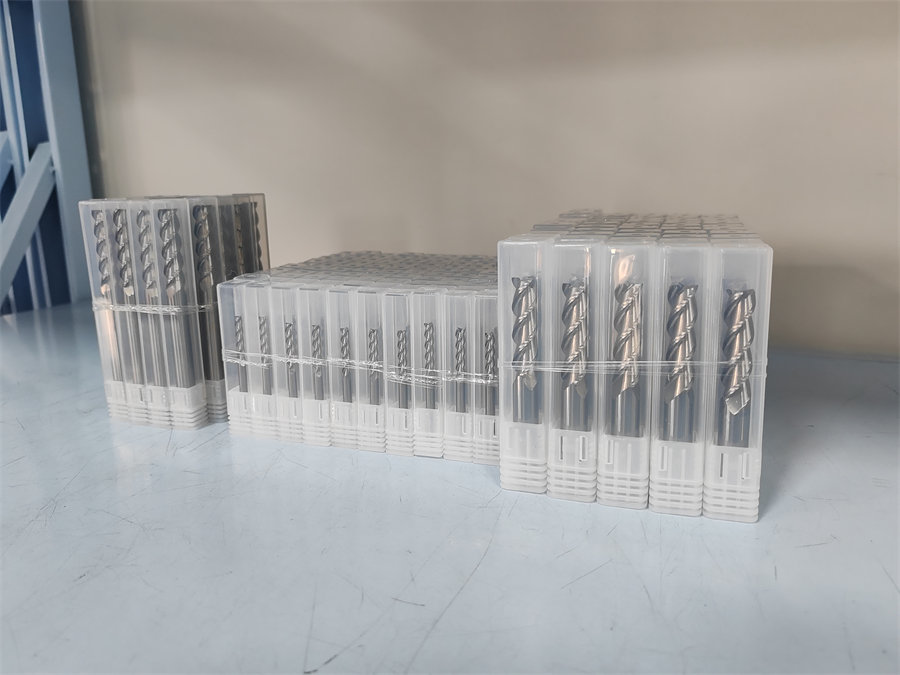
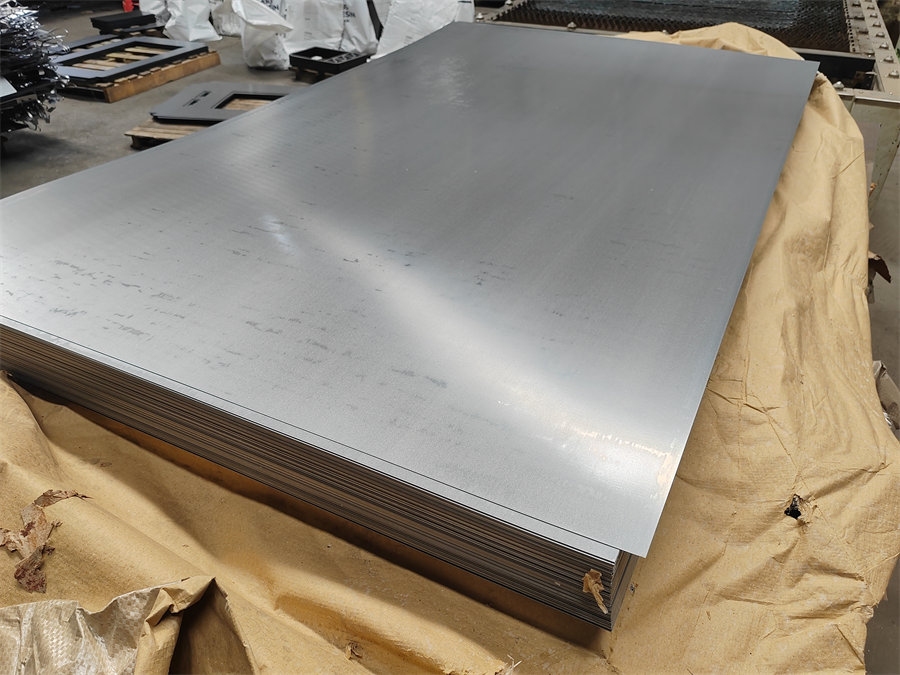
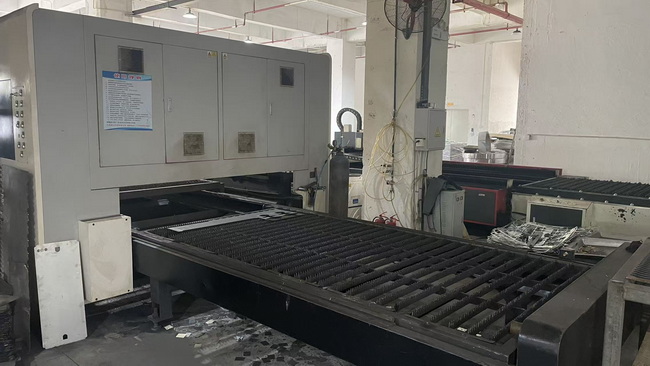
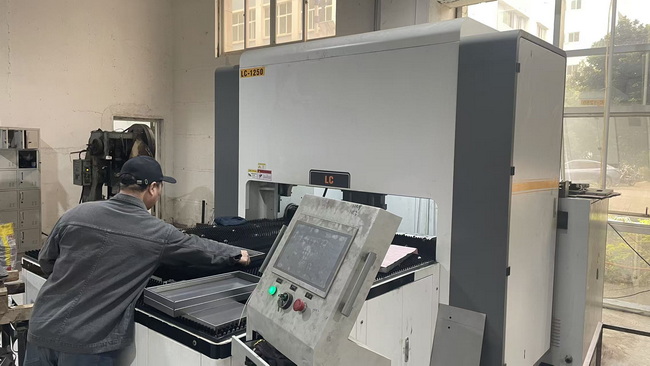
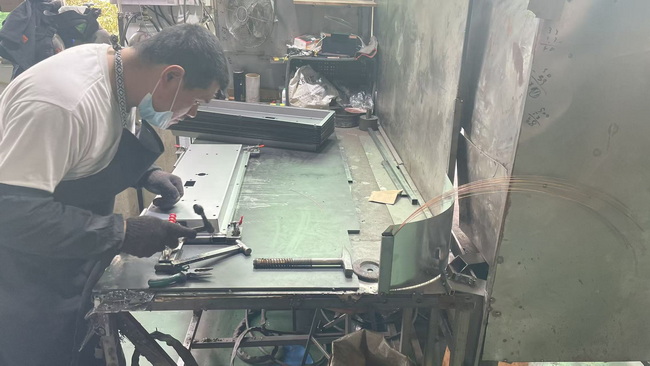

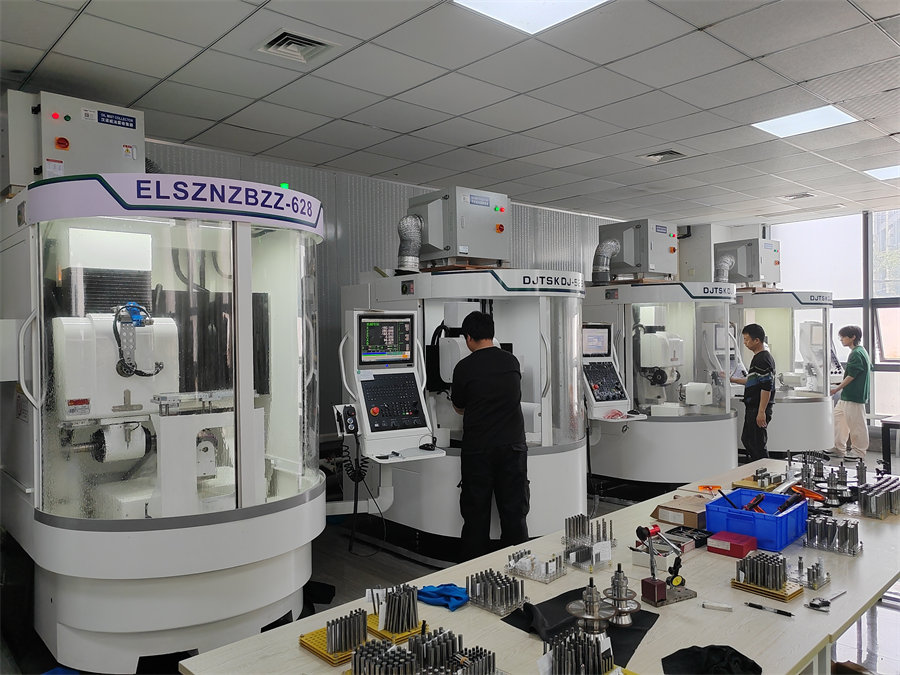
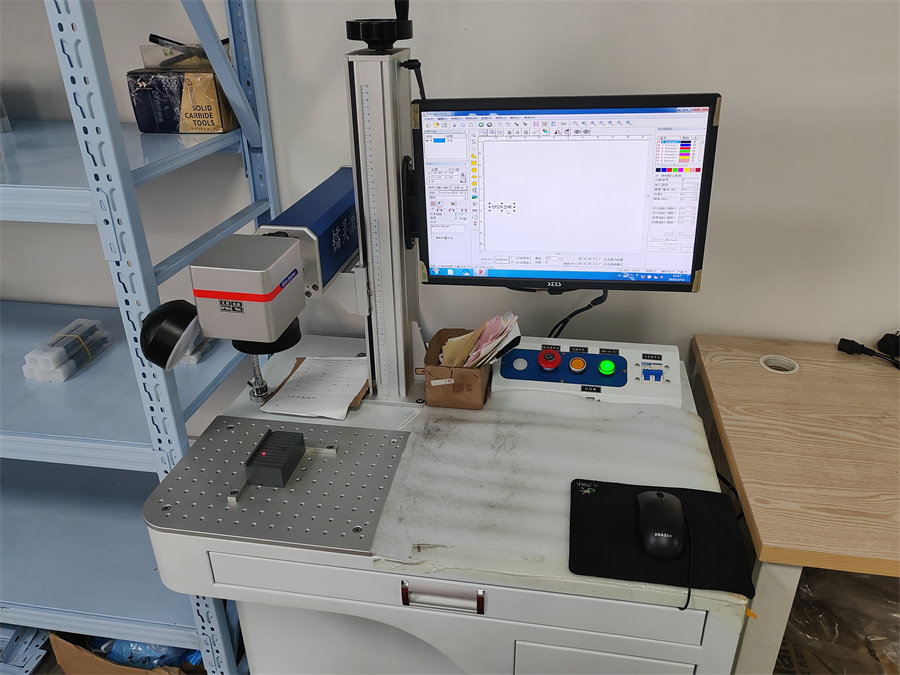
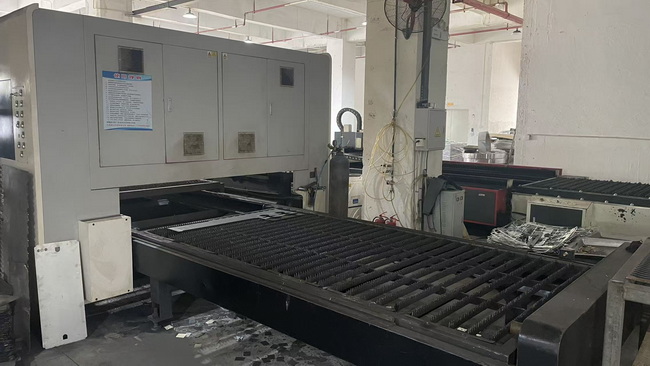
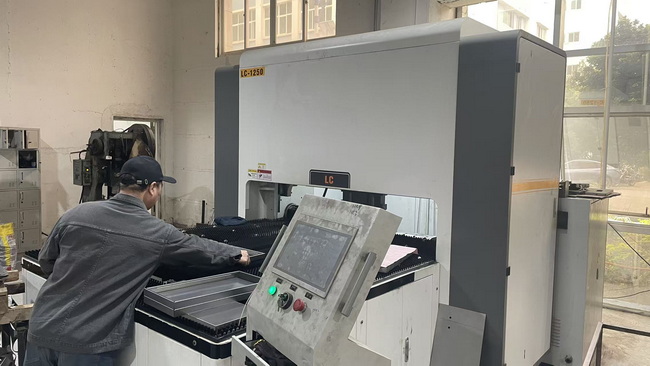
Precision tooling is not a one-size-fits-all product. Different industrial hubs in Indonesia demand specific parameters to match their localized manufacturing requirements. Below are the macro scenarios where Suzhou Tier Tool's single-point thread mills offer key performance advantages:
High-volume aluminum engine blocks and transmission cases require reliable, burr-free threads. Our diamond-coated metric series prevents aluminum sticking and built-up edge (BUE), cutting cycle times while extending tool life.
Tough API-standard threads in duplex stainless steel or Inconel valves demand heavy wear resistance. Carbide ACME (29°) thread mills deliver the mechanical strength needed for deep, reliable profiles under constant load.
Large structural components and heat exchangers fabricated in Batam shipyards require large internal threads. Using single-point tools avoids tap fracture risks, keeping long production schedules on track.
Here are targeted solutions compiled by our application engineers to address typical high-temperature, high-humidity, and material-specific milling issues faced by local operators.
Chipping on carbide edges when cutting work-hardening materials like SUS316 is usually caused by vibration or incorrect feed rates. Ensure your setup is highly rigid, shorten the tool overhang as much as possible, and use radial pass feeding (climb milling) rather than single-pass cuts. Standardizing on AlTiN-coated tools helps reduce high cutting temperatures.
Yes. Unlike taps or die heads, a single-profile thread mill can cut both internal and external threads of the same pitch profile. You only need to program the CNC path accordingly (G02/G03 helical movement) to mill the external OD or the internal ID.
We recommend high-pressure flood coolant or mist cooling directly targeting the cut zone. This helps flush out chips immediately, preventing re-cutting, and cools the cutting edge to avoid aluminum welding onto the tool's rake face.
Browse our complete catalog of industrial-grade threading tools. Each model is engineered for specific tolerances, coatings, and shank configurations to meet demanding global standards. Select your target specification below to view details or request a custom size quote.
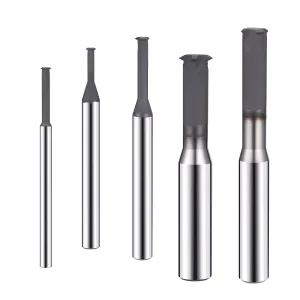
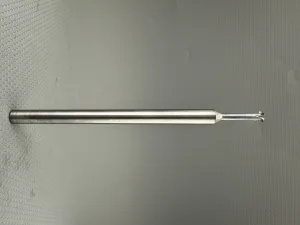
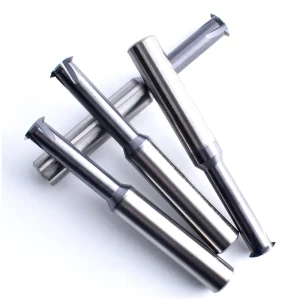
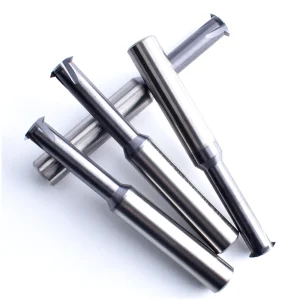
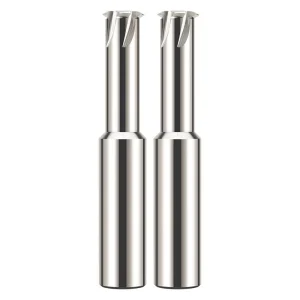
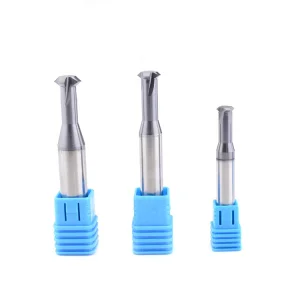
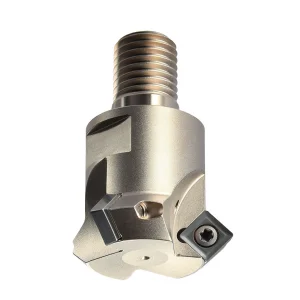
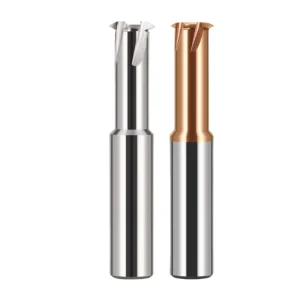
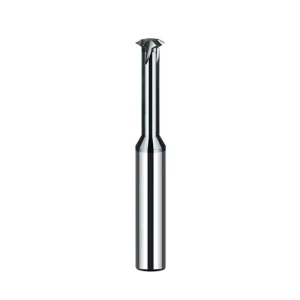
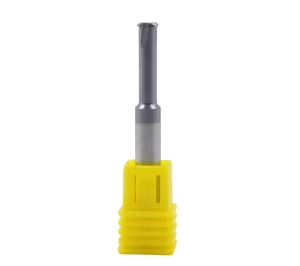
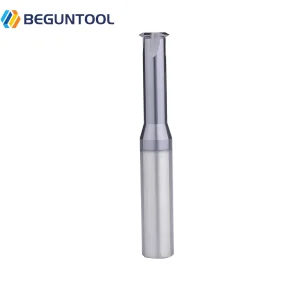
Partner with Suzhou Tier Tool Co., Ltd. for direct-factory prices, reliable OEM/ODM configurations, and rapid delivery to Jakarta, Surabaya, Batam, and across Indonesia. Get a customized quote from our engineers now.
 Tier Tool