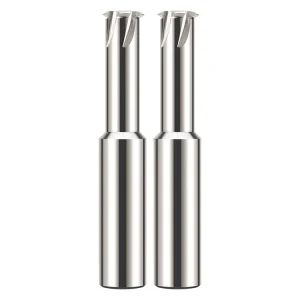
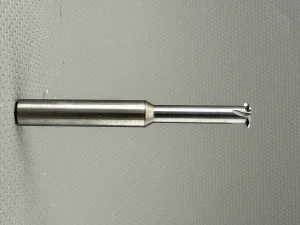
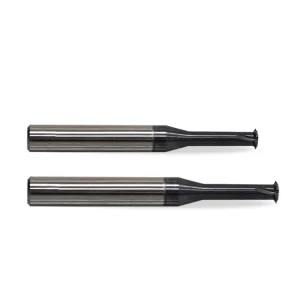
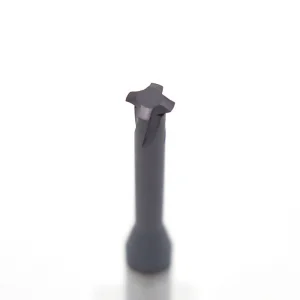
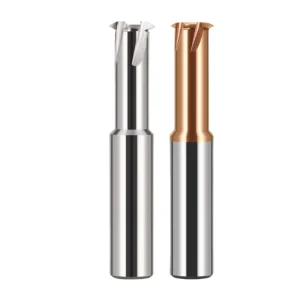
Exacting tolerances for aerospace, automotive, and high-tech manufacturing, specifically matched to Italian machinery specs.
Italy represents one of the most demanding precision-engineering landscapes globally. From the luxury automotive manufacturing centers in Emilia-Romagna (the "Motor Valley") to the aerospace supply chain clusters in Lombardy and Piedmont, Italian machine shops (*officine meccaniche*) operate at the absolute cutting edge of CNC capability. These operations require tooling that handles extreme hardness, exotic alloys, and micro-precision tolerances without compromises.
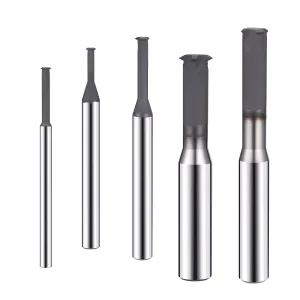
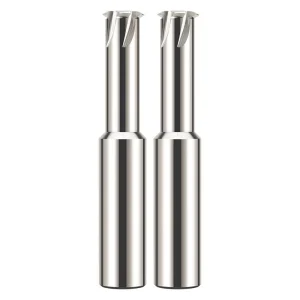
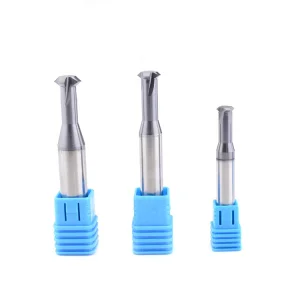
In this dynamic, Single Point Thread Mills (SPTMs) have evolved from a niche specialty tool into an essential strategy for high-value machining. Unlike multi-point or full-profile thread mills that engage multiple teeth simultaneously, single-profile tools cut one thread groove at a time. This reduces tool-workpiece contact area to a minimum, drastically cutting down on radial cutting force and spindle deflection.
For Italian manufacturers dealing with high-cost workpieces—such as large aerospace structural elements, custom oil and gas valves, or complex medical implants—the structural advantages of single point thread mills provide an unmatched safety net against tool breakage and scrap generation.
Understanding the physics of metal removal to optimize tool life and thread quality on CNC machining platforms.
When threading hard alloys such as 1.4404 (316L) stainless steel or aerospace titanium, the force applied on the tool shank increases exponentially with the number of cutting edges in contact with the material. Multi-point thread mills contact the workpiece along the entire depth of the thread, creating immense lateral forces. This forces the tool to bend, resulting in taper errors (pitch diameter shifting from top to bottom) or premature tool breakage.
A single point thread mill features only one thread profile at its tip. As it processes a helical interpolation path, the radial contact area (Ae) is extremely small. This enables the machine operator to push feeds and speeds while ensuring that the cutting tool remains perfectly perpendicular to the axis of rotation, maintaining perfect thread geometry across the full length of the bore.
“By reducing cutting forces by up to 75% compared to multi-tooth tooling, single point mills allow high-aspect-ratio threading (up to 4xD or even 5xD depth-to-diameter ratios) that would otherwise be impossible without special tooling.”
To withstand the rigorous thermal and mechanical shock of machining high-temperature alloys in Italian defense and energy sectors, Suzhou Tier Tool implements a rigorous raw material strategy. We utilize ultra-fine submicron tungsten carbide substrates with grain sizes ranging from 0.2µm to 0.4µm, combined with advanced physical vapor deposition (PVD) coatings:
| Coating Type | Micro-hardness (HV) | Max. Operating Temp. (°C) | Primary Application Case | |
|---|---|---|---|---|
| TiAlN (Titanium Aluminum Nitride) | 3,000 | 800 | Standard carbon steels, tool steels, and general milling. | /products/2025-solid-carbide-thread-milling-cutter-tialn-coating/ |
| AlTiN (High-Aluminum) | 3,300 | 900 | Stainless steels, cast iron, and high-temp superalloys under dry cutting. | /products/ta4505-mill-45-flute-coated-altin-smoothing-3175mm-diameter/ |
| CVD Diamond | 8,000 to 10,000 | 600 | Highly abrasive non-ferrous materials, carbon fiber (CFRP), and GFR materials. | /products/diamond-coated-metric-thread-milling-cutter-series/ |
A national high-tech enterprise established in 2008, committed to delivering high-performance, high-efficiency cutting solutions worldwide.
Founded in 2008, Suzhou Tier Tool Co., Ltd. has established a comprehensive reputation for the research, design, production, and technical servicing of precision solid carbide cutting tools. Operating from our advanced manufacturing facilities, we support global industries in automotive, aerospace, medical device machining, and heavy precision engineering.
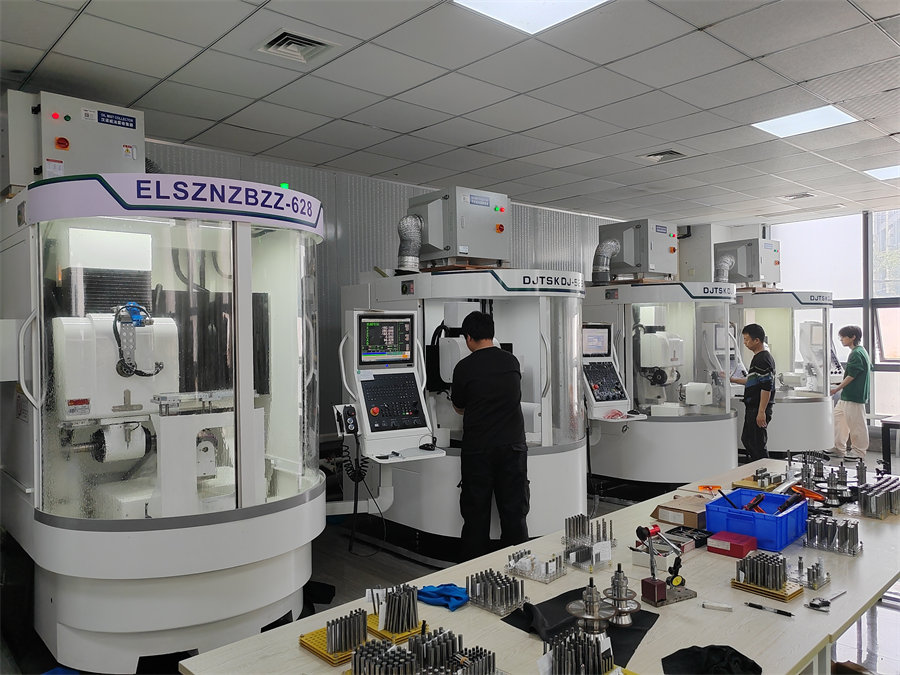
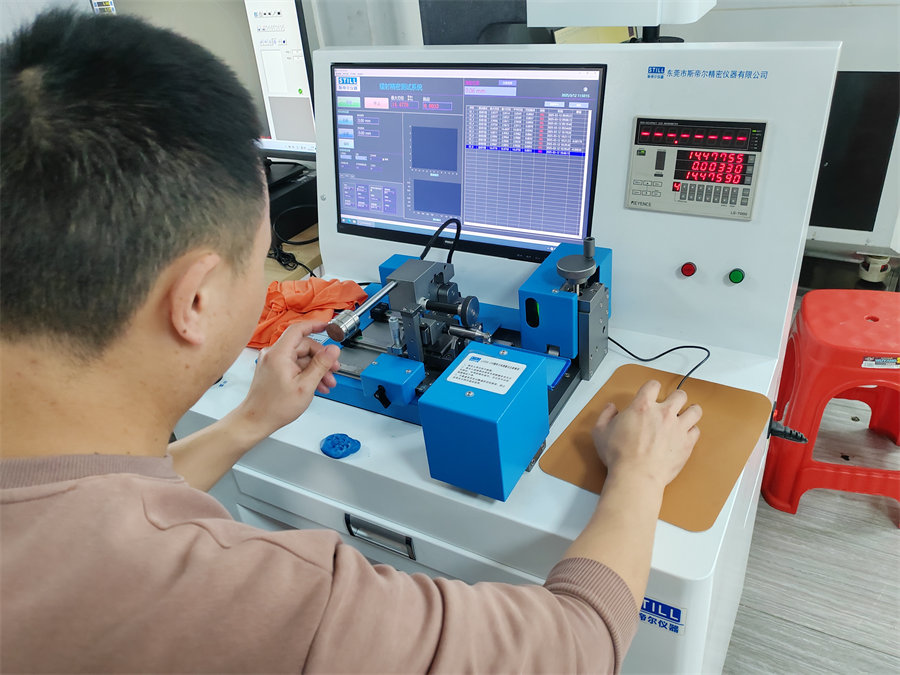
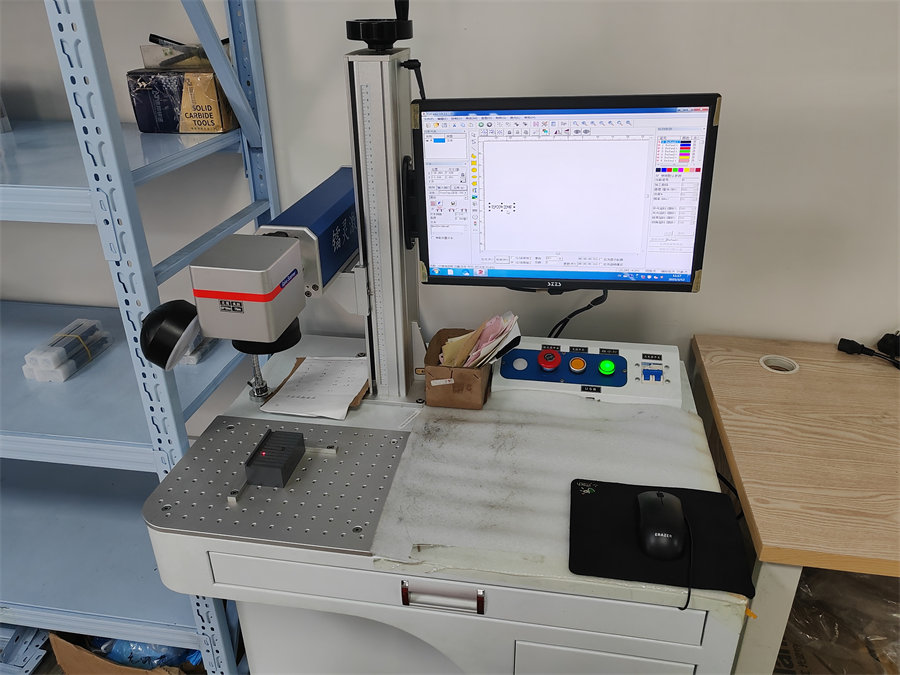
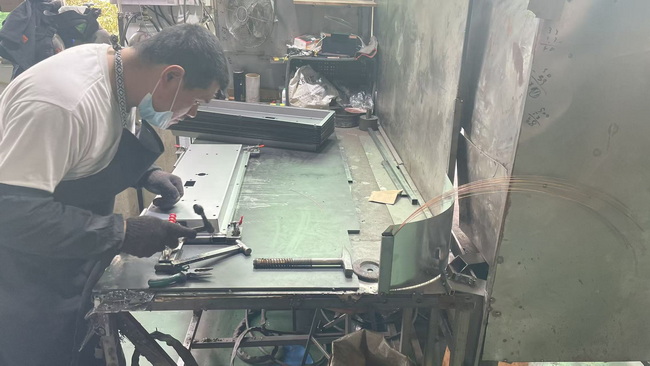
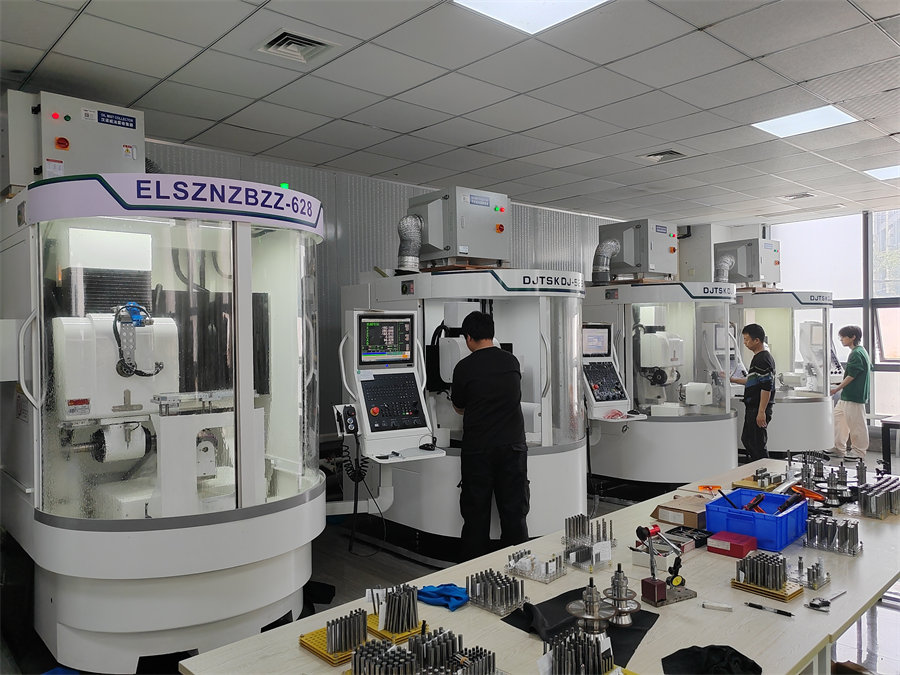
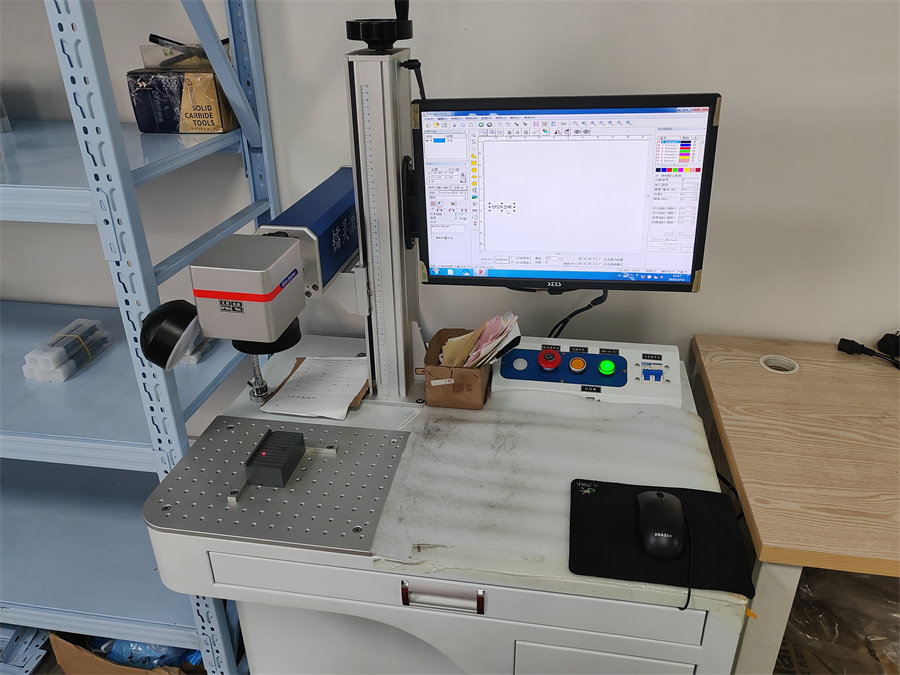
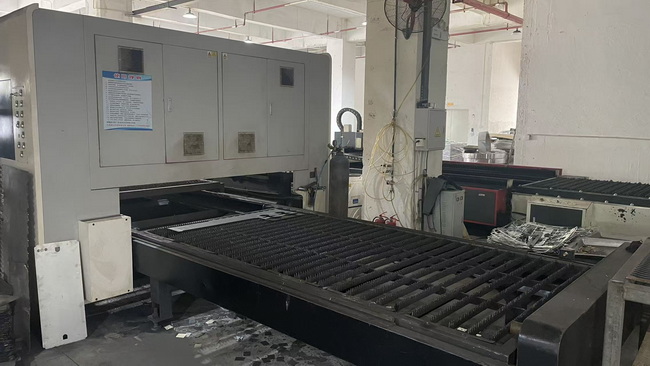
We believe in absolute transparency and traceability. That's why we maintain control over every stage of our production cycle: from material inspection to automatic CNC grinding and final laser marking. Our production lines feature multi-axis CNC grinding machines (including ANCA, Walter, and Rollomatic) alongside advanced optical inspection equipment from Zoller to verify tool geometries to within ±0.002 mm.
Our commitment to "Quality First, Continuous Improvement" means we provide stable, repeatable tool lifespans. This repeatability translates directly into lower machine downtime and higher profitability for our Italian distribution partners and factory clients.
Continuous innovation in chip-breaker designs and cutting-edge geometries tailored for extreme applications.
Every tool batch undergoes rigorous geometrical checks on German Zoller inspection machines.
Tailor-made tool geometries, custom step-drills, and specialized single point profiles to match your proprietary components.
Strategic partnerships with DHL, FedEx, and sea-freight consolidators for prompt delivery to Italy's main ports and dry docks.
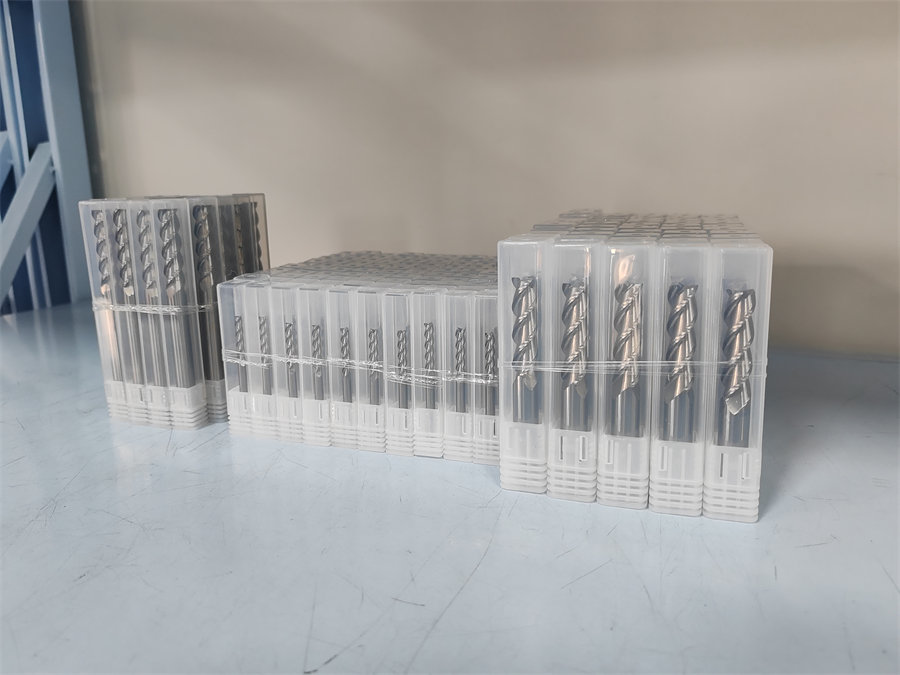
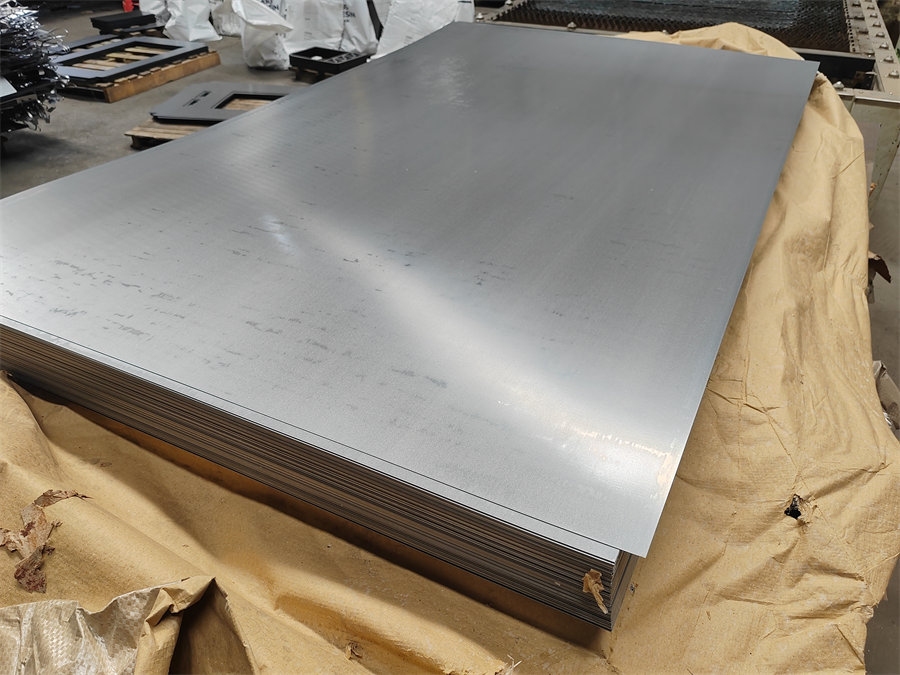
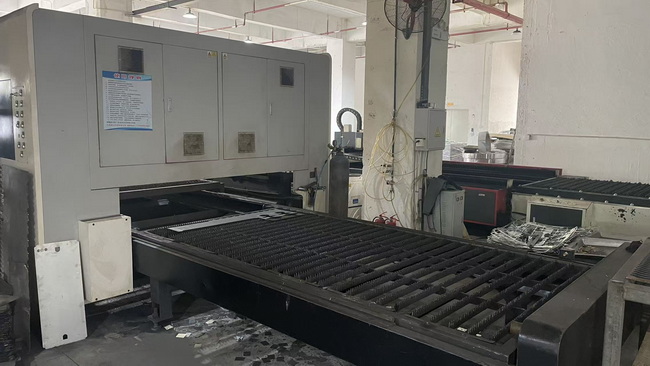
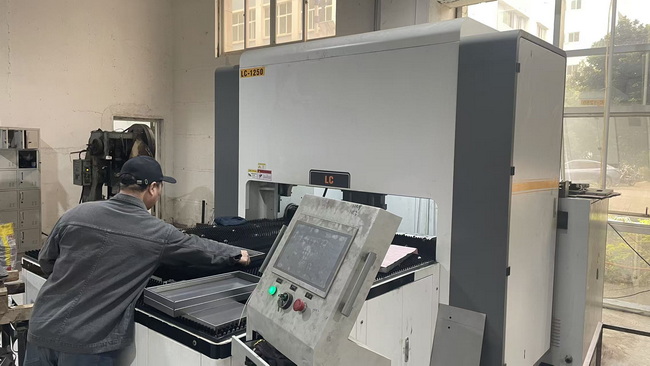

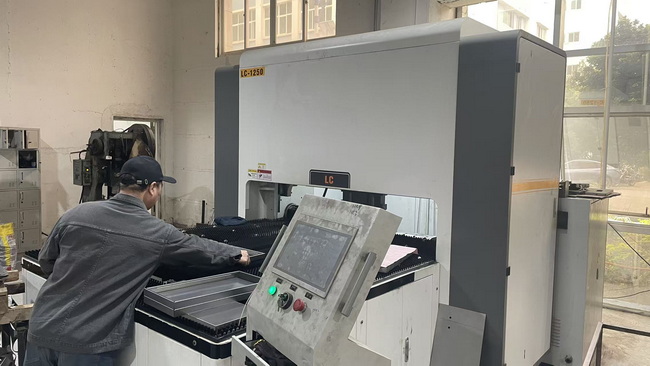
Providing a reliable supply chain bridge between high-efficiency Chinese manufacturing and Italian quality expectations.
As Italian manufacturing facilities transit to fully integrated digital control systems (under National Plan Industry 4.0), the predictability of tool life is key. Unexpected tool wear can interrupt automated cycles, resulting in losses in dark factories. Suzhou Tier Tool provides fully structured cutting parameters and CAD geometry files for our entire single profile range, ensuring CAD/CAM simulation software (such as Mastercam, SolidCAM, or Tebis) accurately models cut paths and anti-collision boundaries. Whether you are running DMG MORI, Mazak, Haas, or Italian-engineered Breton/FPT milling centers, our tools integrate seamlessly into your digital workflows.
Importing precision tools into the European Union requires more than just high-quality products. It demands strict regulatory compliance, clear documentation, and efficient custom clearance paths. Suzhou Tier Tool ensures that all exports to Italian ports (such as Genoa, Trieste, or Venice) conform to current European Union import regulations.
We partner with international logistics leaders to provide both air-express and maritime logistics support directly to Italy:
Our complete solid carbide thread mill portfolio, featuring high wear resistance, specialized coatings, and customizable dimensions.
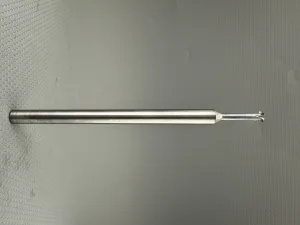
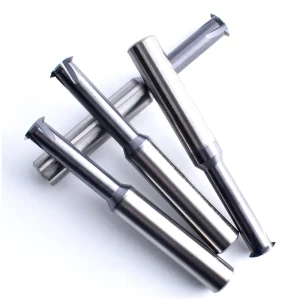
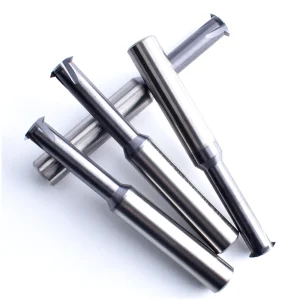
Detailed answers to direct engineering and design questions from precision machine operators.
Single point thread mills contact the material along only one thread pitch line, minimizing radial deflection. This allows you to machine difficult-to-cut alloys (such as titanium or nickel superalloys) with minimal tool bending, ensuring highly accurate pitch diameters. In contrast, multi-tooth thread mills can suffer from deflection and tool chatter when cutting deep holes or hard metals, which can compromise the quality of the thread.
Yes, provided the thread angle is the same (typically 60 degrees for standard Metric and UN threads). Because a single point tool only mills one profile at a time, the CNC machine controls the helical pitch. This allows you to use a single tool to cut different pitches and diameters of the same angle, lowering your inventory costs.
Programming requires a helical interpolation path. The tool moves in a circle in the X-Y plane while moving along the Z axis at a distance equal to the thread pitch per rotation. Modern CAM software handles this calculation, but you can also program it manually on controllers like Fanuc, Haas, or Siemens using standard G02 or G03 commands.
For stainless steel (such as 304 or 316), use a tool with an AlTiN or TiAlN coating to handle the high heat generated at the cutting zone. Implement climb milling to prevent chip welding, and ensure a constant flow of coolant to help evacuate chips and lower cutting temperatures. Avoid stopping the tool while it is in contact with the material, as this can cause work hardening.
Our standard production maintains tolerances of ±0.005mm on shank diameters and ±0.002mm on cutting profiles. We verify these tolerances using German Zoller optical metrology systems before packaging and shipping, providing consistent performance across tool batches.
 Tier Tool