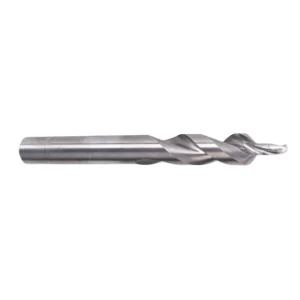
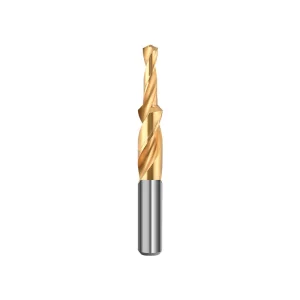
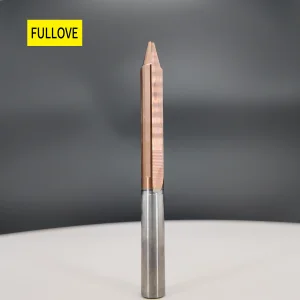
Engineered for high-strength composites and complex manufacturing assemblies. Preserving standard specifications for local applications.
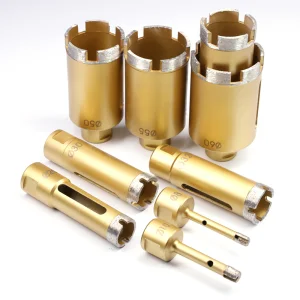
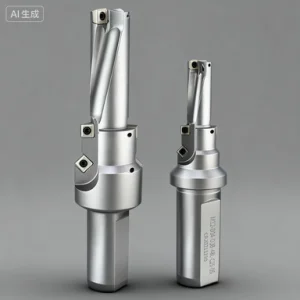
Houston, Texas stands globally recognized as the epicenter of energy infrastructure, marine systems, and advanced defense aviation engineering. As the region pivots toward the modernization of heavy aerospace vehicles, deep-sea subsea extraction structures, and lightweight pipeline components, the selection of raw materials has shifted dramatically. Carbon Fiber Reinforced Polymers (CFRP), Glass Fiber Reinforced Polymers (GFRP), and sandwich stack configurations (such as CFRP-Titanium or CFRP-Aluminum stacks) are replacing monometallic architectures.
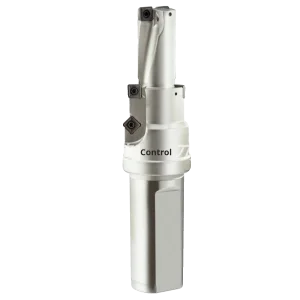
Machining these anisotropic, highly abrasive composite layers demands specialized tool geometries. Traditional twist drills induce localized stress concentrations, leading to catastrophic micro-fractures, delamination, and rapid tool wear. To combat these forces, our customized Step Composite Drills operate on a dual-stage chip partition principle, reducing axial thrust by up to 45% during transition phases. By positioning engineering hubs directly in alignment with Houston-based OEMs, we deliver tool designs that maintain high structural integrity on demanding platforms.
Delamination at the hole entry and exit sides is the most critical failure mode when drilling complex carbon fiber assemblies. Entry-side peeling occurs when outer fibers are forced away from the matrix, while exit-side push-out delamination happens as the remaining laminate layers cannot withstand the axial force exerted by the advancing drill tip.
Step composite drills solve this through an integrated geometry approach:
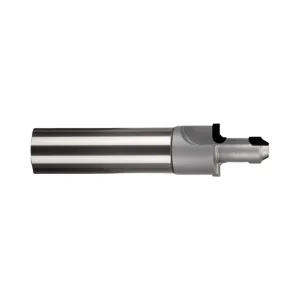
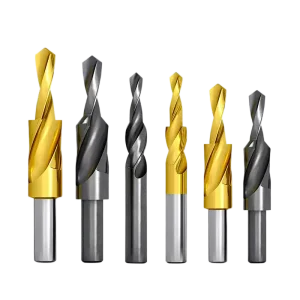
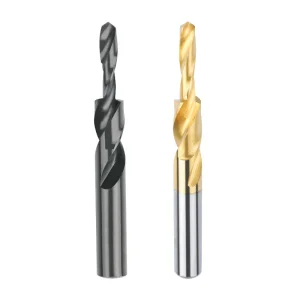
Providing custom multi-step and center drill configurations designed for high-stability manufacturing plants in Texas.
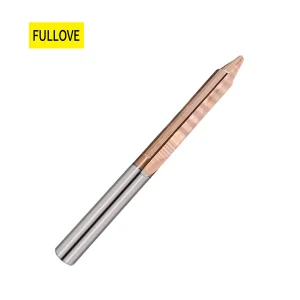
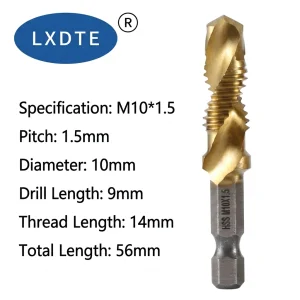
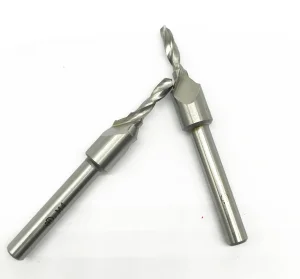
The operational lifespan of a step composite drill depends directly on the metallurgy of its substrate and the abrasion resistance of its molecular coating.
We formulate carbide matrix bases with grain sizes ranging between 0.4μm and 0.6μm. This grain structure increases transverse rupture strength (TRS) while preventing edge micro-chipping under intermittent torque cycles, common when passing through multilayer materials.
For composite drilling, Chemical Vapor Deposition (CVD) crystalline diamond and physical vapor deposition (PVD) DLC coatings are critical. Achieving surface hardness ratings up to 80 GPa, these coatings lower the coefficient of friction to 0.1, preventing resin adhesion on the drill flutes.
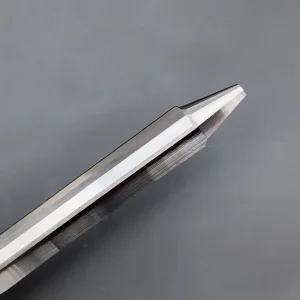
For highly abrasive aerospace composites, we utilize premium PCD-tipped cutting edges. The PCD tip is sintered directly to the carbide body, providing thermal conductivity that quickly dissipates heat away from sensitive resin matrices.
Established in 2008: A national high-tech enterprise specializing in the design, manufacturing, and technical support of solid carbide cutting tools.
Since its foundation, Suzhou Tier Tool Co., Ltd. has focused on delivering high-performance, high-efficiency cutting solutions for hole-making and metalworking applications. Through continuous technological innovation and manufacturing excellence, the company has earned the trust of customers across a wide range of industries worldwide.
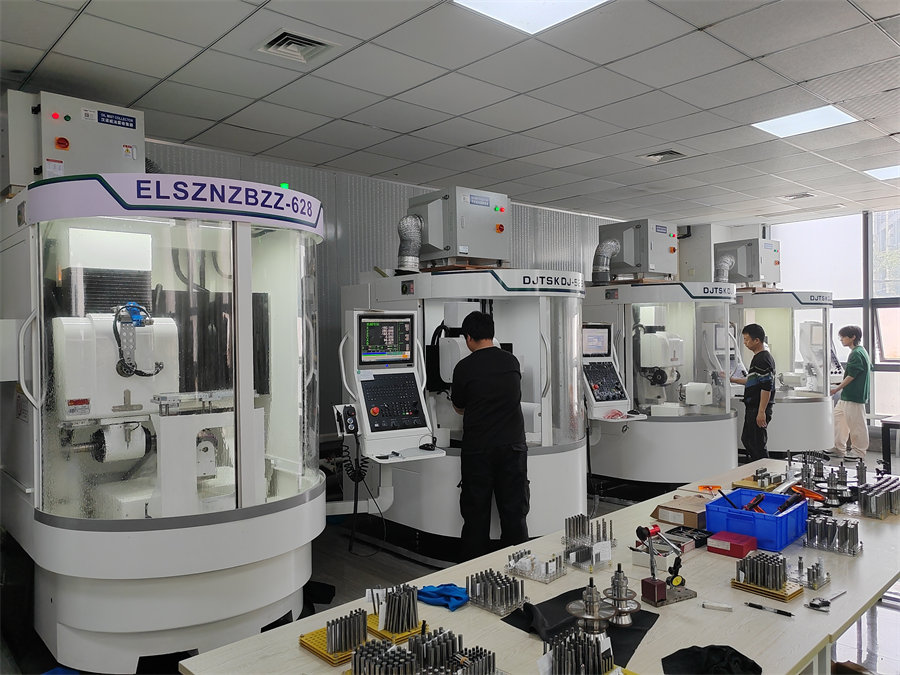
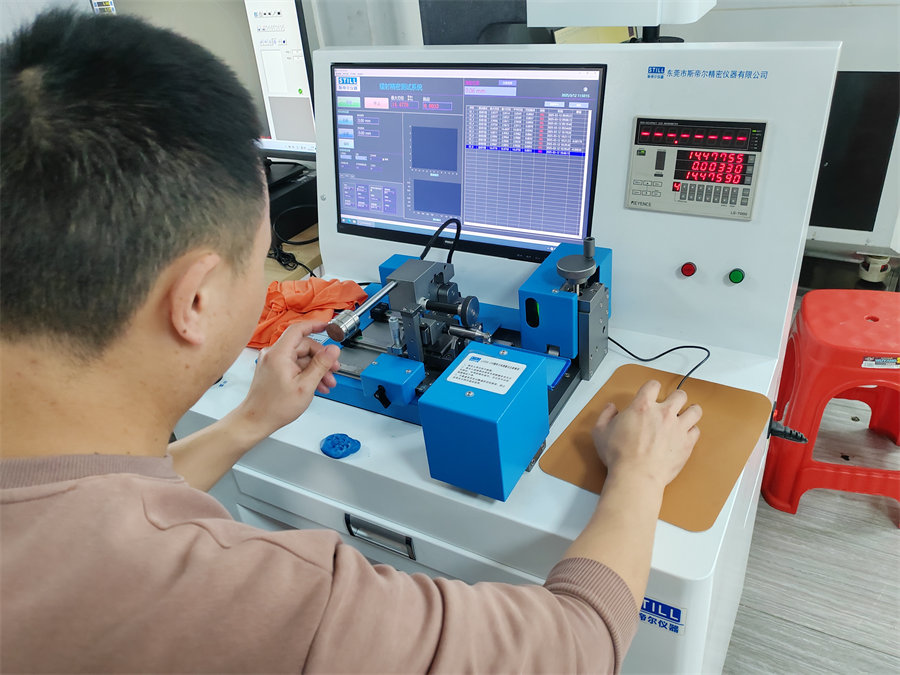
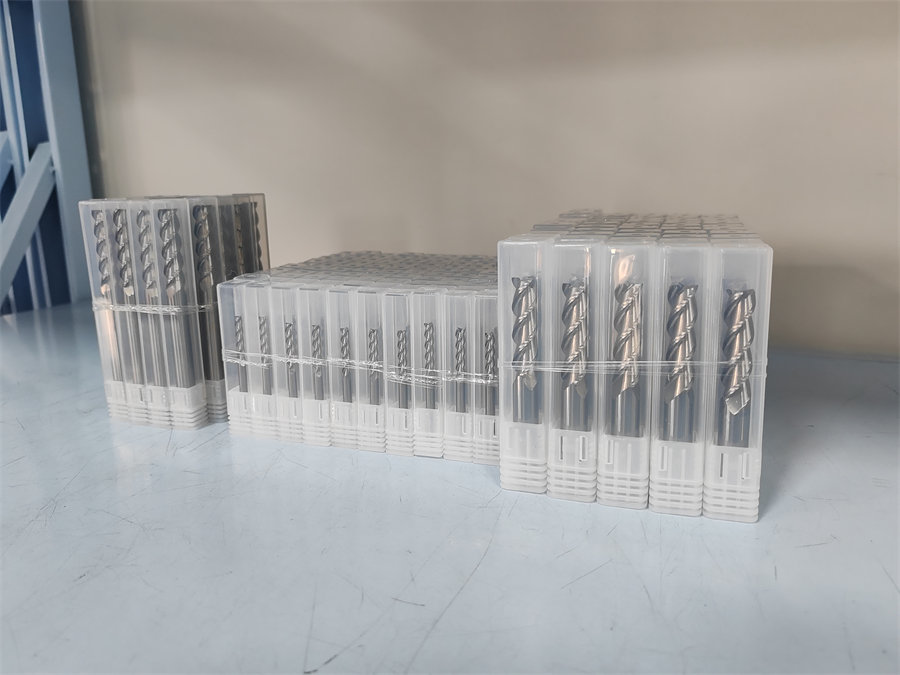
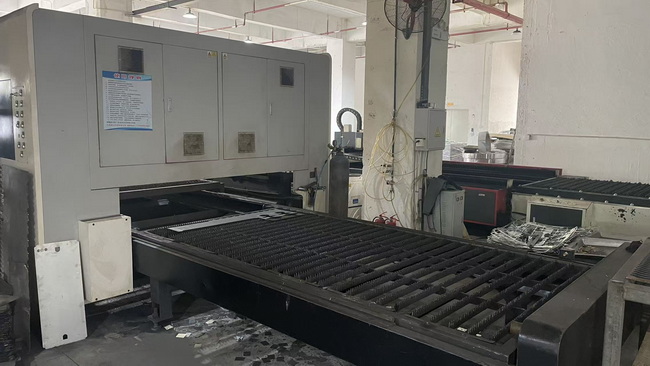
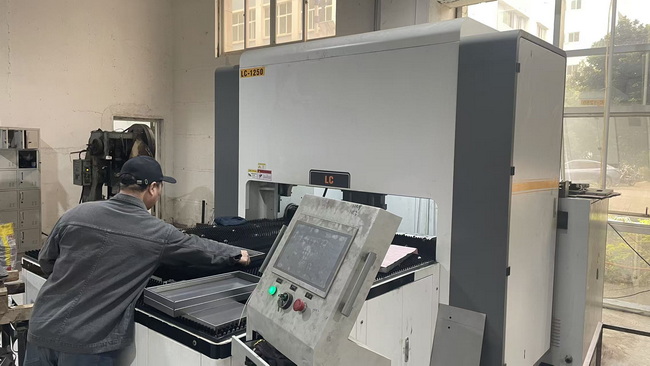
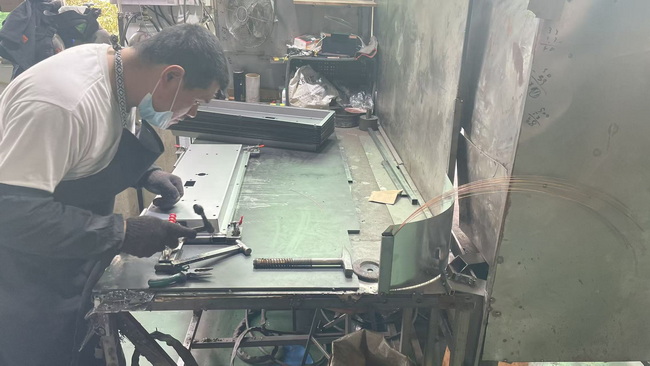
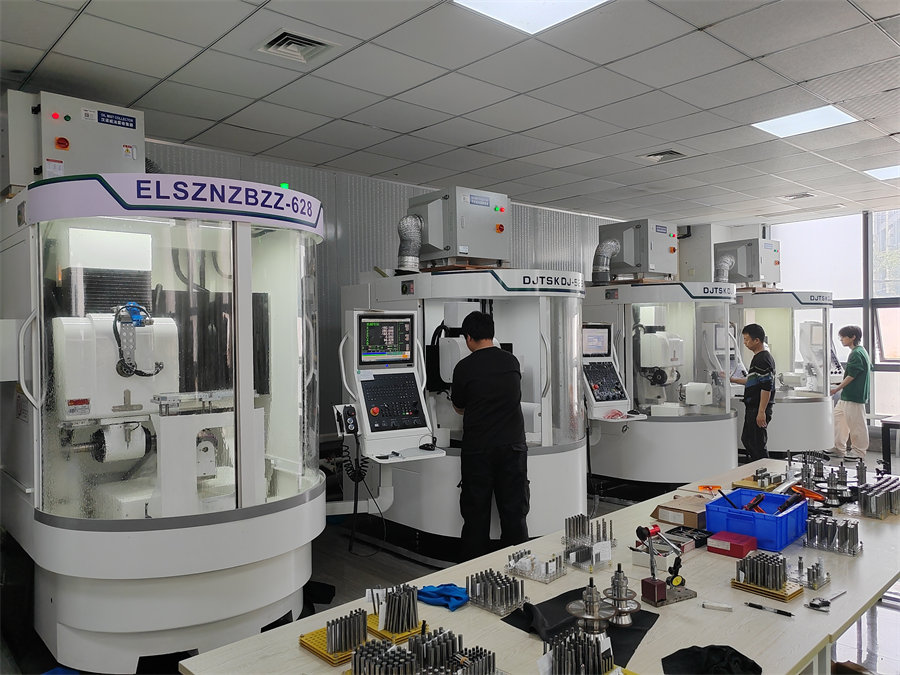
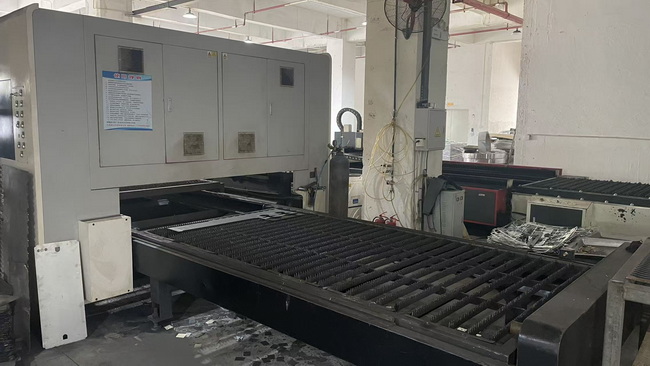
To ensure the highest levels of precision and consistency, Tier Tool has invested extensively in advanced manufacturing equipment and production technologies. The company operates multiple imported CNC tool grinding machines and precision inspection systems, enabling complete in-house capabilities from tool design and prototyping to small-batch testing and large-scale production.
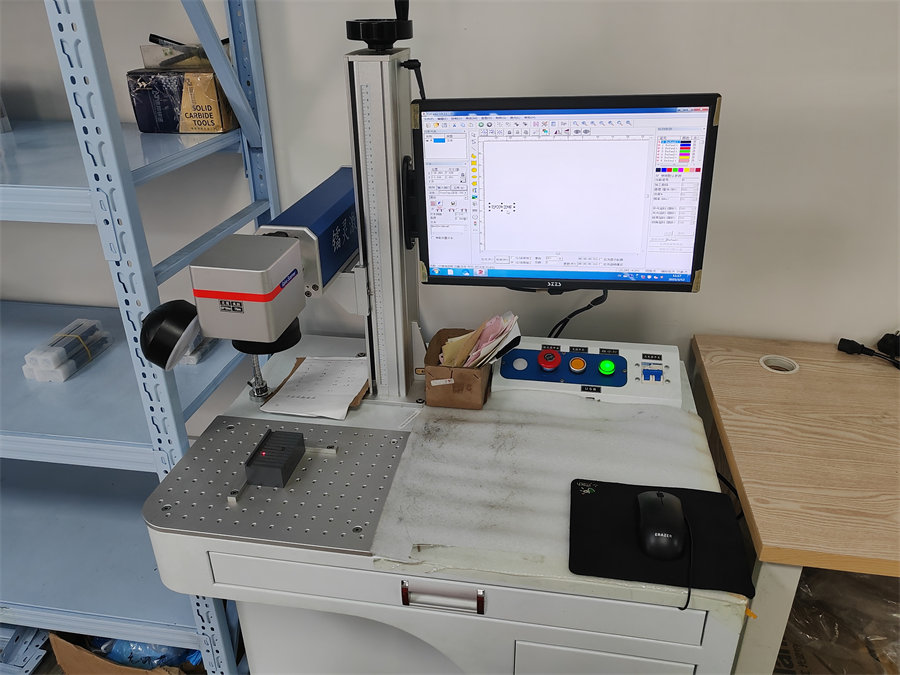
Our manufacturing process is built upon strict process control and traceability standards. Every production stage is carefully monitored to ensure repeatability, quality consistency, and reliable delivery performance. Through systematic process management and standardized operating procedures, Tier Tool has established a robust manufacturing system capable of meeting the demanding requirements of modern precision machining.
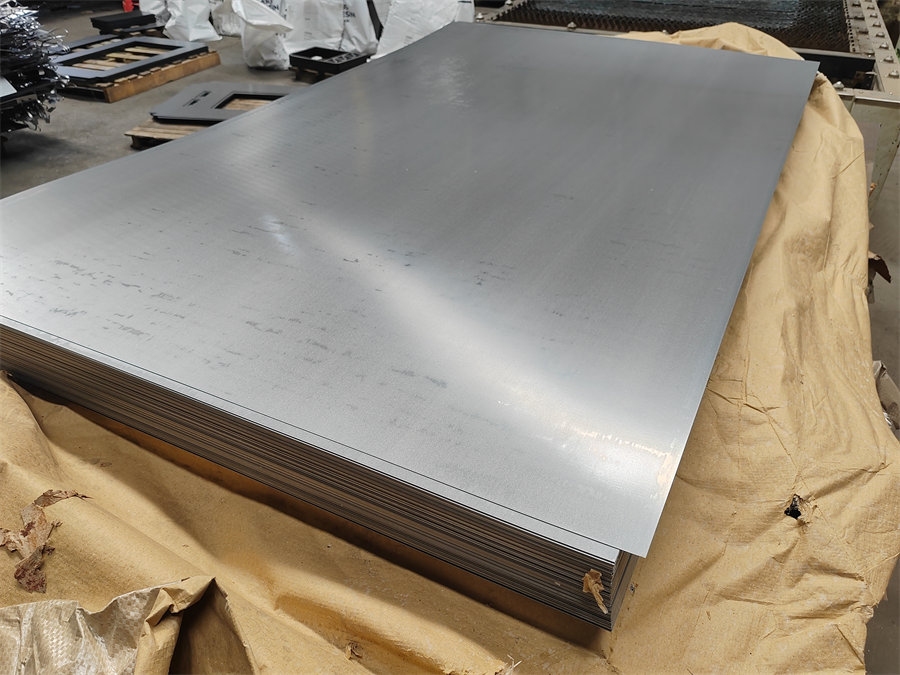
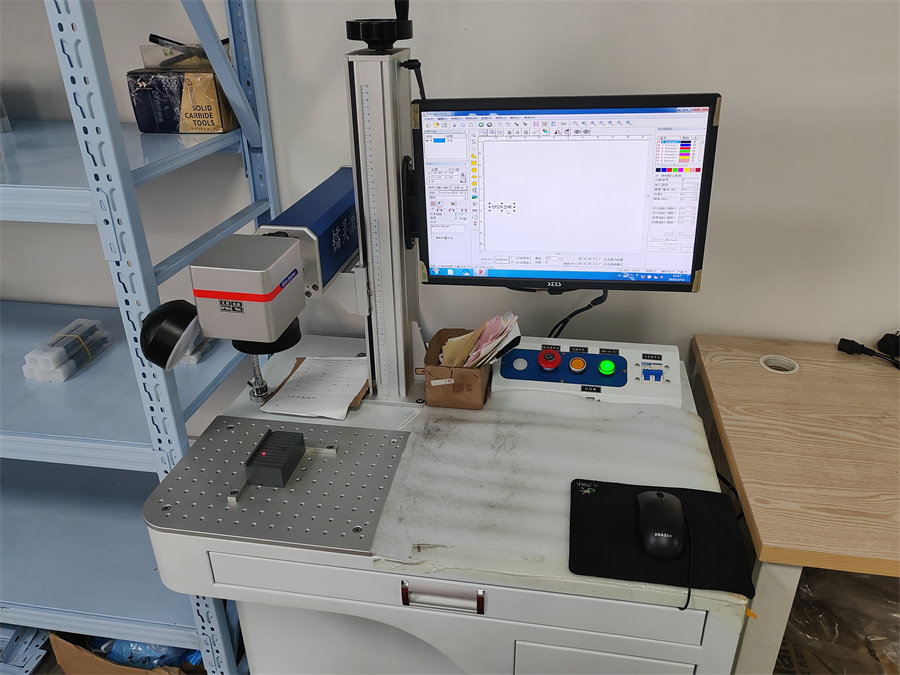
Quality is the foundation of Tier Tool's long-term success. We adhere to the principle of "Quality First, Continuous Improvement", implementing rigorous quality control procedures throughout the entire production cycle. From raw material selection to final verification, every tool undergoes comprehensive checks to ensure it meets strict dimensional, geometrical, and performance requirements.

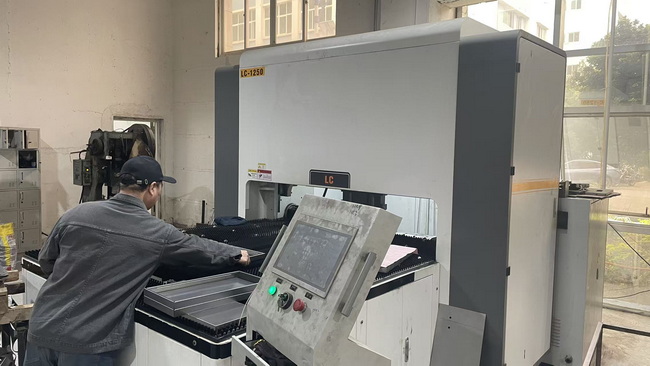
Purchasing cutting tools for aerospace assemblies or downhole energy components requires strict adherence to international quality frameworks. Our tooling solutions conform to AS9100 Rev D standards for aerospace supply chains and ISO 9001:2015 quality management procedures.
To support Houston’s industrial sectors, we offer direct engineering consulting. This covers cycle-time audits, custom geometry prototyping, and testing on CNC machining centers. By working directly with your machining teams, we optimize drill geometry to match the torque limitations of your specific tooling configurations, reducing scrap rates in carbon fiber workpieces.
Detailed technical answers for machine shop foreman, tooling engineers, and procurement directors.
Premium Solid Carbide, PCD-Tipped, and Cobalt HSS options engineered for industrial manufacturing. Preserving original technical linkages.
 Tier Tool