Chile's unique geographic and economic distribution drives a specialized manufacturing and extraction ecosystem. From the copper and lithium mining facilities in the Atacama Desert to the high-wind energy fields in Patagonia, the requirement for robust engineering components is absolute. In recent years, composite materials—such as Carbon Fiber Reinforced Polymers (CFRP), Glass Fiber Reinforced Plastics (GFRP), and metal-matrix laminates—have gained significant traction in key industries including mining transportation, marine repair, structural civil engineering, and aerospace integration.
Traditional single-diameter drills fail systematically when processing these complex stack structures. Drilling composite sheets generates high heat and destructive shear stresses, causing delamination, matrix melting, and fiber pull-out. The integration of Step Composite Drills directly mitigates these issues. By stepping the cutting diameter, the tool distributes radial force, allowing for step-by-step sizing and deburring in a single operation. For Chilean operations aiming to maximize production throughput while reducing down-times, finding a reliable manufacturer of precision carbide composite tools is crucial.
Controlled step transitions reduce axial thrust, stopping interlaminar fracture in abrasive composite fibers.
Optimized chip flute designs and advanced coatings ensure fast heat dissipation under dry-cutting constraints.
Integrates drilling, chamfering, and deburring into a single sequence, saving tool changes on CNC assemblies.
Globally, the composite tooling sector is expanding rapidly. Driven by the aerospace sector's push for lightweight structures (e.g., Boeing 787 and Airbus A350 fuselage structures) and the automotive shift towards electric vehicles (which heavily rely on carbon composite battery enclosures), precision tooling has evolved from high-speed steel (HSS) to ultra-micrograin solid carbide and PCD (Polycrystalline Diamond) tipped technologies.
For the Chilean market specifically, this global technology wave integrates directly into the following local verticals:
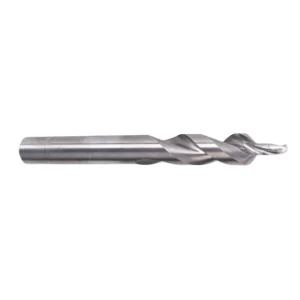
When drilling composite stacks, the physical mechanisms at play are fundamentally different from homogenic metal cutting. High-strength fibers bend under pressure instead of shearing smoothly. If the tool is dull or poorly designed, the fibers push away from the matrix, causing interlaminar failure. Our step composite drill configurations utilize an optimized multi-angle tip that cuts fibers in stages:
Step Angle Options: A 90° or 120° step angle transition is standard. The primary step centers the hole and cuts the inner core, while the subsequent steps gradually enlarge the hole, functioning as a stabilizing guide that distributes the axial force. This gradual progression minimizes the exit thrust force, which is the primary cause of exit delamination.
Coating Engineering: For abrasive carbon and glass fiber processing, diamond coating (CVD or PCD tipping) is the industry standard. For hybrid applications involving titanium or aluminum composite stacks, AlTiN or AlCrN multi-layer physical vapor deposition (PVD) coatings are preferred to withstand the thermal loads of the metal layers while maintaining sharp cutting edges for the composite layers.
Suzhou Tier Tool Co., Ltd. was established in 2008 and is a national high-tech enterprise specializing in the design, manufacturing, and technical support of precision solid carbide cutting tools.
Since its foundation, Tier Tool has been deeply committed to the precision machining industry, focusing on delivering high-performance, high-efficiency cutting solutions for hole-making and metalworking applications. Through continuous technological innovation and manufacturing excellence, the company has earned the trust of customers across a wide range of industries worldwide.
To ensure the highest levels of precision and consistency, Tier Tool has invested extensively in advanced manufacturing equipment and production technologies. The company operates multiple imported CNC tool grinding machines and precision inspection systems, enabling complete in-house capabilities from tool design and prototyping to small-batch testing and large-scale production.
Our manufacturing process is built upon strict process control and traceability standards. Every production stage is carefully monitored to ensure repeatability, quality consistency, and reliable delivery performance. Through systematic process management and standardized operating procedures, Tier Tool has established a robust manufacturing system capable of meeting the demanding requirements of modern precision machining.
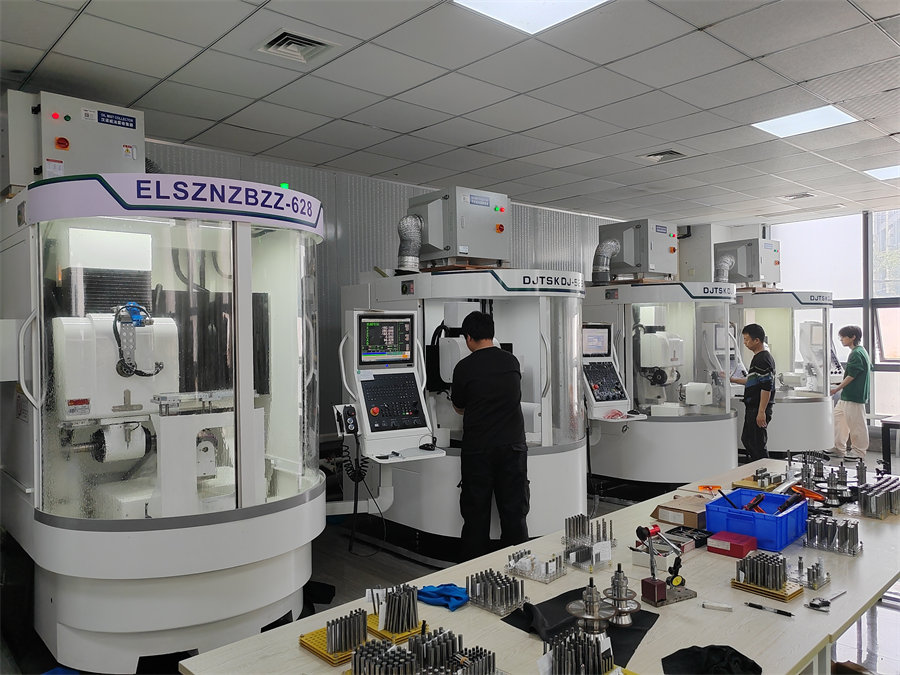
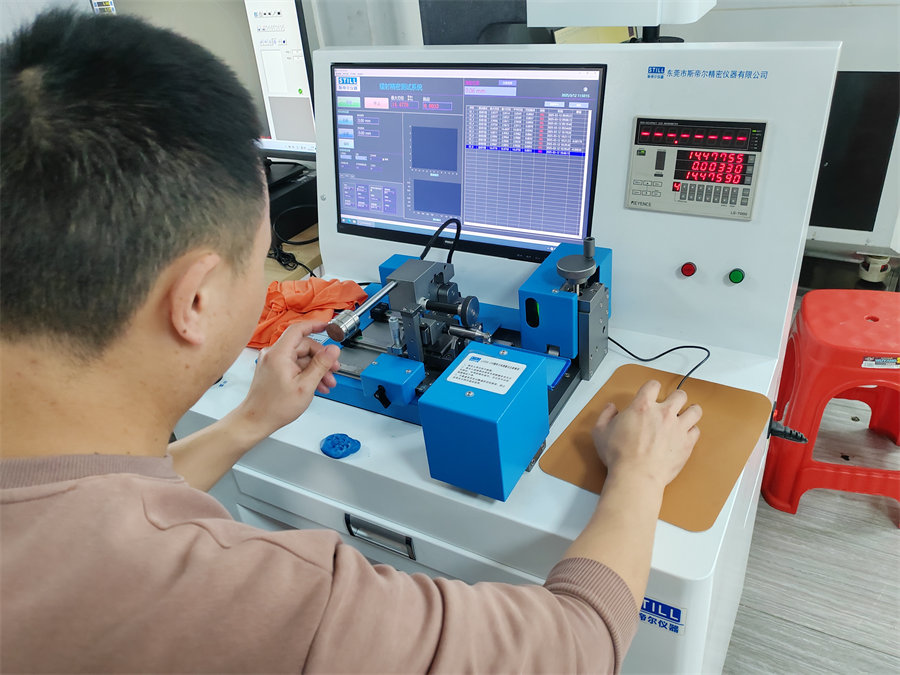
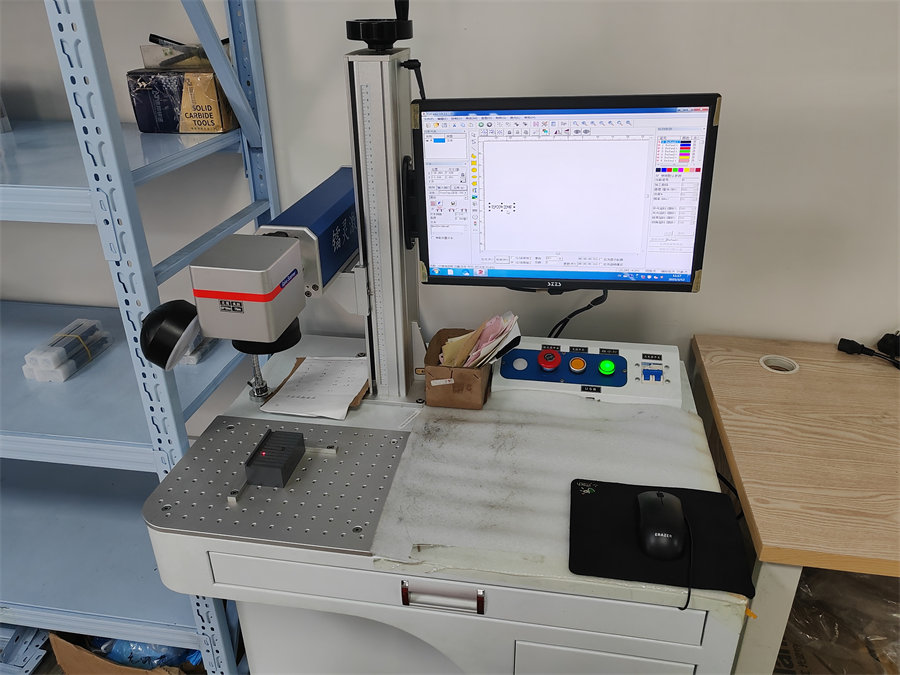
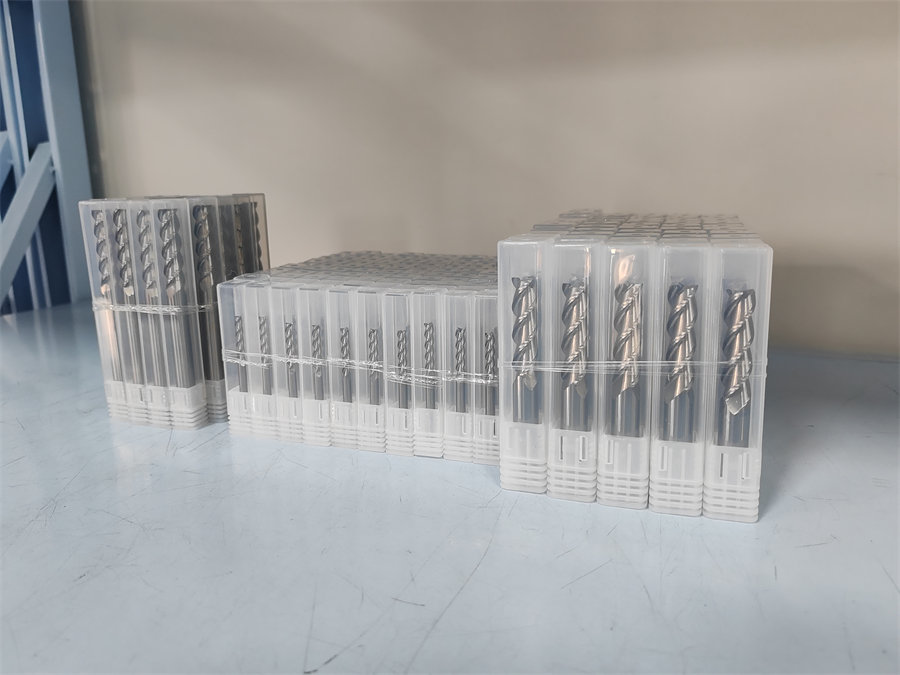
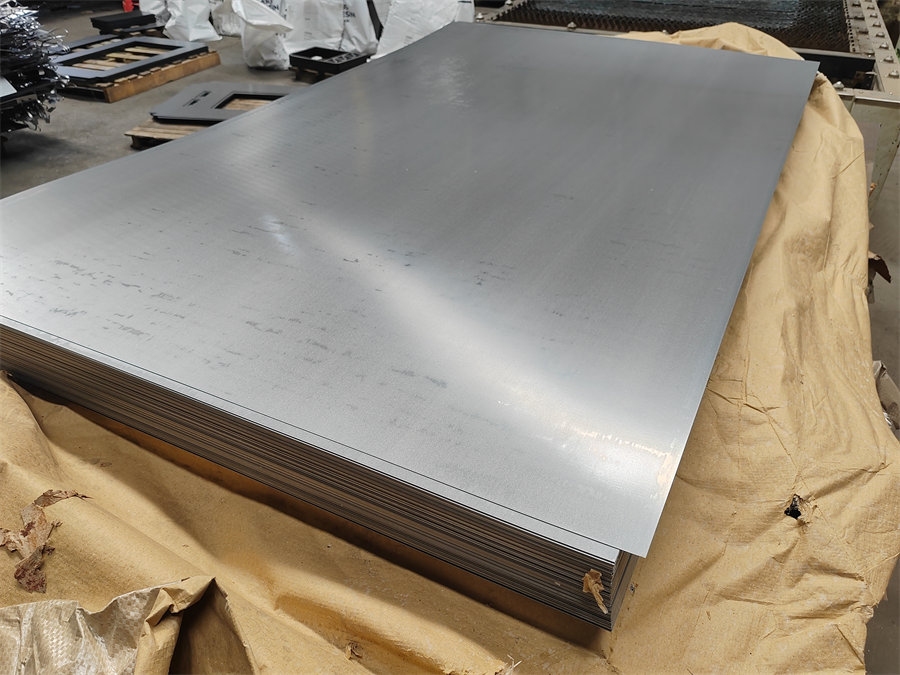
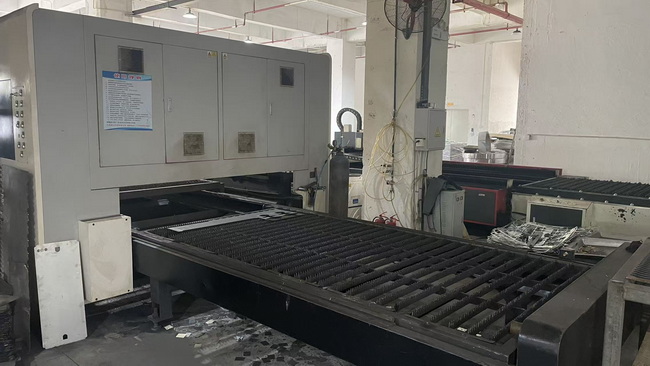
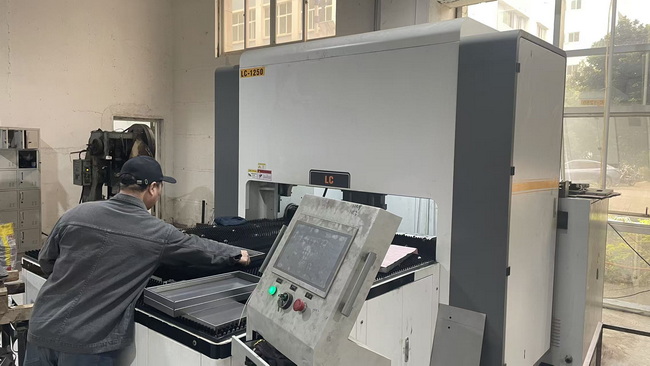
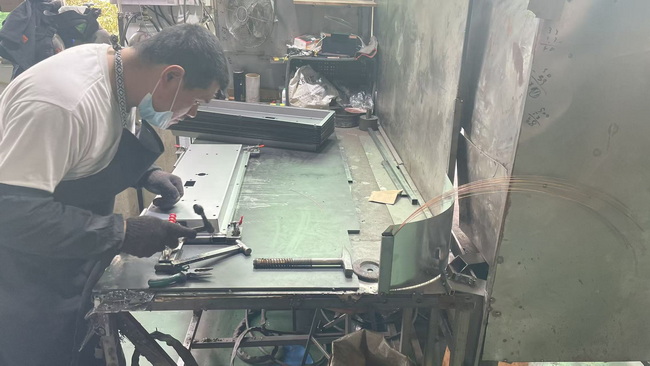
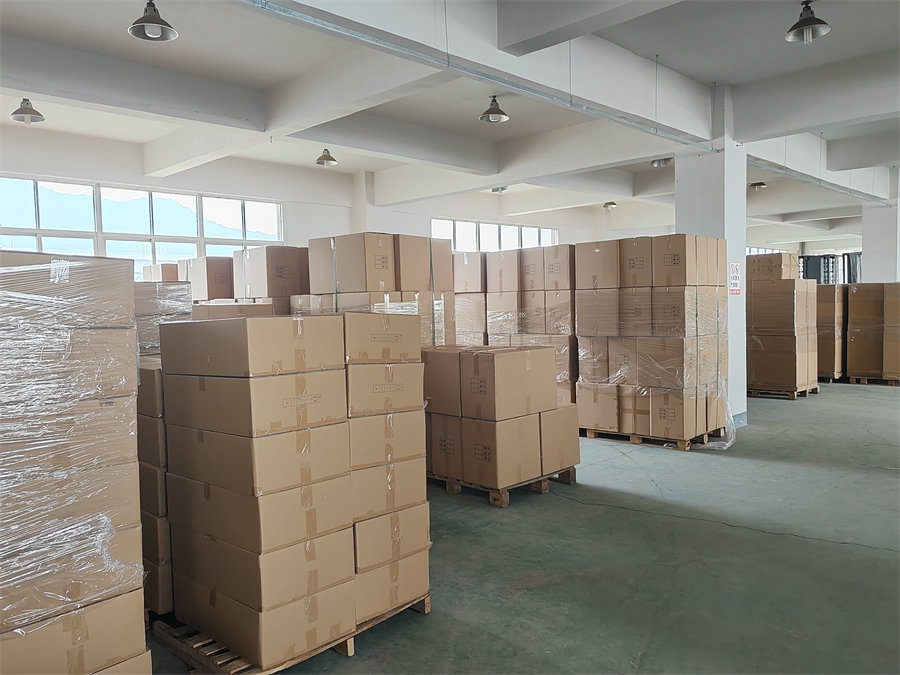
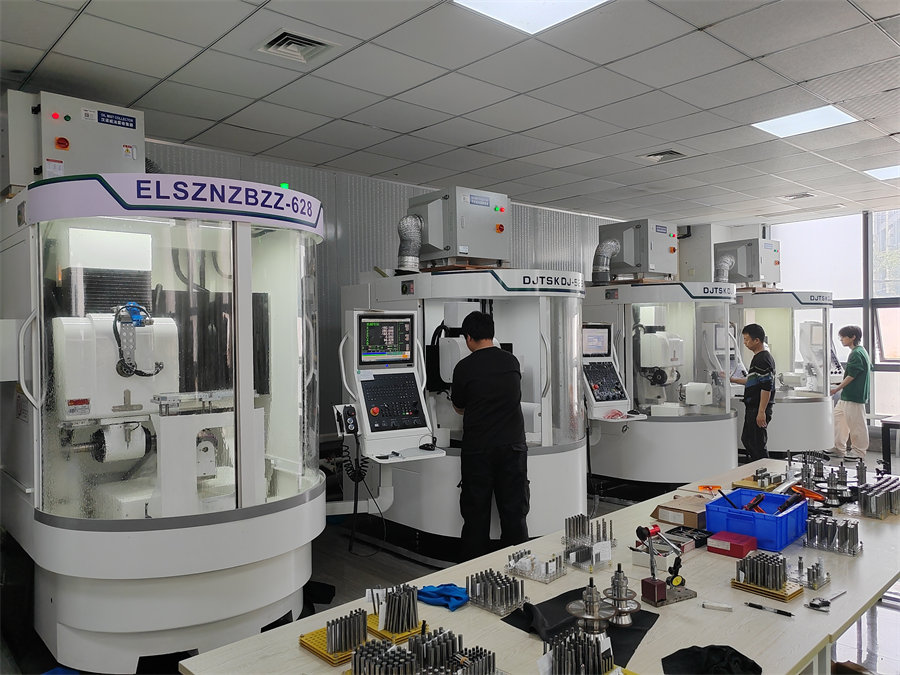
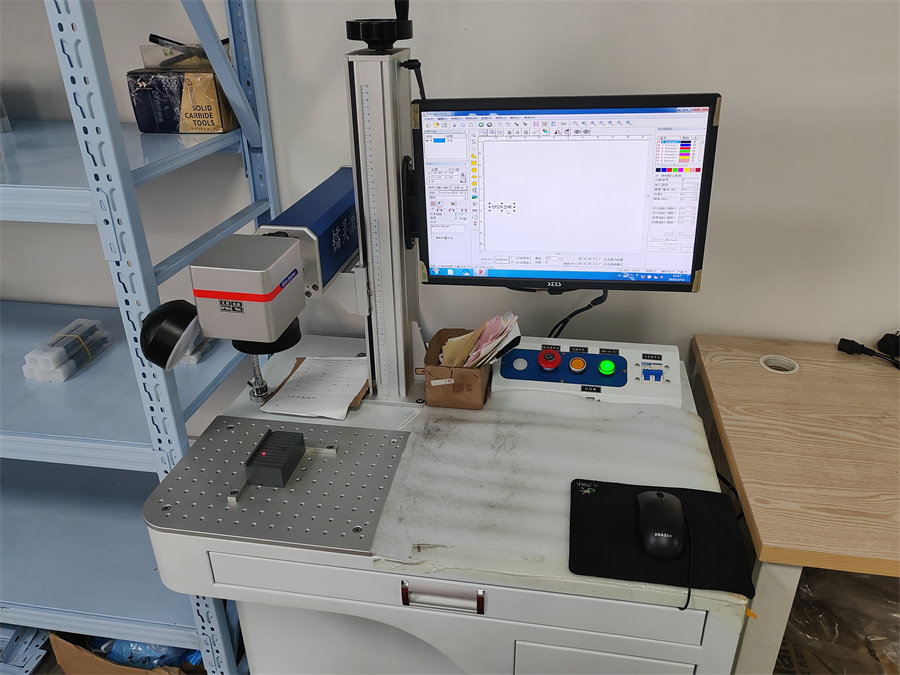
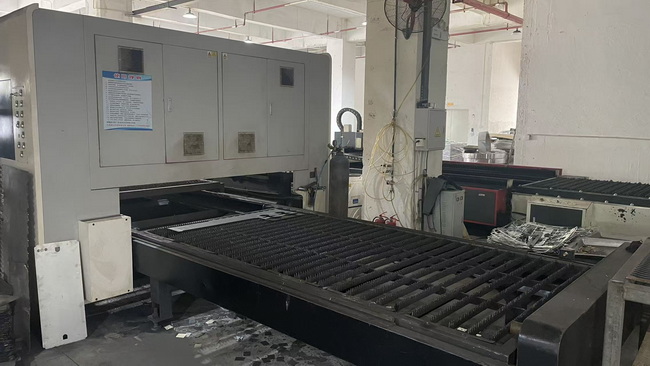
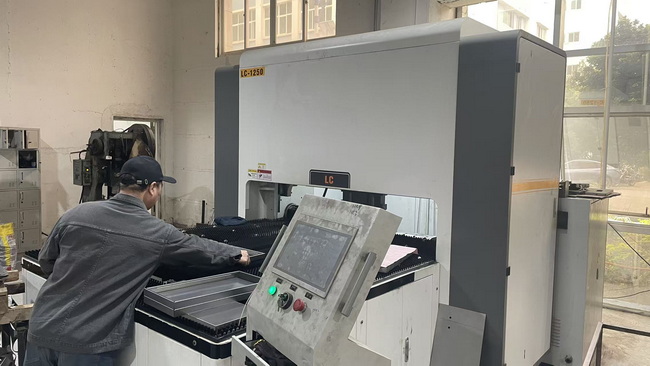
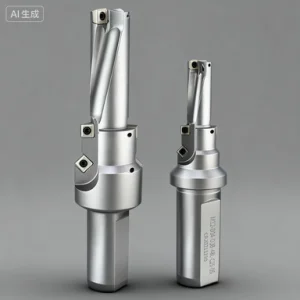
A comprehensive collection of solid carbide, high-speed steel, and specialized diamond-tipped multi-step cutters designed to optimize your operations in Chile.
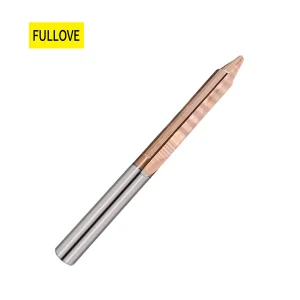
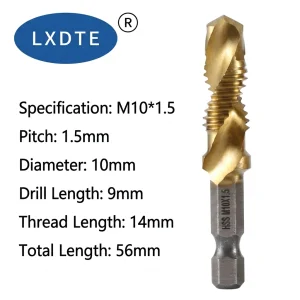
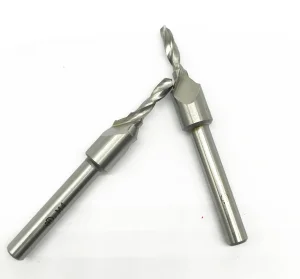
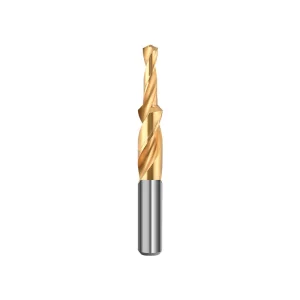
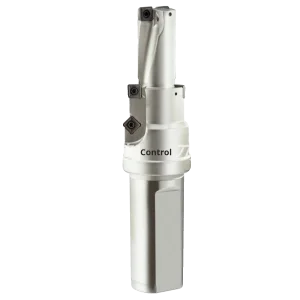
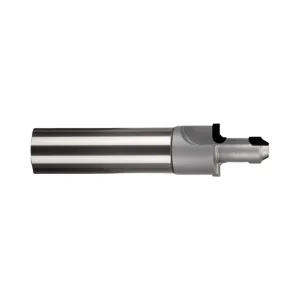
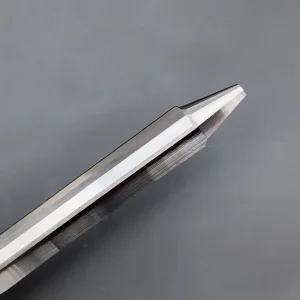
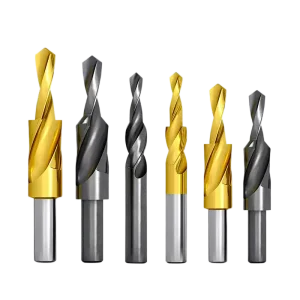
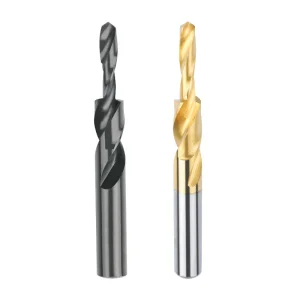
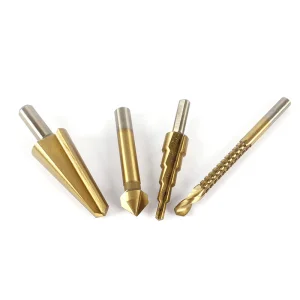
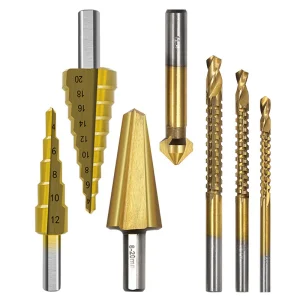
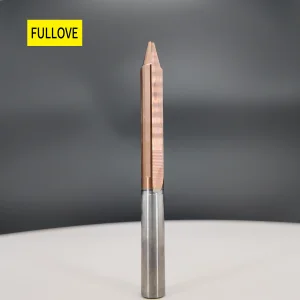
Tool wear management is the defining challenge in large-scale industrial composite drilling operations. The high carbon/glass concentration quickly erodes tool flanks, leading to dimensional variance. Our research and development focuses on three core areas to maintain geometric stability:
Variable Helix Design: Implementing a changing helix angle from the tip to the body reduces vibration. Vibration is the primary trigger of micro-cracks in CFRP structures. Eliminating chatter ensures the hole walls meet aerospace-level surface finishes.
Custom Non-Standard Engineering: No two composite structures are identical. Variations in fiber weave, resin-to-fiber ratio, and stack order require customized tools. Our engineering team designs custom cutting paths, specific point geometry, and thickness ratios based on sample materials provided by our partners in Santiago, Antofagasta, and other industrial clusters across South America.
Eco-Friendly Operations: Composite materials are poor thermal conductors. Standard cooling oils can damage the resin matrix. Therefore, dry machining or Minimal Quantity Lubrication (MQL) is preferred. Our tools feature optimized internal coolant channels specifically configured for pressurized air or clean aerosol delivery, maintaining cool cut interfaces without leaving oil contamination on critical surfaces.
Speak with our senior tooling engineers to design, customize, and deliver premium step composite drills directly to your facility in Chile.
Send Inquiry Now Tier Tool