Engineered for clean holes, multi-stage chamfering, and minimal heat generation in exotic alloys, advanced ceramics, and reinforced composites.
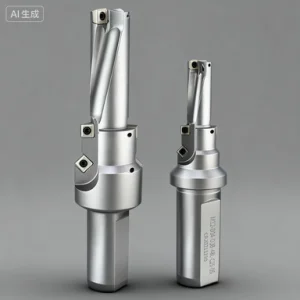
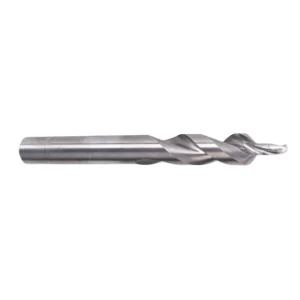
The industrial landscape of Geneva represents the pinnacle of global high-precision engineering. Renowned worldwide for its legendary horology (luxury watchmaking) sector, Geneva is also a key cluster for advanced biomedical technologies, aerospace subsystems, and laboratory research equipment for institutions like CERN. In this sophisticated micro-manufacturing environment, conventional drilling processes fall short. Exotic alloys, technical structural ceramics, titanium, and carbon-fiber reinforced polymers (CFRP) require cutting tools that can drill, countersink, and deburr in a single, highly controlled pass.
Watch movement plates and bezels constructed from gold, brass, platinum, and synthetic sapphire require step holes executed within ±0.002 mm. Tool runout must approach zero to prevent micro-fractures in raw materials.
MedTech manufacturers in Switzerland demand burr-free operations on orthopedic screws and titanium bone plates. Our step drills eliminate residual stress zones that could cause premature structural fatigue.
Delamination is the primary failure mode when drilling composite layers. Our custom helix configurations and advanced diamond coatings preserve the integrity of carbon fiber matrices during assembly.
When selecting a step composite drill manufacturer, technical buyers shouldn't just look at pricing; they must assess substrate composition and micro-geometry. Tier Tool engineers solid carbide tools featuring sub-micron tungsten carbide grains (cobalt binder phase of 8% to 12%), providing the optimal balance of hardness and toughness. Dynamic flute design, characterized by variable helix angles (varying from 15° to 30°), breaks up chips effectively and accelerates heat dissipation away from critical wear points.
"For modern Swiss CNC operations, reducing tooling cycle time is only half the battle. The true differentiator is process stability: ensuring that the 10,000th micro-step hole meets the exact CPK thresholds as the first. This is where advanced geometry and custom PVD coating formulations become mandatory."
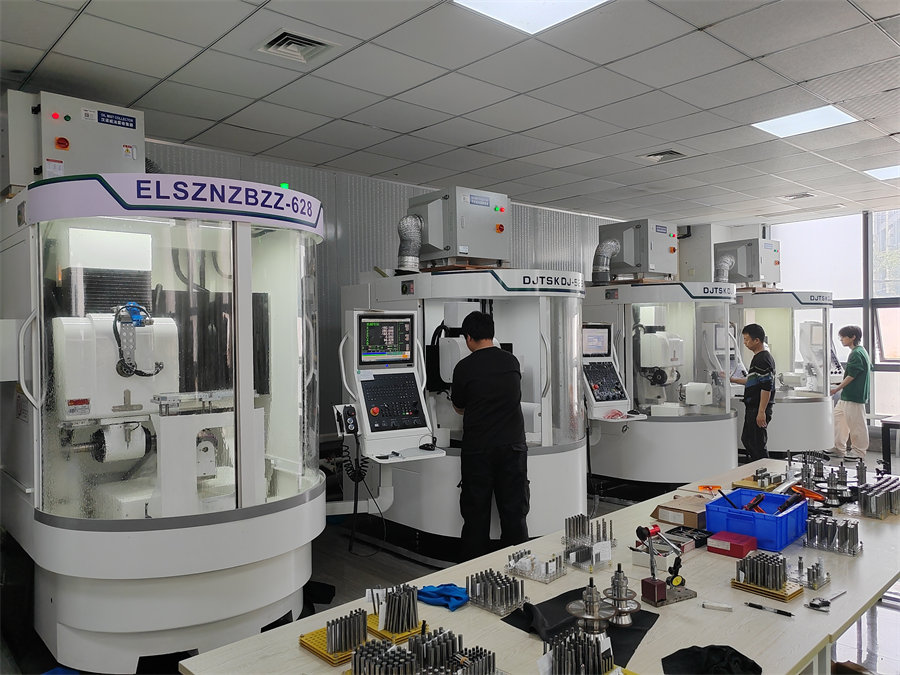
Suzhou Tier Tool Co., Ltd. bridges the gap between cost-efficiency and premium Swiss tool performance. Operating out of Suzhou's high-tech industrial park, our facility utilizes world-class five-axis CNC grinding systems and laser inspection devices to manufacture tools that meet and exceed DIN and ISO standards.
By routing logistics through dedicated international cargo systems, we deliver fully customized precision step drills directly to manufacturing plants in Geneva, Vaud, and across greater Switzerland within accelerated lead times, guaranteeing zero downtime in Swiss supply chains.
| Parameter | European Standard | Tier Tool Performance |
|---|---|---|
| Core Substrate | Standard Carbide Grade | Ultra-Fine Nano-Grain (0.4μm) |
| Run-out Tolerance | < 0.005 mm | < 0.002 mm (Guaranteed) |
| Coating Technology | Standard TiN/AlTiN | Custom Diamond PCD & AlCrN Nano-Composite |
| Lead Time for Prototypes | 6 to 8 Weeks | 10 to 15 Days (Global Delivery) |
A National High-Tech Enterprise Dedicated to Precision Solid Carbide Cutting Instruments
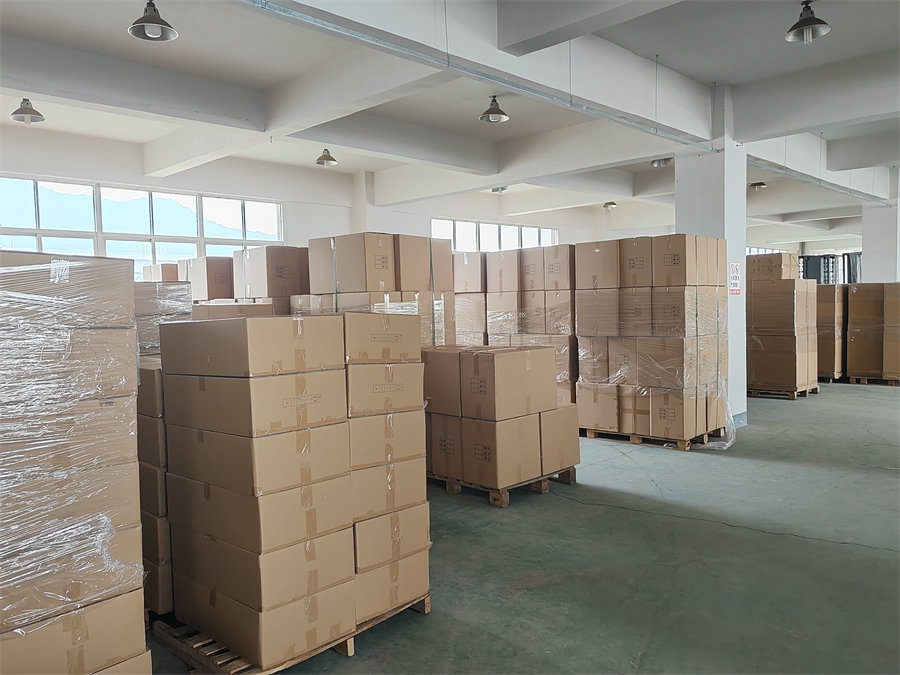
Established in 2008, Suzhou Tier Tool Co., Ltd. has spent over a decade perfecting precision hole-making and metalworking applications. Through intensive capital investments and rigorous adherence to the policy of "Quality First, Continuous Improvement", we operate specialized production lines that control tool design, prototyping, batch testing, and full-volume supply chains.
Our technical team analyzes machining parameters, CAD designs, and workpiece material characteristics directly with engineering departments in Europe. This collaborative approach allows us to develop customized geometry modifications, avoiding chip congestion and minimizing the excessive axial forces that often break standard tools in advanced CNC operations.
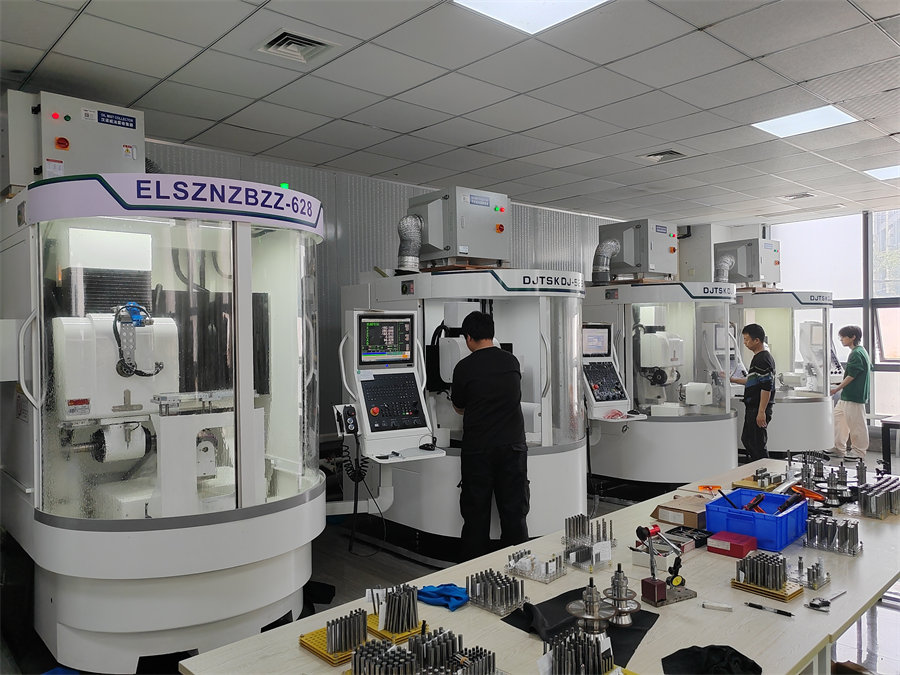
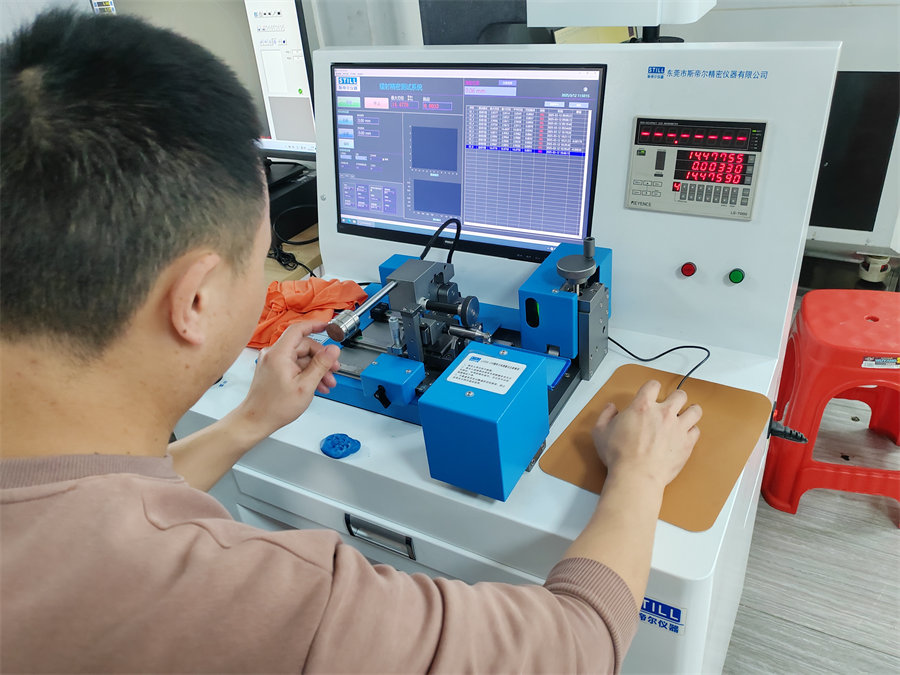
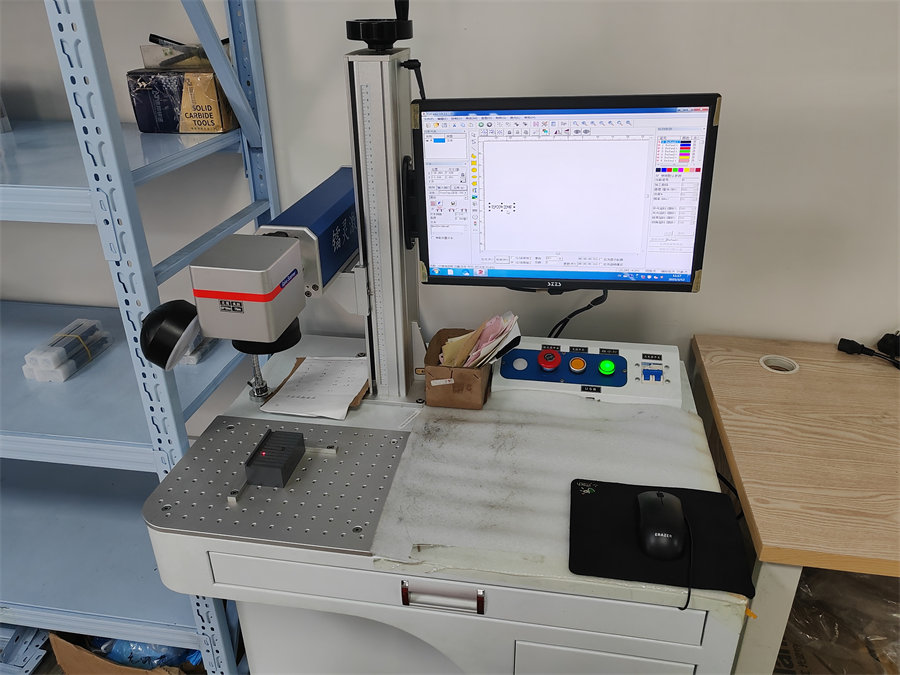
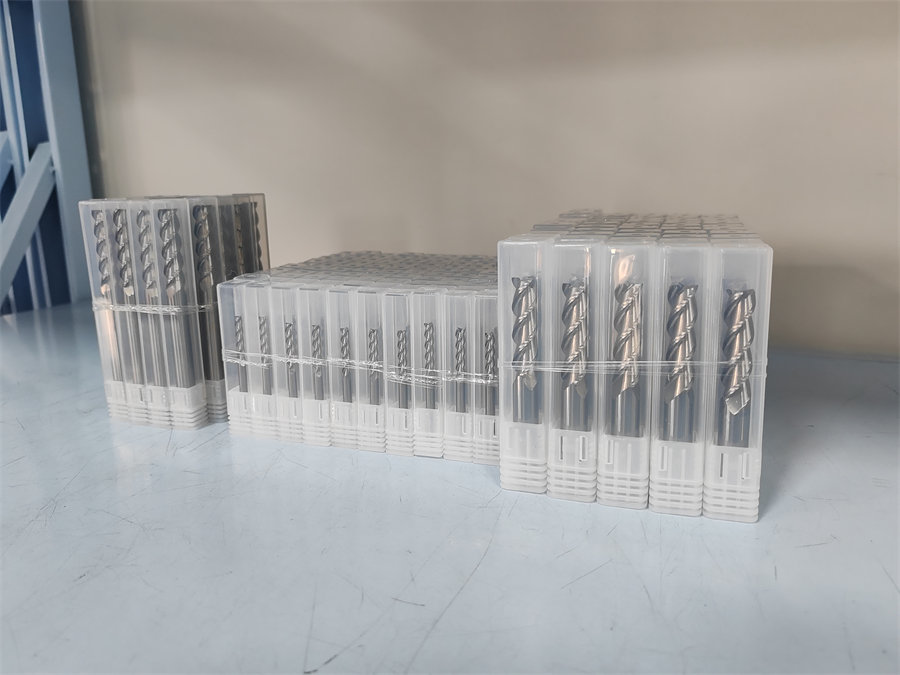
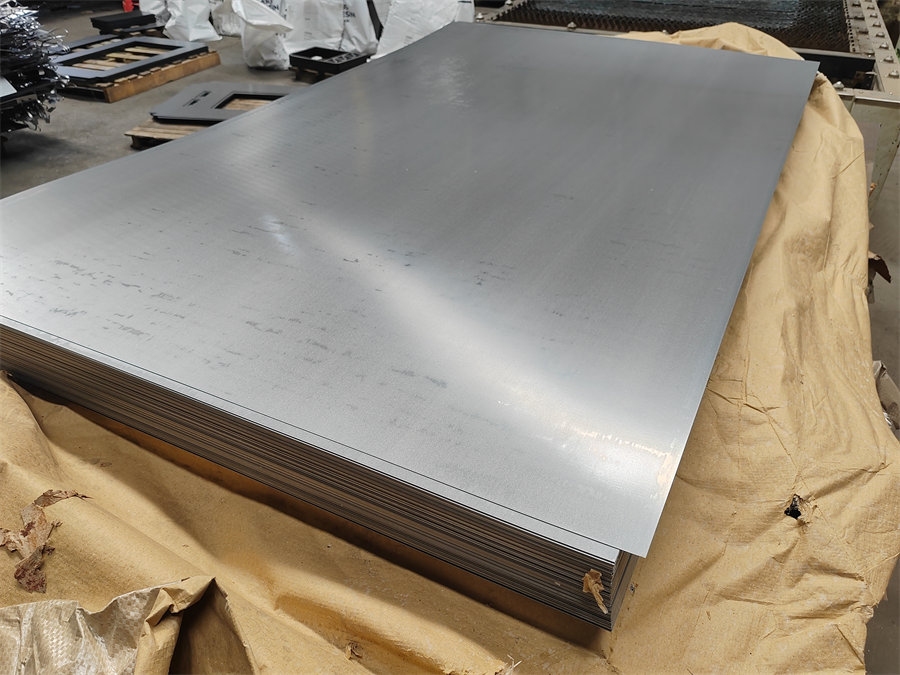
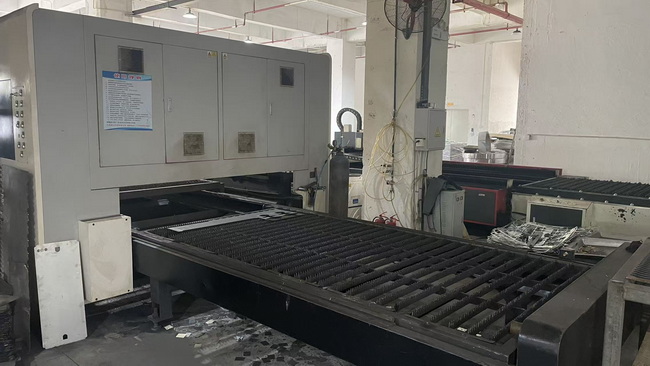
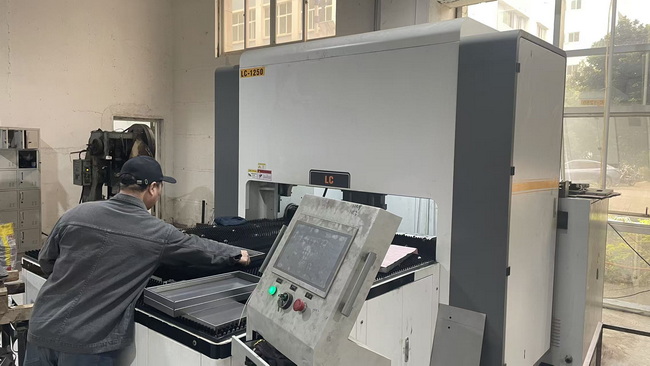
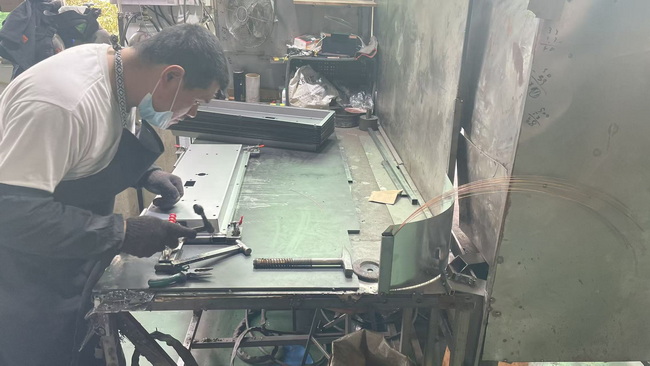
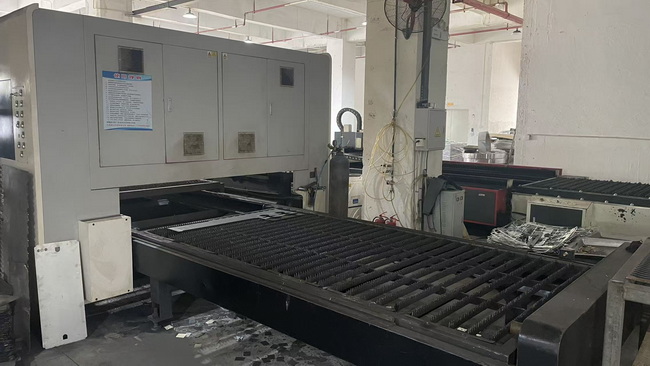
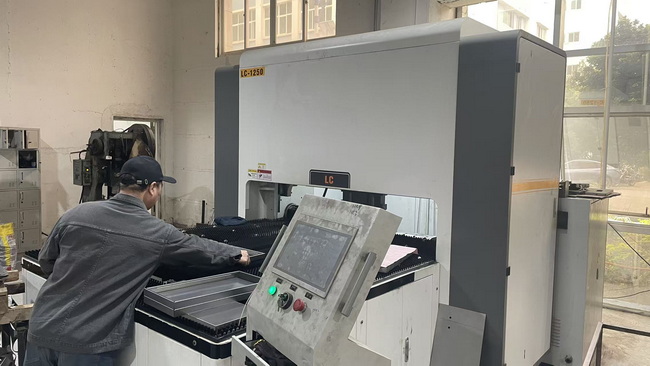
Bending Machine Equipment
Engineered for high-volume manufacturing setups. Complete compliance, maximum tool life, and superior surface finishing.
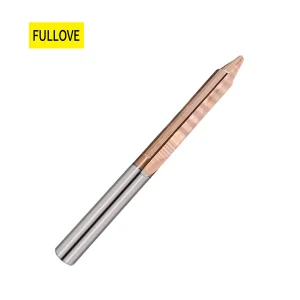
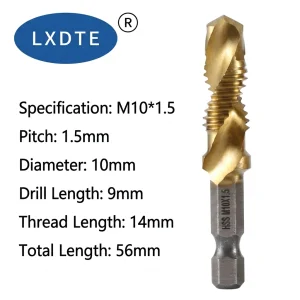
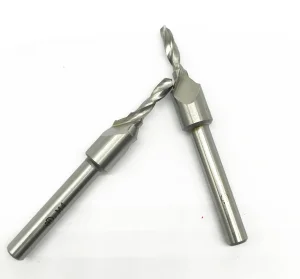
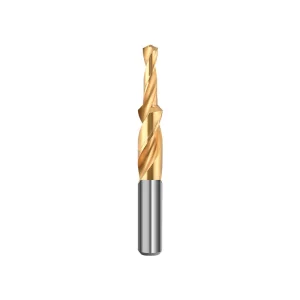
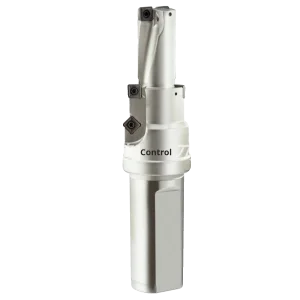
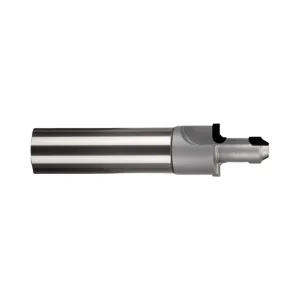
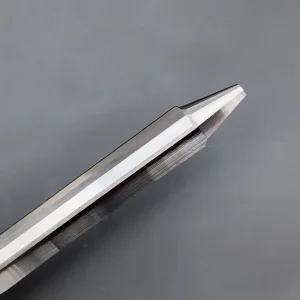
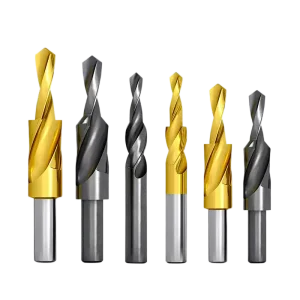
When selecting step composite drills, engineering departments must prioritize tool geometry. Unlike basic jobber drills, a composite step drill performs multiple cuts at different diameters simultaneously. The transition zones, or steps, must be carefully designed to prevent premature wear. Standard geometries include helical flutes and straight flutes. Helical flutes (15-degree to 30-degree helix angles) are preferred for automated CNC setups due to superior chip evacuation. Straight flutes, on the other hand, offer higher cutting-edge strength and are easier to resharpen, making them suitable for manual setups or hard materials like cast iron.
Friction is the primary cause of tool failure in automated manufacturing. For titanium alloys and medical-grade stainless steels, high thermal conductivity combined with chemical inertia is required. At Tier Tool, we implement specialized coatings:
For manufacturers in Geneva, precision is non-negotiable. Swiss watchmaking and medical engineering components require sub-micron precision. Any slight variation in runout can lead to components that fail strict quality standards. This requires rigid quality control throughout the manufacturing workflow. Tier Tool uses laser inspection systems and automated grinding processes to ensure that every drill maintains concentricity under 0.002 mm, providing stable performance even in continuous production environments.
Key information regarding materials, applications, customization, and delivery parameters for Geneva-based procurement operations.
Get in touch with Suzhou Tier Tool's application engineering team. Send us your CAD models, material specifications, and volume requirements to receive a customized quote within 24 hours.
 Tier Tool