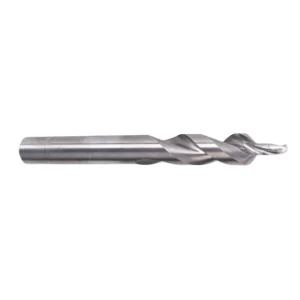
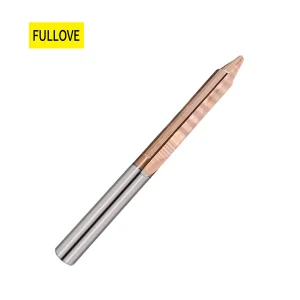
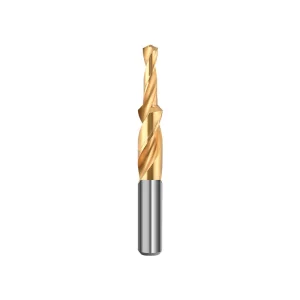
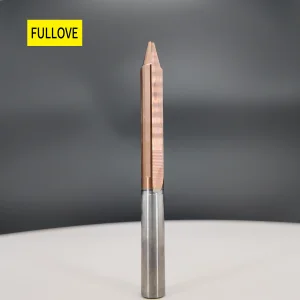
Selected high-efficiency solutions optimized for Swiss precision engineering parameters, featuring ultra-precise geometry and superior surface finishes.
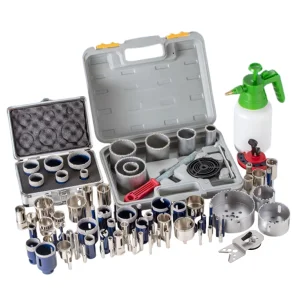
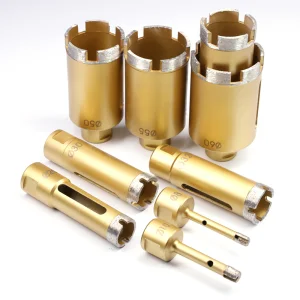
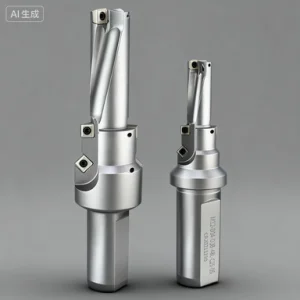
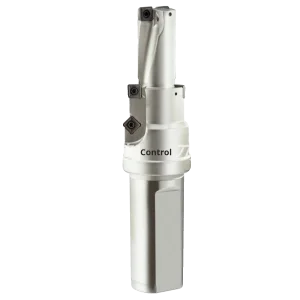
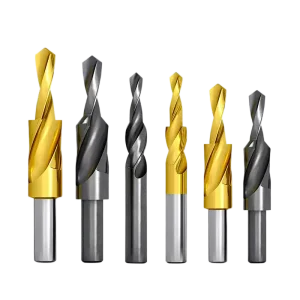
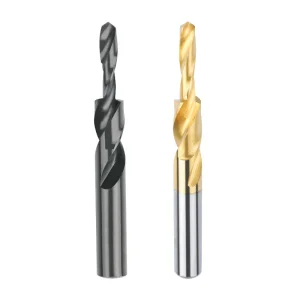
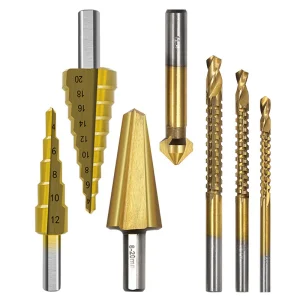
In modern industrial manufacturing, hole-making represents one of the most critical and time-sensitive operations. Within the context of Switzerland's elite manufacturing landscape—highly recognized for precision watchmaking, medical technology (Medtech), and aerospace components—the requirements for dimensional stability, tolerance repeatability, and surface finish are exceptionally strict. Global manufacturers are increasingly replacing multi-stage drilling, chamfering, and deburring cycles with integrated Step Composite Drills. These specialized tools perform multiple operations in a single plunge, minimizing cycle times and eliminating runout errors caused by tool changes.
Switzerland's industrial success relies on high-value-add technology rather than mass commodity production. The major industrial zones—including the watchmaking clusters in the Jura Arc (La Chaux-de-Fonds, Neuchâtel, Biel/Bienne) and the medical device corridors in Bern and Solothurn—demand tooling that can match the performance of high-precision Swiss-type lathes (such as Tornos or Willemin-Macodel). These advanced manufacturing setups run continuously and require highly reliable tools to minimize downtime and prevent component scrap. The materials processed range from high-tensile medical grade titanium (Ti-6Al-4V ELI) and stainless steel (316LVM) to advanced carbon composites used in high-end horology and aerospace structures.
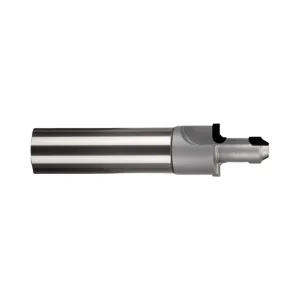
Standard multi-tool operations run the risk of concentricity deviation between the pilot hole and the counterbore, which can lead to structural weakness under load. By using custom-ground step drills, Swiss engineers can ensure absolute concentricity, which is particularly critical in aerospace structural components and micro-scale medical implants.
Explore middle-tier options engineered for stable chip control, precise heat dissipation, and long tool life during demanding machining operations.
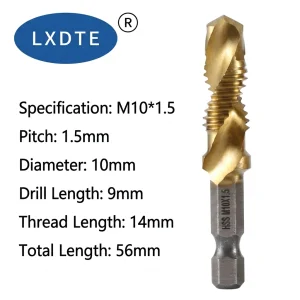
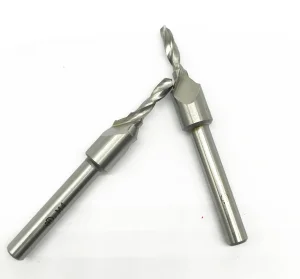
Drilling carbon fiber reinforced polymers (CFRP) and stack-ups (e.g., CFRP-Titanium or CFRP-Aluminum stacks) presents distinct machining challenges. Aerospace structures in Switzerland rely heavily on CFRP for weight reduction, but these abrasive fibers can cause rapid tool wear. Standard HSS tools dull quickly when cutting carbon fiber, leading to delamination (layer separation), fiber breakout, and poor hole quality.
To prevent these issues, our step composite drills are designed with custom geometries and advanced materials. We use sub-micron tungsten carbide substrates and specialized coatings like Diamond-Like Carbon (DLC) or Polycrystalline Diamond (PCD) tips to resist abrasive wear and maintain sharp cutting edges. The geometries of these drills are tailored to balance the cutting forces required for different material layers, ensuring clean exits and precise diameters across the entire stack.
| Material Type | Machining Challenge | Optimal Tool Solution | Typical Swiss Application |
|---|---|---|---|
| CFRP (Carbon Fiber) | Delamination, abrasive wear, fiber breakout | PCD-Tipped or DLC-Coated Solid Carbide Drills | Aerospace brackets, structural frames |
| Titanium Grade 5 (Ti-6Al-4V) | High cutting temperature, work hardening | AITiN-Coated Solid Carbide Drills with through-coolant | Medical implants, bone plates, watch cases |
| CFRP-Metal Stacks | Chip packing, galvanic corrosion risk, variable cutting force | Dual-angle step drills with optimized flutes | Aviation structures, high-performance automotive |
| Precision Brass / Alloys | Micro burrs, strict surface finish requirements | HSS-Co or Polished Carbide micro-step tools | Watch plates, movement gears |
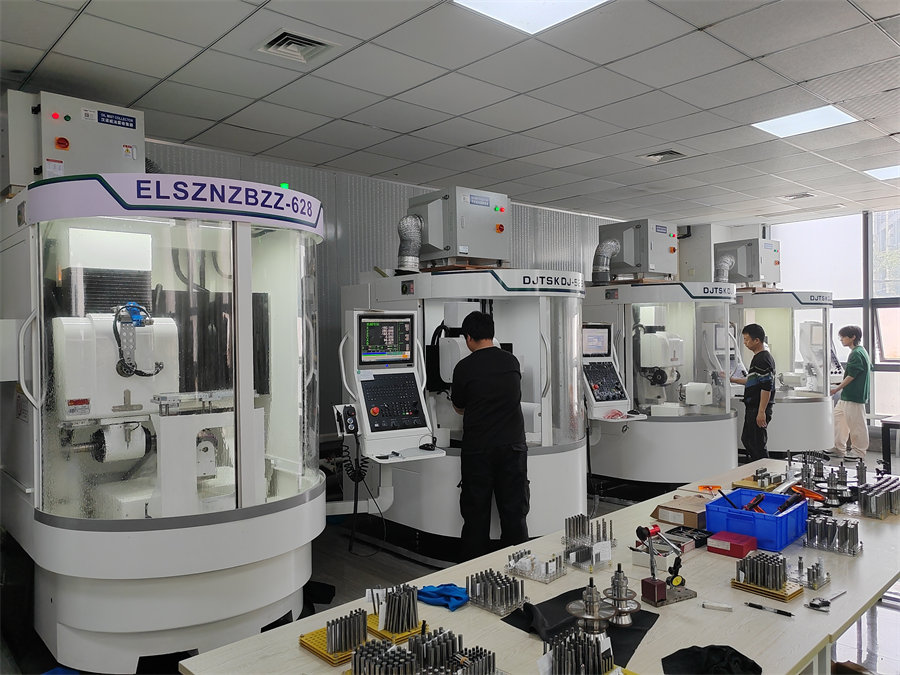
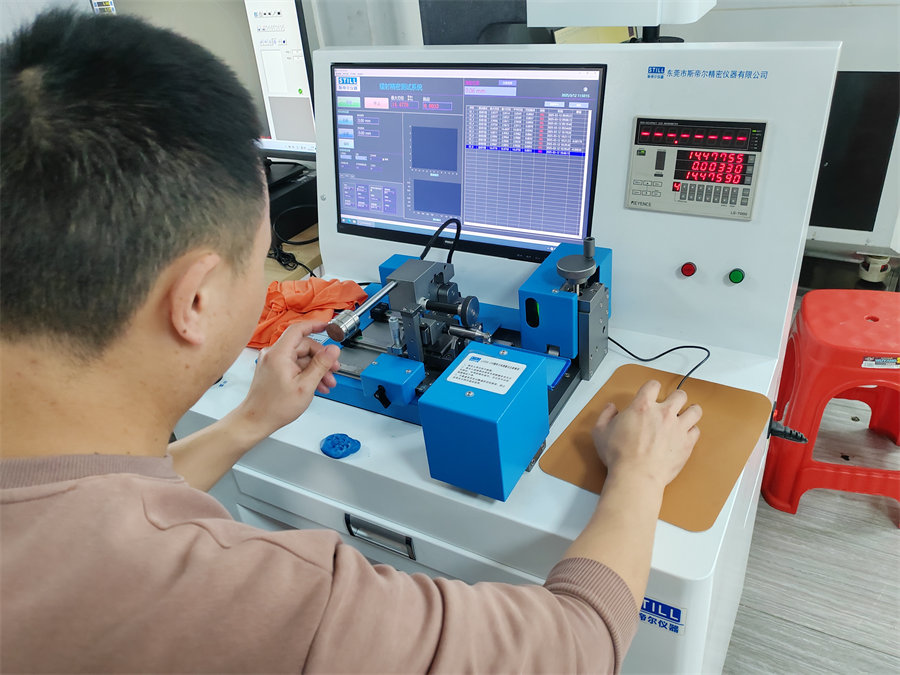
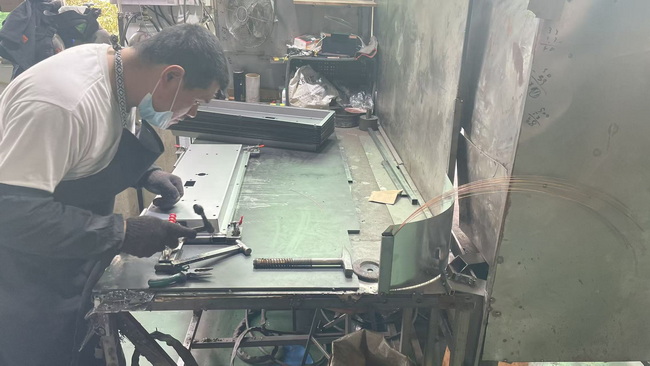
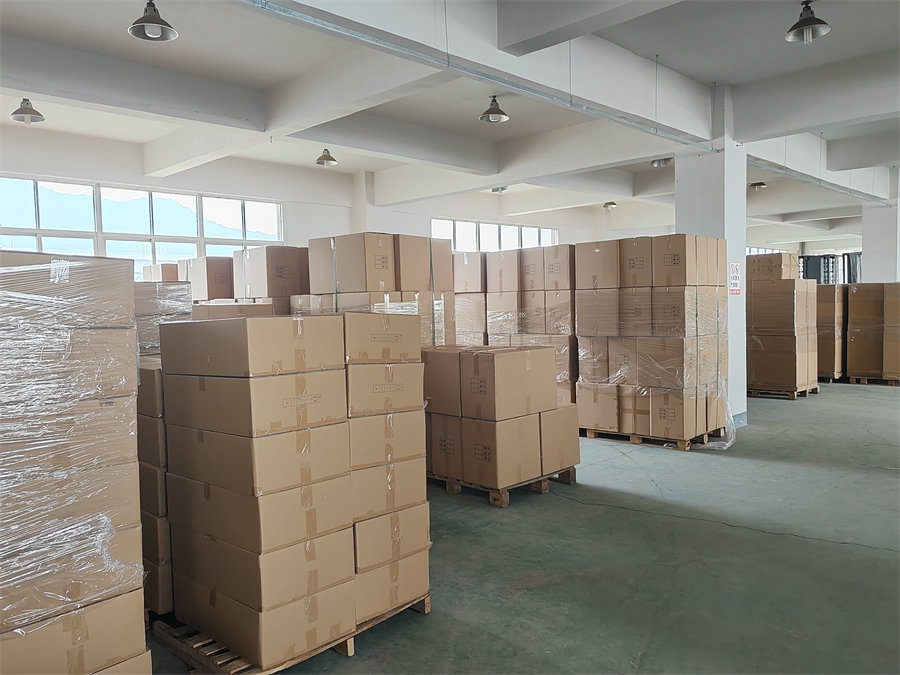
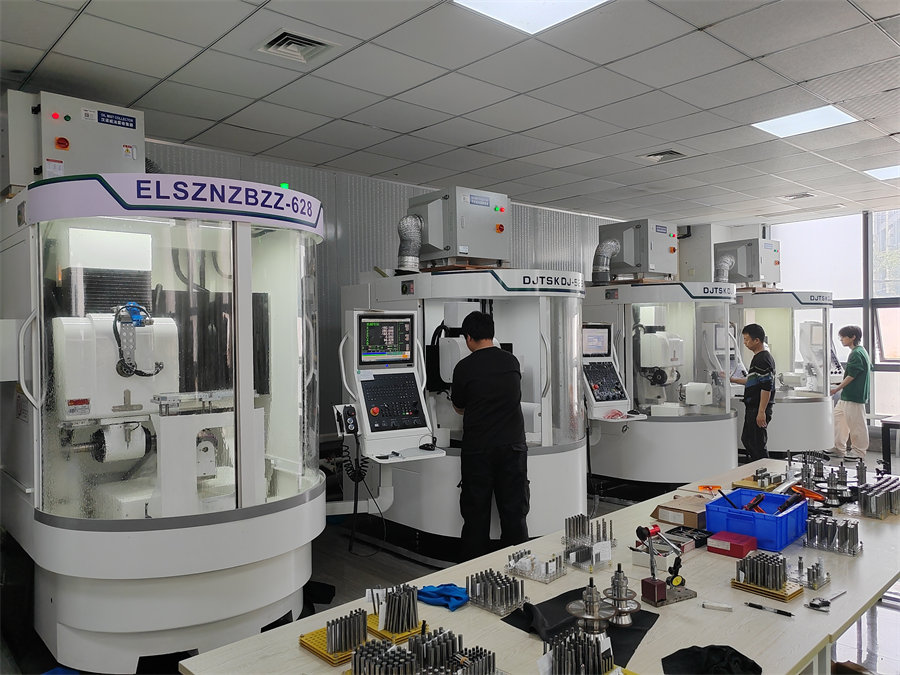
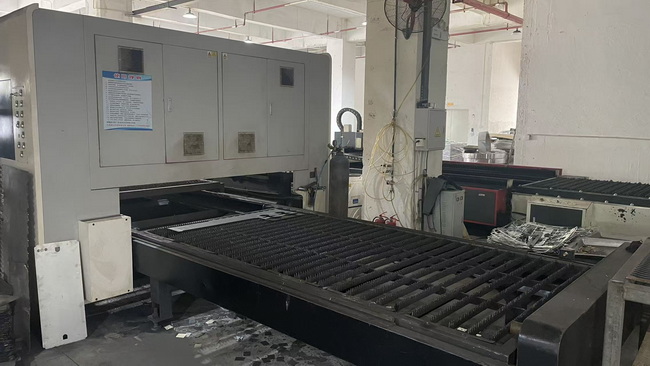
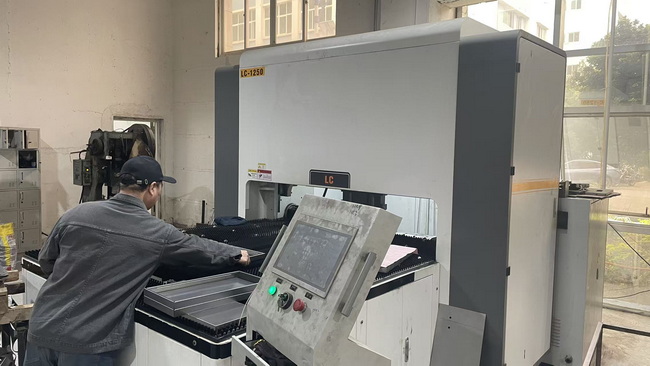
Established in 2008, Suzhou Tier Tool Co., Ltd. is a national high-tech enterprise specializing in the design, manufacturing, and technical support of precision solid carbide cutting tools. We operate high-precision CNC tool grinding systems and advanced optical inspection equipment to maintain strict tolerance control. Our clean manufacturing facility utilizes automated production lines to ensure consistent quality across every batch of tools.
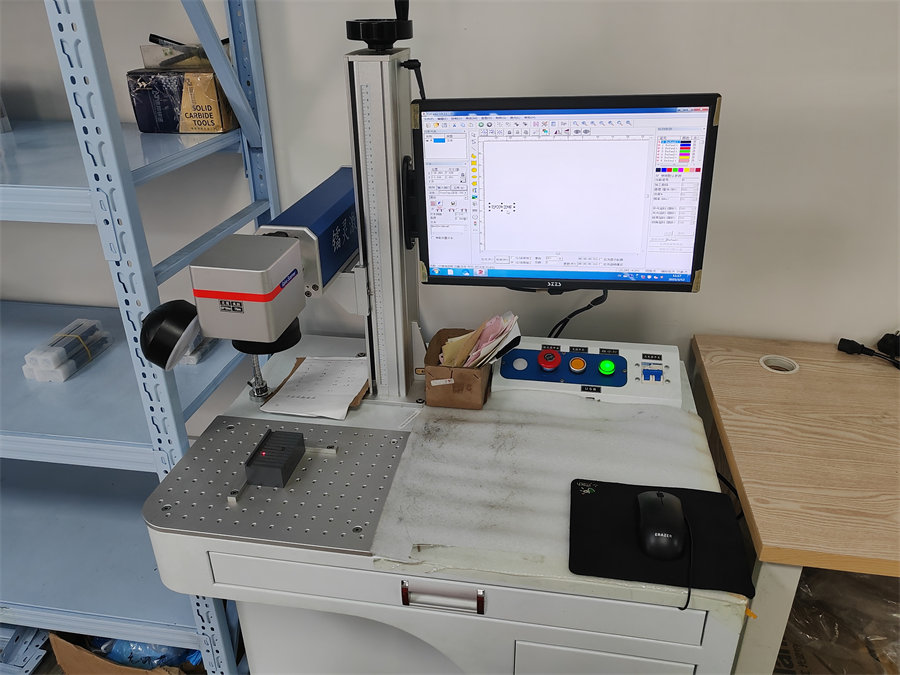
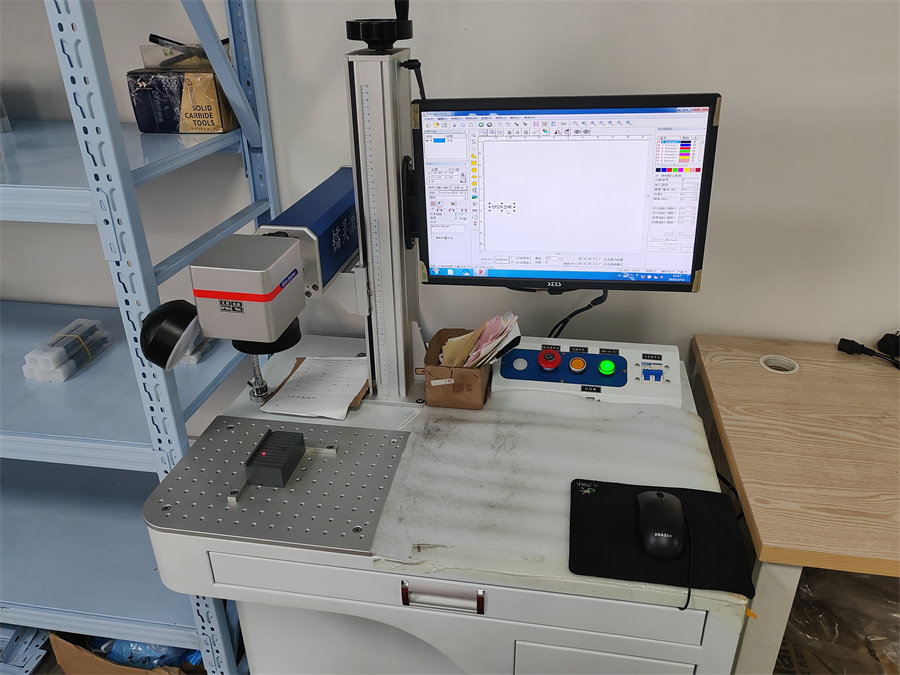
From initial design and prototyping to final inspection and custom laser marking, every process is documented and traceable. By utilizing high-quality micro-grain carbide rods and advanced coating technologies, we supply reliable cutting tools that help global enterprises optimize their production throughput and minimize manufacturing costs.
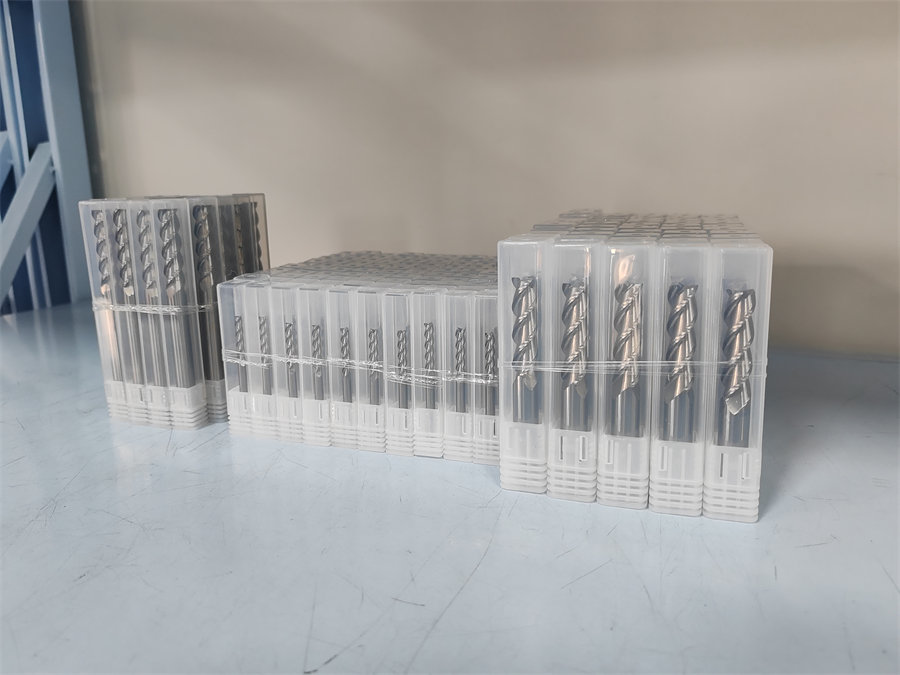
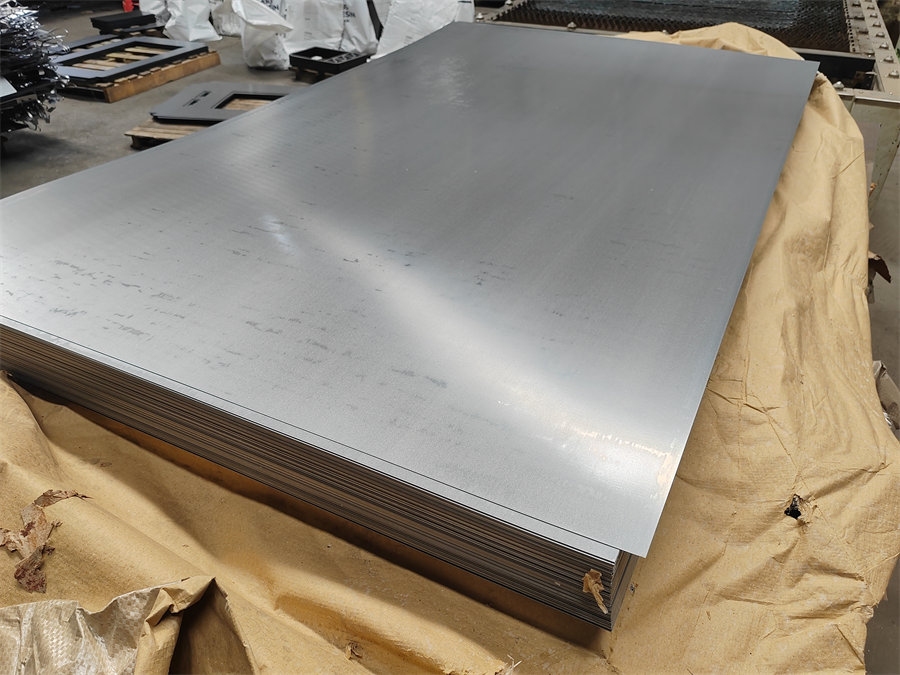
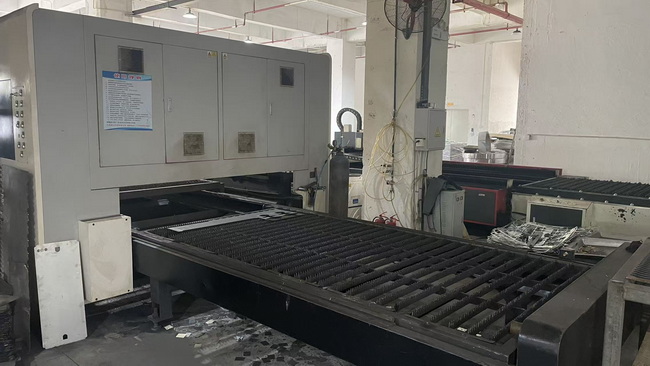
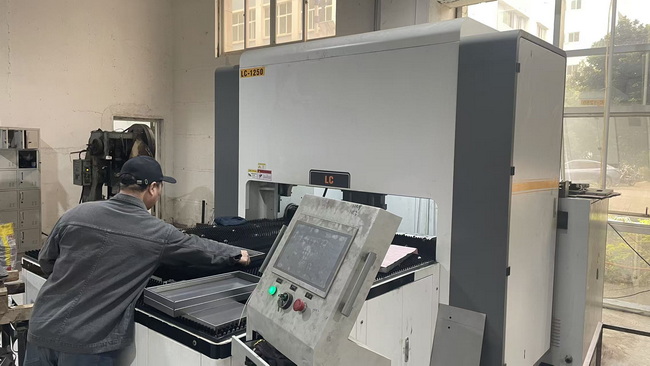
A comprehensive range of high-performance tooling engineered to optimize cycle times, maintain tight tolerances, and deliver clean, consistent holes.
In-depth technical answers key to optimizing machining parameters, selecting coating grades, and extending tool life in Swiss CNC environments.
Submit your component drawings, CAD designs, or tool specifications. Our engineering team will review your requirements and provide a detailed quotation for custom solid carbide step tools.
Send Inquiry Now Tier Tool