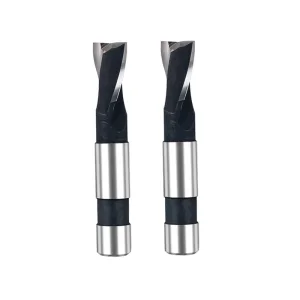
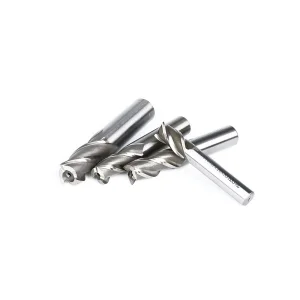
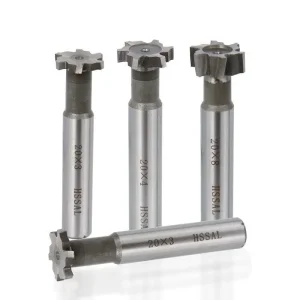
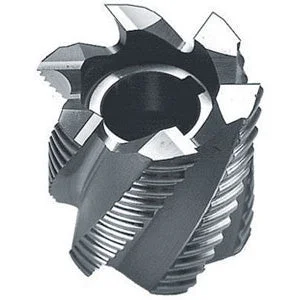
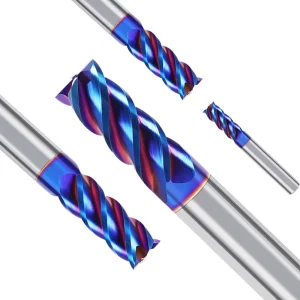
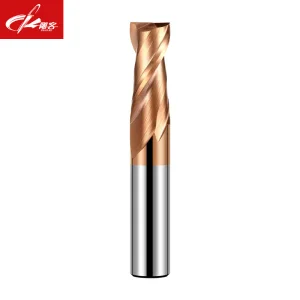
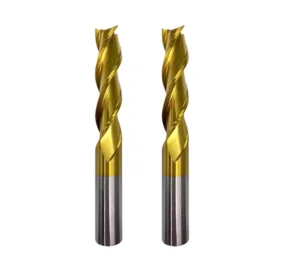
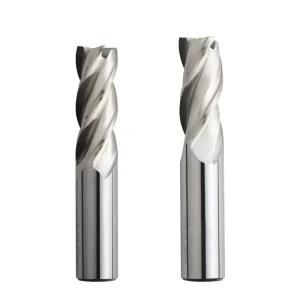
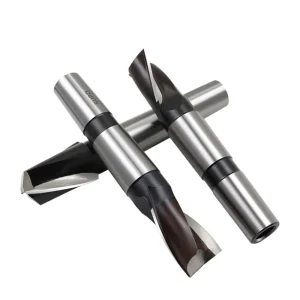
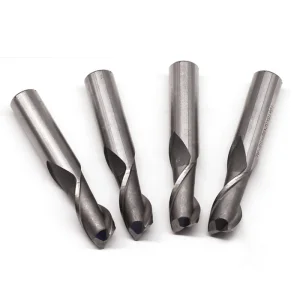
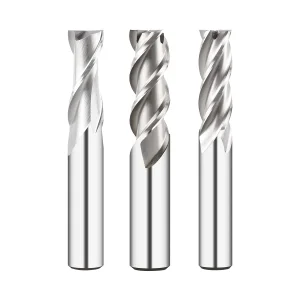
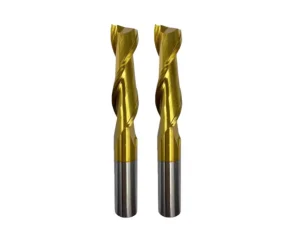
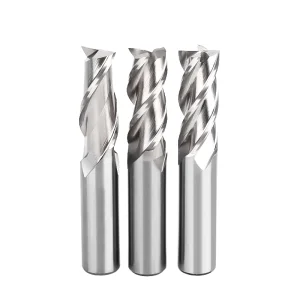
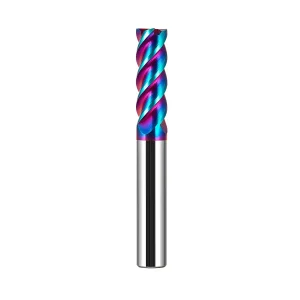
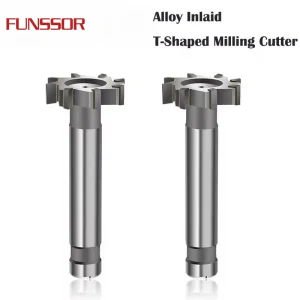
Chisinau, the economic and industrial center of the Republic of Moldova, is witnessing a massive transition towards modernized metalworking and precision manufacturing. Positioned as a strategic bridge between Eastern European markets and the European Union, local industries—ranging from automotive assembly support, agricultural machinery manufacturing, and complex hydraulic component fabrication—rely heavily on precise rotational power transmission. Keyways and keyseats form the operational backbone of these machinery mechanisms, making straight shank keyseat end mills an indispensable tool category in local machine shops.
Historically, the Moldovan metal processing sector relied on traditional, slower machining processes. Today, however, CNC automation and high-speed machining centers (HSM) have become standard in Chisinau’s industrial parks and Free Economic Zones (FEZ). This evolution demands a major upgrade in cutting tool quality. Tool failure or premature abrasive wear during slotting processes not only creates bottlenecks on the production line but also jeopardizes the structural integrity of shafts and matching keys. Local manufacturers require keyway cutters that offer precise width tolerances (specifically targeting e8 or d9 tolerances), superior chip evacuation, and heat resistance.
Keyway milling is fundamentally challenging because it is a full-slotting operation where the tool is engaged across its full diameter (radial engagement $a_e = D$). This restricts the radial space available for chip disposal, leading to heat concentration and chip packing. A premium straight shank keyseat cutter must be engineered to counteract these physical limitations:
Choosing the correct helix angle is critical. While a standard 30-degree helix is versatile, specialized 2-flute and 4-flute configurations balance core strength with chip capacity. For softer, long-chipping steels popular in Moldovan agricultural machinery, a 2-flute spiral structure provides maximum chip gashes. For high-tensile alloys, a 4-flute setup with differential pitch reduces harmonics and vibration.
Modern applications require solid carbide substrates with ultra-fine grain structures (down to 0.4 microns) to preserve sharp cutting edges under severe loading. Combined with advanced coatings like AlTiN (Aluminum Titanium Nitride) or silicon-based nanocomposite coatings (nACo), these tools can operate at cutting temperatures exceeding 900°C without plastic deformation.
Furthermore, shank tolerances are held to strict standards. A standard straight shank keyseat end mill manufactured by Suzhou Tier Tool is ground to h6 shank tolerances, minimizing runout when held in precision collets or hydraulic chucks. Minimal runout ensures that both cutting edges share the load equally, preventing premature chipping on one corner and guaranteeing that the cut keyway width remains precisely true to the design dimensions.
Established in 2008, Suzhou Tier Tool Co., Ltd. is a national high-tech enterprise specializing in the design, manufacturing, and technical support of precision solid carbide cutting tools. We serve key industries globally, now expanding dedicated logistics and custom engineering services for high-speed machining setups across Chisinau's manufacturing corridors.
By leveraging top-tier multi-axis CNC grinding machines and advanced inspection systems, Tier Tool ensures that each tool produced maintains outstanding geometry and edge preparation. Our strict process control and raw material selection have allowed us to become a preferred supply chain partner for manufacturers demanding reliability and cost efficiency.
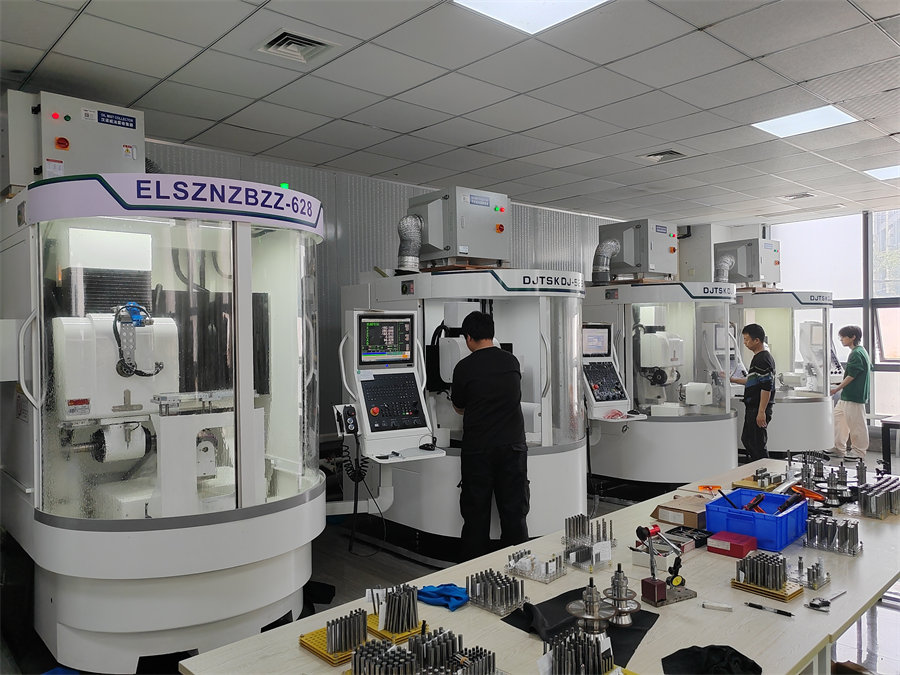
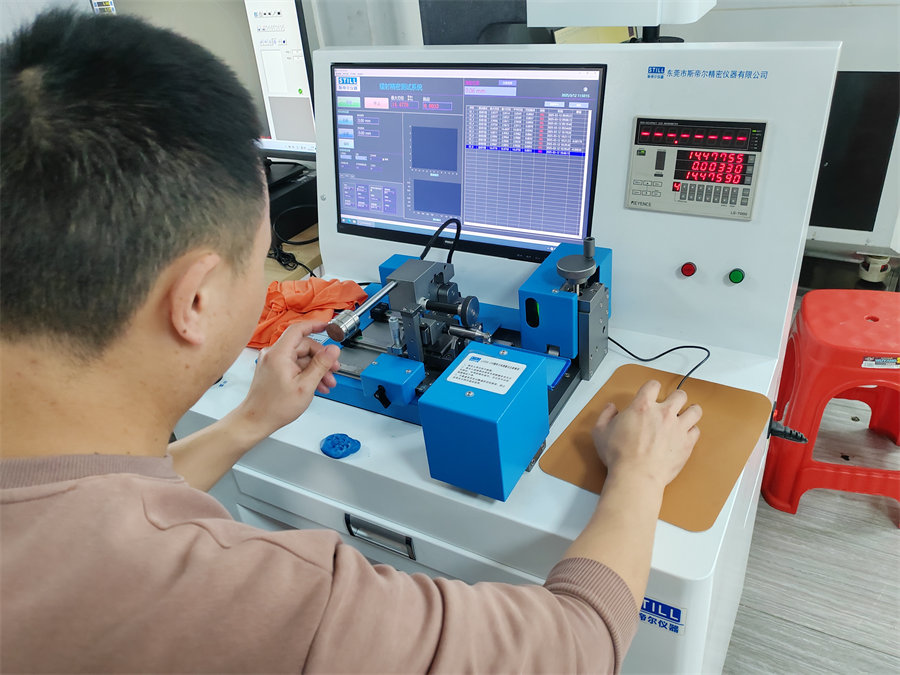
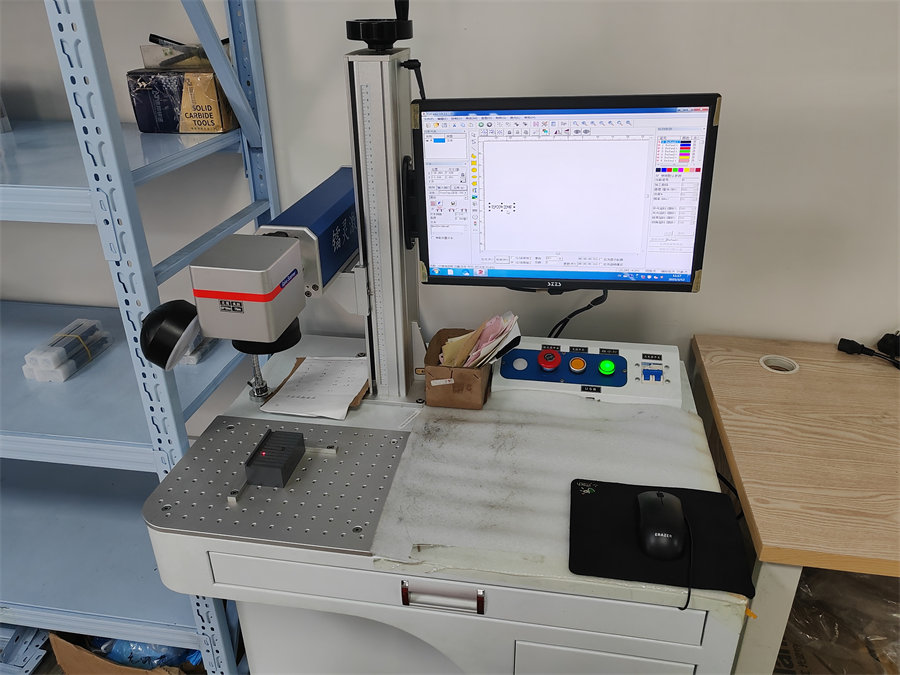
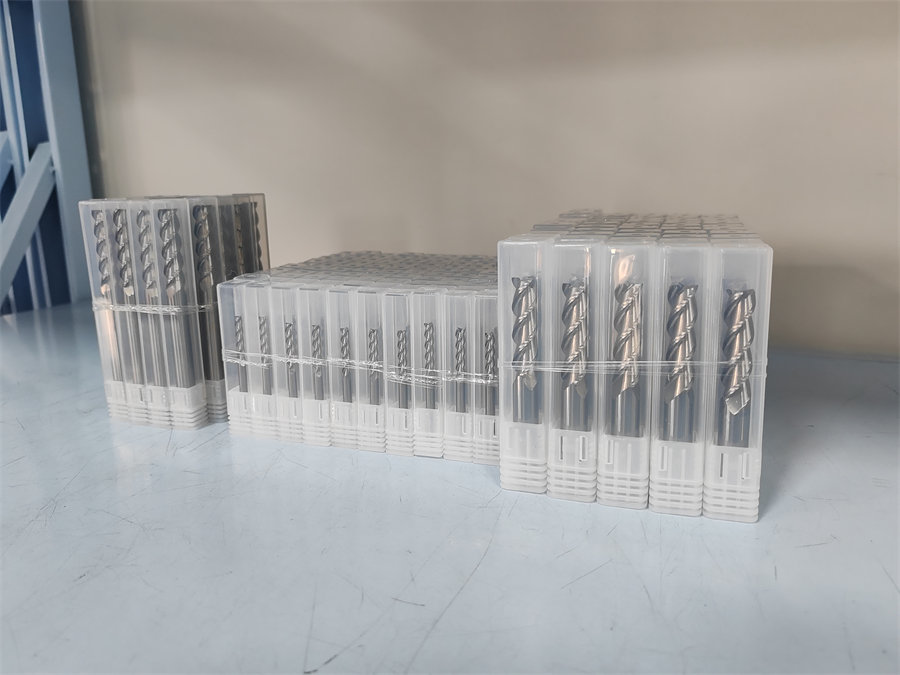
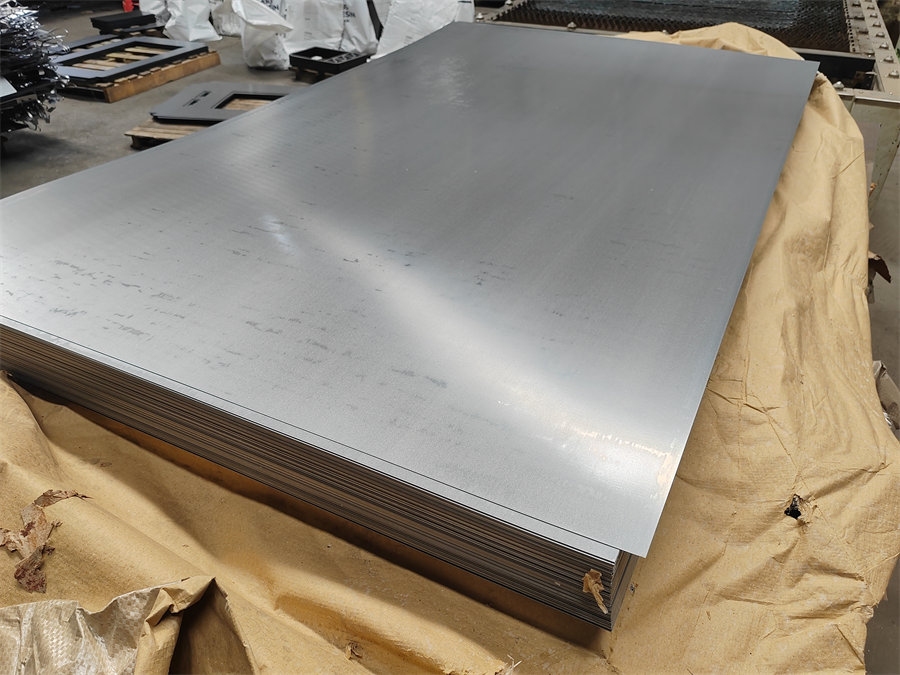
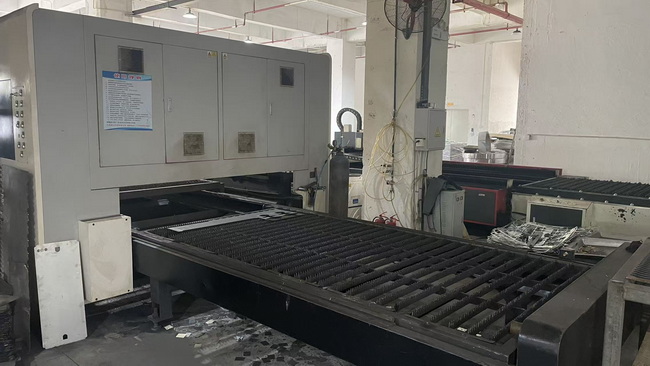
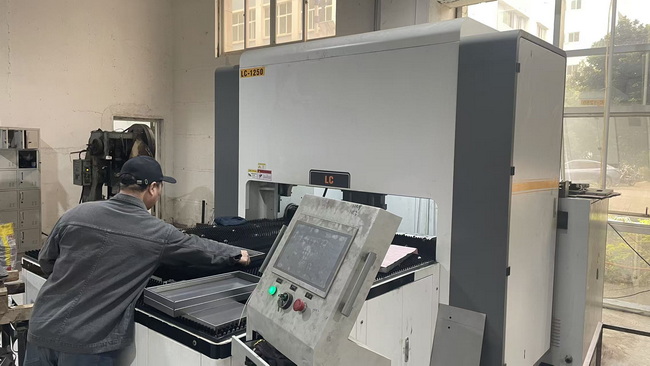
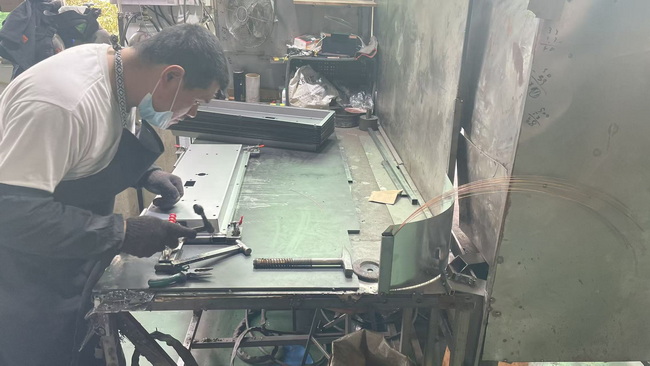

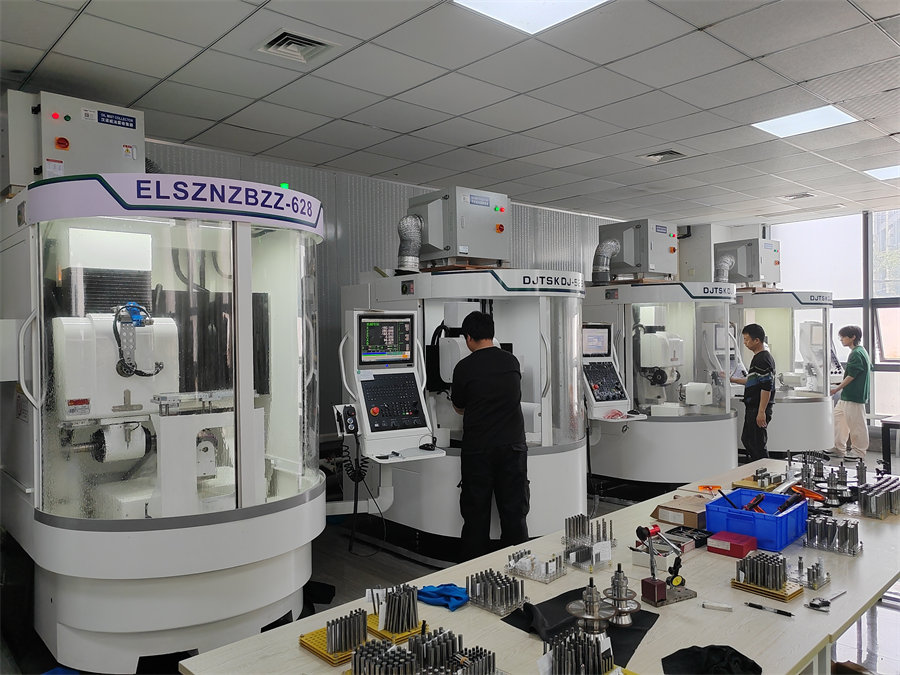
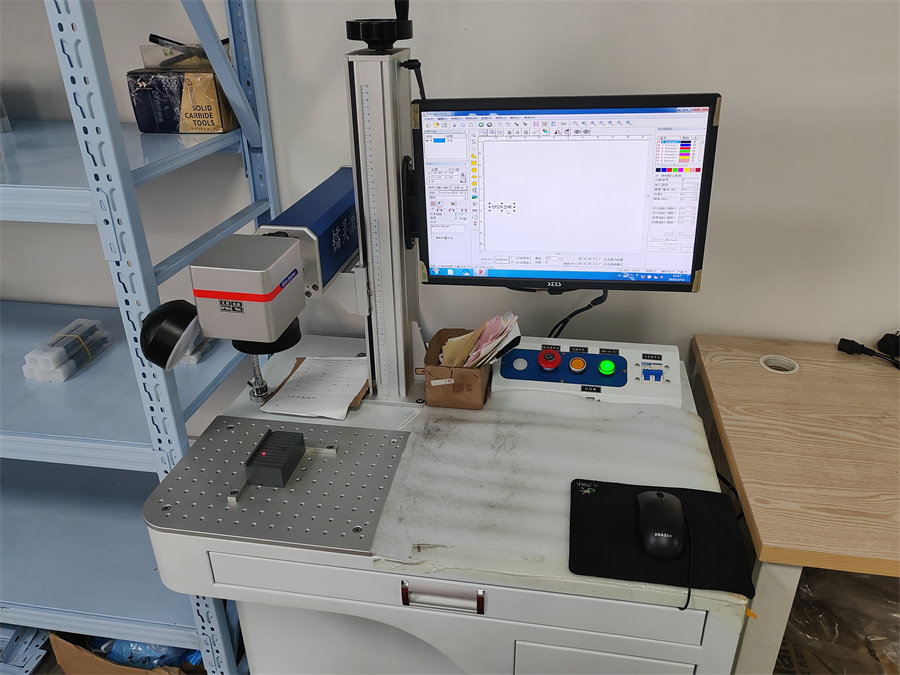
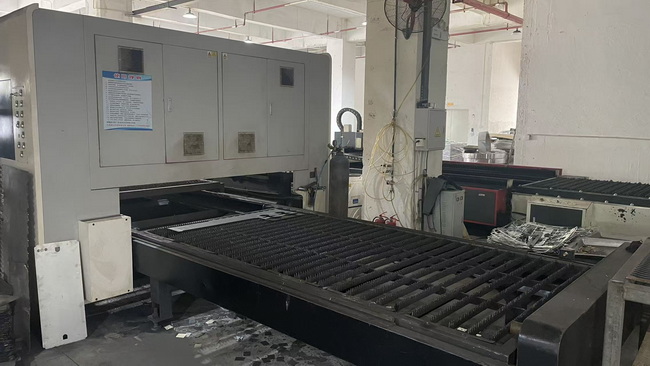
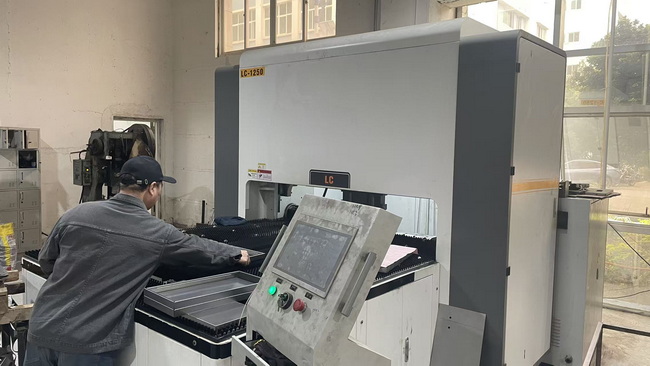
In today's volatile economic climate, manufacturing managers in Chisinau face persistent logistics delays and skyrocketing tooling costs when sourcing exclusively from Western European distributors. Suzhou Tier Tool offers a highly resilient alternative. Operating a direct-from-factory model out of China's premier industrial hub in Suzhou, we guarantee continuous production cycles via optimized logistics, vast raw material reserves, and robust custom manufacturing services.
Our supply chain resilience is built upon three pillars:
Milling keyways requires careful speed and feed optimization, coolant application, and toolpaths. When machining deep slotting profiles in common Moldovan raw materials such as 4140 alloy steel or C45 structural carbon steel, operators should follow these recommendations:
1. Feed Rate Optimization (Feed per Tooth $f_z$): Keyseat end mills have less space for chip clearance than standard end mills. Over-feeding causes instant tool breakage. For a 10mm carbide keyway cutter, a feed rate of 0.02mm to 0.04mm per tooth is recommended, depending on the hardness of the material.
2. Coolant and Chip Flushing: Recutting chips is the primary cause of corner chipping. High-pressure flooded coolant is necessary to wash chips out of the slot. When machining materials prone to thermal shock (like stainless steel), high-pressure air blast combined with minimum quantity lubrication (MQL) is preferred over water-based coolants to maintain stable edge temperatures.
3. Rigidity of Setup: Keep tool overhang as short as possible. A shorter overhang increases static stiffness, which reduces harmonic vibrations that cause wavy keyway walls and poor surface finishes.
 Tier Tool