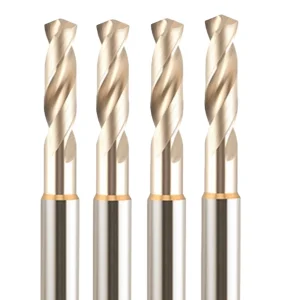
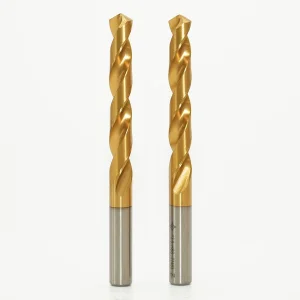
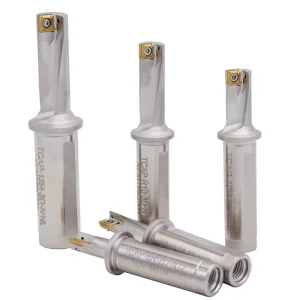
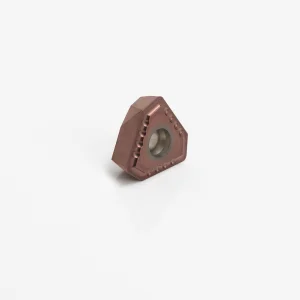
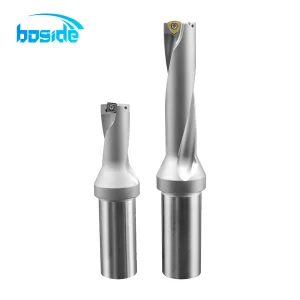
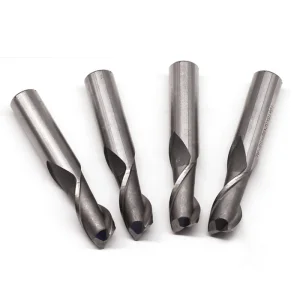
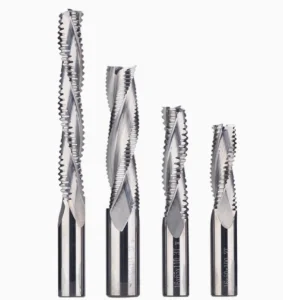
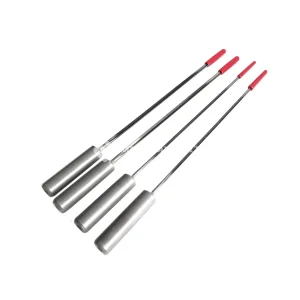
Direct supply from state-of-the-art production lines, engineered to satisfy high-tolerance tooling setups and rigorous metalworking demands.
How technical advancements and material evolution are shaping the next generation of industrial hole finishing operations.
Precision reaming represents the final frontier of micro-tolerance manufacturing. When drilling establishes the initial cavity, it is the reamer that shapes the final geometric cylinder, defining the surface integrity, concentricity, and roundness. Historically, High-Speed Steel (HSS) dominated global manufacturing floors. However, the rise of hard metalworking applications, exotic aerospace alloys (such as Inconel and Titanium), and lightweight automotive compounds has forced a shift toward advanced solid carbide reamers and ultra-hard polycrystalline diamond (PCD) inserts.
Industry research shows the global market is demanding tools that can operate under dry or minimum quantity lubrication (MQL) environments. Modern reamers are now engineered with:
Customizing lead-in angles (commonly 45° for blind holes, and long chamfer designs for through holes) is vital to mitigating structural stress. Leading Chinese factories rely on advanced multi-axis CNC grinders to implement sub-micron geometric corrections on the reaming margins, ensuring maximum longevity and stability.
Key requirements for Tier-1 supply chains: predictable performance, low runout, and verifiable batch-to-batch consistency.
For procurement officers in regions like North America, Western Europe, and Japan, sourcing high-performance reaming tools is not merely a price-per-piece negotiation. It represents a calculation of Total Cost of Ownership (TCO). If a tool fails prematurely in an automated automotive production cell, the downtime costs can easily eclipse the value of the tool a thousand times over.
Global procurers look for premium substrates featuring grain sizes of 0.4μm to 0.6μm and Cobalt contents optimized for structural toughness. This mix keeps the cutting edge sharp without chipping.
A reliable supplier must provide documented evidence of inspection. This includes measuring core runout, concentricity, and flank wear under specialized laser measuring centers before shipping.
Off-the-shelf options rarely satisfy complex setups. Global enterprises prefer partnerships with factories capable of adapting tool geometries to specialized workpiece materials.
A deep look into the structural processes, technical precision, and future vision of a leading Chinese high-tech cutting tool manufacturer.
Suzhou Tier Tool Co., Ltd. was established in 2008 and is a national high-tech enterprise specializing in the design, manufacturing, and technical support of precision solid carbide cutting tools.
Since its foundation, Tier Tool has been deeply committed to the precision machining industry, focusing on delivering high-performance, high-efficiency cutting solutions for hole-making and metalworking applications. Through continuous technological innovation and manufacturing excellence, the company has earned the trust of customers across a wide range of industries worldwide.
To ensure the highest levels of precision and consistency, Tier Tool has invested extensively in advanced manufacturing equipment and production technologies. The company operates multiple imported CNC tool grinding machines and precision inspection systems, enabling complete in-house capabilities from tool design and prototyping to small-batch testing and large-scale production.
Our manufacturing process is built upon strict process control and traceability standards. Every production stage is carefully monitored to ensure repeatability, quality consistency, and reliable delivery performance. Through systematic process management and standardized operating procedures, Tier Tool has established a robust manufacturing system capable of meeting the demanding requirements of modern precision machining.
Quality is the foundation of Tier Tool's long-term success. We adhere to the principle of "Quality First, Continuous Improvement", implementing rigorous quality control procedures throughout the entire production cycle.
From raw material selection and incoming inspection to final product verification, every tool undergoes comprehensive quality checks to ensure it meets strict dimensional, geometrical, and performance requirements. By continuously optimizing our manufacturing and inspection processes, we deliver products that provide exceptional accuracy, reliability, and consistency in real-world machining applications.
We understand that in precision manufacturing, stable quality is not only a requirement but also the key factor that determines our customers' productivity and competitiveness.
At Tier Tool, we believe that supplying cutting tools is only the beginning of our partnership with customers. Beyond delivering products, we provide comprehensive technical support and application engineering services to assist customers in optimizing their manufacturing processes.
Our technical specialists work directly with customers to analyze machining conditions, recommend suitable tooling strategies, and develop solutions that maximize efficiency, reliability, and cost-effectiveness. By understanding our customers' production goals and competitive challenges, we strive to become a trusted long-term manufacturing partner rather than simply a tooling supplier.
Looking ahead, Suzhou Tier Tool Co., Ltd. will continue to focus on the development of high-performance carbide cutting tools and deepen its expertise in automotive, aerospace, precision engineering, and advanced manufacturing industries.
Driven by professionalism, innovation, and customer commitment, we are dedicated to creating greater value for our customers through reliable products, flexible services, and advanced manufacturing technologies. Tier Tool will continue to grow as a trusted global partner in precision cutting solutions, helping customers achieve higher productivity, better quality, and stronger competitiveness in an ever-evolving manufacturing world.
Verifiable industrial strength: photographic documentation of our advanced machining, testing, logo marking, and raw material handling facilities.
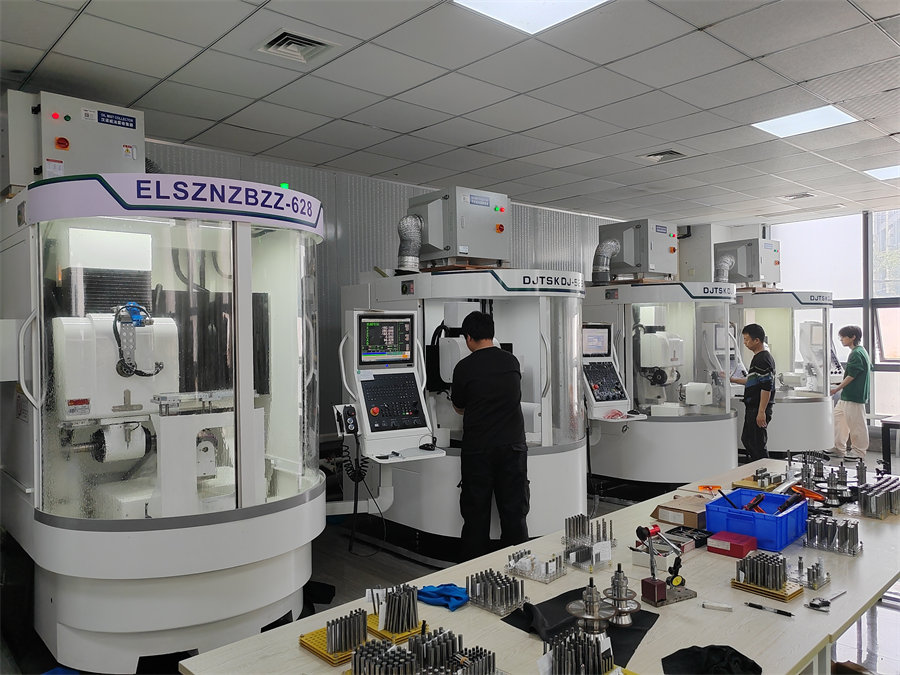 Machining
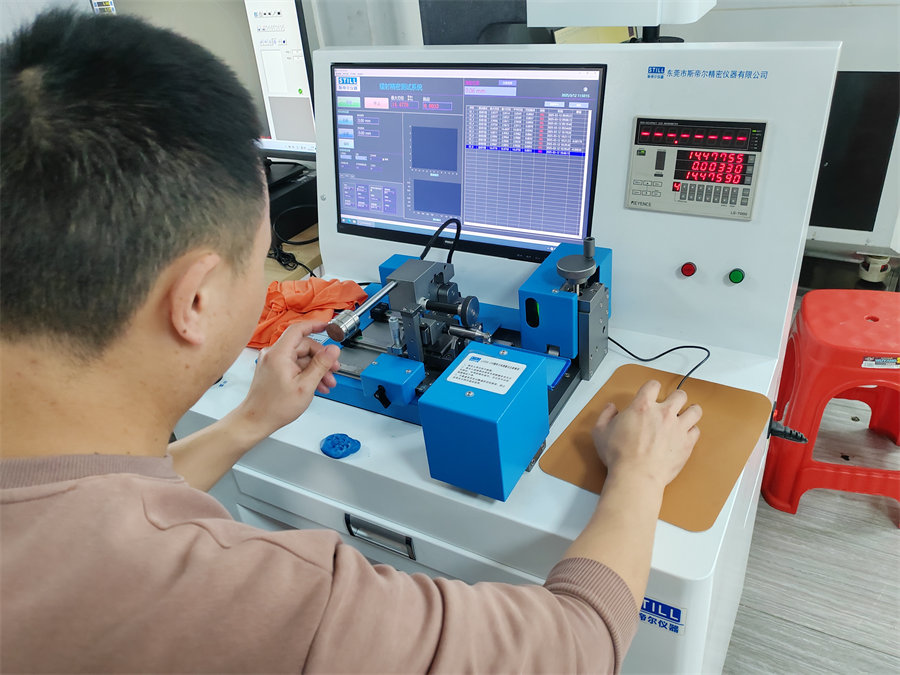 Inspecting
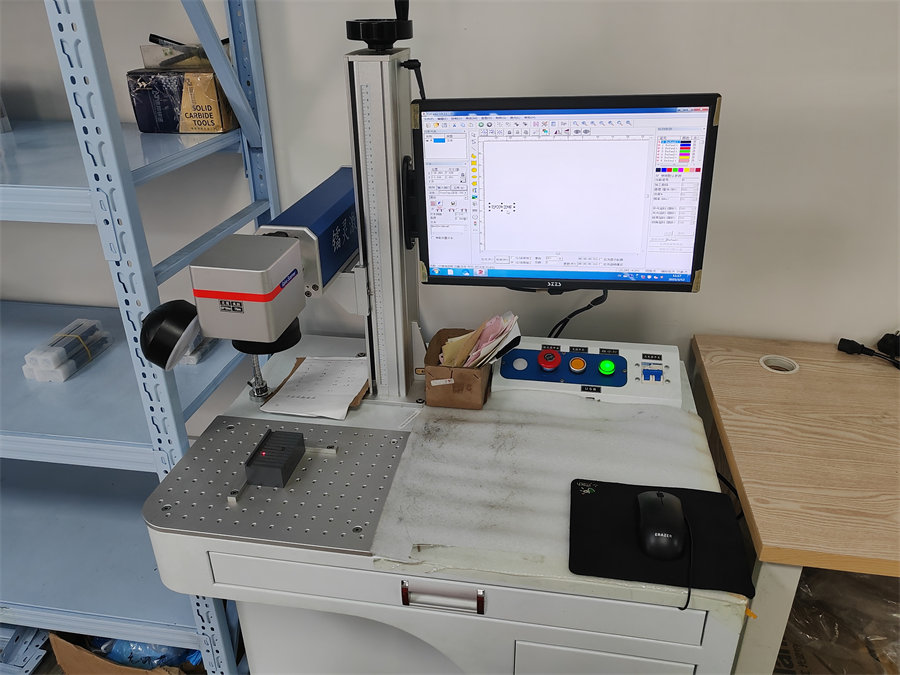 Logo Marking
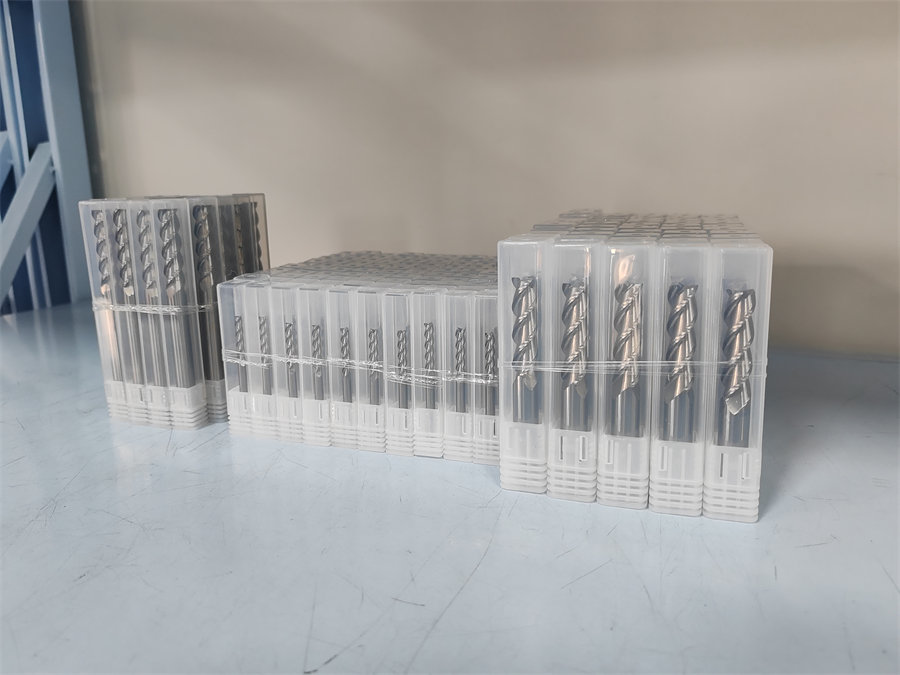 Packaged Products
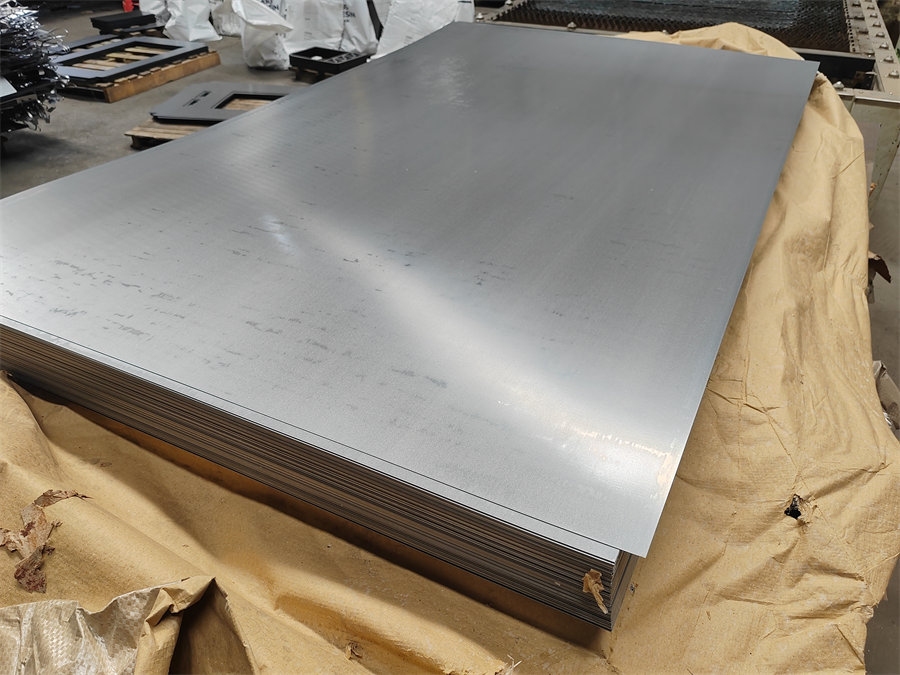 Steel Sheets
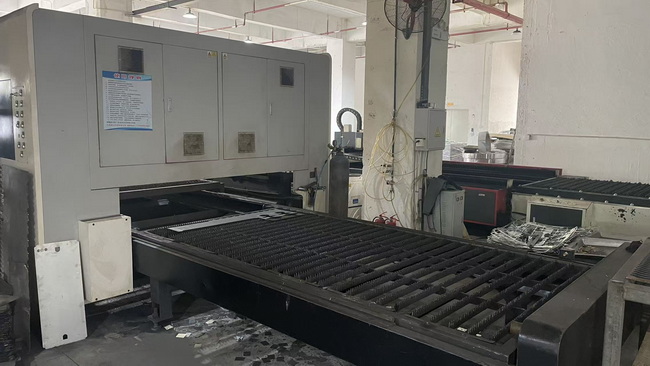 Laser Cutting
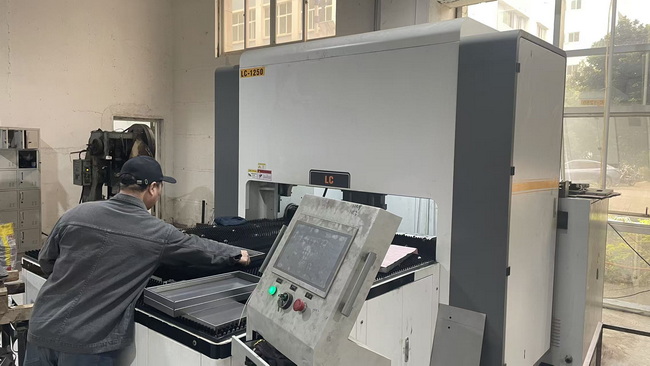 Bending
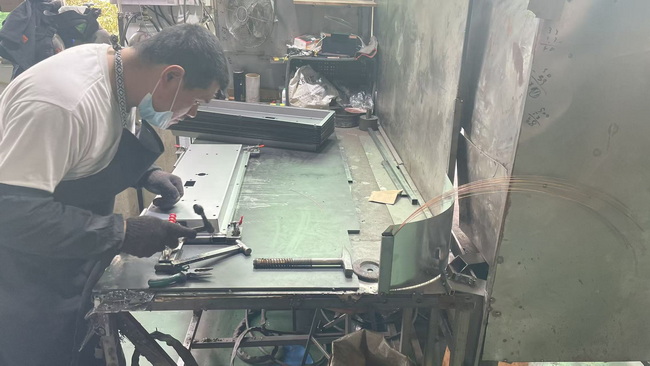 Welding
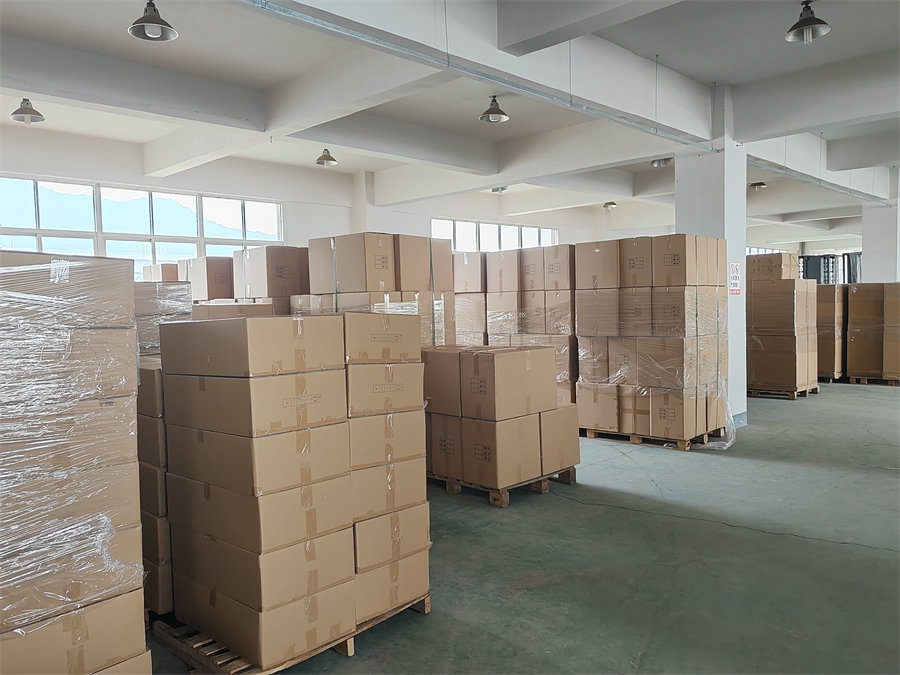 Packaged Products
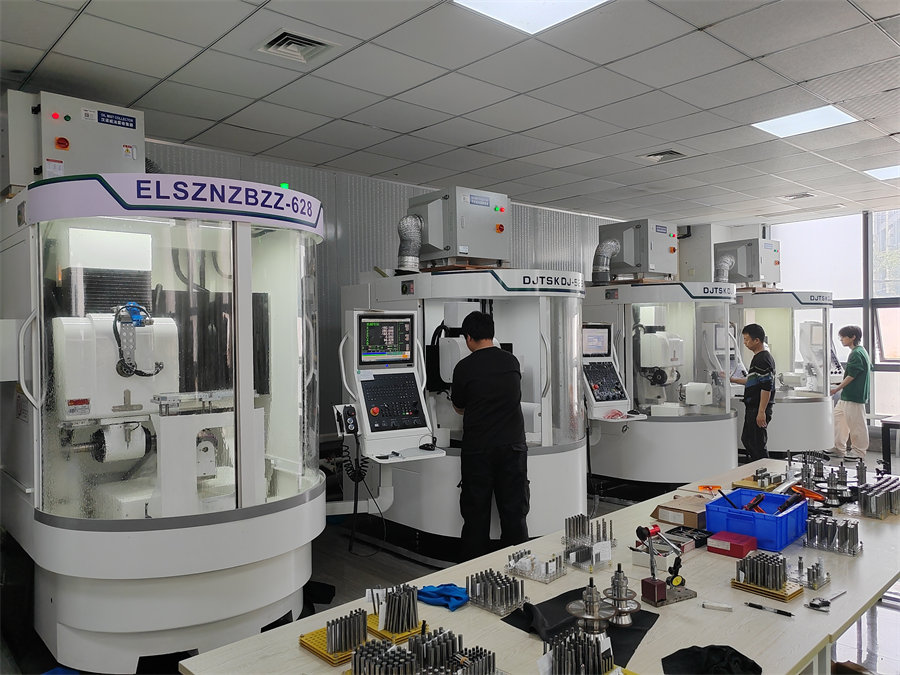 Machining Machine
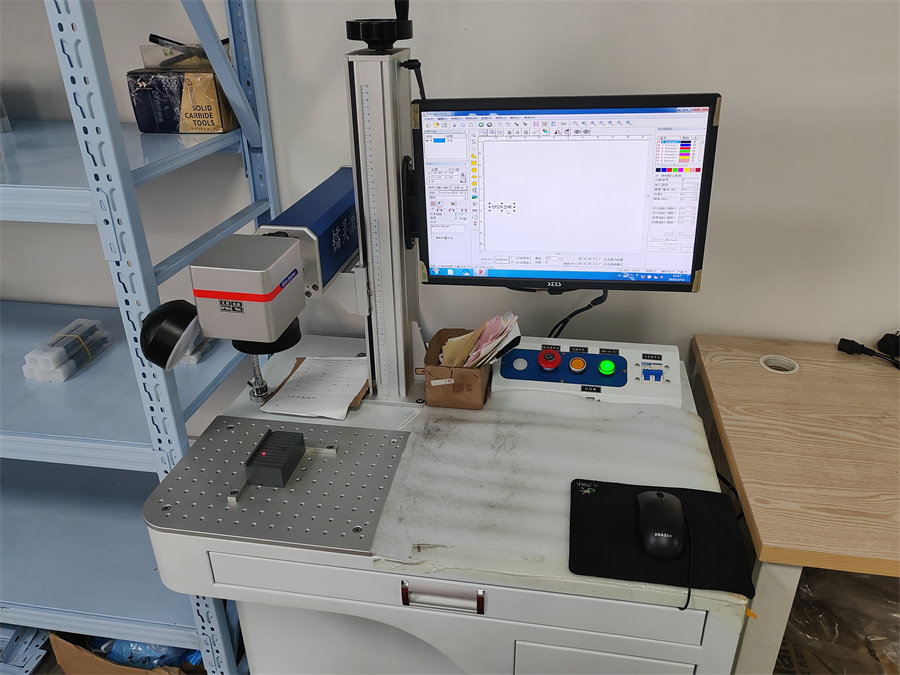 Logo Marking Machine
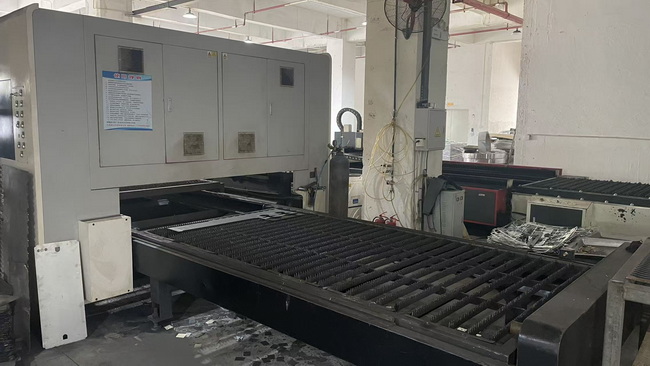 Laser Cutting Machine
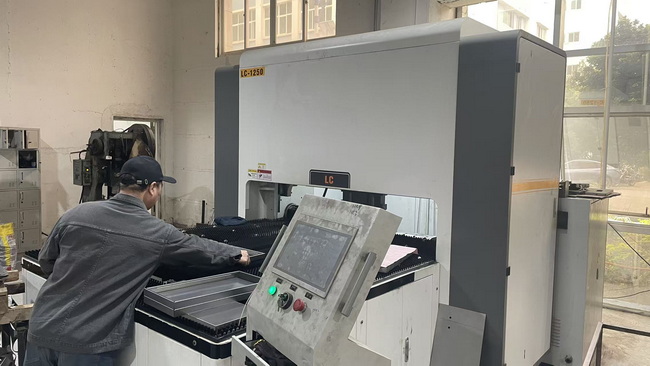 Bending Machine
Evaluating the role of custom reamers in critical manufacturing settings worldwide.
Precision reaming performs a key role across major industries, where a variance of a few microns can be the difference between operational success and mechanical failure.
In modern internal combustion engines and hybrid transmissions, control valve bodies and cylinder head guide bores require tolerances tight enough to prevent pressure loss. The combination of variable-flute geometry and polished steps enables high-speed single-pass reaming of valve guides. This allows manufacturers to hit critical roundness targets and achieve surface finishes of Ra 0.2μm in high-silicon cast aluminum.
Titanium and structural alloys like Inconel 718 present significant challenges for tool longevity. Specialized carbide reamers with AlTiN nano-coatings and radial coolant channels manage the heat and work-hardening characteristic of these alloys, securing structural tolerances for structural components.
Surgical implants, including titanium bone plates and cobalt-chrome hip joints, require highly smooth surfaces and clean finishes to promote biocompatibility. Micro-reamers with customized margins prevent tool deflection, protecting the dimensional integrity of critical components.
Expert technical answers addressing core design, engineering challenges, and purchasing practices in high-precision hole finishing.
Explore our deep-hole, indexable, and multi-fluted solid tools, engineered to support complex CNC metalworking processes.
 Tier Tool