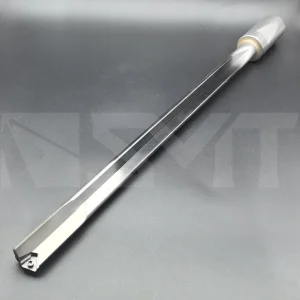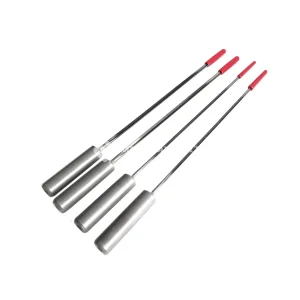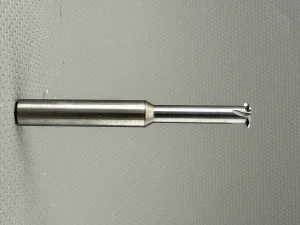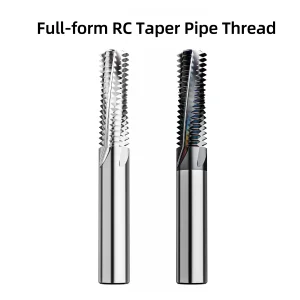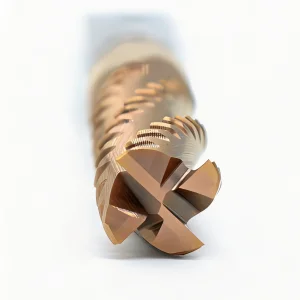
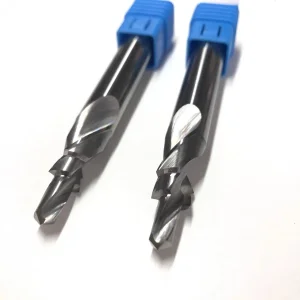
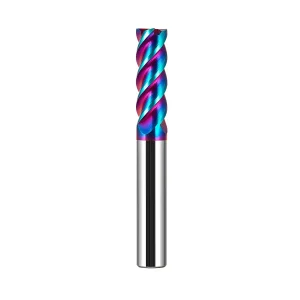
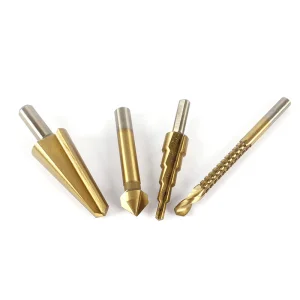
In the contemporary high-precision machining ecosystem, edge preparation is no longer merely a cosmetic final step. It is a critical engineering requirement that governs the fatigue life, stress distribution, safety, and assembly ergonomics of mechanical parts. Chamfer mills are specialized rotary cutters designed to generate beveled edges, prepare components for welding, remove burrs, and execute precise V-groove cuts. From high-volume automotive production lines to high-tolerance aerospace engineering, the demand for stable, predictable, and long-lasting chamfering tools is growing exponentially.
Historically, manual deburring dominated factories. However, as high-speed machining (HSM) and automated CNC systems became industry standards, manual processes proved to be costly bottlenecks that introduced human error. Modern manufacturers rely on automated CNC chamfering processes where tool geometry, raw material substrate quality, and wear-resistant coatings determine the productivity and cost-per-part of the entire operation. Choosing the right chamfer mill factory and supplier is therefore a key strategic sourcing decision for engineering procurement teams globally.
Established in 2008, Suzhou Tier Tool Co., Ltd. is a certified national high-tech enterprise specializing in the design, engineering, manufacturing, and global technical support of premium precision solid carbide cutting tools. Over more than a decade and a half of focused growth, we have transformed from a regional tool grinding shop into a fully integrated, state-of-the-art manufacturing facility delivering high-performance, high-efficiency cutting solutions for hole-making, milling, and specialized profiling applications worldwide.
Our corporate philosophy is rooted in technical specialization and vertical process integration. We operate in Suzhou, one of China's most advanced manufacturing hubs, giving us access to highly skilled engineers, premium raw material suppliers, and robust logistics infrastructure. Tier Tool serves a diverse portfolio of international clients in sectors where tooling failure is not an option: automotive drivetrain components, commercial aerospace structural assemblies, medical device manufacturing, and high-volume consumer electronics packaging.
Utilizing high-precision multi-axis CNC tool grinding machines from Germany and Switzerland to achieve sub-micron geometrical accuracy and repeatable tolerances.
Every single production batch undergoes 100% optical and physical inspection using advanced optical metrology systems to guarantee zero dimensional deviation.
We work directly with your engineering and manufacturing teams to tailor specific geometries, flute counts, helix designs, and coatings to your target substrates.
The manufacturing capabilities of Suzhou Tier Tool Co., Ltd. are designed to support fast-turnaround prototyping and large-scale industrial orders. To guarantee the structural stability and impact resistance of our tools, we source premium micro-grain and nano-grain tungsten carbide substrates with cobalt contents optimized for specific mechanical stress profiles (typically ranging from 10% to 12% Co). This ultra-fine grain matrix provides a balanced combination of high hardness and superior transverse rupture strength, preventing micro-chipping along the cutting edge during continuous production runs.
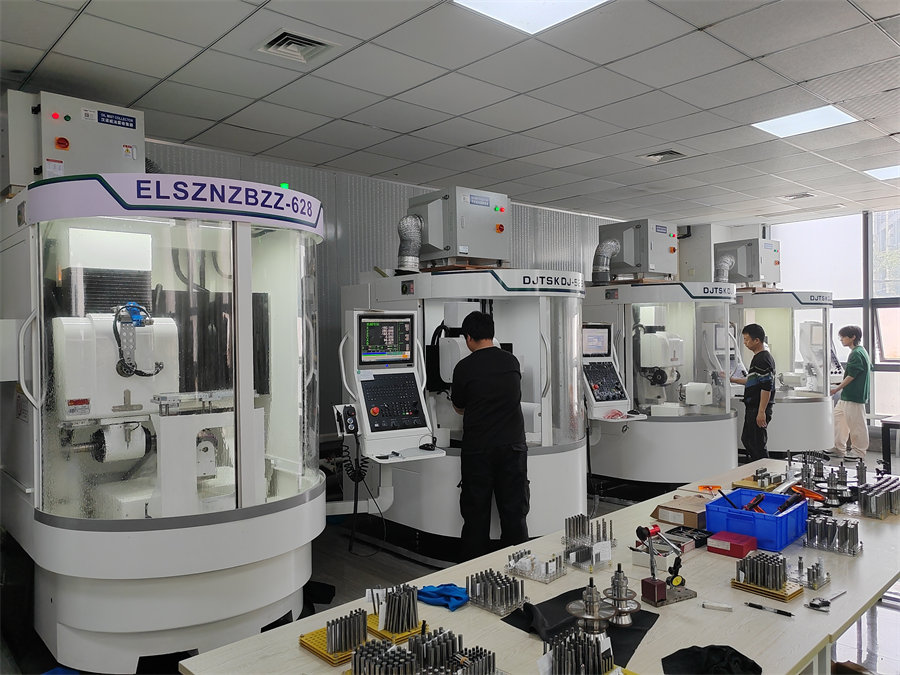
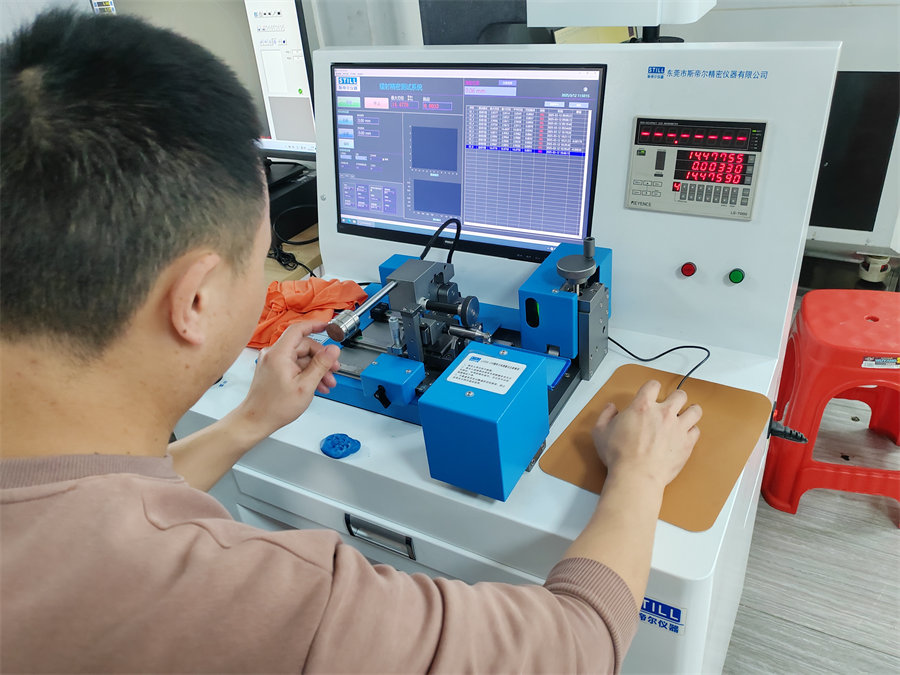
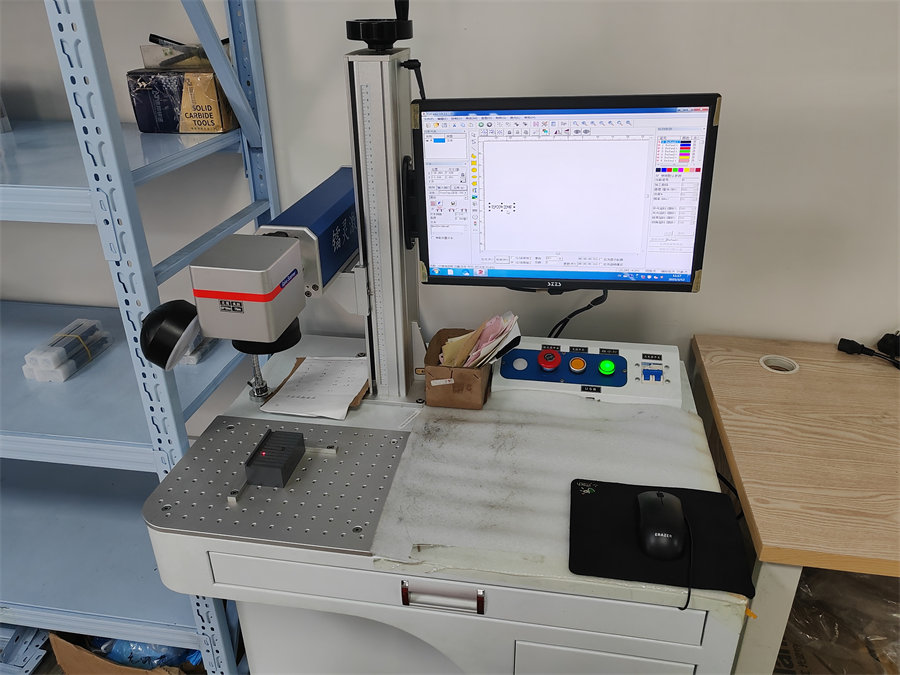
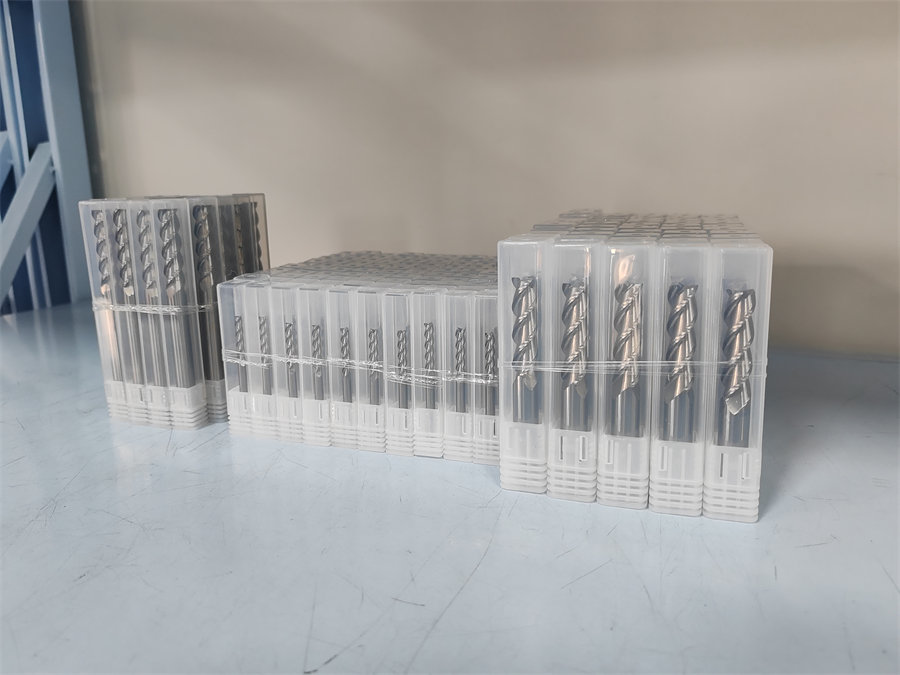
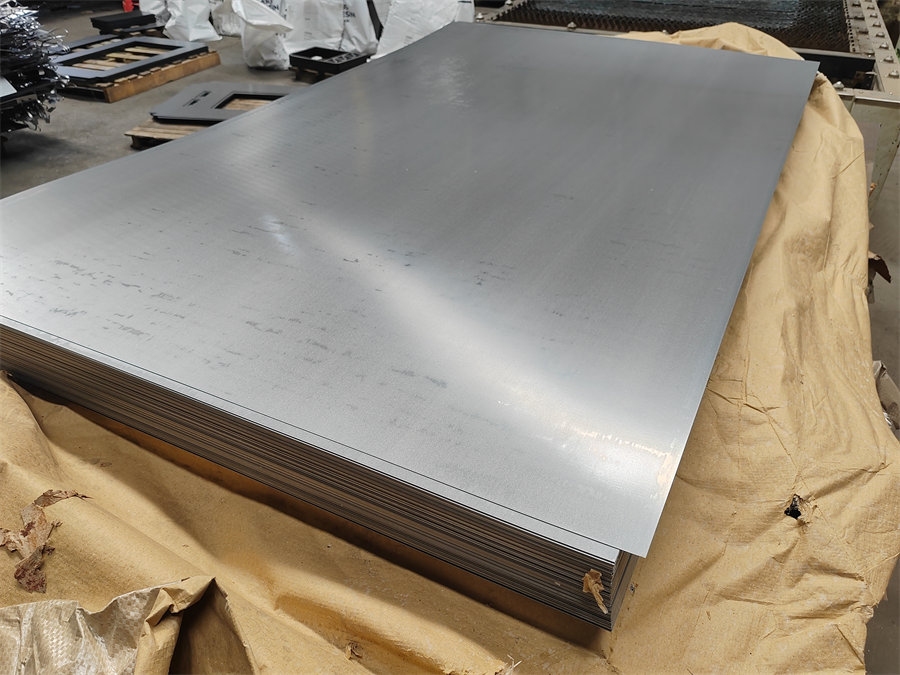
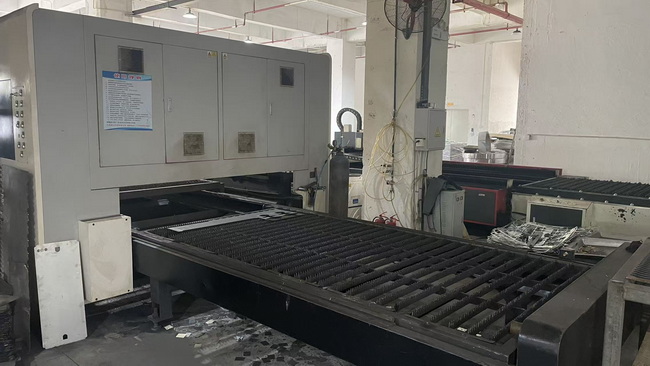
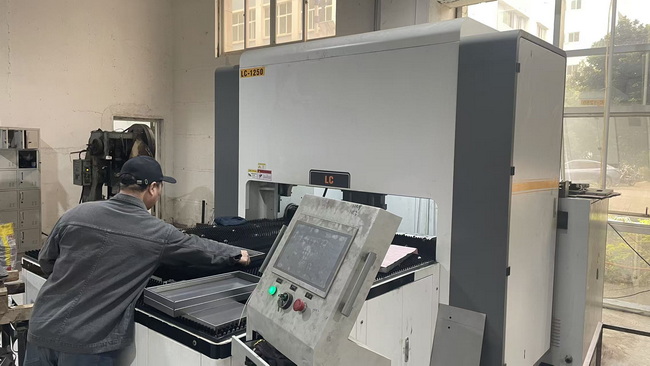
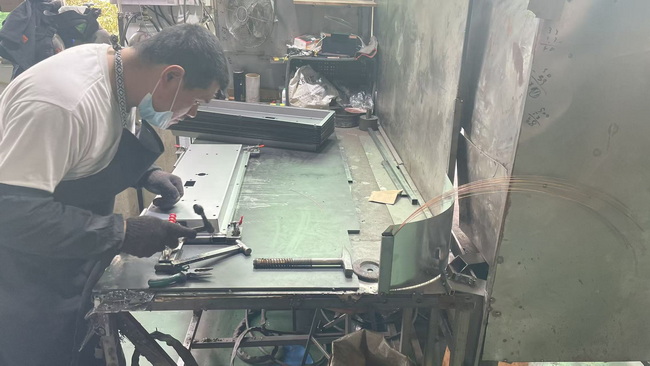
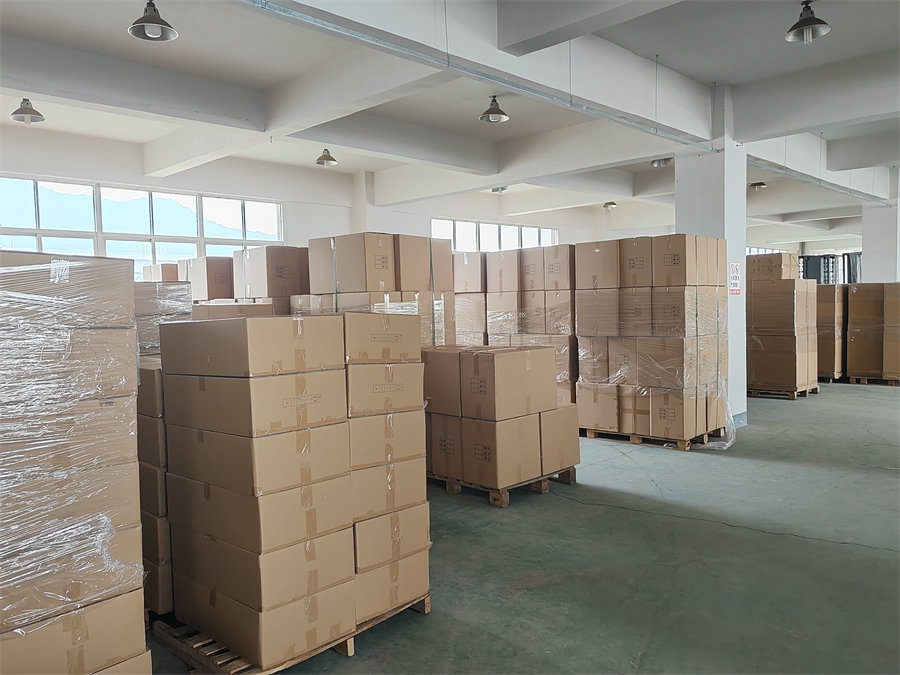
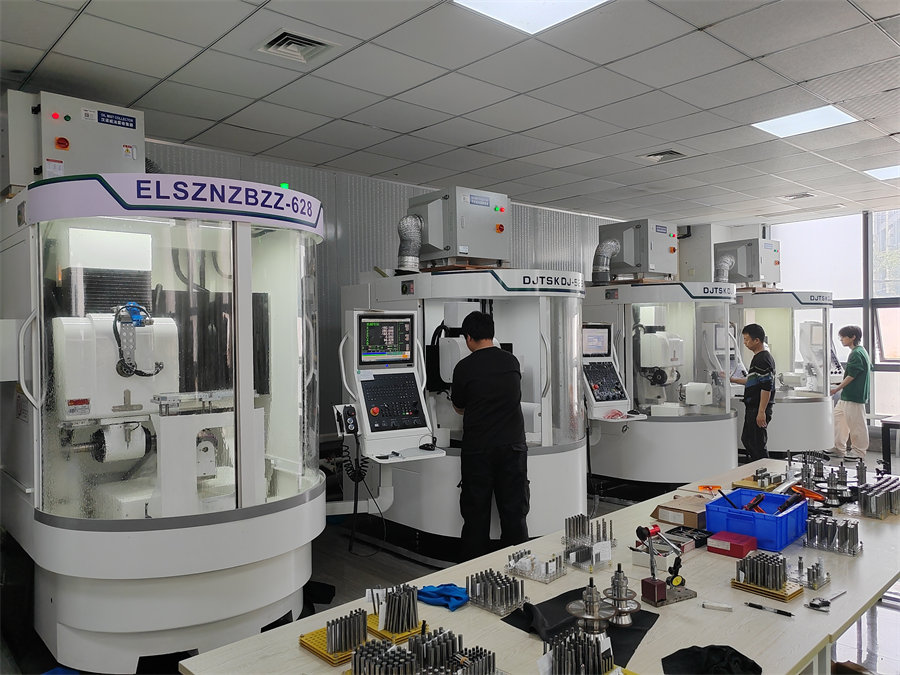
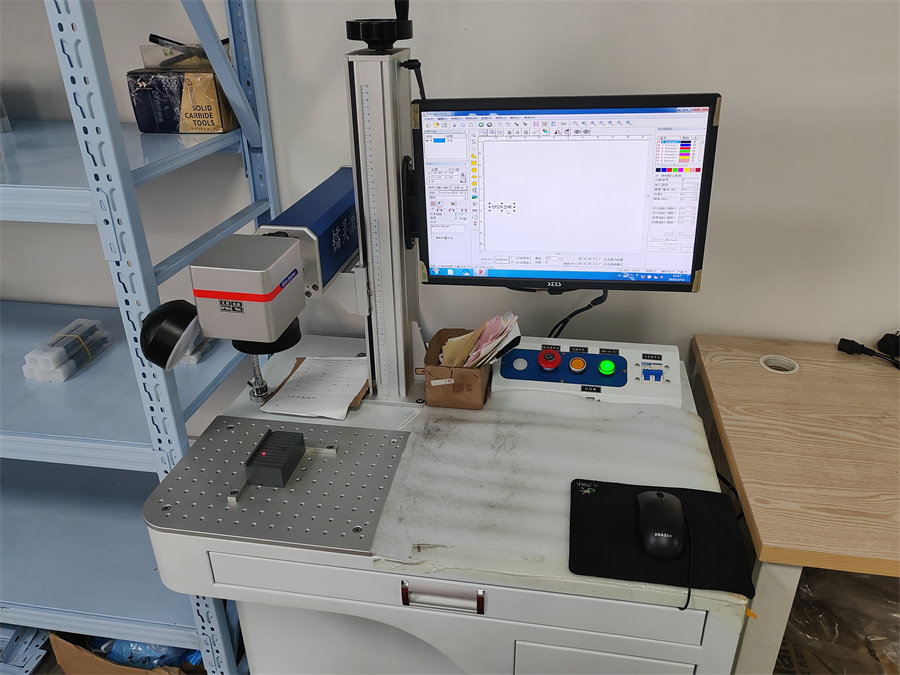
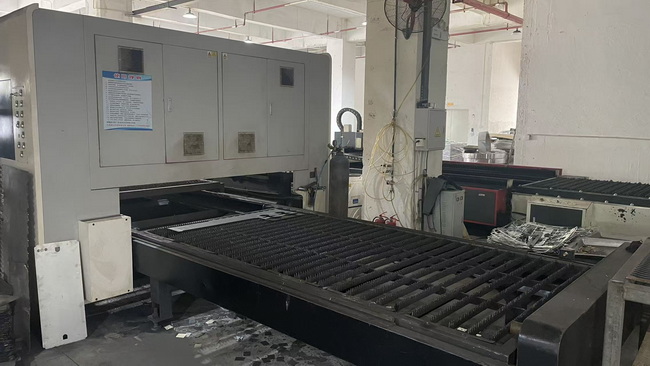
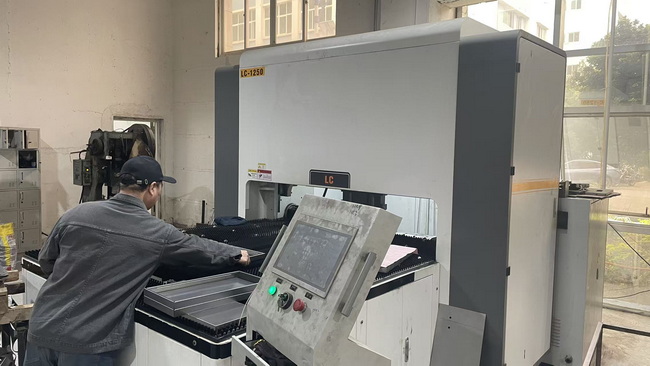
Our workflow transitions seamlessly from initial CAD blueprinting and simulation of chip evacuation patterns to automated CNC grinding, chemical vapor deposition (CVD) or physical vapor deposition (PVD) coating, and final optical inspection. This rigorous vertical process model prevents the common dimensional inconsistencies associated with outsourced operations, providing global purchasing managers with peace of mind regarding batch-to-batch repeatability.
Precision solid carbide chamfer mills from Suzhou Tier Tool are widely deployed across challenging localized manufacturing operations. Different industries require distinct tool configurations to optimize throughput and cycle efficiency:
In engine block assembly lines (often using cast iron or cast aluminum alloys like ADC12), chamfer mills are used to prepare tapped holes and debur cylinder bore intersections. High-speed, multi-flute carbide chamfer tools with AlTiN coatings are ideal here, allowing high table feed rates and preventing built-up edge (BUE) on aluminum workpieces.
Aerospace components machined from solid blocks of Titanium (Ti-6Al-4V) or Aerospace-grade Aluminum (7075-T6) demand exceptional tool geometry. Interrupted cuts and high-speed contours require tools with sharp, honed edges and variable helix configurations to minimize harmonic vibration and chatter, ensuring a pristine finish on critical structural sections.
Machining orthopedic bone plates, surgical instruments, and implant casings from medical-grade stainless steel (316L) or cobalt-chrome alloys requires extremely sharp cutting tools. Tier Tool's micro-grain carbide substrates and customized geometries provide the high wear resistance needed to maintain precise angles under slow, high-torque conditions, eliminating micro-burrs that could lead to surgical complications.
For smart device aluminum casings and hardened tool steel injection molds (up to HRC65), tool dimensional consistency is paramount. Specialized multi-flute micro-chamfer cutters with highly polished flutes facilitate rapid chip evacuation, leaving a mirror-like finish that reduces subsequent manual polishing steps.
One of the primary advantages of partnering with a leading manufacturer like Suzhou Tier Tool is the resilience and completeness of the Chinese industrial supply chain. China's integrated tooling manufacturing clusters offer significant operational advantages over fragmented supply models:
1. Raw Material Sourcing Stability: China is home to some of the world's largest tungsten mining, refining, and sintering operations. This ensures that even during global logistics bottlenecks or political instability, Tier Tool has uninterrupted access to high-purity tungsten carbide powders and sintered rods, keeping our production lead times stable and predictable.
2. Rapid Prototyping and Scale: The proximity of raw materials, CNC machining systems, coating facilities, and specialized logistics providers in the Yangtze River Delta region allows Tier Tool to design, manufacture, coat, and ship custom-engineered tools in a fraction of the time required by Western tool manufacturers.
3. Advanced Coating Infrastructure: Access to the latest physical vapor deposition (PVD) and chemical vapor deposition (CVD) coating systems enables us to apply high-adhesion AlTiN, TiAlN, DLC (Diamond-Like Carbon), and multilayer composite coatings locally, reducing processing lead times and lowering manufacturing costs.
As modern machining envelopes push towards higher speeds, hotter cutting zones, and tougher workpiece materials, tool design must adapt. Tier Tool's engineering department maintains an active technical development roadmap focused on three key innovation areas:
By varying the helix angles and flute pitch slightly, we break up recurring harmonics during high-speed cutting. This drastically reduces tool chatter and enhances surface quality on deep profiles.
We are investing heavily in Silicon-doped nanocomposite coatings (like TiAlSiN), which form a protective glass-like amorphous silica layer at temperatures exceeding 1000°C. This protects the underlying carbide from thermal oxidation during dry machining.
Through advanced brushing and drag finishing processes, we microscopically round the cutting edge (5µm to 15µm radius). This eliminates micro-fractures, strengthens the edge, and increases overall tool longevity.
To operate seamlessly in global markets, Suzhou Tier Tool maintains full alignment with international standards and manufacturing directives. Our production facilities operate under ISO 9001:2015 quality management systems, ensuring that every tool design, raw material batch, and inspection process is fully documented and traceable.
For custom engineering projects, we provide complete CAD/CAM support, offering step-by-step verification files, simulation reviews, and technical feedback. By analyzing details such as the host machine spindle type, coolant capabilities, and clamping rigidity, our application engineers help clients select the optimal tools and cutting parameters. This collaborative approach minimizes trial-and-error cycle times and helps optimize overall manufacturing efficiency.

 Tier Tool