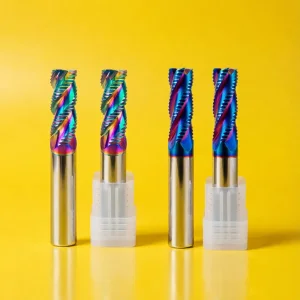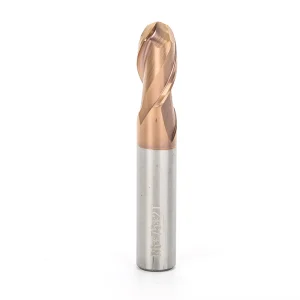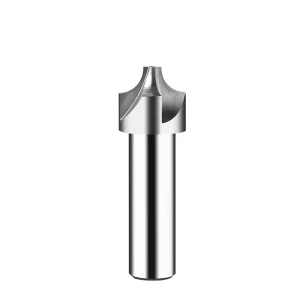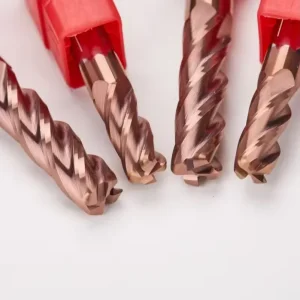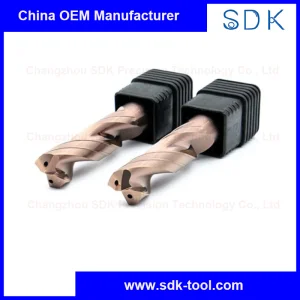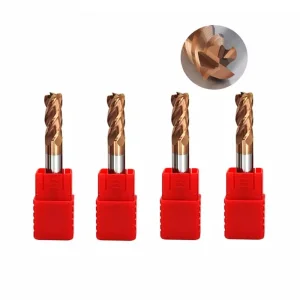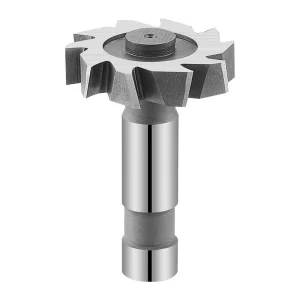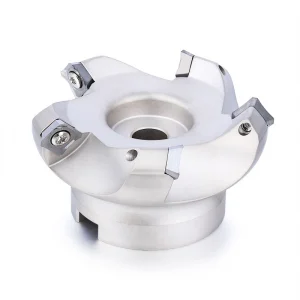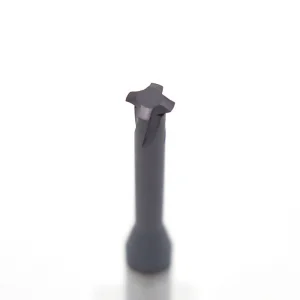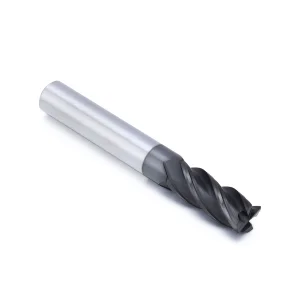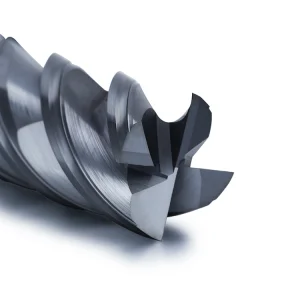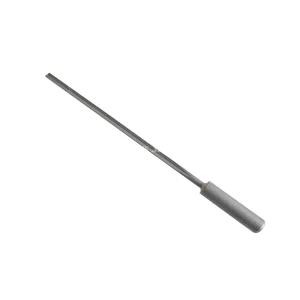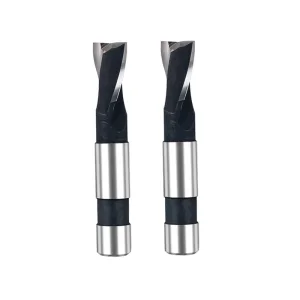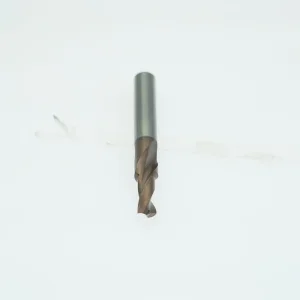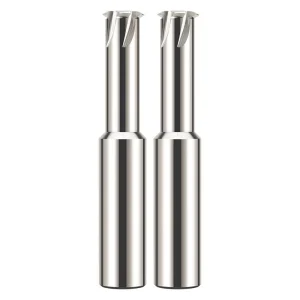
The manufacturing sector is undergoing an aggressive transformation driven by high-performance materials. Superalloys, carbon fiber reinforced polymers (CFRP), high-silicon aluminum alloys, and technical ceramics have become standard in aerospace, automotive, and electronics industries. Standard tungsten carbide cutting tools fall short when machining these ultra-abrasive substrates due to rapid abrasive wear. Consequently, the global tool market is increasingly turning to CVD (Chemical Vapor Deposition) Diamond Coated Tools and PCD (Polycrystalline Diamond) tools to maintain cost-efficiency and precision at scale.
Unlike standard physical vapor deposition (PVD) coatings like TiN or AlTiN, CVD diamond coatings feature crystalline sp3 hybridized carbon networks identical to natural diamonds. This structure yields a microhardness exceeding 80–100 GPa. Furthermore, diamond possesses high thermal conductivity (exceeding 1000 W/m·K), which prevents localized heat buildup by channeling thermal energy directly into the chips instead of the cutting edge. This combination is essential for high-speed machining (HSM) setups where dry cutting is required to maintain structural integrity in composite laminates.
Suzhou Tier Tool Co., Ltd. was established in 2008 and is a national high-tech enterprise specializing in the design, manufacturing, and technical support of precision solid carbide cutting tools. Over the past decade and a half, Tier Tool has focused on high-performance cutting solutions for hole-making, milling, and customized profile applications.
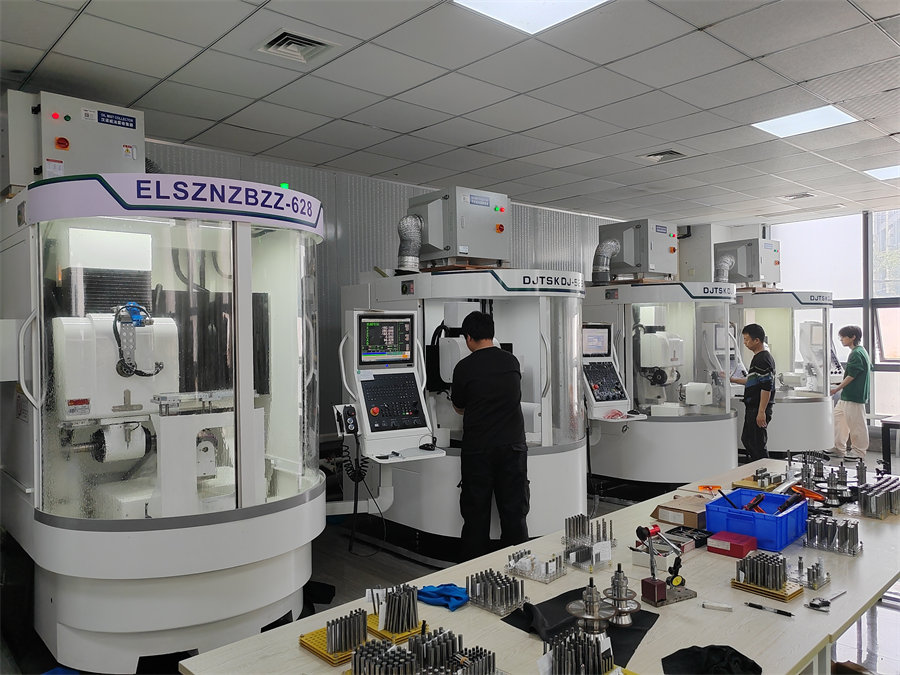
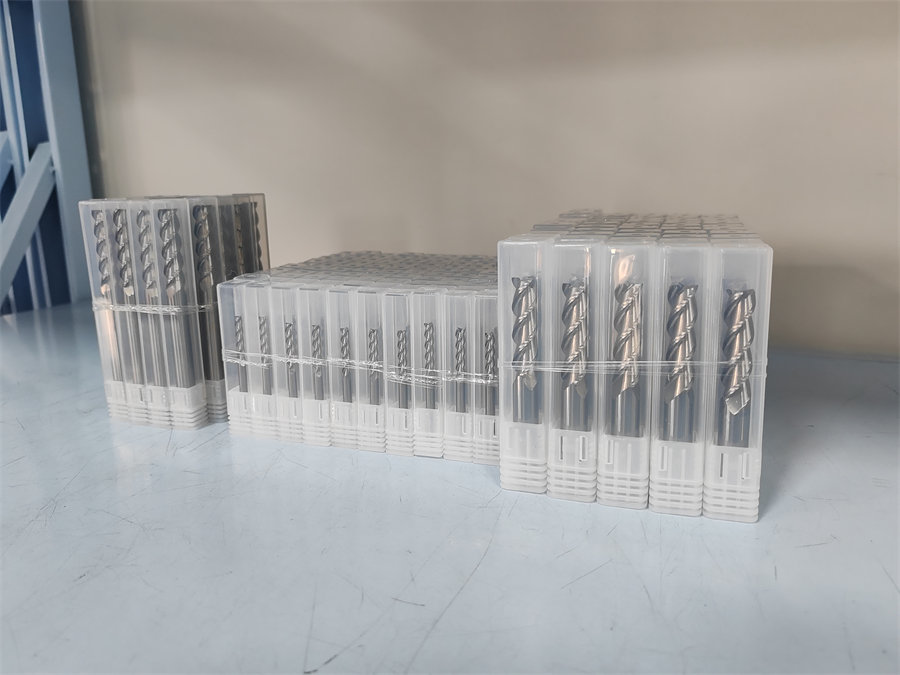
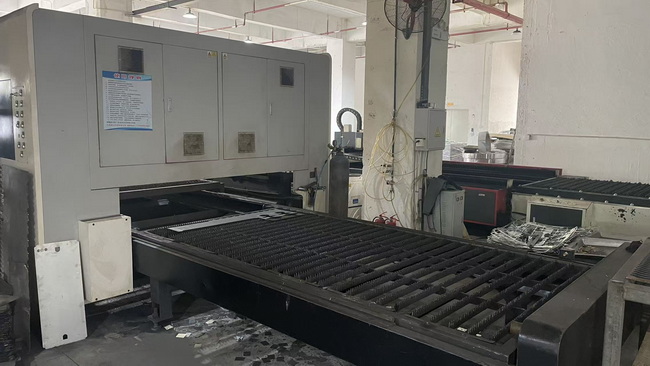
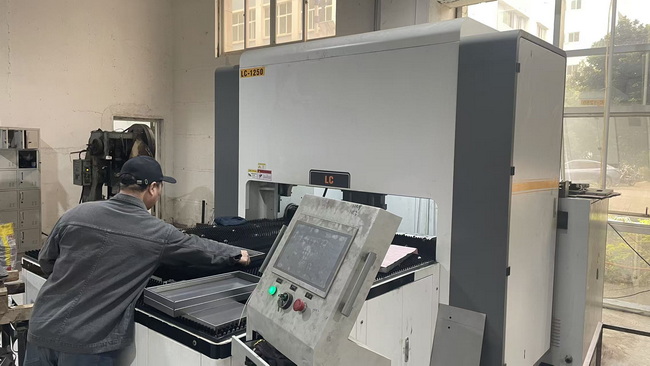
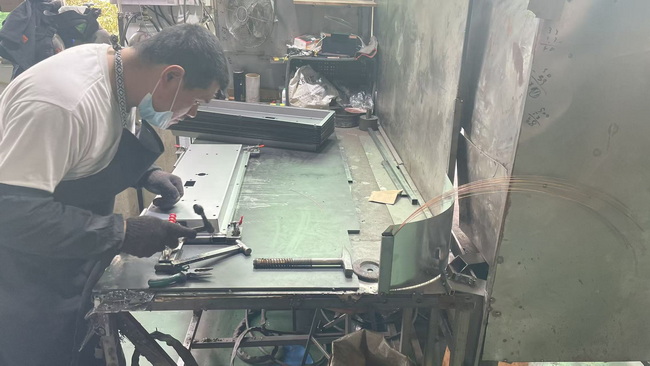
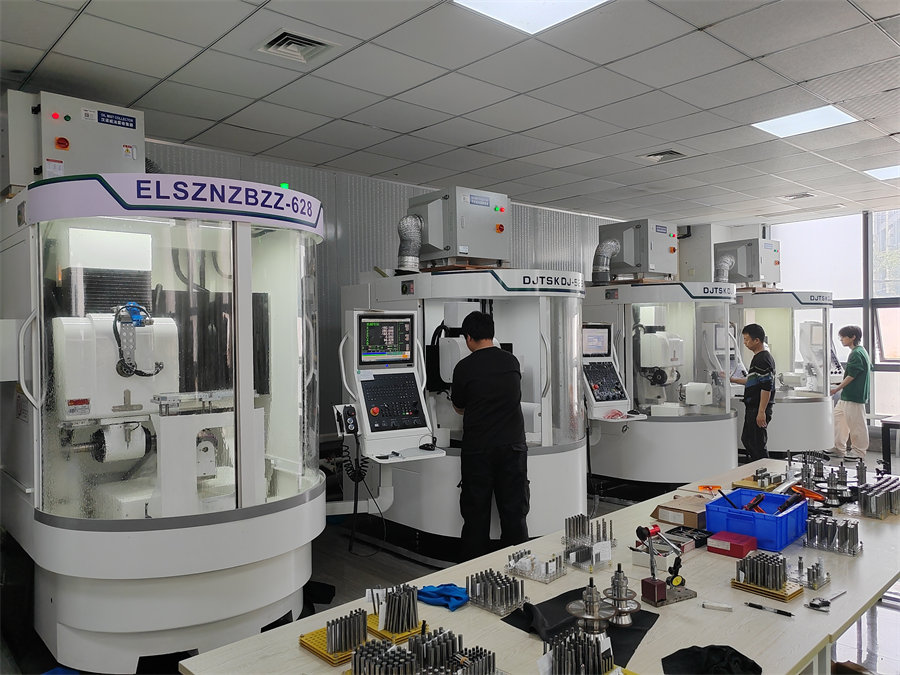
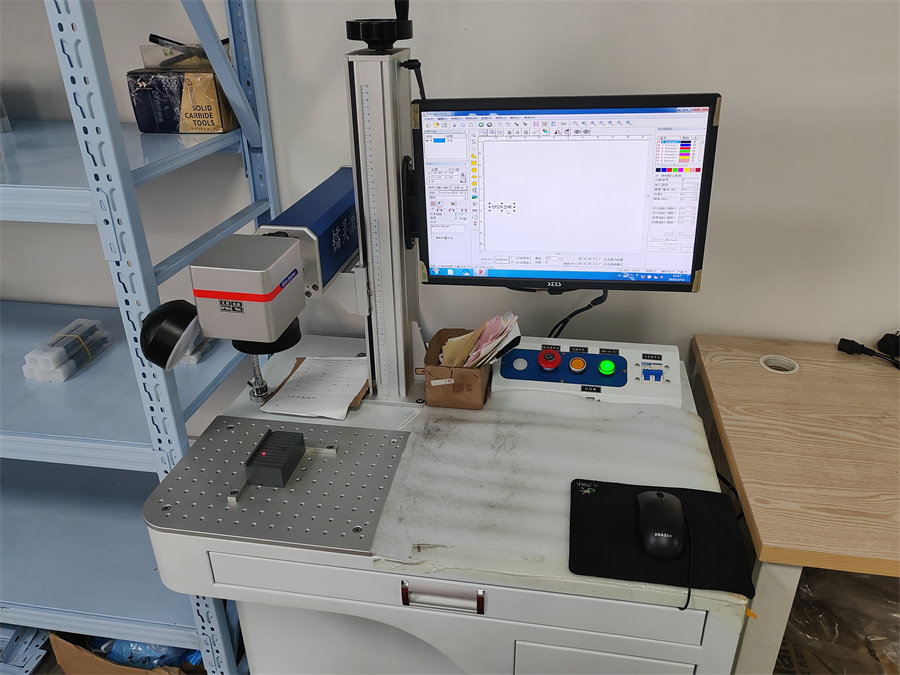
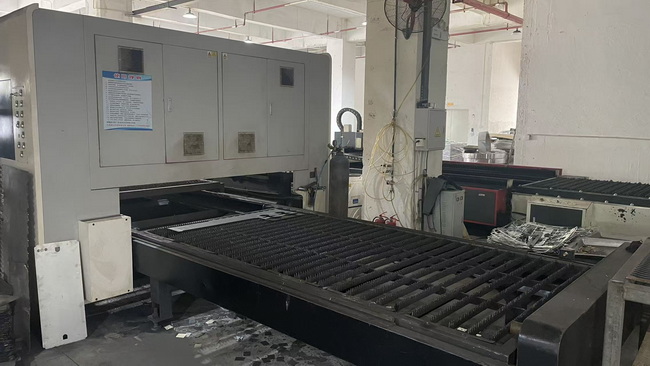
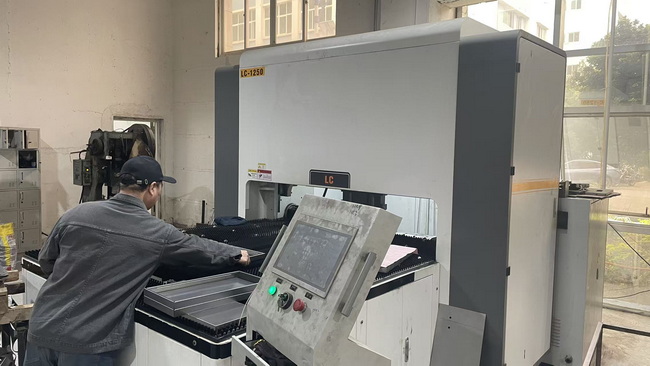
Operating out of a modern facility equipped with high-precision CNC tool grinding centers, Tier Tool handles the entire tool lifecycle: design, prototyping, small-batch verification, and high-volume manufacturing. By strictly adhering to international manufacturing standards, Tier Tool provides stable cutting tools for both regional assembly lines and international distributors.

A primary challenge with diamond-coated tools is coating adhesion. Because tungsten carbide substrates contain cobalt (typically 6% to 10% as a binder phase), the presence of metallic cobalt at the surface acts as a catalyst for graphite formation instead of diamond during the CVD process. If left untreated, this results in poor adhesion and catastrophic coating delamination during operation.
Selecting high-purity tungsten carbide powders with low cobalt content (under 6%) to minimize internal stress and maximize the substrate's adhesion potential.
Applying a combination of microcrystalline and nanocrystalline diamond layers in hot-filament CVD reactors to balance coating toughness and surface smoothness.
Polishing the rake face to reduce friction coefficients below 0.08, preventing chip build-up (BUE) and improving chip evacuation in deep-cavity milling.
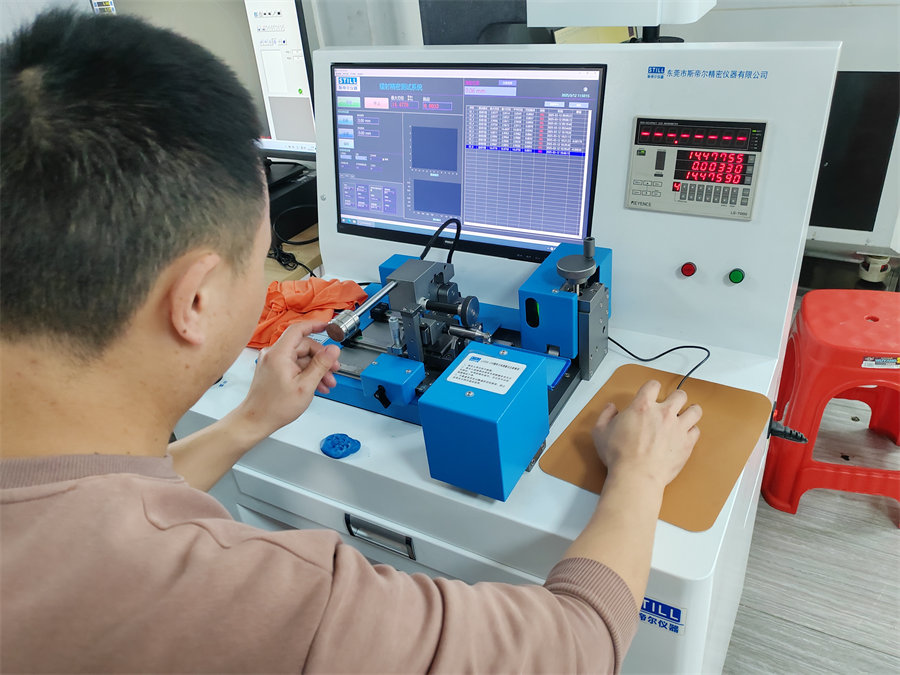
Consistent quality is critical in automated precision manufacturing. Every batch produced by Suzhou Tier Tool is subjected to strict verification protocols. Dimensions are measured using non-contact optical metrology systems, ensuring tolerances are held within ±0.002mm.
In addition, coating adhesion and thickness are validated using Rockwell indentation testing and scanning electron microscopy (SEM). This structured verification cycle ensures that each tool delivered to automotive or aerospace assembly lines operates consistently and predictably.
Advanced cutting tools must perform reliably within complex manufacturing workflows. Our product line is optimized to meet the high mechanical demands of three primary industrial applications:
CFRP is widely used in aerospace fuselages and high-performance automotive chassis due to its high strength-to-weight ratio. However, the abrasive carbon fibers quickly wear down standard cutting edges. Our CVD diamond coated routers and drill bits feature customized helix angles designed to shear these fibers cleanly, eliminating delamination, fiber pull-out, and uncut fibers.
In mold manufacturing, graphite is widely used for electrical discharge machining (EDM) electrodes. Because graphite is highly abrasive, standard steel or uncoated carbide tools wear out rapidly, leading to dimensional variation in the electrode profile. Utilizing diamond-coated ball-nose end mills ensures the electrode geometry remains accurate, reducing manual hand-finishing and rework.
In the medical and dental fields, green state zirconia blanks must be milled into complex crown and bridge structures. Due to the abrasive nature of unsintered ceramics, standard tools wear rapidly. Using diamond coated tools maintains consistent dimensional accuracy across multi-unit restorations, preventing micro-cracking and chipping along thin margin lines.
 Tier Tool