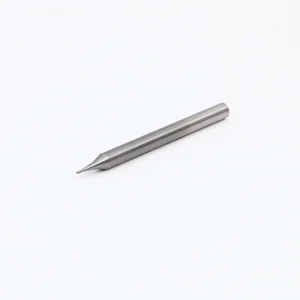
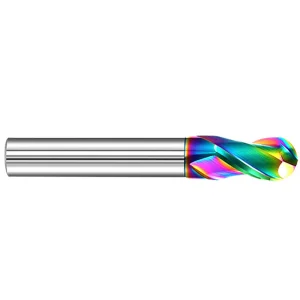
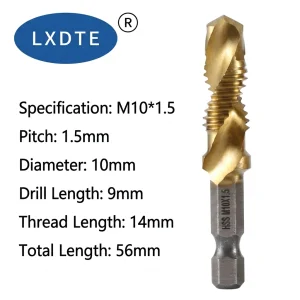
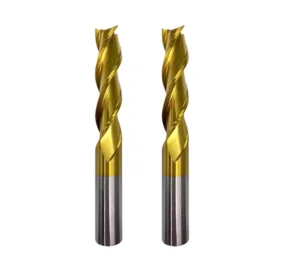
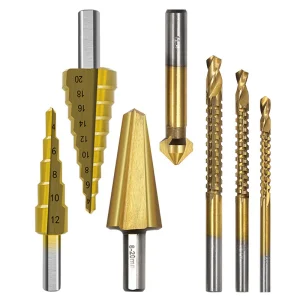
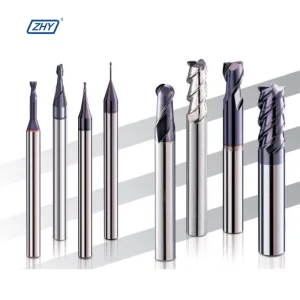
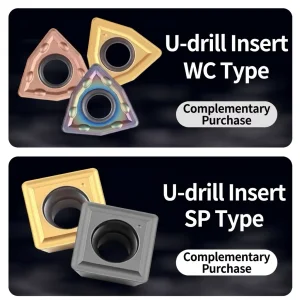
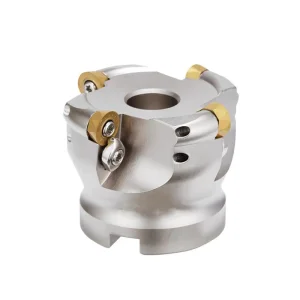
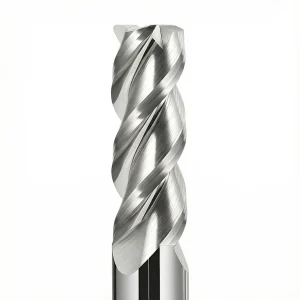
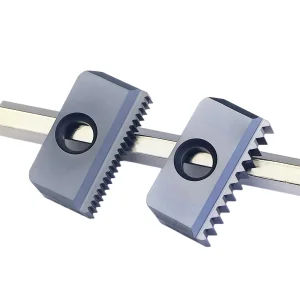
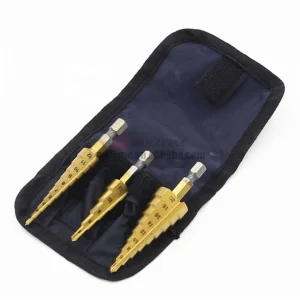
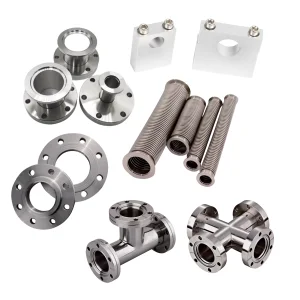
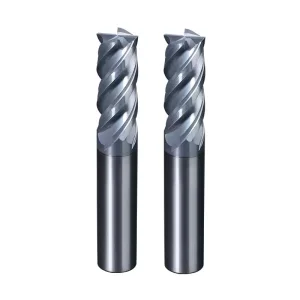
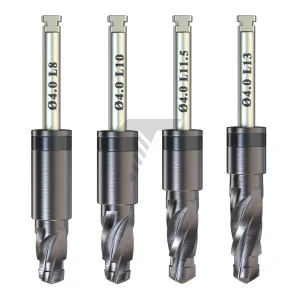
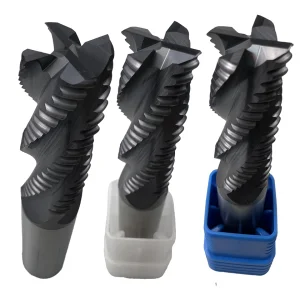
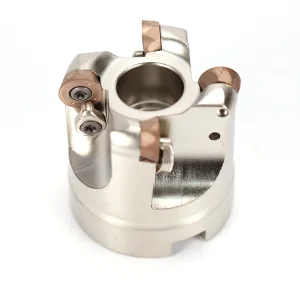
Explore our selection of industrial-grade tools designed for extreme durability, precision cutting, and high-efficiency material removal. Each tool is built using premium substrates and specialized coating technologies to ensure optimal performance across complex applications.
Established in 2008, Suzhou Tier Tool Co., Ltd. stands as a national high-tech enterprise specializing in the design, engineering, and execution of precision carbide cutting tools, including advanced Diamond Coated Drills. Over the last decade and a half, Tier Tool has solidified its standing in the precision machining landscape, specializing in hole-making, end-milling, and indexable cutting geometries designed to navigate complex material layers.
Based in China's manufacturing heartland, Tier Tool leverages its comprehensive engineering footprint to deliver cost-effective and highly stable diamond-coated drills to the global market. Unlike generic tool traders, we maintain direct control over our entire tool production cycle: from selecting premium micro-grain tungsten carbide substrates to controlling critical pre-treatment surfaces, maintaining strict quality checks, and assuring post-coating integrity.
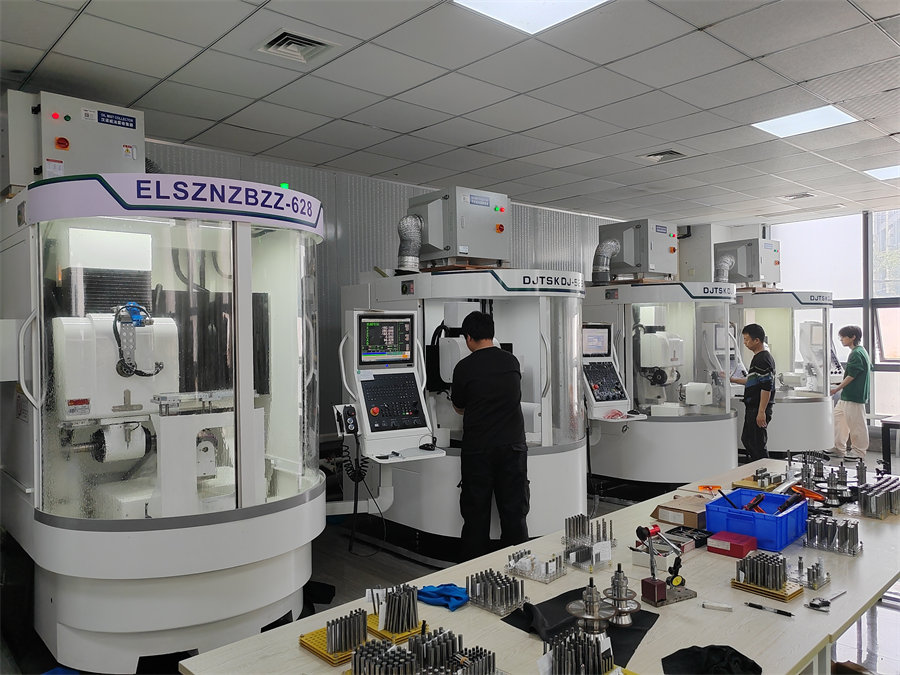
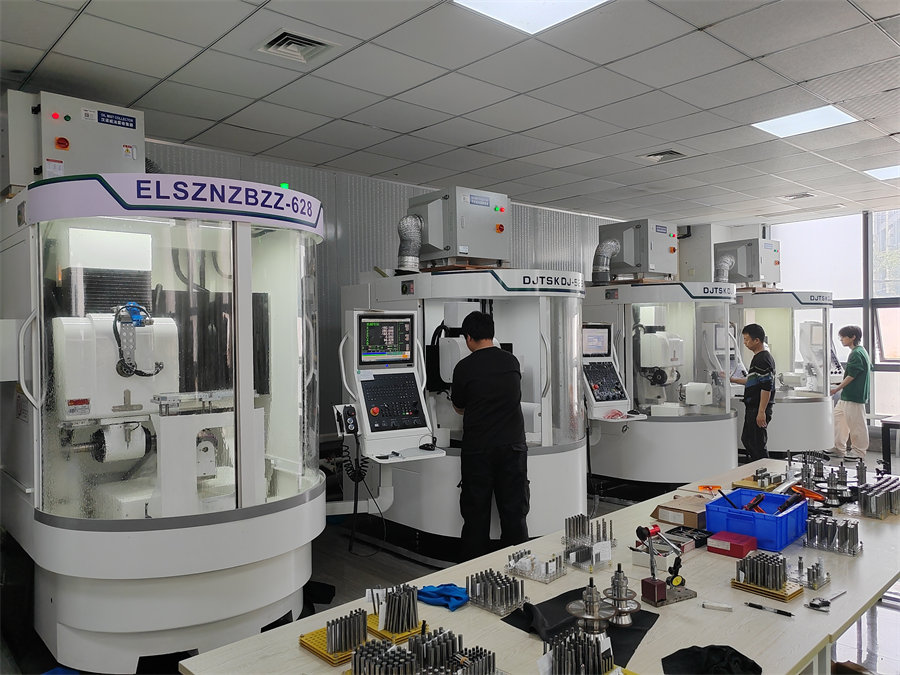
Equipped with state-of-the-art imported 5-axis CNC grinding machines, Tier Tool generates high-efficiency cutting geometries with exceptional dimensional consistency. This processing precision ensures optimal adhesion conditions for microcrystalline and nanocrystalline diamond coatings.
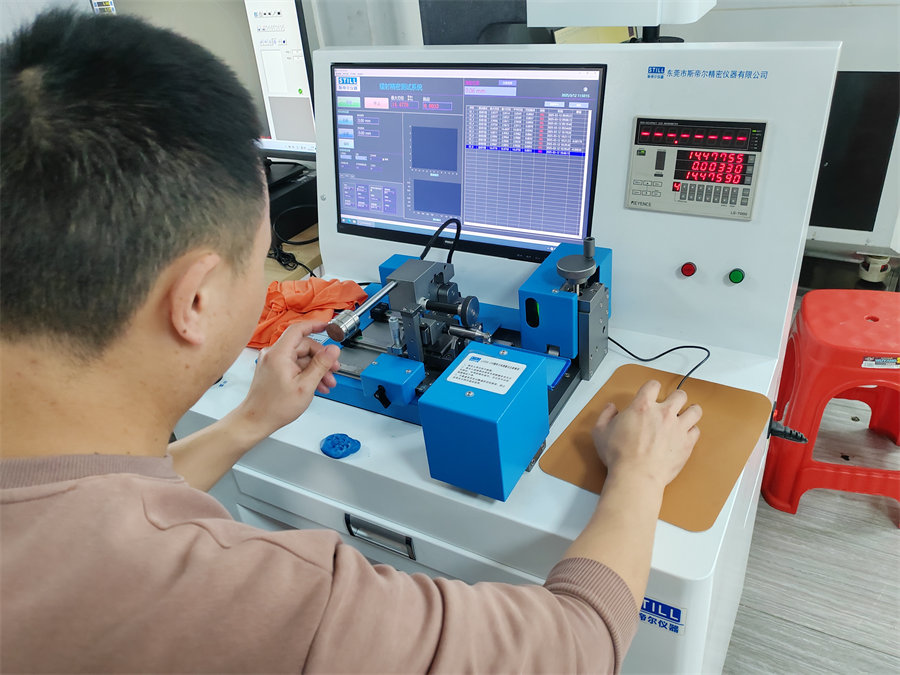
Quality is the cornerstone of our global supply systems. Every single production batch undergoes comprehensive inspection testing—including cutting-edge geometric measurements and surface roughness mapping—to minimize delamination risks and extend overall tool life.
We provide more than just off-the-shelf catalog products. Tier Tool’s experienced application specialists collaborate with customers to evaluate exact cutting parameters, solve chip evacuation blockages, and design customized tooling solutions for composites, ceramics, and alloys.
In the highly competitive precision machining sector, global procurement departments face mounting pressures to optimize total cost per hole (CPH) while maintaining reliable manufacturing output. Diamond coated tooling is no longer a niche solution; it has become the standard for machining abrasive, high-hardness, and advanced composite materials.
From aerospace structural frames to automotive engine heads and consumer electronics, procurement teams look for suppliers who can guarantee not only competitive pricing but also material consistency. The global industrial demand trends highlight several core expectations from modern B2B buyers:
CFRP is notoriously abrasive, causing rapid edge rounding on standard carbide tools. Procurement officers in the aerospace and wind energy sectors demand specialized diamond-coated drills (such as CVD diamond) that maintain sharp edges, minimizing delamination and fiber pull-out during multi-stack drilling.
Commonly used in automotive engine blocks and chassis components, high-silicon aluminum causes severe adhesive wear and built-up edge (BUE) on uncoated tooling. Diamond coatings, with their extremely low friction coefficient and low chemical affinity to non-ferrous metals, prevent sticking and material welding.
For medical implants and dental applications, machining green-state ceramics or dental zirconia requires extreme wear resistance. Diamond coated tooling is the primary mechanism to achieve high geometrical fidelity and surface finish without micro-cracking the workpiece.
To truly understand the value of a Diamond Coated Drill, one must examine the interface chemistry and film deposition dynamics. The quality of a diamond-coated tool relies on a complex balance of substrate composition, surface preparation, and coating crystallization.
At Tier Tool, we select premium micro-grain tungsten carbide (WC) substrates with a cobalt binder content ranging from 6% to 10%. Cobalt provides essential toughness, but it acts as a catalyst for graphite formation during the CVD diamond deposition process, which destroys adhesion. To counter this, our chemical pre-treatment incorporates an advanced acid-etching process to leach cobalt from the outermost surface layer (up to a depth of 3 to 5 microns). This leaves a pure tungsten carbide skeleton that ensures a strong mechanical and chemical bond with the diamond film.
We offer different coating technologies depending on the target application:
CVD Diamond: Formed through the dissociation of hydrogen and methane gases in a vacuum chamber, creating a crystalline diamond structure with 100% sp3 bonding. This results in a hardness close to natural diamond (up to 80-100 GPa) and exceptional thermal conductivity. Ideal for highly abrasive composites like CFRP, G10, and high-silicon aluminum.
DLC (Diamond-Like Carbon): An amorphous carbon film containing a mixture of sp2 and sp3 bonds. With a typical hardness range of 20-40 GPa, DLC provides a smooth, low-friction surface, making it excellent for adhesive materials like non-ferrous alloys, copper, and plastics where chip packing is a challenge.
A standard drill geometry is not suited for diamond coatings. Due to the thickness of CVD coatings (typically 6 to 15 microns), the cutting edge is naturally rounded. Tier Tool overcomes this by grinding the tools with pre-compensated micro-geometries, ensuring the edge remains sharp and structurally stable even after the deposition process.
In high-speed CNC machining centers, tool failure translates directly to downtime, scrap parts, and disrupted production schedules. Tier Tool focuses on diagnosing and solving the root causes of tool wear through customized manufacturing processes:
Challenge: Under heavy axial thrust forces, the diamond layer can peel away from the carbide substrate, causing instant tool failure.
Solution: We apply proprietary mechanical blasting and acid-etching pre-treatments, combined with multi-layer coating architectures that arrest micro-cracks before they reach the substrate.
Challenge: Machining dry or with minimal lubrication generates high frictional heat, causing thermal degradation of the workpiece.
Solution: The ultra-high thermal conductivity of our CVD coatings acts as a thermal shield, quickly drawing heat away from the cutting zone and transferring it into the chips.
Challenge: Deep hole drilling in composites can cause dust pack-up, leading to drill breakage.
Solution: Our drills feature polished flutes and optimized helix angles, ensuring fast dust and chip evacuation even in deep-hole applications.
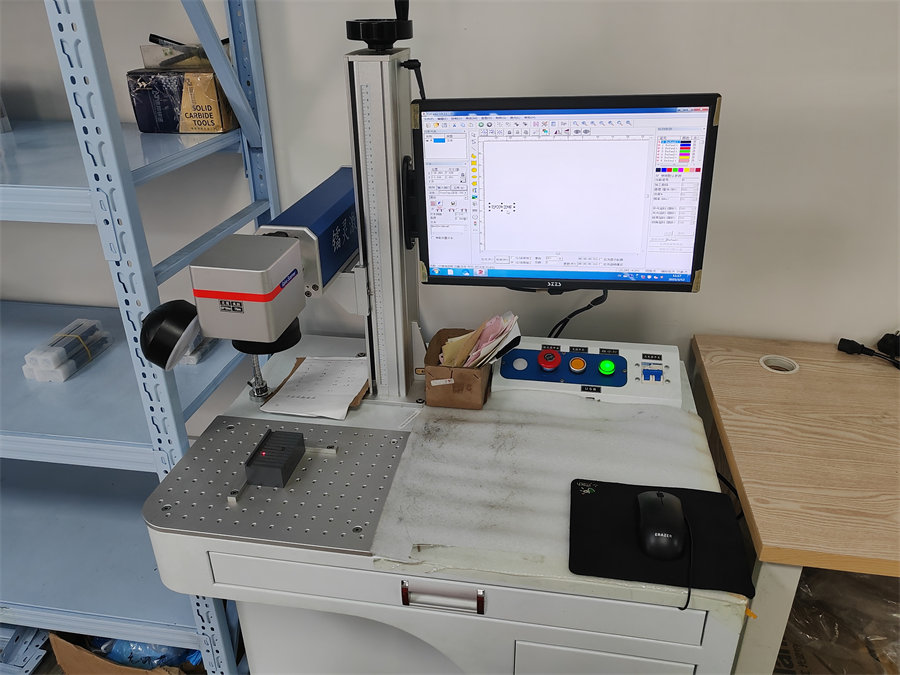
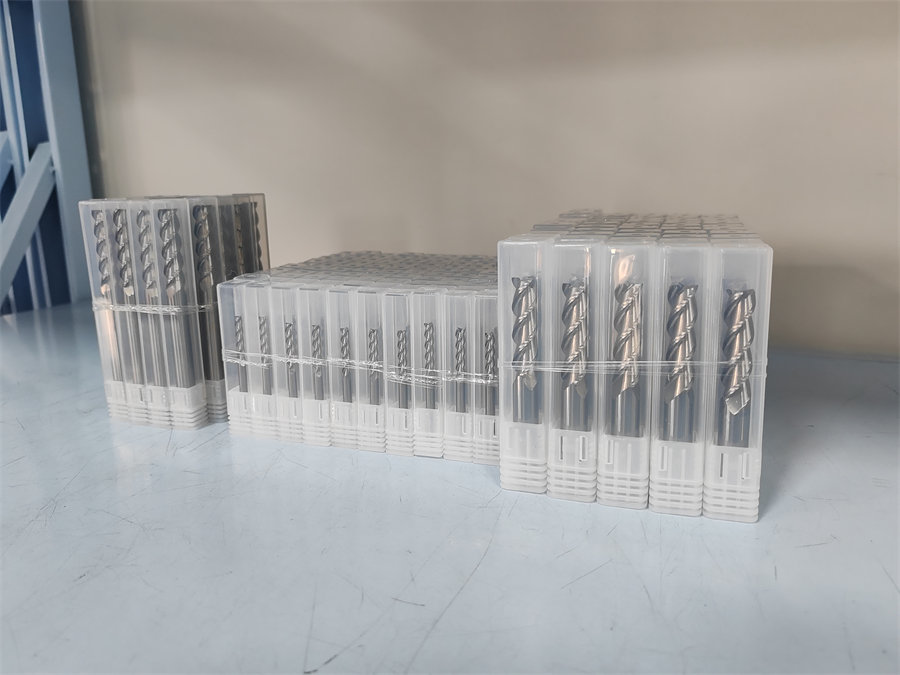
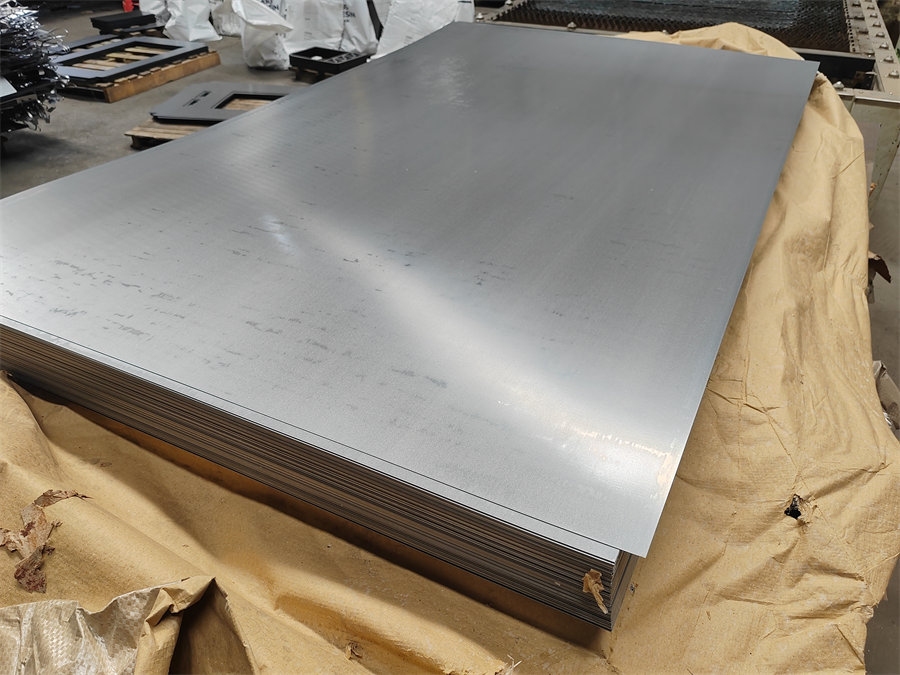
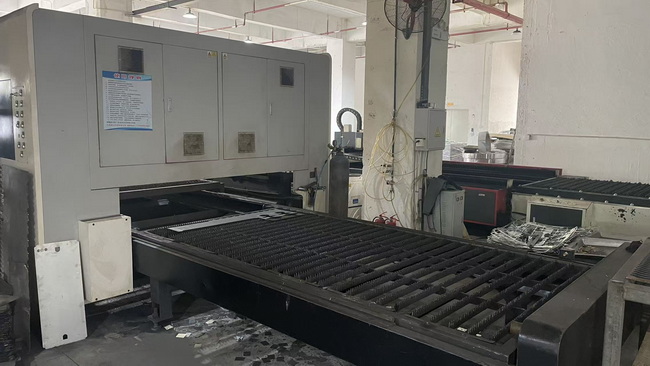
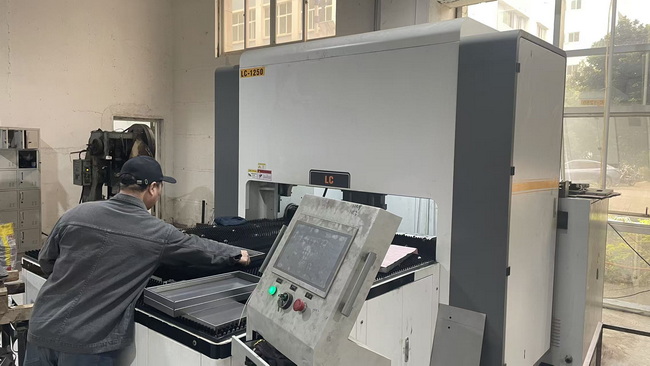
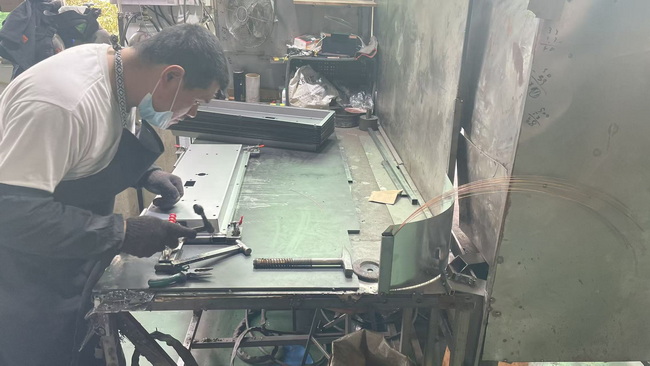
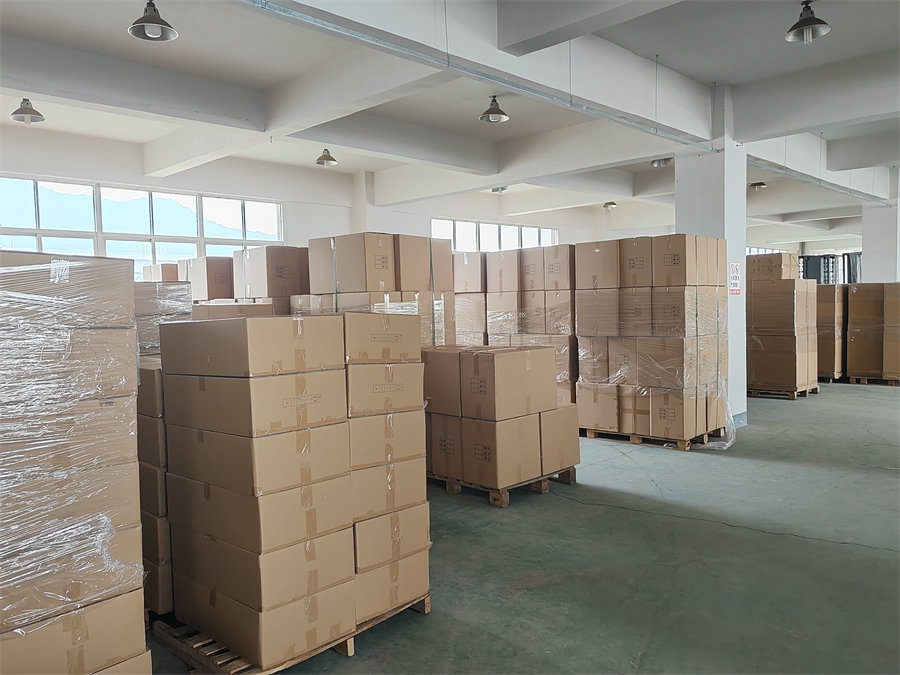
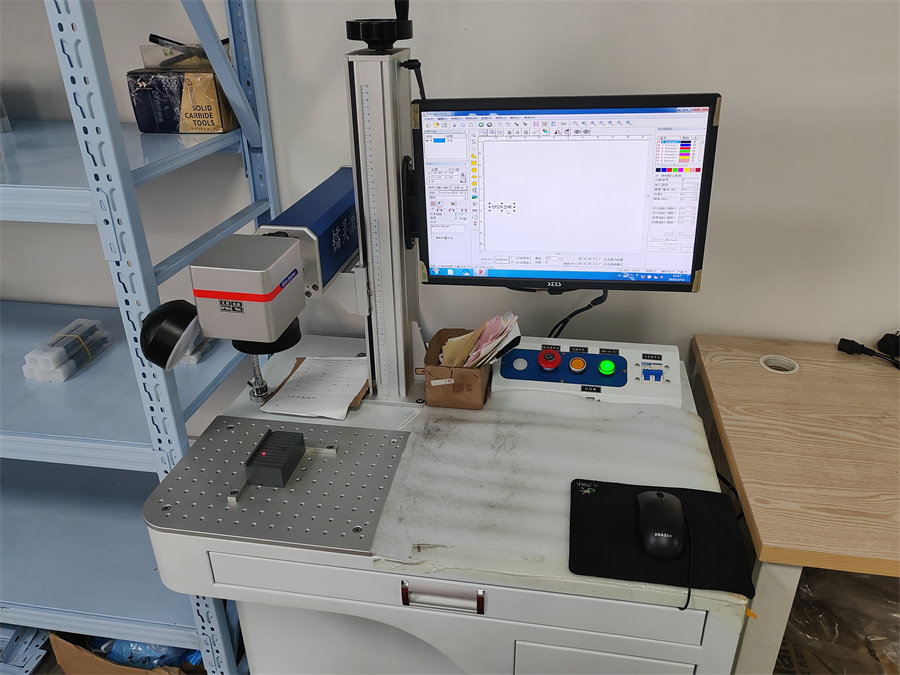
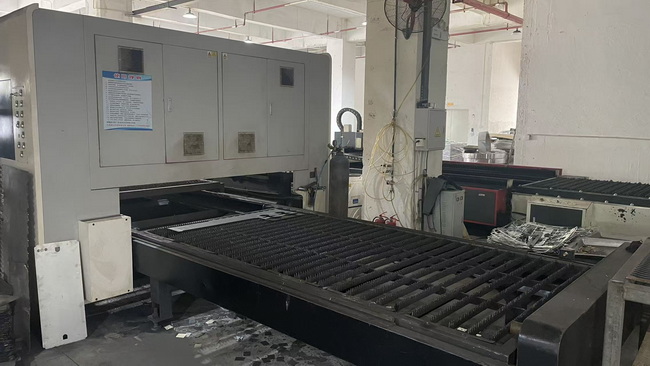
A look inside our modern facility showcases the systematic processes we implement to ensure high precision and consistency across every product batch.
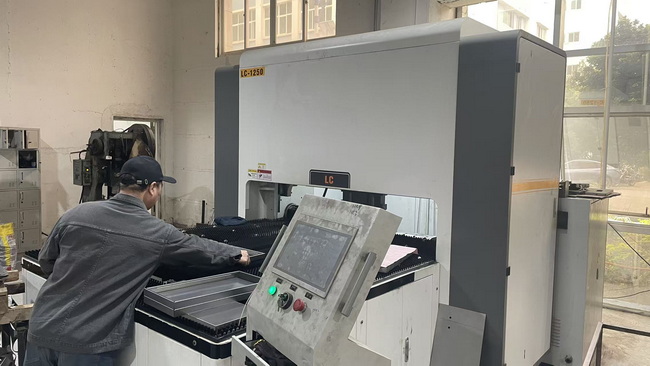
When partnering with an international exporter like Suzhou Tier Tool, industrial buyers require transparent compliance and robust supply chain planning. We maintain strict manufacturing and operational protocols to ensure smooth integration into global production networks.
Our production environment and quality inspection processes are built on standardized workflows, ensuring that every batch of tooling is fully documented and traceable back to the raw substrate lot.
We offer flexible shipping terms (FOB, CIF, DDP) and work closely with global logistics partners to provide quick customs clearance and timely deliveries across North America, Europe, and the APAC region.
We provide full blueprint customization. Customers can submit their specifications, tolerance requirements, and material properties, and our engineering team will handle the design, grinding, and coating parameters.
Gain insights into selecting, operating, and optimizing diamond coated tooling for your specific production environment.
Browse the rest of our precision product line, featuring high-polish mills, standard thread cutters, and heavy-duty 70-degree tungsten steel milling cutters for demanding CNC operations.
 Tier Tool