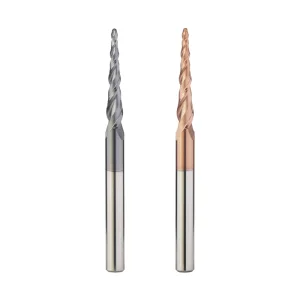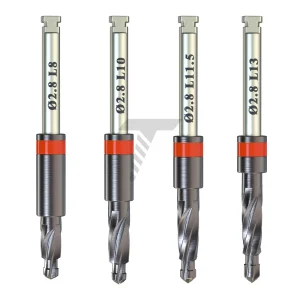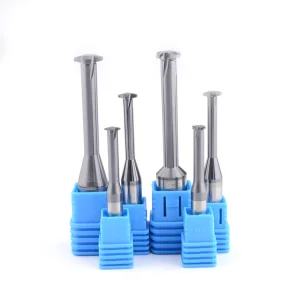
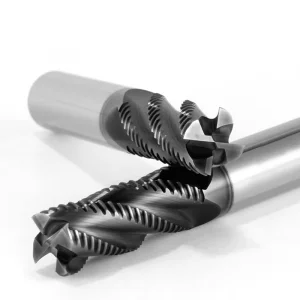
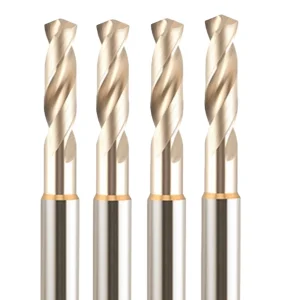
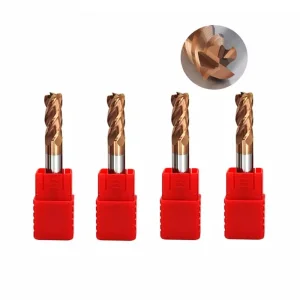
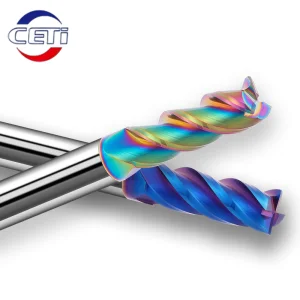
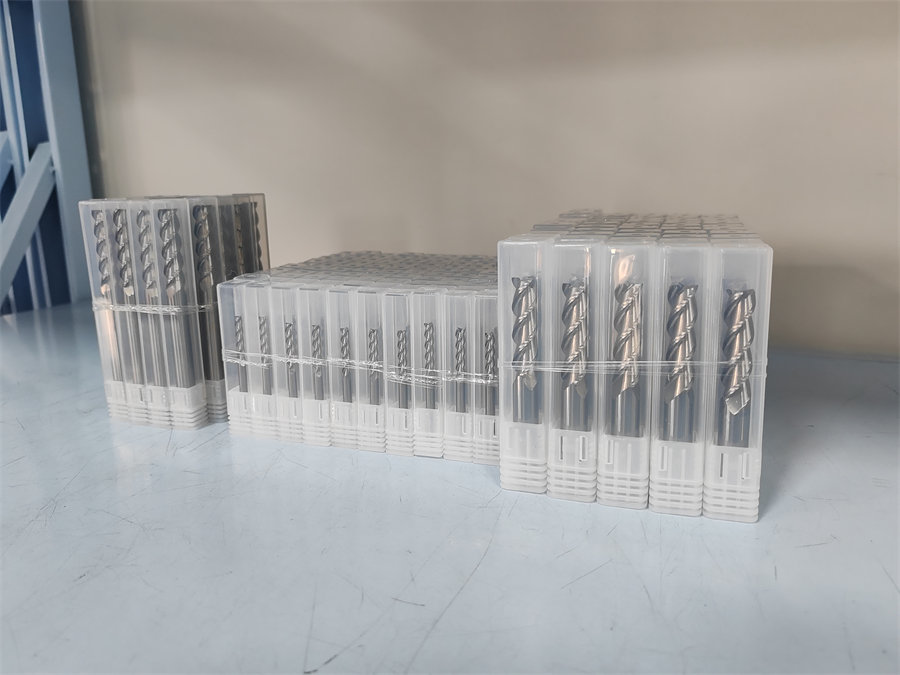
Suzhou Tier Tool Co., Ltd. was established in 2008 and is a national high-tech enterprise specializing in the design, manufacturing, and technical support of precision solid carbide cutting tools. Since our foundation, Tier Tool has been deeply committed to the precision machining industry, focusing on delivering high-performance, high-efficiency cutting solutions for hole-making, milling, and custom engraving applications. Through continuous technological innovation and manufacturing excellence, the company has earned the trust of customers across a wide range of industries worldwide.
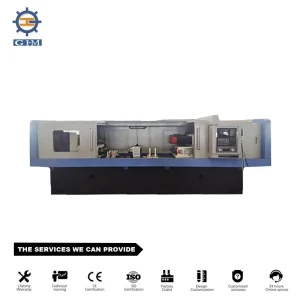
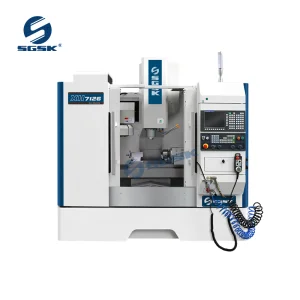
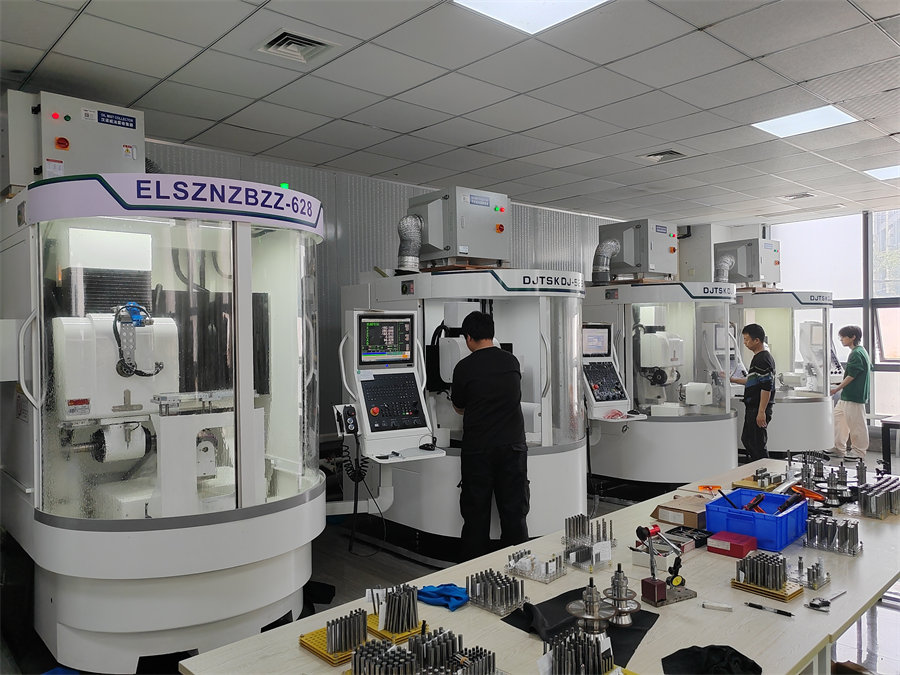
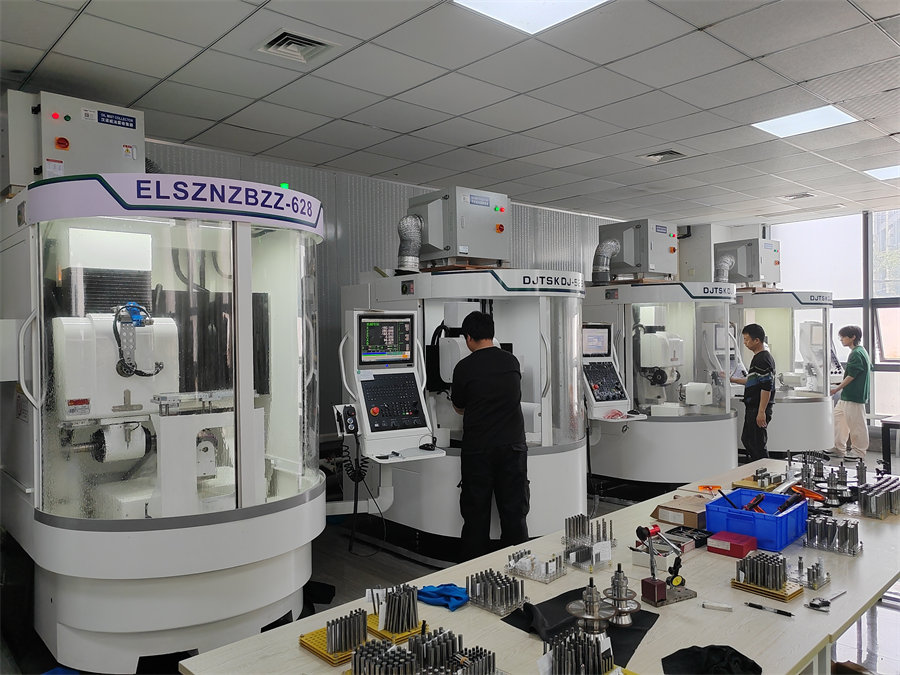
Our commitment to excellence is not just a philosophy but an active manufacturing paradigm. We operate on a dual-engine development model: combining state-of-the-art European CNC grinding centers with custom-formulated sub-micron tungsten carbide substrate materials. This combination allows us to manufacture complex geometries, including variable helix end mills, tapered engraving v-bits, and high-aspect-ratio deep hole drills that satisfy the most stringent aerospace and automotive tolerance requirements.
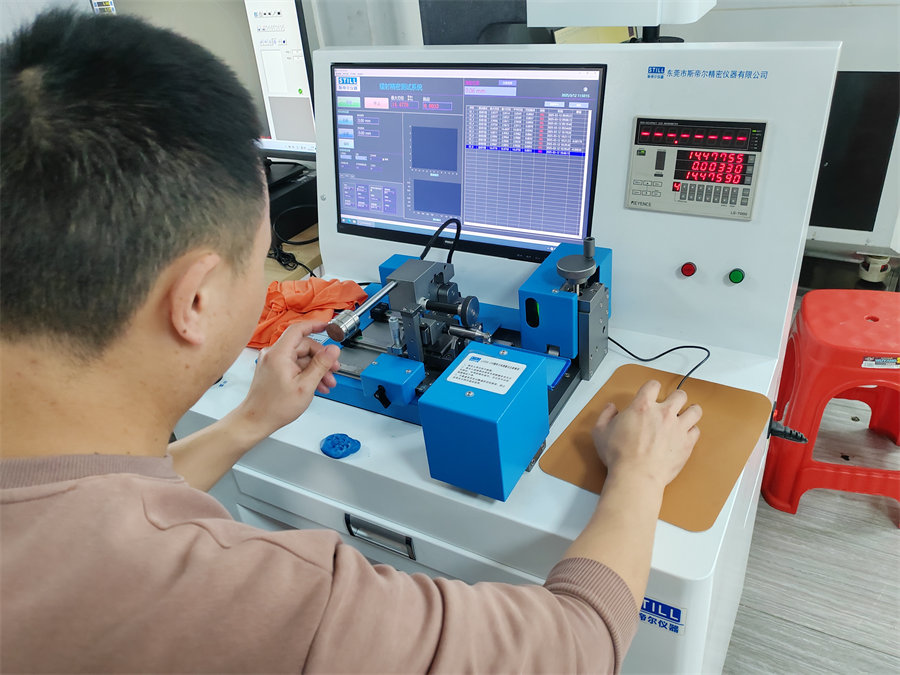
We adhere to the principle of "Quality First, Continuous Improvement", implementing rigorous quality control procedures throughout the entire production cycle. From raw material selection and incoming inspection to final product verification, every tool undergoes comprehensive checks to ensure it meets strict dimensional, geometrical, and performance requirements.
In high-speed CNC milling and micro-engraving, the boundary between tool survival and premature failure is defined by the quality of the substrate and the engineering of the protective barrier coatings. Tier Tool leverages an array of advanced coatings optimized for specific physical behaviors, chip evacuating speeds, and thermal shock resistances.
Engineered for extreme thermal resistance. When exposed to heat during dry machining, the aluminum in the TiAlN coating reacts with atmospheric oxygen to form a micro-thin, self-healing layer of amorphous aluminum oxide. This layer protects the underlying carbide from thermal oxidation up to 900°C.
Specifically developed for high-hardness metalworking (up to HRC55–HRC65). The addition of silicon elements creates a unique nanocrystalline-amorphous structure (nc-TiN/a-Si3N4) that inhibits micro-crack propagation and yields hardness values exceeding 38 GPa.
An amorphous carbon coating that exhibits exceptionally low friction coefficients (~0.1). Perfect for non-ferrous metals like aluminum alloys, copper, and fiber-reinforced plastics (FRP), completely preventing material adhesion (Built-Up Edge) on the tool's cutting edge.
Choosing the correct coating chemistry prevents catastrophic tool wear, reduces heat transfer to the workpiece, and ensures predictable tool-life cycles. The table below outlines typical parameter guidelines for Tier Tool's proprietary coatings:
| Coating Designation | Microhardness (HV) | Friction Coefficient (vs Steel) | Max Service Temp (°C) | Primary Target Workpieces |
|---|---|---|---|---|
| TiAlN (Ti-Al-N) | 3,000 - 3,300 | 0.40 - 0.45 | 900°C | Medium-carbon steels, Cast iron, Stainless steels |
| TiSiN (Ti-Si-N) | 3,800 - 4,000 | 0.35 - 0.40 | 1,100°C | Hardened mold steels (HRC > 50), High-temp alloys |
| DLC (Diamond-Like) | 5,000 - 7,000 | 0.05 - 0.15 | 450°C | Aluminum alloys, Copper, Carbon fibers, Brass |
| Bronze TiSiN (MTS) | 3,500 - 3,700 | 0.30 - 0.35 | 1,000°C | Alloy steels, roughing applications, general milling |
Modern CNC machining requires more than just standard cutting tool geometries. From oil exploration platforms in North America to consumer electronic fabrication facilities in Asia, custom engraving and milling tools must adapt to highly specific localized constraints.
High-durability deep hole drills and thread mills operating on high-nickel superalloys (such as Inconel 718 or Monel). Our IT7 accuracy gun drills prevent borehole deflection, guaranteeing critical tolerances over large aspect ratios.
Optimized solid carbide step drills that combine multiple drilling, chamfering, and boring stages into a single operation, drastically reducing cycle times in aluminum engine block machining.
Advanced tool geometries built to machine Ti-6Al-4V titanium alloys without causing excessive work hardening or heat generation, preventing stress corrosion cracking in aerospace frames.
The manufacturing paradigm is migrating toward smart factories, lights-out manufacturing, and sustainable dry-machining practices. Tier Tool's future developments concentrate on three main pillars:
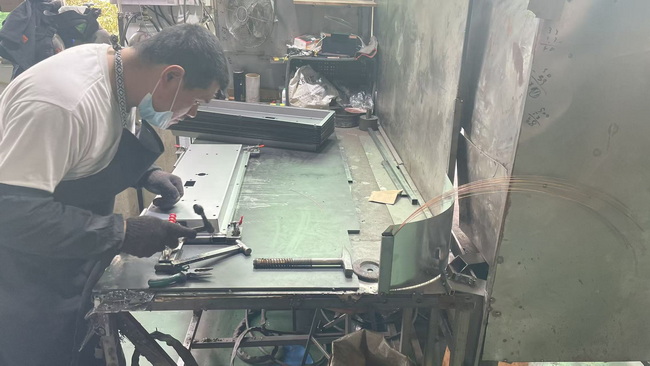
Situated in Suzhou, one of China's premier high-tech manufacturing corridors, Tier Tool benefits from a mature industrial ecosystem. This localization allows us to source raw materials, conduct precise grinding processes, execute surface treatments, and perform international logistics testing within a tightly bound geographical area.
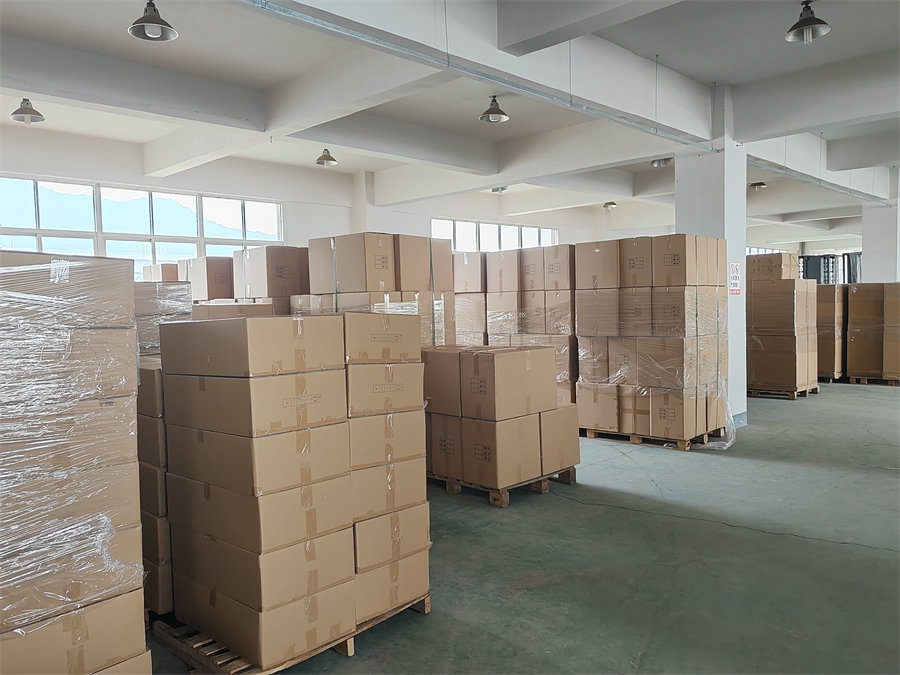
By optimizing every element from initial tool design to metallurgical analysis, we maintain complete control over lead times and raw material traceability. Our supply chain is designed with redundancy, maintaining deep strategic stockpiles of ultra-micrograin tungsten carbide substrate rods. This safety margin insulates our international clients from macroeconomic resource price volatility and sudden shipping disruptions.
Furthermore, our digital workshop enables agile manufacturing. Unlike legacy facilities that require massive minimum order quantities (MOQs) for custom designs, our flexible scheduling software allows us to slot custom OEM/ODM prototypes into our production queue with negligible downtime, delivering customized test tools to clients in as little as 10 working days.
OEM/ODM Capabilities: Complete in-house lifecycle management from CAD modeling, FEA simulation, prototyping, trial-run verification, to large-scale mass manufacturing.
Operating globally requires adherence to international standards. Suzhou Tier Tool Co., Ltd. ensures all materials, chemical treatments, and safety procedures conform strictly to ISO 9001:2015 quality management benchmarks, RoHS directiveness, and REACH hazardous material classifications.
To support overseas partners, we collaborate with localized application engineering firms in Europe and the Americas. If a production line encounters tool-life instabilities, our regional engineering team can perform on-site audits, analyzing vibration levels, feed rates, cooling configurations, and workpiece clamping stiffness to develop a tailored optimization plan.
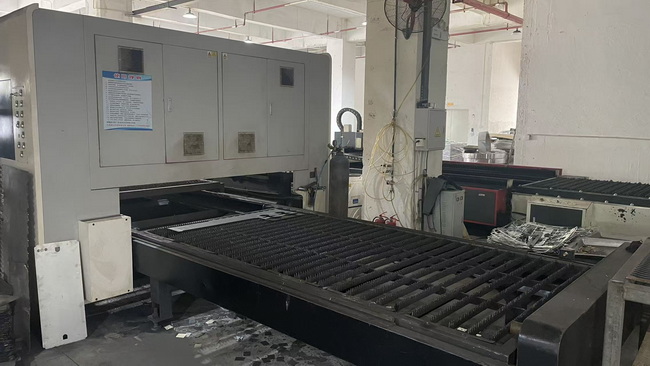
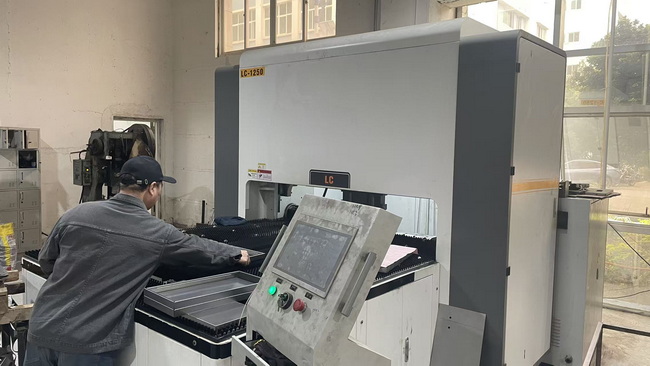
For steels above HRC55, tool deflection and thermal-induced structural failures are primary concerns. We recommend using a sub-micron or nano-grain tungsten carbide substrate (grain size < 0.6 μm) paired with a high-silicon coating like TiSiN or Bronze TiSiN (MTS HRC55). This combination provides high fracture toughness and a protective outer barrier that maintains structural integrity under the high cutting temperatures associated with dry-machining hardened alloys.
Solid carbide provides significantly higher hardness (usually 90–92 HRA) compared to HSS (typically 65–68 HRC). This allows carbide tools to maintain sharp cutting edges for longer runs, run at higher RPMs, and resist abrasive wear. However, HSS remains useful for operations prone to shock loads, vibration, or unstable setups due to its higher impact resistance.
To start, submit your technical drawings (DXF, DWG, or STEP formats) detailing tool diameter, flute count, helix angle, relief angles, coating preferences, and your specific workpiece material. Our engineers then run a finite element analysis (FEA) to confirm mechanical stress distribution. Following design approval, we proceed with prototyping and trial-run verification prior to starting mass production.
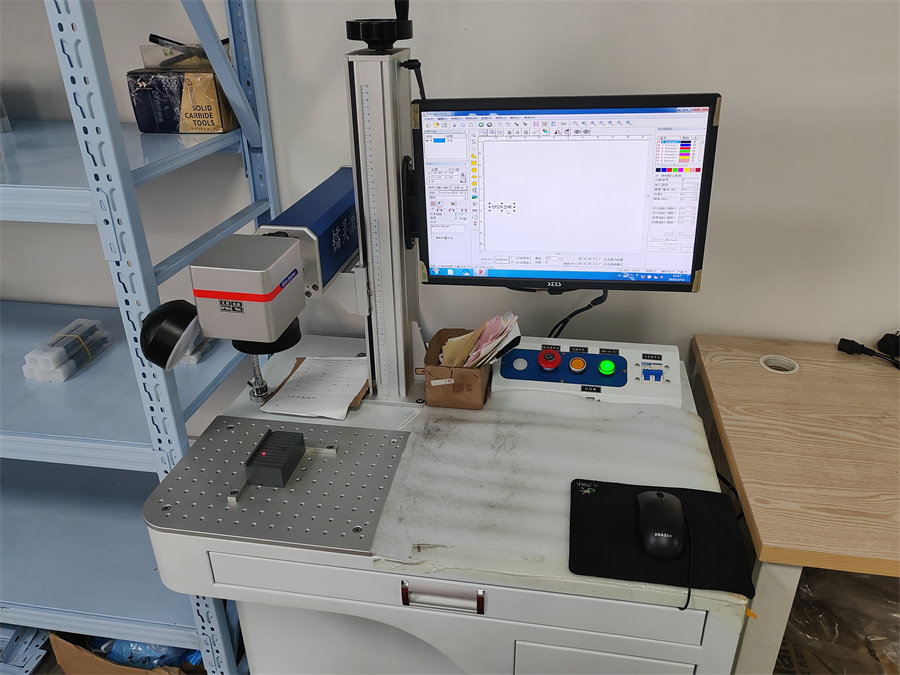
We use a comprehensive quality protocol that starts with ultrasonic inspection of the raw carbide rods to detect internal micro-voids. After CNC grinding, each batch undergoes coordinate measuring machine (CMM) testing to verify geometric profiles, optical inspection for cutting edge quality, and balancing tests for high-RPM applications.
 Tier Tool