Custom OEM Face Mills Factories & Exporters

Unlocking Maximum Metallurgical Performance & Efficiency: High-Precision Engineered Indexable Tooling Solutions for Global Industrial Machining Applications

Precision Metalworking & Tooling Components

Explore our elite range of indexable tooling, solid carbide drills, and high-performance face mills engineered to satisfy demanding industrial specifications.
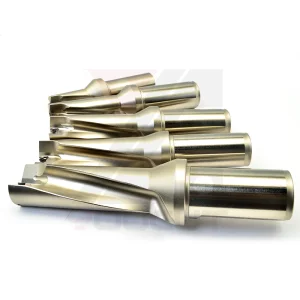
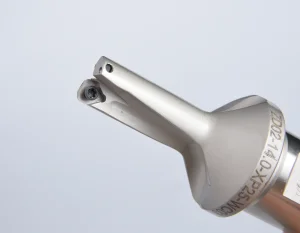
SP Series U Drill Indexable Insert Drill Set
SP Series U Drill Indexable Insert Drill Set 2D/3D/4D for CNC Lathe Steel & Cast Iron Drilling
View Technical Details
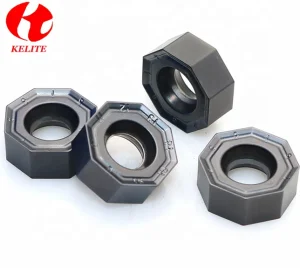
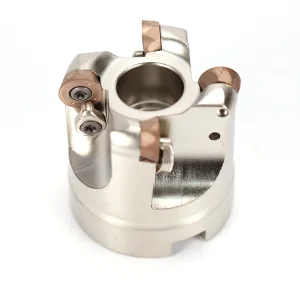
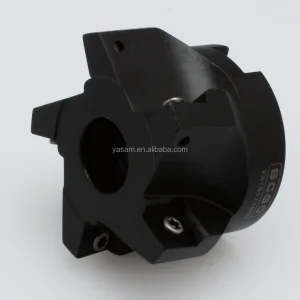
D63 22-5T 90 Degree Indexable Face Mill
D63 22-5T 90 Degree Indexable Face Mill Use Inserts R290-12T308
View Technical Details
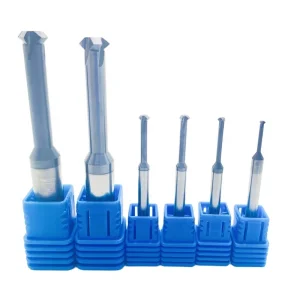
Solid Carbide 4 Flute Single Teeth Thread End Mills
Solid Carbide 4 Flute Single Teeth Thread End Mills Cutter Thread Milling Cutter with TIALN Coating
View Technical Details
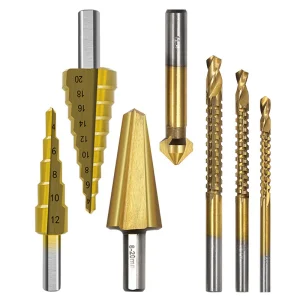
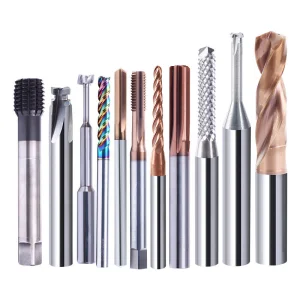
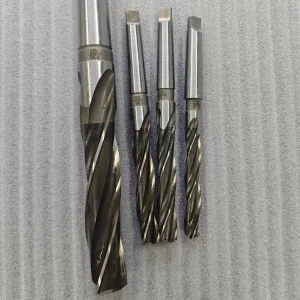
7PCs HSS Straight Groove Step Drill Bit
7PCs HSS Straight Groove Step Drill Bit Spiral Screw Metric Composite Tap Twist Drill Bit Set Cutting Drilling Polishing Tools
View Technical Details
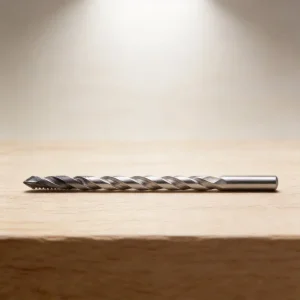
Solid Carbide Internal Coolant Drill Bit
Solid Carbide Internal Coolant Drill Bit for Deep Hole Drilling
View Technical Details
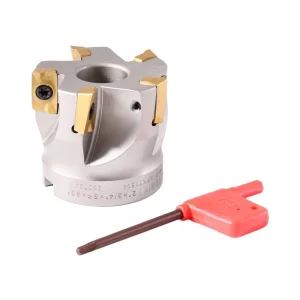
2 Inch 90 Deg Square Shoulder Indexable Face Mill
2" X 3/4" 90 Deg Square Shoulder Indexable Face Mill APKT1604 Carbide Inserts Milling Cutter
View Technical Details
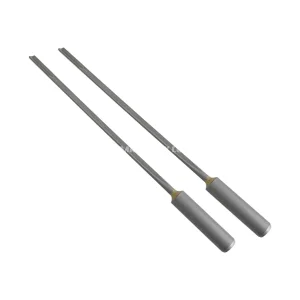
2 Flute Coolant Fed Deep Hole Gun Drill
2 Flute Coolant Fed Deep Hole Gun Drill Carbide Tip
View Technical Details
Diamond Drilling Tile Drill Bits Kit
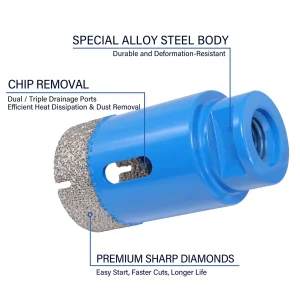
Diamond Drilling Tile Drill Bits Kit Alloy Steel Diamond Core Drill Bit For Marble
View Technical Details
2008
Established Year
0.002mm
Machining Tolerance
50+
Exporting Countries
OEM/ODM
Fully Customizable

Introduction: The Macro-Industrial Role of Face Milling in Modern Manufacturing

In the global precision manufacturing arena, the pursuit of superior component finish, dimensional accuracy, and optimal material removal rates (MRR) dictates the design criteria of machining centers. At the heart of flat-surface machining lies the face mill. Face milling tools are critical in shaping raw forgings, castings, and heavy steel plates into high-performance components across multi-trillion-dollar sectors, including aerospace, automotive powertrain manufacturing, wind turbine assembly, and industrial mold making.

As global supply chains demand shorter production times and strict adhesion to narrow tolerances, the reliance on high-quality indexable and custom solid carbide tools has intensified. Achieving consistent surface flatness and eliminating surface micro-cracking during heavy roughing or critical finishing runs is no longer just a machining parameter—it is an economic differentiator. Consequently, choosing the right custom OEM face mill factory and exporter is an essential strategy for tier-one industrial operations seeking to lower their cost-per-part ratios while safeguarding tool life consistency.

SEO Insight & Information Gain: Standard "off-the-shelf" tooling assemblies regularly encounter limitations when dealing with advanced aerospace superalloys (such as Inconel 718 or Titanium Ti-6Al-4V) or high-grade nodular cast iron. Custom OEM face mills are engineered with proprietary pocket geometries, unique rake angles, and specific coolant routing systems that match the mechanical characteristics of the target alloy.

Corporate Integrity & Technological Superiority: Suzhou Tier Tool Co., Ltd.

Founded in 2008, Suzhou Tier Tool Co., Ltd. has grown to become a recognized national high-tech enterprise. The company is dedicated to the precise engineering, execution, and supply of solid carbide cutting tools and custom indexable face milling systems. Decades of immersion in precision engineering have allowed us to build custom solutions that facilitate high-efficiency metal removal and hole-making operations.

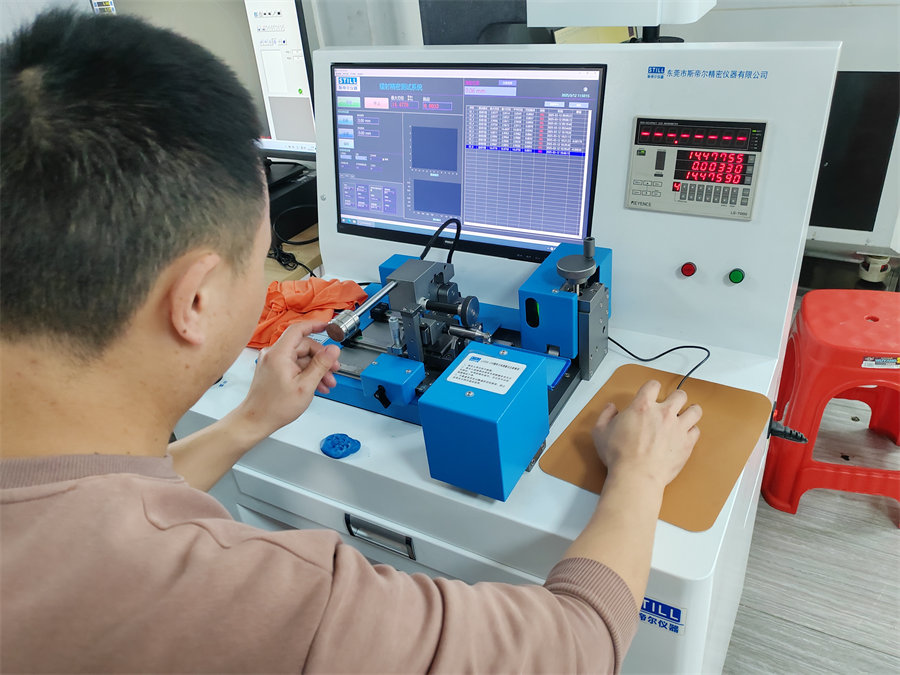
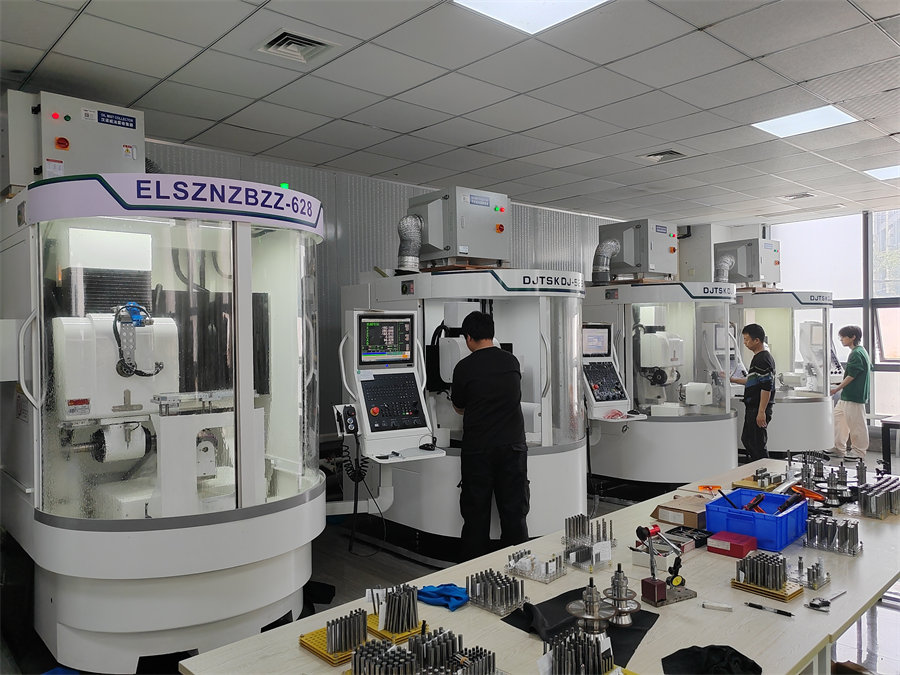
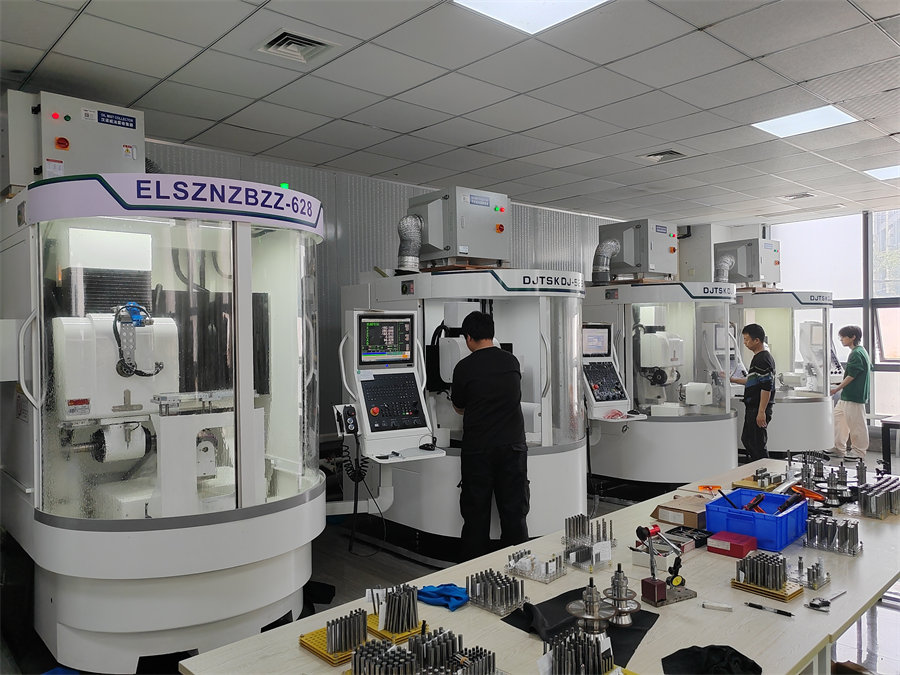
Our operational capabilities are anchored in state-of-the-art technology. To maintain dimensional integrity down to sub-micron levels, Suzhou Tier Tool operates imported CNC tool grinding platforms (including Walter and ANCA systems) alongside high-precision measuring stations (such as Zoller Helicheck measuring units). This infrastructure supports our engineering team as they manage designs from early digital prototyping through to custom verification, metallurgy confirmation, and volume production.

Our commitment to rigorous process controls ensures that every milling body, drill bit, and end mill matches the geometric profile designated by the CAD blueprint. We believe that reliability in industrial tooling is built on absolute quality control and structural repeatability. That is why we monitor every step of the supply chain—from raw material verification to the final functional checks—ensuring that our tools perform consistently under demanding real-world conditions.

Macro-Industry Solutions & Application Scenarios

Different industrial sectors face distinct challenges in surface milling. Custom face mills are engineered to resolve these issues by modifying key parameters such as the entry angle (lead angle), insert pitch, and mechanical chip pocket volume:

  • Aerospace Structures: Milling large aluminum blocks or titanium structural components requires high speed and minimized vibration. Custom 90-degree indexable face mills with balanced bodies and optimized wiper inserts prevent vibration, ensuring flawless surface finishes and protecting expensive raw materials from scrap.
  • Automotive Drivetrains: Heavy cast iron engine blocks and cylinder heads require high-productivity roughing and finishing. Custom face mills with double-sided, multi-edge carbide inserts are optimized to handle abrasive iron dust while maintaining rapid cycle times.
  • Heavy Energy & Wind Power: Large rotor hubs and structural flanges demand prolonged face milling. Tools must withstand continuous cutting for hours. Here, robust 45-degree lead-angle face mills distribute chip load evenly, lowering cutting forces and preventing premature spindle wear on large portal mills.
  • Die & Mold Production: Precision cavity plate preparation requires flat surfaces with low residual stress. Close-pitch indexable face mills ensure minimal deflection, laying a precise foundation for subsequent profiling.

Advanced Production & Quality Control Operations

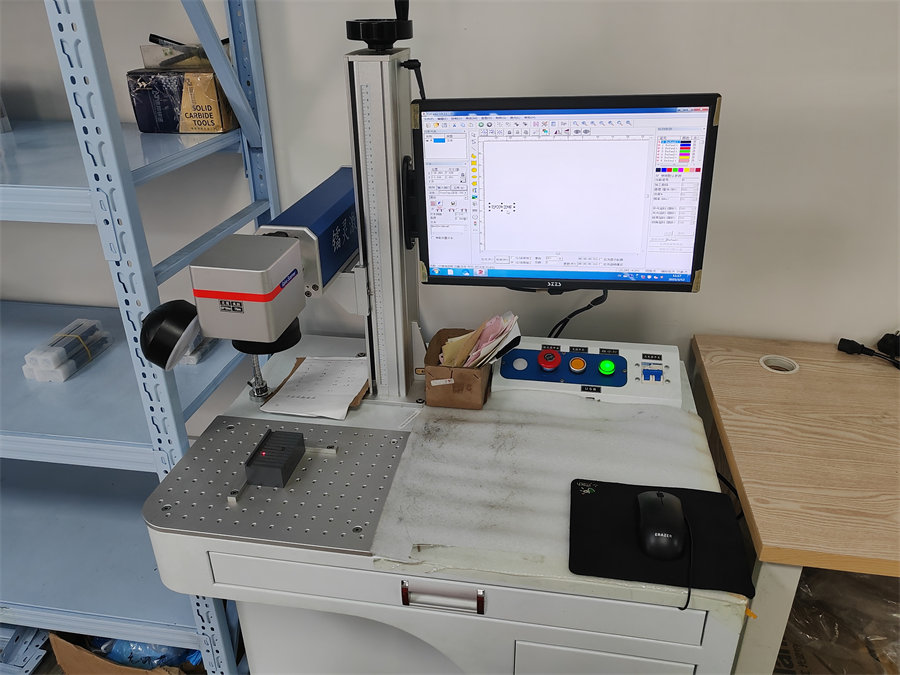
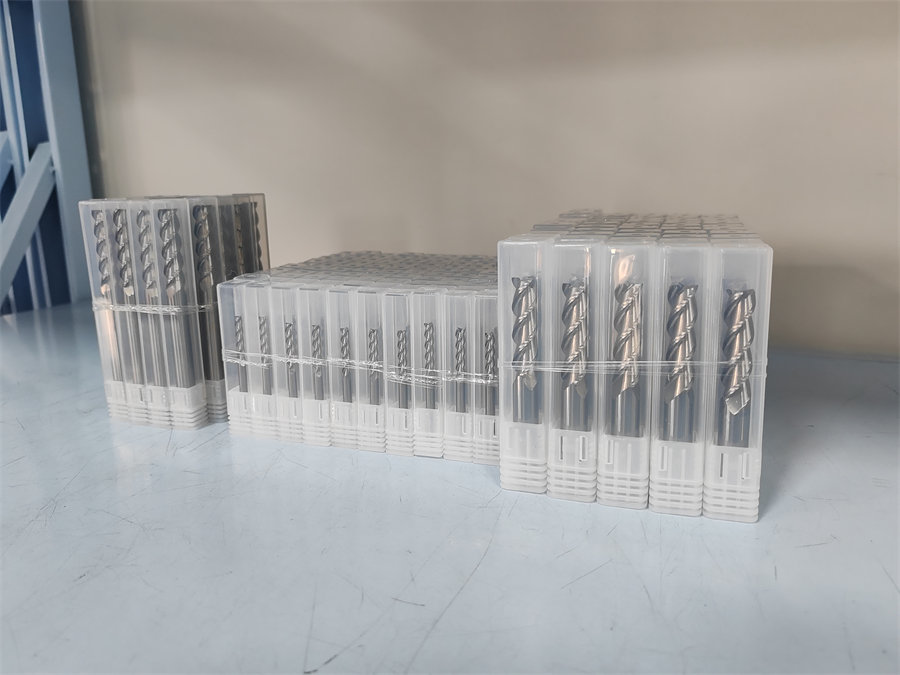
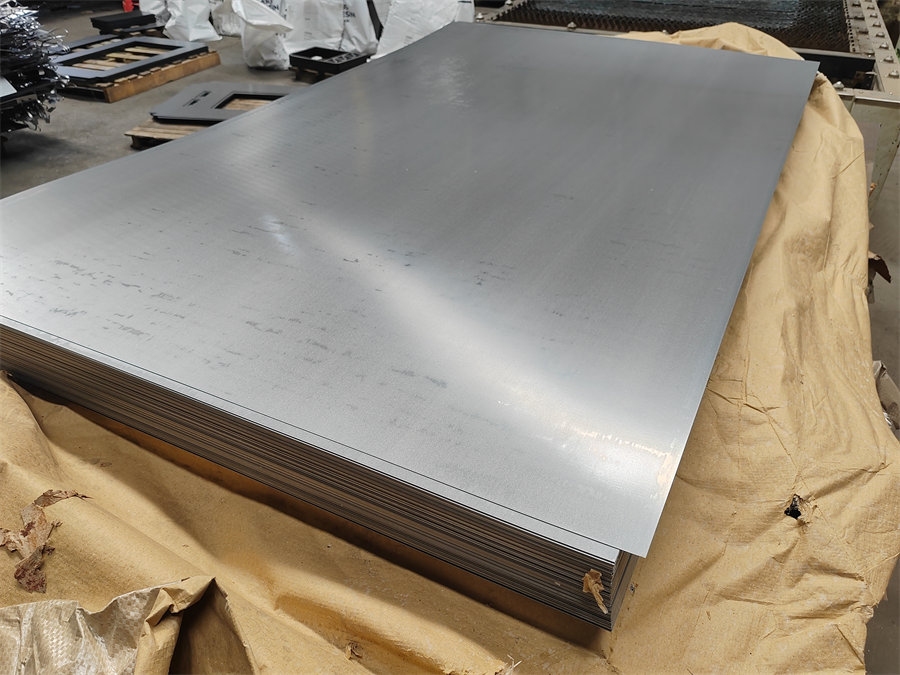
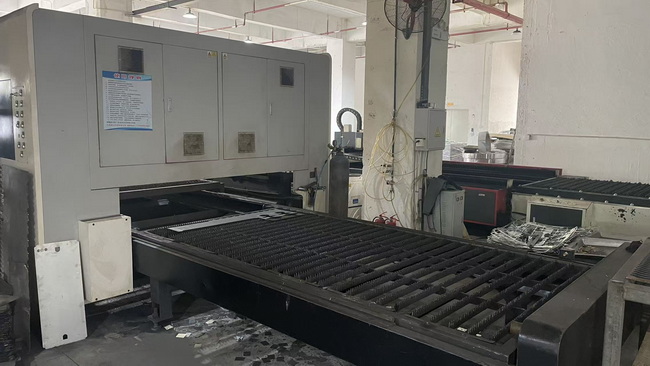
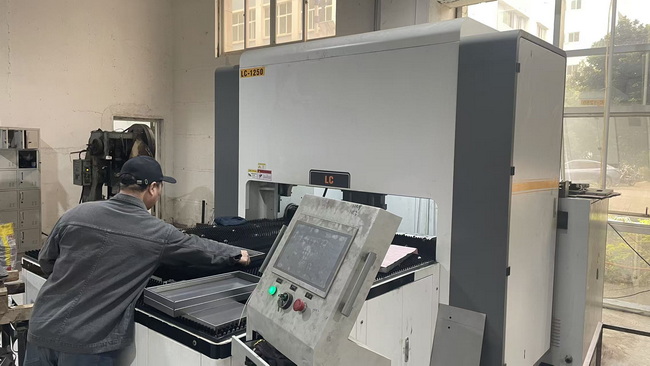
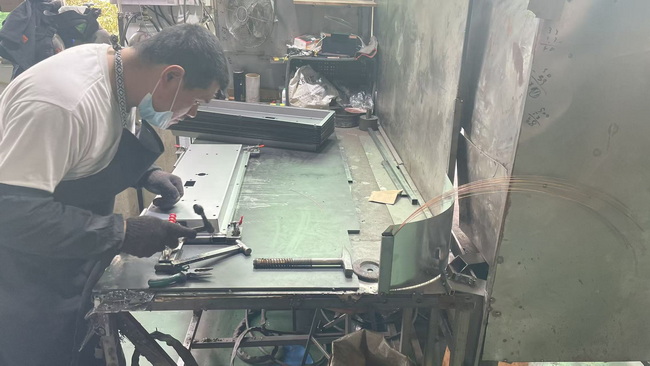
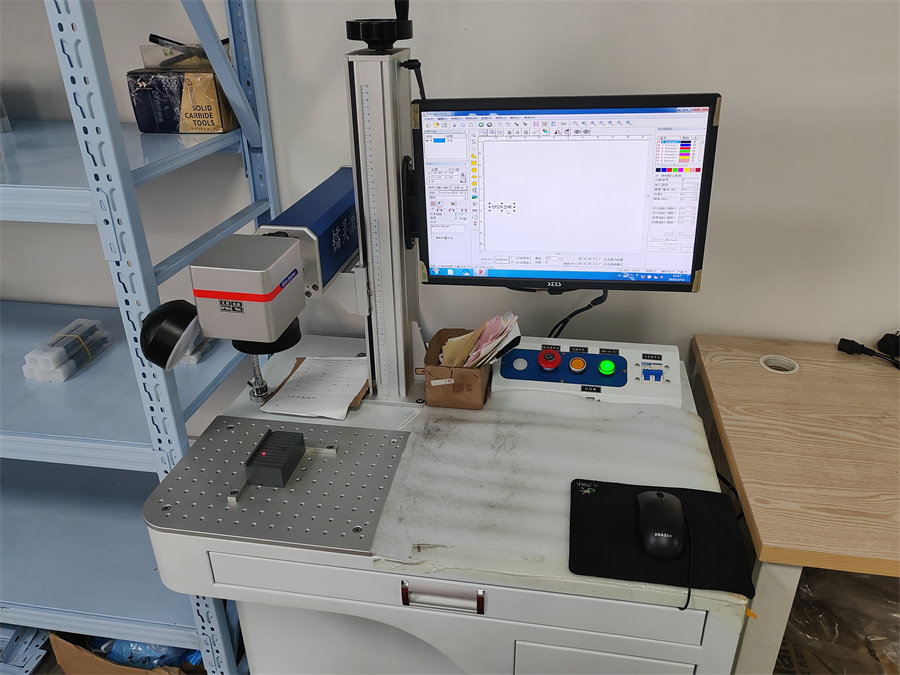
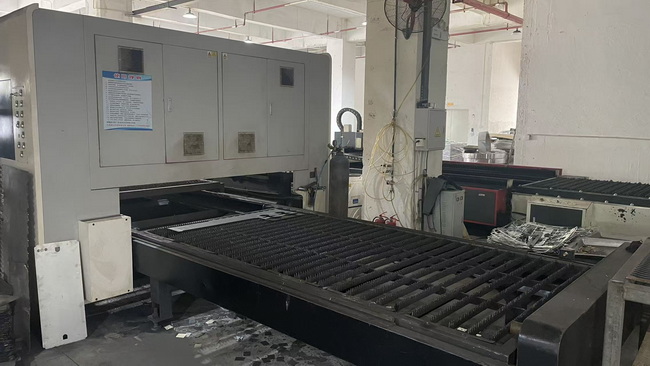
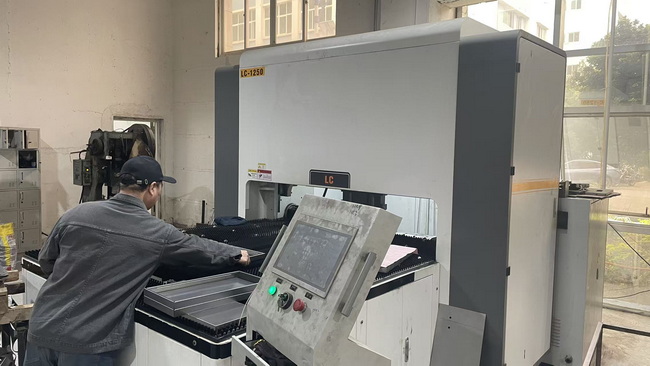
A visual walkthrough of our advanced machining, metal processing, laser marking, and packaging lines at our ISO-compliant facility.
Technical Physics of Face Milling: Rakes, Angles, and Kinematic Forces

A face mill's metal removal performance is dictated by its geometric design. In contrast to peripheral end mills, a face mill cuts primarily with the face of the inserts. Radial forces push perpendicular to the spindle axis, while axial forces act along the spindle line. Balancing these forces is essential to maintain surface flatness and prevent spindle runout over long production runs.

1. The Geometry of the Entering Angle (Lead Angle)

The entering angle—the angle between the insert's cutting edge and the workpiece surface—influences cutting dynamics. The three most common configurations are:

  • 90-Degree Face Mills (Square Shoulder): Generates radial forces that act perpendicular to the spindle axis. Ideal for thin-walled parts where axial pressure must be limited to prevent deformation. It also produces sharp, 90-degree steps.
  • 45-Degree Face Mills: The most common configuration for flat surfaces. This design distributes cutting forces almost equally in both axial and radial directions. Additionally, it creates a chip thinning effect, allowing operators to increase table feeds without overloading the cutting edges.
  • High-Feed Mills (Low Entering Angle, typically 10 to 15 degrees): Translates radial and axial forces into purely axial directions. Axial forces are absorbed directly by the spindle structure. High-feed face mills are optimized for roughing steel castings and mold cavities at high feed rates.

2. Substrates, Insert Geometries, and Advanced Coating Systems

Tool life is dependent on the metallurgy of the indexable inserts. Suzhou Tier Tool utilizes ultra-fine and sub-micron tungsten carbide substrates, combined with cobalt binders. This structure balances hard tungsten grains with tough cobalt matrices to resist thermal cracking during milling operations.

Coatings provide the primary barrier against heat and chemical wear. We apply advanced PVD and CVD coatings, including:

  • AlTiN (Aluminum Titanium Nitride): Forms a hard aluminum oxide barrier under high-heat conditions, protecting the substrate when dry-milling carbon steels and cast irons.
  • TiAlN (Titanium Aluminum Nitride): Suitable for general steel and stainless steel machining where heat and mechanical stress vary.
  • DLC (Diamond-Like Carbon) & PCD (Polycrystalline Diamond): Essential for non-ferrous applications like aerospace-grade aluminum. DLC coatings prevent chip welding, while PCD tips resist the abrasive action of high-silicon aluminum and composite fibers.

Global Exporter Integration: Logistics, Standards, and Compliance

As a global tool exporter, Suzhou Tier Tool integrates international standards into our production and quality management workflows. We conform to ISO 9001:2015 standards and meet the regulatory expectations of buyers across North America, Europe, and the Asia-Pacific region. Our systems ensure complete material traceability, from raw carbide rods to finished, laser-marked tools.

We work closely with global logistics networks to offer fast and reliable delivery. Whether shipping standard ISO inserts or custom OEM cutter bodies, our logistics team handles import-export documentation to ensure smooth customs clearance and predictable delivery timelines. We also provide localized technical support and engineering advice, helping our clients optimize spindle parameters, feed rates, and depth of cut on-site.

The Technical Roadmap & Future Outlook

Industrial machining is shifting toward smart, automated manufacturing processes. Suzhou Tier Tool is aligned with these developments, focusing on three core research and development pathways:

  • Optimized Coolant Delivery (MQL & Internal Channels): Developing internal coolant routing systems that target the cutting zone directly. This is crucial for minimal quantity lubrication (MQL) setups, helping clear chips and extend tool life during dry-milling.
  • Vibration-Damping Tool Bodies: Designing cutter bodies using light alloys and internal damping mechanisms to absorb harmonic vibrations, especially during long-reach machining.
  • Sustainable Tooling Solutions: Refining carbide recycling processes and developing tooling designs that support energy-efficient machining and eco-friendly cooling strategies.

Frequently Asked Questions (FAQ)

1. What causes premature tool failure in indexable face mills, and how can it be avoided?
Premature tool failure is typically caused by thermal cracking, chipping, or built-up edge (BUE). Thermal cracking occurs during thermal cycles from inconsistent coolant application. Switching to dry milling with an air blast often resolves this. Chipping indicates excessive vibration or insert chipping, which can be mitigated by reducing the feed rate or using a tool holder with lower runout. BUE is common in ductile materials like aluminum and can be reduced by using coated inserts with sharp geometries and increasing cutting speeds.
2. When should I choose a 45-degree face mill over a 90-degree face mill?
Use a 45-degree face mill when your primary goal is flat surface machining and you want to maximize feed rates. The 45-degree angle thins the chips, reducing cutting forces and protecting the spindle. A 90-degree face mill should be selected when you need to machine a square shoulder, or when the workpiece is thin-walled and cannot withstand high axial forces.
3. How does internal coolant design improve face milling tool life?
Internal coolant channels deliver coolant directly to the cutting zone. This flushes chips out of the pocket, preventing them from being re-cut. Re-cutting chips damages the inserts and degrades the surface finish. In addition, internal coolant keeps the temperature consistent, extending tool life during heavy machining.
4. What is chip thinning, and how does it affect feed rate calculations?
Chip thinning occurs when the entering angle is less than 90 degrees. As the angle decreases, the actual chip thickness becomes thinner than the feed per tooth. To maintain the target chip thickness, operators must increase the feed rate. This increases productivity and helps distribute heat away from the cutting edge.
5. Can Suzhou Tier Tool manufacture custom face mills for specific applications?
Yes. Suzhou Tier Tool provides comprehensive OEM and ODM services. We design and manufacture custom face mills with tailored diameters, pocket pockets, insert configurations, and coolant routes to match your material specifications and machine characteristics.
6. What tolerances can your factory maintain during the custom manufacturing process?
Using CNC grinding machines and optical inspection equipment, we maintain machining tolerances as tight as 0.002mm. This precision ensures excellent tool runout control, which is necessary for high-speed balancing and long tool life in automated environments.

Specialized Industrial Cutting Tools & Hardware

Discover more high-grade drilling, milling, and thread-cutting tooling solutions designed for modern industrial manufacturing.
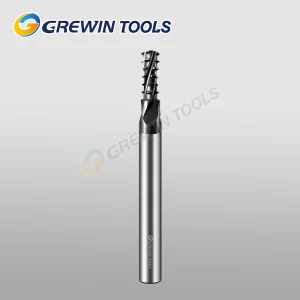
Grewin 60 Degree Metric Thread Mill
Grewin 60° Metric Staggered Tooth Full Profile Thread Mill Anti-Vibration for Steel Stainless Steel
View Technical Details
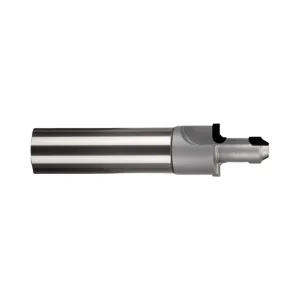
American Made 120 Degree Carbide PCD Step Drill
American Made Quality 120 Degree High Performance Solid Carbide PCD Tipped Step Drill for Composite Materials
View Technical Details
Steel Indexable Drill Insert
Steel Indexable Drill Insert 3D Controllable Mode CNC Center Drill Bit
View Technical Details
CNC Indexable Tungsten Carbide Face Milling Tool
CNC Indexable Tungsten Carbide Face Milling Tool for Cast Iron Customized ODM & OEM Support Coating
View Technical Details
Carbide CNC Roughing End Mills
Carbide CNC Roughing End Mills Thread Milling Cutters Wavy-edge Corrugated Steel Coated Milling Cutters OEM/ODM
View Technical Details
Precision Solid Carbide Drill Bits
Precision Solid Carbide Drill Bits for CNC Metalworking & Drilling
View Technical Details
CNC Machining Center EMR6R Face Milling Cutter
CNC Machining Center EMR6R-50/63/80 High Performance AlTin Face Milling Cutter Indexable Mill Cutters OEM Available for CNC
View Technical Details
High Feed Deep Hole Brazed Gun Drill Bits
5mm High Feed Deep Hole Brazed Gun Drill Bits
View Technical Details