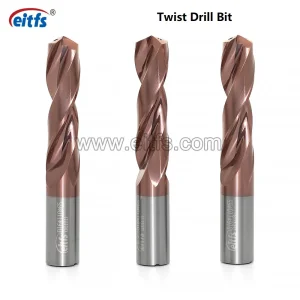
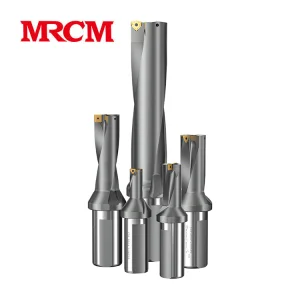
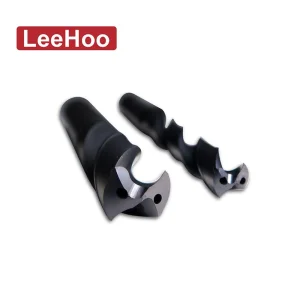
Select from our premium lineup of high-precision indexable milling systems, custom solid carbide drills, and advanced coating end mills designed for structural component processing.
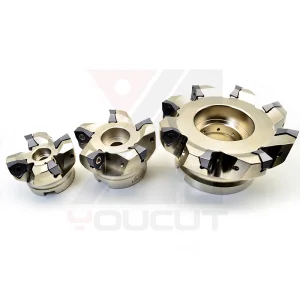
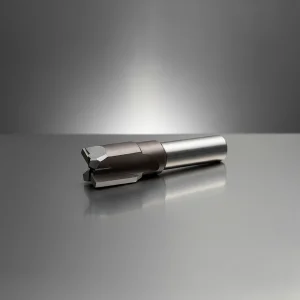
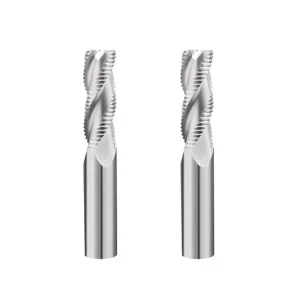
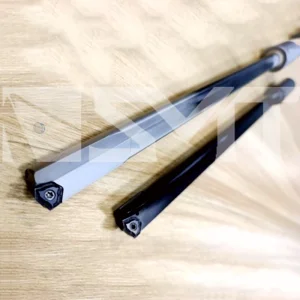
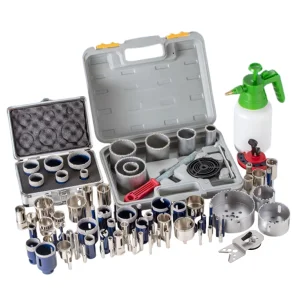
In modern subtractive manufacturing, the integration of custom-designed profile tools is no longer a secondary option but a strategic imperative. Custom OEM form tools are engineering solutions specifically engineered to machine a complex sequence of contours, grooves, radii, and chamfers in a single plunge or path. By consolidating multiple machining operations into one specialized profile tool, manufacturing operations achieve critical advantages: severe reductions in cycle times, elimination of tool change intervals, mitigation of indexing errors, and a vastly improved surface finish ($R_a$).
As leading global manufacturers shift toward high-feed rates, automated CNC centers, and extremely tough alloys (such as Titanium Ti-6Al-4V, Inconel 718, and high-strength tempered steel), standard tool geometries fall short. Developing specialized tools tailored to exact part dimensions is essential for high-throughput factories. This whitepaper analyzes the engineering capabilities, metallurgical substrate criteria, advanced coatings, macro-industrial applications, and procurement standards required when collaborating with premium Custom Form Tool factories.
Established in 2008, Suzhou Tier Tool Co., Ltd. is a recognized national high-tech enterprise specializing in the design, manufacturing, and comprehensive technical support of precision solid carbide cutting tools. With over a decade of deep involvement in the precision machining industry, Tier Tool has focused its engineering expertise on delivering high-performance, high-efficiency cutting solutions optimized for complex hole-making, milling, and metalworking applications.
Through continuous technological innovation and manufacturing excellence, the company has earned the trust of customers across a wide range of demanding industries worldwide. Tier Tool's state-of-the-art facility integrates raw material selection, advanced geometry design, CNC grinding, nano-coating options, and comprehensive micro-inspection systems under one rigorous Quality Management System.
We adhere to the principle of "Quality First, Continuous Improvement", ensuring every tool designed and delivered meets demanding tolerances and performs consistently in production.
The global cutting tool market is undergoing a rapid evolution, driven by the emergence of smart factory architectures, multi-tasking turning centers (mill-turns), and the rise of difficult-to-machine materials. Here are the macro trends defining the production of custom cutting instruments:
Standard carbide substrates no longer suffice for extreme heat and mechanical stress. Modern factories use sub-micron and nano-grain tungsten carbide ($WC$) substrates bound with Cobalt ($Co$) matrix structures. This yields superior hardness (up to 1800 HV) and transverse rupture strength, allowing tools to resist chipping and thermal fatigue.
Chemical and physical vapor deposition (PVD/CVD) technologies allow for complex layered coatings. PVD AlTiN (Aluminum Titanium Nitride), AlTiCrN, and nano-composite structures are applied to form a thermal barrier. This enables dry machining and high-speed cutting (HSC) by raising oxidation resistance temperatures to over 900°C.
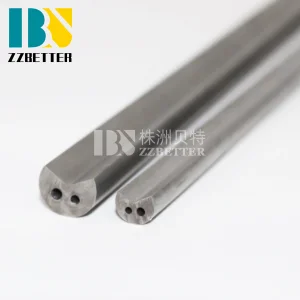
Deep-hole drilling and complex cavity milling generate intensive heat in localized zones. Custom form tools are increasingly manufactured with internal helical coolant holes. Delivering high-pressure coolant (HPC) directly to the cutting edge enhances chip evacuation and reduces micro-chipping risks.
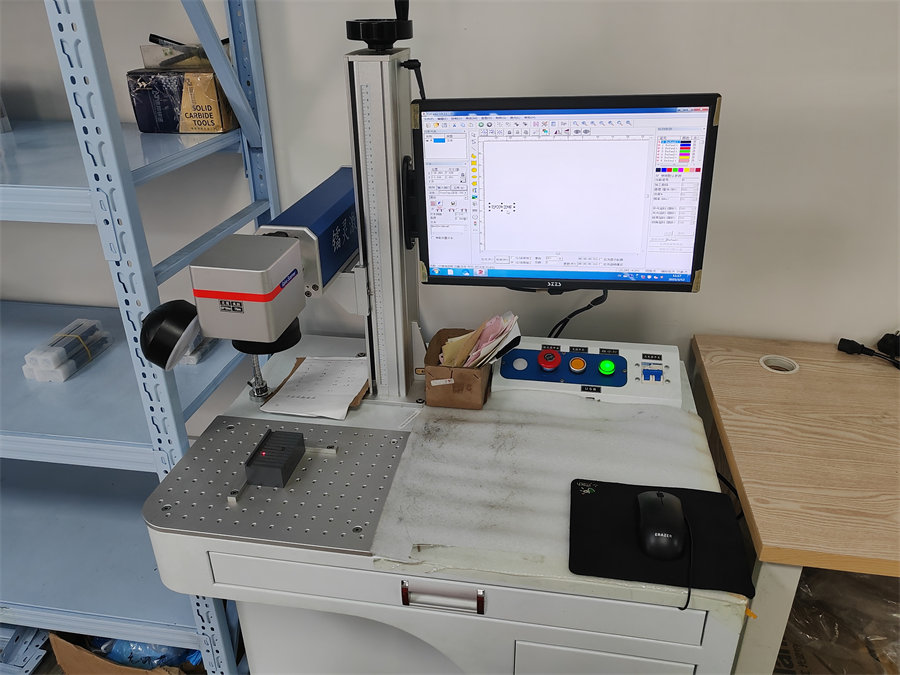
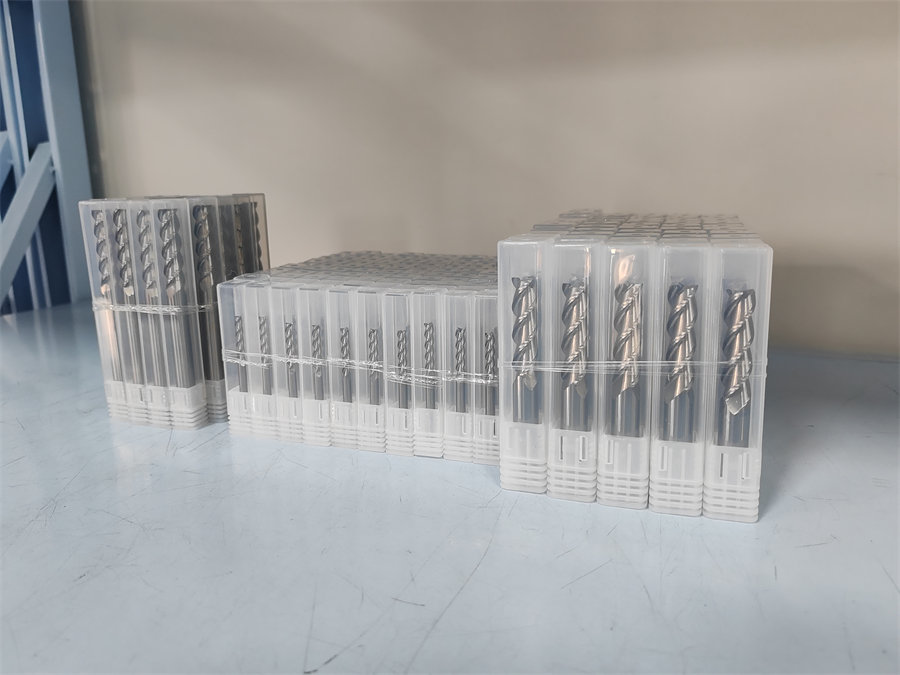
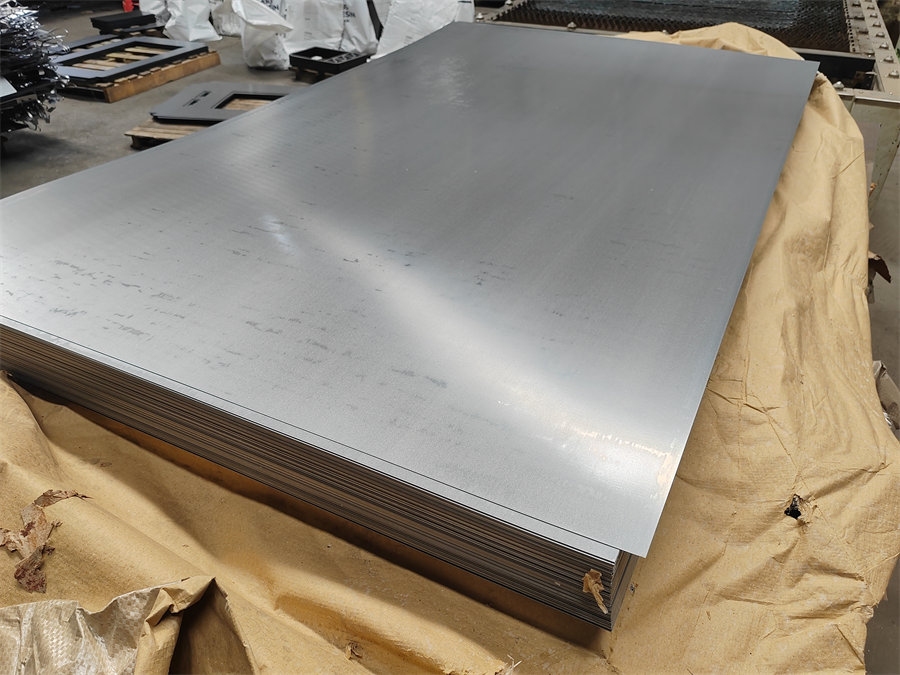
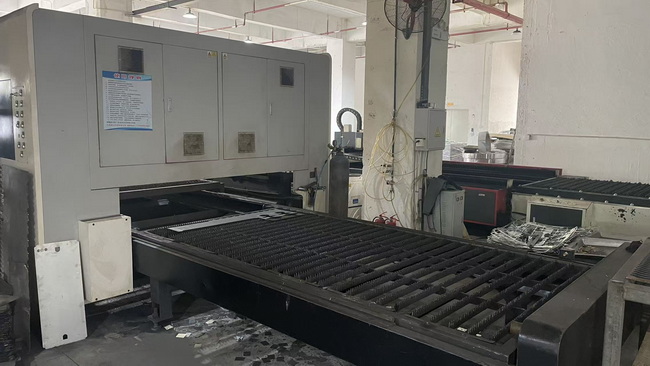
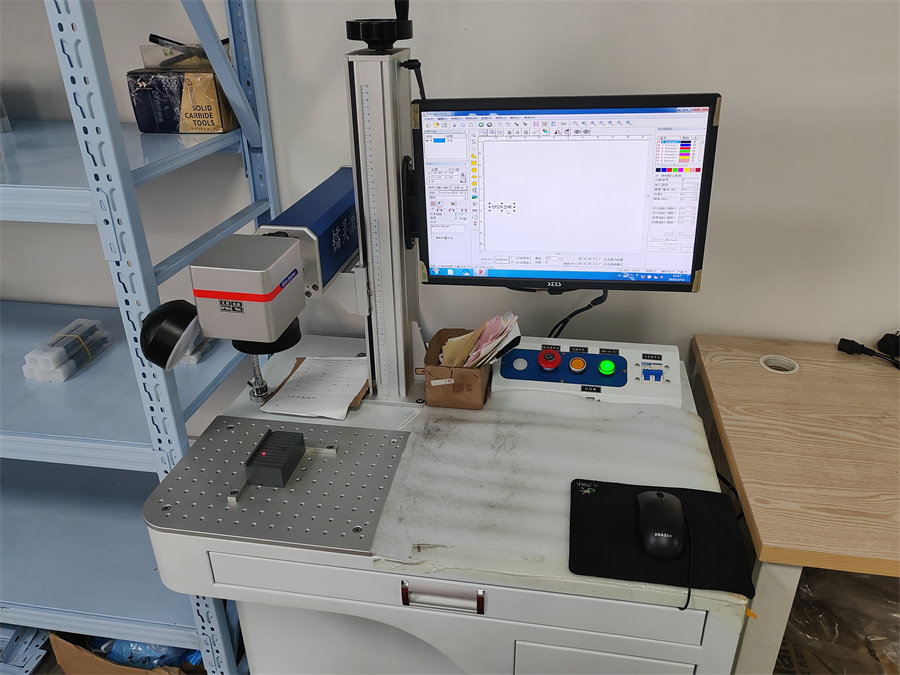
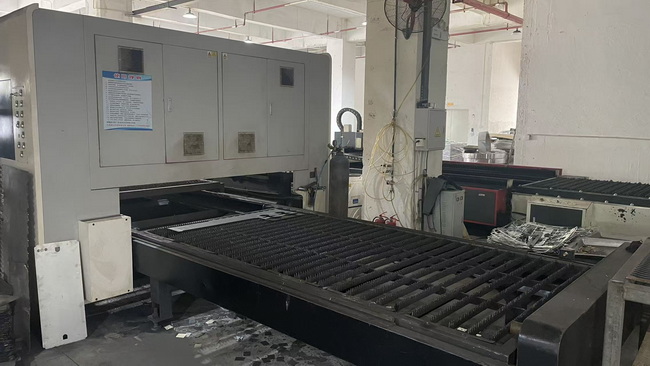
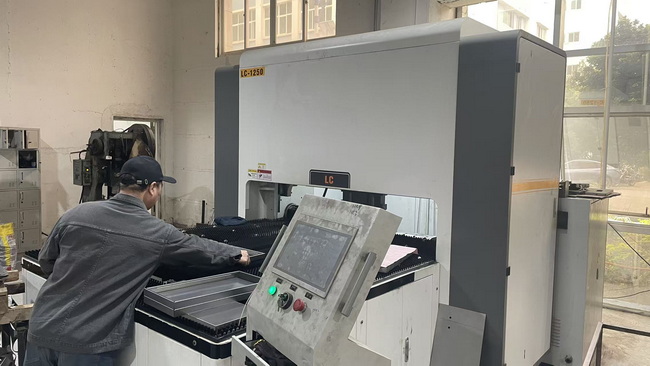
To maintain strict tolerances and ensure that tool geometry is highly consistent from batch to batch, Suzhou Tier Tool Co., Ltd. implements full-process control. Below is a visual representation of our workshop operations, precision equipment, metal fabrication, and quality control processing flow.
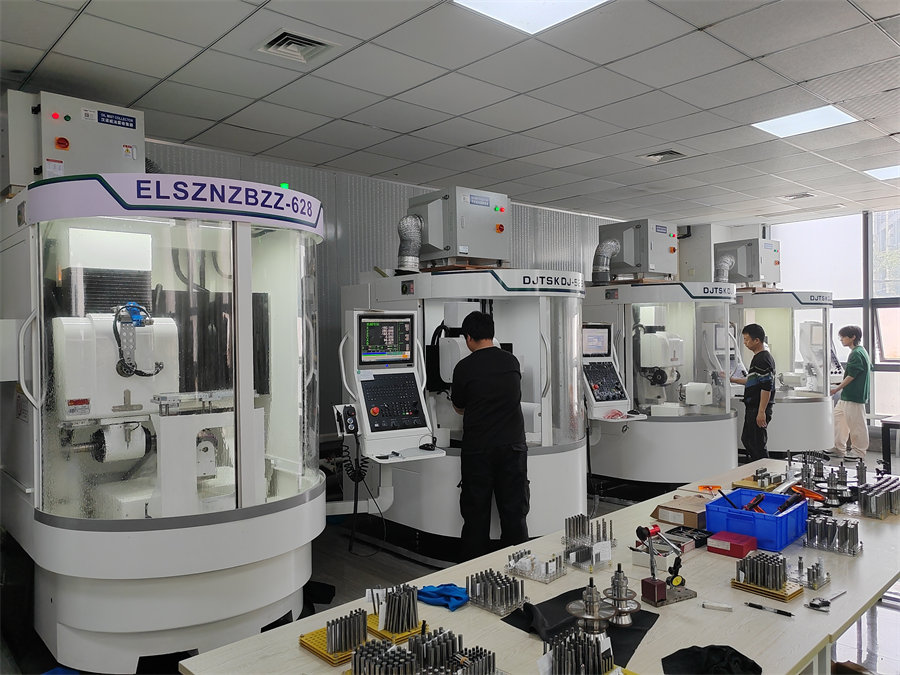
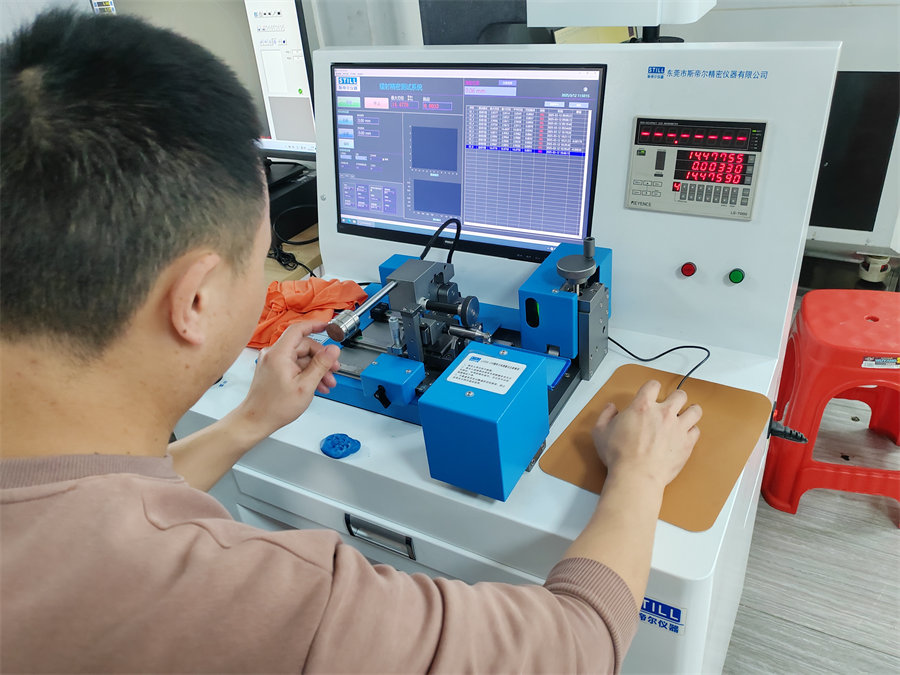
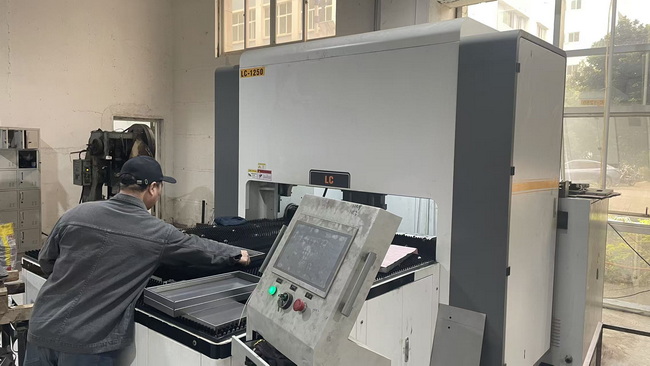
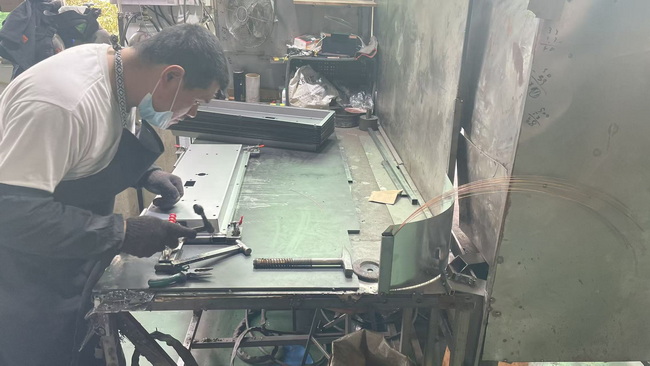
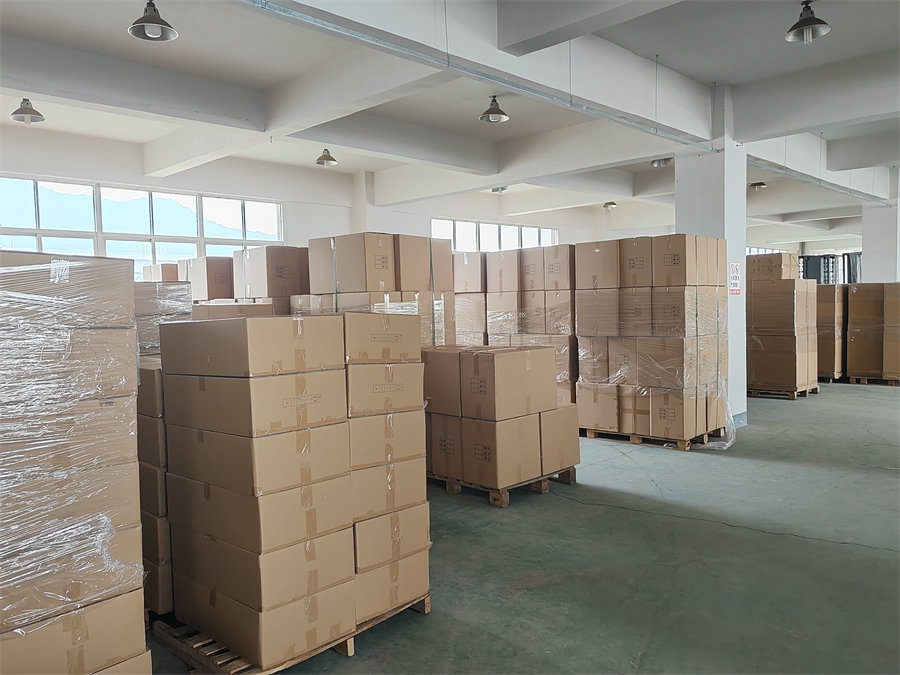
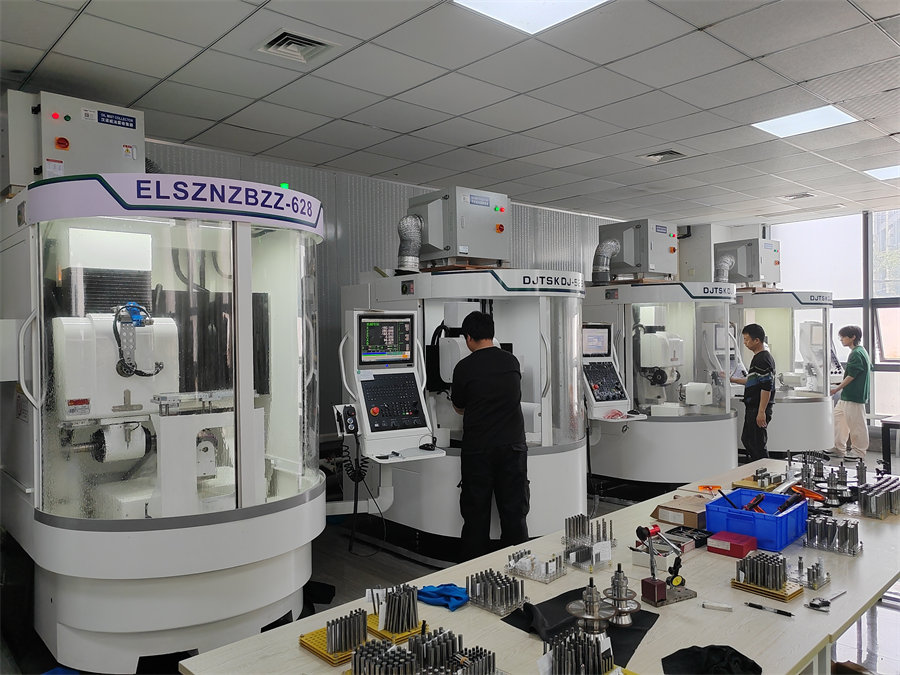
Industrial cutting parameters vary significantly across sectors. A high-efficiency automotive casting machining setup has different structural requirements than an aerospace structural block machining system. Below, we detail how custom form tools are tailored for specific application fields:
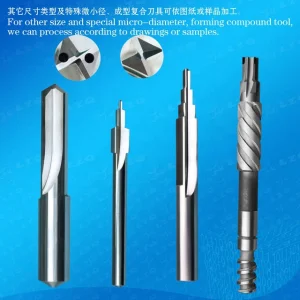
The production of ICE engine blocks, transmission gears, and EV motor housings involves machining structural aluminum alloys and high-strength steels. Custom step drills and multi-grooving tools cut cycle times by combining drilling, counterboring, and chamfering in a single operation. This ensures absolute concentricity and tight tolerance fits.
Aerospace components made from titanium alloys and nickel-based superalloys generate localized temperatures that can cause rapid tool wear. Custom solid carbide form end mills are designed with unequal helix angles and variable pitch patterns to suppress machining vibrations (chatter), extending tool life.
Manufacturing orthopedic implants and surgical instruments from medical-grade stainless steel, PEEK, or Titanium demands high dimensional precision and a clean surface finish to prevent bacterial adhesion. Custom micro-form tools ensure sharp cutting edges and clean geometries for miniature operations.
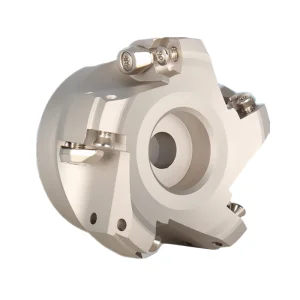
Mold cavity roughing requires heavy material removal rates under intense pressure. Indexable cutting tools and wave-edge end mills distribute mechanical forces evenly, minimizing spindle wear. Custom face milling solutions optimize chip pocket designs to prevent chip packing during deep-pocket processing.
Procurement departments face the challenge of balancing tooling costs against production gains. Focusing strictly on the purchase price of a tool can lead to higher overall production costs due to unexpected tool failures and downtime. An effective procurement strategy evaluates tools based on total cost of ownership (TCO). High-performance custom tools help control costs by:
Tier Tool’s engineering roadmap is designed around the demands of next-generation machining operations:
1. Intelligent Tool Design: We are integrating CAD simulation systems to model chip formation and temperature distribution during the design phase. This allows us to refine custom tool geometries before grinding the first prototype.
2. Smart Coating Technologies: Partnering with surface coating laboratories, we are testing nano-structured coatings that resist adhesion when machining ductile materials like aerospace aluminum and titanium alloys.
3. Advanced Automation: Expanding our multi-axis CNC grinding setups with robotic loading systems enables continuous, high-precision production for high-volume custom orders.
Operating in international supply chains requires strict adherence to environmental and regulatory frameworks. Suzhou Tier Tool ensures full alignment with the following standards:
ISO 9001:2015 System Certification: Our manufacturing plant operates under a documented quality control framework, ensuring process traceability from carbide powder to finished tool.
Material Compliance: All raw tungsten carbide materials comply with international REACH and RoHS directives, ensuring conflict-free sourcing.
Technical Service Support: We provide detailed cutting parameter recommendations (including recommended spindle speeds, feed rates, and depth of cut) with every custom tooling solution to help you optimize tool performance.
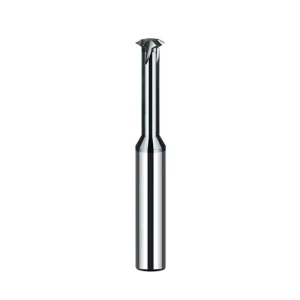
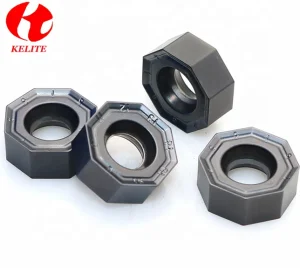
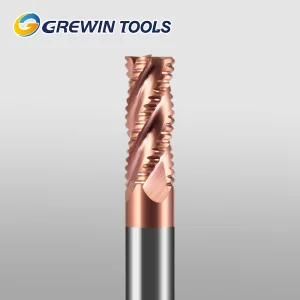
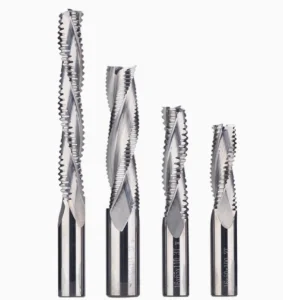
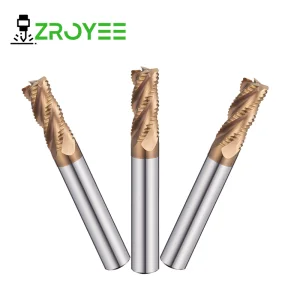
Review our indexable end mills, roughing tools, spot drills, and high-feed inserts designed for CNC centers and lathe setups.
 Tier Tool