Explore our elite selection of CNC milling, drilling, and high-performance thread-cutting tools designed for extreme workpiece hardness and structural efficiency.
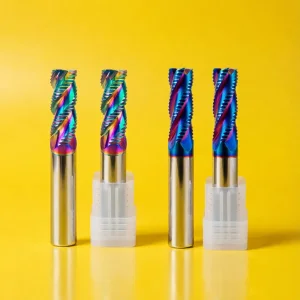
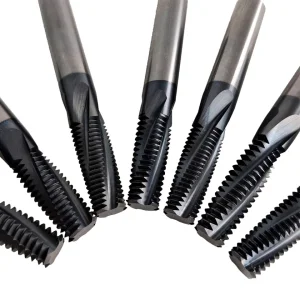
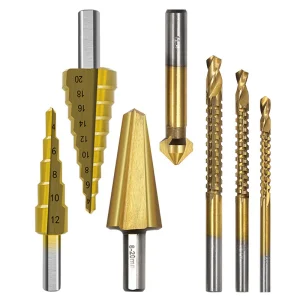
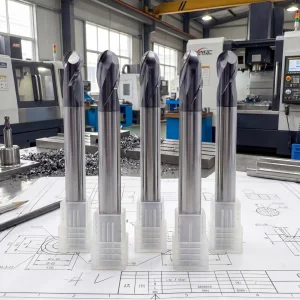
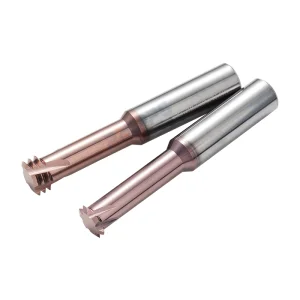
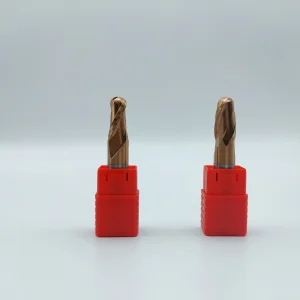
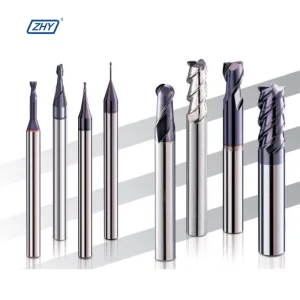
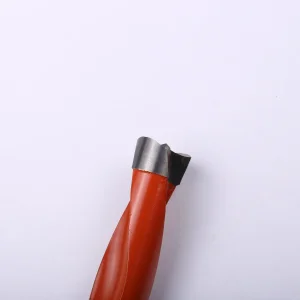
In modern high-speed transmission and precision drivetrain industries, gear profiles dictate system mechanical efficiency. From internal automotive powertrains and planetary gear systems in aerospace to heavy wind turbine gearboxes, the demands for machining tolerance controls have transitioned from micrometer to sub-micrometer levels. Custom OEM gear cutting tools stand as the foundational technology driving these achievements.
Traditional off-the-shelf gear cutting solutions struggle to handle the extreme geometrical deviations required by complex tooth profiles, pressure angles, and specialized pitch parameters. Today's global supply chain relies on custom tool geometry optimized for specific workpiece materials—ranging from high-tensile steels to aerospace-grade superalloys. As a premier Custom OEM Gear Cutting Tools Exporter, Suzhou Tier Tool Co., Ltd. addresses the dual challenge of high-speed cutting efficiency and extended tool life.
Standard cutting tools impose significant limitations. Custom geometries unlock higher feeds, shorter cycle times, and stable finishing quality.
We source high-purity tungsten carbide powders with cobalt content customized to the specific thermal-shock demands of intermittent cutting during gear-hobbing and milling operations.
Variable helix angles and progressive index flutes disrupt harmonic frequencies during machining. This mitigates chatter, stabilizes workpiece finish, and ensures perfect tooth symmetry on the gear blank.
From Nano Blue and TiAlN coatings for dry-machining steels to Diamond-Like Carbon (DLC) coatings for non-ferrous and aluminum workpieces. Thermal barrier coatings prolong tool edge life up to 300%.
"The integration of Custom OEM gear cutting designs directly reduces machine cycle times. By customizing rake angles and applying nanostructured physical vapor deposition (PVD) coatings, tool change intervals are slashed, translating to massive cost-per-part reductions in high-volume production lines."
As global demands shift toward lean manufacturing, procurement professionals prioritize short lead times, precise reproducibility, and competitive unit pricing. China's tooling manufacturing sector has evolved from raw capacity into a high-technology cluster featuring state-of-the-art multi-axis CNC grinding systems and automated raw material processing.
Suzhou Tier Tool Co., Ltd. operates at the core of this technological ecosystem. Established in 2008 in the industrial hub of Suzhou, our facility bridges high-speed logistics and raw material integration. We run multiple imported CNC grinding centers, allowing complete control from initial tool design and 3D simulation to physical prototyping, coating, and automated packaging.
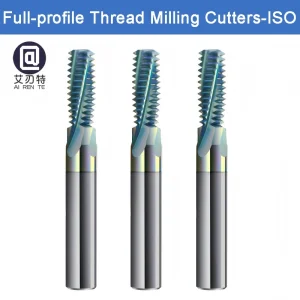
This consolidation of supply chain steps enables us to slash typical tooling lead times by up to 35% compared to European or North American producers. We ensure that our custom gear hobbing, spline milling, and thread mills reach assembly floors when needed, backed by comprehensive inspection documentation.
Custom spline cutters and high-hardness end mills designed for quiet planetary transmission gear systems in modern electric vehicles.
Machining solutions for titanium alloy turbine rotors and critical engine gear components requiring zero dimensional errors.
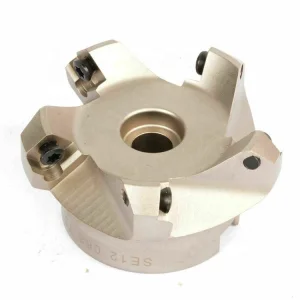
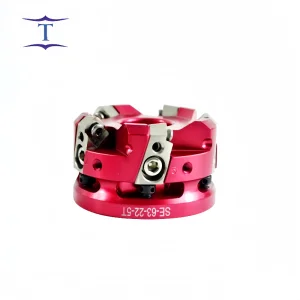
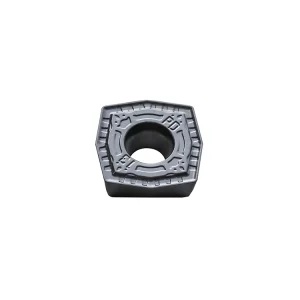
Large-pitch indexable insert tooling designed for heavy-duty tooth profiling in high-load power generation systems.
Every stage of production—from laser cutting to micro-marking and final packaging—is monitored to meet international ISO quality standards.
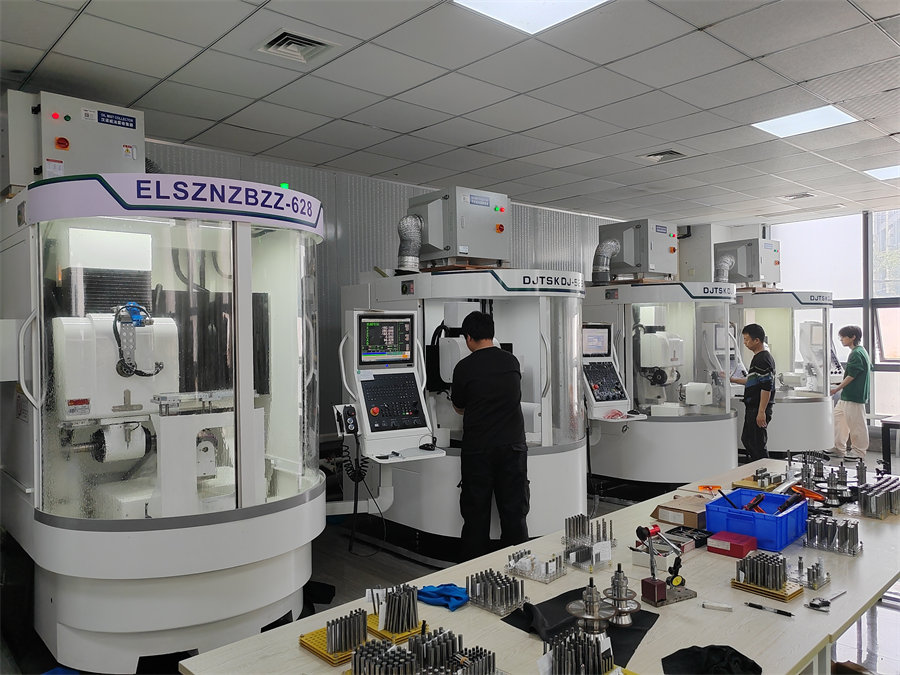
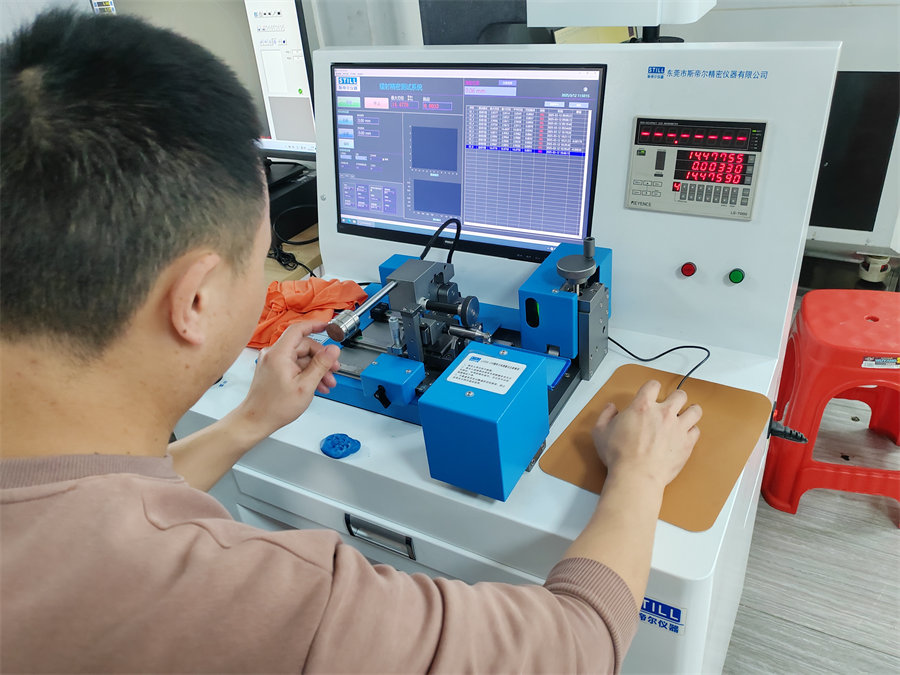
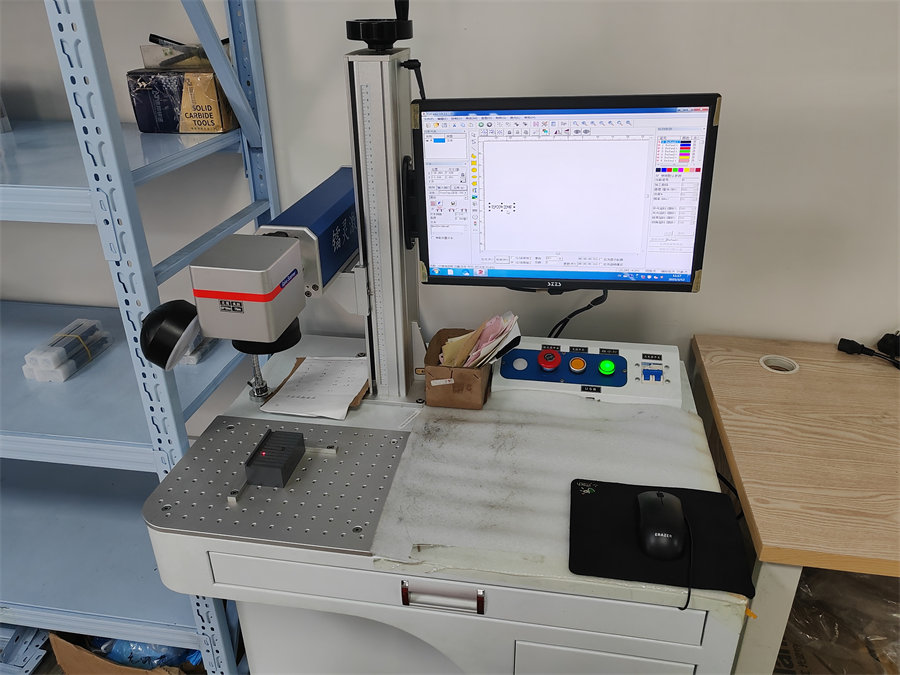
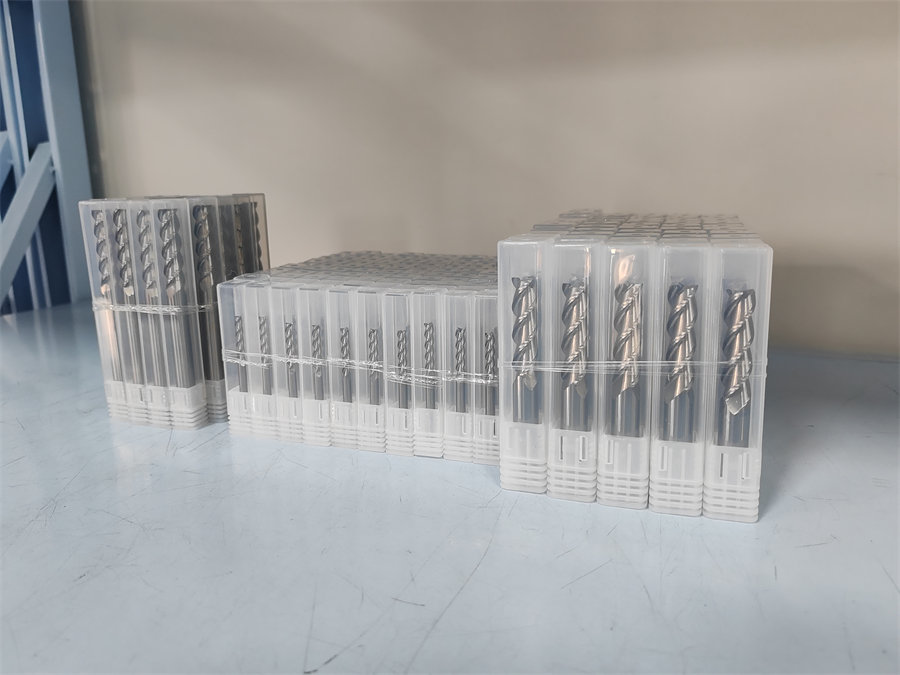
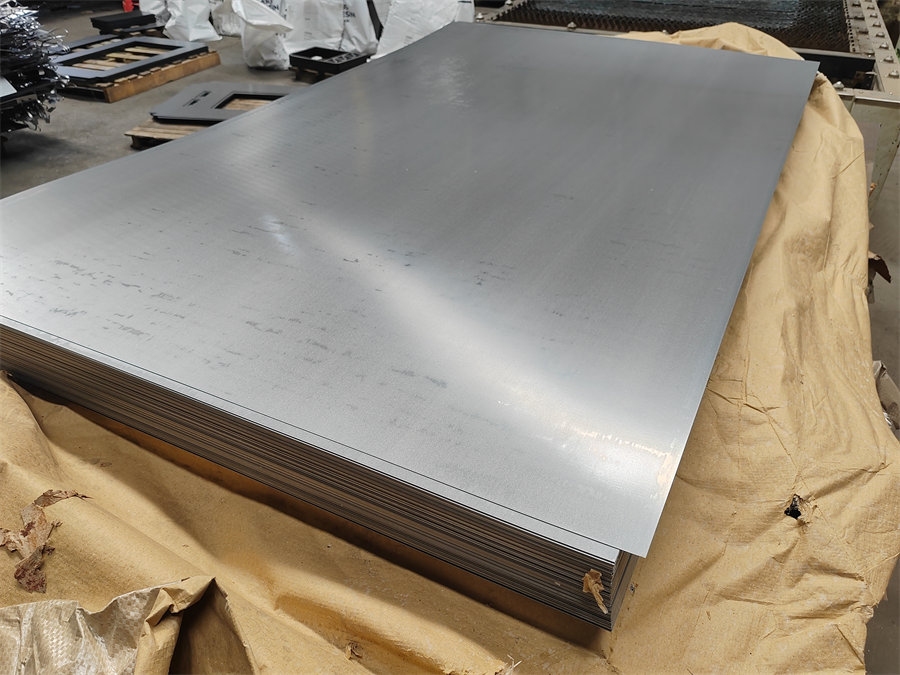
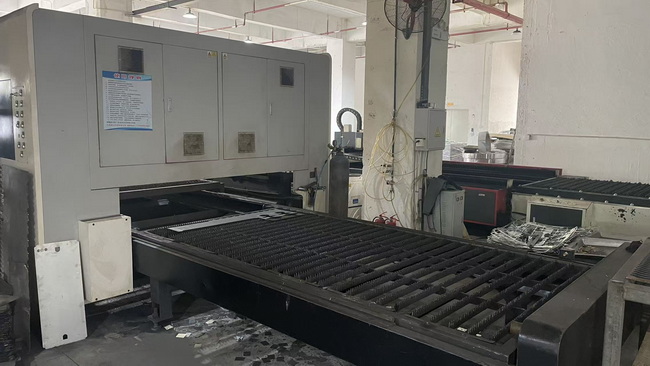
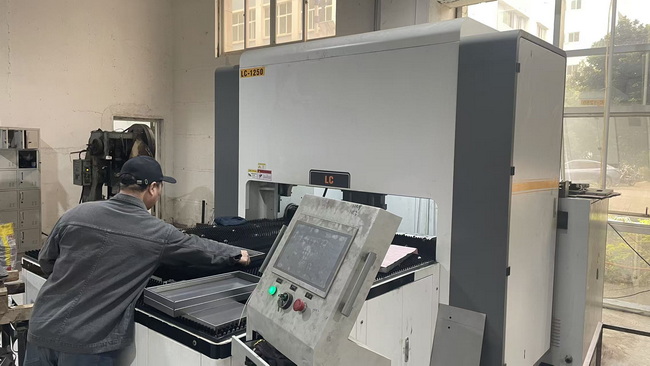
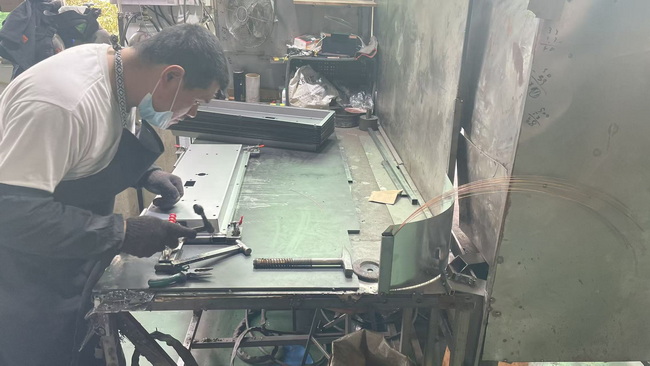
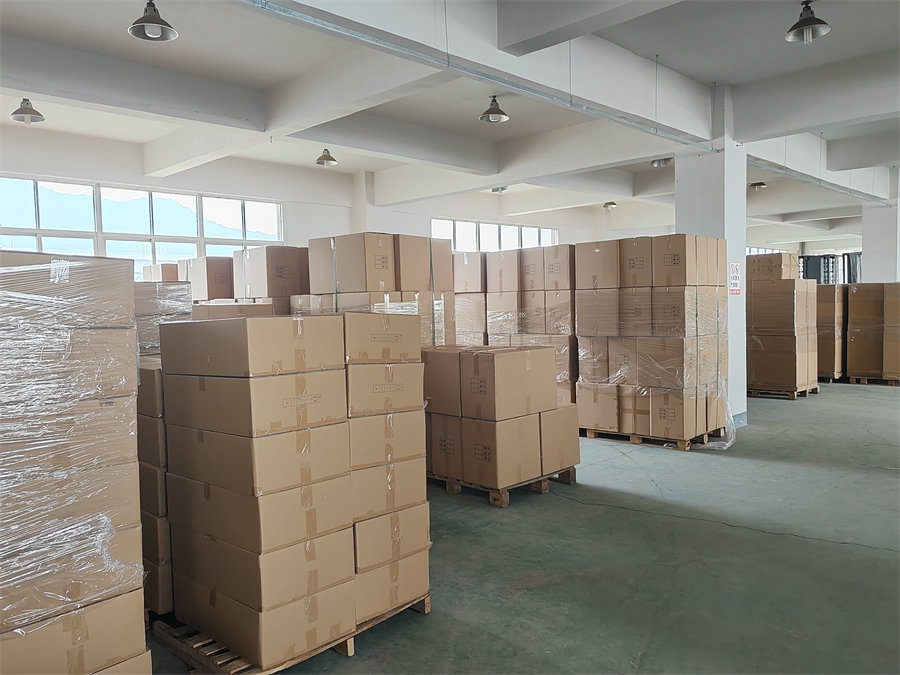
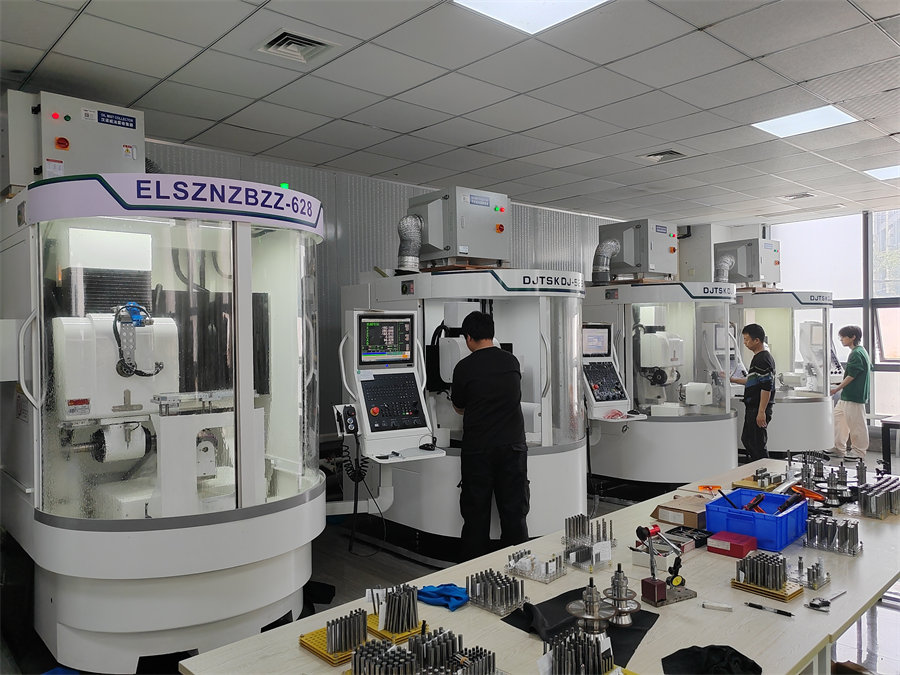
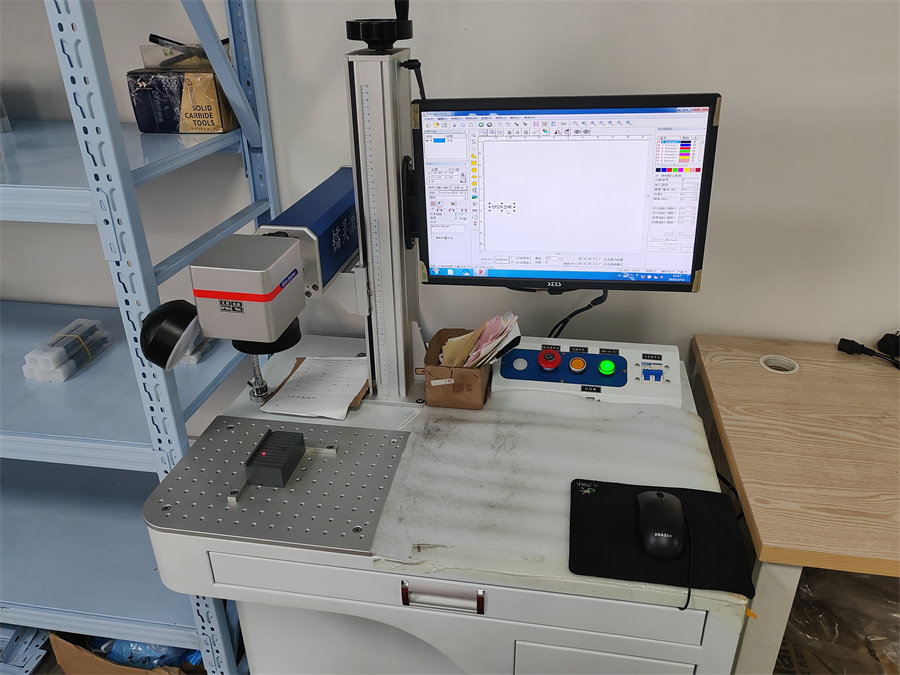
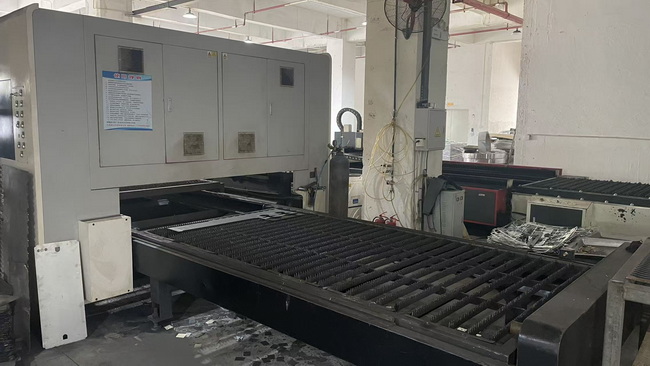
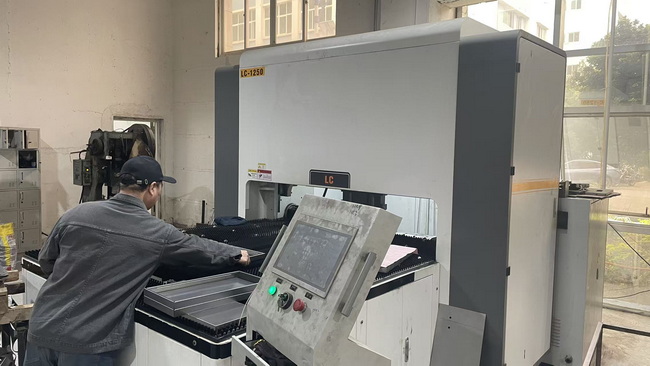
Quality is the foundation of long-term partnership. We prioritize consistency in every single tool shipped to global buyers.
At Suzhou Tier Tool Co., Ltd., quality is not just a final inspection stage; it is embedded throughout our entire design and manufacturing process. We implement the principle of "Quality First, Continuous Improvement" across all manufacturing phases, utilizing advanced measurement technology to verify structural integrity.
Our quality engineering begins with strict selection of incoming raw tungsten carbide substrates. Every batch undergoes ultrasonic testing to verify density, hardness, and metallurgical homogeneity. During production on our multi-axis CNC tool grinding machines, real-time laser measurement systems monitor dimensional parameters, maintaining run-out accuracy within < 0.005mm.
After coating and laser marking, each tool undergoes final optical inspections using high-magnification digital measuring microscopes. This ensures that flank wear, rake angles, and relief geometries match the requested specifications.
Beyond simple supply, our engineering team works directly with client operations to optimize cutting parameters. We assist in resolving complex machining problems, including rapid edge chipping, work hardening of materials, and inefficient chip evacuation.
Find direct answers to common questions about customization, coatings, tolerances, and ordering logistics.
Standard milling cutters are optimized for general profiling, slotting, or peripheral cutting. They lack the specific tooth profiles, pressure angles, and modified relief geometries required to generate high-precision gear teeth. Custom OEM gear cutting tools are designed from the ground up to match the precise profile parameters of the gear, including pitch circle diameter, addendum, and dedendum. This optimization distributes cutting forces evenly, reduces flank wear, and prevents chattering, resulting in cleaner tooth profiles and longer tool life.
For cutting hardened materials, we use ultra-micrograin tungsten carbide substrates that provide the high hardness and edge strength needed to resist chipping. We pair these substrates with advanced nanostructured PVD coatings, such as Nano Blue or TiAlN. These coatings form a protective thermal barrier that helps resist oxidation and heat-induced wear during high-speed cutting. For non-ferrous materials and aluminum alloys, we recommend DLC (Diamond-Like Carbon) coatings to minimize built-up edge (BUE) and improve chip evacuation.
Our in-house capabilities allow us to manage the entire tool production cycle on-site. Once custom tool drawings are approved, production lead times typically range from 2 to 3 weeks for prototypes and standard production batches. This vertical integration helps reduce typical manufacturing turnaround times, allowing global buyers to maintain stable, lean inventory levels.
Consistency is maintained through rigorous process controls, including:
Yes. Our engineering department can work with standard CAD file formats (such as .step, .igs, or .dxf) to design custom tooling. If digital drawings are unavailable, you can send us physical samples of new or worn tools. Our team can reverse-engineer the geometry and develop optimized manufacturing specifications to replicate or improve the tool's performance.
We offer flexible MOQs to support our customers at different stages of production. For standard custom prototypes, we can produce batches as small as 5 to 10 pieces. For larger, continuous manufacturing runs, we can scale production to several thousand pieces. Please contact our engineering team to discuss your specific requirements.
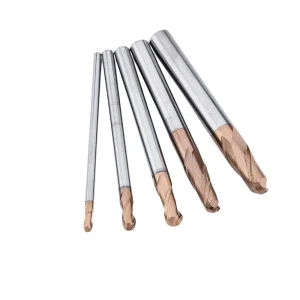
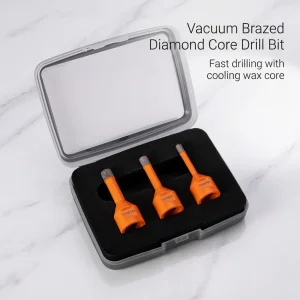
Explore our high-hardness ball nose cutters, indexable face mills, and specialized drill bits designed for CNC machining.
 Tier Tool