Engineered for Advanced CNC Operations, Extreme Hardness, and Superior Chip Evacuation.
Why Modern Heavy Industries Demand High-Cobalt Substrates and Specialty Metallurgy.
In modern aerospace manufacturing, drilling into titanium alloys (such as Ti-6Al-4V) and heat-resistant superalloys (HRSA) like Inconel 718 requires exceptional red-hardness. Standard high-speed steel (HSS) tools succumb quickly to thermal degradation. Cobalt-infused drill bits maintain structural integrity at temperatures exceeding 600°C, ensuring consistent hole sizing and preventing catastrophic tooling failures.
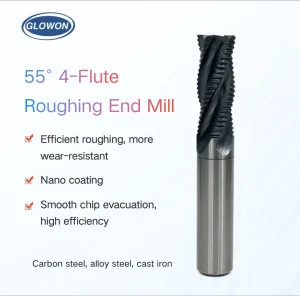
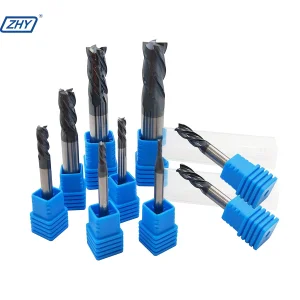
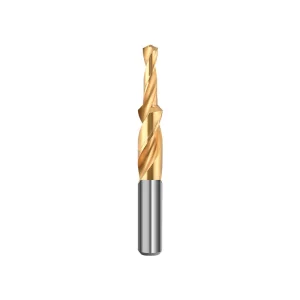
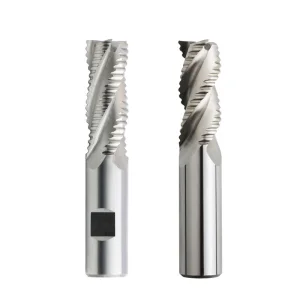
High-volume automotive production lines require minimal downtime. Our custom cobalt step drills and end mills are deployed in drilling high-tensile steel, stainless steel exhaust components, and cast irons. Enhanced mechanical properties reduce cycle times, while precise point geometries minimize exit burrs, removing secondary finishing steps.
Oil, gas, and petrochemical operations rely heavily on heavy-duty alloys for corrosive environments. Drilling thick tubesheets and heat exchangers made from Duplex stainless steels or Hastelloy presents severe work-hardening issues. Our premium M35 and M42 cobalt alloy tools prevent localized heating, maintaining critical cutting-edge sharpness to shear through tough interfaces.
A National High-Tech Enterprise Redefining Solid Carbide and High-Cobalt Rotary Tooling Since 2008.
Established in 2008, Suzhou Tier Tool Co., Ltd. is a leading national high-tech enterprise specializing in the design, manufacturing, and advanced technical support of precision solid carbide and high-alloy cutting tools. Over more than a decade, we have established ourselves as an industry leader in precision machining, providing premium solutions for complex holemaking, milling, and specialized industrial slicing applications.
Our company is deeply integrated into the global precision engineering supply chain. We manufacture tools that drive efficiency in high-performance sectors such as aerospace structural machining, automotive powertrain production, medical device fabrication, and die & mold manufacturing. By focusing on the structural micro-mechanics of cutting tools, Tier Tool delivers products characterized by exceptional tool life, wear resistance, and dimensional reliability.
Through systematic process management, we manage everything from incoming substrate validation to the final packaging. This complete loop of accountability ensures every tool leaving our Suzhou facility adheres to strict dimensional tolerances, maintaining maximum quality control and repeatability.
A Deep-Dive into Our Metallurgy, CNC Capabilities, and Coating Infrastructure
The performance of cobalt drill bits is determined by the composition of their substrate. We utilize premium high-speed steels with 5% cobalt (M35 grade) and 8% cobalt (M42 grade), alongside solid carbide formulations with a cobalt binder phase ranging from 6% to 12%:
To maximize tool life and wear resistance, we apply advanced Physical Vapor Deposition (PVD) coatings designed for high-temperature drilling environments:
| Material Class | Cobalt Content (%) | Vickers Hardness (HV) | Max Operating Temp (°C) | Best Application Match |
|---|---|---|---|---|
| M35 HSS-Co 5 | 4.8% - 5.2% | 800 - 840 HV | 600°C | Structural steels, Medium-alloy carbon steels, Cast iron |
| M42 HSS-Co 8 | 7.8% - 8.2% | 860 - 900 HV | 650°C | Austenitic Stainless Steels (304/316), Titanium alloys |
| Solid Carbide (Ultra-Fine Grade) | 8.0% - 10.0% | 1500 - 1650 HV | 900°C (Coated) | Aerospace HRSA, Hardened tool steel (>55 HRC), Composite drilling |
| Premium Micro-Grain Carbide | 12.0% (Binder) | 1400 - 1500 HV | 950°C (Coated) | Heavy interrupted cuts, CNC high-feed milling and drilling |
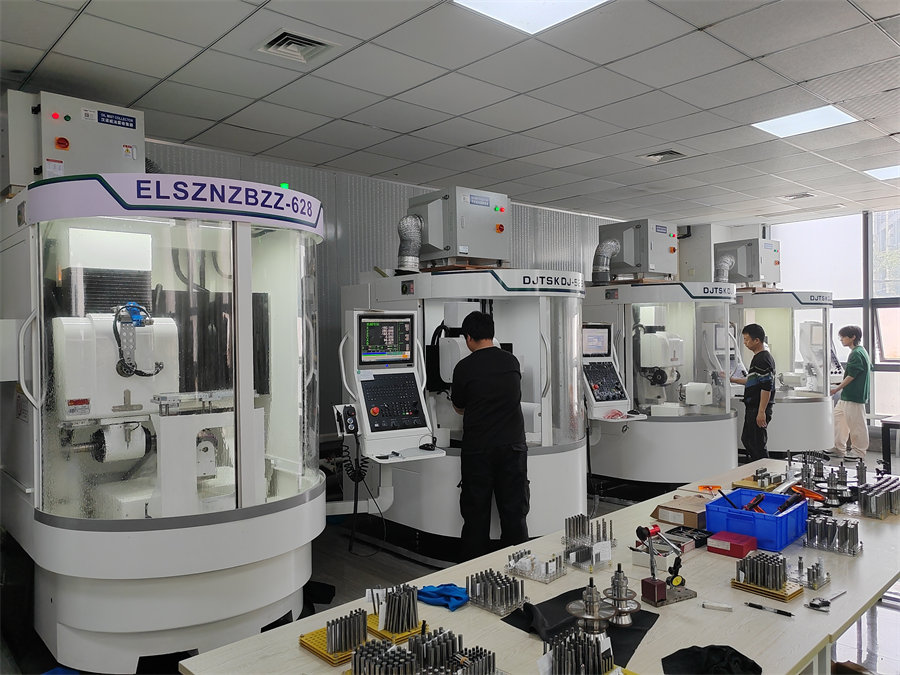
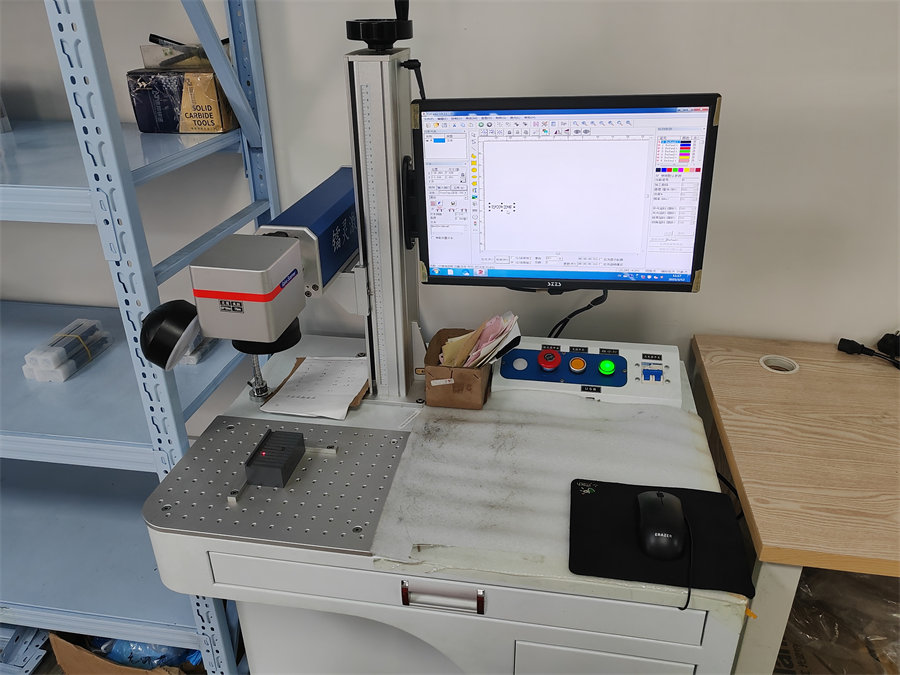
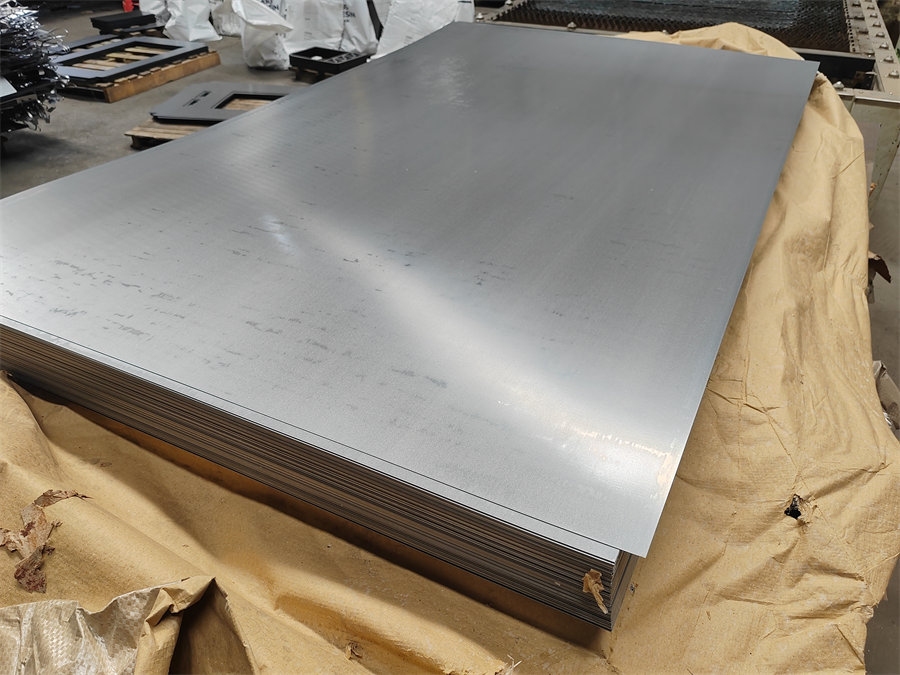
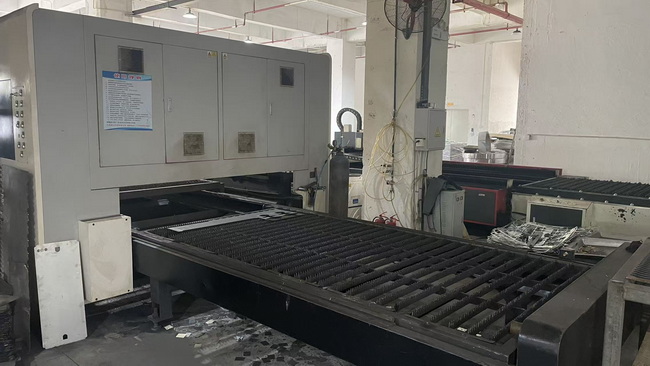
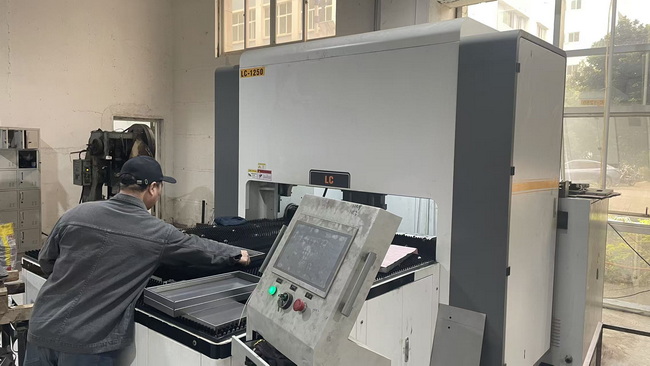
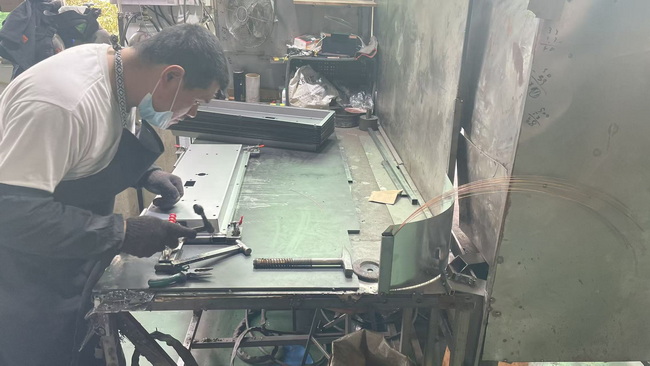
Under the Hood: Our CNC Machinery, Laser Systems, Fabrication Equipment, and Quality Stations

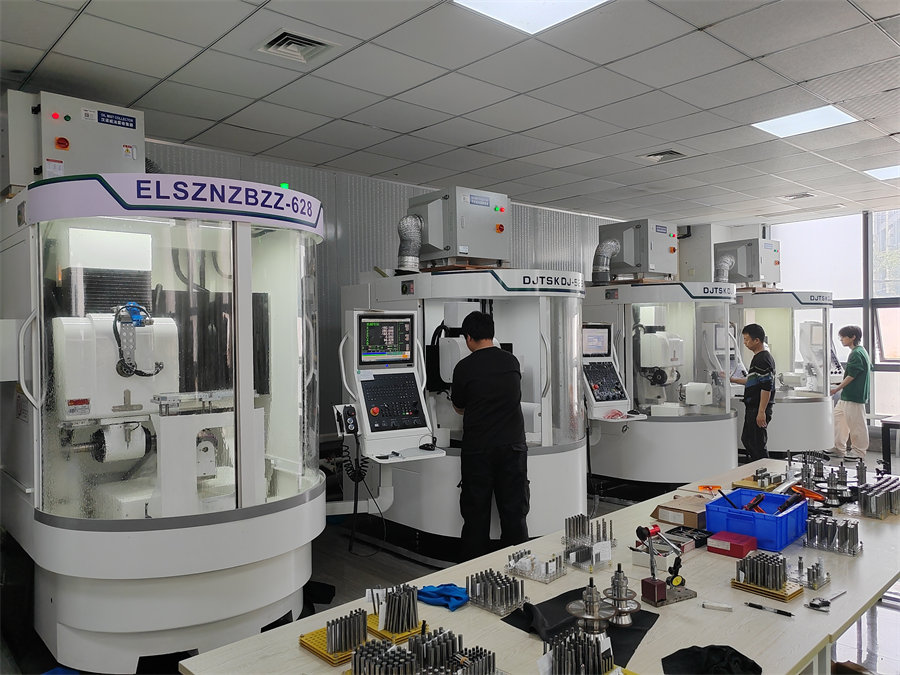
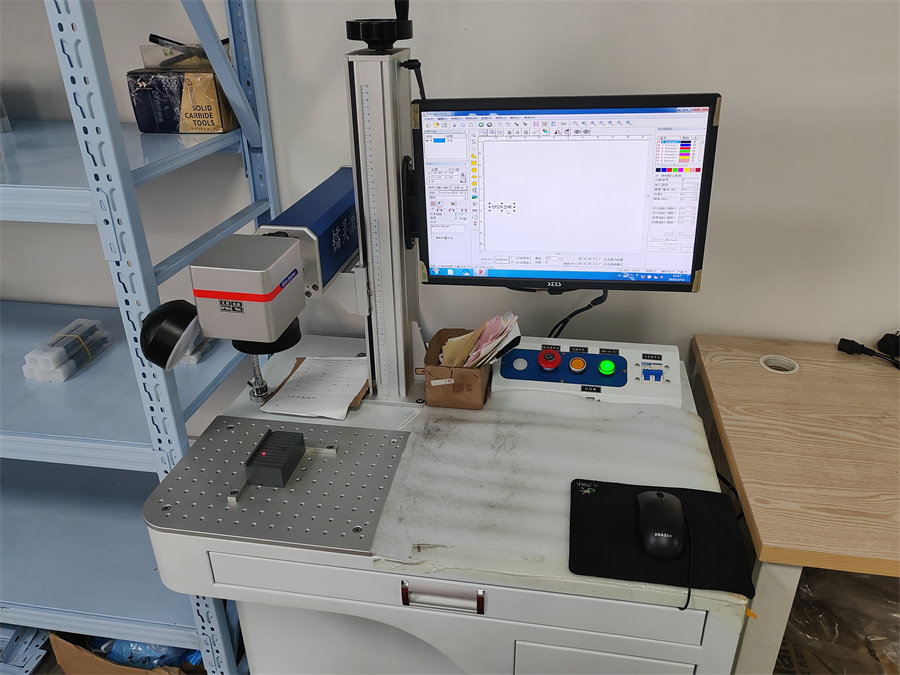
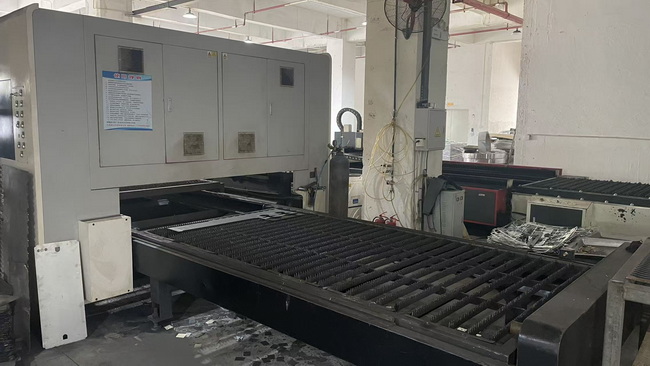
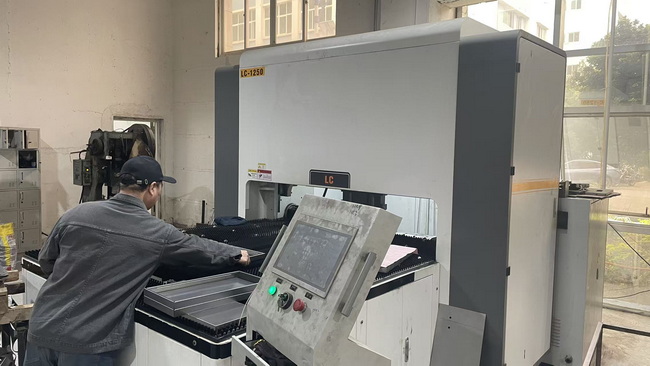
From Concept to Commissioning: Tailored Tooling for Industrial Manufacturing
Our CAD/CAM engineers design tools optimized for your specific machining parameters. Utilizing advanced 3D simulation tools, we analyze stress concentrations, chip flow dynamics, and thermal behavior before production begins.
We configure helix angles, core diameters, relief angles, and point geometries (such as 135° split points or custom steps) to match the work-hardening characteristics of your target materials.
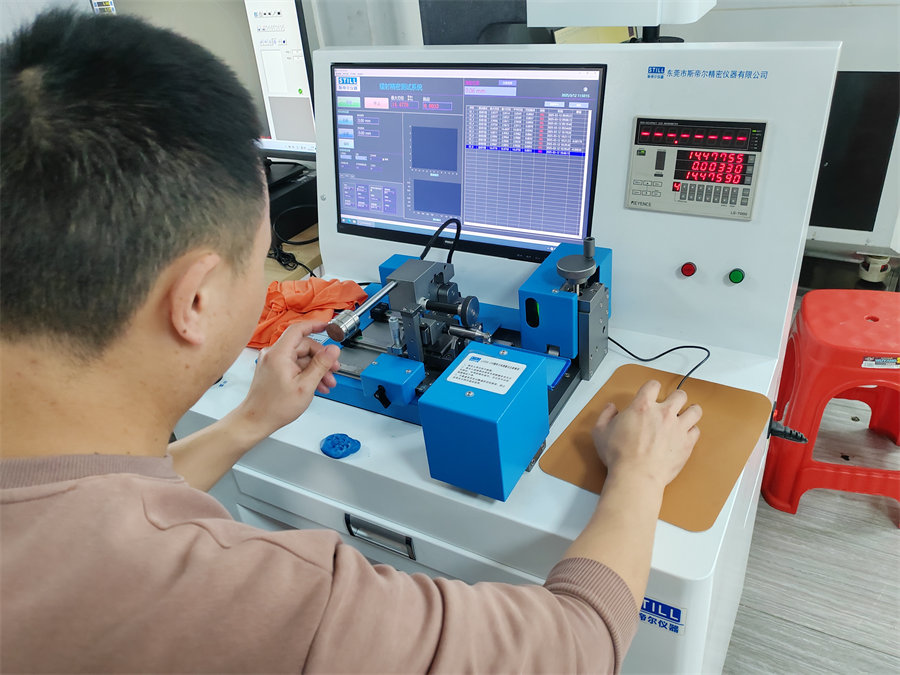
Every tool batch undergoes precision testing. We measure parameters such as runout (concentricity) down to less than 2 microns, surface roughness (Ra) of the flutes, and edge preparation thickness using laser metrology systems.
Suzhou Tier Tool operates in full compliance with international manufacturing and material standards. Our manufacturing processes conform to ISO 9001:2015 quality management standards, ensuring traceability from raw bar stock to finished tools. Additionally, all tooling coatings and substrates meet RoHS and REACH environmental declarations, preventing hazardous chemical contaminants on the plant floor.
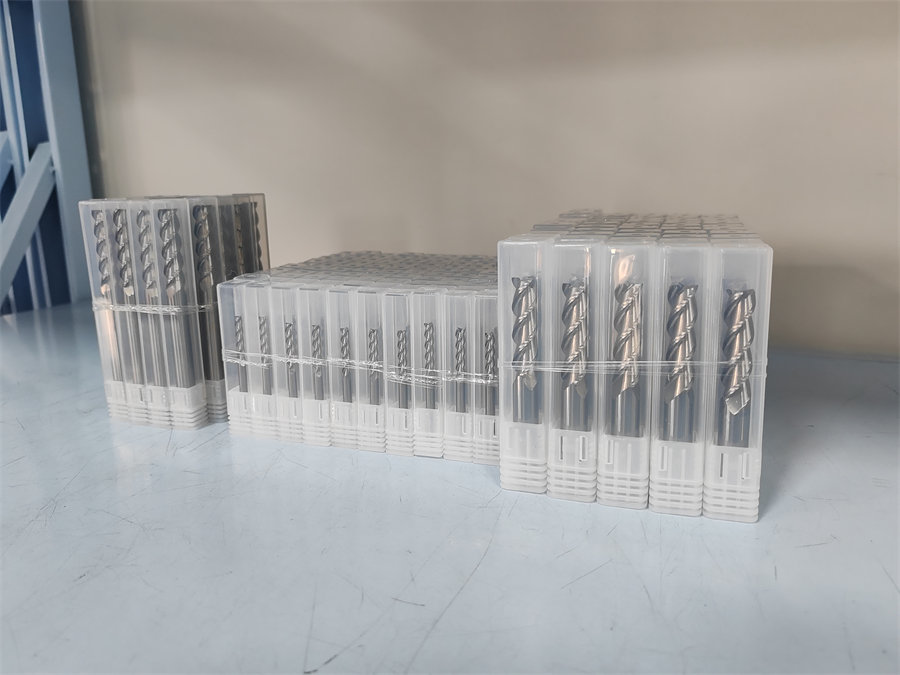
We provide global delivery solutions, featuring protective packaging to prevent cutting-edge contact and shipping damage. With customs handling support and comprehensive documentation, we guarantee efficient supply chain integration for your facility.
Expert Answers to Critical Engineering and Machining Inquiries
The primary difference lies in the cobalt concentration and resulting hardness. M35 contains approximately 5% Cobalt, offering a balanced combination of toughness and wear resistance, making it suitable for general-purpose work on stainless steel and carbon steels. M42 contains approximately 8% Cobalt, achieving higher red-hardness and surface hardness, but with a slight decrease in fracture toughness. M42 is preferred for machining difficult alloys, titanium, and nickel superalloys under stable machine configurations.
Cobalt tools are harder and more brittle than standard HSS tools. Chipping is usually caused by excessive vibration, improper tool alignment, or insufficient rigidity in the setup. To prevent failure, ensure tool runout is minimal (under 0.01mm), secure the workpiece firmly, use a continuous feed rate to avoid work hardening, and apply flood coolant to manage thermal cycles.
Yes, cobalt tools can be resharpened to restore their cutting edges. However, the grinding must be performed on precision CNC tool grinders to maintain original relief angles and split-point geometry. If the tool was coated (e.g., with TiAlN), the uncoated face will show a lower tool life than the original unless recoated via PVD.
For M35/M42 cobalt tools drilling 304 or 316 stainless steel, a surface speed of 40 to 60 SFM (Surface Feet per Minute) is recommended. When using solid carbide cobalt-rich tools, speeds can be increased to 120-180 SFM, provided sufficient coolant pressure (preferably through-spindle) is maintained to clear chips and control heat.
Off-the-shelf tools are designed for general applications, compromising on helix angles, core thickness, and land widths to perform adequately across different materials. Custom OEM/ODM tools from Tier Tool are tailored to your specific application. By adjusting the micro-geometry for your target material and machining parameters, tool life can increase by 200% to 500% while significantly reducing cycle times.
High-Efficiency Tooling Solutions for Heavy Construction, Structural Engineering, and Advanced Metals.
Pioneering the Next Era of Metalworking and Industrial Holemaking Solutions
As industrial manufacturing moves toward lightweight, high-strength composites and complex titanium-aluminide structures, Suzhou Tier Tool is continuously evolving our product offerings. Our technical roadmap focuses on three main development areas:
We are developing next-generation diamond-like carbon (DLC) and nano-composite crystalline coatings. These coatings provide thermal barrier properties to protect the cobalt substrate during dry machining.
Integrating micro-coolant channels within solid carbide structures allows high-pressure fluid delivery directly to the cutting zone, optimizing chip evacuation in deep-hole applications.
Using specialized brushing and abrasive blasting processes, we round cutting edges to precise micron levels, improving edge strength and reducing initial micro-chipping.
 Tier Tool