Explore our industry-standard precision solid carbide tooling options, specifically designed to withstand high fatigue limits and provide exceptional durability in heavy duty operations.
A deep dive into advanced metallurgical compositions, geometric designs, and tolerances required for high-volume automated manufacturing.
Modern manufacturing demands unprecedented speed, precision, and longevity from cutting components. In industrial applications, Die Cutting Tools represent the critical mechanical link between raw materials and finished products. From high-speed rotary die-cutting systems processing flexible electronics to custom solid carbide punches shearing structural automotive components, the choice of tool composition defines the cost-per-part efficiency of the entire assembly line.
As leading **OEM/ODM Die Cutting Tools Manufacturers**, we view tooling not merely as consumable items, but as high-performance engineering assemblies. Solid carbide and tungsten steel remain the materials of choice due to their unique mechanical characteristics. They provide structural rigidity that prevents flexural deformation under intense tonnage, while offering exceptional thermal stability when surface friction temperatures exceed 800°C.
Developing high-efficiency tooling requires balancing two conflicting metallurgical properties: hardness (to withstand abrasive wear) and toughness (to prevent catastrophic chipping under high impact loads). Through micro-grain structural manipulation and advanced physical vapor deposition (PVD) coatings, modern tooling manufacturers can now achieve customized balances that maximize yield cycles across diverse industrial applications.
A premier national high-tech enterprise specializing in the design, engineering, and manufacturing of precision solid carbide cutting tools.
Suzhou Tier Tool Co., Ltd. was established in 2008 and has since grown into a national high-tech enterprise focusing on precision solid carbide cutting tools. With our deep-rooted specialization in precision machining, our team designs, manufactures, and supports high-performance, high-efficiency cutting solutions optimized for hole-making and complex metalworking applications.
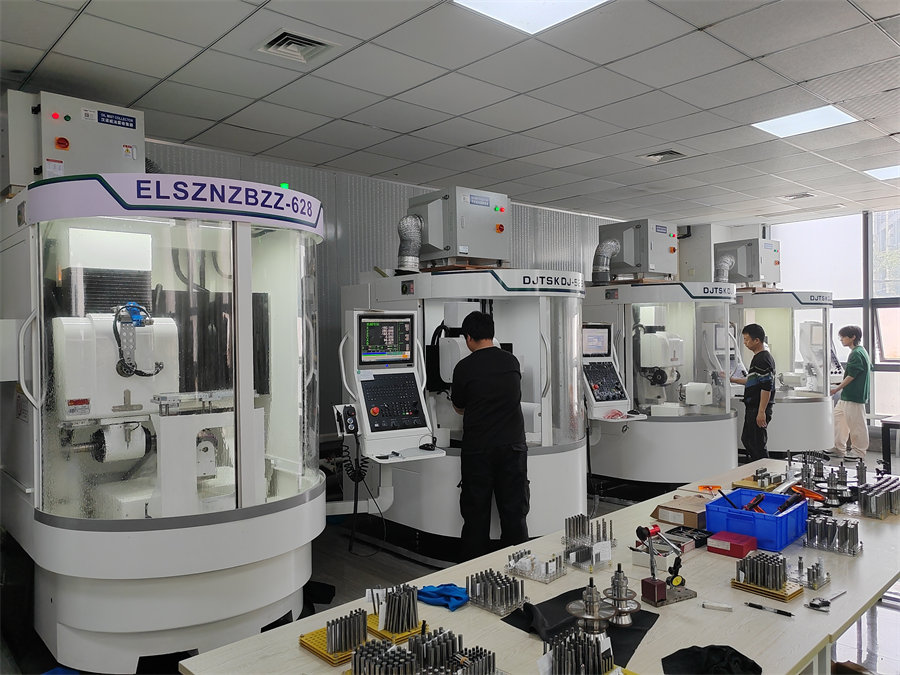
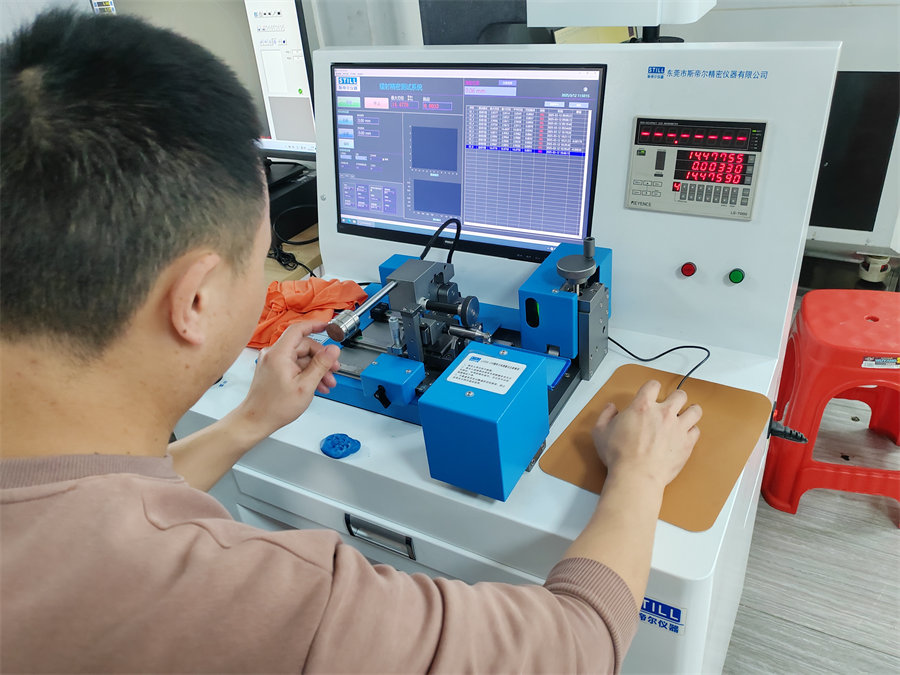
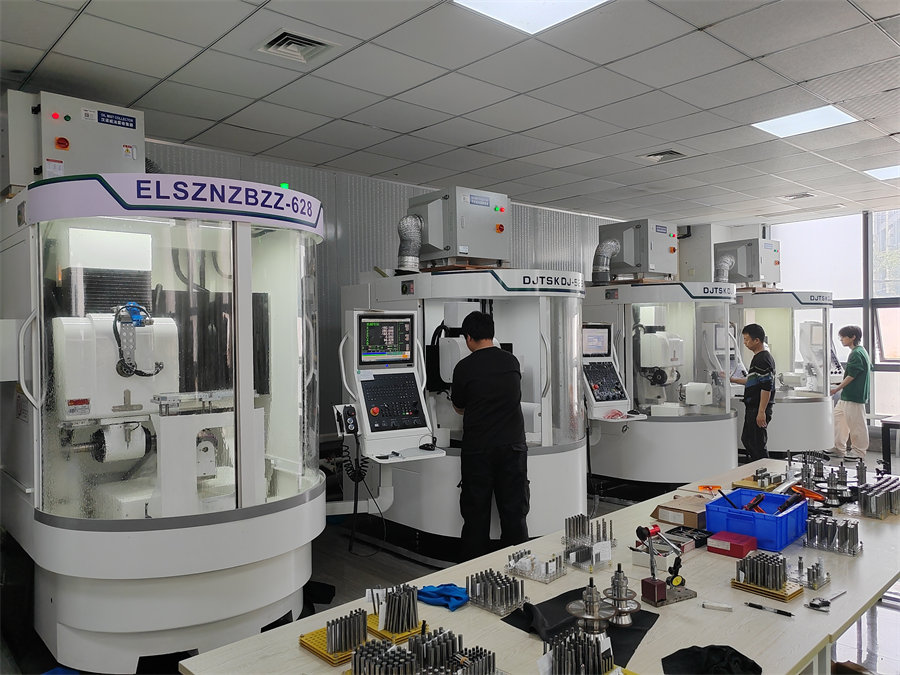
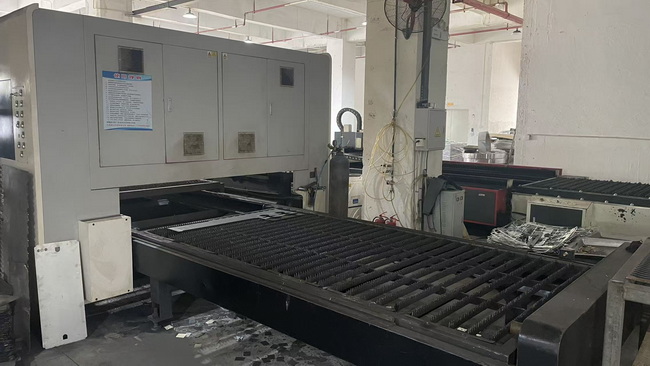
To ensure high precision and consistency, Tier Tool has invested extensively in advanced manufacturing equipment and quality assurance technologies. The company operates multiple imported CNC tool grinding machines and precision inspection systems. This extensive machinery allows us to maintain complete control over the entire production cycle, from initial tool design and rapid prototyping to small-batch performance validation and high-volume mass production.
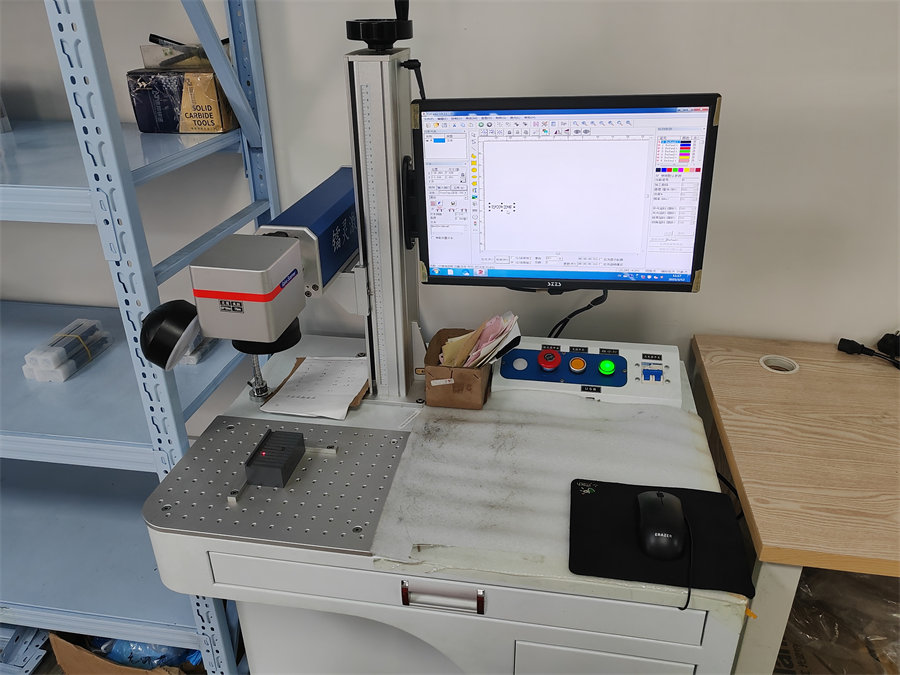
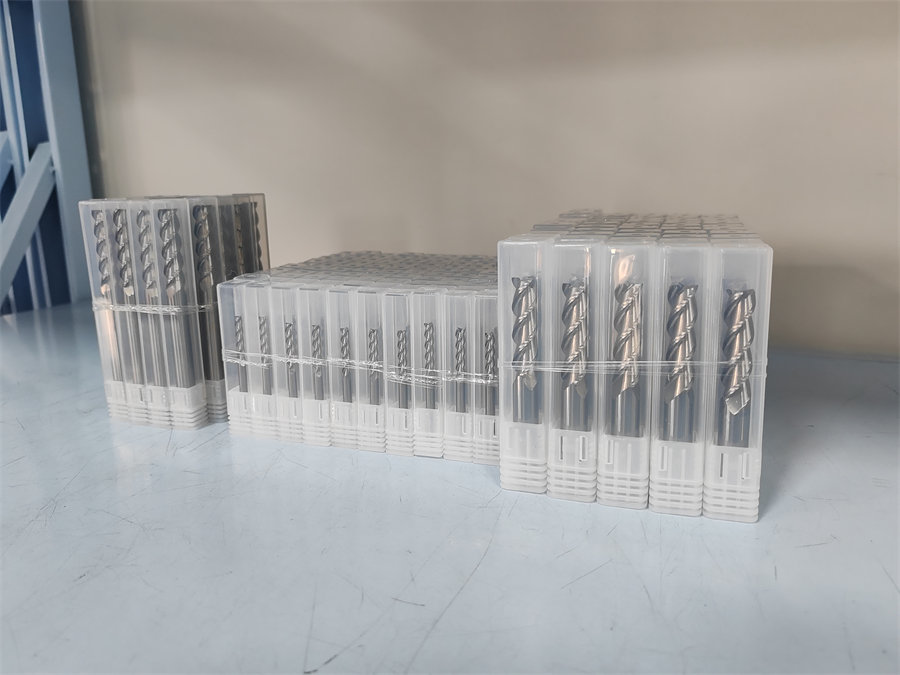
Our systematic quality management is built upon strict process control and detailed batch traceability. By maintaining standardized operating procedures across every phase, Tier Tool provides repeatable accuracy, consistent quality, and reliable delivery cycles to customers globally.
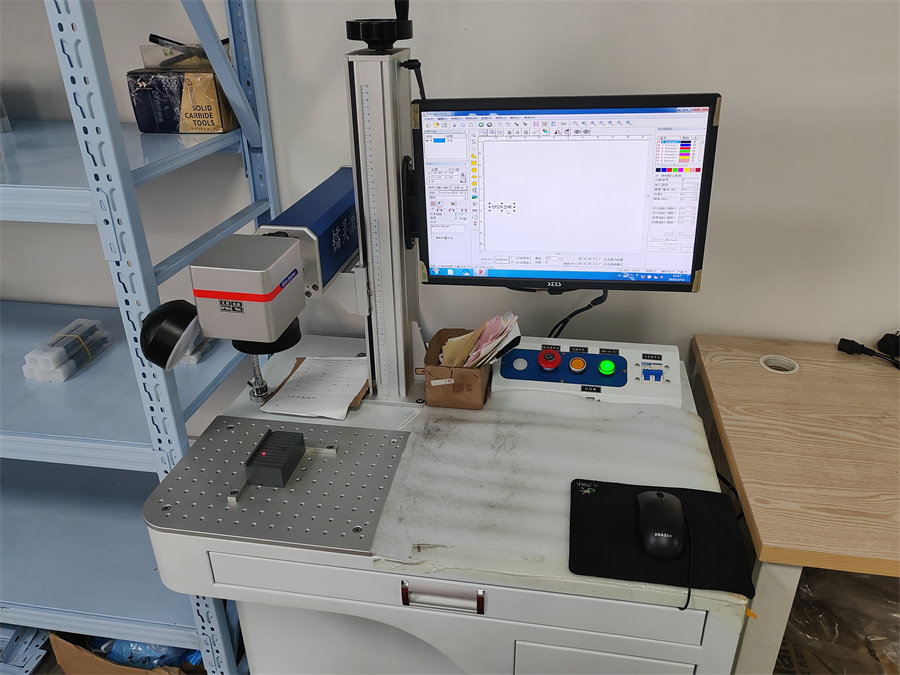
Quality is the foundation of Tier Tool's market reputation. Adhering to the core philosophy of "Quality First, Continuous Improvement", we carry out comprehensive quality control inspections at every stage of fabrication. From initial carbide material verification to geometric testing, every tool undergoes meticulous inspection. This attention to detail guarantees that our finished tooling achieves dimensional stability and holds up to demanding real-world operating conditions.
Looking to the future, Suzhou Tier Tool Co., Ltd. will continue to focus on high-performance carbide cutting tool development, strengthening our supply capabilities in the automotive, aerospace, and precision engineering sectors. Driven by innovation, we are dedicated to helping our partners improve their productivity and global competitiveness through custom-tailored tooling solutions.
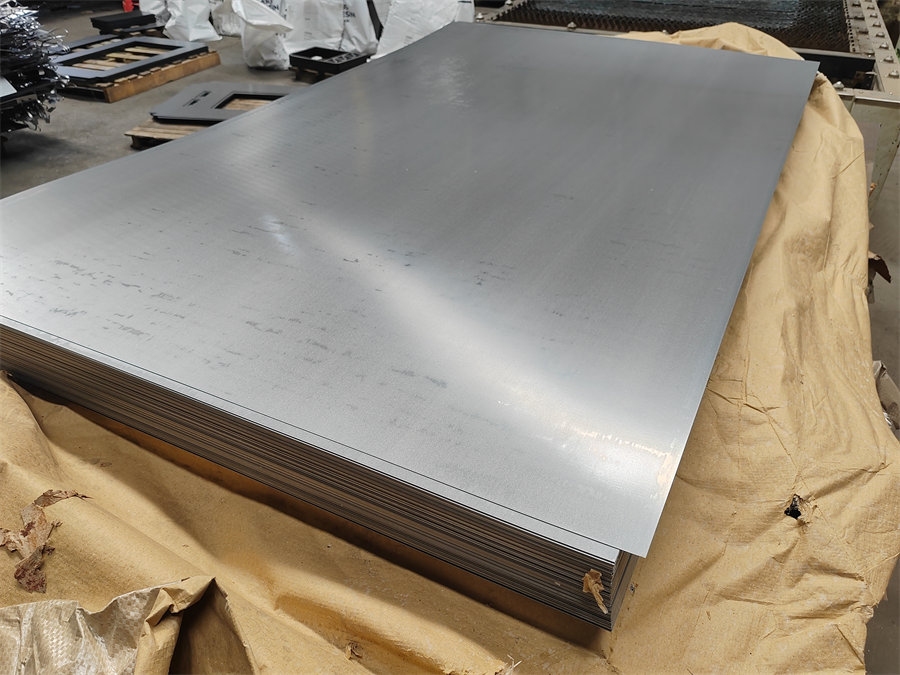
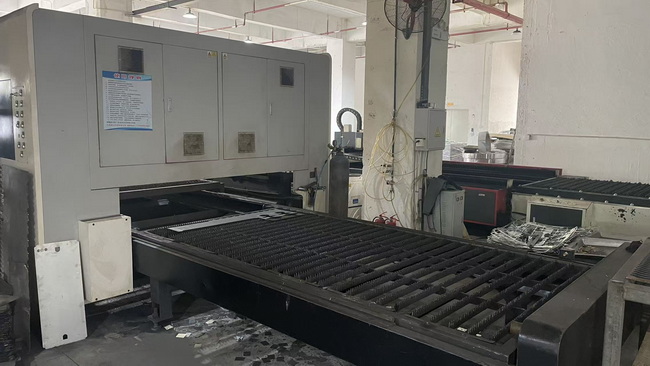
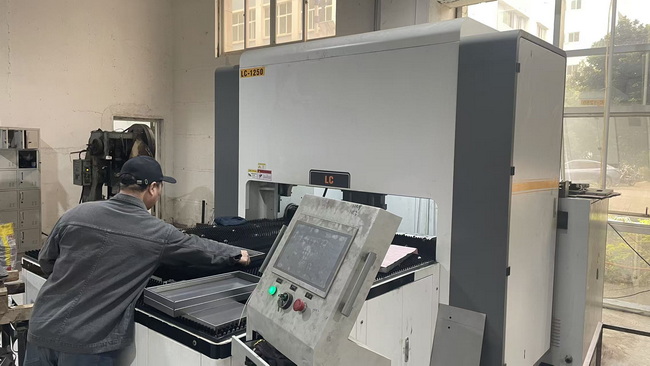
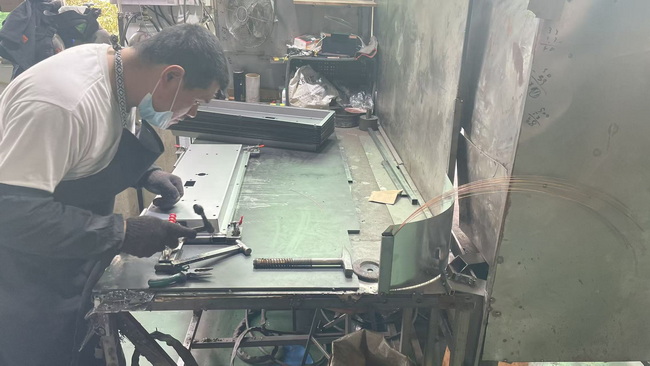
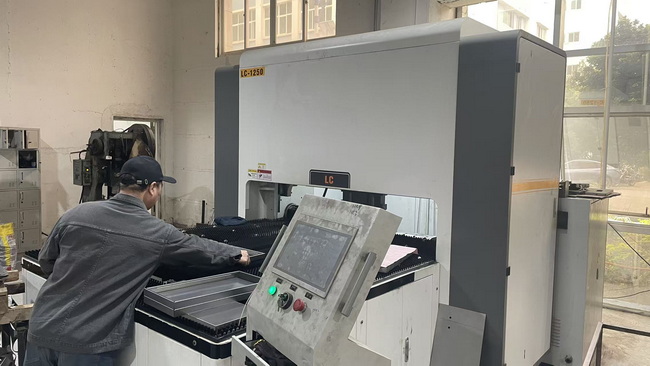
Why manufacturing partnerships in Suzhou, China provide unmatched lead-time reductions, material options, and scaling potential.
China holds over 80% of the world's tungsten reserves. This proximity ensures stable domestic sourcing of high-grade ammonium paratungstate (APT), shielding our clients from steep international price shifts and supply shortages.
Operating in the Yangtze River Delta industrial hub connects us with a close network of coating houses, raw material providers, thermal processing centers, and fast logistics, allowing us to accelerate custom prototyping.
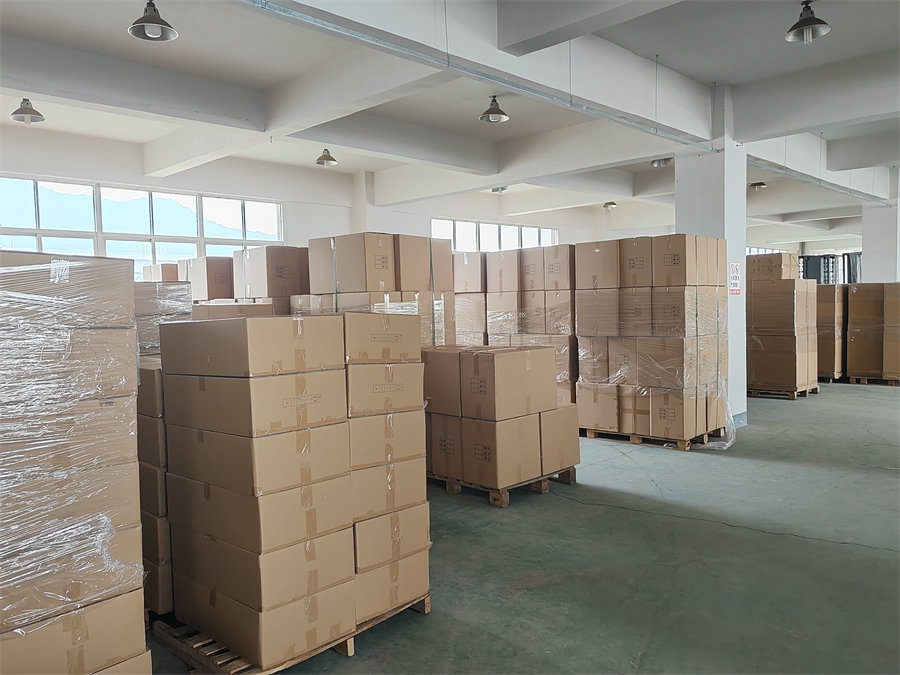
Our facility structures are engineered for volume. With automated CNC setups operating continuously, we can transition from small-batch validations to large-scale runs without compromising tool precision.
Suzhou's infrastructure connects directly with deepwater ports in Shanghai and Ningbo, alongside international air hubs. This permits rapid global shipping via freight, air cargo, or express parcel services, ensuring that custom tooling orders arrive at customer facilities within reliable, predictable timelines.
Meeting the strict quality assurance, transparency, and corporate compliance protocols expected by international Tier-1 industrial buyers.
✓ ISO 9001:2015: Audited manufacturing and material trace systems.
✓ RoHS & REACH Compliant: Free of restricted toxic heavy elements.
✓ Traceable Material Certificates: Mill-level verification for every carbide batch.
✓ IP Protection Agreements: Secure, isolated CAD data storage.
✓ Conflict-Free Materials: Ethical sourcing of cobalt and tungsten.
For international procurement managers, purchasing precision components involves assessing much more than just unit costs. High-volume factories require consistent delivery, strict compliance, and reliable engineering support. A single tool failure on an automated line can lead to costly downtime. That is why our manufacturing operations are aligned with global quality management systems.
We work closely with global sourcing specialists to streamline the import-export process. From initial engineering drawings and First Article Inspections (FAI) to PPAP (Production Part Approval Process) documentation, we supply the verification required by quality departments. By maintaining traceability from raw carbide powder to the finished tool, we ensure consistent performance across production lots.
Furthermore, we prioritize intellectual property protection. When partners submit custom tool designs for OEM/ODM fabrication, we utilize secure data storage networks to keep proprietary geometries and design data fully confidential.
Exploring how our customized carbide tooling meets the demands of specialized manufacturing applications around the globe.
The manufacturing of electric vehicle batteries requires clean, burr-free cuts on copper and aluminum foils. Our custom solid carbide punches and slitting knives are designed to minimize blade wear and eliminate particulate contamination, helping to safeguard battery cells from internal shorts.
Processing medical diagnostic materials and test strips demands precise tolerances to prevent delamination of chemical layers. We manufacture ultra-sharp, micro-grain tungsten carbide dies that slice clean profiles without compromising the active chemistry of the strips.
Modern mobile devices rely on dense, multi-layer flexible circuits. Shearing these circuits without cracking the copper traces requires precisely calculated shear angles. Our custom PCD (Polycrystalline Diamond) and carbide dies provide clean cuts that help preserve trace integrity.
The transition toward eco-friendly, fiber-rich packaging materials has increased the abrasive wear on cutting machinery. To address this, we engineer custom-coated rotary creasing and cutting tools that maintain their edges through extended production cycles, minimizing dust generation and keeping packaging lines running efficiently.
How developments in metallurgy, automation, and real-time wear analysis are shaping the next generation of industrial tooling.
The industrial tooling landscape is evolving rapidly, driven by the demands of Industry 4.0 and advanced material science. A primary focus is the development of ultra-thin, high-density PVD coatings. These new coatings are designed to withstand the higher operating temperatures of dry machining, helping manufacturers reduce their reliance on liquid coolants and transition toward cleaner, more sustainable production processes.
Another key trend is the integration of predictive wear monitoring. By utilizing in-line sensors on modern CNC machinery, operators can track real-time changes in vibration and spindle torque. This data helps predict tool wear, allowing maintenance teams to schedule tooling replacements before failure occurs, reducing unscheduled downtime.
Additionally, advanced tooling manufacturers are increasingly adopting hybrid materials, such as combining tough solid carbide bodies with laser-welded PCD cutting edges. This hybrid approach offers the structural shock absorption of tungsten carbide alongside the wear resistance of polycrystalline diamond, extending service life in demanding applications.
Our engineering team continues to invest in design and manufacturing improvements to meet these evolving industry needs:
Expert technical answers to common queries regarding material selection, customization options, and lead times.
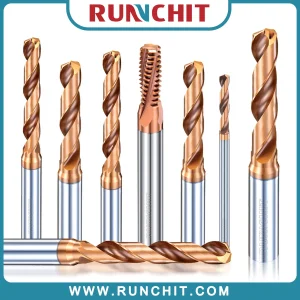
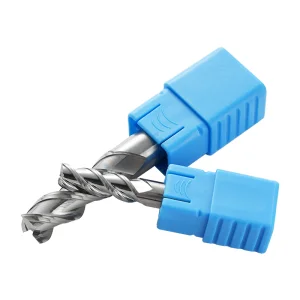
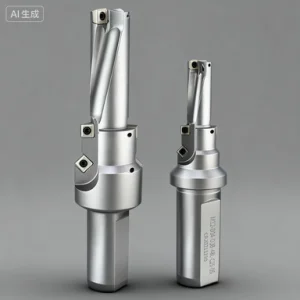
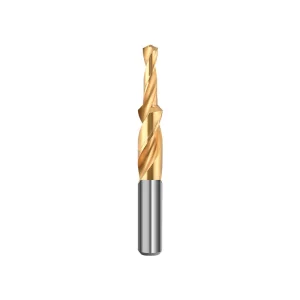
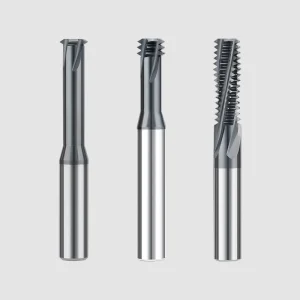
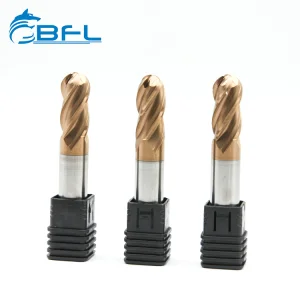
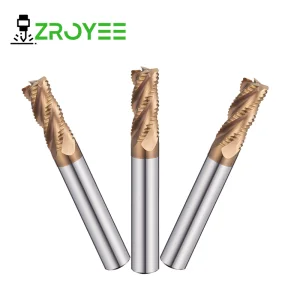
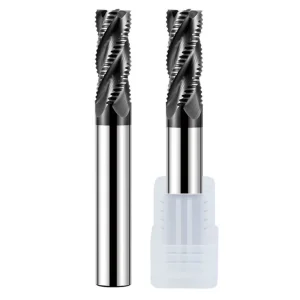
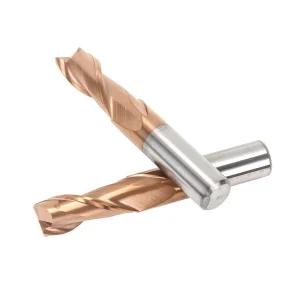
Explore our technical range of solid carbide thread mills, wave-edge roughing end mills, and custom multi-step drill bits.
 Tier Tool