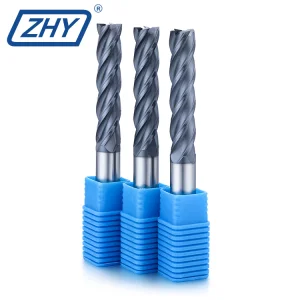
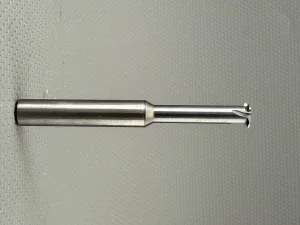
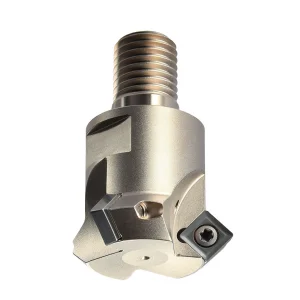
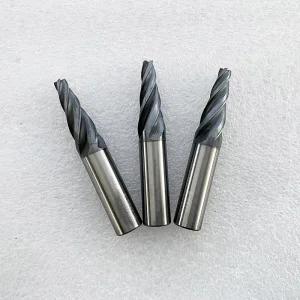
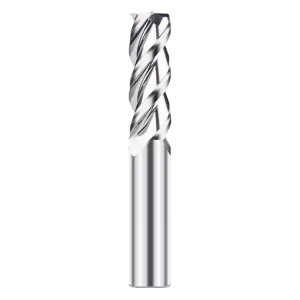
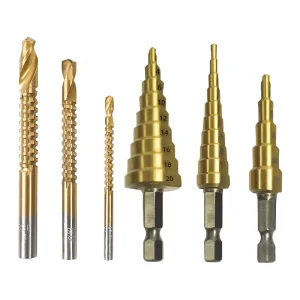
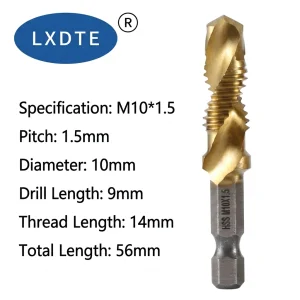
OEM/ODM High Speed Steel Drills Suppliers & Exporters

High-Precision Solid Carbide Tools & Premium Engineered Metallurgical Drilling Solutions for Global Industrial Manufacturing

Global Market Landscapes: High Speed Steel (HSS) & Solid Carbide Drills

An in-depth assessment of metallurgical evolution, supply chain paradigms, and the global industrial requirements powering modern drilling instruments.

In the global industrial landscape, holemaking remains the single most common machining operation, representing over 40% of all metal removal processes. As heavy industries—such as aerospace, automotive, energy, and medical engineering—pivot toward hyper-precision, the demand for superior cutting tools is surging. The global High Speed Steel (HSS) drills and solid carbide drills market is experiencing a significant transition. B2B procurement strategies are shifting away from commoditized purchasing and moving toward custom **OEM/ODM product design**, advanced metallurgical compositions, and structural longevity.

Modern high-performance drilling is defined by extreme thermal environments, severe friction, and complex alloy workpieces. While solid carbide represents the pinnacle of hardness and speed in highly stable CNC machining setups, High Speed Steel (HSS), particularly when alloyed with Cobalt (such as M35 and M42 grades) or processed via Powder Metallurgy (PM-HSS), continues to be the backbone of heavy manufacturing. Its high fracture toughness prevents catastrophic tool failure under variable machining conditions, interrupted cuts, and unstable setups that would instantly shatter carbide alternatives.

SEO Insight & Technical Gain: Achieving optimal drilling performance requires balancing the workpiece hardness, cutting speed, feed rate, and lubrication mode. Exporters and suppliers must now act as solution providers, matching specialized coatings (like AlTiN, TiAlN, or carbon-based DLC) to specific localized industry requirements to unlock maximum efficiency.

HRC65+

Extreme Hardness Thresholds

15+ Yrs

Manufacturing Innovations

0.002mm

Ultra-Precision Tolerance

35% +

Average Cycle Time Reduction

Metallurgical Deep-Dive: Material Selection Matrix for Drilling Operations

Selecting the correct metallurgical substrate is the foundational step in precision tool engineering. The table below represents the performance envelope of modern high-speed steel and carbide formulations designed for OEM/ODM environments:

Substrate Material Key Alloying Elements Hardness Range (HRC) Ideal Application Profile Vibration Resistance
HSS-R / HSS-G (Standard) W, Cr, V, Mo 62–64 HRC General metalworking, mild steels, maintenance, and DIY environments. Excellent (High Elasticity)
HSS-Co5 (M35 Grade) 5% Cobalt, W, Mo 65–66 HRC Alloy steels, stainless steels, and medium-tensile strength metals. High Toughness
HSS-Co8 (M42 Grade) 8% Cobalt, W, Mo, V 66–68 HRC Tough aerospace alloys, titanium, and high-temp nickel alloys. Good Toughness
Powder Metallurgy (PM-HSS) Homogeneous structure 68–70 HRC High-feed rate production lines, stamping die drilling, and hard metals. Very High Toughness
Solid Carbide (VHM) Tungsten Carbide + Cobalt binder 70–85 HRC Automated CNC machining, mass production, fiber composites, and hardened tool steels. Brittle (Requires rigidity)

For heavy-duty industrial tasks, the performance of these substrates is further enhanced through PVD (Physical Vapor Deposition) and CVD (Chemical Vapor Deposition) coatings. AlTiN (Aluminum Titanium Nitride) coatings, for example, exhibit incredible hot-hardness, forming a protective aluminum oxide layer at temperatures exceeding 800°C. DLC (Diamond-Like Carbon) coatings provide an extremely low coefficient of friction (typically <0.1), which is crucial for drilling soft, highly sticky materials like aluminum alloys (such as ADC12) and copper, where chip packing and built-up edge (BUE) are primary causes of tool breakage.

Suzhou Tier Tool Co., Ltd. – Leading OEM/ODM Solutions

Established in 2008, Suzhou Tier Tool Co., Ltd. is a national high-tech enterprise specializing in the design, manufacturing, and technical support of precision solid carbide cutting tools and high-performance holemaking solutions. Since our foundation, we have been deeply committed to the precision machining industry, focusing on delivering high-performance, high-efficiency cutting solutions for automotive, aerospace, medical engineering, and heavy machinery applications worldwide.

Advanced Manufacturing Capabilities
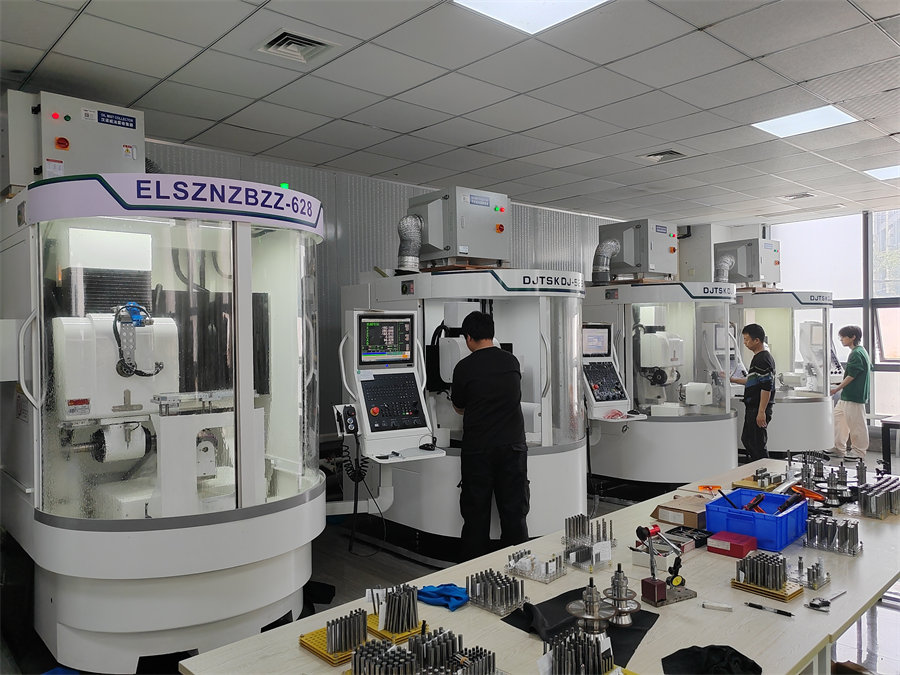
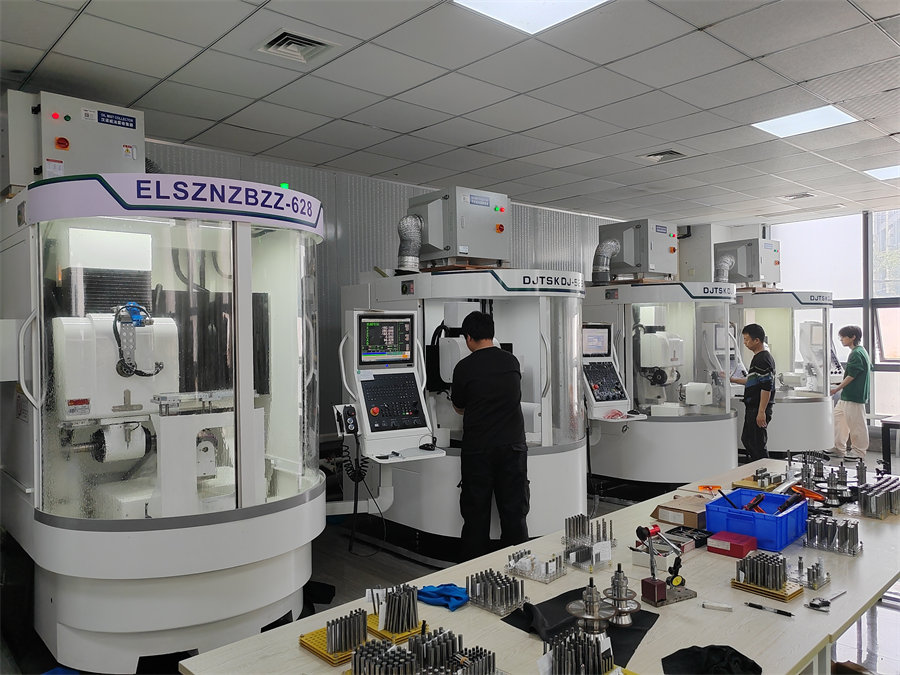
To ensure the highest levels of precision and consistency, Tier Tool operates multiple imported CNC tool grinding machines and precision inspection systems. Our complete in-house process—from initial tool design and 3D prototyping to small-batch testing and large-scale industrial runs—is monitored under strict traceability standards.
Commitment to Quality Control
Quality is the foundation of Tier Tool's long-term success. Adhering to the principle of "Quality First, Continuous Improvement", every single tool undergoes rigorous dimensional, geometrical, and performance checks to guarantee high repeatability, long service life, and stable quality.
Technical Support & Partnership
We provide comprehensive application engineering services. Our technical specialists work directly with you to analyze machining conditions, recommend customized tooling strategies, and optimize process efficiency, helping you achieve higher productivity and cost-effectiveness.

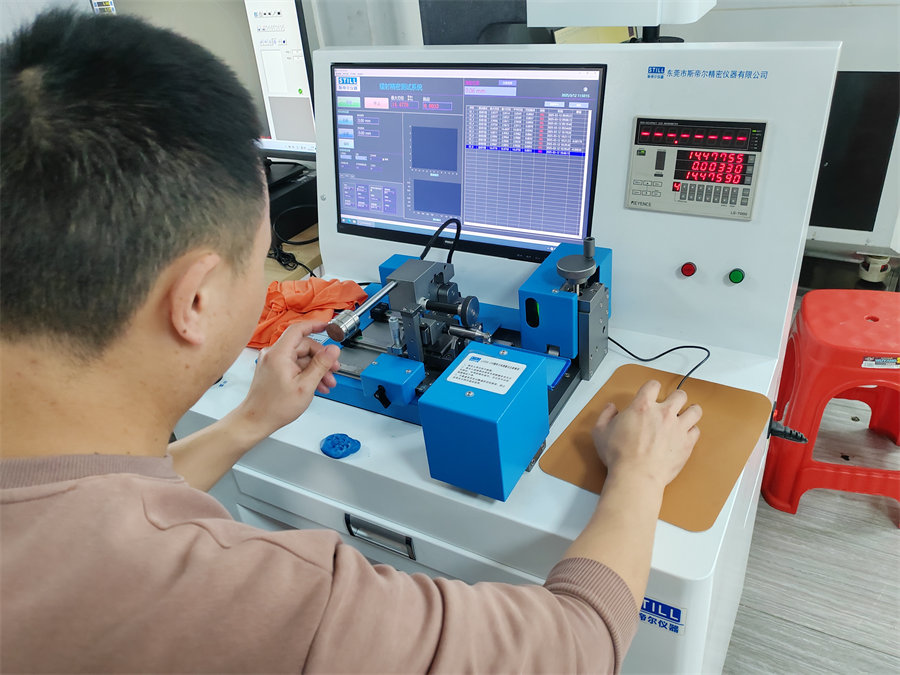
Advanced Production Line & Inspection Machinery

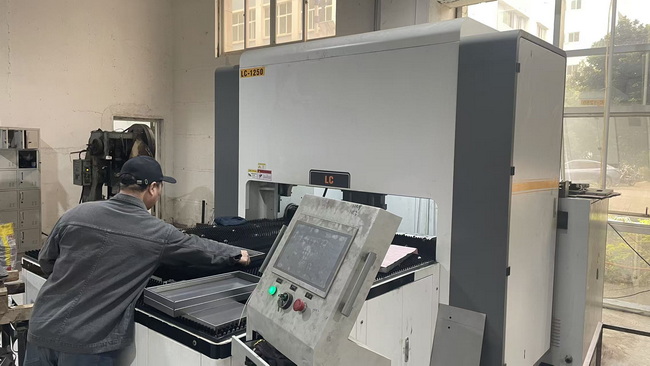
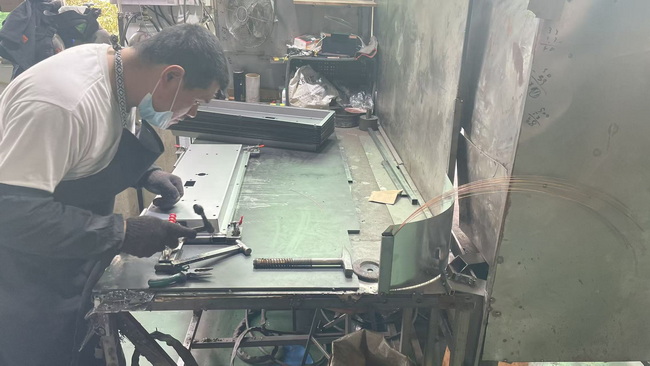
A visual walkthrough of our high-precision manufacturing facilities, showing the state-of-the-art grinding, cutting, bending, and inspection environments at Suzhou Tier Tool.
Machining
Machining Process
Inspecting
Precision Inspecting
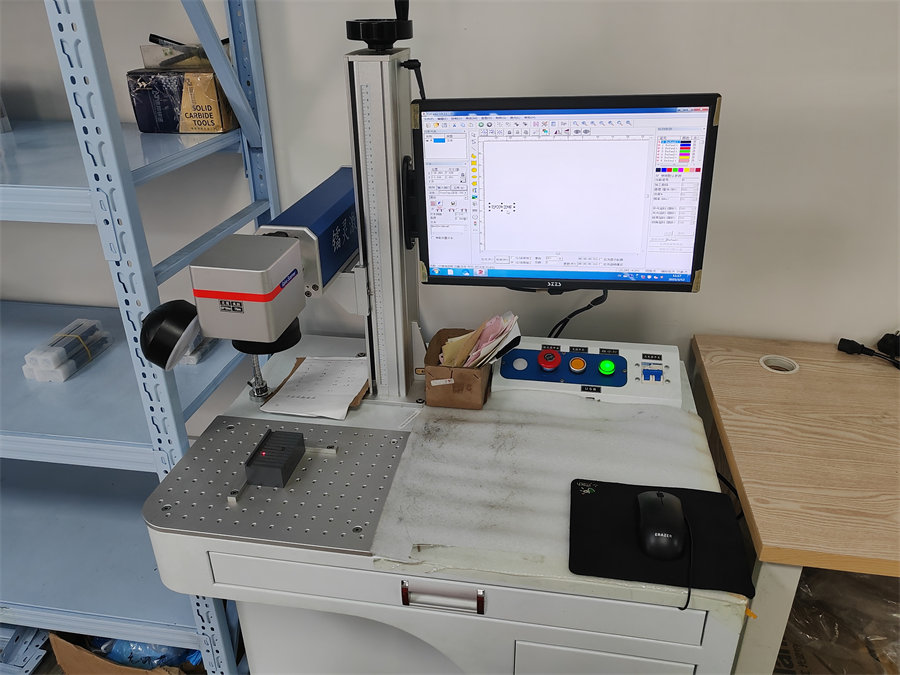
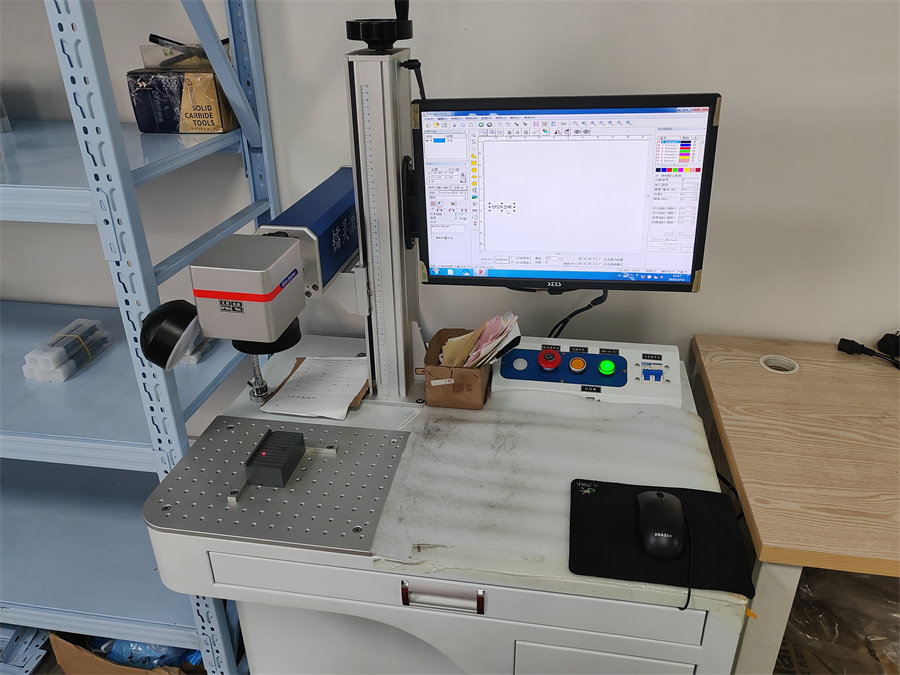
Logo Marking
Laser Logo Marking
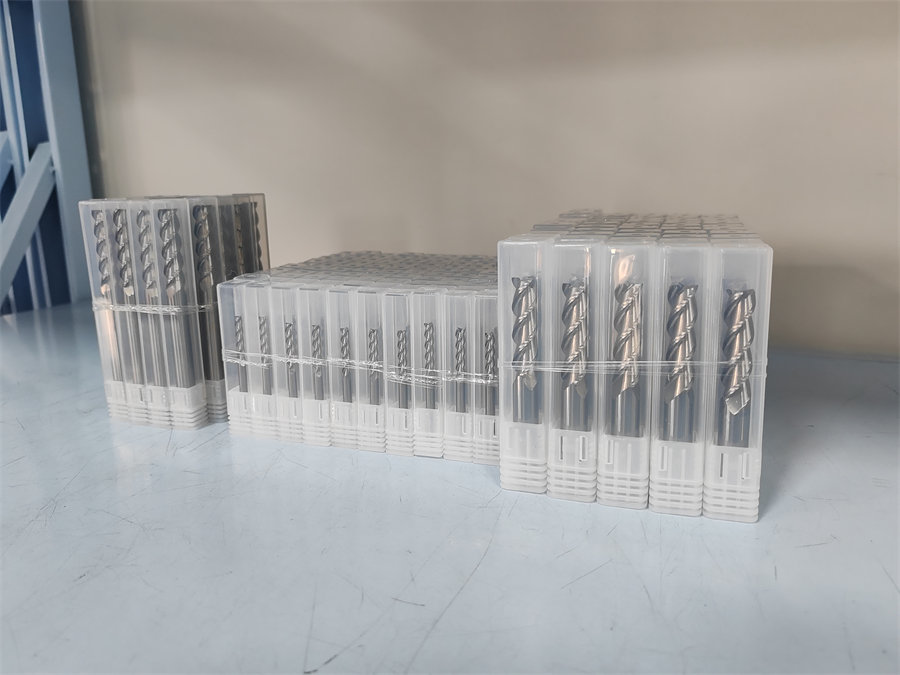
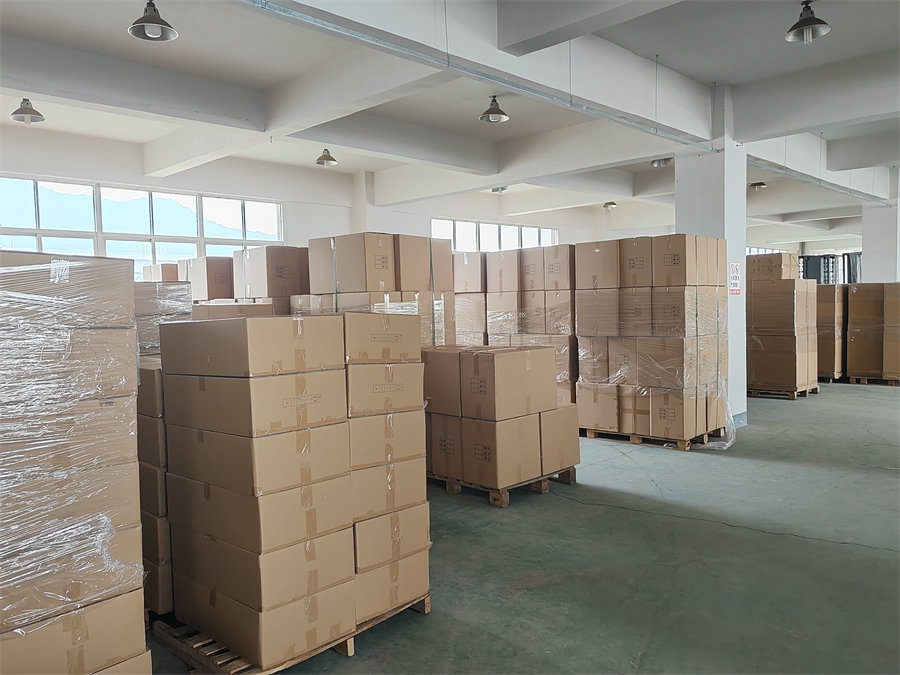
Packaged Products
Packaged Products
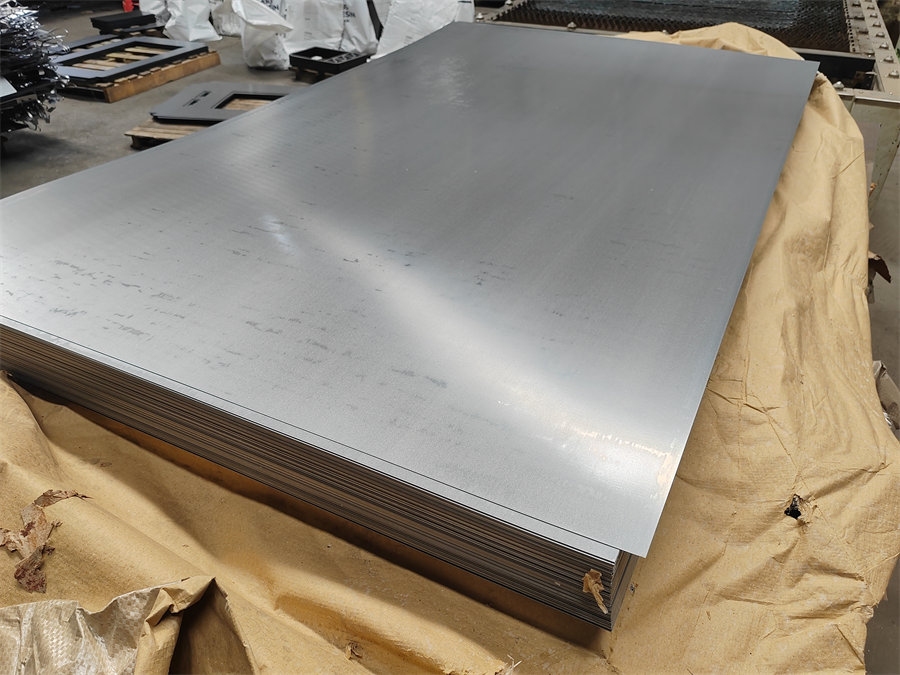
Steel Sheets
Raw Steel Sheets
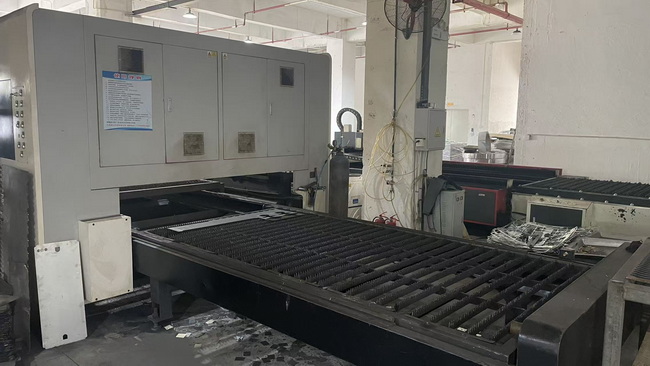
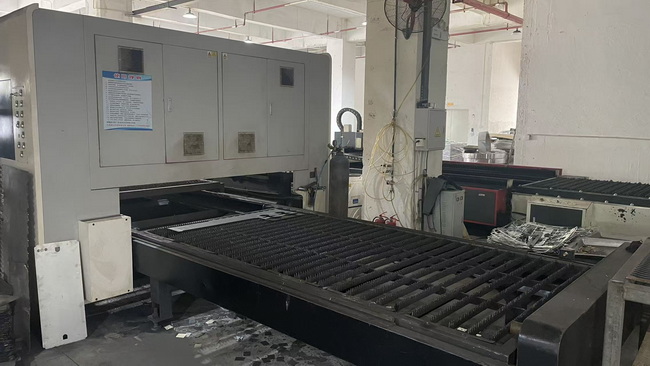
Laser Cutting
Laser Cutting
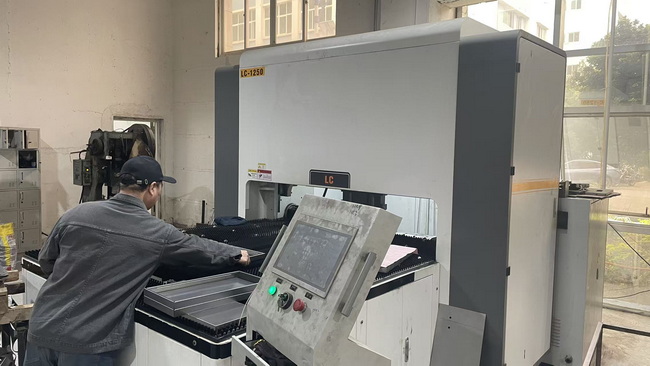
Bending
Precision Bending
Welding
Robotic Welding
Packaged Products 2
Final Inspection & Packaging
Machining Machine
Machining Machine
Logo Marking Machine
Laser Cutting Machine
Bending Machine
Heavy-Duty Bending Machine (Full Workshop Integration)

Localized Application Scenarios & Geometrical Customization

Every manufacturing hub faces unique physical challenges that require customized tool geometry. When optimizing drills for OEM/ODM clients, Suzhou Tier Tool optimizes three primary variables: **Point Angle**, **Helix Angle**, and **Flute Configuration**.

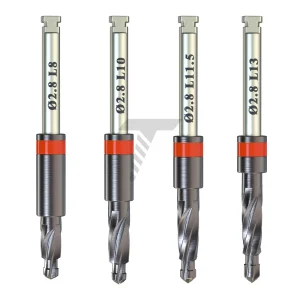
  • Automotive Power-Train Machining: Machining engine blocks made from high-silicon cast aluminum or cast iron requires tools that can handle thermal stress. We design custom step drills with double-margin configurations to guarantee hole straightness and prevent burr formation during cross-hole drilling.
  • Aerospace Composite & Titanium Stack Drilling: Stacked CFRP (Carbon Fiber Reinforced Polymer) and titanium sheets present a major challenge. Carbide tools with specialized geometry are used to prevent fiber delamination on the exit side while managing heat dissipation in the titanium layer.
  • Medical Device Micro-Machining: Producing orthopedic implants and surgical screws from 316L Stainless Steel or Titanium Grade 5 requires micro-sized drills with polished flutes. These polished surfaces reduce friction, prevent chip packing, and ensure a high-quality surface finish.
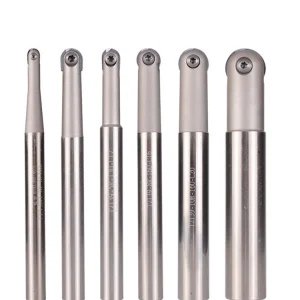
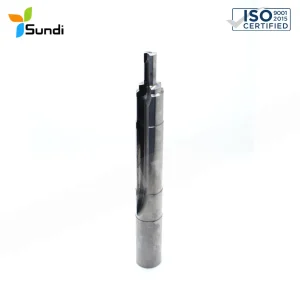
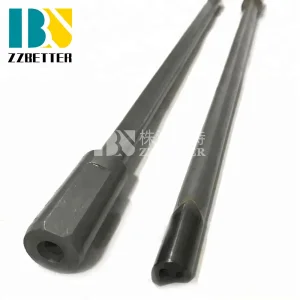
  • Deep-Hole Gun Drilling: For hydraulic components and heavy machinery shafts, our industrial-grade tungsten carbide gun drill rods provide the structural rigidity needed to maintain straightness over depths exceeding 30 times the tool's diameter.

Technical Roadmap: The Future of Precision Drilling

The cutting tool industry is evolving rapidly, driven by the demands of Industry 4.0, green manufacturing, and new high-performance materials. As a forward-looking OEM/ODM manufacturer, Suzhou Tier Tool focuses on three key technological areas:

  1. Dry Machining & MQL (Minimum Quantity Lubrication): Traditional flood cooling is expensive and environmentally demanding. We design tools specifically for MQL and dry machining, incorporating optimized internal cooling channels and thermal-barrier PVD coatings to reduce fluid consumption by up to 95%.
  2. Sub-Micron & Nano-Grain Carbide Development: By reducing the grain size of tungsten carbide to less than 0.5 microns, we can produce tools that offer both extreme hardness and high fracture toughness. This balance is critical for micro-drills and thread-milling cutters.
  3. Digitized Smart Sourcing & RFID Integration: Future CNC tooling systems will use embedded chips or RFID laser markings to track tool wear, cycle counts, and cutting parameters in real-time, helping manufacturers prevent unplanned downtime.

Our Sustainability Commitment

Suzhou Tier Tool supports sustainable manufacturing practices. We offer carbide reclamation programs and design energy-efficient geometries that reduce the spindle torque required during heavy cuts, directly lowering the carbon footprint of your machining operations.

Expert Q&A: Solving Common Machining & Sourcing Challenges

Direct answers from our engineering and design team to help you optimize tool life, troubleshoot wear issues, and make informed procurement decisions.

Q1: What are the main causes of early drill breakage in CNC machining?
Early tool failure is typically caused by poor chip evacuation, excessive runout, or incorrect cutting parameters. When chips pack within the flutes, torque levels rise rapidly, leading to breakage. Ensuring sufficient coolant pressure (ideally through spindle cooling), keeping runout below 0.02 mm, and using the correct feed rates will significantly extend tool life.
Q2: How do M35 (Co5) and M42 (Co8) high-speed steel substrates differ?
The primary difference is the Cobalt content: M35 contains 5% Cobalt, while M42 contains 8%. Cobalt increases the tool's red-hardness (its ability to maintain a sharp edge at high temperatures). M42 is ideal for machining tough, high-tensile alloys like titanium and stainless steel, whereas M35 offers a cost-effective, high-toughness option for general alloy steels.
Q3: Why should we choose OEM/ODM customization instead of standard off-the-shelf tooling?
Standard tools are designed for general applications, meaning they are rarely optimized for specific production setups. Customized tooling allows you to combine steps (for example, using a single step drill to replace separate drilling, chamfering, and counterboring operations). This reduces cycle times, minimizes tool changeovers, and significantly lowers your total cost per hole.
Q4: Which coatings work best when drilling high-silicon aluminum alloys like ADC12?
For sticky materials like aluminum, we recommend DLC (Diamond-Like Carbon) coatings or highly polished uncoated solid carbide. Traditional titanium-based coatings can react chemically with aluminum at high temperatures, causing material to weld to the cutting edge. DLC coatings provide a low-friction barrier that prevents this build-up.