Explore our flagship industrial tooling lines engineered for high feed, extreme hardness, and maximum process reliability.
An expert-level breakdown of metallurgy, cutting geometry, and performance trade-offs in structural threading.
High-Speed Steel (HSS) taps remain the foundational standard for internal thread generation across diverse manufacturing verticals, including automotive components, aerospace structures, and heavy industrial equipment. While Solid Tungsten Carbide cutting tools offer extreme thermal resistance for continuous high-speed milling operations, HSS provides the essential fracture toughness, bending resilience, and micro-edge stability required to withstand the high-torque, intermittent-load stress profiles characteristic of thread tapping.
Tapping presents unique mechanical challenges compared to milling or drilling. In a tapping cycle, the tool must cut, form, and evacuate chips within a highly confined, blind, or through-hole cylinder. This environment is characterized by minimal heat dissipation, high localized friction, and fluctuating torsional stress. If a tool fails due to brittleness, it often shears off inside a near-complete, high-value component. The superior tensile strength and ductility of premium HSS, therefore, serve as critical insurance against catastrophic tool breakage.
Substrate Elasticity: High toughness index prevents micro-chipping on the cutting edge under fluctuating torque load.
Friction Coefficient: HSS surfaces, combined with advanced coatings (such as TiN, TiCN, or AlCrN), reduce build-up edge (BUE) issues, notably when tapping ductile low-carbon steels or sticky aluminum alloys.
| Material Class | Tensile Strength (MPa) | Tapping Speed (SFM) | Recommended Coating | Primary Tap Geometry |
|---|---|---|---|---|
| Structural Steels (A36, 1018) | < 550 | 40 - 70 | TiN (Titanium Nitride) | Spiral Point (Plug Tap) |
| Alloy Steels (4140, 8620) | 750 - 1100 | 25 - 45 | TiCN (Titanium Carbonitride) | Spiral Flute (35° - 40°) |
| Stainless Steels (304, 316) | 500 - 750 | 15 - 25 | AlCrN / HSSE-PM | Interrupted Thread / High Hook |
| Cast Iron (Gray & Ductile) | 250 - 500 | 30 - 60 | Steam Oxide / Uncoated | Straight Flute |
A premier Chinese developer and manufacturer of high-precision cutting tools, steering innovation in solid carbide and performance tool manufacturing since 2008.
Suzhou Tier Tool Co., Ltd. was established in 2008 and is recognized as a national high-tech enterprise specializing in the custom design, manufacturing, and comprehensive technical support of precision solid carbide and high-speed steel cutting tools. Since its foundation, Tier Tool has been deeply committed to the precision machining industry, focusing on delivering high-performance, high-efficiency cutting solutions for hole-making, milling, and thread-forming applications. Through continuous technological innovation and manufacturing excellence, the company has earned the trust of tier-one automotive, aerospace, and electronics OEMs worldwide.
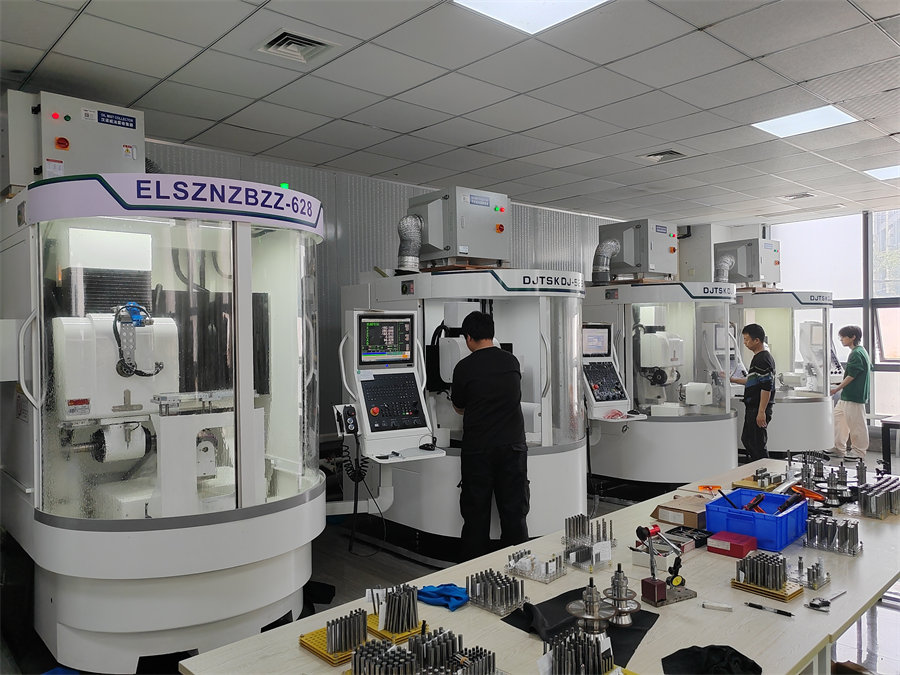
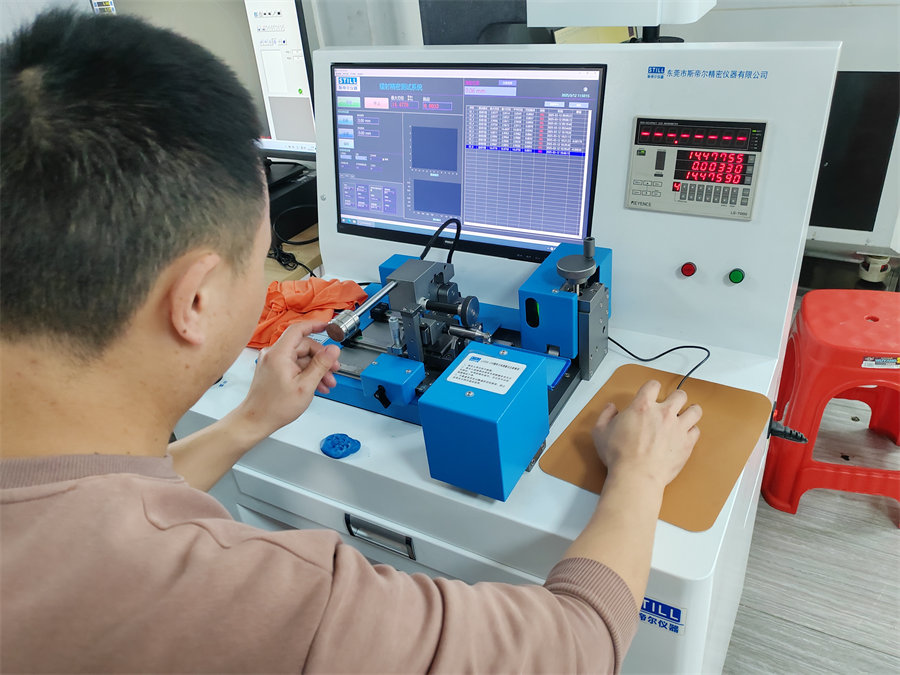
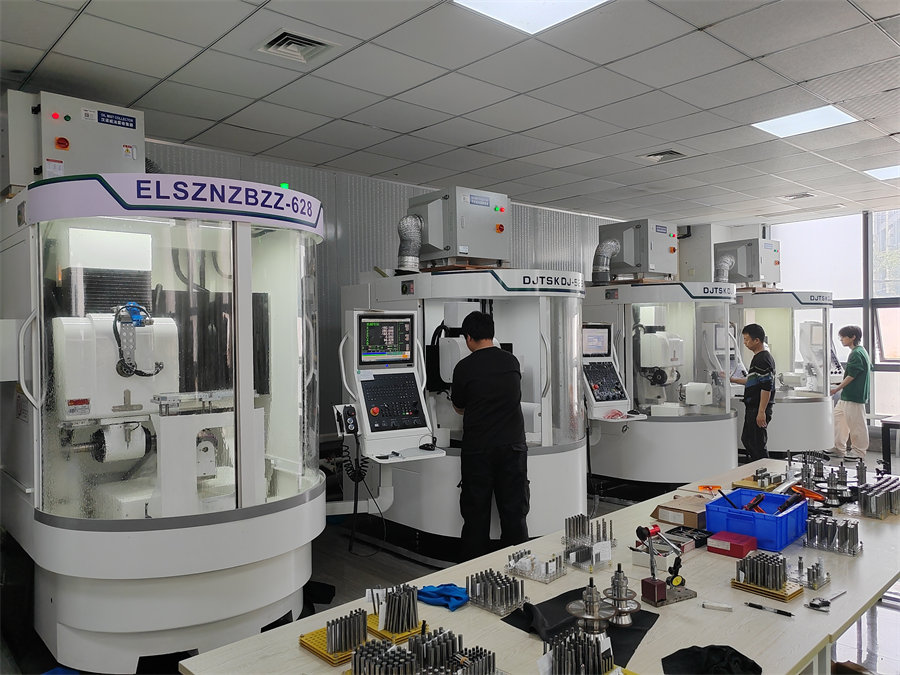
To ensure the highest levels of precision, geometric consistency, and tool lifespan, Tier Tool operates advanced multi-axis CNC grinding centers imported from Germany and Switzerland, alongside metrology platforms such as Zoller and Walter. By running complete in-house production cycles—from blanks selection, initial fluting, relief grinding, to microscopic edge prep and advanced thin-film coatings—we control the process variables that determine thread tool performance in high-speed manufacturing environments.
Quality is the foundation of Tier Tool's long-term success. The company strictly implements a zero-defect quality policy centered around the core principle of "Quality First, Continuous Improvement". Every single batch of tools undergoes strict metallurgical incoming testing, dynamic optical measurement during processing, and post-coating verification. This systematic approach guarantees total batch-to-batch consistency, allowing our customers to run unattended automated lines without fear of sudden dimensional drift.
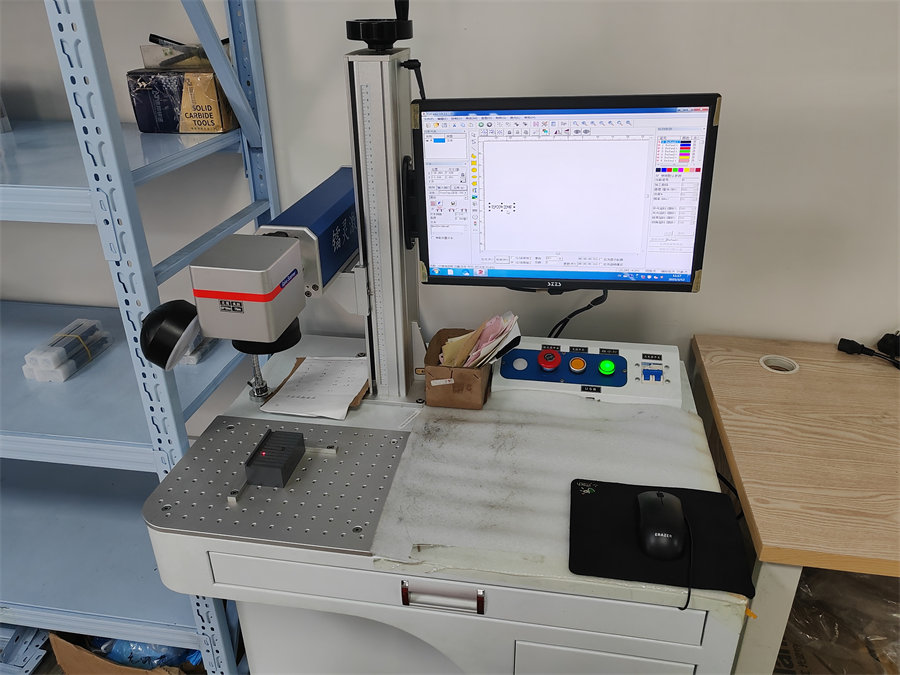
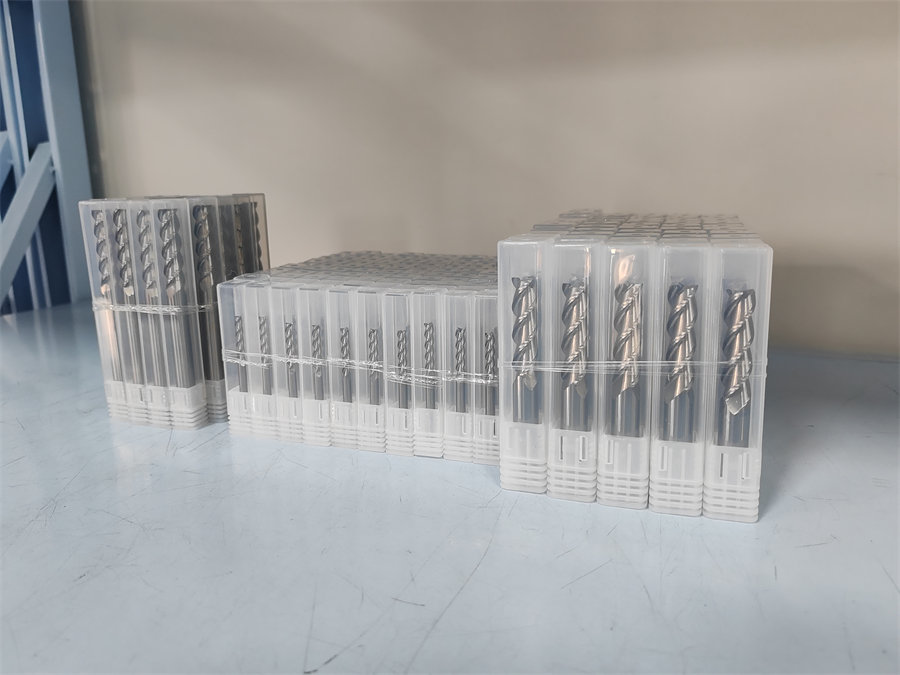
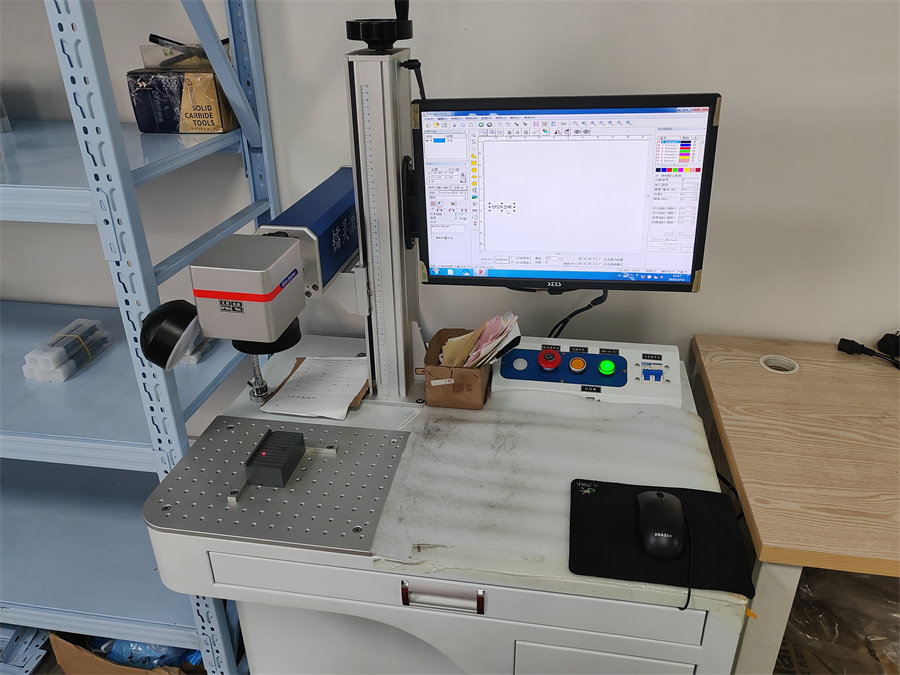
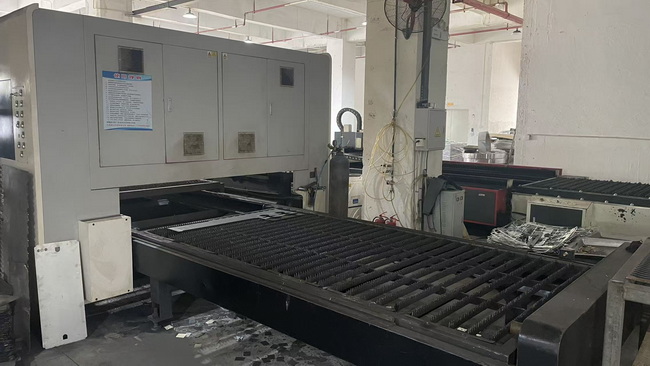
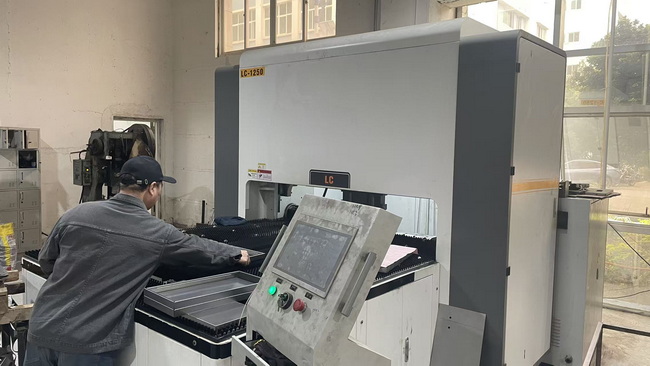
Take a visual tour inside our production floors, showcasing raw material processing, laser profiling, precise robotic bending, multi-axis grinding, and rigorous metrology.
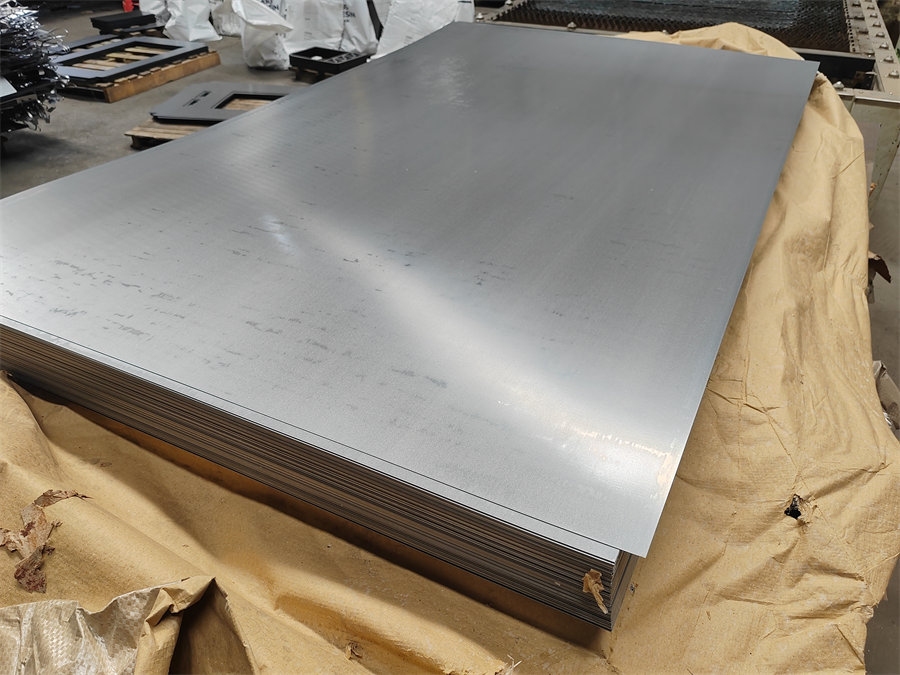
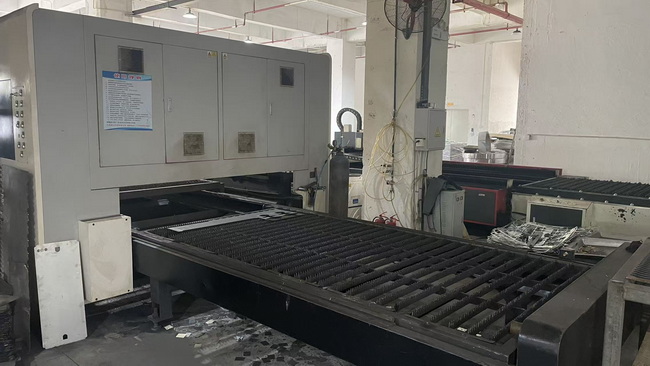
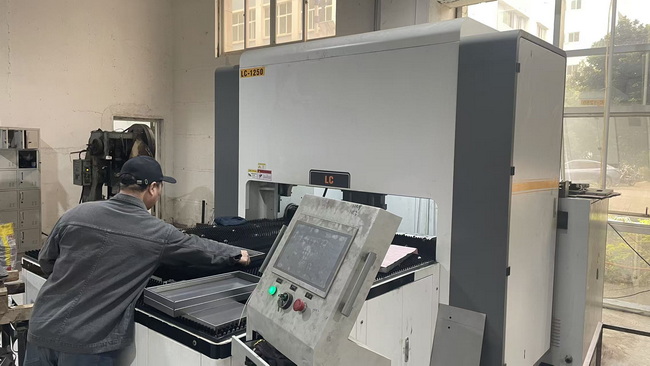
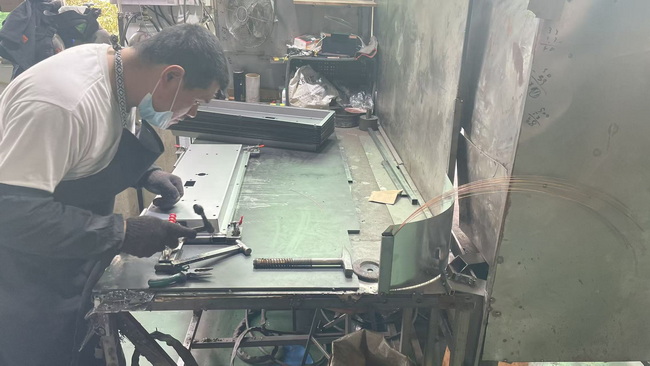

Insights into the evolution of material alloys, physical vapor deposition coatings, and micro-geometric optimization.
PM-HSS replaces traditional casting by melting alloy elements and rapidly atomizing them into fine powder. This prevents carbide segregation, resulting in a isotropic substrate with outstanding uniformity. As high-speed tapping on hardened tool steel increases, PM-HSS (like HSSE-PM containing high Cobalt/Vanadium) delivers double the fracture toughness and wear resistance of conventional M2/M35 steels.
Monolithic coatings are giving way to nanolayer coatings (such as AlTiN/Si3N4 or TiAlN/AlCrN). These advanced structures present alternating layer thicknesses at the nanometer scale, which effectively block micro-cracks from propagating through the coating to the underlying HSS steel. This increases thermal breakdown limits to over 900°C, enabling highly efficient, completely dry-cutting processes.
Using advanced drag-finishing and brush edge preparation, toolmakers now chamfer cutting teeth with micro-metric accuracy (ranging from 5µm to 15µm radius). This eliminates microscopic grinding burrs and builds a stable load-bearing area on the cutting wedge. Combined with eccentric relief geometries, it minimizes heat generation and avoids chipping during reverse rotation cycles.
The global metalworking market is moving away from flood cooling due to high filtration costs and environmental impact. Modern thread taps are specifically configured with variable helix angles and wide chip gullets to facilitate efficient chip extraction under MQL (where oil mist is targeted directly at the cutting zone at low volumes). This design dramatically reduces thermal shock and increases the recycle value of dry steel chips.
Aligning high-precision tooling supply with the strict technical needs of modern high-volume sectors.
The automotive industry's shift toward electric drivetrains requires extensive use of high-strength structural aluminum castings (such as AlSi9Cu3) and ultra-high-strength steel sheet components. Tapping threaded connections in battery trays or motor housings requires specialized designs: modified hook angles to prevent thread stripping in soft aluminum, and high vanadium HSS substrates to combat the abrasive silicon content. High-volume automotive parts demand tool consistency, where a single tap must produce thousands of thread paths within tight tolerance bands.
Tapping challenging alloys like Titanium (Ti-6Al-4V) or Inconel 718 requires maximizing the mechanical and heat limitations of the tool. The thread taps require precise relief designs to prevent material elastic recovery from pinching the tap shank. Specialized HSSE-PM taps with TiAlN coatings and intermittent threads are mandatory to lower friction, control localized heat, and break down stringy chips before they bind inside the hole.
For large gearboxes, turbines, and large structural components, tapping large threads (M24 up to M64) requires deep chip capacity and robust torsional drive. We construct large straight-flute and spiral-point taps with customized core diameters to support torque transmittal, preventing mid-cycle breakages in deep, large-diameter holes.
Why Tier Tool remains the preferred tooling partner for global manufacturing enterprises seeking reliable performance.
Every production run of carbide and high-speed steel tools is marked with a laser ID. This allows us to track the product history back to the specific batch of raw materials, raw grinding machines, operator logs, and inspection sheets, assuring consistent quality control.
We do more than ship catalog products. Our application engineering team assists global clients in selecting optimized feed rates and speeds, designing custom tool profiles, and solving tool wear issues via remote video analysis and machining simulation.
Our production facility operates in full compliance with ISO 14001 environmental management standards. All raw steel materials are sourced from eco-responsible mills, and we implement waste oil recycling and particulate filtration systems across our grinding operations.
Detailed answers to the most common technical questions encountered by manufacturing engineers and tool buyers.
HSS-E contains a specific percentage of Cobalt (typically 5% to 8% in M35/M42), which increases red hardness, allowing the tap to retain its edge at higher temperatures. PM-HSS (Powder Metallurgy) has a much finer, uniform carbide structure without segregation. This gives PM-HSS superior toughness and fatigue life, making it the better choice for high-volume automated lines tapping hard or abrasive alloys.
Spiral point taps push chips ahead of the cutting action and are recommended for through-hole tapping. Spiral flute taps pull chips backward out of the hole, much like a drill bit, making them the industry standard for blind-hole applications where chips must not build up at the bottom of the hole.
Breakage during reversal is usually caused by chips clogging the clearance space when the tool starts to rotate backward. The tap pinches these chips against the newly formed thread flank. Solutions include using taps with specialized radial relief grinding, adopting micro-honed cutting edges to reduce burrs, and ensuring adequate lubrication to wash out chips.
Thread cutting taps remove metal to create the thread profile. Thread forming taps (fluteless taps) displace metal plastically to shape the thread. Forming creates stronger threads because the grain structure of the metal is maintained. It also eliminates chip control issues. However, roll tapping requires ductile materials (hardness < 35 HRC, and minimum 10% elongation properties) and precise pre-drill hole sizes.
Our engineering team designs these components to work in tandem with our tapping lines, assuring quality across all manufacturing operations.
 Tier Tool