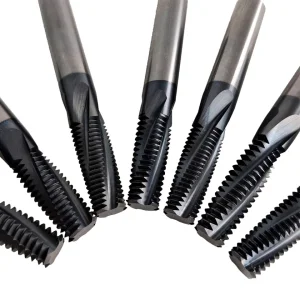
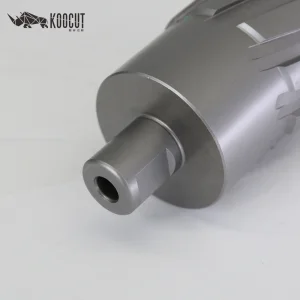
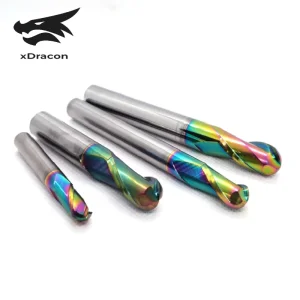
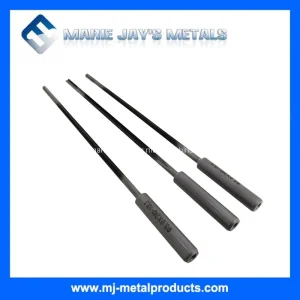
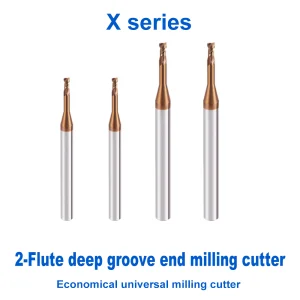
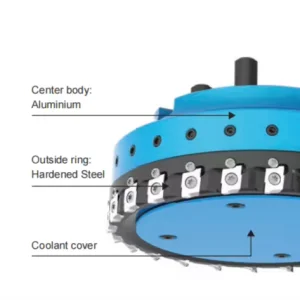
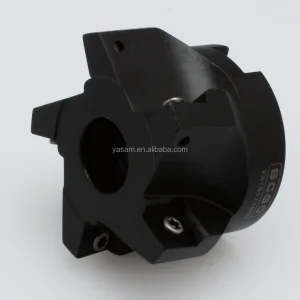
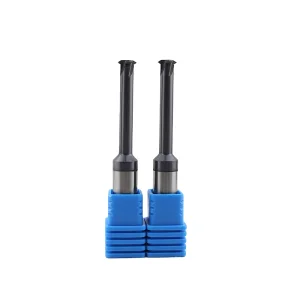
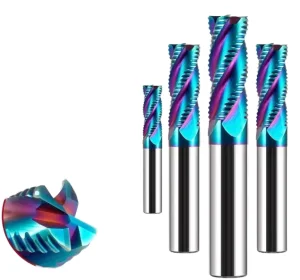
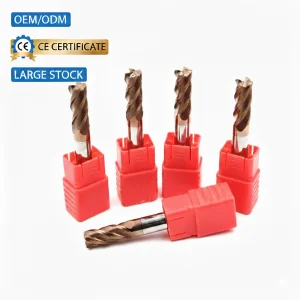
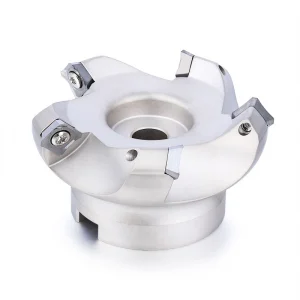
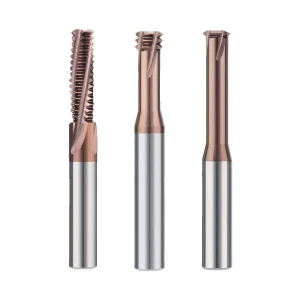
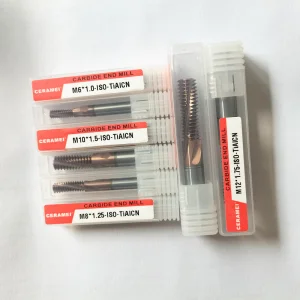
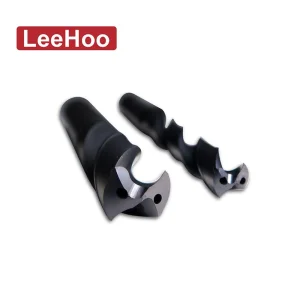
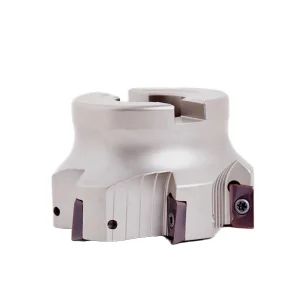
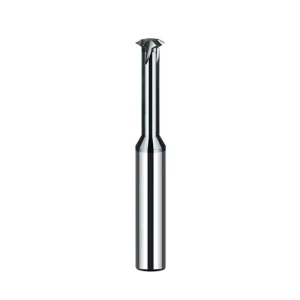
Explore our high-precision end mills, drilling bits, and threading solutions engineered to deliver exceptional accuracy, reliability, and consistency.
In modern industrial manufacturing, the precision of cutting and sharpening systems stands as a cornerstone of operational efficiency. Solid carbide cutting tools play an indispensable role in maintaining the speed, accuracy, and longevity of assembly lines. As a nationally certified high-tech enterprise established in 2008, Suzhou Tier Tool Co., Ltd. has spent over a decade refining the science of carbide metallurgy, coating engineering, and geometry optimization.
Core Concept - Information Gain: Cutting parameters are not mere adjustments; they are mathematical optimizations. Achieving tool stability in hard milling (HRC 55 to HRC 65) requires an intimate understanding of cobalt distribution patterns within the sub-micron tungsten carbide matrix, combined with nano-layered chemical coatings to redirect thermal energy away from the substrate.
The global tooling market is transitioning from simple sharpening tasks to high-rigidity high-efficiency cutting solutions. In the past, "sharpening tools" referred to manual abrasives. Today, it describes high-performance solid carbide end mills, thread mills, indexable face mills, and micro-precision cutters. These systems operate at high spindle speeds, keeping tolerances within microns. This change is driven by the rise of demanding materials, such as titanium alloys and carbon-reinforced polymers in aerospace, and hardened steels in automotive dies.
To meet these requirements, manufacturers must ensure their tools retain sharp edges even at temperatures exceeding 800°C. Advanced coating technologies, like Blue Nano coatings and PCD (Polycrystalline Diamond) inserts, create thermal and physical barriers. They extend tool life by up to 300% compared to uncoated tools, giving facilities a competitive edge in productivity.
Year Established
Inspection Tolerance
Maximum Hardness Capabilities
Traceability Standard
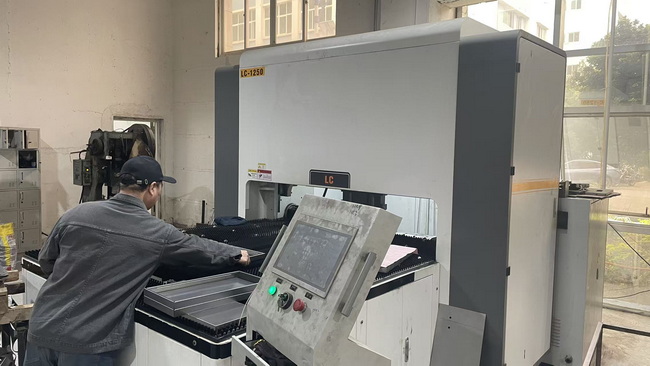
Suzhou Tier Tool Co., Ltd. has established a fully integrated facility to meet high-end global standards. We use automated CNC grinding centers alongside advanced physical and chemical testing setups to ensure consistent tooling batches. We control every stage of production—from designing custom geometries to applying nano-coatings—to deliver reliable, high-performance tools.
Our Quality Management System governs each production phase. Micro-grain raw materials undergo strict spectral verification to guarantee structural density and eliminate internal voids. In our CNC grinding department, automated tool grinders shape custom micro-geometries, ensuring the structural stability needed for high-speed machining. Real-world simulations and optical measurements check every angle and flute, ensuring consistent performance for our customers' assembly lines.
Documenting our advanced factory processes, automated production equipment, and ISO-compliant quality inspection systems.
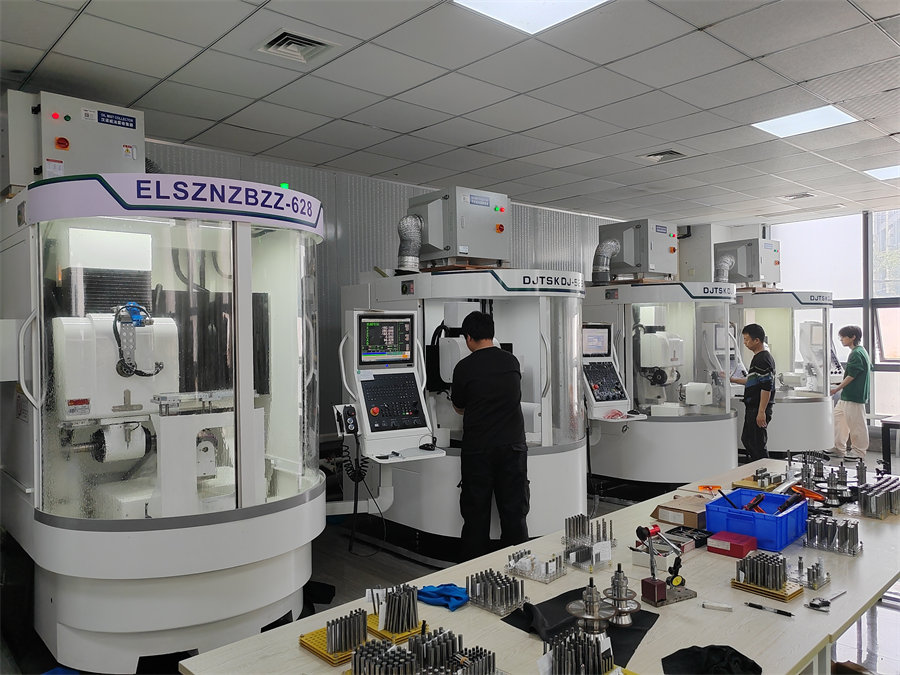
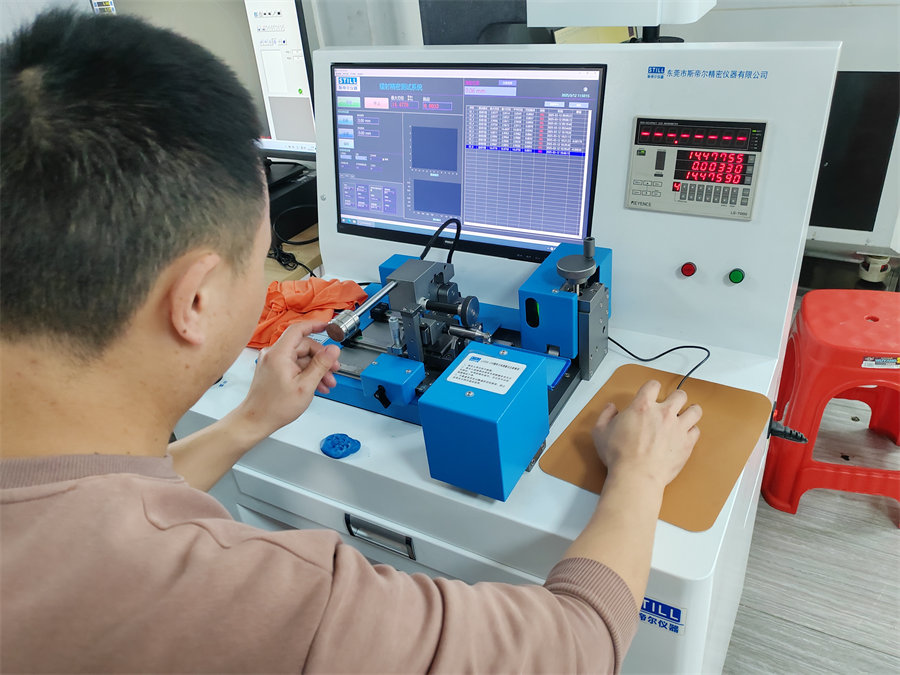
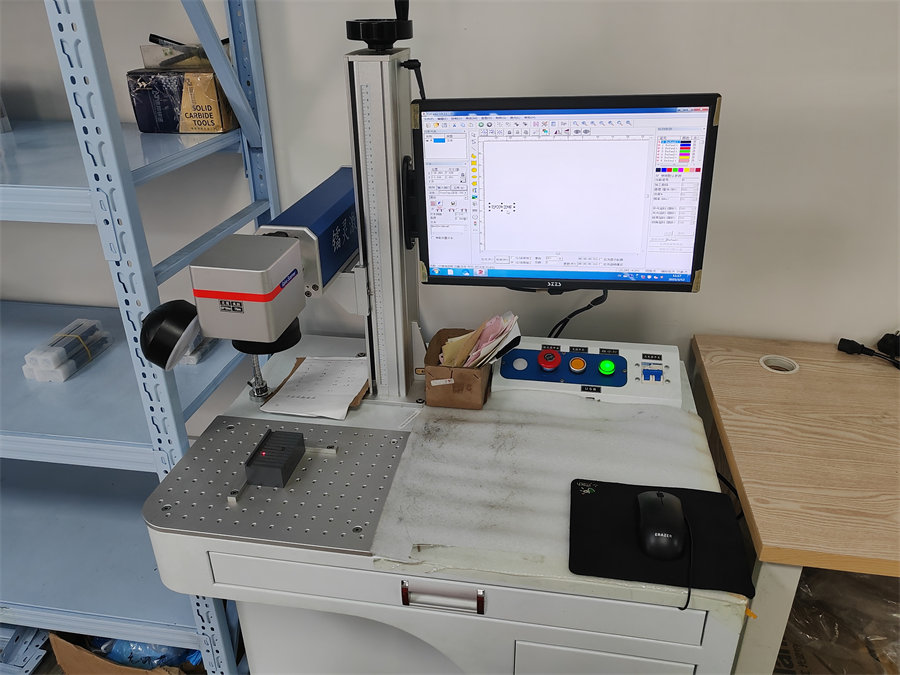
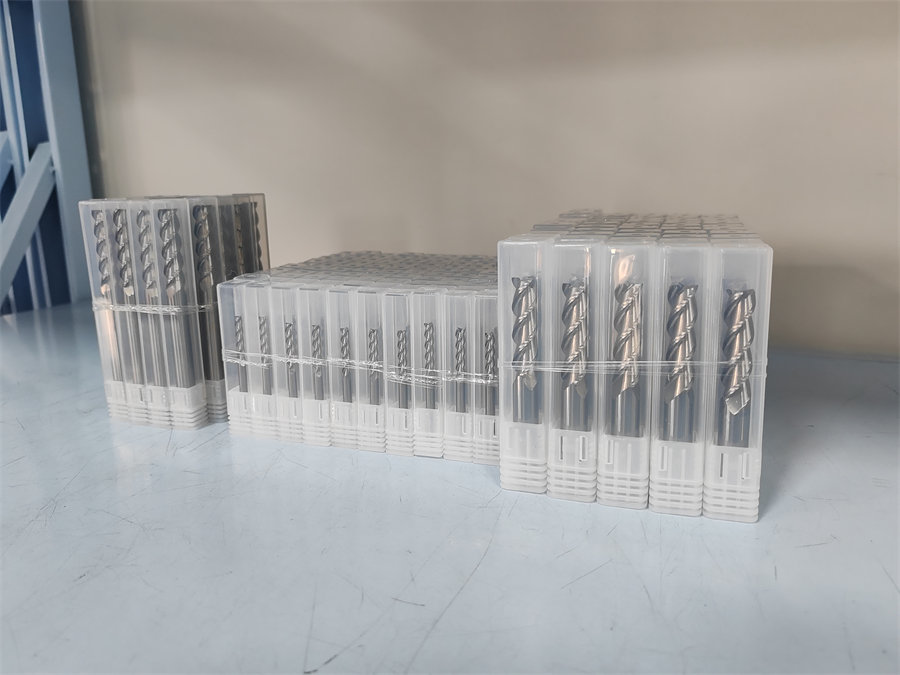
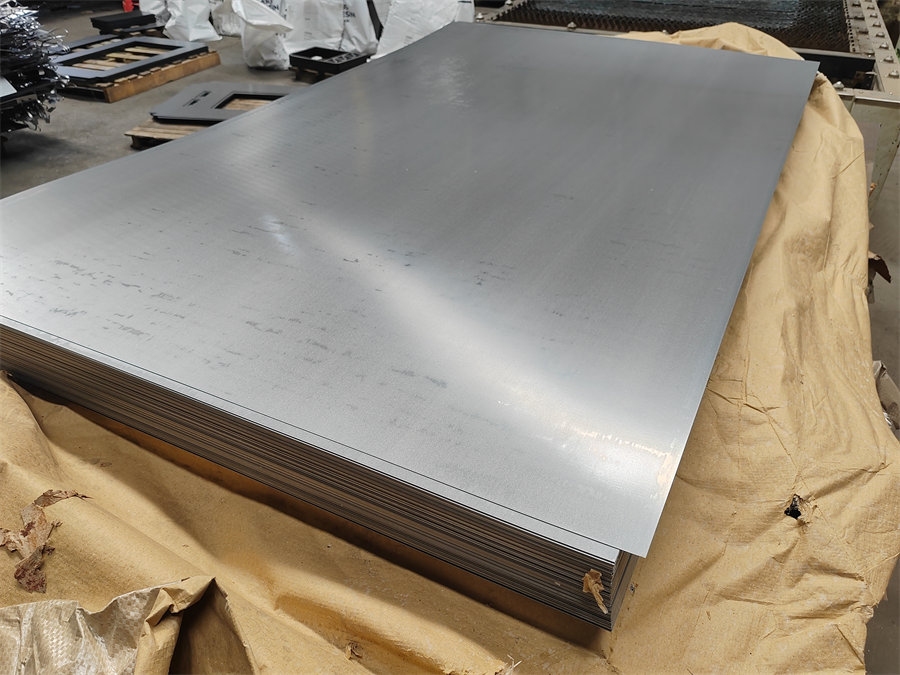
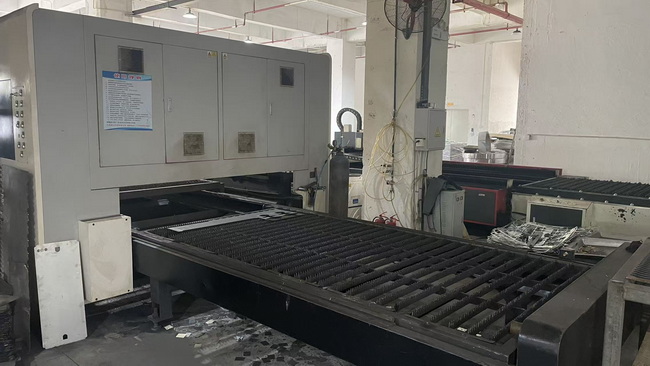
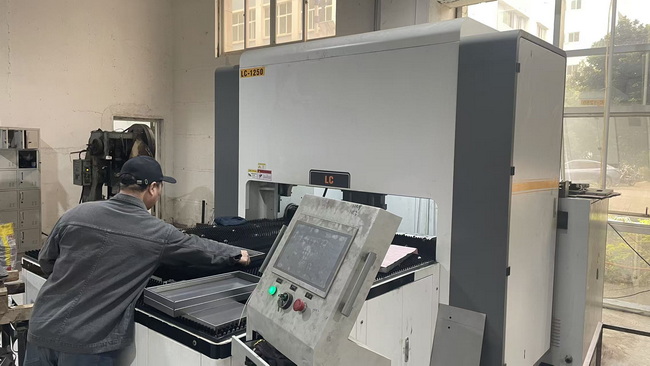
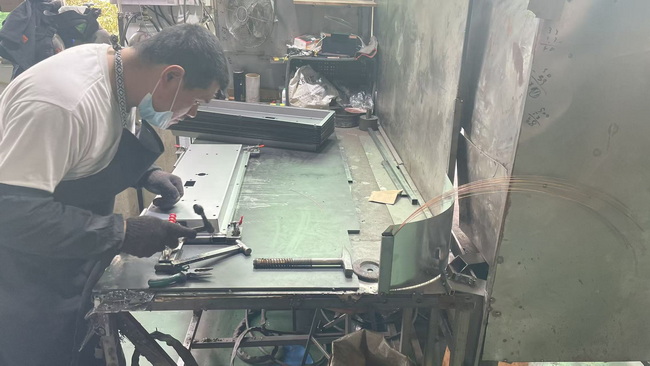
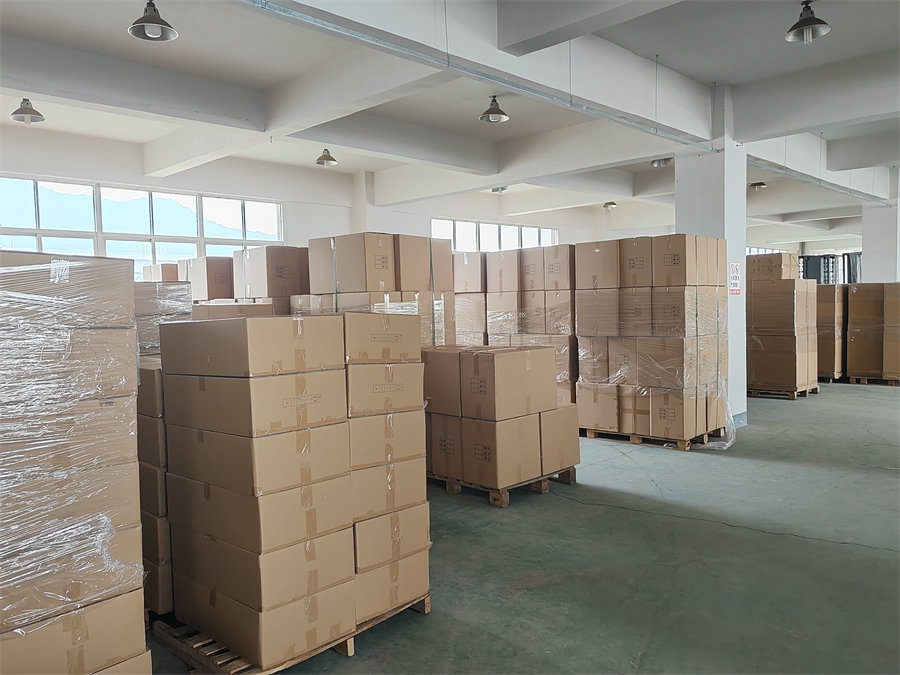
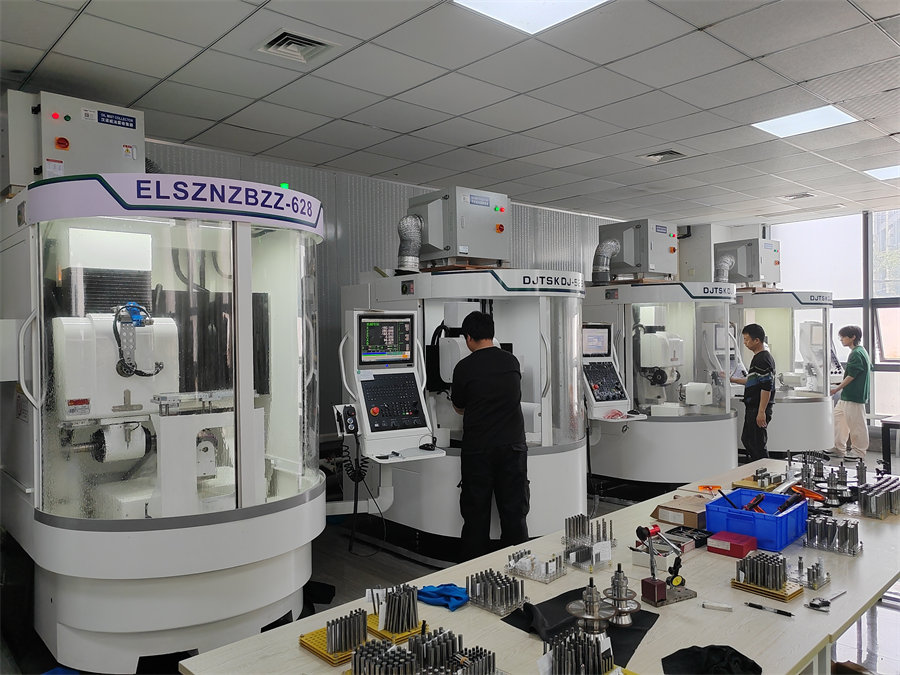
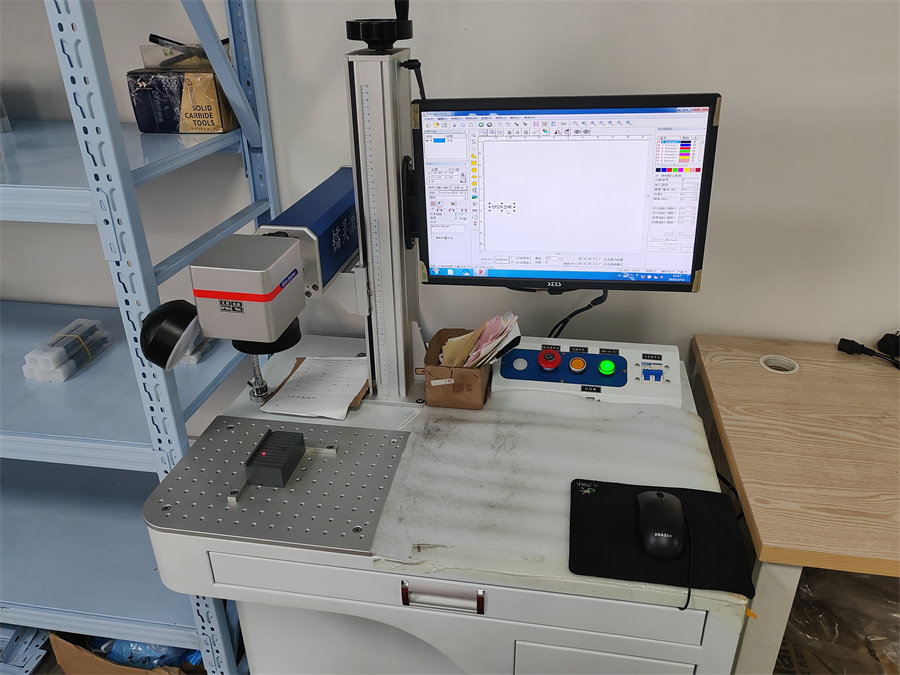
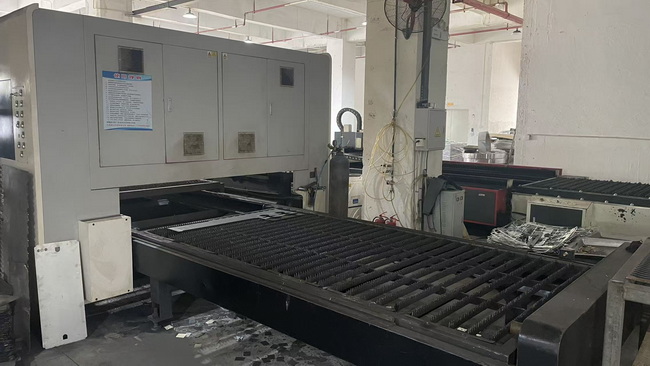
China's Yangtze River Delta is a major global hub for advanced tooling supply chains. Suzhou Tier Tool leverages this strong industrial ecosystem to secure raw materials and streamline production. Access to high-quality tungsten carbide deposits within China ensures a stable supply of materials, helping us maintain consistent production even when global markets fluctuate.
This localized supply chain integrates raw material sourcing, precision tooling design, advanced grinding, coating application, and fast international shipping. By keeping these steps close together, we reduce turnaround times for custom tooling designs. What once took months can now be finished, tested, and shipped in weeks, helping our clients keep their operations running smoothly.
Technical Insight: Our proximity to advanced coating facilities allows us to apply specialized nano-coatings immediately after grinding. This prevents surface oxidation and preserves the structural integrity of the micro-grain tungsten steel substrate.
The manufacturing sector is moving toward automated, data-driven systems. Suzhou Tier Tool is adapting to these trends with key developments in our technology roadmap:
Carbide tools are critical across various specialized fields, each requiring specific configurations to perform effectively:
Our indexable face mills and thread milling cutters are used to shape engine blocks and cylinder heads, helping automotive plants maintain tight tolerances over long production runs.
Machining materials like titanium, Inconel, and carbon fiber requires specialized deep-hole gun drills and roughing end mills that can handle high heat and resist chipping.
For micro-engineering applications, such as medical implants and watch parts, our micro ball-nose end mills (R0.1 to R0.2) provide clean surface finishes on a small scale.
Finding a reliable international manufacturing partner involves more than ordering parts; it requires effective coordination and support. Suzhou Tier Tool provides engineering assistance to help clients optimize their production processes. Our team reviews machining files, suggests tool paths, and recommends custom geometries to help reduce cycles and tool wear.
Our tools are manufactured to meet international standards like ISO 9001:2015, DIN, and ANSI. This means our tooling fits into global workflows, helping overseas facilities maintain consistent quality and meet local compliance requirements.
Examine the technical characteristics, materials, and profiles of our specialized solid carbide product line.
Addressing the common questions raised by procurement managers, engineers, and machine operators concerning solid carbide applications.
 Tier Tool