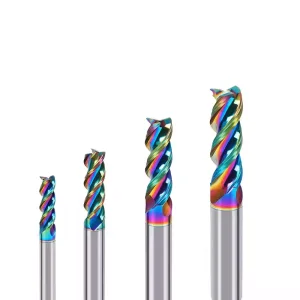
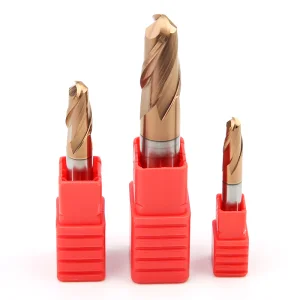
Premium precision ground carbide tooling engineered for modern CNC mold and die milling applications.
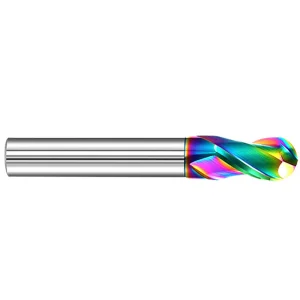
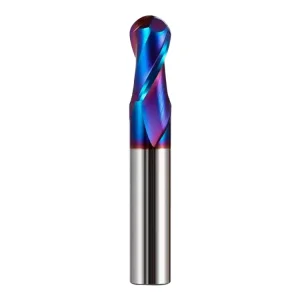
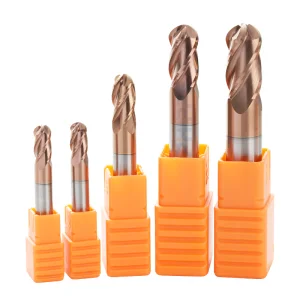
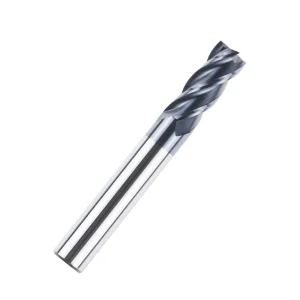
As the Kingdom of Saudi Arabia advances aggressively toward its Saudi Vision 2030 goals, Riyadh has emerged as the beating heart of the Middle East's industrial transformation. The National Industrial Development and Logistics Program (NIDLP) has spurred unprecedented growth in domestic manufacturing, focusing closely on automotive component localization, aerospace development, plastic packaging, and complex metal molding. The localization of these industries demands highly advanced machining processes, elevating the necessity for world-class cutting tools such as ball nose mold end mills.
In high-speed CNC milling, particularly within Riyadh's specialized industrial zones like the Second Industrial City and Sudair Industrial and Business City, achieving micro-level precision is no longer optional. Precision molds are the foundational components for automotive stamping dies, plastic injection products, and high-performance casting machinery. Because these molds feature intricate, non-planar 3D geometries, manufacturers rely heavily on ball nose end mills to deliver high-quality surface finishes (Ra value under 0.4 microns) while maintaining tool rigidity under extreme temperatures.
Solid carbide ball nose end mills operate under complex multi-axis milling mechanics. Unlike flat-bottom tools, the cutting speed at the apex of a ball end mill approaches zero, creating significant shear stresses. To mitigate this, high-tier tooling manufacturers utilize advanced micro-grain tungsten carbide substrates (often with grain sizes below 0.6 microns) and modify the helix and rake angles to ensure efficient chip evacuation. In Riyadh’s desert climate, thermal management is key; therefore, modern physical vapor deposition (PVD) coatings, such as AlTiN (Aluminum Titanium Nitride) and TiSiN (Titanium Silicon Nitride), are applied to maintain surface hardness up to 900°C, preventing thermal cracking and localized edge chipping.
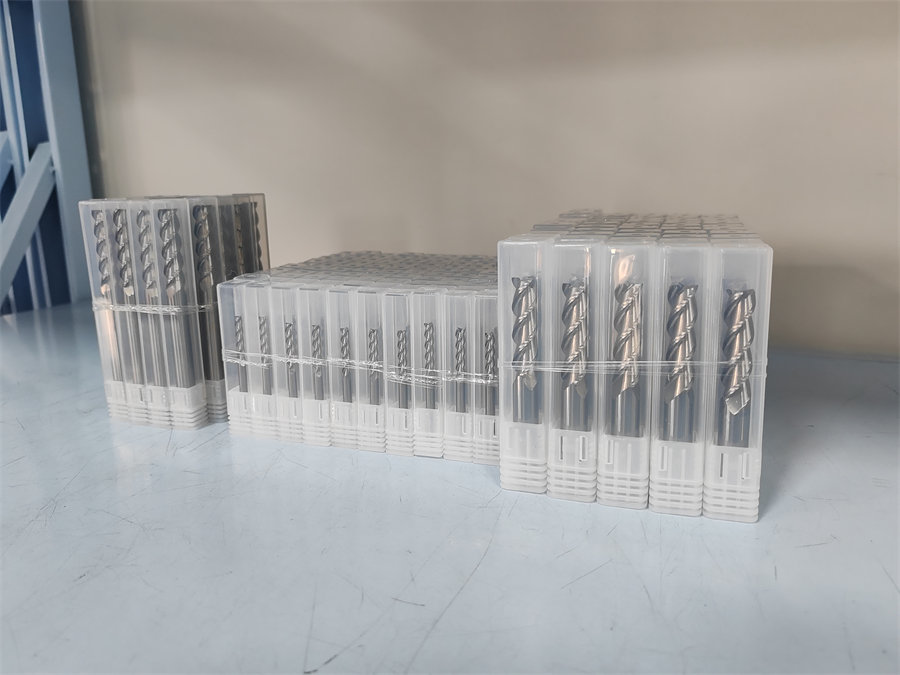
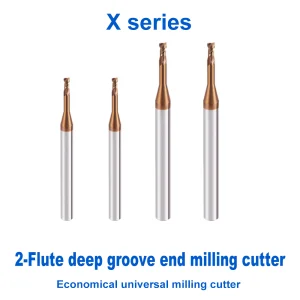
Engineered for high chip removal efficiency and sustained wear resistance under structural steel applications.
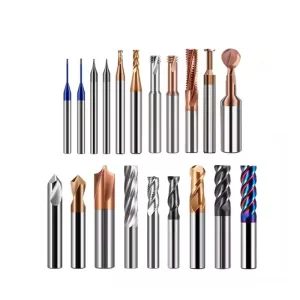
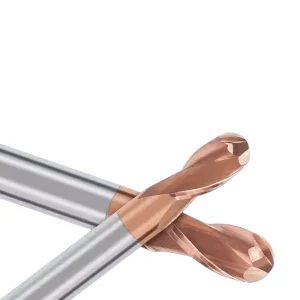
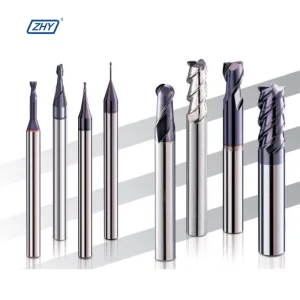
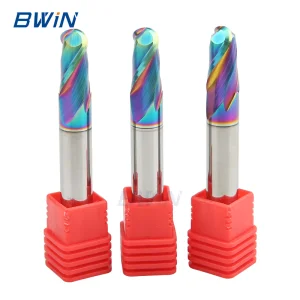
For procurement officers in Saudi Arabia, acquiring industrial-grade CNC cutters involves balancing global pricing structures, logistics compliance, and tool performance. Since mold production operates on tight schedules, custom components must be milled with minimal tool changes. Under-performing tools lead to unexpected breakage, surface blemishes on expensive workpieces, and costly downtime.
Purchasing direct from a specialist factory like Suzhou Tier Tool Co., Ltd. offers significant advantages. By dealing directly with the designer and manufacturer, Saudi buyers can bypass intermediate markups while ensuring direct engineering support. Key procurement specifications often request compatibility with international tool-holding standards (such as HSK or BT tapers) and direct material traceability reports. Suzhou Tier Tool guarantees strict compliance with the SABER e-platform system, facilitating smooth customs clearance at the Riyadh Dry Port or King Khalid International Airport.
Machining hardened steel materials (such as NAK80, H13, D2, or P20 steel commonly used in plastic injection molds) requires a calculated approach to chip load, cooling, and cutter geometries. Below is a strategic recommendation table for engineering operations in Riyadh:
| Workpiece Material | Hardness Range | Recommended Coating | Cooling / Lubrication Strategy | Optimum Helix Angle |
|---|---|---|---|---|
| Pre-hardened Mold Steel (P20, NAK80) | HRC 30 - 40 | AlTiN (Aluminum Titanium Nitride) | Flood Coolant or Compressed Air | 35° - 40° |
| Hardened Tool Steel (H13, D2, SKD61) | HRC 45 - 55 | TiSiN (Silicon-doped Titanium Nitride) | Minimum Quantity Lubrication (MQL) / Dry Air | 30° - 35° |
| Super-Alloys & Ultra-Hard Alloys | HRC 55 - 65+ | Nano-Blue / Ultra-Hard Composite | Dry Machining with High-Pressure Air Blast | 30° |
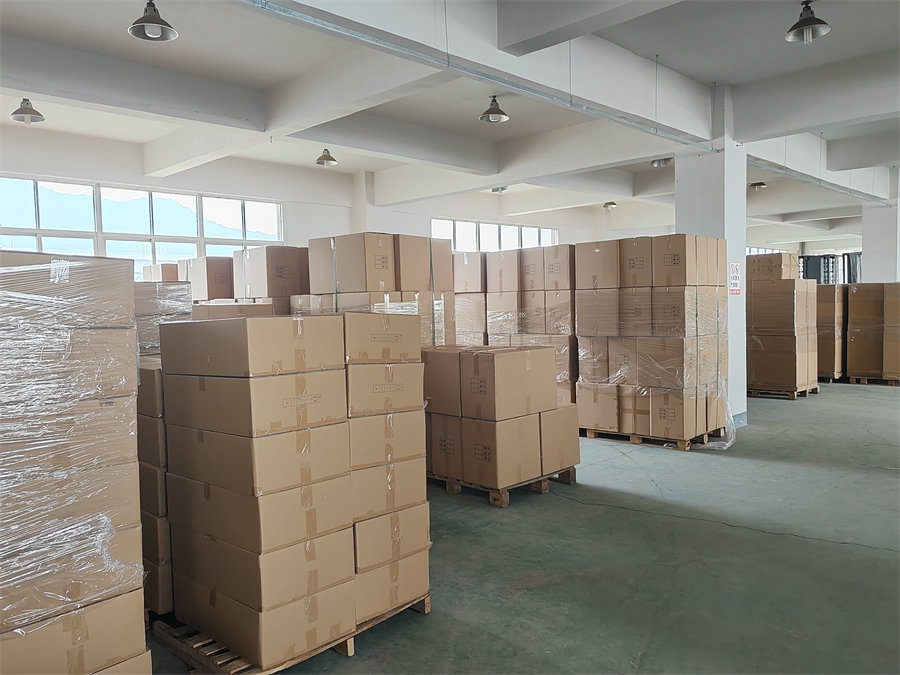
Suzhou Tier Tool Co., Ltd., established in 2008, is a national high-tech enterprise specializing in the design, manufacturing, and technical support of precision solid carbide cutting tools. Since its foundation, Tier Tool has been deeply committed to the precision machining industry, focusing on delivering high-performance, high-efficiency cutting solutions for hole-making and metalworking applications. Through continuous technological innovation and manufacturing excellence, the company has earned the trust of customers across a wide range of industries worldwide.
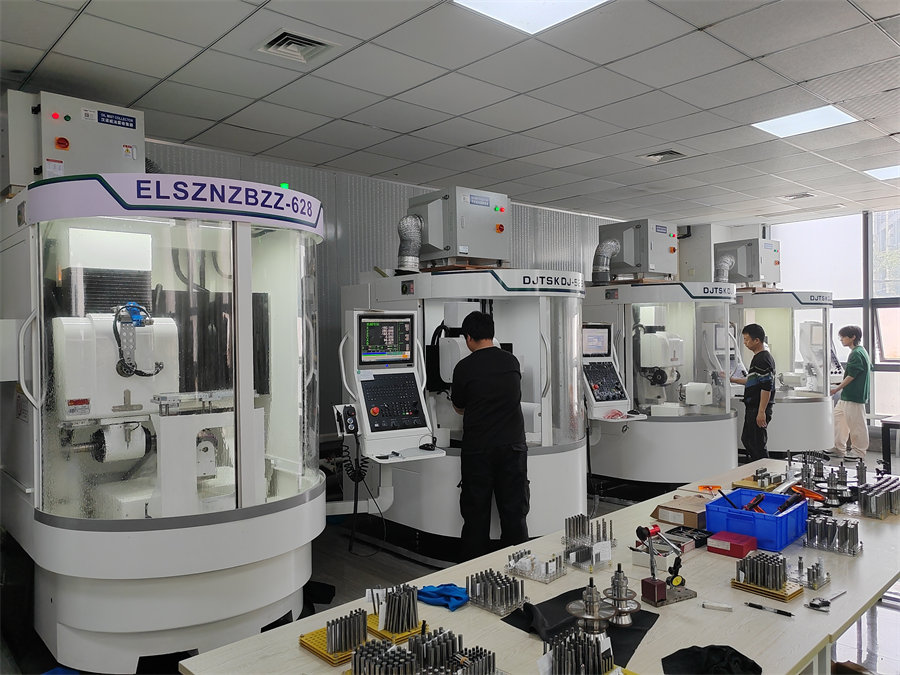
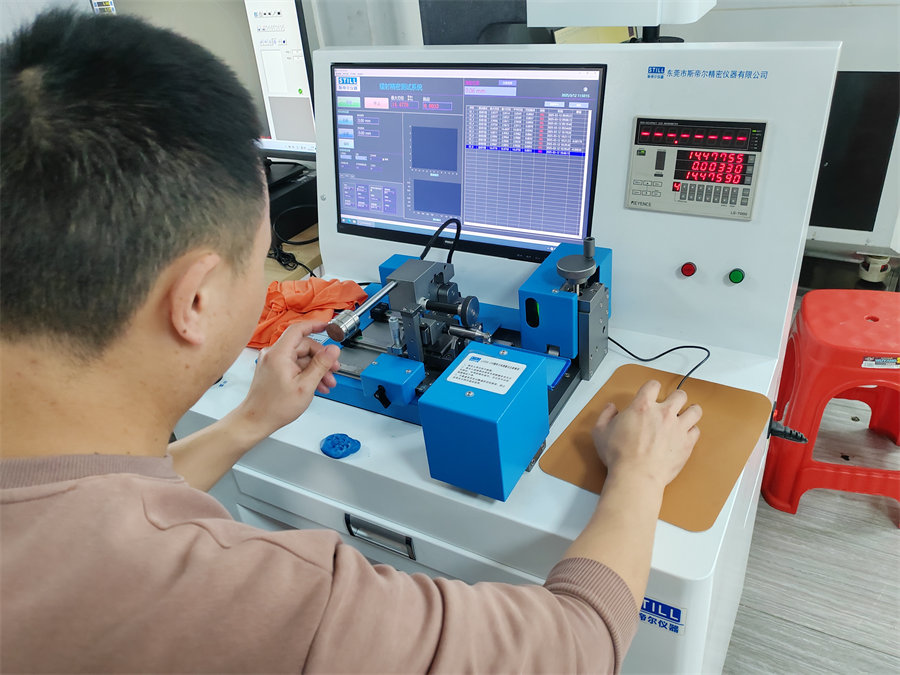
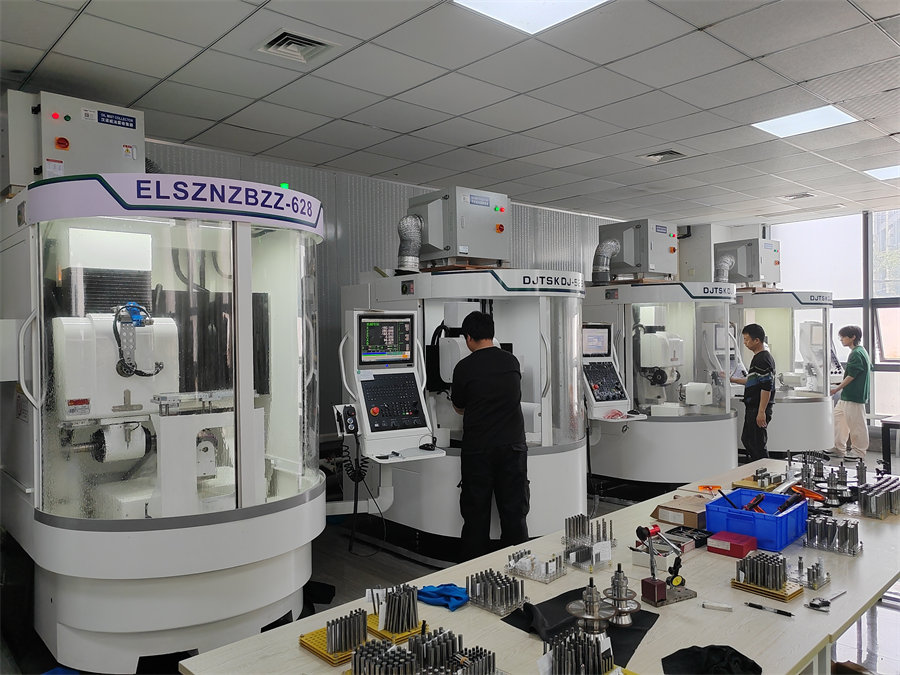
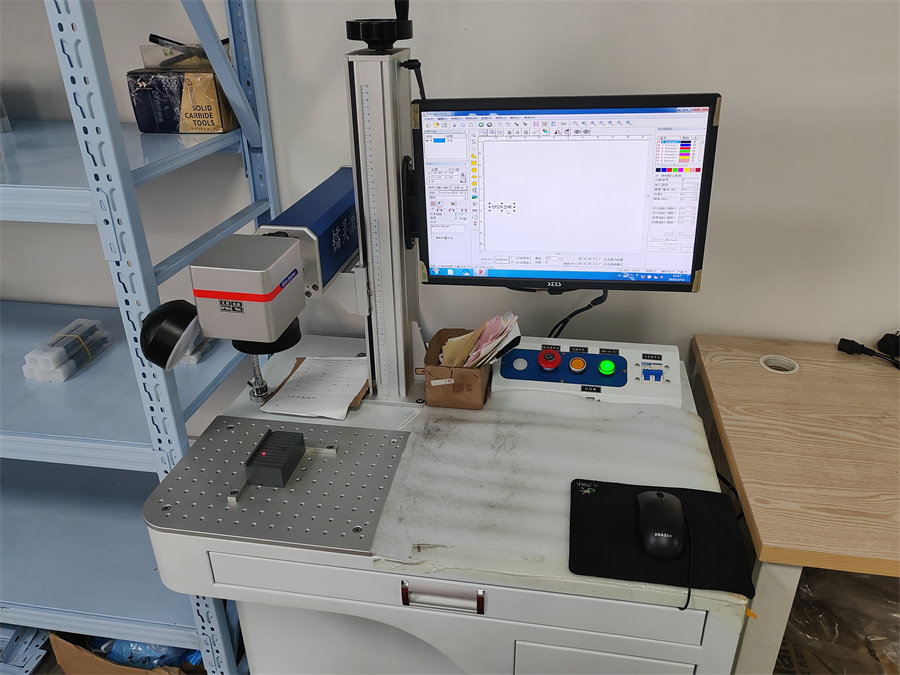
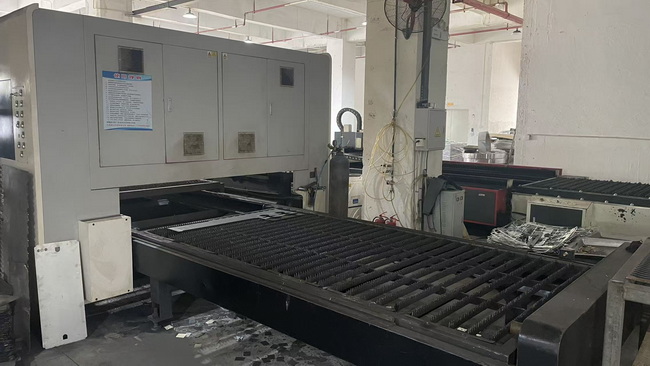
To ensure the highest levels of precision and consistency, Tier Tool has invested extensively in advanced manufacturing equipment and production technologies. The company operates multiple imported CNC tool grinding machines and precision inspection systems, enabling complete in-house capabilities from tool design and prototyping to small-batch testing and large-scale production.
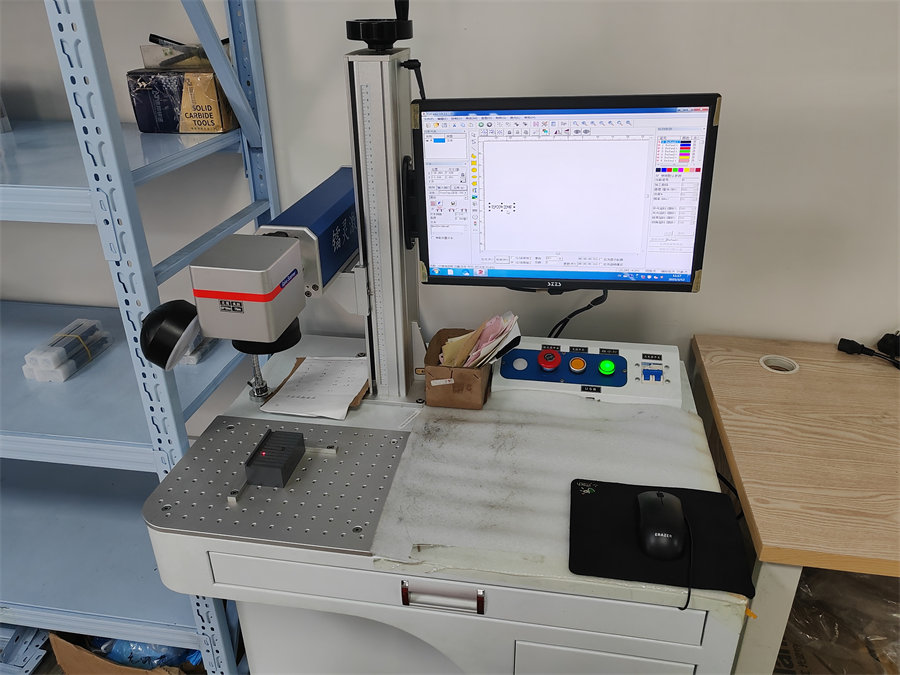
Our manufacturing process is built upon strict process control and traceability standards. Every production stage is carefully monitored to ensure repeatability, quality consistency, and reliable delivery performance. Through systematic process management and standardized operating procedures, Tier Tool has established a robust manufacturing system capable of meeting the demanding requirements of modern precision machining.
Quality is the foundation of Tier Tool's long-term success. We adhere to the principle of "Quality First, Continuous Improvement", implementing rigorous quality control procedures throughout the entire production cycle. From raw material selection and incoming inspection to final product verification, every tool undergoes comprehensive quality checks to ensure it meets strict dimensional, geometrical, and performance requirements.
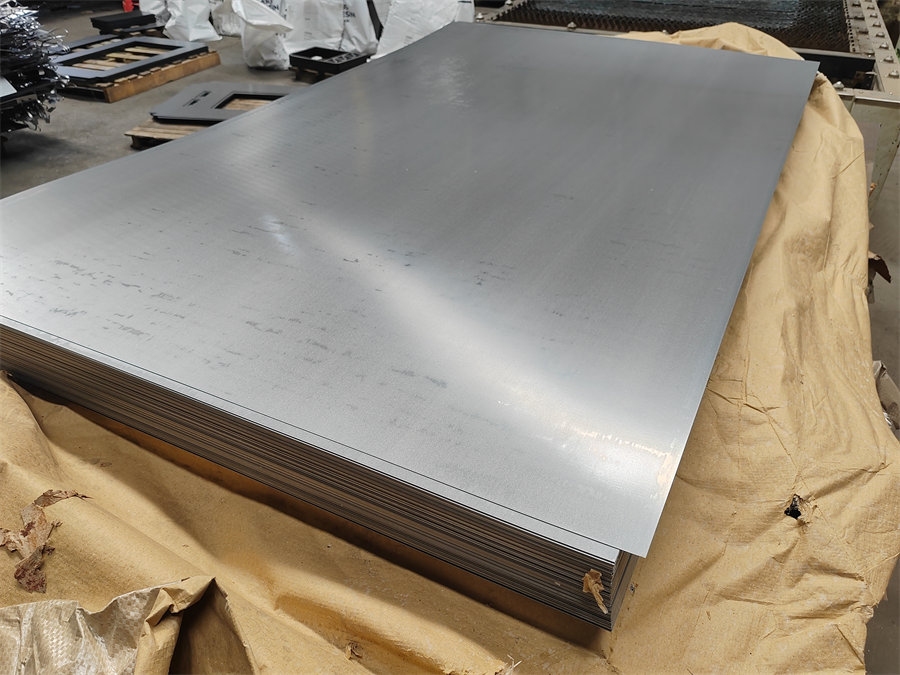
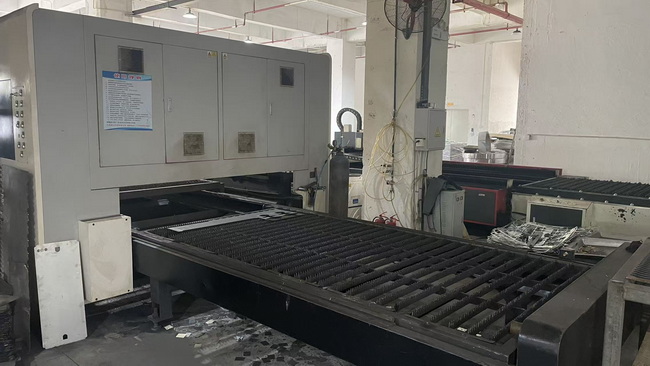
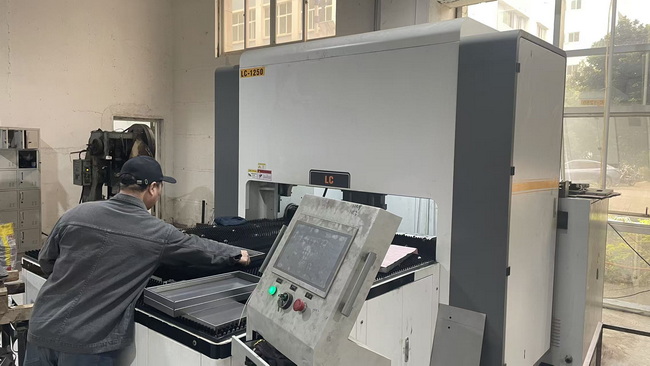
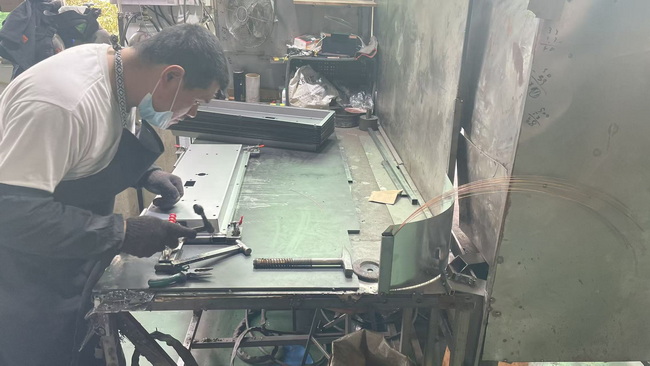
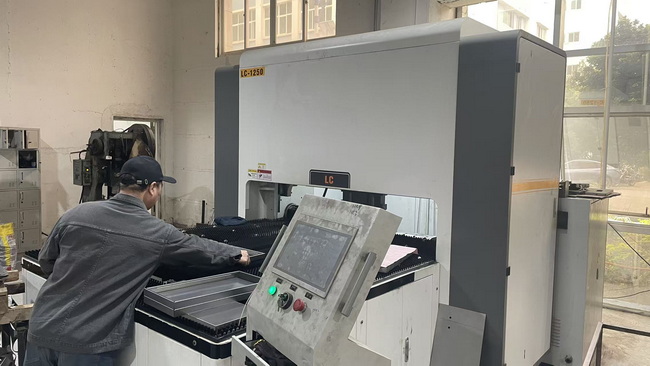
The manufacturing plants inside Riyadh’s Industrial Cities are transitioning towards fully automated, lights-out machining cells. To support this leap in productivity, cutting tool development is shifting towards smarter materials and optimized geometries. Some of the most notable technical advancements in this space include:
Furthermore, in compliance with Saudi local procurement guidelines, Tier Tool ensures all materials are sourced responsibly. We back this up with certified process controls, ensuring that every batch of end mills shipped to Saudi Arabia satisfies the rigorous industrial requirements demanded by state enterprises and private contractors alike.
Expert answers regarding solid carbide tooling, local compliance, and high-performance machining protocols.
Micro-grain carbide substrate contains tungsten grains smaller than 0.6 microns, bonded with cobalt binder. The reduction in grain size creates a higher density of boundaries, which impedes the movement of microscopic cracks, offering high toughness alongside high hardness. This balance is critical for resisting impact when the tool enters a mold cavity at high feeds.
High ambient temperatures can affect the viscosity and quality of liquid emulsion coolants. Many modern machine shops in Riyadh use dry machining with a high-pressure air blast or Minimum Quantity Lubrication (MQL) systems. MQL prevents rapid cooling/heating cycles that can cause thermal fatigue and micro-chipping on the carbide tool edge.
All industrial shipments entering Saudi customs must be registered on the SABER system to verify compliance with SASO standards. Our factory provides clear, matching commercial invoices, certificates of origin, and technical material compliance test reports (MTRs) to ensure seamless delivery to your location in Riyadh.
For raw material removal, a 2-flute ball nose end mill is preferred due to its large chip gullets. For finishing cores of high hardness (over 50 HRC), a 4-flute or multi-flute design is optimal. The extra flutes distribute the chip load and enable higher feed rates while producing a superior surface finish.
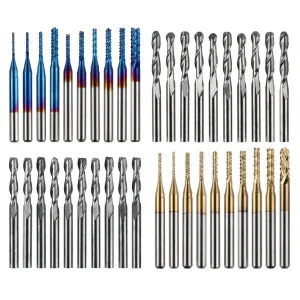
Explore our full engineering portfolio, engineered to satisfy high-speed, high-accuracy tolerances.
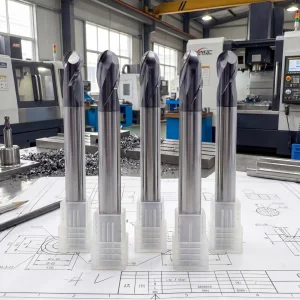
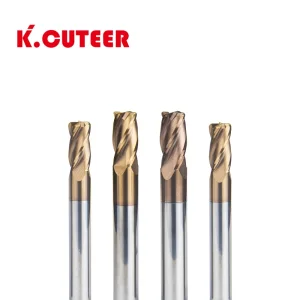
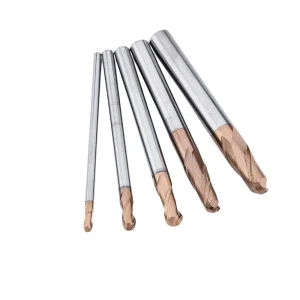
 Tier Tool