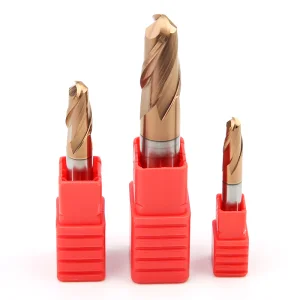
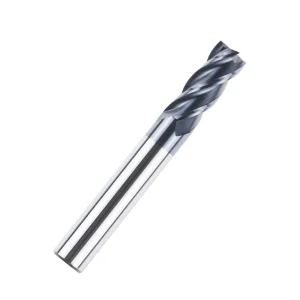
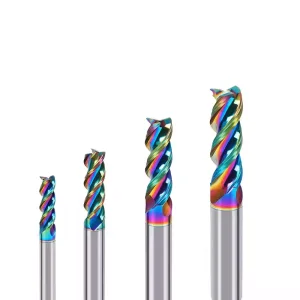
Engineered for high stability and maximum tool life under heavy chip load. Designed specifically for critical mechanical component milling.
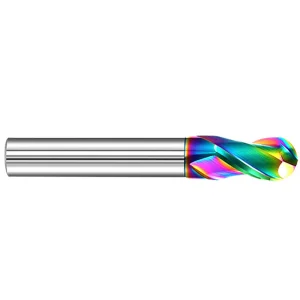
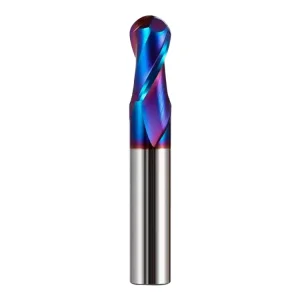
Democratic Republic of Timor-Leste (East Timor) is positioned at the intersection of dynamic Southeast Asian maritime corridors and northern Australian mineral reserves. Historically focused on agriculture, the nation is undergoing a structural transition driven by large-scale infrastructure investments, offshore natural gas developments (such as the Greater Sunrise project), and expanding domestic manufacturing initiatives in Dili, Baucau, and Liquiçá.
This macro-economic expansion has generated critical demand for structural maintenance capabilities. Heavy machinery, vessel servicing, oil and gas piping, and concrete mold fabrications now require continuous, on-demand replacement of components with strict tolerance thresholds. High-quality solid carbide ball nose end mills serve as the mechanical foundation for shaping these hard structural molds and tool steel components locally.
Because importing specialized, finished metal components introduces long lead times and high logistics overhead, engineering workshops in Dili are increasingly integrating high-speed CNC centers to run operations in-house. Our precision tools allow these local operators to reduce downtime and build supply independence.
"For emerging manufacturing hubs in Timor-Leste, local servicing and tool durability determine bottom-line profitability. Importing sub-standard mills leads to premature tool breakage, ruining expensive tool steel blanks and causing project delays. High-end solid carbide tooling is not an expense—it is a production safeguard."
Discover how modern manufacturing processes leverage substrate science, physical vapor deposition (PVD) coatings, and optimal helix geometries to achieve exceptional surface finishes.
Modern high-speed machining (HSM) relies heavily on sub-micron or ultra-fine-grained tungsten carbide substrates (often with grain sizes below 0.6μm). These substrates balance toughness with high hardness, enabling the cutting edges to withstand shock loading during intermittent milling of complex mold cavities without micro-chipping.
Advanced coatings significantly alter thermal dissipation. Chromium-based and titanium-aluminum-silicon-nitride (AlTiSiN) coatings protect the carbide core against heat up to 900°C. For non-ferrous applications, Diamond-Like Carbon (DLC) coatings provide a low friction coefficient (less than 0.1), preventing workpiece stickiness during high-speed dry operations.
To eliminate tool deflection and harmonics (chatter) during deep pocket mold milling, leading designers use asymmetrical variable helix and indexing designs. By altering the timing of the tooth impact against the metal, harmonic feedback loops are broken, resulting in cleaner surface finishes and longer spindle life.
Engineered values for machining structural mold steels and alloys. Optimize your CNC parameters using our guidelines.
| Material Group | Hardness Range | Recommended Coating | Cutting Speed (Vc m/min) | Feed per Tooth (fz mm/flute) | Cooling Mode |
|---|---|---|---|---|---|
| Carbon Steel / Pre-hardened Steel | HRC 30 - HRC 45 | AlTiN / Nano-Blue | 120 - 180 | 0.03 - 0.08 | Air Blow / Mist Coolant |
| Hardened Alloy Mold Steel (NAK80, H13) | HRC 48 - HRC 58 | AlTiSiN / TiAlN | 80 - 130 | 0.02 - 0.05 | Oil Mist / Dry Blow |
| High-Hardness Die Steel (S136, D2) | HRC 58 - HRC 65 | Super Nano Coating | 50 - 90 | 0.015 - 0.03 | Dry Air Purge Only | Aluminum Alloys (6061, 7075) | HB 80 - HB 150 | DLC / Uncoated | 300 - 600 | 0.05 - 0.12 | Soluble Emulsion Oil |
Suzhou Tier Tool Co., Ltd. was established in 2008 and is a national high-tech enterprise specializing in the design, manufacturing, and technical support of precision solid carbide cutting tools.
Since its foundation, Tier Tool has been deeply committed to the precision machining industry, focusing on delivering high-performance, high-efficiency cutting solutions for hole-making and metalworking applications. Through continuous technological innovation and manufacturing excellence, the company has earned the trust of customers across a wide range of industries worldwide.
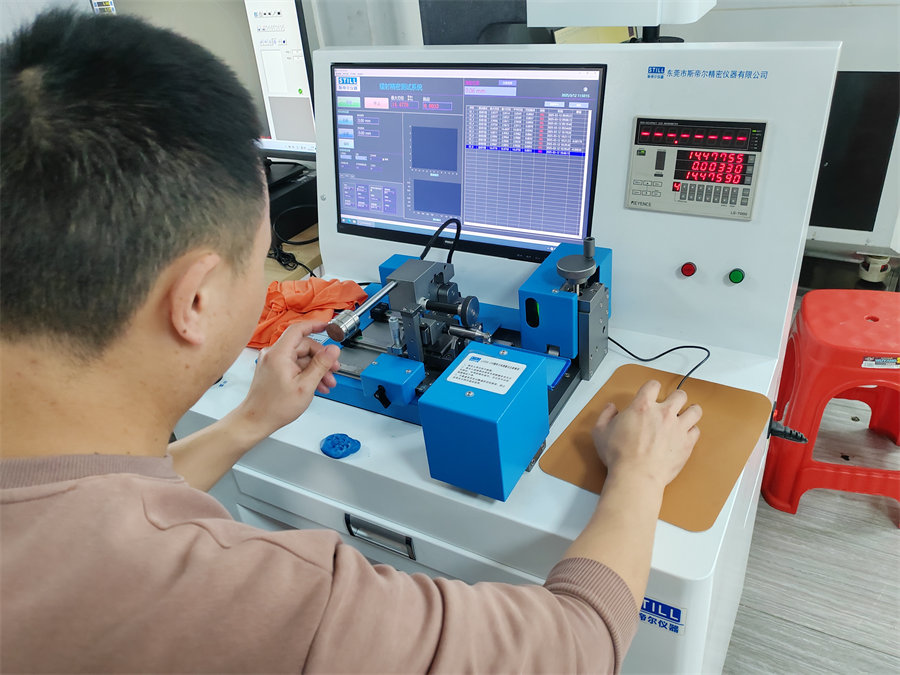
To ensure the highest levels of precision and consistency, Tier Tool has invested extensively in advanced manufacturing equipment and production technologies. The company operates multiple imported CNC tool grinding machines and precision inspection systems, enabling complete in-house capabilities from tool design and prototyping to small-batch testing and large-scale production.
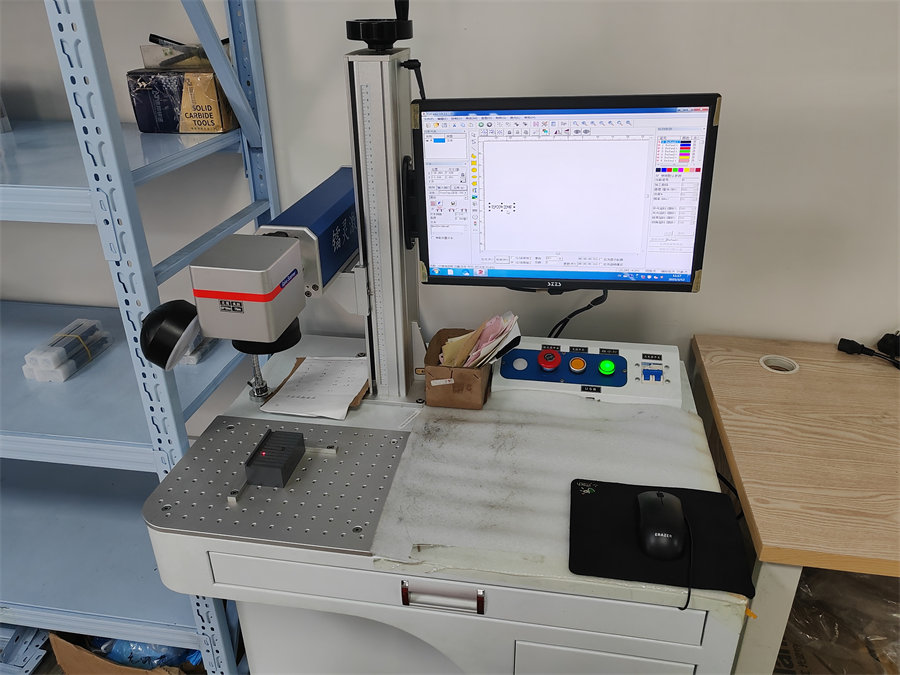
Our manufacturing process is built upon strict process control and traceability standards. Every production stage is carefully monitored to ensure repeatability, quality consistency, and reliable delivery performance. Through systematic process management and standardized operating procedures, Tier Tool has established a robust manufacturing system capable of meeting the demanding requirements of modern precision machining.
Quality is the foundation of Tier Tool's long-term success. We adhere to the principle of "Quality First, Continuous Improvement", implementing rigorous quality control procedures throughout the entire production cycle.
From raw material selection and incoming inspection to final product verification, every tool undergoes comprehensive quality checks to ensure it meets strict dimensional, geometrical, and performance requirements. By continuously optimizing our manufacturing and inspection processes, we deliver products that provide exceptional accuracy, reliability, and consistency in real-world machining applications.
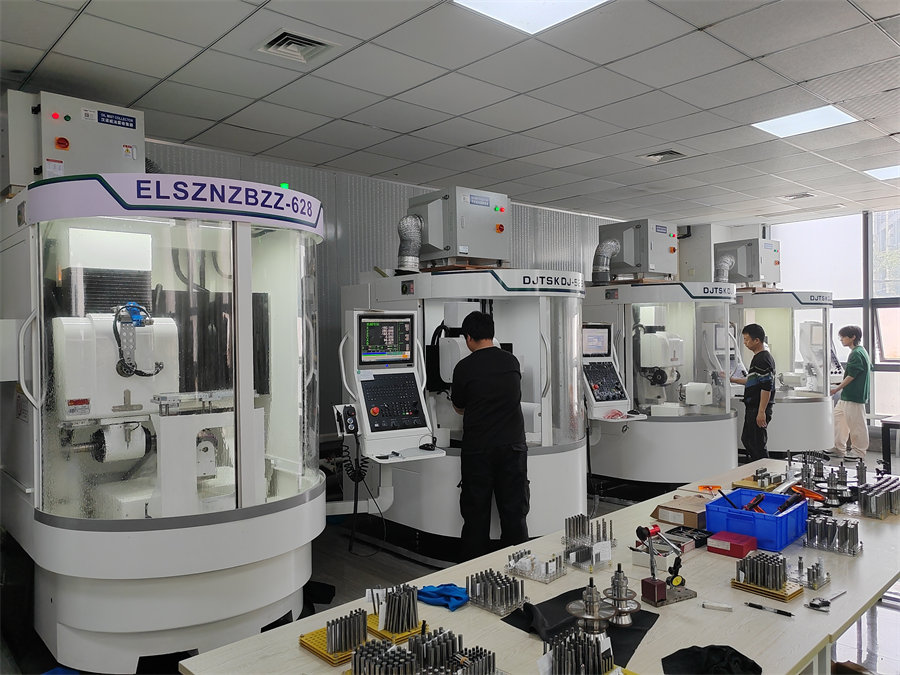
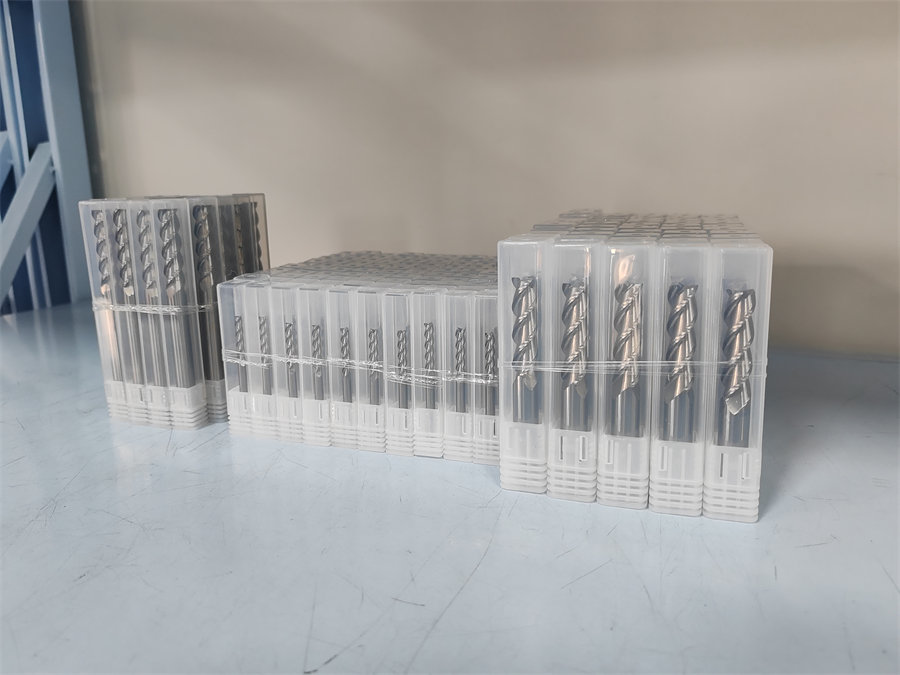
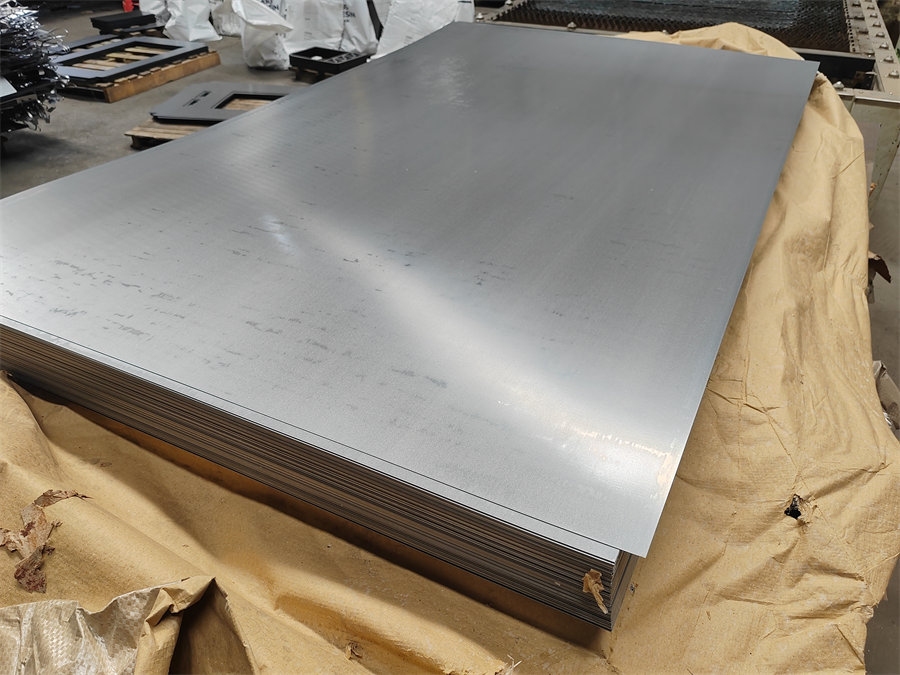
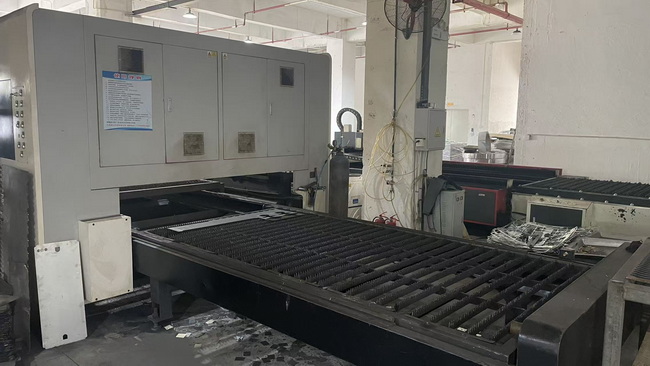
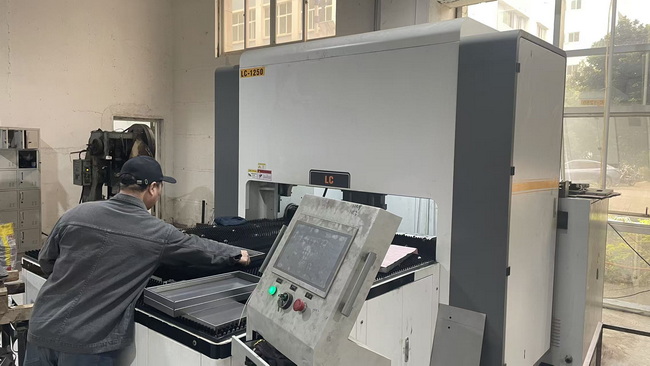
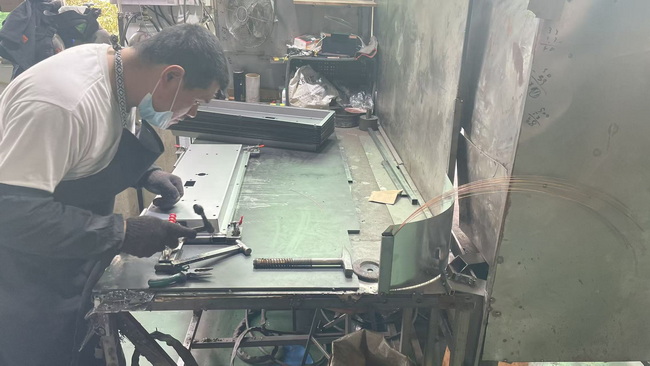
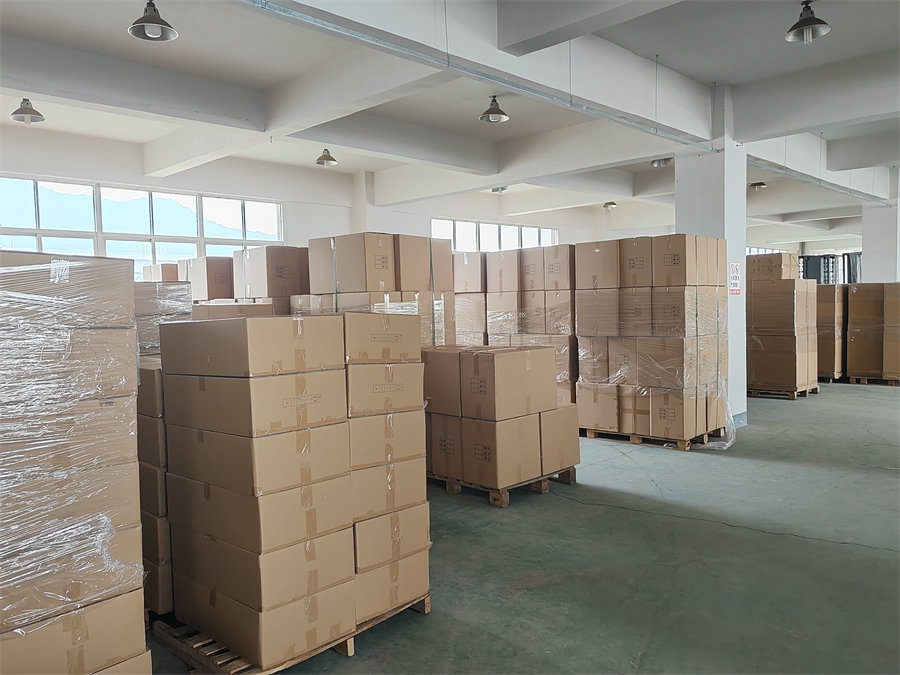
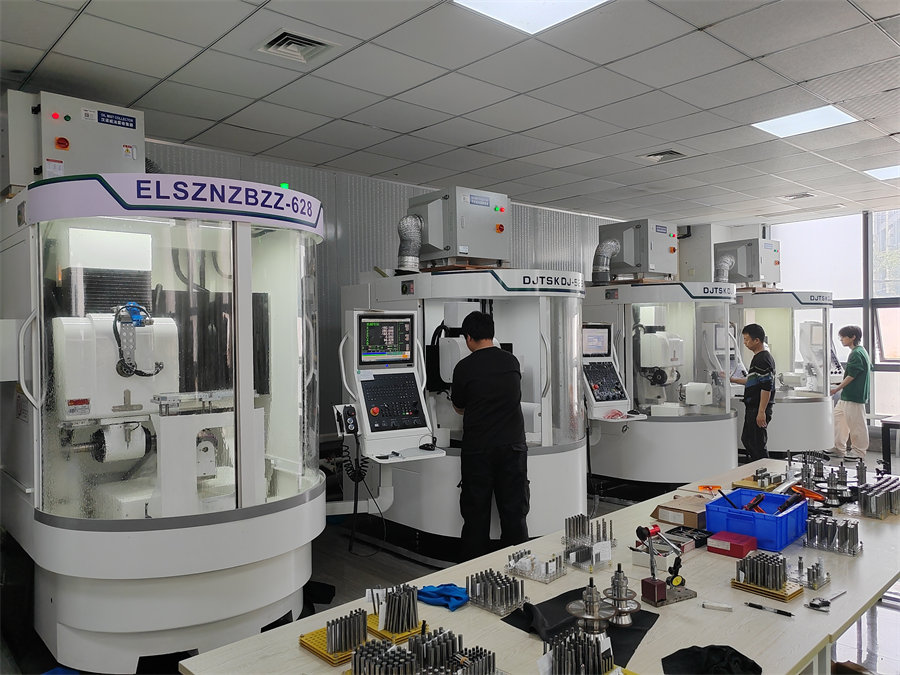
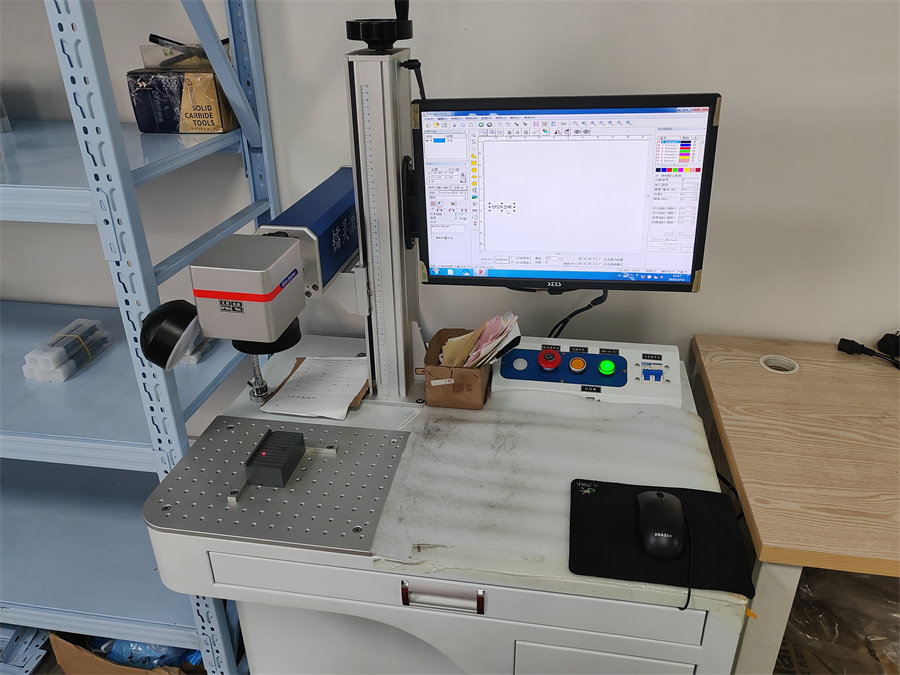
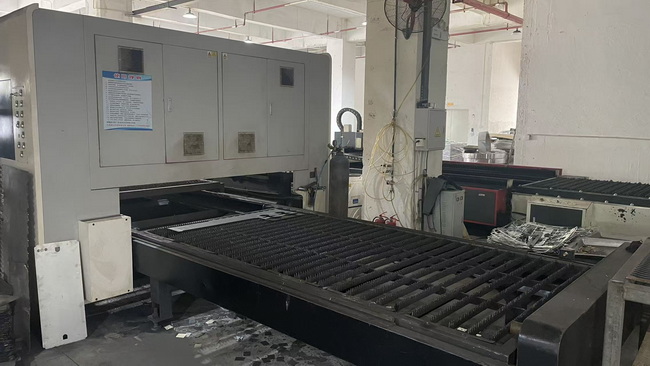
Operating a high-mix, low-volume mold manufacturing schedule requires immediate access to tooling variations. Our Factory 4.0 architecture links production planning, raw carbide stock, and automatic CNC grinding centers to maintain rapid delivery schedules. For industrial buyers in Timor-Leste, this agility is crucial for avoiding costly machinery downtime.
By using premium sandblasted blanks from global suppliers like Ceratizit and Sandvik, and running high-end Rollomatic and ANCA grinding machines, we offer OEM and ODM solutions that match European tool standards at a competitive cost structure. Our optimized logistics network ensures reliable shipment to Dili Port or Dili Airport, accompanied by all standard custom clearance declarations.
At Tier Tool, supplying cutting tools is only the beginning of our partnership with customers. Beyond delivering products, we provide comprehensive technical support and application engineering services to assist customers in optimizing their manufacturing processes.
Our technical specialists work directly with customers to analyze machining conditions, recommend suitable tooling strategies, and develop solutions that maximize efficiency, reliability, and cost-effectiveness. By understanding our customers' production goals and competitive challenges, we strive to become a trusted long-term manufacturing partner rather than simply a tooling supplier.
How our solid carbide ball nose end mills solve real-world problems in key regional sectors.
Seawater corrosion requires the periodic milling of pump impellers, valves, and heavy propeller shafts. Using our HRC65 4-flute ball end mills, marine workshops in Dili can mill stainless steel and bronze castings to original tolerances, avoiding the need to ship parts overseas for repair.
For exploration sites near the Timor Sea, high-pressure fittings and valve manifolds are subject to severe abrasive wear. Our ball nose end mills with silicon-based Nano-Blue coatings allow for high-speed trochoidal milling of hard alloys, providing consistent finishes on critical sealing surfaces.
Refurbishing soil preparation tools and harvest processing machinery requires high-toughness tool steels. Our micro-grain carbide structural mills resist chipping under impact loads, ensuring longer tool life during batch repair cycles.
Expert answers to common engineering questions regarding the setup, application, and maintenance of ball nose cutting tools.
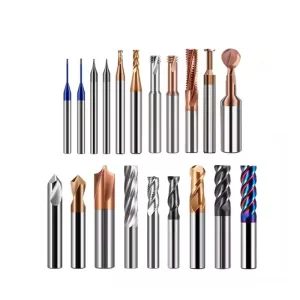
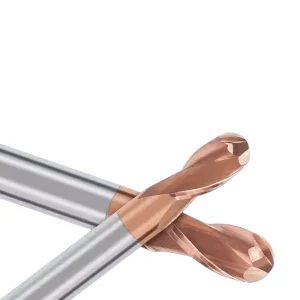
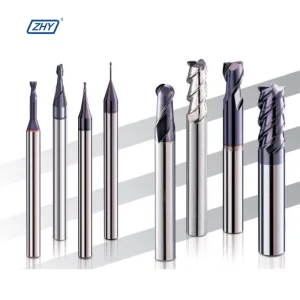
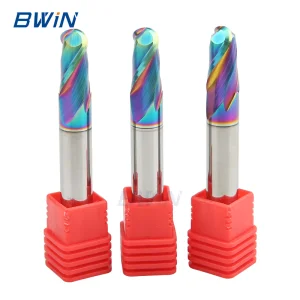
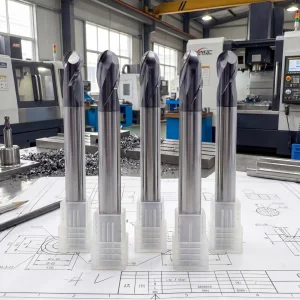
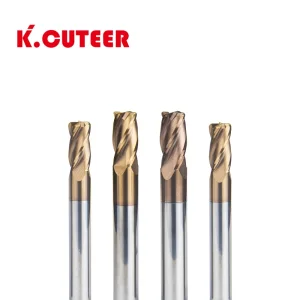
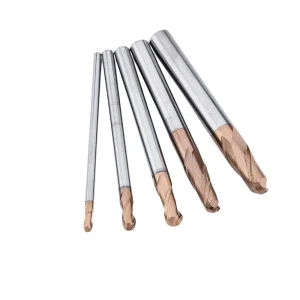
Explore our full catalog of specialized carbide ball nose mills, designed for stable material removal rates in high-hardness steel and aerospace alloys.
Contact our application engineering team today to receive recommended cutting parameters, tool geometry customization options, and factory direct export quotation packages tailored to your operation.
Send Inquiry Now Tier Tool