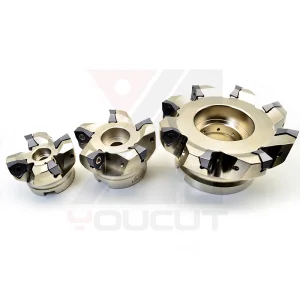
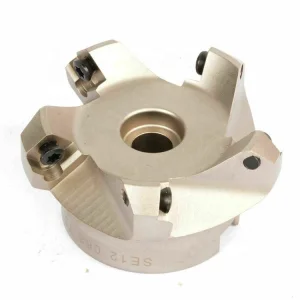
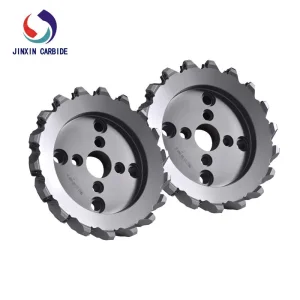
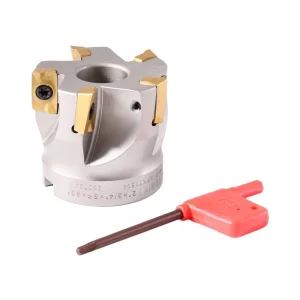
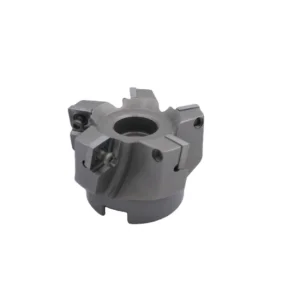
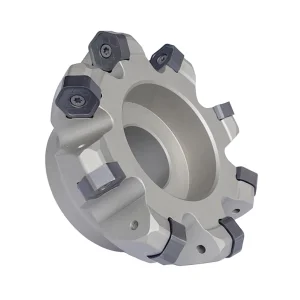
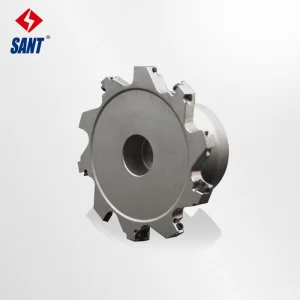
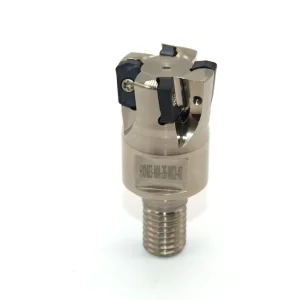
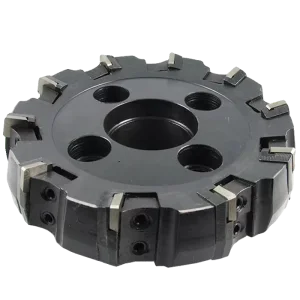
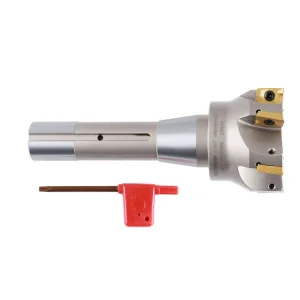
Indexable Face Mills Supplier & Suppliers Serving the Czech Republic Market

High-Precision CNC Tooling Solutions Engineered for Bohemian & Moravian Advanced Manufacturing Industries

Send Inquiry Now

Czech Republic Industrial Landscape & Machining Demands

The Czech Republic stands as one of the most industrialized nations in the European Union, with manufacturing contributing significantly to its national GDP. Key hubs like Central Bohemia (Mladá Boleslav), Pilsen, Brno, and the Moravian-Silesian region (Ostrava) host globally integrated industrial clusters. The automotive sector, led by brands like Škoda Auto and its extensive tier-1 supplier network, demands tooling components that provide consistent accuracy under high-volume output conditions.

Furthermore, the growth of high-value sectors such as aerospace fabrication (Kunovice), power generation equipment, and high-complexity defense systems requires advanced milling tools. These operations necessitate tools that can reliably machine tough alloys, high-strength structural steels, titanium, and cast iron. Modern Czech machine shops operate under strict cycle-time limitations and must maximize equipment utilization while minimizing tool changes.

To remain competitive, local machine shops are transitioning from legacy tooling systems to advanced indexable face mills. By implementing face mills equipped with optimized carbide inserts, shops can achieve higher material removal rates (MRR), lower tool costs per component, and reduced downtime. Finding a reliable supplier capable of delivering precision-engineered face mills is essential for maintaining production efficiency in these sectors.

Automotive Powertrain Precision

Engineered solutions for milling engine blocks, cylinder heads, and transmission components with low surface roughness parameters.

Heavy Industry & Energy

Robust 45° and 90° face mills capable of executing heavy-duty roughing cycles on massive cast iron components in Plzeň.

Aerospace Aluminum & Titanium Machining

Specialized chipbreaker designs and wiper inserts optimized to eliminate work hardening in structural components.

Technical Roadmap & Materials Engineering

Optimizing metal cutting efficiency through substrate customization, advanced coatings, and mechanical design.

To satisfy the strict standards of modern precision engineering, indexable face mills must be designed with an understanding of materials science and cutting mechanics. At Suzhou Tier Tool Co., Ltd., our development roadmap is based on analyzing structural loads and thermal distribution at the tool-workpiece interface during operation.

1. Substrate Optimization (Tungsten Carbide WC-Co)

The performance of any indexable insert starts with its tungsten carbide substrate. We employ micro-grain and ultra-micro-grain tungsten carbide compositions. By adjusting the cobalt content (typically between 6% and 12%) and controlling grain size distribution, we balance the competing priorities of hardness (wear resistance) and toughness (chipping resistance). For instance, roughing operations on cast iron demand a tough, shock-resistant substrate, whereas high-speed finishing of aluminum requires a harder substrate capable of maintaining a sharp cutting edge.

2. Advanced PVD & CVD Coating Technologies

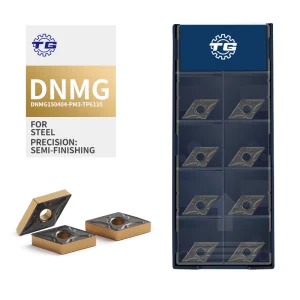
Modern indexable inserts require coatings to protect them from high temperatures and mechanical wear. Our manufacturing process integrates physical vapor deposition (PVD) and chemical vapor deposition (CVD) coatings tailored to specific applications:

  • AlTiN (Aluminum Titanium Nitride): Creates a protective aluminum oxide layer at high temperatures, making it suitable for dry machining steel and stainless steel.
  • TiAlSiN (Titanium Aluminum Silicon Nitride): Features high nanohardness and thermal stability, designed for machining hard materials up to 60 HRC.
  • DLC (Diamond-Like Carbon): Features an extremely low coefficient of friction, preventing built-up edge (BUE) formation when machining aluminum and non-ferrous alloys.

3. Geometric Configuration & Chipbreaker Engineering

The physical orientation of the insert in the milling cutter body directly affects power consumption and tool life. We utilize finite element analysis (FEA) to optimize:

  • Rake Angles: Positive rake angles reduce cutting forces and heat generation, which is beneficial for thin-walled parts and machines with lower spindle power. Negative rake angles strengthen the cutting edge, making them suitable for heavy roughing and interrupted cuts.
  • Lead Angles: 45-degree lead angles distribute cutting forces axially and radially, reducing vibration and allowing for higher feed rates. 90-degree lead angles are used for machining true square shoulders.
  • Wiper Technology: Specially designed wiper flats on finishing inserts burnish the workpiece surface, allowing shops to achieve low surface roughness values (Ra < 0.4 μm) even at high feed rates.
30%
Reduction in Cycle Time
2.5x
Extended Insert Tool Life
0.4μm
Surface Finish Capabilities
100%
CNC Ground Precision

Supply Chain Resilience: China to the Czech Republic

Global manufacturing requires stable and timely deliveries. Suzhou Tier Tool has established a reliable supply chain network to serve the Czech and Central European markets. Utilizing the New Silk Road infrastructure, we offer flexible shipping options, including rail and air freight.

By using the China-Europe Railway Express, shipments from our manufacturing facility in Jiangsu, China, reach logistics terminals in Prague, Pardubice, and Budapest in 12 to 15 days. This provides a balance between the speed of air freight and the cost efficiency of sea freight. For urgent tooling requirements, our air freight partnerships ensure door-to-door delivery within 4 to 6 business days, helping to minimize production interruptions.

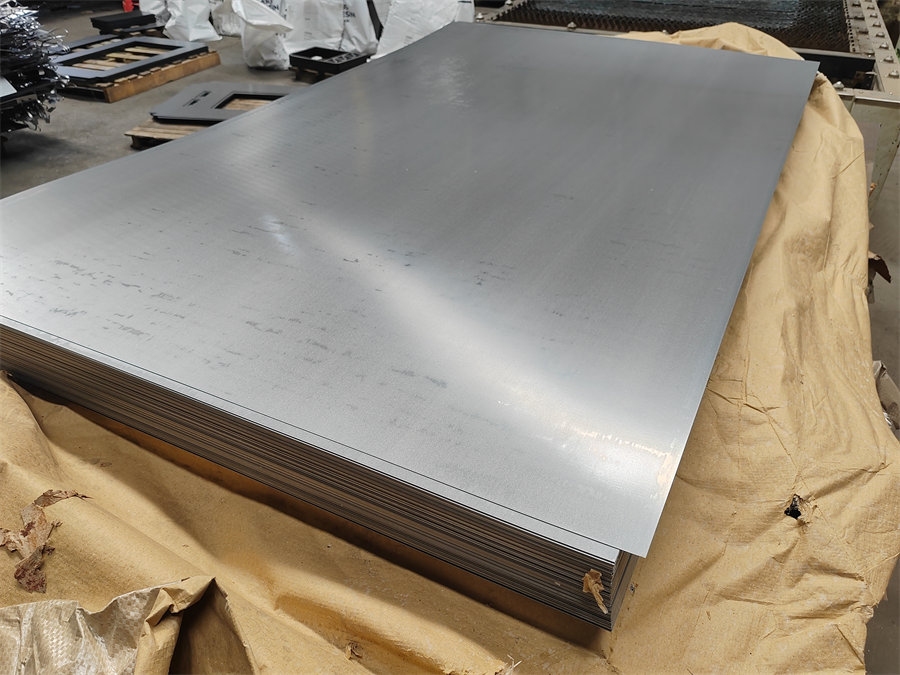
Our raw material supply chain is backed by strategic reserves of premium tungsten carbide powder. This inventory management strategy protects our partners from material shortages and price fluctuations. This supply chain stability, combined with our technical support, makes us a reliable partner for Czech manufacturers looking to optimize their production processes.

Logistics Performance


  • Air Freight Priority: 4 - 6 days delivery to Prague (PRG)
  • Rail Freight (New Silk Road): 12 - 15 days door-to-door
  • Customs Clearance: Pre-cleared documentation compliant with EU customs protocols
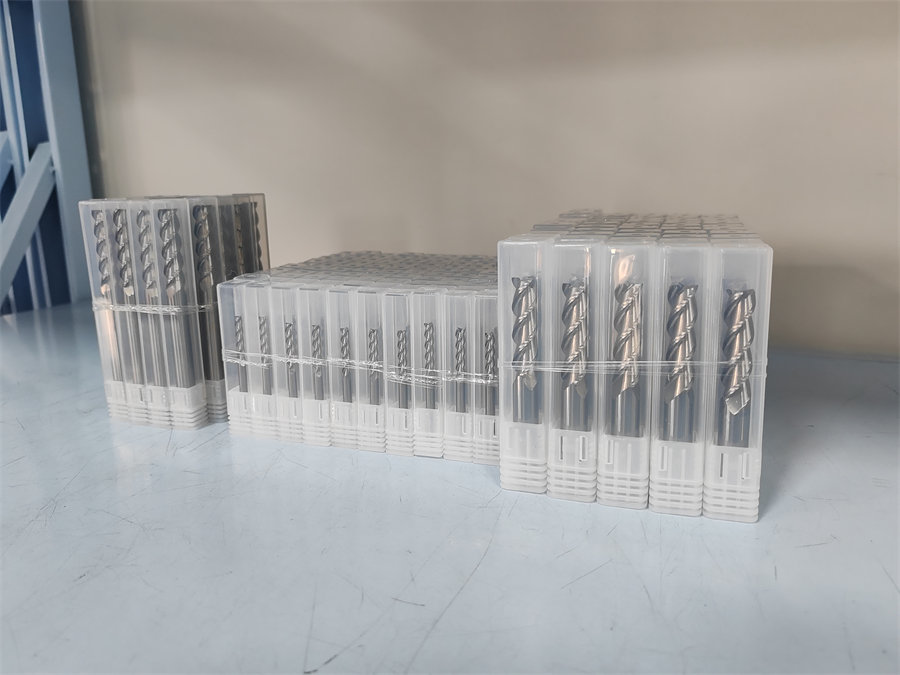
  • Packaging Standard: Industrial-grade, moisture-proof, and shock-resistant packaging for all milling cutters and inserts

Suzhou Tier Tool Co., Ltd. - Company Profile

A national high-tech enterprise specializing in the design, manufacturing, and technical support of precision solid carbide cutting tools.

Suzhou Tier Tool Co., Ltd. was established in 2008. Since its foundation, Tier Tool has focused on the precision machining industry, delivering cutting solutions for hole-making and metalworking applications. Through continuous technological innovation and manufacturing processes, the company has earned the trust of customers across a wide range of industries worldwide.

Advanced Manufacturing Capabilities

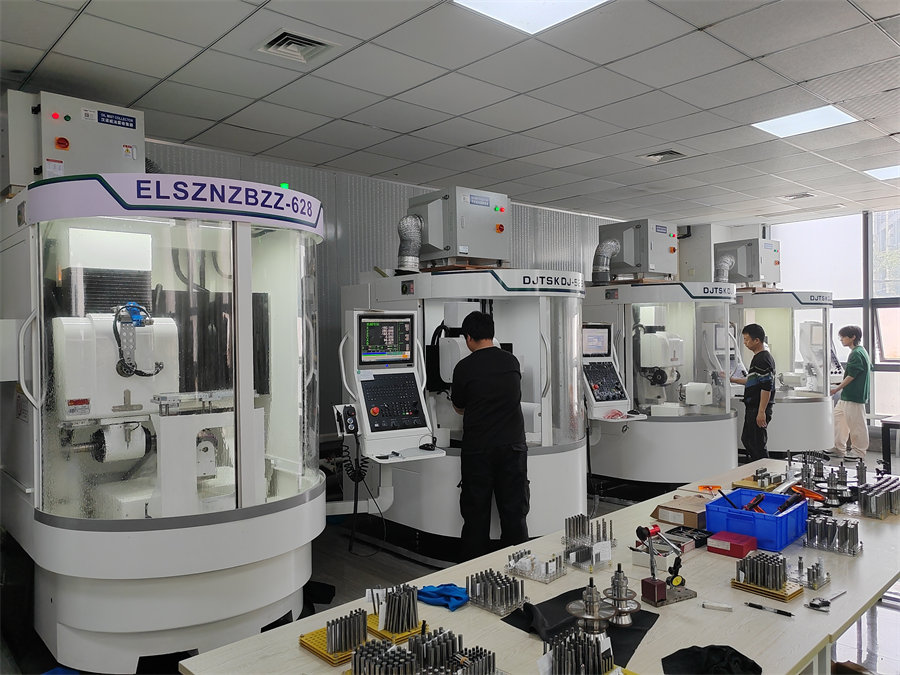
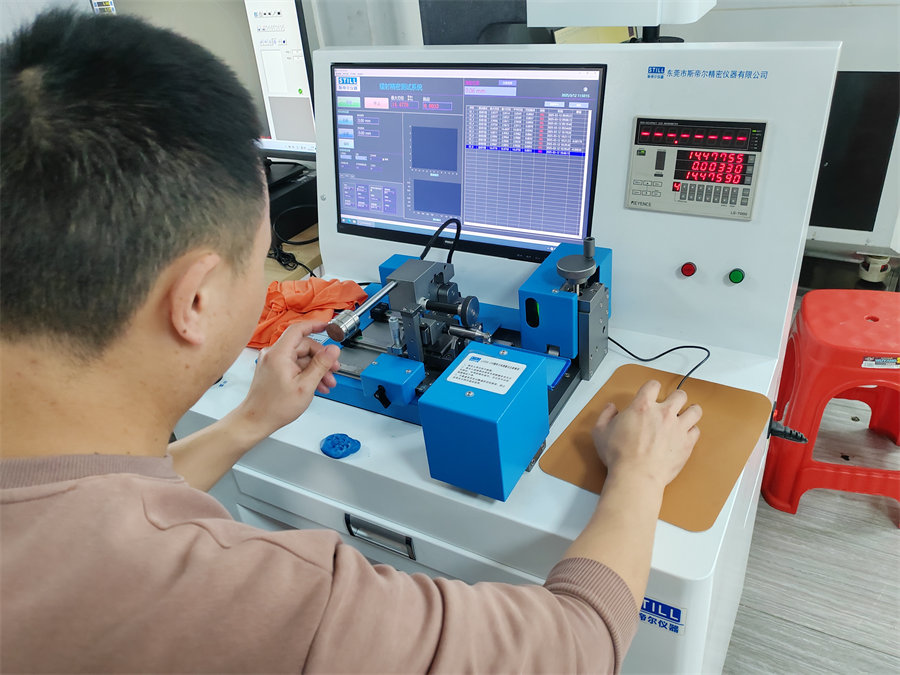
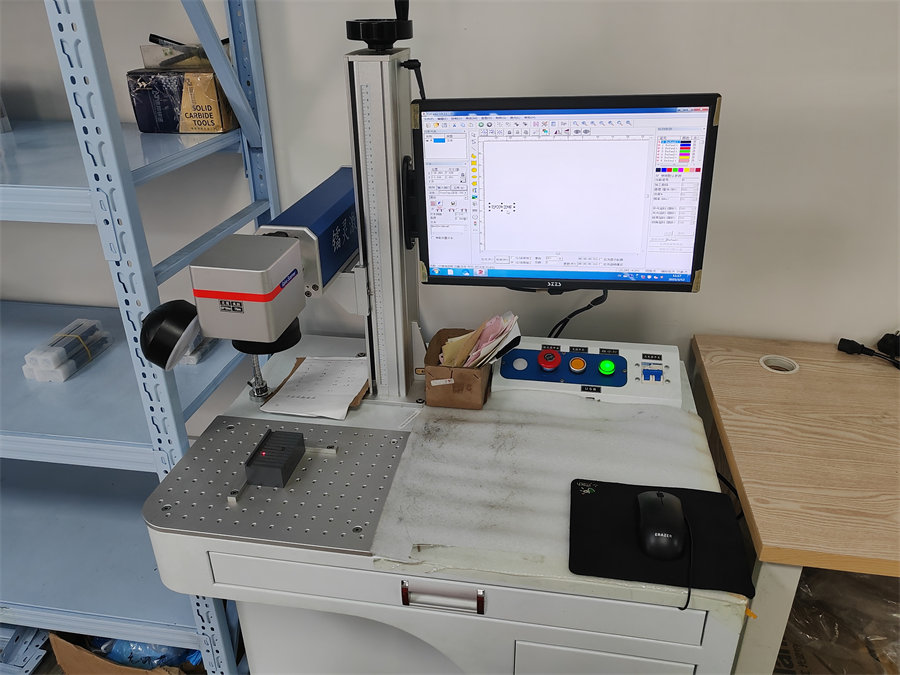
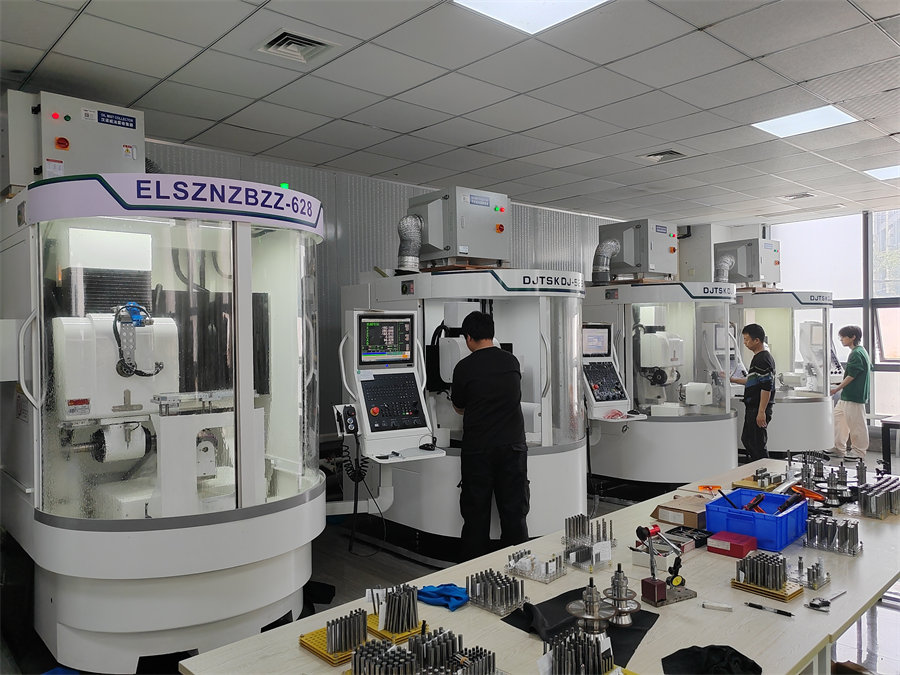
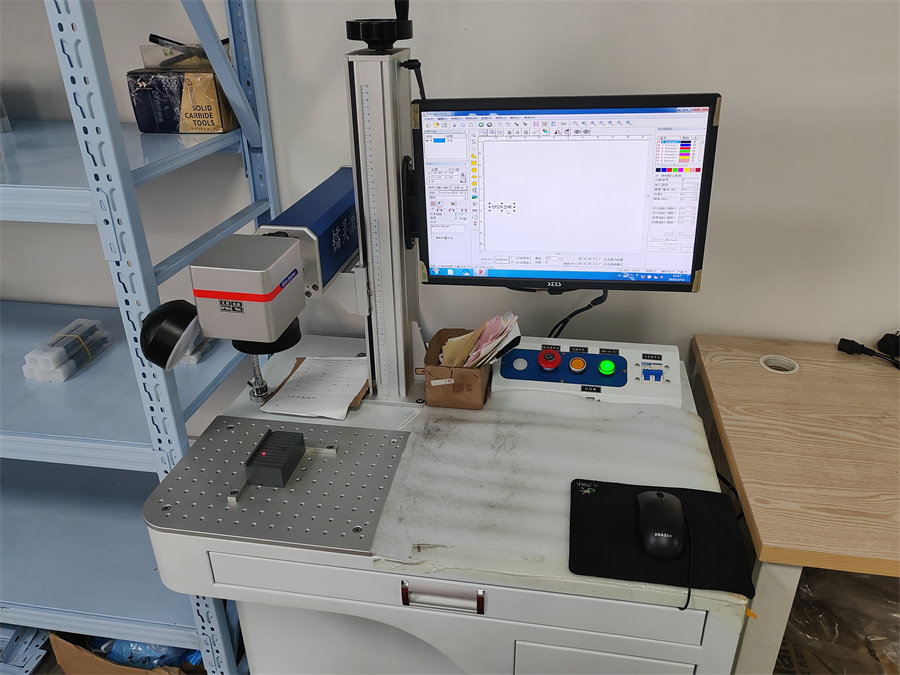
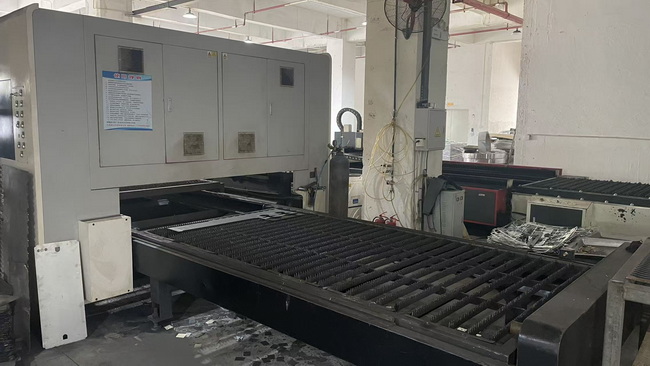
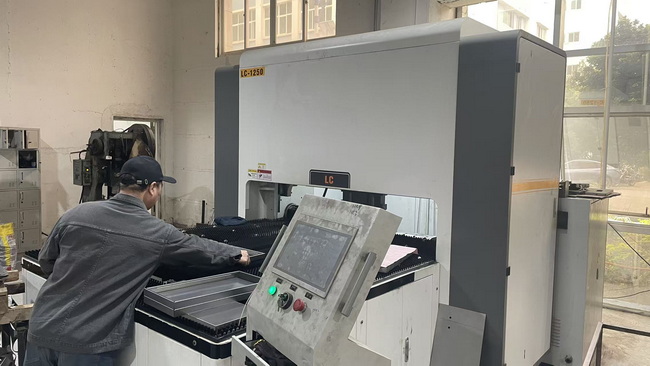
To ensure precision and consistency, Tier Tool has invested in advanced manufacturing equipment and production technologies. The company operates multiple imported CNC tool grinding machines and precision inspection systems, enabling complete in-house capabilities from tool design and prototyping to small-batch testing and large-scale production.

Our manufacturing process is built upon strict process control and traceability standards. Every production stage is monitored to ensure repeatability, quality consistency, and reliable delivery performance. Through systematic process management and standardized operating procedures, Tier Tool has established a manufacturing system capable of meeting the requirements of modern precision machining.

Commitment to Quality

Quality is the foundation of Tier Tool's long-term operations. We adhere to the principle of "Quality First, Continuous Improvement", implementing quality control procedures throughout the entire production cycle.

From raw material selection and incoming inspection to final product verification, every tool undergoes quality checks to ensure it meets strict dimensional, geometrical, and performance requirements. By optimizing our manufacturing and inspection processes, we deliver products that provide accuracy and reliability in machining applications.

We understand that in precision manufacturing, stable quality is an important factor that determines our customers' productivity and competitiveness.

Technical Support and Customer Partnership

At Tier Tool, we believe that supplying cutting tools is only the beginning of our partnership with customers. Beyond delivering products, we provide technical support and application engineering services to assist customers in optimizing their manufacturing processes.

Our technical specialists work with customers to analyze machining conditions, recommend suitable tooling strategies, and develop solutions that maximize efficiency, reliability, and cost-effectiveness. By understanding our customers' production goals and competitive challenges, we strive to become a long-term manufacturing partner rather than simply a tooling supplier.

Vision for the Future

Looking ahead, Suzhou Tier Tool Co., Ltd. will continue to focus on the development of high-performance carbide cutting tools and deepen its expertise in automotive, aerospace, precision engineering, and advanced manufacturing industries.

Driven by professionalism, innovation, and customer commitment, we are dedicated to creating value for our customers through reliable products, flexible services, and advanced manufacturing technologies. Tier Tool will continue to grow as a partner in precision cutting solutions, helping customers achieve higher productivity, better quality, and stronger competitiveness in an ever-evolving manufacturing world.

Full Indexable Milling Tool Catalog

Explore our complete product catalog for standard face milling, square shoulder milling, high-feed machining, and precision copying.

Technical FAQ - Indexable Face Milling Operations

Addressing engineering challenges faced by CNC programmers, operators, and procurement managers in high-precision environments.

Q1: What determines the choice between a 45-degree and a 90-degree lead angle face mill?
A 45-degree lead angle is typically selected for general-purpose face milling because it directs cutting forces axially back into the machine spindle, stabilizing the cut and reducing vibration. This configuration also produces thinner chips, allowing for higher feed rates (feed chipping effect). Conversely, a 90-degree lead angle is required when machining square shoulders or thin-walled workpieces where radial forces must be minimized to avoid deflection.
Q2: How do you address thermal cracking when milling stainless steel (ISO M) with carbide tools?
Thermal cracking is caused by rapid heating and cooling cycles as the insert enters and exits the cut. In many operations, machining dry or using minimum quantity lubrication (MQL) helps maintain a stable temperature at the cutting zone, reducing thermal shock. If coolant is used, it must be applied continuously and in a high volume directly to the cutting edge to prevent localized cooling. Using a PVD-coated insert with high thermal shock resistance (such as AlTiN or TiAlSiN) also helps mitigate this issue.
Q3: How does pitch density (coarse, close, extra-close) affect face milling?
Pitch density refers to the number of inserts relative to the diameter of the cutter body. Coarse pitch cutters have fewer inserts and larger chip gullets, making them suitable for long-chipping materials, operations with limited machine horsepower, and setups prone to vibration. Close and extra-close pitch cutters increase the metal removal rate (MRR) and are ideal for short-chipping materials like cast iron, stable setups, and high-productivity finishing cuts.
Q4: What parameters optimize tool life when face milling Cast Iron (ISO K) in heavy industrial setups?
Cast iron generates high abrasive wear. We recommend a cutting speed (Vc) between 120-250 m/min depending on the specific grade (e.g., grey vs. ductile iron). Feed per tooth (fz) should be kept relatively high (0.15 - 0.35 mm/tooth) to prevent rubbing within the abrasive outer skin of the casting. Utilizing double-sided negative geometry inserts provides strong cutting edges to handle inclusions and surface scale.
Q5: Why is climb milling (down milling) generally preferred over conventional milling (up milling) in face milling?
Climb milling is preferred because the cutting edge enters the material at the maximum chip thickness and exits at zero thickness. This minimizes friction and work hardening at the entry point, directing heat into the chip rather than the workpiece. Conventional milling starts cutting at zero thickness, causing rubbing and friction that accelerates tool wear and can degrade the surface finish. Conventional milling is typically reserved for castings with hard, abrasive outer scales.
Q6: How do wiper inserts achieve a superior surface finish in face milling?
Wiper inserts feature a flat section (wiper flat) that is wider than the feed per revolution of the cutter. As the cutter rotates, the wiper flat sweeps across the scallops left by the standard radius inserts, smoothing out surface peaks. In most operations, installing one wiper insert per cutter body is sufficient to improve surface quality without requiring high costs for the entire tool set.
Q7: What is the benefit of using high-feed milling geometries (like HXN03 or AJX14)?
High-feed milling geometries utilize a small entry angle (usually between 10 and 15 degrees). This design results in a chip-thinning effect, allowing feed rates per tooth to be increased up to 1.5 - 2.0 mm/tooth. Additionally, the cutting forces are directed axially up into the spindle, which reduces radial deflection and allows for stable machining even with long tool overhangs.
Q8: How does Suzhou Tier Tool guarantee manufacturing consistency across production batches?
We employ automated CNC grinding machinery and implement strict process control at every production stage. Dimensional inspection is conducted using automated optical measuring machines (like Zoller systems). Each production batch undergoes testing and inspection to ensure that concentricity, radial runout, and surface finish meet ISO tolerance standards before shipment.

Optimize Your CNC Milling Operations Today

Partner with Suzhou Tier Tool Co., Ltd. for engineering support, optimized tool life, and stable supply chains serving the Czech Republic and Central Europe.

Send Inquiry Now