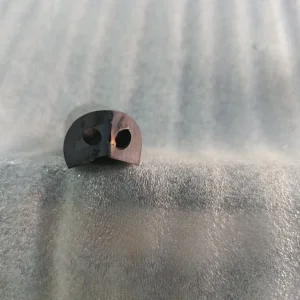
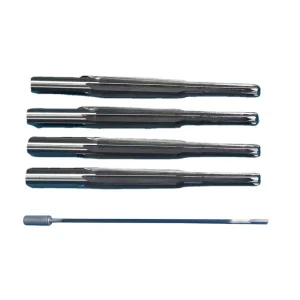
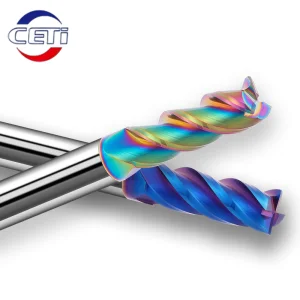
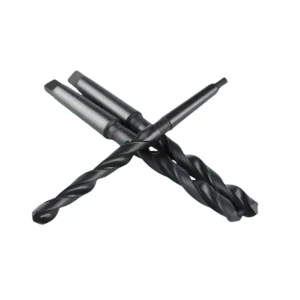
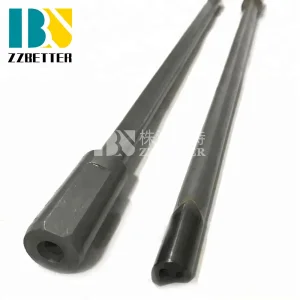
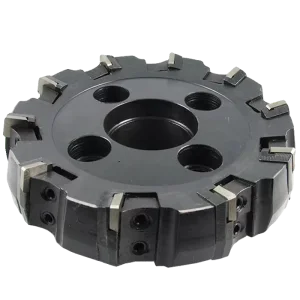
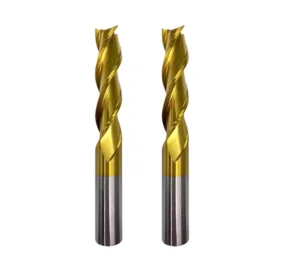
Examine our primary line of solid tungsten carbide drills, thread mills, and indexable end mills configured for heavy-duty metalworking
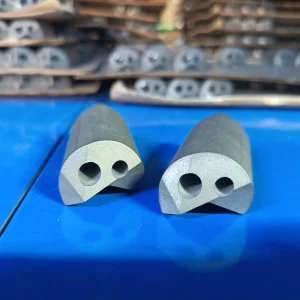
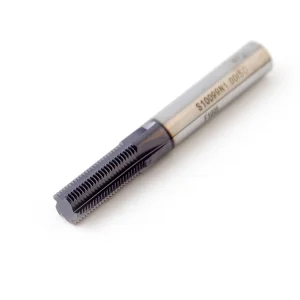
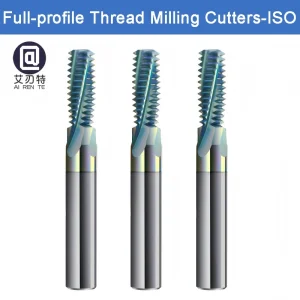
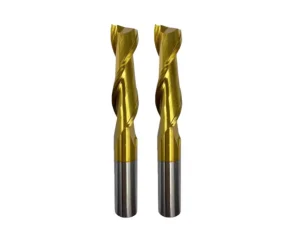
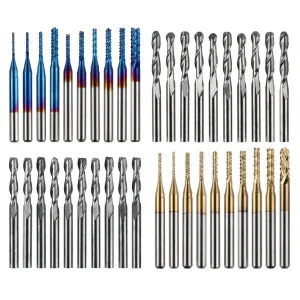
In modern mechanical processing, the choice of cutting tool parameters is the primary factor determining yield rates, overall equipment effectiveness (OEE), and surface finish parameters. Standard tool materials, such as High-Speed Steel (HSS), face significant physical limits when subjected to high-temperature and high-speed operations. This is where carbide tipped bits and solid tungsten carbide tools excel, representing the standard for heavy-duty metalworking.
Tungsten carbide is a composite material formed by sintering carbide particles (primarily WC) with a binder metal, usually cobalt (Co), under extreme temperature and pressure. The resulting material exhibits a hardness profile between 89 and 94 HRA. This high hardness provides superior resistance against adhesive and abrasive wear.
Globally, the tool industry is shifting toward materials with lower friction coefficients, optimized micro-geometries, and targeted coatings. These advancements are driven by the growth of key industrial sectors:
In the global market, particularly within the European Economic Area (EEA), CE certification serves as a key indicator of compliance with health, safety, and environmental protection standards. For high-speed rotary cutting tools, CE compliance signifies that the tools adhere to strict mechanical stability and safety requirements, including the Machinery Directive 2006/42/EC and EN ISO 12100.
During high-speed operations, cutting tools are subjected to high centrifugal forces, variable mechanical stresses, and thermal fluctuations. A low-quality tool is prone to catastrophic fracture, which can damage the workpiece, compromise spindle integrity, and present safety risks to operators.
As an established manufacturer, Suzhou Tier Tool Co., Ltd. integrates safety and quality control standards throughout its engineering processes. CE compliance is supported by:
"CE Certification is not simply a regulatory requirement; it represents a commitment to safety and reliability. By adhering to international mechanical standards, Suzhou Tier Tool ensures that each tool operates safely under extreme feed rates and cutting speeds."
Founded in 2008, Suzhou Tier Tool Co., Ltd. is a national high-tech enterprise specializing in the design, manufacturing, and technical support of precision solid carbide cutting tools. We serve industries that require precise tolerances and reliable tool performance.
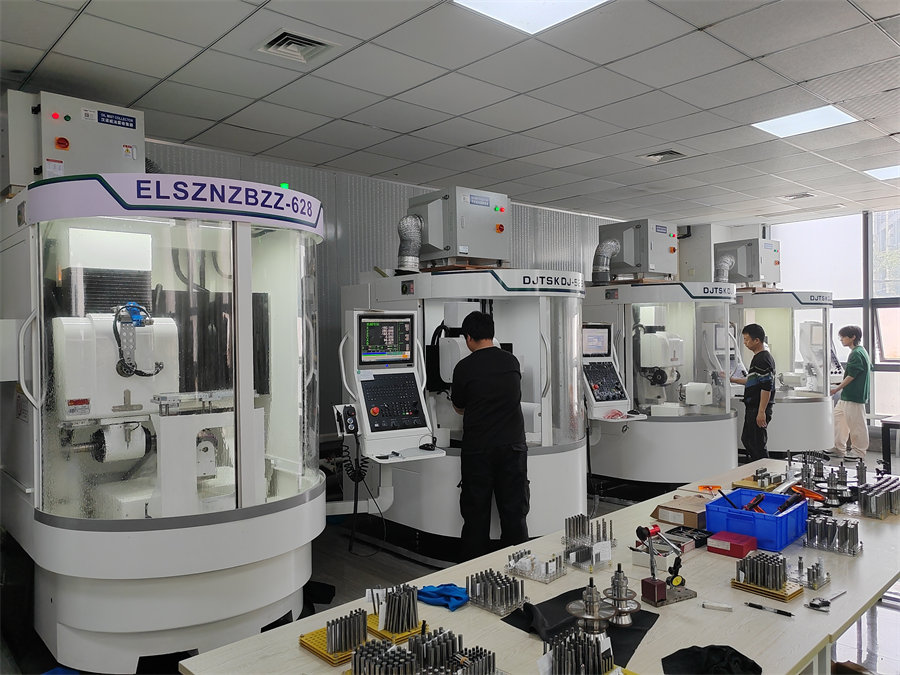
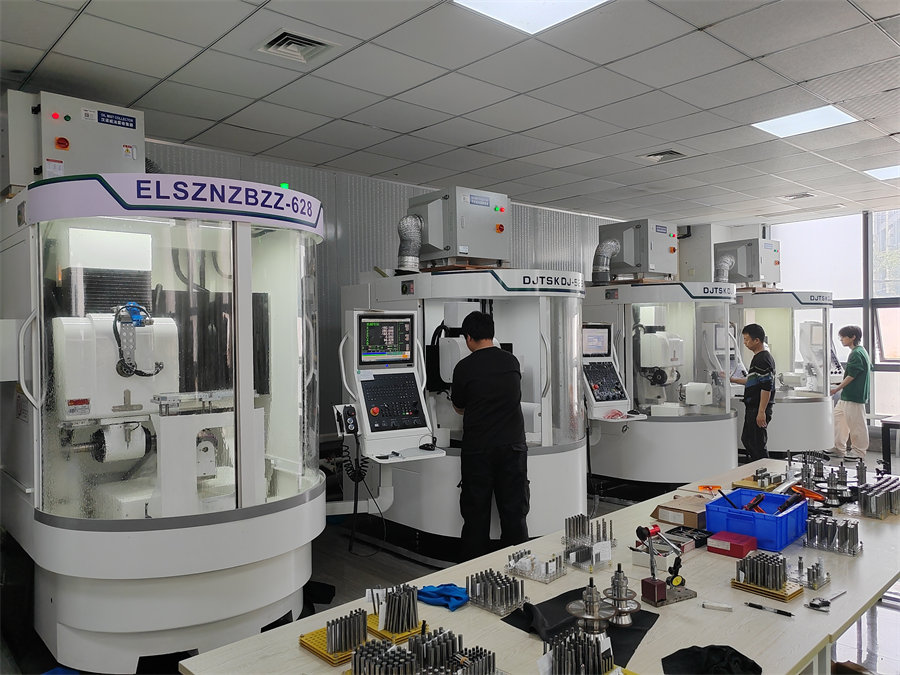
Our facility uses multi-axis CNC tool grinding machines from manufacturers such as Walter (Germany), Rollomatic (Switzerland), and ANCA (Australia). These machines are paired with Keyence optical measurement equipment and Zoller Genius 3 inspection stations. This equipment configuration allows us to maintain tight tolerances:
| Critical Parameter | Standard Tolerance Profile | Ultra-Precision Grade Option | Verification Methodology |
|---|---|---|---|
| Shank Diameter (d) | h6 (+0 / -0.008 mm) | h5 (+0 / -0.005 mm) | Laser Micrometer Inspections |
| Cutting Edge Diameter (D) | ±0.010 mm | ±0.002 mm | Zoller Genius 3 3D Optical Scan |
| Radial Runout | ≤ 0.005 mm | ≤ 0.002 mm | Dial Indicator / 360-degree spindle test |
| Core Thickness Deviation | ±0.015 mm | ±0.005 mm | Cross-sectional microscopic inspection |
By maintaining strict control over our manufacturing processes, we ensure that every batch of end mills, gun drills, and step drills performs consistently. This reliability is essential for reducing down-time in automated production lines.
China's manufacturing sector has evolved from a high-volume assembly model to a highly integrated, technology-driven ecosystem. The Yangtze River Delta region, where Suzhou Tier Tool is located, features a dense cluster of precision engineering resources, raw material suppliers, specialized coating centers, and logistics providers.
This industrial concentration allows us to offer several advantages to our global customers:
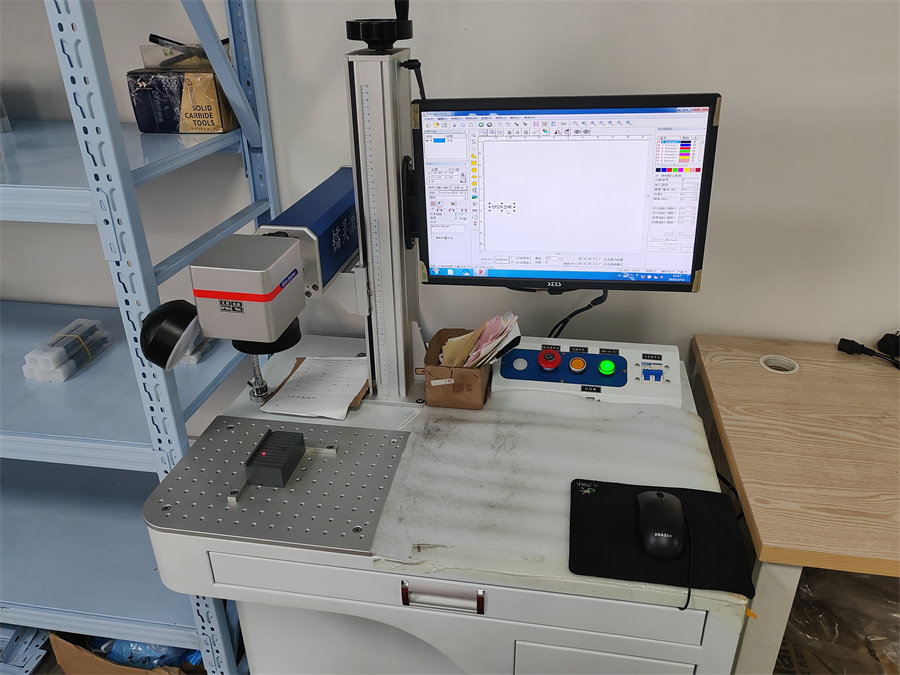
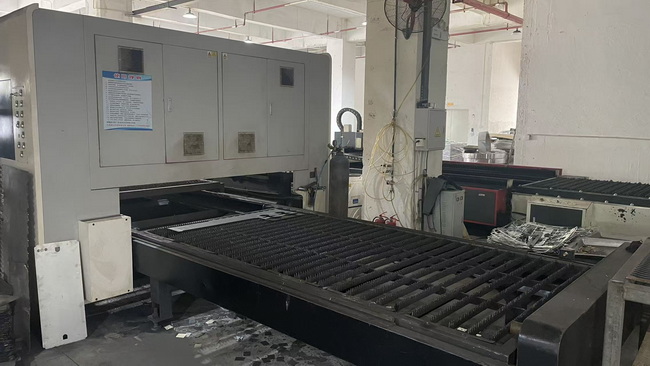
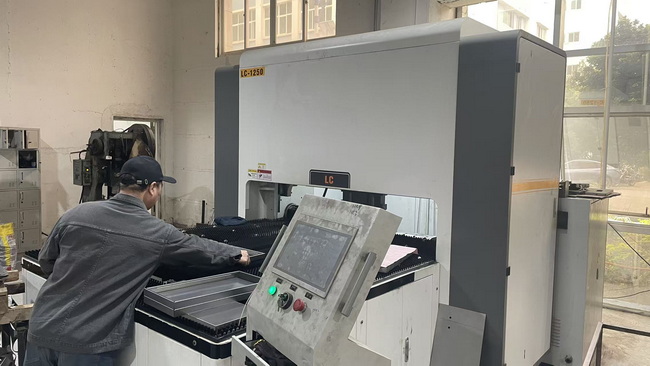
A visual overview of our production stages, precision machinery, quality control inspections, and packaging processes
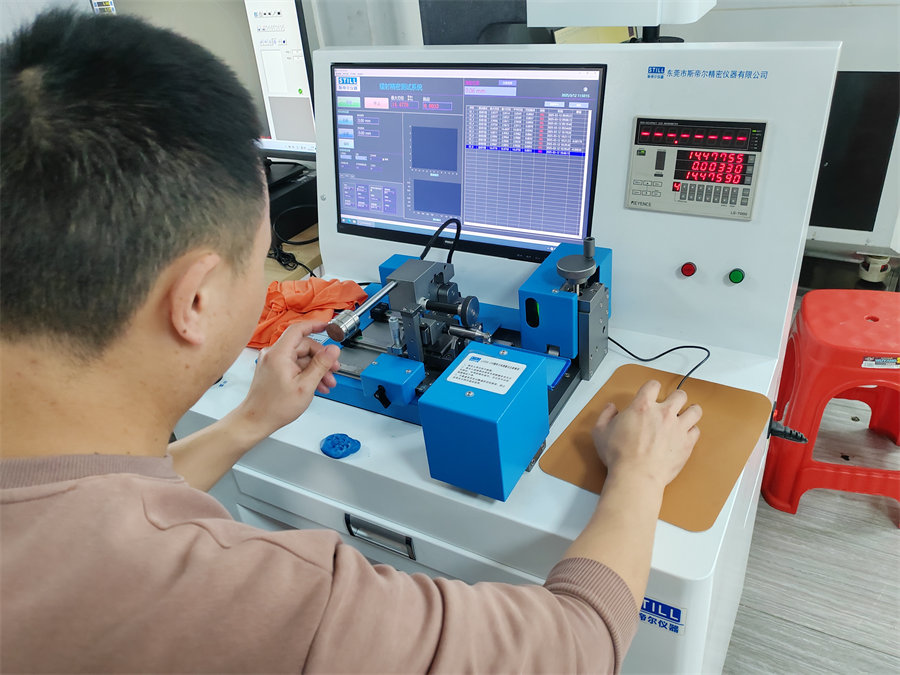
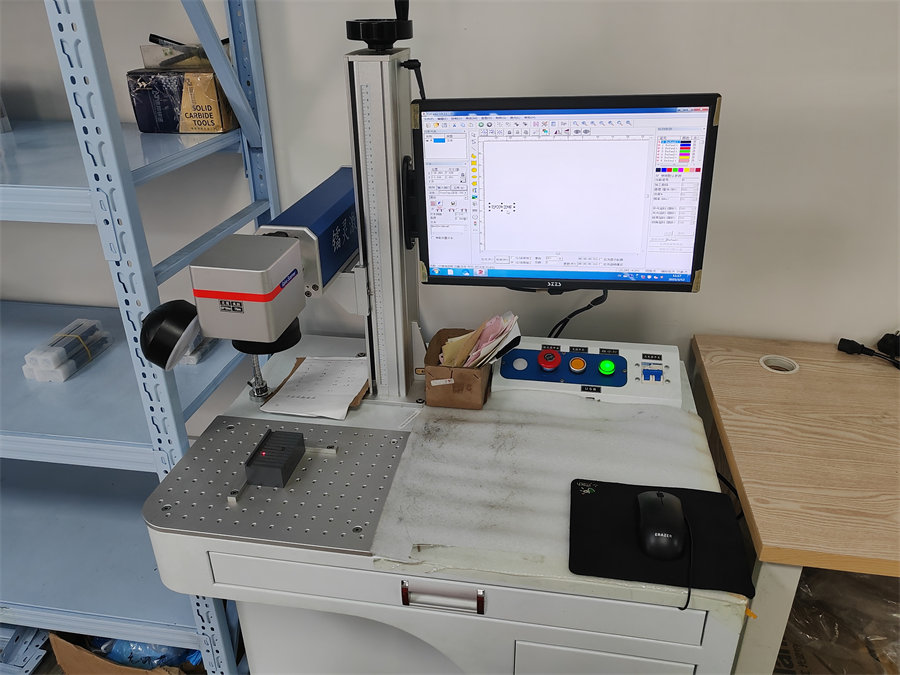
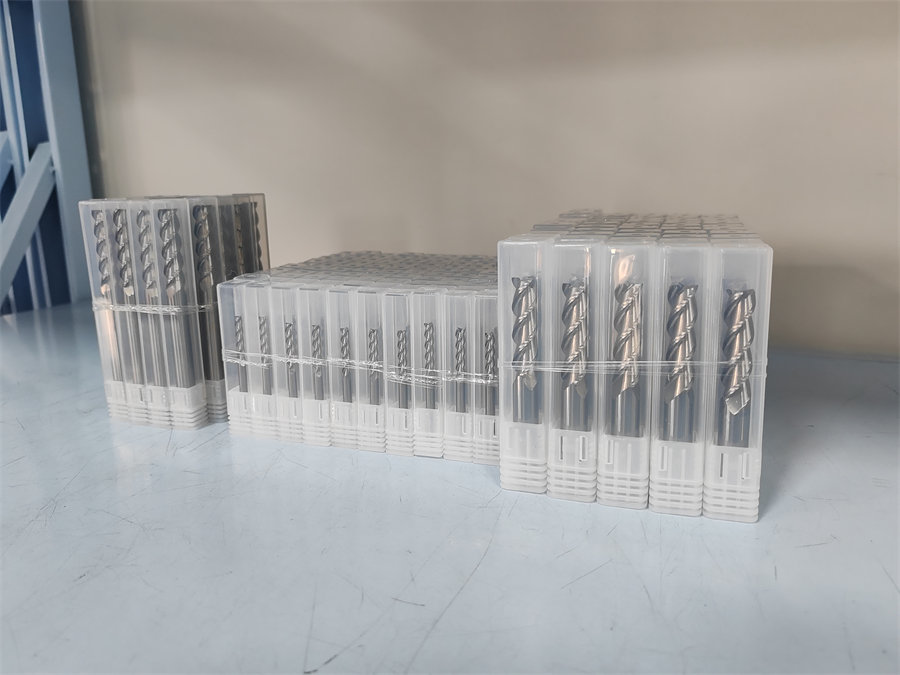
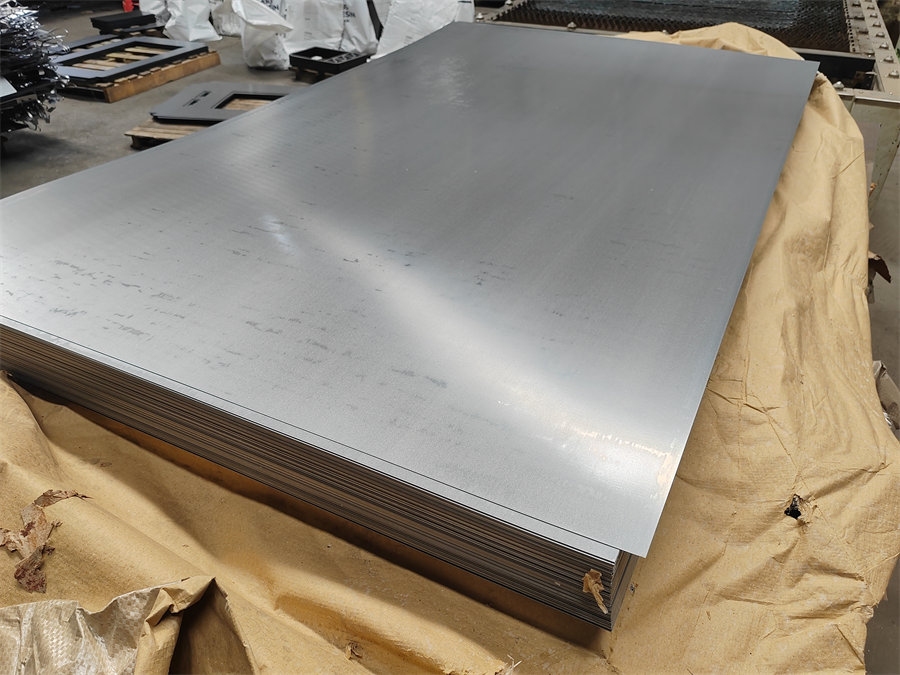
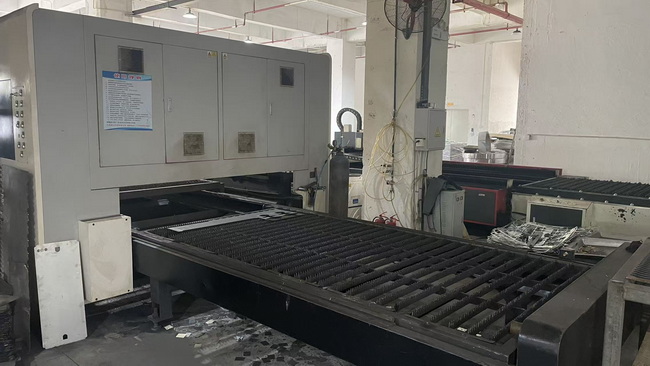
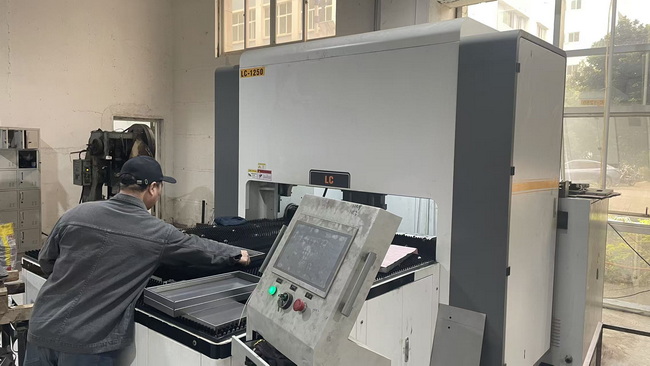
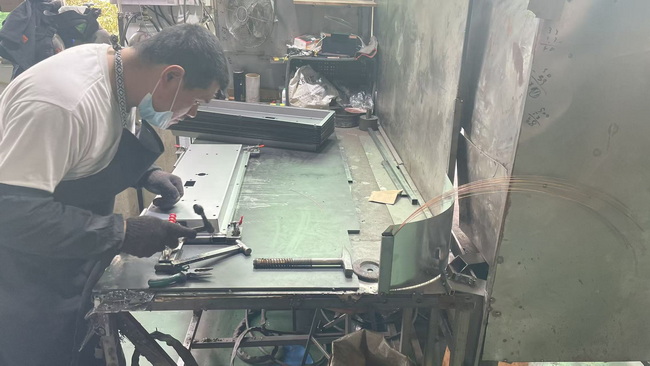
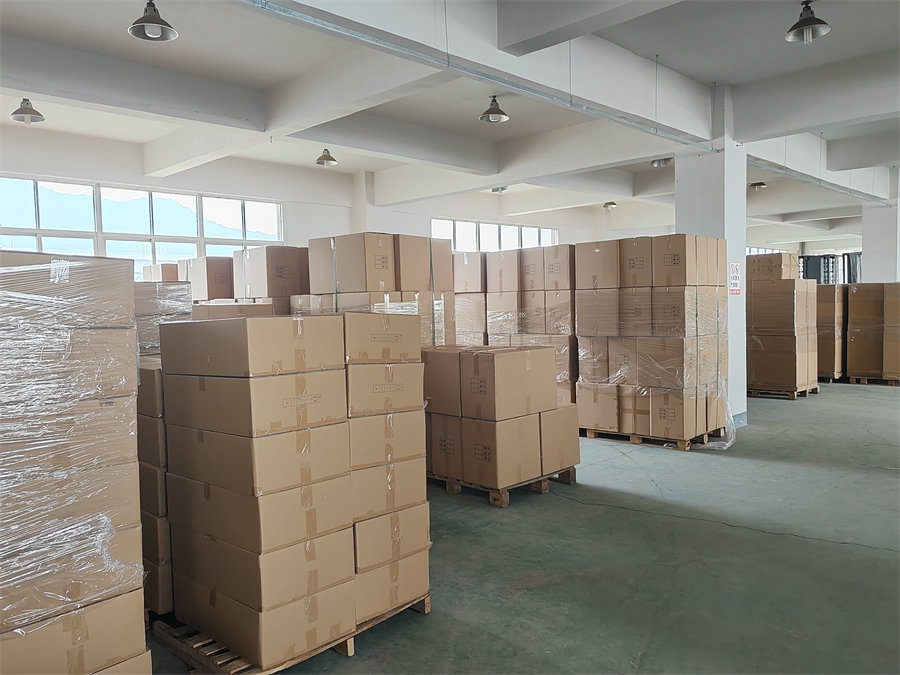
The performance of a carbide tipped or solid carbide bit is heavily influenced by its surface finish and coating layer. A bare carbide tool, while hard, can experience chemical degradation under high temperatures. Coatings act as a thermal barrier, limiting diffusion and reducing friction at the tool-chip interface.
Selecting the appropriate coating is critical for different machining tasks:
Machining ratios above 20xD requires efficient chip evacuation and continuous coolant delivery. Our carbide tipped gun drills feature straight flutes and internal coolant channels. They are engineered to deliver cutting fluid directly to the tool tip, helping clear chips and maintain stable cutting temperatures.
Aluminum is highly ductile and prone to built-up edge (BUE) formation. By applying an ultra-thin Diamond-Like Carbon (DLC) coating with a friction coefficient below 0.1, we prevent aluminum adhesion to the cutting flutes, ensuring smooth chip flow and high surface finishes.
For dry machining of hardened die steels, we utilize micro-grain carbide substrates coated with Titanium Silicon Nitride (TiSiN) or Aluminum Titanium Nitride (AlTiN). These coatings form a protective oxide layer at high temperatures, allowing the tool to operate under severe thermal conditions.
The industrial cutting tool sector is adapting to meet new technological and environmental requirements. Several major trends are currently shaping the development of carbide tooling:
When purchasing carbide tooling, evaluating the total cost of ownership (TCO) is more critical than comparing unit prices alone. High-quality tools can improve tool life, reduce cycle times, and lower reject rates, resulting in a lower cost per machined part.
We suggest considering the following factors when selecting a supplier:
Read technical answers regarding tool selection, coating optimization, and machining practices
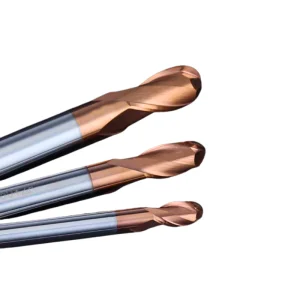
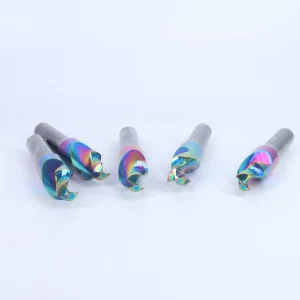
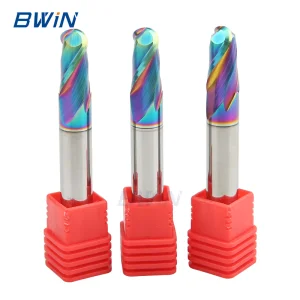
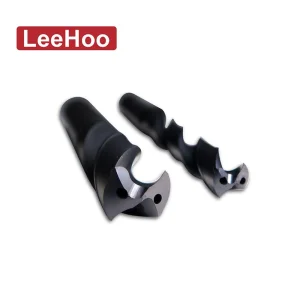
Explore our extended range of carbide twist drills, indexable end mills, and coated step drills designed for precision manufacturing
 Tier Tool